
Hawaiian desserts are more than just sweet treats. They reflect the islands’ rich history, diverse cultural influences, and abundance of tropical ingredients. From creamy coconut-based favorites to chewy rice flour desserts and fruit-filled specialties, Hawaiian desserts offer flavors and textures that are distinct from those found in many other parts of the world.
Traditional Hawaiian desserts often feature ingredients that thrive in Hawaii’s tropical climate, including coconut, pineapple, taro, sweet potato, mango, and passion fruit. These ingredients have been used for generations to create desserts that celebrate both the natural resources of the islands and the traditions of the people who call Hawaii home.
Many of the most popular Hawaiian desserts have evolved through a blend of Native Hawaiian practices and influences from Portuguese, Japanese, Filipino, and other immigrant communities. This combination has helped create a dessert culture that is uniquely Hawaiian while remaining deeply connected to the islands’ history.
Some of the most beloved Hawaiian desserts include haupia, malasadas, butter mochi, kulolo, and lilikoi-based treats. Whether served at a local bakery, family gathering, cultural festival, or traditional luau, these desserts continue to be enjoyed by both residents and visitors seeking authentic island flavors.
What Makes Hawaiian Desserts Different?
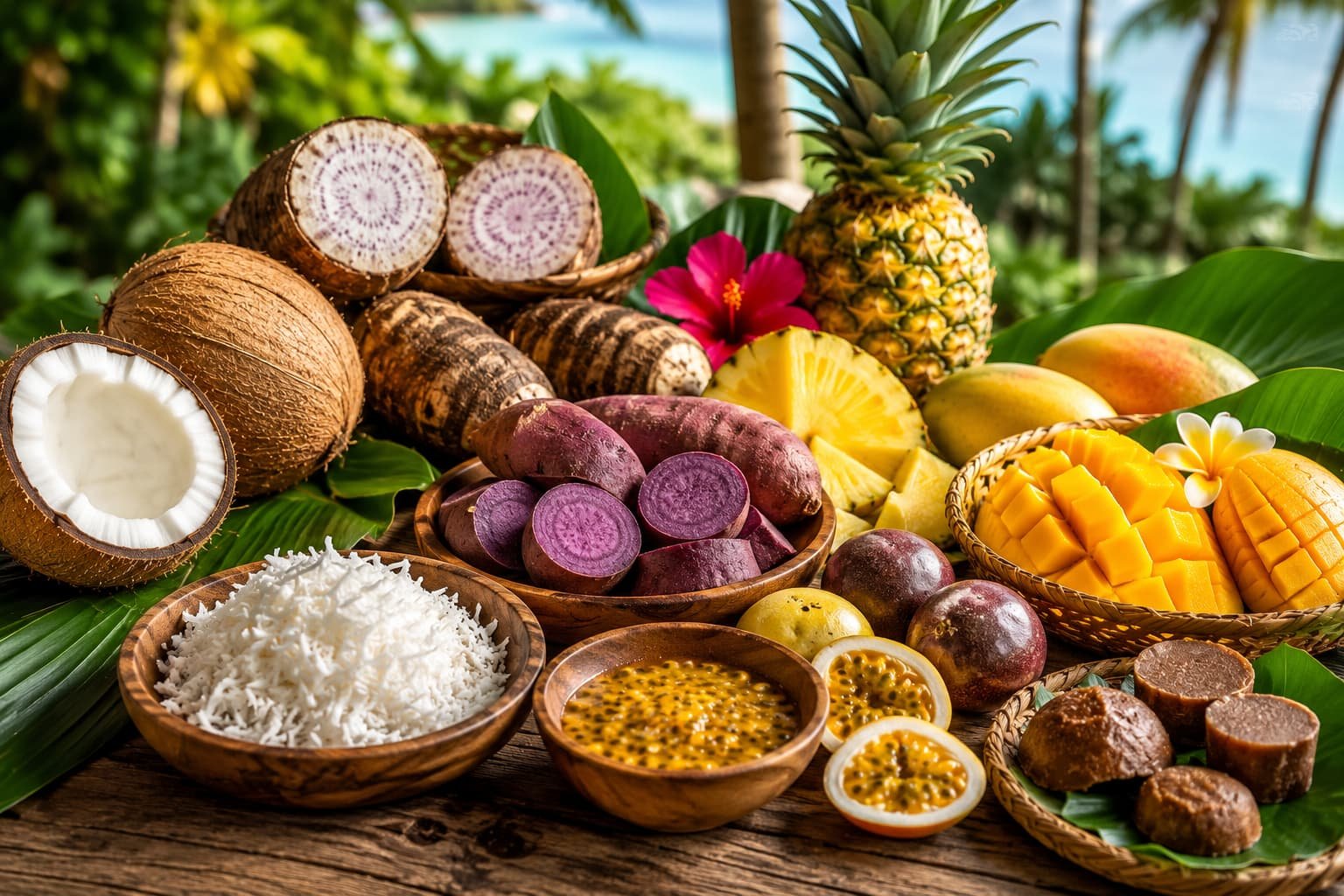
Traditional Hawaiian desserts are unique because they combine tropical ingredients such as coconut, taro, pineapple, sweet potato, and passion fruit with recipes influenced by Native Hawaiian traditions and generations of cultural exchange.
Unlike many desserts that rely heavily on butter, cream, or chocolate, authentic Hawaiian desserts often highlight the natural flavors of locally grown ingredients. Coconut milk, fresh fruit, taro root, and sweet potatoes frequently serve as the foundation for desserts that are rich in flavor while remaining closely connected to Hawaii’s agricultural heritage.
One of the defining characteristics of Hawaiian desserts is their connection to traditional island ingredients. Long before modern bakeries and commercial kitchens became common, Native Hawaiians used ingredients such as taro and sweet potatoes to prepare naturally sweet dishes that provided nourishment as well as flavor. These ingredients remain important components of many traditional Hawaiian desserts today.
Another factor that makes Hawaiian desserts special is the influence of multiple cultures that helped shape Hawaii’s food traditions. Portuguese immigrants introduced malasadas, which have become one of Hawaii’s most famous sweet treats. Japanese influences contributed to desserts such as butter mochi, while Filipino and other Asian communities brought ingredients and cooking techniques that continue to influence local dessert recipes.
Traditional cooking methods also play an important role. Many Hawaiian desserts are steamed, baked, or slowly cooked to develop unique textures and flavors. Desserts such as kulolo rely on time-honored preparation techniques, while coconut-based desserts like haupia showcase the simplicity and versatility of island ingredients.
Many of these desserts continue to be served at luaus, family celebrations, community gatherings, and local festivals throughout Hawaii. Their enduring popularity reflects not only their flavor but also their cultural significance and connection to island life.
From silky coconut puddings and chewy mochi-inspired treats to tropical fruit desserts and taro-based specialties, Hawaiian desserts offer a delicious way to experience the history, traditions, and authentic island flavors that make Hawaii’s culinary culture so memorable.
15 Traditional Hawaiian Desserts You Should Know
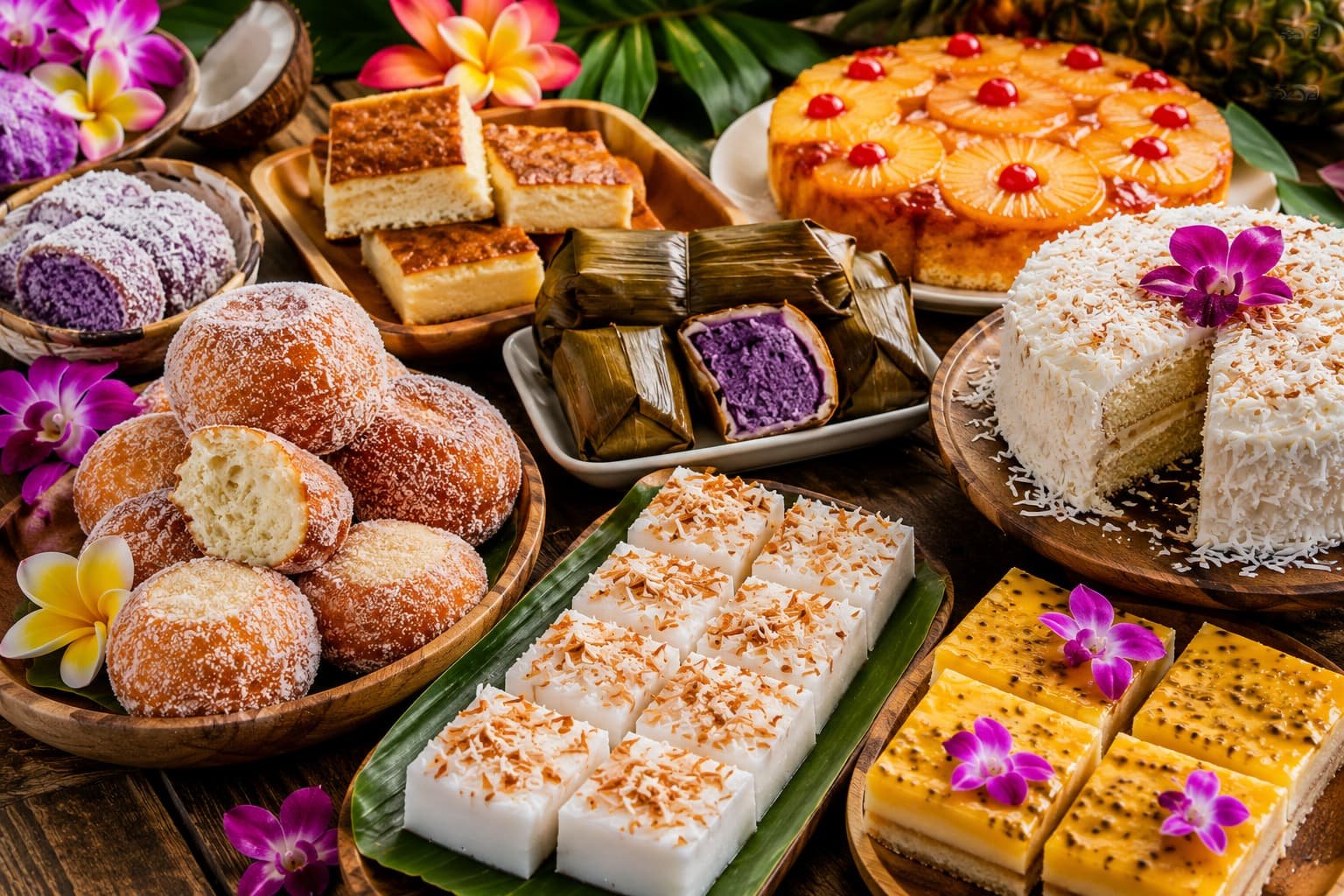
Some of the most famous Hawaiian desserts include haupia, malasadas, butter mochi, kulolo, and coconut cake. These traditional Hawaiian desserts showcase the tropical ingredients, cultural influences, and island flavors that make Hawaiian cuisine unique. Whether served at luaus, family celebrations, local bakeries, or community gatherings, these desserts remain an important part of Hawaii’s food culture.
1. Haupia
Haupia is one of the most recognizable Hawaiian desserts and is often considered a must-try for anyone interested in authentic Hawaiian food. This traditional coconut-based dessert has a texture that falls between pudding and gelatin, creating a light and refreshing treat that is especially popular in Hawaii’s warm climate.
The dessert is traditionally made with coconut milk, water, sugar, and a thickening agent such as cornstarch. Although the ingredient list is simple, the result is a smooth dessert with a delicate coconut flavor that highlights one of Hawaii’s most important tropical ingredients.
Part of haupia’s appeal comes from its versatility. It can be enjoyed on its own, served alongside other Hawaiian foods, or used as a filling in pies, cakes, and pastries. Its subtle sweetness allows the natural flavor of coconut to remain the star of the dish.
Haupia is commonly found at luaus, weddings, family gatherings, holiday celebrations, and local Hawaiian restaurants. For many visitors, it is one of the first traditional Hawaiian desserts they experience during a trip to the islands.
2. Malasadas
Malasadas are among the most beloved sweet treats in Hawaii and have become a local favorite despite their Portuguese origins. Introduced by Portuguese immigrants in the late nineteenth century, these fried pastries eventually became an important part of Hawaii’s dessert culture.
Made from a rich yeast dough, malasadas are deep-fried until golden brown and coated with sugar while still warm. The outside develops a delicate crispness, while the inside remains soft, airy, and pillowy. Modern bakeries often offer fillings such as coconut cream, chocolate, custard, guava, and passion fruit.
Their popularity comes from both their texture and simplicity. Fresh malasadas are best enjoyed warm, when the contrast between the lightly crisp exterior and fluffy interior is most noticeable.
Today, malasadas can be found in bakeries, coffee shops, local festivals, and community events throughout Hawaii. Many travelers consider trying fresh malasadas an essential Hawaiian food experience.
3. Butter Mochi
Butter mochi is a unique Hawaiian dessert that perfectly reflects the islands’ multicultural food traditions. Inspired by Japanese mochi but adapted using local ingredients and Western baking techniques, butter mochi has become one of Hawaii’s most popular homemade desserts.
The dessert is typically prepared with sweet rice flour, coconut milk, butter, eggs, sugar, and vanilla. Unlike traditional cakes, butter mochi has a pleasantly chewy texture that comes from the rice flour used in the recipe.
One of the reasons butter mochi is so widely loved is its contrast of textures. The edges often develop a slightly crisp crust during baking, while the center remains soft, rich, and chewy. The coconut milk also contributes a subtle tropical flavor that complements the buttery sweetness.
Butter mochi is commonly served at potlucks, birthday parties, school functions, family gatherings, and neighborhood celebrations. It remains one of the most recognizable local Hawaiian desserts enjoyed throughout the islands.
4. Kulolo
Kulolo is one of the oldest traditional Hawaiian desserts and offers a direct connection to Native Hawaiian culinary heritage. Unlike many modern desserts, kulolo relies on ingredients that were used by Native Hawaiians long before outside cultural influences arrived in Hawaii.
This dense dessert is traditionally made from grated taro root, coconut milk, and sugar. The mixture is slowly baked or steamed for several hours, allowing the ingredients to develop a rich texture and deep caramel-like flavor.
Kulolo stands out because of its unique taste and cultural significance. Taro has long been one of Hawaii’s most important crops, and many traditional Hawaiian foods continue to feature it as a key ingredient. The dessert’s earthy sweetness and rich consistency make it very different from coconut-based or fruit-based desserts.
Today, kulolo is often found at cultural festivals, Hawaiian heritage events, farmers markets, and specialty food vendors that focus on traditional Hawaiian cuisine. It remains one of the most authentic Hawaiian desserts available.
5. Coconut Cake
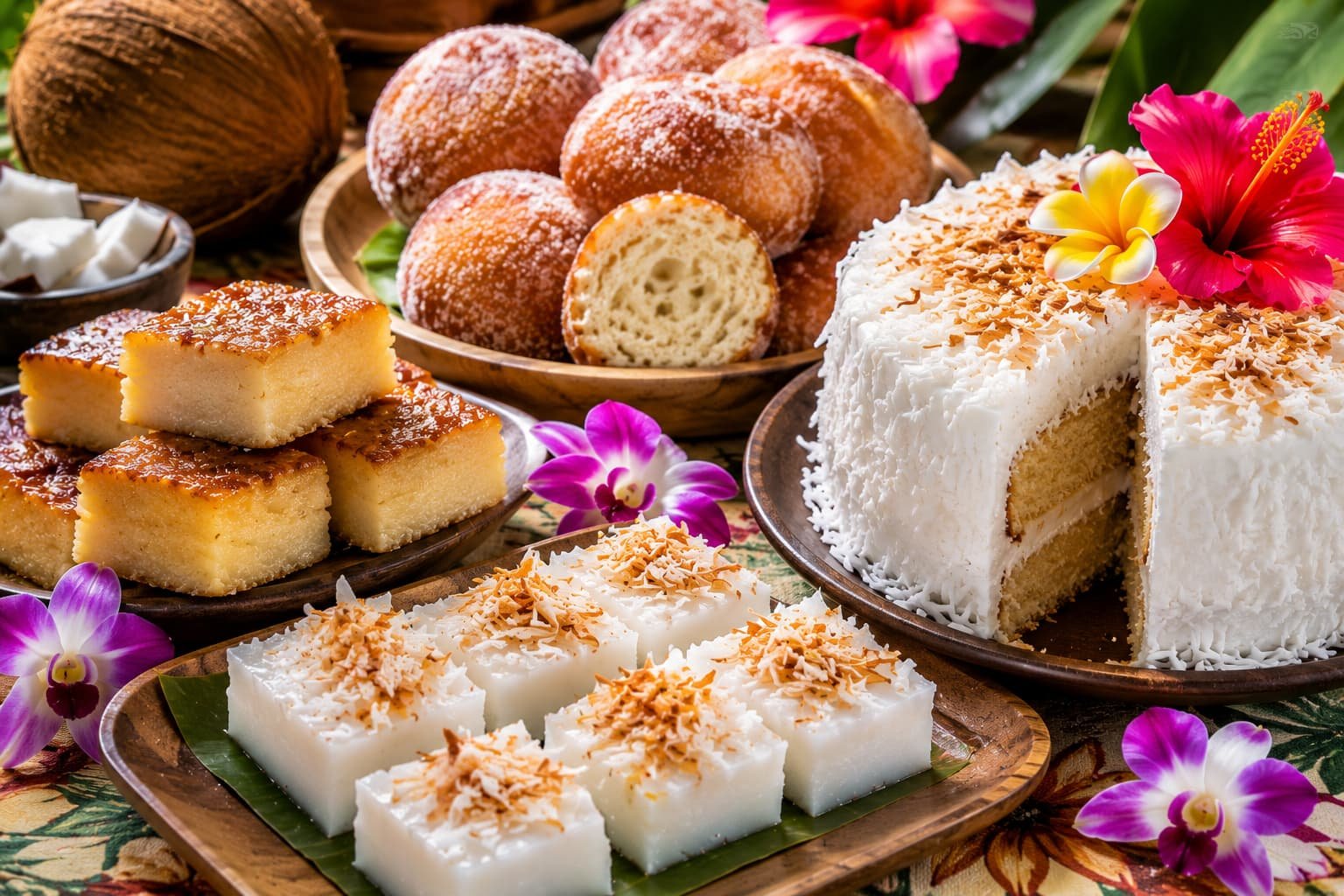
Coconut cake is a tropical dessert that celebrates one of Hawaii’s most widely used ingredients. While coconut cakes can be found around the world, Hawaiian-style versions often feature a stronger coconut flavor and ingredients that reflect island food traditions.
The cake is commonly made with coconut milk, shredded coconut, flour, sugar, butter, and eggs. Many recipes also include coconut cream frosting, which adds extra richness and enhances the tropical flavor profile.
Its popularity comes from its moist texture, fragrant aroma, and naturally sweet coconut flavor. Unlike heavier desserts, coconut cake often feels light and refreshing while still providing plenty of richness. This balance has helped make it a favorite dessert for celebrations and gatherings throughout Hawaii.
Coconut cake is frequently served at birthdays, holiday meals, family events, community celebrations, and Hawaiian-themed parties. Its tropical character makes it one of the most recognizable Hawaiian-inspired desserts enjoyed both on and off the islands.
Most Popular Hawaiian Desserts for Luaus and Parties
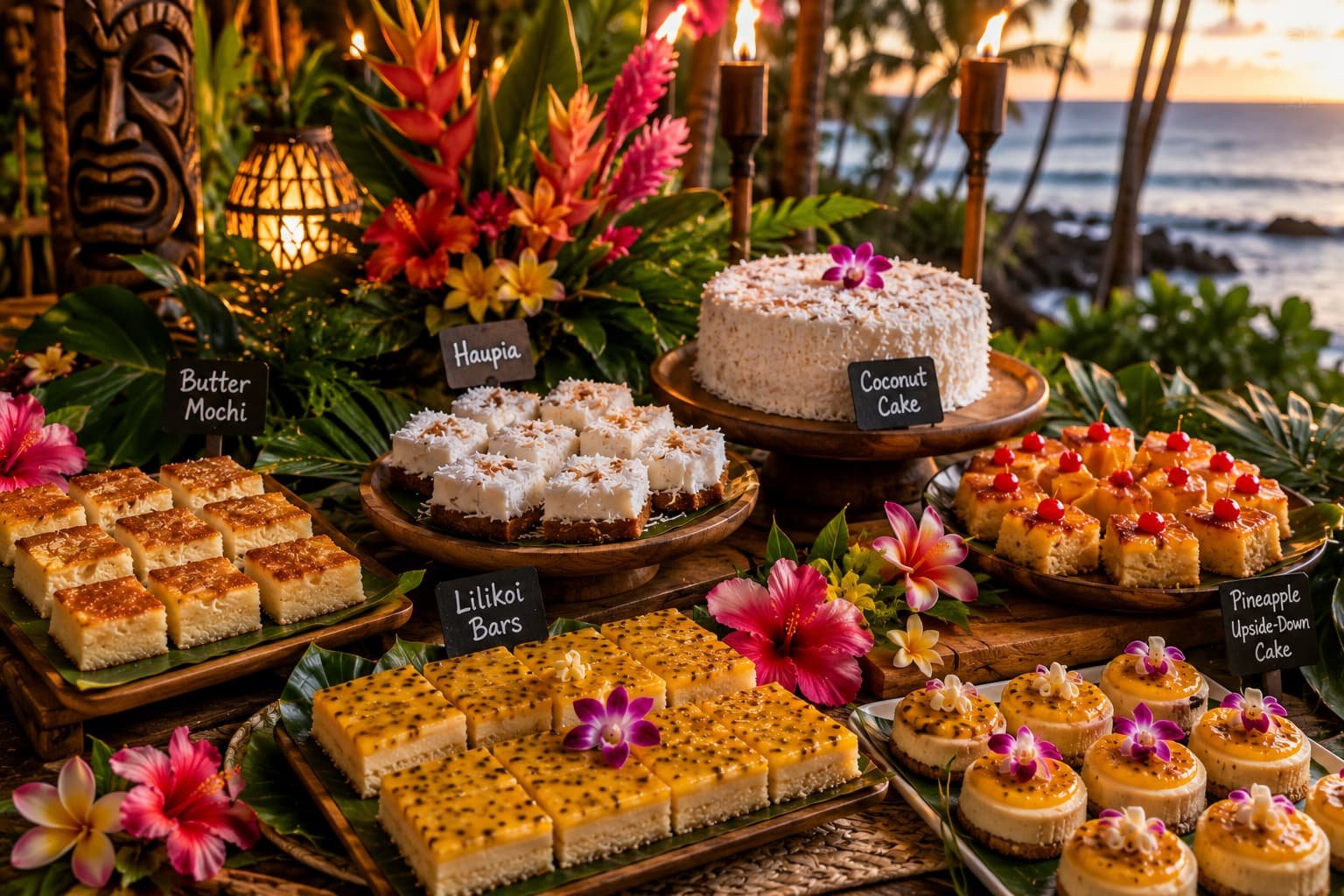
The most popular Hawaiian desserts for luaus and parties include haupia, butter mochi, coconut cake, pineapple desserts, and lilikoi treats. These desserts are frequently served at Hawaiian celebrations because they showcase authentic island flavors, can often be prepared ahead of time, and are easy to serve to large groups.
Haupia remains one of the most traditional desserts found at luaus throughout Hawaii. Made primarily from coconut milk, it delivers a light and refreshing flavor that pairs well with many Hawaiian dishes. Its smooth texture and ability to be prepared in advance make it especially practical for outdoor gatherings, weddings, and community celebrations. Because it is typically served chilled, haupia is particularly enjoyable in Hawaii’s warm tropical climate.
Butter mochi is another local favorite that regularly appears at parties and family events across the islands. Its chewy texture sets it apart from traditional cakes and cookies, while its rich flavor appeals to both children and adults. Since it can be baked in large batches and easily sliced into individual portions, butter mochi has become a dependable choice for potlucks, birthdays, and school gatherings.
Coconut cake continues to be a celebration favorite because it highlights one of Hawaii’s most iconic ingredients. The combination of coconut milk, shredded coconut, and creamy frosting creates a dessert that feels festive without being overly complicated. Its tropical flavor profile makes it a natural addition to Hawaiian-themed parties and special occasions.
Pineapple desserts are also commonly featured at luaus because pineapple has become closely associated with Hawaiian cuisine around the world. Whether served as pineapple cake, pineapple bars, or Hawaiian-style pineapple upside-down cake, these desserts provide a bright sweetness that balances heavier foods often served at large gatherings. Their familiar flavor also makes them approachable for guests who may be new to Hawaiian desserts.
Lilikoi desserts bring a unique island flavor that many visitors discover during their time in Hawaii. Made from passion fruit, lilikoi offers a sweet-tart taste that adds freshness and complexity to desserts. Lilikoi bars, cheesecakes, tarts, and dessert cups are frequently served at celebrations where hosts want to showcase authentic Hawaiian ingredients and local food traditions.
Together, these desserts represent some of the best Hawaiian desserts for entertaining. Their combination of tropical ingredients, cultural significance, and crowd-pleasing flavors has helped them remain staples at luaus, family reunions, weddings, festivals, and community events throughout Hawaii.
Easy Hawaiian Desserts You Can Make at Home
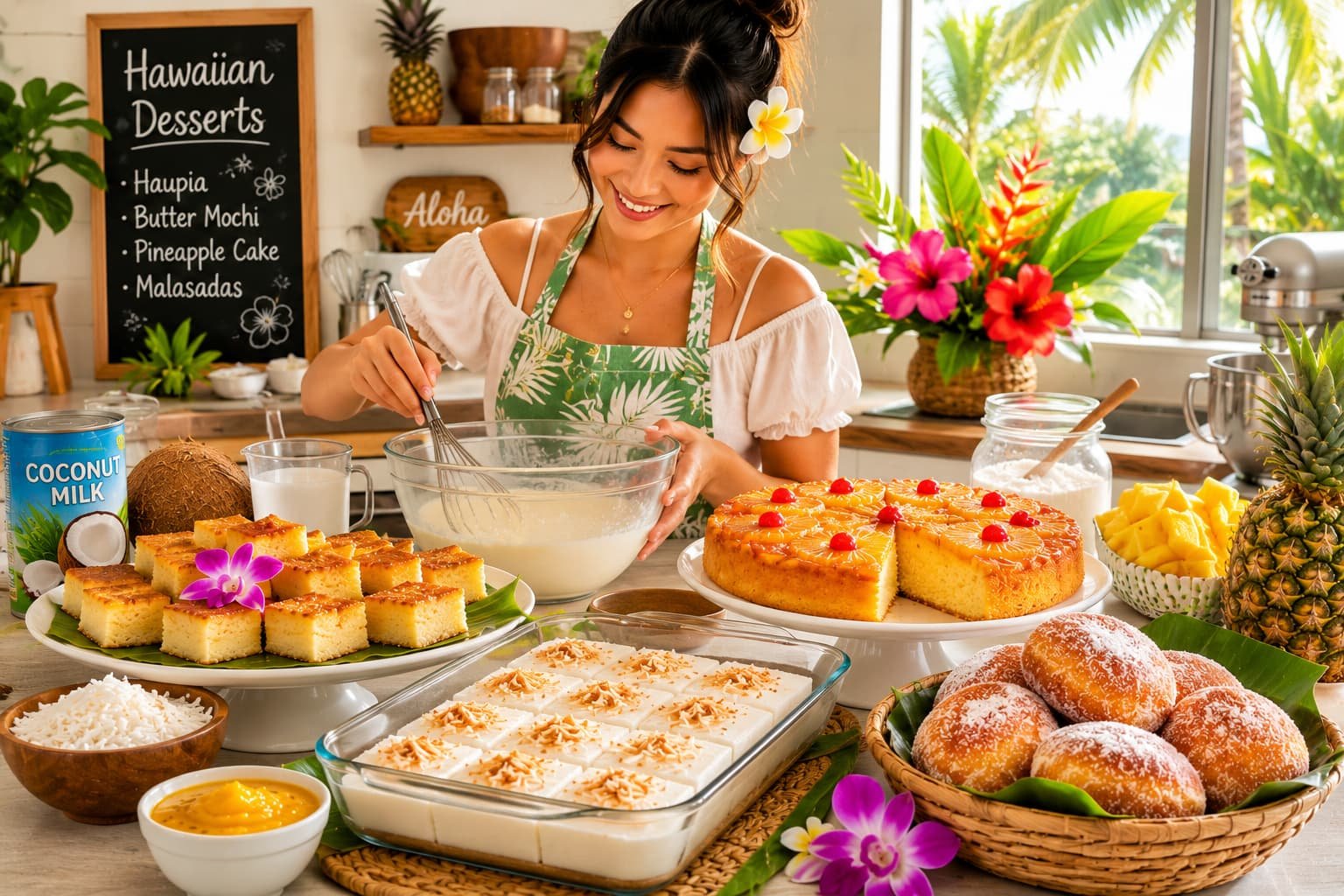
Many people assume traditional Hawaiian desserts require specialized ingredients or advanced baking skills. In reality, several popular Hawaiian dessert recipes are surprisingly simple to prepare, making them ideal for beginners who want to explore island-inspired baking at home.
For most beginners, haupia is often the easiest traditional Hawaiian dessert to start with. The recipe requires only a few ingredients, including coconut milk, sugar, water, and a thickening agent. There is no complicated baking process, and most versions can be prepared in a relatively short amount of time. The result is a creamy coconut dessert that introduces home cooks to one of Hawaii’s most beloved flavors.
Butter mochi is another beginner-friendly option because the preparation process is straightforward. Most recipes involve combining ingredients in a single bowl before transferring the mixture to a baking dish. Despite its simple preparation, the finished dessert delivers the distinctive chewy texture and rich flavor that have made butter mochi a local Hawaiian favorite for generations.
Pineapple cake is an excellent choice for anyone who enjoys fruit-based desserts. Fresh or canned pineapple provides natural sweetness and moisture, while the recipe itself follows many of the same techniques used in traditional homemade cakes. Because the ingredients are widely available, pineapple cake remains one of the most accessible Hawaiian-inspired desserts for home bakers.
Mango bread is another easy dessert that highlights Hawaii’s tropical fruit culture. Similar in preparation to banana bread, it uses ripe mangoes to create a moist texture and naturally sweet flavor. The recipe requires only basic baking skills and offers a great way to make use of fresh mangoes when they are in season.
One reason these easy Hawaiian desserts remain so popular is that they allow home cooks to experience authentic island flavors without needing professional equipment or extensive baking experience. Whether you choose creamy haupia, chewy butter mochi, tropical pineapple cake, or homemade mango bread, each recipe provides a simple and enjoyable introduction to Hawaiian dessert traditions.
Hawaiian Desserts That Use Coconut
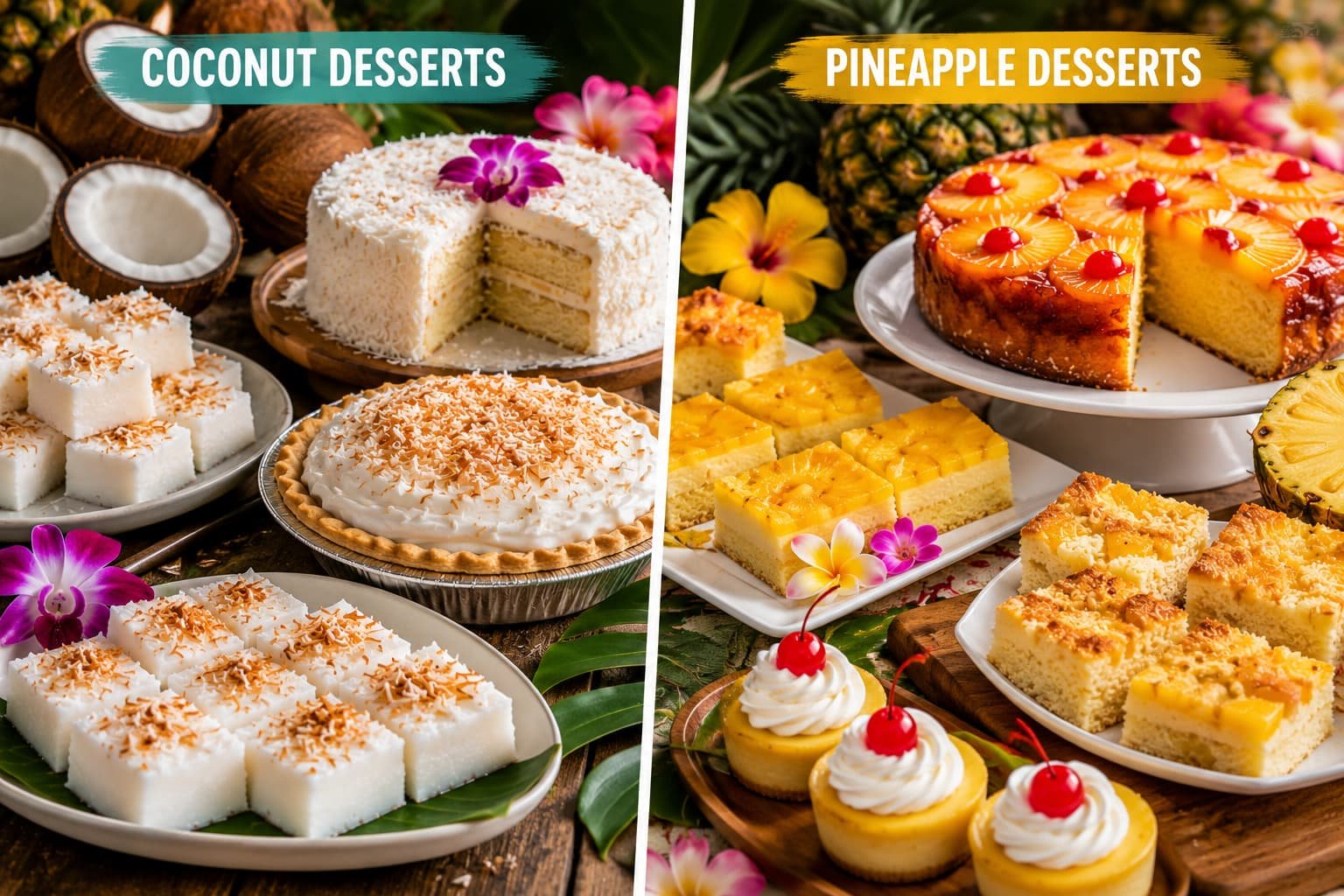
The most popular Hawaiian coconut desserts include haupia, coconut cake, coconut bars, and sweet potato haupia pie. These desserts showcase one of Hawaii’s most important ingredients and highlight the rich tropical flavors that have become closely associated with island cuisine.
Coconut has long played an important role in Hawaiian food traditions because of its versatility. Coconut milk, coconut cream, and shredded coconut are used in a variety of sweet and savory dishes, providing natural richness and a smooth texture that complements tropical fruits and traditional island ingredients. This is one reason why many authentic Hawaiian desserts rely heavily on coconut as a key flavor component.
Haupia is widely considered the most iconic Hawaiian coconut dessert. Traditionally made with coconut milk, sugar, and a thickening agent, it has a silky texture that falls between pudding and gelatin. Its mildly sweet coconut flavor and refreshing consistency make it especially popular at luaus, weddings, and family celebrations. For many visitors, haupia is often the first traditional Hawaiian dessert they try.
Coconut cake is another well-loved favorite that highlights coconut in a completely different way. Hawaiian-style versions often feature coconut milk in the cake batter and generous amounts of shredded coconut or coconut cream frosting. The result is a moist dessert with a rich tropical flavor that feels festive enough for birthdays, holidays, and special occasions.
Coconut bars offer a simpler but equally satisfying option. These easy-to-serve desserts combine coconut with basic baking ingredients to create a chewy, sweet treat that works well for parties, potlucks, and casual gatherings. Their portability and familiar flavor make them especially popular among home bakers.
Sweet potato haupia pie combines two ingredients that have deep roots in Hawaiian food culture. The naturally sweet flavor of the sweet potato filling pairs beautifully with the creamy coconut layer, creating a dessert that balances richness with a delicate tropical taste. It has become a seasonal favorite at holiday meals and community celebrations throughout Hawaii.
What makes coconut so important in Hawaiian desserts is its ability to enhance both traditional and modern recipes. Whether featured in a chilled pudding, layered pie, moist cake, or homemade dessert bar, coconut continues to define some of Hawaii’s most beloved sweet treats and remains at the heart of many authentic island desserts.
Hawaiian Desserts That Use Pineapple
Pineapple cake, pineapple bars, and pineapple upside-down cake are among the most popular pineapple Hawaiian desserts. Their bright sweetness, tropical character, and widespread appeal have helped make pineapple one of the most recognizable ingredients associated with Hawaiian-inspired baking.
Although pineapple is not native to Hawaii, it became closely linked to the islands through Hawaii’s agricultural history and remains one of the fruits most people associate with Hawaiian food. Its natural sweetness and refreshing acidity allow it to work exceptionally well in a wide variety of desserts, from simple cakes to elaborate celebration treats.
Pineapple cake is one of the easiest and most popular Hawaiian-inspired desserts to enjoy. Whether made with crushed pineapple, pineapple filling, or pineapple glaze, it delivers a moist texture and vibrant fruit flavor that instantly evokes tropical island cuisine. Its familiar preparation style also makes it approachable for home bakers.
Pineapple bars provide a delicious combination of fruit filling and soft baked layers. Their sweet-tart flavor creates a refreshing contrast that prevents the dessert from feeling overly rich. Because they are easy to slice and transport, pineapple bars are commonly served at family gatherings, picnics, potlucks, and Hawaiian-themed celebrations.
Pineapple upside-down cake remains one of the most recognizable pineapple desserts connected to Hawaii. The caramelized pineapple topping creates a beautiful presentation while adding depth of flavor to the soft cake beneath it. Some Hawaiian-inspired versions incorporate coconut, macadamia nuts, or other tropical ingredients to create an even stronger island influence.
One reason pineapple desserts remain so popular is their versatility. Pineapple can provide sweetness, moisture, and a subtle tang that complements a wide range of baking styles. Unlike heavier desserts, pineapple-based treats often feel bright and refreshing, making them especially enjoyable in warm-weather settings.
Whether served at luaus, backyard parties, holiday gatherings, or weekend family meals, pineapple desserts continue to be a favorite part of Hawaiian-inspired cuisine. Their tropical flavor, colorful appearance, and broad appeal make them some of the most approachable and widely enjoyed desserts associated with the islands.
Traditional Hawaiian Ingredients Used in Desserts
Traditional Hawaiian desserts are defined by ingredients such as coconut, taro, sweet potato, pineapple, mango, and lilikoi (passion fruit). These locally loved ingredients provide the tropical flavors, distinctive textures, and cultural identity that make Hawaiian desserts different from many other sweet treats around the world.
One of the most important ingredients in Hawaiian desserts is coconut. Coconut milk, coconut cream, and shredded coconut appear in countless recipes, including haupia, coconut cake, coconut bars, and various island-inspired pies. Its naturally creamy texture and mild sweetness help create many of the flavors people associate with authentic Hawaiian desserts.
Taro holds a special place in Hawaiian culture and history. Cultivated in Hawaii for centuries, taro remains one of the most significant traditional crops in Native Hawaiian life. Its earthy flavor and dense texture make it the foundation of classic desserts such as kulolo and poi mochi. Even today, taro continues to connect modern Hawaiian desserts with the islands’ cultural heritage.
Sweet potato is another ingredient deeply rooted in Hawaiian food traditions. Naturally sweet and rich in flavor, it is commonly used in desserts such as sweet potato haupia pie. Its smooth texture pairs beautifully with coconut-based ingredients, creating desserts that feel both comforting and distinctly Hawaiian.
Pineapple has become one of the fruits most closely associated with Hawaii. Although it is not native to the islands, Hawaii’s agricultural history helped make pineapple famous worldwide. Its bright sweetness and subtle acidity make it a natural addition to cakes, bars, pastries, and frozen desserts that celebrate tropical flavors.
Mango is widely enjoyed throughout Hawaii and appears in everything from quick breads and cakes to dessert sauces and frozen treats. When ripe, mango adds natural sweetness, vibrant color, and a juicy texture that enhances both traditional and modern Hawaiian-inspired desserts.
Passion fruit, locally known as lilikoi, brings a distinctive sweet-tart flavor to many Hawaiian desserts. Lilikoi bars, cheesecakes, tarts, syrups, and fillings are especially popular because they balance sweetness with refreshing acidity. For many visitors, lilikoi is one of the most memorable flavors they discover while exploring Hawaiian food.
Together, these ingredients help create the remarkable diversity found in Hawaiian desserts. Their continued use reflects Hawaii’s agricultural heritage, cultural traditions, and long-standing connection to locally grown foods.
Frequently Asked Questions
What Is the Most Famous Hawaiian Dessert?
Haupia is widely considered the most famous Hawaiian dessert. Made from coconut milk, sugar, and a thickening agent, this traditional treat is commonly served at luaus, weddings, family gatherings, and local restaurants throughout Hawaii. Its smooth texture and delicate coconut flavor have made it one of the islands’ most recognizable desserts.
What Desserts Are Traditional in Hawaii?
Traditional Hawaiian desserts include haupia, kulolo, poi mochi, butter mochi, and sweet potato haupia pie. These desserts often feature ingredients such as coconut, taro, sweet potato, and tropical fruits that have played an important role in Hawaiian food culture for generations.
What Dessert Is Served at a Hawaiian Luau?
Haupia is one of the desserts most commonly served at traditional Hawaiian luaus. Other popular options include butter mochi, coconut cake, lilikoi desserts, and pineapple-based treats that showcase classic island flavors.
What Is Haupia?
Haupia is a traditional Hawaiian coconut milk dessert with a texture that falls between pudding and gelatin. It is lightly sweet, refreshing, and often served chilled, making it a favorite at celebrations and gatherings throughout Hawaii.
Are Hawaiian Desserts Usually Made with Coconut?
Many traditional Hawaiian desserts rely on coconut because it is one of the most important ingredients in island cuisine. Popular examples include haupia, coconut cake, coconut bars, and sweet potato haupia pie, all of which use coconut milk, coconut cream, or shredded coconut.
Which Hawaiian Dessert Is Easiest to Make at Home?
For beginners, haupia is often the easiest Hawaiian dessert to prepare. It requires only a few ingredients and does not involve complicated baking techniques. Butter mochi and pineapple cake are also beginner-friendly choices that can be made using simple ingredients found in most grocery stores.
What Fruit Is Commonly Used in Hawaiian Desserts?
Pineapple, mango, and lilikoi are among the most commonly used fruits in Hawaiian desserts. These tropical fruits provide the bright flavors that help distinguish Hawaiian sweets from many other dessert traditions.
Are Hawaiian Desserts Different from Regular Tropical Desserts?
Yes. While Hawaiian desserts share some ingredients with other tropical desserts, they are shaped by Native Hawaiian traditions as well as Portuguese, Japanese, Filipino, and other cultural influences. This combination creates desserts that are uniquely connected to Hawaii’s history, agriculture, and culinary identity.
Conclusion
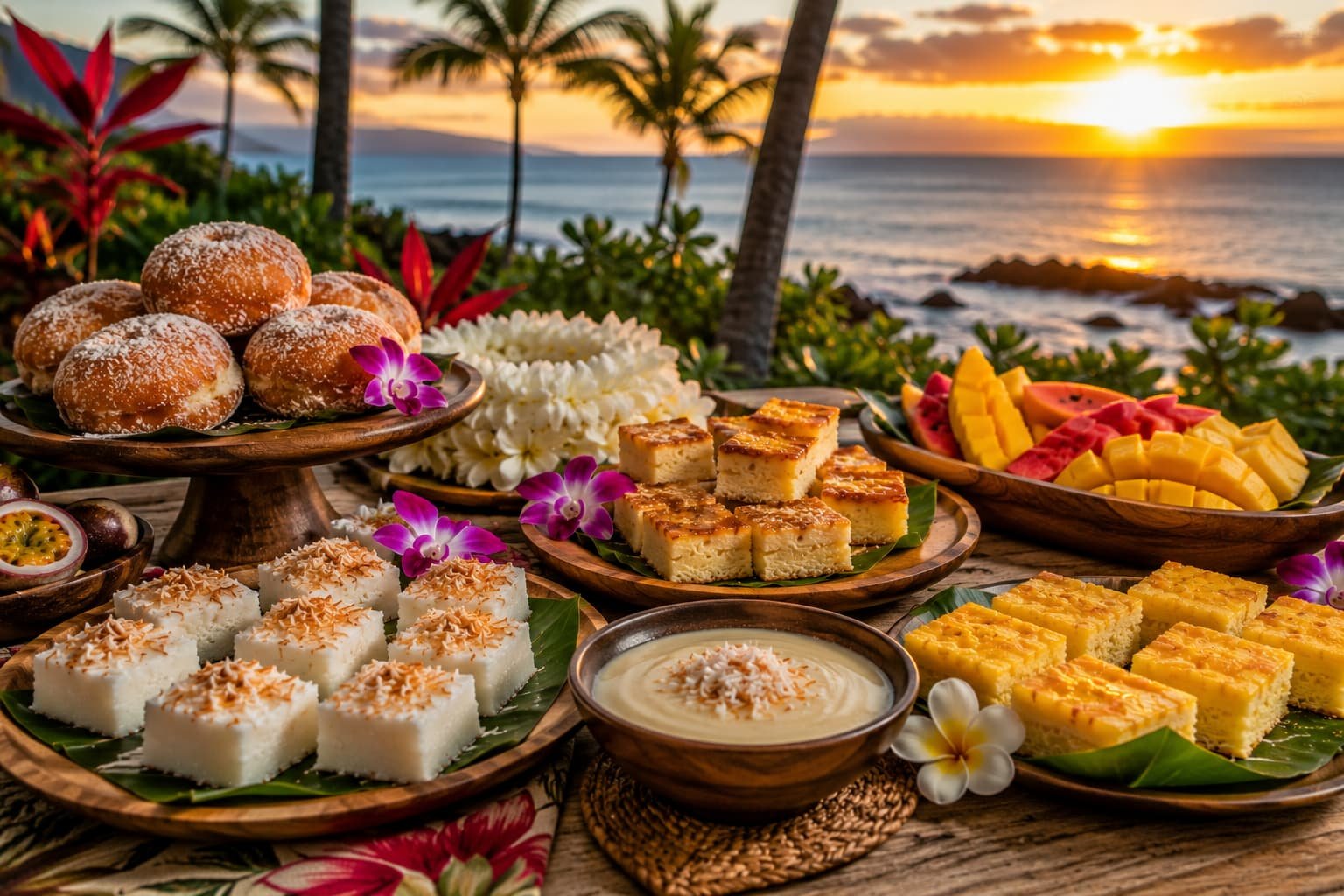
Hawaiian desserts offer much more than tropical sweetness. They reflect centuries of cultural exchange, locally grown ingredients, and food traditions that continue to shape Hawaii’s culinary identity today. From the creamy coconut flavor of haupia and the chewy texture of butter mochi to the cultural significance of taro-based desserts such as kulolo, every dessert tells part of the islands’ story.
One of the most fascinating aspects of Hawaiian desserts is their diversity. Some recipes preserve Native Hawaiian traditions through ingredients such as taro and sweet potato, while others showcase influences brought by Portuguese, Japanese, Filipino, and other communities that helped shape island cuisine over generations.
If you’re discovering Hawaiian desserts for the first time, haupia, malasadas, butter mochi, and pineapple-based desserts are excellent places to start. Each offers a different taste of Hawaii while remaining approachable for most dessert lovers.
Whether you’re planning a trip to Hawaii, looking for authentic Hawaiian dessert recipes, or simply exploring new flavors at home, Hawaiian desserts provide a delicious introduction to the islands’ culture, history, and unforgettable tropical ingredients.