What Are Cherry Peppers?
Cherry peppers are small, round peppers named for their cherry-like shape. They belong to the broader Capsicum annuum group and include both sweet and hotter types.
The term cherry pepper does not describe a single heat level or flavor. Different varieties can range from mild and slightly sweet to noticeably spicy.
Cherry peppers are commonly available fresh or pickled. Fresh peppers keep more of their natural pepper flavor, while pickled versions take on acidity, saltiness, and other flavors from the brine.
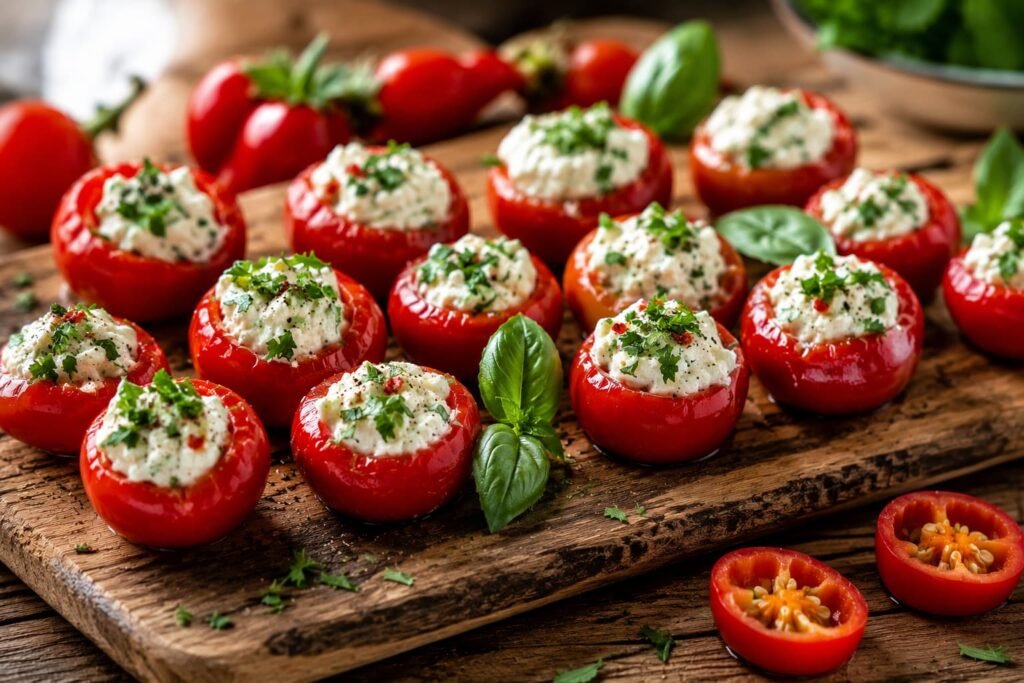
Their rounded shape also creates a useful cavity for stuffing. Creamy cheeses, herbs, garlic, and other savory ingredients can be paired with them, with the overall result depending on whether the peppers are fresh, pickled, sweet, or hot.
Are Cherry Peppers Sweet or Hot?
Cherry peppers can be sweet, mild, or hot. There is no single heat level that applies to every cherry pepper.
The specific variety or packaged product is a better guide to heat than color alone. A product labeled sweet cherry peppers may have little noticeable heat, while hot cherry peppers can provide a much stronger spicy sensation.
Red color does not automatically mean that a pepper is hot. When buying fresh or jarred peppers, checking the variety name and whether the label says sweet, mild, or hot gives a clearer indication of what to expect.
The heat in hot peppers comes from compounds called capsaicinoids. These compounds are associated mainly with the internal placental tissue of the pepper rather than being produced by the seeds themselves. Removing some of this internal tissue along with the seeds may reduce some of the perceived heat, but it cannot reliably make a naturally hot variety mild.
For stuffing, it is usually more practical to choose the desired heat level from the start. Sweet or mild peppers can provide a gentler base for creamy fillings, while hotter varieties may create a stronger contrast with cheese and other rich ingredients.
What Do Cherry Peppers Taste Like?
Cherry peppers can taste slightly sweet, peppery, tangy, or spicy, depending on the variety and whether they are fresh or pickled.
Fresh cherry peppers generally have a more direct vegetable and pepper flavor. Sweet varieties may have little noticeable heat, while hotter types can add a distinct spicy bite.
Pickled cherry peppers taste noticeably different because the brine adds acidity and saltiness. Depending on the product, they may taste tangy, sweet-and-sour, salty, spicy, or a combination of these characteristics.
This distinction matters when choosing a filling. A tangy pickled pepper may work well with a mild, creamy cheese, while a sweeter fresh pepper can leave more room for herbs, garlic, aged cheese, or other savory flavors.
Because both the pepper variety and the pickling liquid affect flavor, two products labeled cherry peppers may taste quite different. Checking whether the peppers are fresh or pickled and sweet, mild, or hot is the most useful way to understand what a particular product may contribute to a dish.
Fresh vs Pickled Cherry Peppers
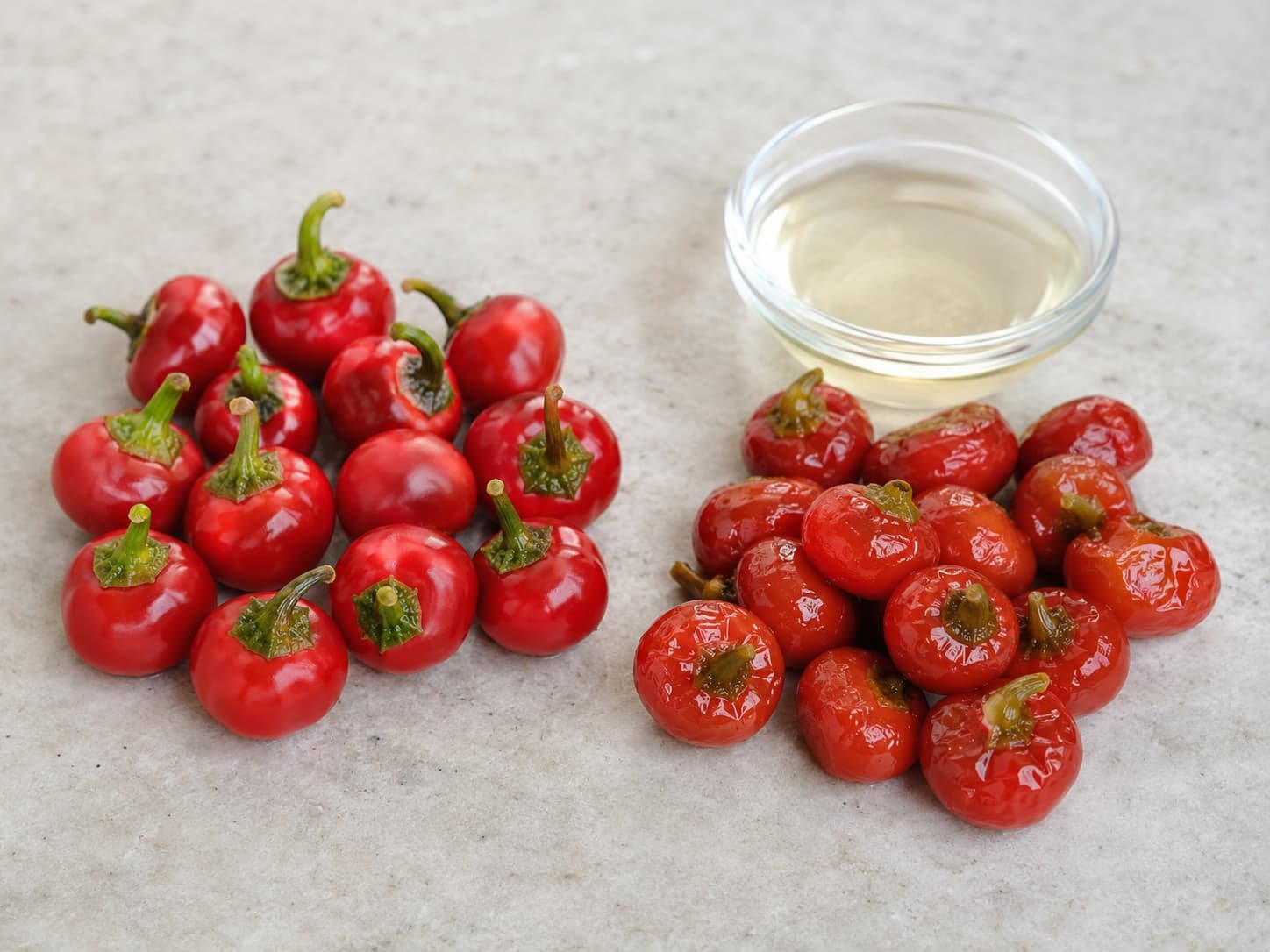
Fresh and pickled cherry peppers differ mainly in flavor, texture, acidity, and moisture. Fresh peppers tend to taste more like the pepper itself, while pickled peppers take on tangy, salty notes from the brine. That distinction can affect both the filling and the way the peppers are served.
Fresh Cherry Peppers
Fresh cherry peppers are generally firmer than pickled peppers and have a cleaner, more direct pepper flavor. Depending on the variety, they may taste mildly sweet, moderately spicy, or noticeably hot.
Because they have not been stored in an acidic brine, they usually contribute less tang and saltiness than jarred peppers. This can give herbs, garlic, cheese, and other filling ingredients more influence over the overall flavor.
Fresh cherry peppers can be used for:
- Stuffing and cooking
- Roasting
- Adding to salads or cooked dishes
- Chopping into sauces or relishes
- Serving raw when suitable for the variety and preparation
Their texture can soften when heated, so the final bite will depend on the cooking method and how long the peppers are exposed to heat.
Pickled Cherry Peppers
Pickled cherry peppers are typically tangier and saltier because they are stored in an acidic brine. Some jarred products may also include sugar, spices, or other seasonings, so flavor can vary between brands.
They can also contain more surface and cavity moisture than fresh peppers. When used for stuffing, excess brine may thin a creamy filling or make it harder for the filling to stay neatly inside the pepper.
Draining the peppers before filling them can help reduce this extra moisture. If liquid remains inside the cavity, it can also be gently removed before adding the filling.
Pickled cherry peppers are often well suited to cold or antipasto-style preparations because they already provide acidity and seasoning. Their saltiness should still be considered when pairing them with ingredients such as Parmesan, feta, provolone, prosciutto, or other strongly seasoned foods.
How to Choose Cherry Peppers for Stuffing
The right pepper depends on the heat level, texture, acidity, size, and serving style you want. Fresh and pickled peppers can both be used, but they create different results.
Choose the Heat Level First
Check whether the peppers are labeled sweet, mild, or hot before choosing a filling.
Sweet or mild peppers, such as jarred sweet cherry peppers, may let cheese, herbs, and other seasonings stand out more clearly. Hot cherry peppers can create a stronger contrast with creamy or rich fillings.
Color is not a dependable guide to heat, so the variety name or package description is more useful.
Match Fresh or Pickled Peppers to the Dish
Fresh peppers may suit preparations where a firmer texture and a more natural pepper flavor are important, especially when the peppers will be cooked.
Pickled peppers may work better for cold appetizers or antipasto-style dishes where tanginess is part of the intended flavor.
Neither form is automatically better. The choice depends on the dish.
Look for Enough Space for the Filling
A pepper with a reasonably open cavity is easier to stuff than one that is very small or narrow inside.
Larger peppers can hold more filling, while smaller ones may work better for bite-size portions. The pepper should also be large enough to remove seeds and internal tissue without tearing the walls.
Check the Texture
Firm, intact peppers are generally easier to prepare and fill.
Fresh peppers are often firmer, while pickled peppers may be softer after sitting in brine. Softer peppers can still be used, but they may require gentler handling to avoid splitting.
Consider Existing Saltiness and Acidity
Jarred peppers may already contribute noticeable salt and acidity before any filling is added.
This matters when using salty ingredients such as feta, Parmesan, provolone, or cured meats. A milder filling may balance a strongly pickled pepper, while fresh peppers may leave more room for sharper cheeses, garlic, herbs, and other assertive flavors.
How to Prepare Cherry Peppers for Stuffing
Preparing cherry peppers for stuffing means creating enough room for the filling without damaging the pepper. Fresh and pickled peppers can both be used, but they may need slightly different handling because pickled peppers can be softer and hold more liquid.
Removing the Stem, Seeds, and Internal Tissue
Carefully remove the stem end to open the pepper cavity. A small knife or pepper corer can help clear the inside. The opening only needs to be large enough to remove the seeds and internal tissue and add the filling.
Clearing the cavity creates more space and can make the peppers easier to stuff.
The seeds themselves are not the main source of a pepper’s heat. Capsaicinoids, the compounds responsible for pungency, are concentrated mainly around the internal placental tissue. Removing some of this tissue along with the seeds may reduce some heat, but it will not reliably turn a naturally hot pepper into a mild one.
If less heat is preferred, choosing peppers labeled sweet or mild is generally more predictable than relying on seed removal alone.
Preparing Pickled Cherry Peppers
Pickled cherry peppers can hold brine inside the cavity, so draining them before stuffing may help reduce excess moisture.
Too much liquid can loosen a soft cheese filling or make the peppers wetter than intended. Allowing visible brine to drain and gently removing excess liquid from inside the pepper can make filling them easier.
Pickled peppers may also be softer than fresh peppers and can require gentler handling when the stem and internal tissue are removed.
Their existing flavor should also be considered. Jarred peppers may already be tangy, salty, sweet, or seasoned, so strongly flavored cheeses and cured meats can change the overall balance considerably.
Creamy Filling Ideas for Stuffed Cherry Peppers
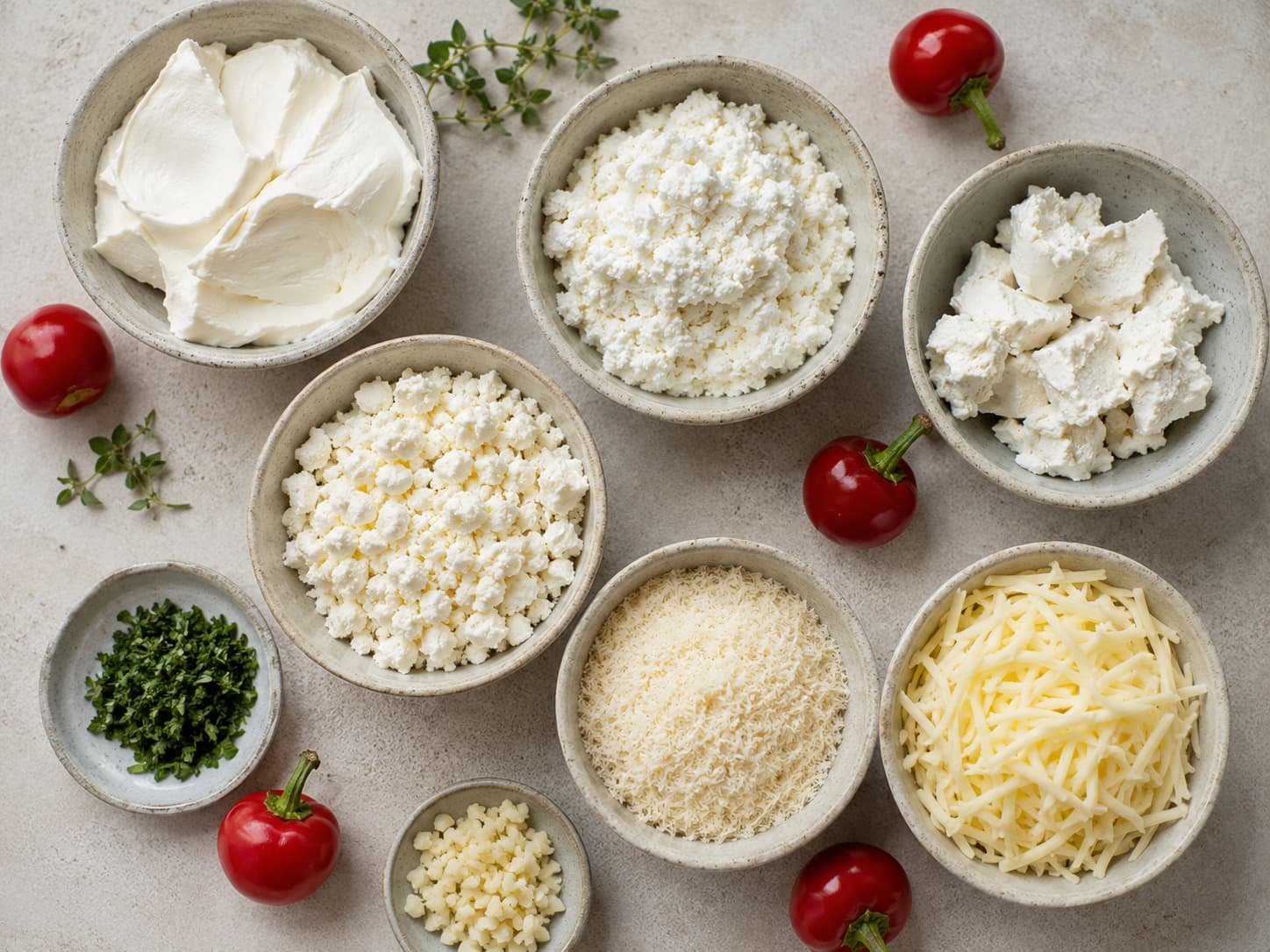
Creamy fillings can contrast with the acidity or heat of cherry peppers. The type of cheese used can affect the filling’s firmness, moisture, saltiness, tang, and overall flavor.
The combinations below are ingredient ideas rather than a fixed or personally tested recipe formula.
Cream Cheese-Based Fillings
Cream cheese can provide a relatively thick, mild base for stuffed peppers. Its neutral flavor also leaves room for herbs and other savory ingredients.
Possible additions include:
- Fresh or dried herbs
- Finely chopped garlic
- Grated Parmesan
- Mild shredded cheese
- Black pepper or other seasonings
A simple cream cheese mixture may pair well with strongly pickled peppers because the mild cheese can contrast with their acidity and saltiness.
The texture can change depending on the ingredients added. Moist ingredients may loosen the mixture, while firmer grated cheeses can change its body and texture.
Ricotta, Goat Cheese, and Other Cheese Options
Different cheeses create noticeably different fillings.
Ricotta can provide a soft, mild base, although its moisture level varies. A wetter ricotta may produce a looser filling.
Goat cheese generally has a tangier, more pronounced flavor than cream cheese and may work well when a sharper cheese flavor is wanted.
Other possible choices include:
- Mozzarella for a mild cheese flavor
- Provolone for a more pronounced savory note
- Feta for additional tang and saltiness
- Parmesan for a stronger savory flavor when combined with softer cheeses
There is no single cheese that suits every preparation. The pepper’s heat, acidity, and existing seasoning can help determine which filling makes the most sense.
Savory Additions
Herbs, garlic, aged cheeses, and cured meats can add more flavor to a creamy filling without requiring a complicated ingredient list.
Parsley, basil, oregano, or chives can add herbal notes, while garlic can make the filling more savory. Parmesan or provolone may add a stronger cheese flavor.
Prosciutto is also commonly paired with cheese-filled cherry peppers in antipasto-style preparations. Because cured meats and aged cheeses can already contribute substantial saltiness, they may need to be balanced against the seasoning of pickled peppers.
Using only a few complementary ingredients can make it easier to keep the pepper, cheese, and seasonings distinct rather than allowing one flavor to dominate.
Cold vs Heated Stuffed Cherry Peppers
Stuffed cherry peppers can be served cold or heated. The better approach depends on whether the peppers are fresh or pickled, what the filling contains, and the type of texture you want.
Cold Stuffed Cherry Peppers
Pickled cherry peppers often work well in cold appetizers, antipasto-style plates, and snack boards.
Because they already have acidity and seasoning from the brine, they can be paired with ready-to-eat creamy fillings such as cream cheese, ricotta, or goat cheese. Serving them without additional heating also helps preserve more of their existing pickled texture.
The filling ingredients still matter. A mixture made entirely with ready-to-eat ingredients can be handled differently from one containing ingredients that require cooking.
Heated or Baked Stuffed Cherry Peppers
Cherry peppers can also be used in heated or baked preparations.
Heating may soften the pepper and change the consistency of the filling. Fresh peppers can become less firm as they cook, while some cheeses may soften or melt.
There is no single oven temperature or cooking time that applies to every stuffed cherry pepper preparation. Cooking requirements depend on the type of pepper, the filling, and whether any ingredients need to be fully cooked before serving.
This is especially important when a filling contains raw meat, poultry, or another ingredient that requires cooking for food safety. In that situation, the preparation should follow appropriate cooking guidance for the ingredient being used rather than relying on a general stuffed-pepper timing.
Common Problems with Stuffed Cherry Peppers
The two most common practical concerns are excess moisture and more heat than expected. Both can depend on the particular peppers and filling ingredients rather than having one universal cause.
Why Does the Filling Become Watery?
A watery or loose filling can have several possible causes, including:
- Brine left inside pickled peppers
- Cheese with a relatively high moisture content
- Liquid or very soft ingredients added to the filling
- Moisture released during storage
- Texture changes caused by heating
Draining pickled peppers before stuffing may help reduce excess brine. Gently removing visible liquid from the cavity can also prevent unnecessary moisture from mixing directly into a creamy filling.
The cheese matters as well. A softer or wetter cheese can create a looser mixture than a firmer cheese, and additional liquid ingredients may change the consistency further.
The final texture can therefore vary with both the pepper and the filling.
What If the Peppers Are Too Spicy?
If you want a milder stuffed pepper, choosing a variety or jar labeled sweet or mild is more predictable than trying to remove all the heat from a hot pepper after it has been selected.
Removing some of the internal placental tissue along with the seeds may reduce some of the perceived heat, but it does not guarantee that a naturally hot pepper will become mild.
Creamy fillings can change the overall balance by adding richness and mild dairy flavors, but they do not remove the capsaicinoids responsible for pungency.
For readers who prefer less heat, the type of cherry pepper chosen at the beginning is therefore the most useful consideration.
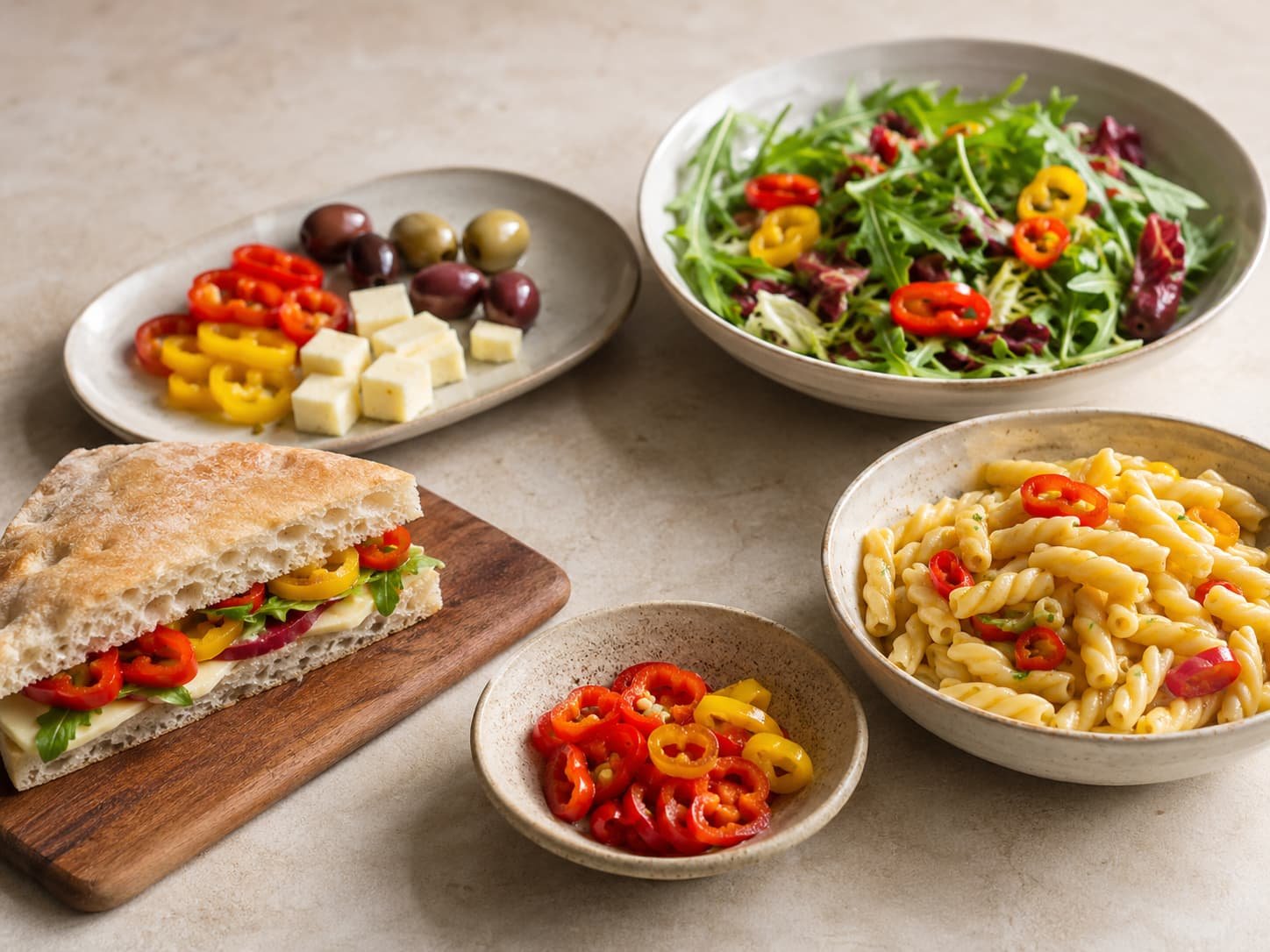
Other Ways to Use Cherry Peppers
Cherry peppers can be used in more than stuffed appetizers. Fresh and pickled versions may bring sweetness, tang, pepper flavor, or heat to a range of savory dishes.
Common uses include:
- Sandwiches: Sliced pickled peppers can add acidity and heat to meat, cheese, vegetable fillings, or other sandwich recipes.
- Antipasto: Whole or sliced pickled peppers can be served with olives, cheeses, cured meats, and other savory items.
- Salads: Chopped peppers can add tang and pepper flavor to green, pasta, or grain-based salads.
- Pizza: Drained pickled peppers can be sliced or chopped and used as a topping.
- Pasta: Fresh peppers can add a more direct pepper flavor, while pickled peppers can contribute extra acidity to some pasta dishes.
- Relishes and sauces: Finely chopped peppers can add sweetness, tang, or heat to savory condiments.
Fresh and pickled peppers are not interchangeable in every dish because the brine in pickled peppers can change both flavor and moisture.
How Are Cherry Peppers Different from Similar Peppers?
Cherry peppers may be confused with pimentos, Piquanté peppers, and pepperoncini because these peppers can appear in similar appetizers, salads, and pickled preparations. Their flavor, shape, heat, and botanical classification can differ.
Pimentos
Pimento, also spelled pimiento, generally refers to mild, sweet red peppers. Some culinary naming overlaps with small, rounded sweet pepper varieties, so labels are not always perfectly consistent.
A pimento should not automatically be expected to have the same heat as a product labeled hot cherry peppers. When the distinction matters, the cultivar or product description is more useful than appearance alone.
Piquanté and PEPPADEW® Peppers
PEPPADEW® is a registered brand name rather than a generic term for cherry peppers.
The brand’s Sweet Piquanté Peppers are identified as Capsicum baccatum, while cherry peppers are generally classified within Capsicum annuum. They can look similar and may be used in some of the same appetizer-style dishes, but they should not be treated as the same pepper.
Their brine, sweetness, acidity, and heat can also differ, so substituting one for the other may change the final flavor.
Pepperoncini
Pepperoncini are typically more elongated and thinner-walled than round cherry peppers and are often sold pickled.
They may work as an alternative in sandwiches, salads, or antipasto dishes when a mild, tangy pickled pepper is wanted. They are less similar for stuffing because their narrower shape and thinner walls can hold a creamy filling differently.
Frequently Asked Questions About Cherry Peppers
Can You Eat Fresh Cherry Peppers Raw?
Yes. Fresh cherry peppers can be eaten raw or cooked.
Their sweetness and heat vary by variety, so one fresh pepper may taste noticeably different from another. Fresh peppers should be washed appropriately before eating or preparing them.
Can You Stuff Pickled Cherry Peppers?
Yes. Pickled cherry peppers can be used for cheese-filled and other ready-to-eat appetizer preparations.
Because brine may remain inside the cavity, draining the peppers before stuffing may help reduce excess moisture. Their existing saltiness and acidity should also be considered when choosing the filling.
Do You Need to Remove the Seeds Before Stuffing Cherry Peppers?
Removing the seeds is useful mainly because it creates more space for the filling.
The seeds themselves are not the primary source of pepper heat. Capsaicinoids are concentrated mainly around the internal placental tissue. Removing some of that tissue along with the seeds may reduce some pungency, but a naturally hot pepper can still remain spicy.
What Can You Substitute for Cherry Peppers?
The most suitable substitute depends on how the peppers are being used.
For sandwiches, salads, or antipasto, pepperoncini may work when a mild, tangy pickled pepper is wanted. Piquanté peppers can provide another sweet-and-tangy option, although their flavor, heat, and seasoning are not identical.
For stuffing, shape and wall thickness matter as well as flavor. A narrow or thin-walled substitute may not hold a creamy filling in the same way as a round cherry pepper.
No substitute should be expected to match the original pepper exactly in heat, sweetness, acidity, and texture.
How Should Cheese-Filled Stuffed Cherry Peppers Be Stored?
Cheese-filled stuffed peppers contain perishable ingredients and should be kept refrigerated.
The exact storage time can vary with the ingredients used, preparation conditions, and product-specific storage instructions. It is better to follow applicable food-safety guidance than to assign a universal number of days to every preparation.
If the peppers are being served at a gathering, they should also be handled as a refrigerated perishable food rather than left at room temperature for an extended period.