
Introduction
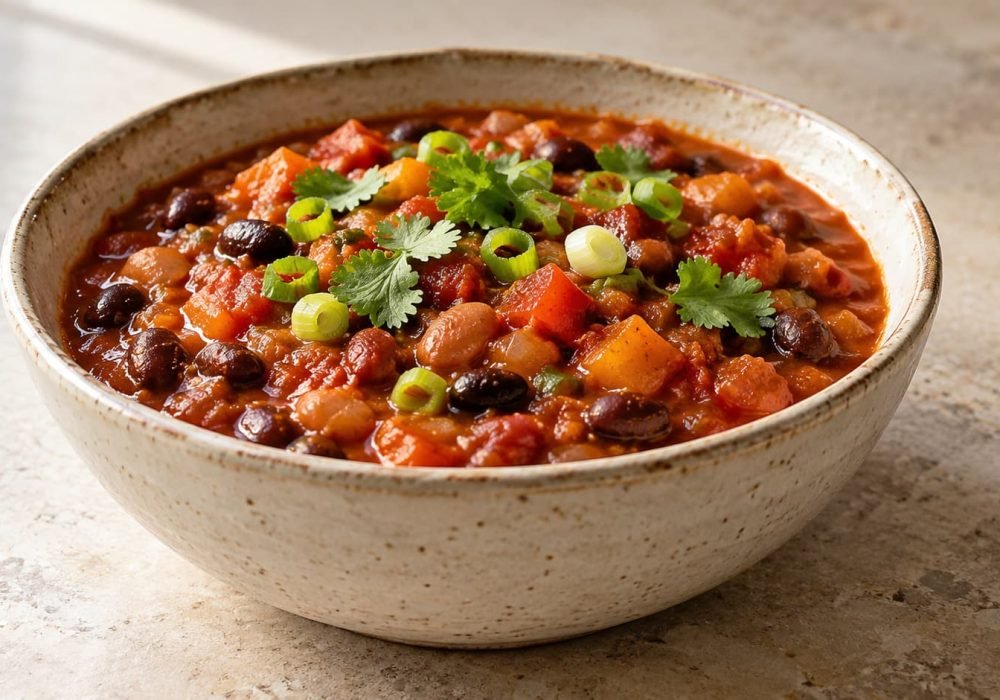
Cheesy hamburger potato soup is a creamy dish made with ground beef, potatoes, cheese, and broth. The ground beef provides a savory base, while the potatoes add texture. Cheese and milk can be used to create a creamier consistency.
There are different ways to prepare this soup, depending on the ingredients and preferred texture. Potato varieties, cheese choices, and the amount of liquid can influence how the soup turns out. Understanding these differences can help readers choose ingredients and follow a suitable cooking method.
What Is Cheesy Hamburger Potato Soup?
Cheesy hamburger potato soup is a type of ground beef and potato soup that includes cheese in the broth. The term “hamburger” refers to ground beef rather than a prepared hamburger sandwich.
A typical preparation involves browning ground beef, cooking diced potatoes in broth, and adding cheese and milk to create a creamy mixture. Onions, garlic, and seasonings may also be included.
The soup shares some ingredients with cheeseburger soup, although recipes vary. Cheeseburger-inspired versions may include mustard, pickles, or other ingredients associated with burgers.
The consistency can range from a relatively thin broth with separate potato pieces to a thicker mixture in which some of the potatoes have softened and broken down.
What Ingredients Are Commonly Used in Cheesy Hamburger Potato Soup?
Ground beef, potatoes, cheese, and broth form the main components of this soup. Milk, vegetables, and seasonings are additional ingredients used in many variations.
The exact ingredients and proportions depend on the recipe being followed. The following sections explain the role of each ingredient rather than presenting a personally tested ingredient combination.
Ground Beef and Potatoes
Ground beef contributes a savory flavor and adds meat to the soup. It is commonly browned before being combined with the remaining ingredients. Excess fat can be drained after browning, depending on the type of beef used.
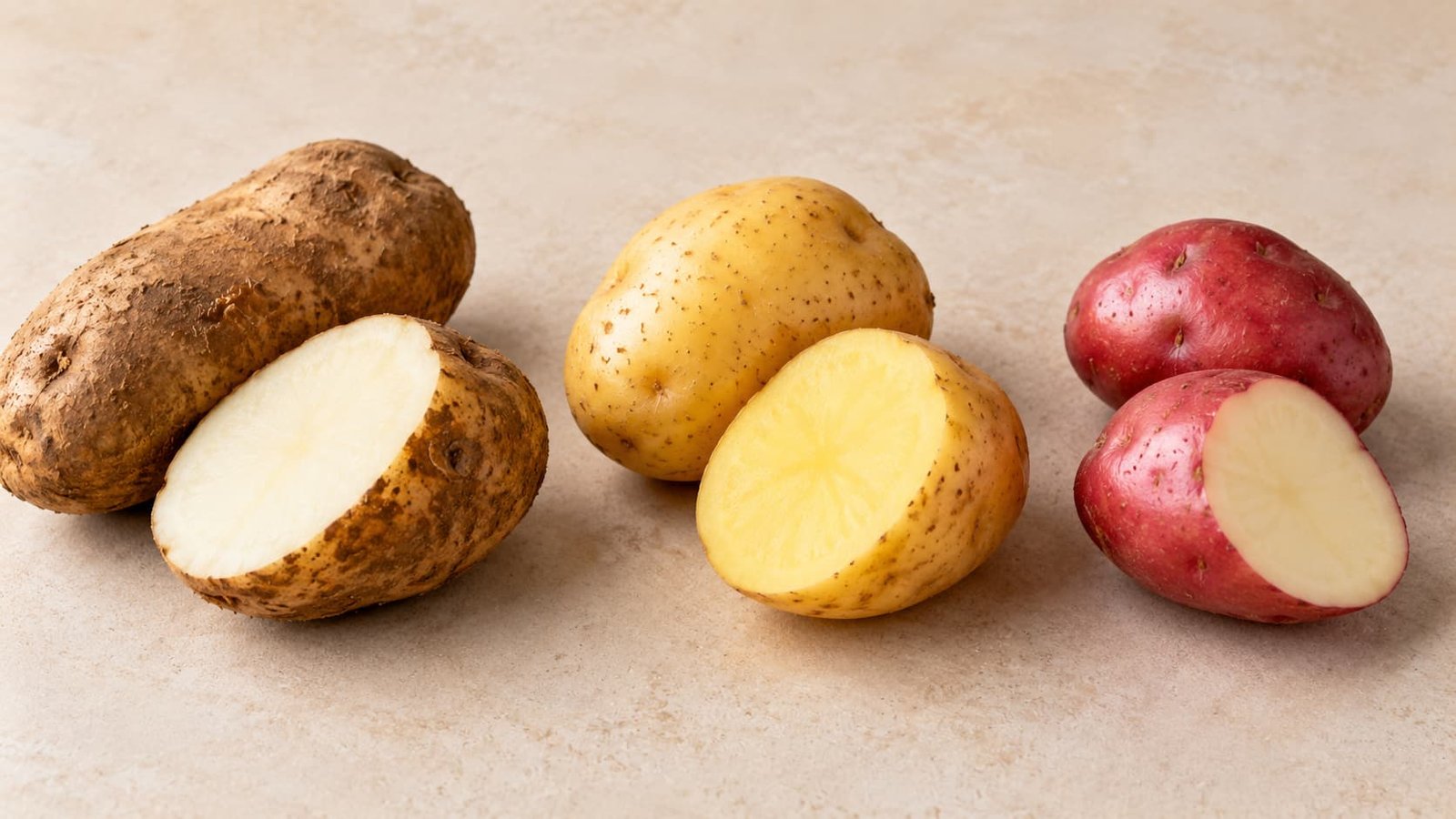
Potatoes are another central ingredient. Their texture after cooking depends partly on the variety selected.
- Russet potatoes: Have a relatively high starch content and can break down during cooking, contributing to a thicker soup.
- Yukon Gold potatoes: Have a creamy texture and can retain their shape when cooked gently.
- Red potatoes: Have a waxier texture and are often used when distinct potato pieces are preferred.
Potatoes can be peeled or left unpeeled according to the recipe and personal preference. Cutting them into similar-sized pieces helps them cook more evenly.
Cheese, Milk, and Broth
Cheese contributes flavor and changes the texture of the broth. Cheddar is commonly associated with cheesy potato soups, although other melting cheeses may also be used.
Mild cheddar has a less pronounced flavor than sharp cheddar. Monterey Jack is another option for recipes that call for a milder cheese flavor.
Cheese can become grainy or separate when exposed to excessive heat. Adding it gradually over low heat, while stirring, may help it blend more evenly into the soup.
Milk is used in some versions to create a creamy broth. Heavy cream may also be included, although it produces a richer consistency. Recipes without milk may rely on broth, potatoes, or other thickening ingredients.
Beef broth provides a liquid base that complements the ground beef. Chicken or vegetable broth may be used as alternatives, with differences in the resulting flavor.
Vegetables and Seasonings
Onions and garlic are common additions to ground beef and potato soups. They can be cooked before the broth is added to develop their flavor.
Other vegetables may be included depending on the recipe:
- Carrots can add mild sweetness and texture.
- Celery contributes a distinct savory flavor.
- Bell peppers can add color and a slightly different flavor.
- Spinach may be stirred into the soup toward the end of cooking.
Salt, black pepper, paprika, and dried thyme are examples of seasonings that can be used. The amount of seasoning depends on the other ingredients, particularly the broth and cheese, which may already contain salt.
Optional Ingredients and Substitutions
Some ingredients can be replaced or adjusted to create a different version of the soup.
Ground turkey can be used instead of beef, although it changes the flavor and fat content. Different cheeses may also be combined, depending on their melting properties.
Flour or cornstarch may be used as a thickener in recipes that require a denser consistency. Alternatively, some cooked potatoes can be mashed into the broth to increase thickness.
Additional vegetables, such as corn or peas, may also be included. When changing ingredients, the amount of liquid and cooking method may need adjustment.
These substitutions are general cooking options rather than results from a personally tested version of the recipe.
How to Make Cheesy Hamburger Potato Soup Step by Step
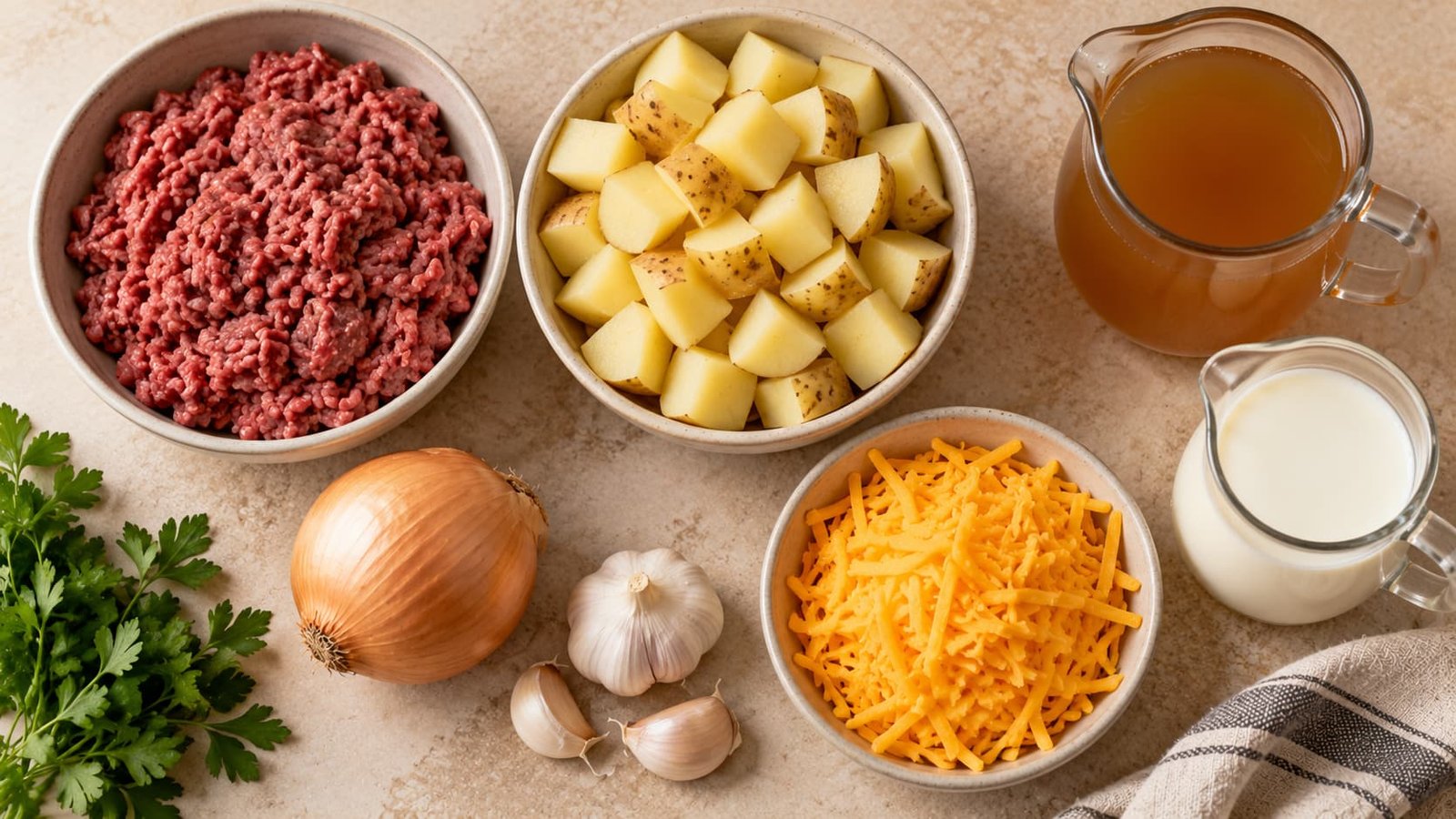
Cheesy hamburger potato soup can be prepared on the stovetop by browning ground beef, simmering potatoes in broth, and adding milk and cheese toward the end. The following steps describe a general preparation method rather than a personally tested recipe. Exact ingredient amounts and cooking times depend on the recipe used.
Step 1: Prepare the Vegetables and Potatoes
Wash the potatoes and cut them into similar-sized pieces. They may be peeled or left unpeeled, depending on the preferred texture.
Dice the onion and mince the garlic. Additional vegetables, such as carrots or celery, can also be prepared at this stage.
Cutting the potatoes into evenly sized pieces helps them cook at a similar rate.
Step 2: Brown the Ground Beef
Place the ground beef in a large pot over medium heat. Break it into smaller pieces while cooking so the meat cooks more evenly.
Cook the beef thoroughly. According to USDA food-safety guidance, ground beef should reach an internal temperature of 160°F (71°C), measured with a food thermometer. Browning alone does not confirm that the meat has reached a safe temperature.
Drain excess fat if needed. Onions can be cooked with the beef, while garlic may be added later to reduce the chance of burning.
Step 3: Add the Broth and Cook the Potatoes
Add the broth and diced potatoes to the pot. Stir to distribute the ingredients, then bring the liquid to a gentle simmer.
Allow the potatoes to cook until they are tender when pierced with a fork. The time required varies according to the potato variety, piece size, and cooking temperature.
Carrots or celery may be added during this stage if included in the chosen recipe.
Step 4: Stir in the Milk and Cheese
After the potatoes have softened, lower the heat and stir in the milk.
Add shredded cheese gradually while stirring. Allow it to melt into the liquid before adding more.
Gentle heating is generally preferable when incorporating cheese into soup. Excessive heat may cause some cheese mixtures to separate or develop a grainy texture.
Step 5: Adjust the Soup’s Thickness and Seasoning
Check the consistency after the ingredients have been combined. Additional broth can be stirred in if the soup is thicker than preferred.
For a thicker texture, a portion of the cooked potatoes may be mashed into the liquid.
Taste and adjust the seasonings as needed. Ensure the soup is heated through before serving.
How Can You Adjust the Texture of Cheesy Hamburger Potato Soup?

The soup’s consistency can be adjusted by changing the amount of liquid or using the starch from cooked potatoes. The type of cheese and the cooking temperature can also affect the final texture.
How to Make the Soup Thicker
Mashing some of the cooked potatoes into the broth is one option for increasing thickness. The softened potatoes blend into the liquid and create a denser consistency.
Flour or cornstarch can also be used as thickening ingredients. Cornstarch is typically mixed with cold liquid before being added to hot soup to help prevent lumps.
Another option is to simmer the broth gently before adding the dairy ingredients, allowing some liquid to evaporate.
How to Make the Soup Less Thick
Additional broth can be stirred into the soup to create a thinner consistency. Adding it gradually allows better control over the amount of liquid.
Milk may also be used, although it changes the flavor and creaminess differently from broth.
After adjusting the liquid, the soup may need additional seasoning because dilution can reduce the intensity of the existing flavors.
How to Keep the Cheese Mixture Smooth
Cheese can be added gradually over low heat to encourage more even melting.
Stirring while the cheese melts helps distribute it through the broth. Avoiding vigorous boiling after adding the cheese may reduce the chance of separation.
Different cheeses behave differently when heated. Their moisture, fat, and protein characteristics can influence how smoothly they melt.
What Variations Can You Make to Cheesy Hamburger Potato Soup?
Ground beef and potato soup can be adapted by changing the cheese, including different vegetables, or adjusting the seasonings. These variations may change the flavor and consistency of the finished dish.
Using Different Types of Cheese
Cheddar is commonly used in cheese-based soups. Mild cheddar offers a less pronounced flavor, while sharp cheddar provides a stronger cheese taste.
Monterey Jack and Colby are other possible choices. They may also be combined with cheddar in recipes that use more than one cheese.
Because cheeses differ in their melting behavior, substitutions may affect the texture of the broth.
Adding Extra Vegetables
Carrots, celery, and bell peppers are possible additions to the soup. They can be cooked alongside the other vegetables or added while the potatoes simmer.
Corn and peas may also be included. Spinach is another option and generally requires less cooking than firmer vegetables.
The amount and type of vegetables can influence the balance between solid ingredients and broth, so additional liquid may be needed.
Adjusting the Seasonings
Salt, black pepper, garlic, and paprika can be used to season the soup.
Dried thyme adds an herbal flavor, while smoked paprika contributes a smoky note. Mustard powder is another possible addition for a cheeseburger-inspired variation.
Seasonings can be added gradually and adjusted after tasting. Broth and cheese may already contain salt, so the amount needed will depend on the ingredients selected.
What Can You Serve With Cheesy Hamburger Potato Soup?
Cheesy hamburger potato soup can be served on its own or paired with bread, crackers, or a simple salad. Each option adds a different texture to the meal.
Crusty bread or toasted slices can be used for dipping into the broth. Plain crackers are another option for those who prefer something crunchy.
A green salad made with lettuce, cucumber, and tomatoes can be served alongside the soup. Steamed vegetables, such as broccoli or green beans, are also possible accompaniments.
The choice depends on personal preference and the ingredients available.
How Should You Store and Reheat Cheesy Hamburger Potato Soup?
Leftover soup containing ground beef and dairy should be refrigerated or frozen promptly. Proper storage and reheating are important for food safety, while the cheese and potatoes may change texture after cooling.
Refrigerating Leftover Soup
Transfer the soup into shallow containers to help it cool quickly. Refrigerate within two hours of cooking, or within one hour when the surrounding temperature is above 90°F (32°C).
Keep the refrigerator at 40°F (4°C) or below. USDA food-safety guidance recommends using refrigerated soups and stews within three to four days.
Freezing Cheesy Hamburger Potato Soup
The soup can be stored in freezer-safe containers with enough space for expansion.
Cheese-based soups may separate after freezing and thawing. Potatoes can also become softer or develop a grainier texture.
USDA guidance lists two to three months as a recommended freezer storage period for maintaining the quality of soups and stews at 0°F (-18°C). This is a quality recommendation, not a guarantee that the original texture will remain unchanged.
Reheating Without Separating the Cheese
Frozen soup can be thawed in the refrigerator before reheating.
Stir the soup regularly while heating it. If the consistency is too thick, a small amount of broth or milk may be added.
Gentle stirring can help distribute the ingredients, although it cannot guarantee that separated cheese will become smooth again.
For food safety, USDA guidance recommends reheating leftovers to 165°F (74°C) and bringing soups to a boil. Safe reheating takes priority over preserving the cheese texture.
Frequently Asked Questions About Cheesy Hamburger Potato Soup
Can You Make Cheesy Hamburger Potato Soup Without Milk?
Yes. Broth can be used instead of milk, although the resulting soup may have a thinner consistency.
Cheese or mashed potatoes may still contribute thickness. A soup containing cheese or butter is not dairy-free simply because milk has been omitted.
What Type of Potatoes Can You Use in Hamburger Potato Soup?
Russet, Yukon Gold, and red potatoes can be used.
Russet potatoes tend to break down more easily during cooking, while Yukon Gold and red potatoes generally hold their shape better. The choice depends on the preferred texture.
Can You Use Ground Turkey Instead of Ground Beef?
Yes. Ground turkey can be used as an alternative, although it changes the flavor and fat content of the soup.
According to USDA guidance, ground turkey should reach a safe internal temperature of 165°F (74°C), measured with a food thermometer.
Why Does Cheese Sometimes Separate in Potato Soup?
Cheese may separate when heated excessively or when its proteins and fat do not remain evenly mixed with the liquid.
Adding shredded cheese gradually over low heat may help reduce separation. Different cheeses also have different melting properties.
Can You Make Cheesy Hamburger Potato Soup in a Slow Cooker?
Yes. A slow cooker can be used, although the method differs from stovetop preparation.
Ground beef may be browned separately before being combined with potatoes and broth. Milk and cheese can be added closer to the end of cooking to limit prolonged heating.
Cooking times depend on the slow cooker and recipe. Ground beef must reach a safe internal temperature of 160°F (71°C).
Can You Prepare Cheesy Hamburger Potato Soup Ahead of Time?
Yes. The soup can be prepared in advance and refrigerated according to safe storage guidance.
Another approach is to prepare the beef, potatoes, and broth first, then add the cheese and milk when finishing the dish. This may help limit texture changes associated with reheating dairy ingredients.
How Can You Thicken Hamburger Potato Soup Without Flour?
Mashing some of the cooked potatoes into the broth can make the soup thicker.
Cornstarch mixed with cold liquid is another option. The mixture can be stirred into the hot soup and heated until it thickens. The amount required depends on the quantity of broth and preferred consistency.
Final Thoughts
Cheesy hamburger potato soup combines ground beef, potatoes, cheese, and broth. Different potato varieties, cheeses, and vegetables can be used to adjust its flavor and texture.
Understanding the basic preparation method, ingredient substitutions, and storage considerations can help readers choose an approach that suits their preferences. Proper cooking temperatures and safe handling of leftovers remain important when preparing dishes containing ground meat and dairy.