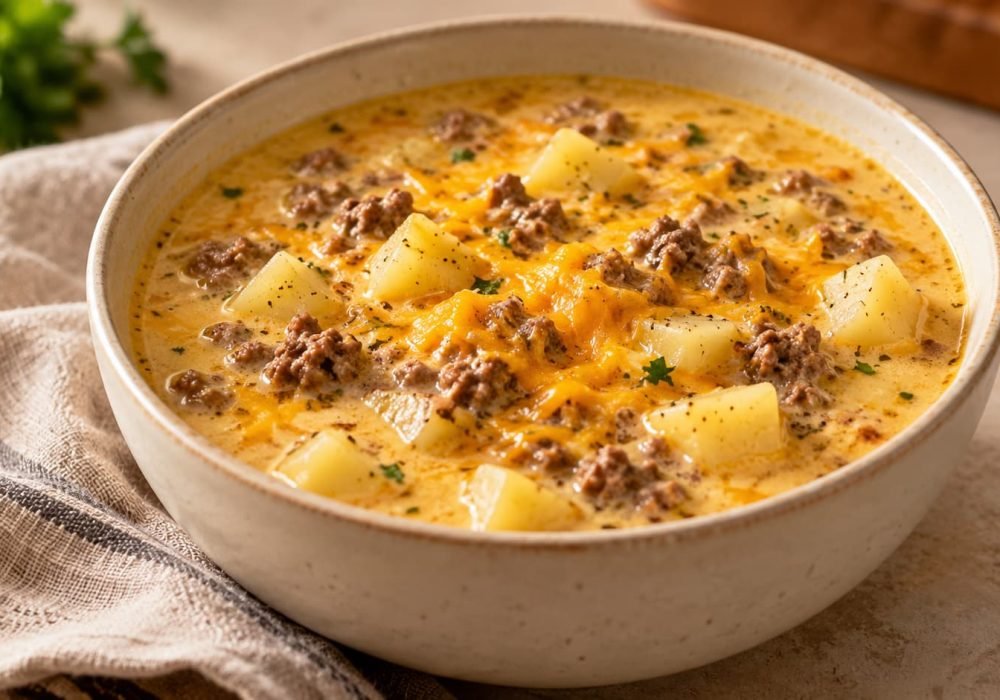
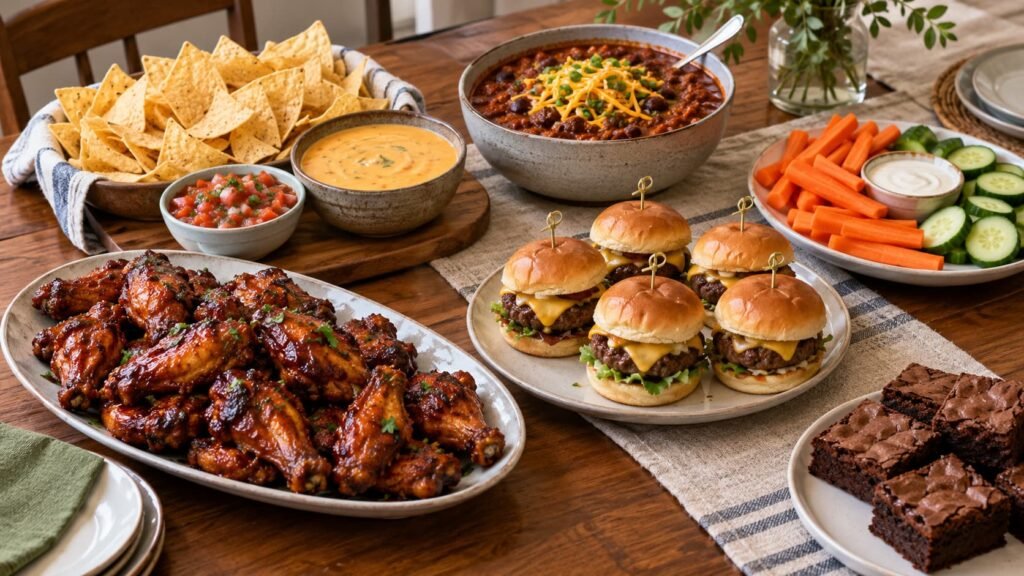
Super Bowl party food ideas for a crowd include chicken wings, BBQ chicken bites, sliders, nachos, pizza bites, chili, potato sides, vegetable platters, and small desserts. These foods offer different serving styles, from handheld snacks to filling dishes that can be shared during the game.
A practical menu combines foods that are easy to portion with options for different tastes and dietary needs. For example, sliders or chili may serve as the main food, while dips, fresh vegetables, and cookies provide additional choices.
The right combination depends on the number of guests, available kitchen equipment, budget, and preparation time. Rather than making several similar dishes, choose foods that serve different purposes and can be handled safely throughout the gathering.
What Foods Work Well for a Super Bowl Party?
Foods that are easy to share, portion, and serve are useful for a Super Bowl gathering. Chicken bites, sliders, and quesadilla wedges can be eaten as handheld snacks, while chili and taco bowls offer more substantial portions.
A mix of savory appetizers, filling dishes, fresh sides, and desserts gives guests different choices without requiring an overly complicated menu.
Chicken Wings and BBQ Chicken Bites
Chicken wings are a familiar game-day appetizer that can be served with different seasonings and sauces. Buffalo-style, barbecue, garlic, and honey-based sauces provide a range of spicy, tangy, savory, and sweet flavors.
Boneless chicken bites offer another option for guests who prefer smaller pieces without bones. They can be breaded or unbreaded, depending on the recipe, and served with sauce as a coating or dip.
For example, honey BBQ chicken bites combine boneless chicken pieces with a barbecue-style sauce. The finished flavor and texture depend on the ingredients and cooking method.
When serving wings or chicken bites, consider offering a mild sauce alongside a spicier option. This allows guests to choose the flavor they prefer without requiring several different chicken dishes.
Mini Burgers, Sliders, and Small Sandwiches
Sliders are smaller sandwiches that can provide a filling option without requiring guests to take a full-sized burger.
Possible fillings include beef patties, shredded chicken, pulled pork, and meat-free alternatives. Cheese, lettuce, pickles, onions, and condiments can be added according to the type of sandwich.
Mini sandwiches may also use sliced bread, small rolls, or other suitable bread options.
For additional flavor, homemade burger sauce can be considered as a condiment for burgers and sliders.
One consideration is how long the sandwiches will remain assembled. Moist fillings and sauces can soften bread, so the timing of assembly may affect the texture.
Sliders may be especially suitable when the party menu needs a handheld food that is more substantial than chips or small appetizers.
Nachos, Chips, and Shareable Dips
Nachos are a shareable snack commonly made with tortilla chips, cheese, and optional toppings such as beans, seasoned meat, salsa, and jalapeños.
They can be served as a loaded platter or arranged as a build-your-own station. The second option allows guests to choose toppings and may help keep chips separate from wet ingredients until they are ready to eat.
Dips provide another way to serve chips, crackers, or vegetables.
Common options include queso-style cheese dip, spinach and artichoke dip, salsa, guacamole, and bean dip. Each offers a different flavor or texture depending on its ingredients.
For a varied snack selection, consider combining one creamy dip with a tomato-based or bean-based option rather than preparing several similar cheese dips.
Nachos and dips may work well when guests prefer smaller portions throughout the game instead of a single large meal.
Pizza Bites, Quesadillas, and Savory Finger Foods
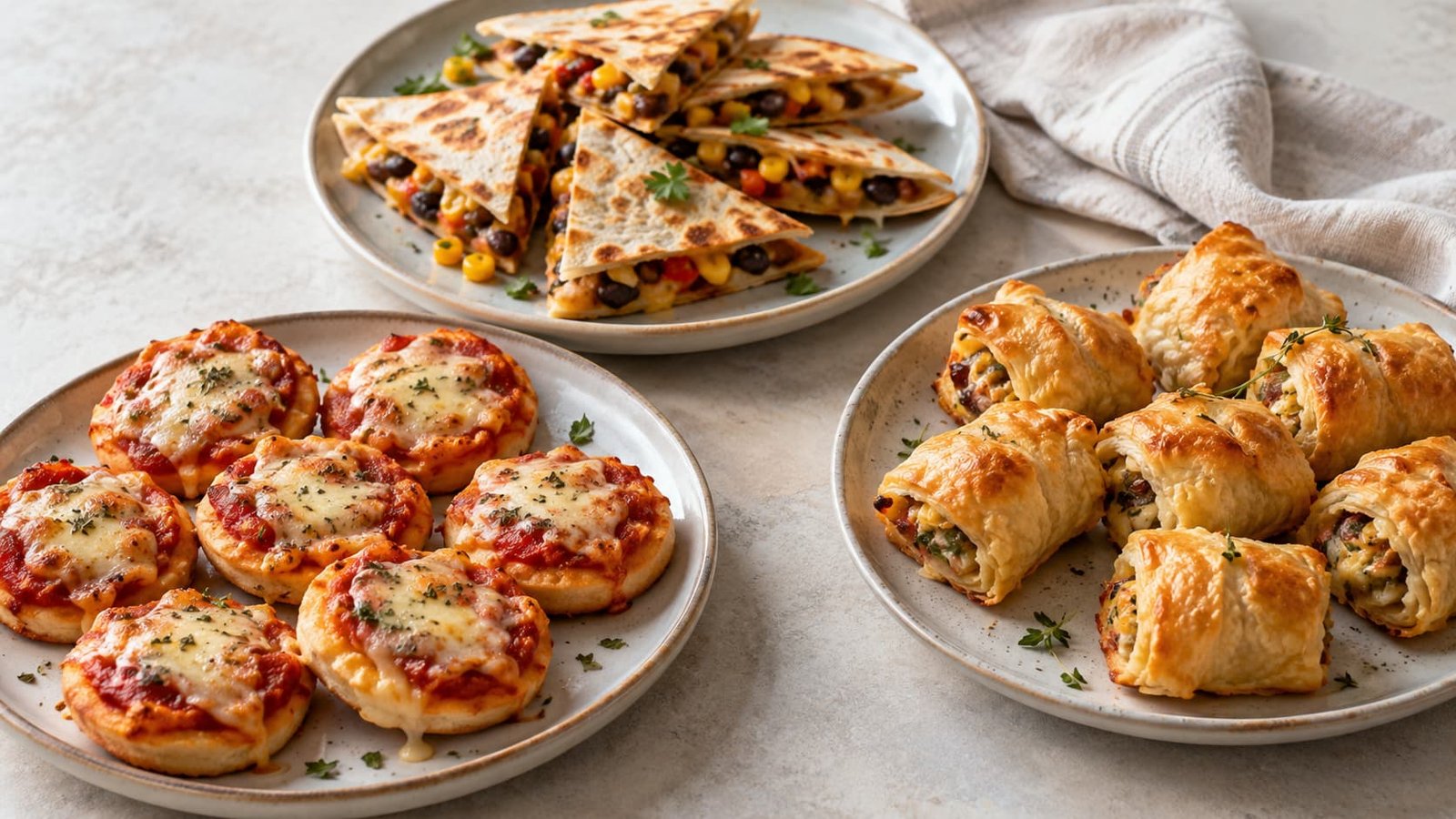
Pizza bites and quesadilla wedges can be divided into smaller portions for casual serving.
Mini pizzas may be prepared with small dough bases or suitable bread alternatives. Toppings can include cheese, tomato sauce, vegetables, and cooked meats.
Quesadillas typically consist of tortillas filled with ingredients such as cheese, beans, chicken, or vegetables. Cutting them into wedges creates portions that can be shared.
Other savory finger foods include small dumplings, stuffed pastry bites, and mini sandwiches.
These foods offer alternatives to wings and nachos, but their preparation requirements should be considered. If several appetizers need the oven or stovetop shortly before serving, the available kitchen space may become a limitation.
Choosing only one or two dishes that need last-minute heating may be more manageable than preparing several oven-dependent appetizers.
Chili, Taco Bowls, and Other Filling Dishes
Chili and taco bowls can serve as substantial dishes when the Super Bowl gathering takes place around lunch or dinner.
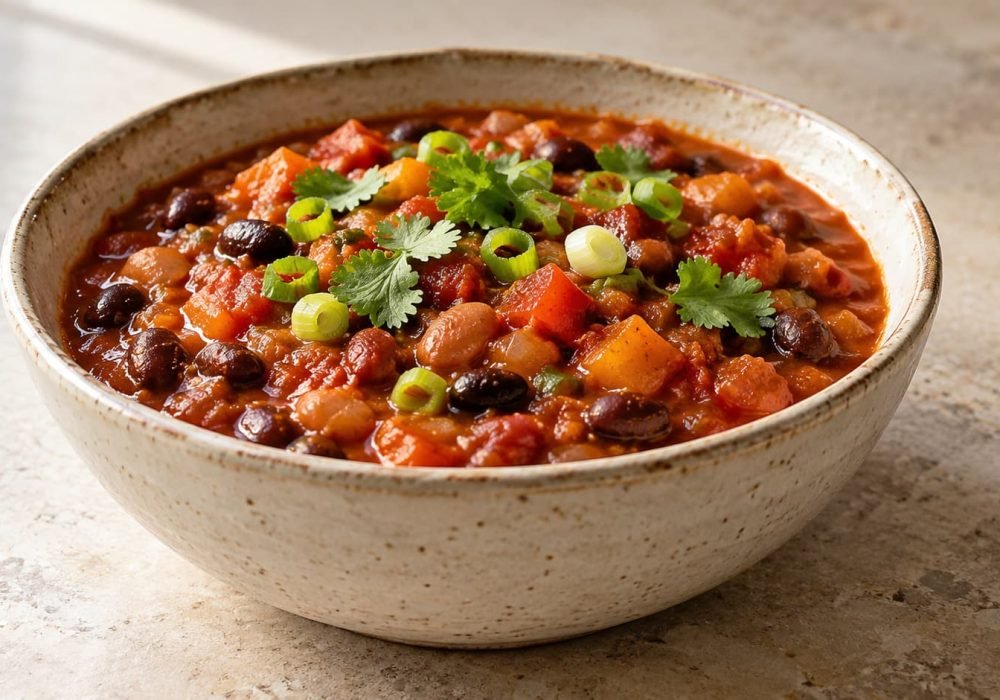
Chili commonly contains beans, tomatoes, peppers, seasonings, and sometimes meat. Versions made with beef, turkey, chicken, or vegetarian ingredients offer different options.
A topping station can include cheese, chopped onions, cilantro, tortilla chips, or other suitable additions. Guests can then choose their preferred combination.
Taco bowls provide another customizable option. They may contain rice, beans, vegetables, seasoned meat, or potatoes.
For example, a loaded potato taco bowl uses cooked potatoes as the base for taco-style fillings and toppings.
Unlike handheld appetizers, these dishes generally require bowls, spoons, or forks. They may be better suited to a dedicated serving area where guests can assemble their portions.
Potato Sides and Fresh Vegetable Platters
Potato dishes and fresh vegetables offer different textures that can complement a menu built around sandwiches, chicken, and other savory foods.
Potato options include roasted wedges, fries, stuffed potato skins, and smashed potatoes. Their texture varies with the potato type, cooking method, and toppings.
A crispy smashed potato salad is another potato-based option. The dressing and timing of assembly can influence the texture of the prepared potatoes.
Fresh vegetable platters may contain carrots, celery, cucumber, bell peppers, and other vegetables served with appropriate dips.
Cold salads can also provide a contrast to warm appetizers. For example, cabbage crunch salad offers a vegetable-based side with a different texture from roasted or fried foods.
Including both a potato dish and a fresh side can add variety without relying on several similar appetizers.
Vegetarian Snacks and Meat-Free Appetizers
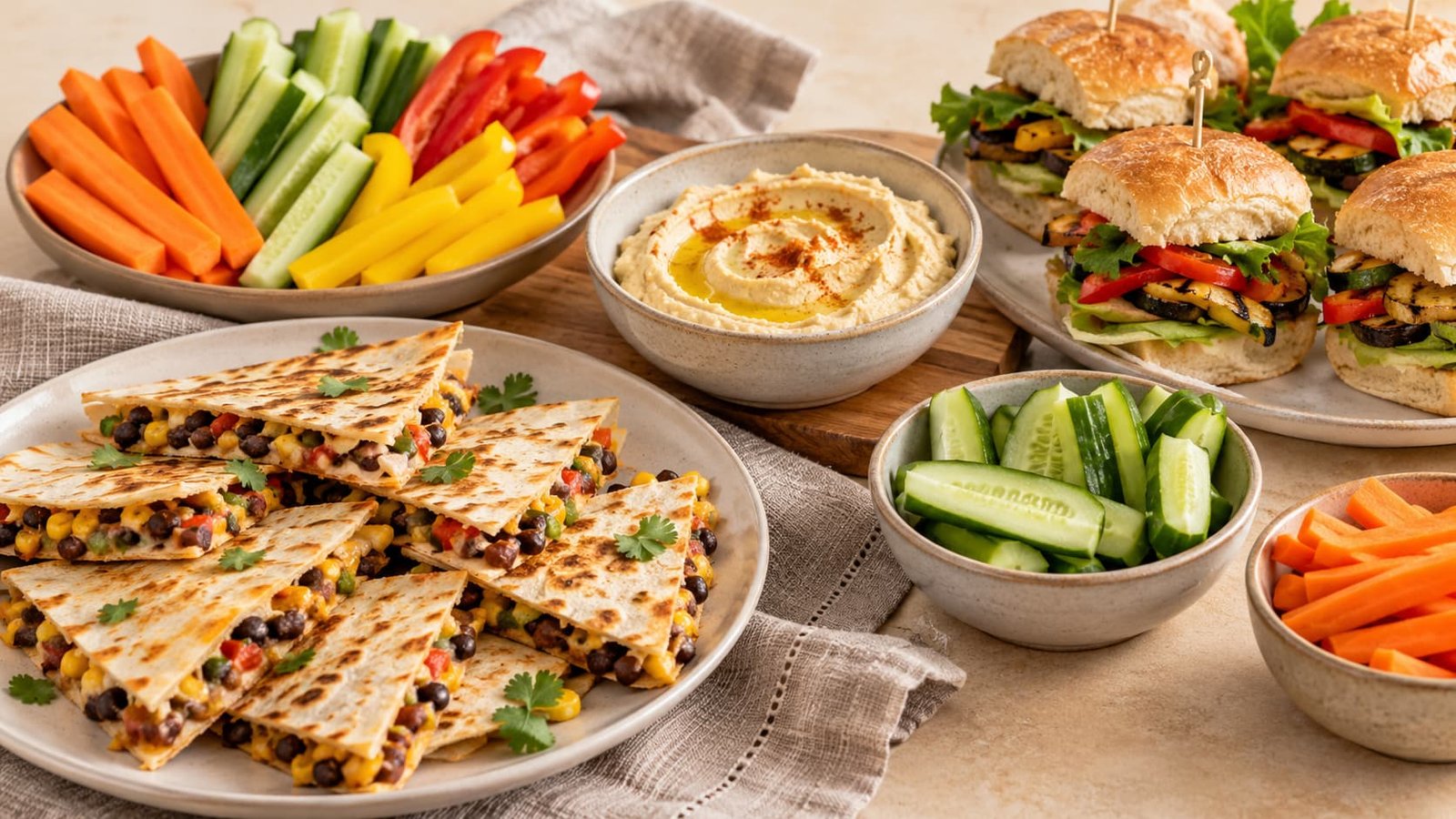
Vegetarian appetizers provide options for guests who do not eat meat or prefer plant-based foods.
Possible choices include bean-filled quesadillas, vegetarian chili, hummus with vegetables, stuffed mushrooms, and meat-free mini sandwiches.
Beans can also be used in nachos, taco bowls, and dips, making them useful across several menu options.
Not every vegetarian dish is vegan. Cheese, eggs, dairy-based sauces, and other animal-derived ingredients may be present depending on the recipe.
When selecting meat-free dishes, check their ingredients and consider guests’ specific preferences rather than assuming that one vegetarian option will suit everyone.
Brownie Bites, Cookies, and Small Desserts
Small desserts can provide a sweet option without requiring a separate dessert course.
Brownie squares, cookies, dessert bars, and fruit portions are examples of foods that can be served individually.
Brownies can be divided into smaller pieces, while cookies and bars may already be suitable for individual portions. Their texture and appearance depend on the recipe and preparation method.
For a fruit-based baked dessert, easy apple crumble bars are another option to consider.
A simple dessert selection may include one chocolate-based choice and one fruit-based option, depending on guest preferences.
Desserts containing perishable fillings or toppings still require appropriate storage and serving conditions.
How Can You Plan a Super Bowl Party Menu for a Crowd?
Start with the guest count, decide whether the food will replace a regular meal, and choose dishes that fit the available preparation space.
A menu for guests expecting dinner may need more substantial foods than a gathering centered on light snacks. Dietary requirements and serving equipment should also influence the selection.
How Do You Balance Filling Foods, Snacks, and Lighter Options?
Choose foods that serve different roles rather than preparing several similar dishes.
For example, a menu could include sliders as the main filling food, nachos as a shareable snack, a vegetable platter as a fresh side, and cookies for dessert.
Other combinations may work just as well. Chili could replace sliders, while quesadilla wedges could provide an alternative to nachos.
The important consideration is variety in serving style, ingredients, and portion size.
A menu does not need equal numbers of main dishes, snacks, and desserts. The combination should reflect what guests are likely to eat and whether the gathering takes place during a regular mealtime.
How Much Food Should You Plan for Your Guests?
Food quantities depend on the number of guests, the menu, and the expected portion sizes.
Begin by confirming the approximate guest count and reviewing the stated yield of each selected recipe.
For example, a menu built around chili as the main dish may require a different quantity plan from one offering sliders, nachos, and several appetizers.
Consider whether guests will select full meal portions or smaller amounts from multiple dishes.
There is no single reliable serving quantity that applies to every gathering. Recipe yields, appetites, dietary needs, and the number of available foods can all affect the amount required.
How Can You Include Vegetarian and Other Dietary Options?
Ask guests about dietary requirements before finalizing the menu.
Vegetarian chili, bean-filled quesadillas, and vegetable-based sandwiches are possible alternatives to meat dishes. Some may also suit vegan preferences when prepared without animal-derived ingredients.
For guests avoiding particular ingredients, check the full recipe and any packaged products being used. A dish’s name alone does not establish whether it meets a dietary restriction.
Food allergies require additional precautions, including attention to ingredient labels and allergen cross-contact.
How Can You Choose Foods That Fit Your Budget?
A budget-conscious menu can be planned around ingredients that appear in more than one dish.
Beans, potatoes, rice, tortillas, tomatoes, and onions may be useful in several savory recipes. For example, beans and tomatoes can appear in chili as well as taco-style dishes.
Another option is to choose one substantial homemade dish and pair it with simpler snacks or purchased foods.
Compare ingredient prices and recipe yields before shopping. Actual costs vary by location, product choice, and quantity, so no single dish is guaranteed to be the least expensive.
Avoid adding extra dishes simply to increase variety when the planned menu already offers different food types.
Which Super Bowl Party Foods Can Be Prepared Ahead?
Some game-day dishes and ingredients can be prepared before guests arrive, while others may benefit from final assembly closer to serving.
Chili, selected dips, prepared vegetables, and certain desserts are possible make-ahead choices when their recipes and storage requirements allow it.
Foods and Ingredients That Can Be Prepared in Advance
Chili and similar cooked dishes may be prepared ahead, cooled and refrigerated safely, and reheated when needed.
Vegetables can be washed and cut in advance, then stored appropriately until serving.
Some dips, sauces, and desserts may also be prepared early, depending on their ingredients and storage instructions.
Preparing a dish ahead does not establish how long it can safely be stored. Follow recipe-specific guidance and reliable food-safety recommendations.
Foods That May Be Better Assembled Closer to Serving
Foods that contain crisp components and wet toppings may change texture after assembly.
Nachos can become softer when tortilla chips remain in contact with salsa, cheese, or other moist toppings.
Similarly, slider buns may absorb moisture from sauces and fillings, while crispy potato dishes may lose some surface texture after dressing is added.
One possible approach is to prepare suitable components in advance and combine them nearer to serving.
The timing should depend on the food’s preparation method and safe storage requirements.
How Can You Organize Preparation to Reduce Last-Minute Work?
Divide preparation into tasks that can be completed before the gathering and those that need attention closer to serving.
A practical sequence is:
- Before game day: Finalize the menu, purchase ingredients, and prepare foods that can be stored safely.
- Before guests arrive: Organize the serving area, arrange utensils, and complete appropriate cooking or reheating tasks.
- Near serving time: Assemble moisture-sensitive dishes and put out the portions intended for immediate service.
Check which dishes require the same equipment. Limited oven space may affect when pizza bites, quesadillas, or other warm appetizers can be prepared.
Include safe refrigeration and hot holding in the preparation plan rather than leaving perishable foods at room temperature.
How Can You Set Up a Super Bowl Party Food Table?
A self-service food table should allow guests to identify dishes, reach utensils, and choose portions without unnecessary crowding.
The arrangement will depend on available space and whether the menu contains mostly handheld appetizers or larger dishes.
How Should You Arrange Foods for Easy Self-Service?
Place plates, bowls, and napkins near the beginning of the serving area.
Handheld snacks can be arranged on trays, while chili, taco fillings, and other foods requiring utensils may need more space.
Consider creating a separate area for drinks if the room allows it. This may reduce congestion around the main food table.
Simple labels can help guests identify unfamiliar dishes. Ingredient information should be accurate, particularly when dietary restrictions are involved.
Why Is It Useful to Keep Sauces, Dips, and Toppings Separate?
Separate toppings allow guests to customize their food and may help preserve the texture of certain dishes.
For example, onions, pickles, and condiments can be placed beside sliders, while salsa and other toppings can accompany nachos.
Using individual serving containers may also make portions easier to manage.
However, shared topping stations are not automatically safe for people with food allergies. Allergen cross-contact remains a concern and may require additional precautions.
How Can You Make Serving and Refilling Food Easier?
Choose serving containers that match the food and the utensils guests will need.
Trays may be practical for finger foods, while bowls and serving spoons suit chili, dips, and loose toppings.
Keep additional perishable portions at safe temperatures until required. Replacing nearly empty serving dishes with clean dishes containing safely held food is preferable to continually adding new food to food already on display.
Extra plates, napkins, and clean utensils can be kept nearby for replacement.
How Can You Keep Party Food Safe During the Game?
Food safety is an important part of a Super Bowl buffet because perishable dishes may be available over several hours.
Safe holding temperatures, timely refrigeration, and careful allergen handling help reduce avoidable risks.
Keeping Hot and Cold Foods at Safe Temperatures
According to USDA buffet food-safety guidance, hot foods should be held at 140°F (60°C) or above, while cold foods should be held at 40°F (4.4°C) or below.
Suitable warming equipment may help maintain hot foods at the required temperature. Cold dishes can be kept refrigerated or placed over ice.
A food thermometer should be used to check the temperature when necessary.
Perishable food should not remain at room temperature for more than two hours. If the surrounding temperature is above 90°F (32.2°C), the limit is one hour.
These limits apply to perishable foods whether they are homemade or purchased.
Serving Food in Smaller Batches and Handling Leftovers
Serving smaller batches can limit how much perishable food remains on the buffet without temperature control.
Additional portions should be kept safely refrigerated or hot-held until needed.
For leftovers, refrigerate appropriate perishable foods promptly. Dividing large amounts into shallow containers can support faster cooling.
Discard perishable foods that have exceeded the recommended room-temperature limits.
The USDA advises reheating leftovers to an internal temperature of 165°F (73.9°C), measured with a food thermometer.
Avoiding Cross-Contact When Guests Have Food Allergies
Food allergies require careful ingredient checking and handling, including attention to packaged sauces, breads, dips, and dressings.
The FDA identifies nine major food allergens: milk, eggs, fish, crustacean shellfish, tree nuts, peanuts, wheat, soybeans, and sesame. Other foods can also cause allergic reactions.
Cross-contact can occur when allergens are unintentionally transferred between foods through equipment, utensils, hands, or preparation surfaces.
Read ingredient labels and discuss individual requirements with affected guests.
Clean utensils and separate containers are useful precautions, but they do not guarantee that a dish is allergen-free. Guests with serious allergies may need additional arrangements based on their specific requirements.
Frequently Asked Questions About Super Bowl Party Foods
What Can You Serve Instead of Chicken Wings?
Mini burgers, pizza bites, quesadilla wedges, stuffed peppers, and savory pastries are possible alternatives to chicken wings.
Vegetarian guests may prefer bean-filled quesadillas or meat-free sandwiches, depending on their ingredients.
What Are Good Party Foods When You Have Limited Oven Space?
Chili prepared in suitable equipment, cold vegetable platters, tortilla chips with dips, and ready-to-assemble sandwiches may help reduce oven use.
Choose a combination of foods with different preparation requirements while maintaining safe serving temperatures.
Can You Combine Homemade and Store-Bought Party Foods?
Yes. Homemade chili, sliders, or dips can be paired with purchased chips, prepared salsa, vegetables, or packaged desserts.
Follow the storage and preparation instructions for each product and check ingredient labels when necessary.
What Are Some Super Bowl Party Foods That Require Little Preparation?
Ready-to-serve salsa with chips, crackers with suitable spreads, purchased pretzels, whole fruit, and simple vegetable platters may require relatively little preparation.
Their suitability depends on the ingredients, storage requirements, and whether additional washing or assembly is necessary.
Which Super Bowl Party Foods Are Easy to Eat Without Utensils?
Sliders, mini sandwiches, pizza bites, quesadilla wedges, chicken bites, cookies, and brownie squares are possible handheld foods.
Portion size and the amount of sauce or loose toppings can affect how easily each item can be eaten without utensils.
Final Thoughts
A Super Bowl party menu can include filling dishes such as sliders and chili, shareable snacks such as nachos and chicken bites, fresh sides, and small desserts.
The most practical combination depends on guest preferences, dietary requirements, budget, and available preparation space.
Choose foods that offer different serving options, prepare suitable components ahead, and follow safe food-handling practices throughout the gathering. A manageable menu with enough variety is generally more useful than preparing numerous dishes with similar ingredients and serving requirements.