
Cabbage crunch salad is a raw cabbage-based salad built around crisp texture. Shredded cabbage usually forms the base, while vegetables, herbs, nuts, seeds, and other crunchy toppings can add contrast.
There is no single required formula. Some versions use a vinaigrette, while others use a creamy dressing. The vegetables and toppings can also vary, so the final texture depends largely on the type of cabbage, the moisture in the added ingredients, and when the dressing is mixed in.
What Is Cabbage Crunch Salad?
Cabbage crunch salad typically combines shredded raw cabbage with other crisp ingredients and a dressing. Cabbage provides most of the structure, while ingredients such as carrots, peppers, nuts, seeds, or crispy toppings can add different textures.
The word “crunch” describes the salad’s texture rather than a fixed recipe. A simple version may contain cabbage with a few vegetables, while other versions may include herbs, fruit, seeds, nuts, or crispy noodle-style toppings.
The dressing can also vary. Vinaigrette-style dressings usually provide a lighter coating, while creamy dressings coat the vegetables more heavily. Either style can be used depending on the type of salad being prepared.
How Is Cabbage Crunch Salad Different From Coleslaw?
Cabbage crunch salad and coleslaw can be very similar because both commonly use shredded or chopped raw cabbage.
Coleslaw is generally a cabbage-based salad mixed with dressing, often with vegetables such as carrots. Although creamy versions are common, vinegar-based coleslaws also exist.
Cabbage crunch salad is a broader descriptive term that often emphasizes several contrasting textures. In addition to cabbage, it may contain ingredients such as radishes, peppers, scallions, herbs, nuts, seeds, or crispy toppings.
There is no strict dividing line between the two. A cabbage salad made with cabbage, carrots, and a creamy dressing may closely resemble coleslaw. A version containing cabbage, sesame seeds, scallions, and crispy toppings may have a noticeably different texture and flavor profile.
Neither type of salad requires mayonnaise. Creamy and vinaigrette-style dressings are both possible approaches.
Which Ingredients Create the Crunch?
Cabbage usually provides the main crunch, but additional firm vegetables and dry toppings can create more texture.
Not every ingredient needs to be crisp. Herbs, scallions, dressings, and softer additions can contribute flavor while cabbage and other firmer ingredients provide most of the structure.
Cabbage Options and How Their Textures Differ
Different types of cabbage can change how firm or delicate the salad feels.
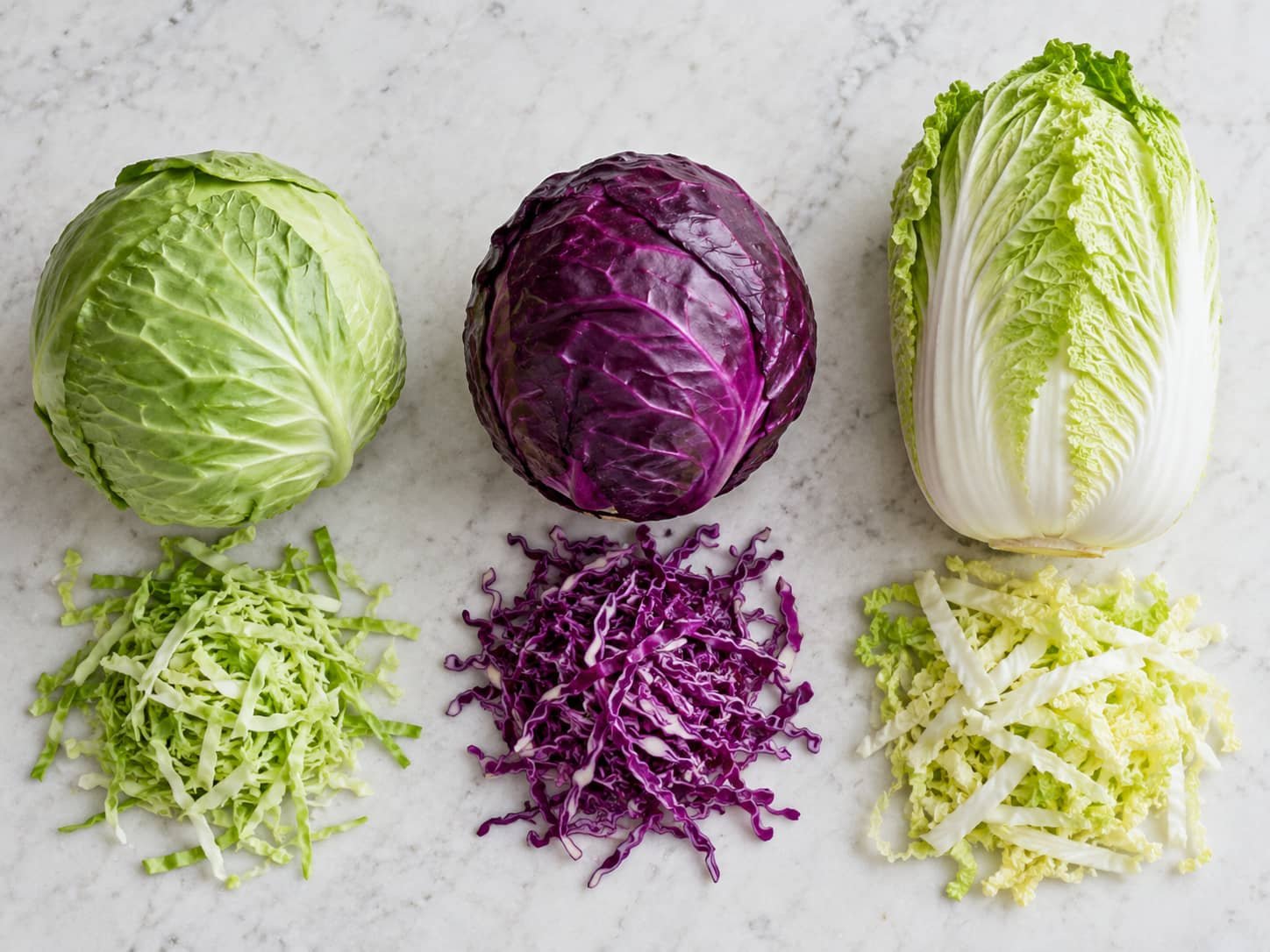
Green cabbage has smooth, tightly packed leaves and a firm texture when used raw. It is commonly used in cabbage salads and slaws because the shredded leaves can retain noticeable structure.
Red or purple cabbage is also firm and dense. Its deeper color can provide visual contrast when mixed with green cabbage or lighter vegetables. Its pigment may also transfer to nearby ingredients after cutting and dressing, particularly as the mixture sits.
Napa cabbage has a looser structure with more delicate leaves and thicker pale ribs. It can still provide crunch, especially through the rib portions, but the overall salad may feel softer and less dense than one made entirely with green or red cabbage.
The varieties can also be combined. Green and red cabbage can provide contrasting color while maintaining a firm base, while Napa cabbage can introduce a more tender texture.
Packaged shredded cabbage or coleslaw mix can reduce preparation work. The contents vary by product and may include green cabbage, red cabbage, carrots, or a combination of vegetables.
If packaged produce is labeled “pre-washed” or “ready-to-eat,” FDA guidance states that it can be used without washing it again. Pre-cut produce should also be stored according to the package directions and appropriate refrigeration guidance.
There is no single cabbage variety that is automatically preferable for every salad. The choice depends on whether a firmer, denser texture or a more delicate texture is wanted.
Vegetables, Nuts, Seeds, and Crispy Toppings
Additional ingredients can create several kinds of crunch rather than relying on cabbage alone.
- Carrots provide firm texture and can be shredded or cut into thin strips so they mix easily with the cabbage.
- Bell peppers add crispness and can introduce color and a different vegetable texture.
- Radishes provide a firm bite along with a stronger, peppery flavor.
- Scallions add fresh onion flavor and some texture without contributing as much bulk as cabbage or carrots.
- Nuts and seeds, such as almonds, peanuts, sunflower seeds, or sesame seeds, can add a drier and firmer contrast.
- Crispy noodles, wonton-style strips, or similar toppings provide a brittle crunch but may soften after prolonged contact with dressing or other moist ingredients.
These ingredients are optional rather than required. A simple cabbage salad may rely mainly on cabbage and carrots, while a more elaborate version may combine vegetables with several dry toppings.
High-moisture ingredients behave differently from dry crunchy additions. Cucumber, for example, can provide a crisp texture when freshly cut, but it also introduces more moisture than nuts, seeds, or cabbage.
As a dressed salad sits, moisture from vegetables can combine with the dressing and collect in the bowl. This may also contribute to a softer texture over time.
For that reason, ingredient selection is not only about flavor. Moisture content, firmness, and how long the ingredients remain in contact with dressing can all influence the texture of the salad.
How Does Dressing Affect Cabbage Crunch Salad?
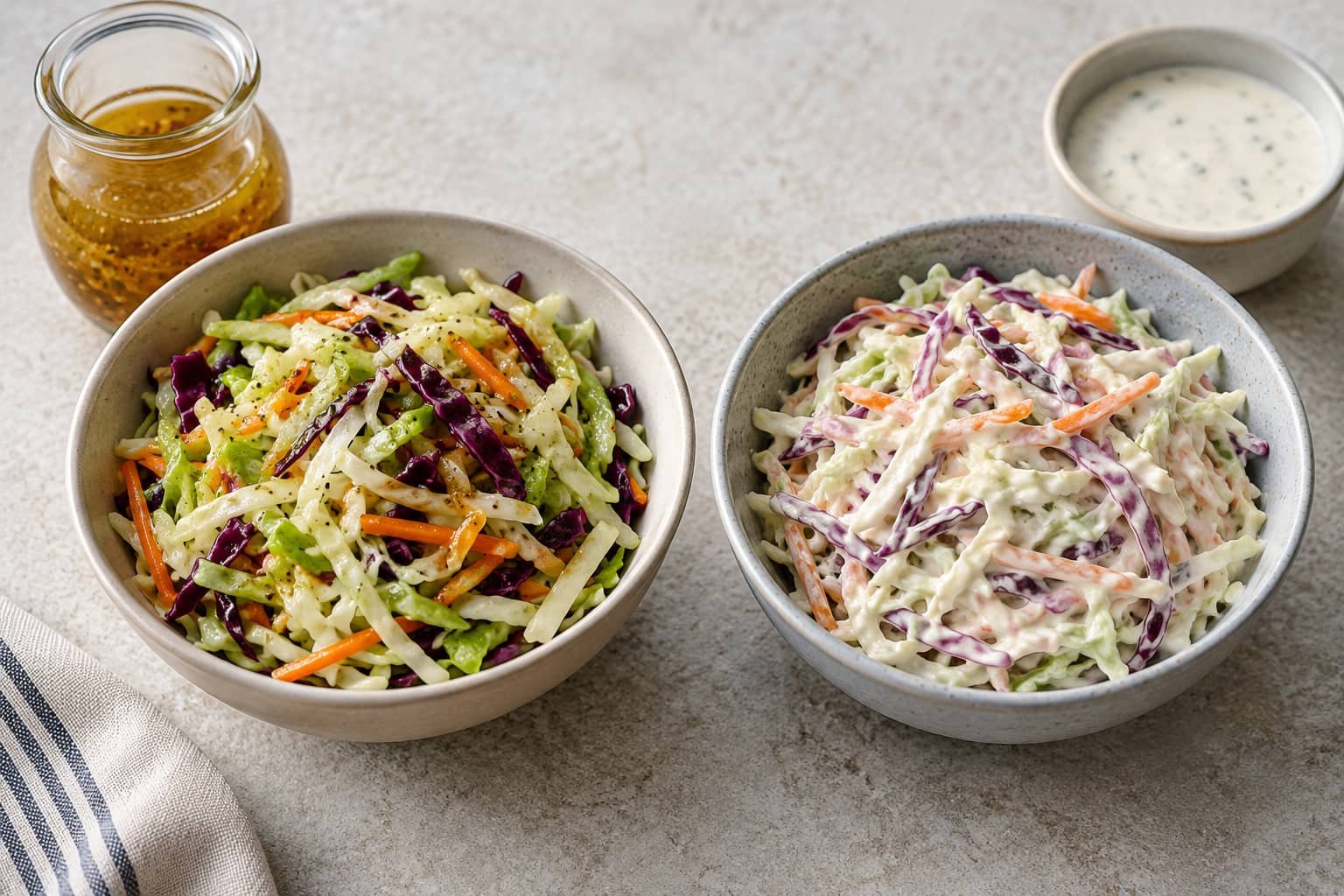
Dressing affects both flavor and texture. A vinaigrette usually gives shredded vegetables a lighter coating, while a creamy dressing coats them more heavily. As the salad sits, salt and moisture can also change the firmness of the cabbage and the crispness of dry toppings.
Neither dressing style is required. The more useful choice depends on the ingredients and the type of texture wanted.
Vinaigrette-Style vs. Creamy Dressings
A vinaigrette-style dressing typically uses an acidic ingredient, oil, and seasonings. Vinegar or citrus juice may provide acidity, while mustard, herbs, garlic, ginger, or a sweetener can be used to adjust the flavor.
Because vinaigrettes are generally more fluid than creamy dressings, they tend to form a lighter coating over shredded cabbage and vegetables.
A creamy dressing uses a thicker base, such as mayonnaise or yogurt in some preparations. This type of dressing tends to cling more heavily to the vegetables and can produce a salad closer in style to some forms of coleslaw.
Neither approach is inherently better. The difference is mainly in coating, flavor, and the way the salad feels when eaten.
There is also no single required dressing ratio for cabbage salad. The proportions of acid, oil, sweetness, salt, and other seasonings vary between preparations, so an exact formula should not be treated as universal.
Why Does Dressing Change the Texture Over Time?
Dressed cabbage can become less firm as it sits because salt and liquid interact with the cut vegetable tissue.
Research-based sauerkraut guidance provides a clear example of this process: when shredded cabbage is mixed with salt, natural liquid is drawn from the cabbage and the leaves begin to soften. A dressed salad is not the same as fermented cabbage, but the example supports the general principle that salt can encourage cabbage to release moisture.
In a salad, released vegetable moisture may combine with the dressing and collect at the bottom of the bowl. How noticeable this becomes can depend on the ingredients, cut size, amount and type of dressing, salt level, and how long the salad remains assembled.
Dry toppings behave differently from cabbage. Crispy noodles, wonton-style strips, crackers, and similar ingredients can absorb moisture and lose some of their brittle texture after contact with a wet dressing.
Nuts and seeds are less absorbent than many thin crispy toppings, but their texture can also change after prolonged exposure to moisture.
When maintaining a pronounced crunch is important, controlling when the dressing and moisture-sensitive toppings are added is one practical approach.
How Should the Vegetables and Toppings Be Prepared?
For a cabbage-based salad, preparation mainly involves cutting the vegetables into manageable pieces, removing excess surface water, and deciding which toppings should remain separate until assembly.
Specialized equipment is not necessary.
How Should Cabbage Be Shredded and Prepared?
Cabbage can be sliced with a knife or another suitable shredding tool. Relatively even pieces make it easier to distribute the cabbage and other ingredients throughout the salad.
Thin shreds create a finer texture and expose more cut surface to the dressing.
Thicker pieces provide a more substantial bite and may feel firmer when eaten.
There is no single correct shred size. The choice depends on the texture wanted and how the cabbage will be combined with the other ingredients.
Fresh cabbage and other produce that are not labeled as pre-washed should be rinsed thoroughly under running water before preparation. The FDA advises against using soap, detergent, or commercial produce wash on fruits and vegetables. A salad spinner is another tool that can be used to remove excess surface water from washed vegetables.
Removing excess surface water also has a practical texture benefit because leftover water can mix with the dressing and make the salad wetter.
Packaged produce should be handled according to its labeling. If shredded cabbage or coleslaw mix is specifically marked “pre-washed” or “ready-to-eat,” FDA guidance states that it can be used without washing it again. Pre-cut and packaged produce should also be refrigerated appropriately.
For food safety, raw produce should be kept separate from raw meat, poultry, seafood, and utensils or surfaces that have contacted those foods. Damaged or bruised areas should be removed, and produce that appears rotten should be discarded.
When Should Dressing and Crunchy Toppings Be Added?
There is no universal number of minutes before serving when cabbage salad should be dressed.
The practical principle is that wet ingredients can gradually change the texture of both vegetables and dry toppings. The longer those components remain together, the more opportunity there is for moisture to move through the salad.
Dressing cabbage earlier may allow it to become more flexible. That can be desirable in some slaw-style preparations, but it may be less suitable when a firmer texture is the goal.
Crispy noodles, wonton-style strips, crackers, and similar toppings are more sensitive to moisture and can lose their brittle texture after being mixed into a dressed salad.
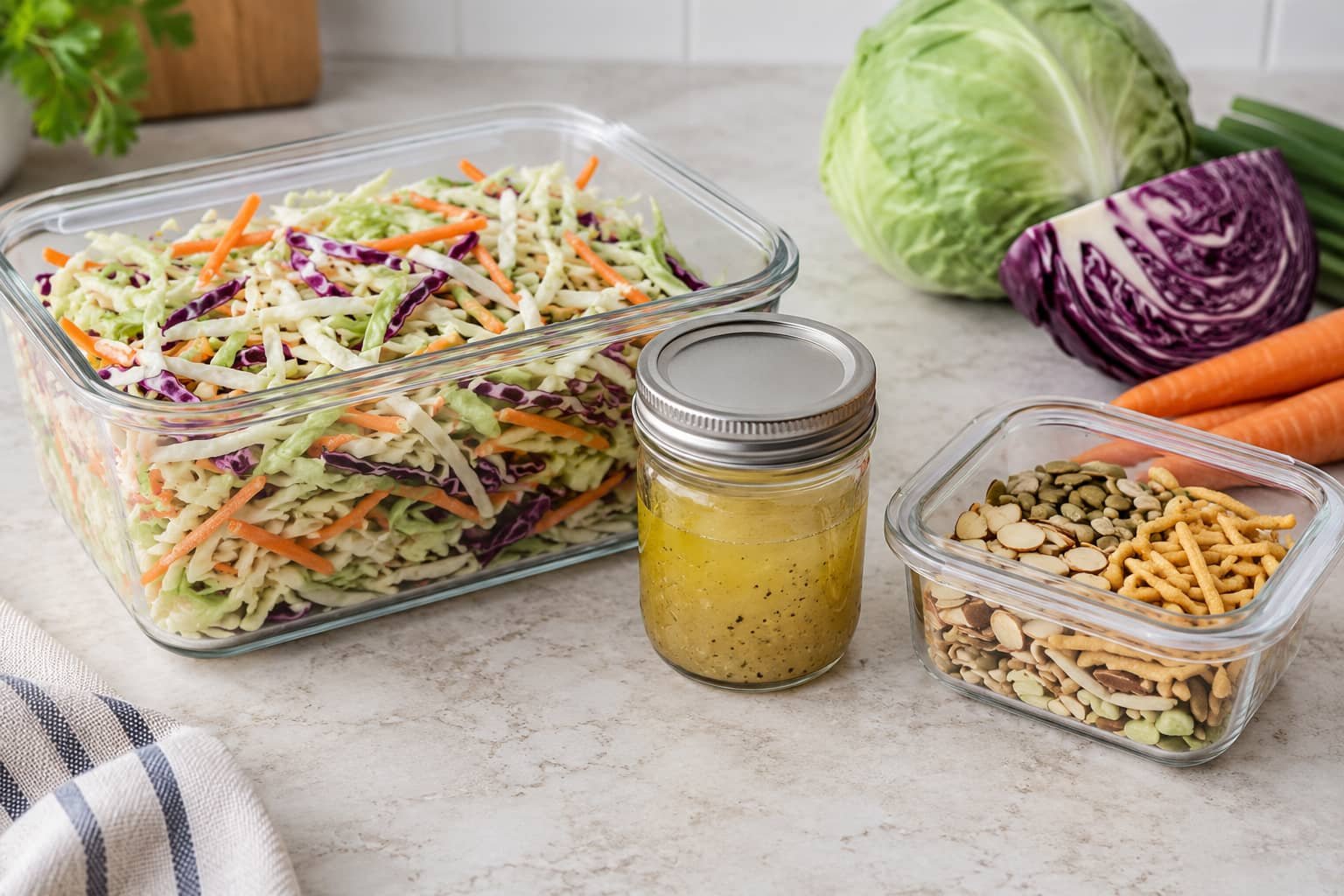
For make-ahead preparation, it can therefore be useful to keep three groups separate:
- sturdy vegetables such as cabbage and carrots
- dressing and other wet ingredients
- dry toppings such as nuts, seeds, or crispy additions
This does not guarantee one specific texture. It simply gives more control over when moisture-sensitive ingredients come into contact with the dressing.
Why Can Cabbage Crunch Salad Become Watery or Lose Its Crunch?
A cabbage salad may become watery when extra moisture collects from washed vegetables, dressing, or high-moisture ingredients. It can also lose some crunch when cabbage and dry toppings remain in contact with liquid for longer periods.
Several factors may contribute at the same time, so excess moisture does not always have one single cause.
Common Causes of Excess Moisture
Vegetables that are still wet after washing can add surface water directly to the salad. Drying cabbage and other produce before adding dressing may help limit this extra moisture.
A large amount of dressing can also leave more liquid in the bowl. The amount that feels appropriate can vary depending on how much cabbage is used and which other ingredients are included.
High-moisture vegetables, such as cucumber, may contribute additional liquid as the prepared salad sits.
Extended contact with dressing can also affect cut cabbage. Salt can encourage moisture to move out of vegetable tissue, and that released liquid may combine with the dressing.
These factors can overlap. For example, a salad containing wet vegetables, a fluid dressing, and cucumber may become wetter for several reasons rather than because of one ingredient alone.
Why Do Crispy Toppings Become Soft?
Crispy toppings can soften when they absorb moisture from the dressing or vegetables.
Dry ingredients such as crispy noodles, wonton-style strips, or similar toppings have a brittle texture before they are mixed into the salad. Once exposed to liquid, they may gradually lose some of that crispness.
Nuts and seeds can also change in texture after prolonged contact with wet ingredients, although they do not necessarily behave the same way or soften at the same rate as thin crispy toppings.
When a distinct dry crunch is preferred, adding moisture-sensitive toppings closer to serving is one possible approach.
Can Cabbage Crunch Salad Be Prepared Ahead?
Yes. Many components can be prepared ahead, but keeping wet and dry ingredients separate may help preserve more of their original texture.
Cabbage, carrots, and other sturdy vegetables can be washed, dried, and cut in advance. Prepared cut produce should be refrigerated. FDA guidance recommends keeping foods that require refrigeration at 40°F (4°C) or below.
For make-ahead preparation, it can be useful to keep:
- prepared cabbage and sturdy vegetables together
- dressing in a separate container
- nuts, seeds, crispy noodles, and similar dry toppings away from wet ingredients
The components can then be combined closer to serving when a firmer texture is preferred.
This method does not guarantee a specific result because different vegetables, dressings, and toppings change at different rates. It simply limits the time that moisture-sensitive ingredients remain in contact with liquid.
There is no appropriate universal refrigerator-life claim for every cabbage salad because the ingredients, dressing, preparation, handling, and storage conditions can differ. An exact storage duration should therefore only be given when it has been verified for the specific preparation.
Ways to Adapt Cabbage Crunch Salad
Cabbage salad can be adapted by changing the dressing, vegetables, toppings, or more substantial additions. These are optional variations, not required parts of one definitive version.
A sesame-style variation may include scallions, sesame seeds, and a dressing that uses sesame oil or other compatible seasonings. The exact combination can vary.
A creamy variation can use a thicker dressing made with ingredients such as mayonnaise or yogurt. Compared with a vinaigrette, a creamy dressing usually coats the cabbage more heavily and can make the salad closer in style to some types of coleslaw.
Apple or other fruit can add sweetness and another crisp texture. Because fruits differ in moisture and firmness, they may also change how the salad holds after assembly.
Additional vegetables such as carrots, bell peppers, radishes, or cucumber can provide more variety. Firmer vegetables tend to add structural crunch, while higher-moisture ingredients may contribute more liquid as the salad sits.
For a more substantial meal, possible additions include cooked chicken, tofu, or beans. These ingredients have different preparation and food-safety requirements, so they should not be treated as interchangeable in handling or storage.
Dietary descriptions should be used carefully. Labels such as vegan, gluten-free, or high protein depend on the complete ingredient list, packaged products used, and, for nutrition claims, the actual amounts and serving size.
What Can Be Served With Cabbage Crunch Salad?
Cabbage salad can be served as a crisp side with grilled, roasted, sauced, or rice-based dishes. It can also accompany sandwiches, wraps, tacos, bowls, or barbecue-style meals.
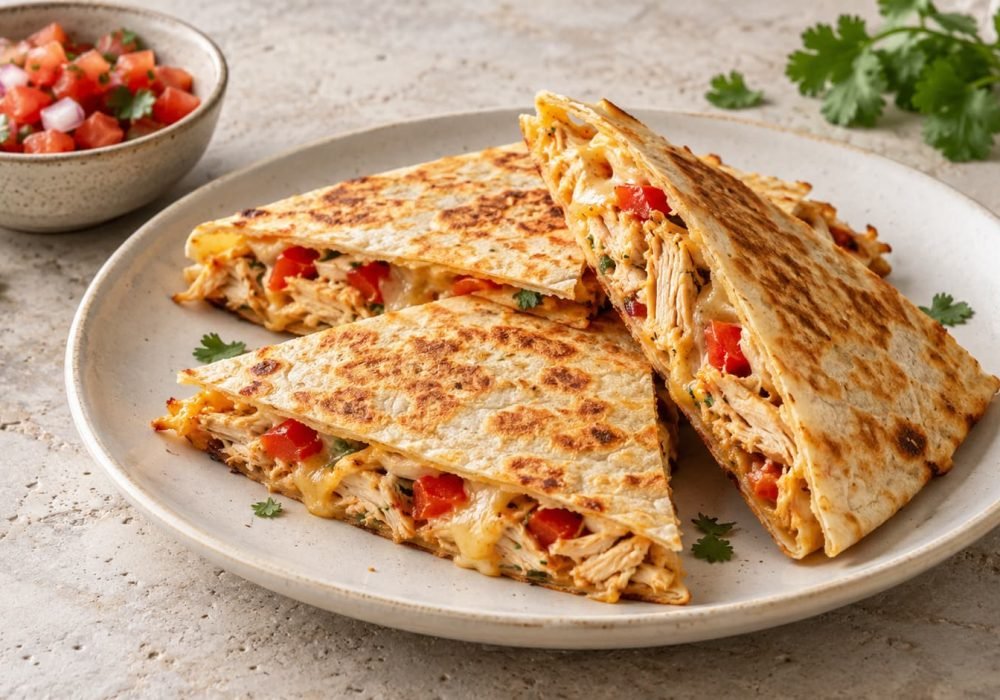
On Daily Bite Recipes, useful pairings include Garlic Butter Rice and Chicken Mushroom Rice Casserole, where a fresh cabbage-based side can provide textural contrast to richer or softer components of the meal.
It can also be served with chicken dishes such as Honey BBQ Chicken Bites or Grilled Chicken Bites with Creamy Garlic Sauce.
The most suitable pairing depends on the dressing, toppings, and overall flavor of the salad, so there is no single required serving combination.
Cabbage Crunch Salad Questions
Can Bagged Coleslaw Mix Be Used?
Yes. Bagged coleslaw mix can replace freshly shredded cabbage when convenience is important.
The contents vary by product. Some mixes contain green cabbage and carrots, while others may also include red cabbage or other vegetables. Check the ingredient list so you know what is already included before adding more vegetables or toppings.
Follow the package directions for washing and storage. If the product is labeled pre-washed or ready-to-eat, it can generally be used without additional washing according to FDA guidance.
Can Red and Green Cabbage Be Used Together?
Yes. Red and green cabbage can be combined in the same salad.
Both provide a firm raw texture, while red cabbage adds deeper color and some visual contrast. The proportions can vary depending on the appearance and texture you want.
There is no required ratio between the two varieties.
Does Cabbage Crunch Salad Have to Use Mayonnaise?
No. Mayonnaise is optional.
Some versions use a creamy dressing made with mayonnaise, yogurt, or another thick base. Others use a vinaigrette-style dressing based on acidic ingredients, oil, and seasonings.
The main difference is how the dressing coats the vegetables and influences the overall texture and flavor. Either style can be used with a crunchy cabbage-based salad.