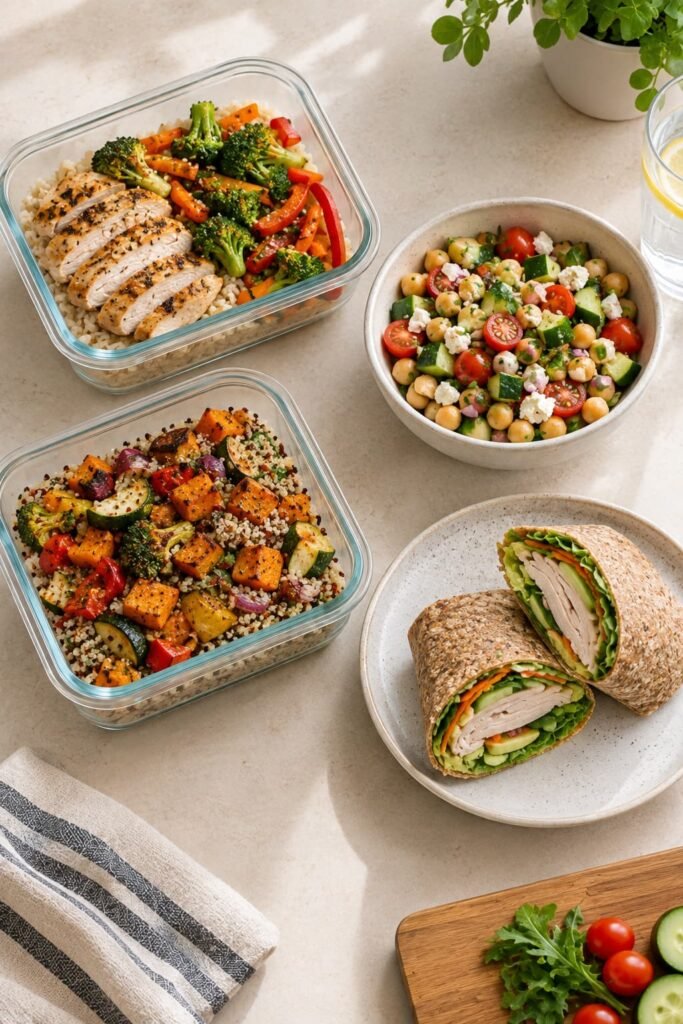
Preparing lunch ahead of time can make busy weekdays easier to manage. Instead of deciding what to eat every day, you can prepare a few ingredients in advance and combine them into simple meals. These 15 meal prep lunch ideas include grain bowls, salads, wraps, and other practical options for work or home.
Some lunches can be assembled ahead of time, while others are better prepared in stages to maintain their texture. Choose options that fit your schedule, food preferences, and available storage facilities.
What Are Meal Prep Lunch Ideas?
Meal prep lunch ideas are meals or ingredients prepared before lunchtime to make weekday meals easier to assemble. This can include cooking rice, roasting vegetables, preparing salad ingredients, or dividing cooked food into individual portions.
You do not need to prepare every lunch in one session. Preparing ingredients that work in different meals can provide variety without adding unnecessary work. For example, cooked chicken can be served with rice one day and added to a wrap or salad another day.
When choosing lunches, consider whether they will be eaten cold or reheated, how easily they can be transported, and how they should be stored.
15 Easy Meal Prep Lunch Ideas for the Week
1. Chicken and Rice Bowls
Chicken and rice bowls are easy to customize with vegetables, seasonings, and sauces. Combine cooked chicken with brown or white rice, then add broccoli, carrots, bell peppers, or green beans.
Lemon juice, garlic, black pepper, and herbs can add flavor without requiring a complicated sauce. Store the components together if they suit the dish, or keep the sauce separate to maintain your preferred texture.
2. Mediterranean Chickpea Salad
Mediterranean chickpea salad is a convenient vegetarian lunch that requires little cooking when canned chickpeas are used. Combine drained chickpeas with cucumber, tomatoes, red onion, parsley, and a dressing made with lemon juice and olive oil.
For extra flavor, add olives or feta cheese. Whole-grain pita bread can accompany the salad. If you prefer a firmer texture, store the dressing separately and mix it in just before serving.
3. Turkey and Avocado Wraps
Turkey and avocado wraps are a portable lunch option made with sliced turkey, avocado, lettuce, and tomatoes in a tortilla. Add mustard or another preferred spread for extra flavor.
To help prevent soggy wraps, avoid adding too much moisture and keep wet ingredients separate until assembly when practical. Because turkey and other perishable fillings need temperature control, refrigerate the wraps promptly or transport them in an insulated lunch bag with cold packs.
4. Vegetable Pasta Salad
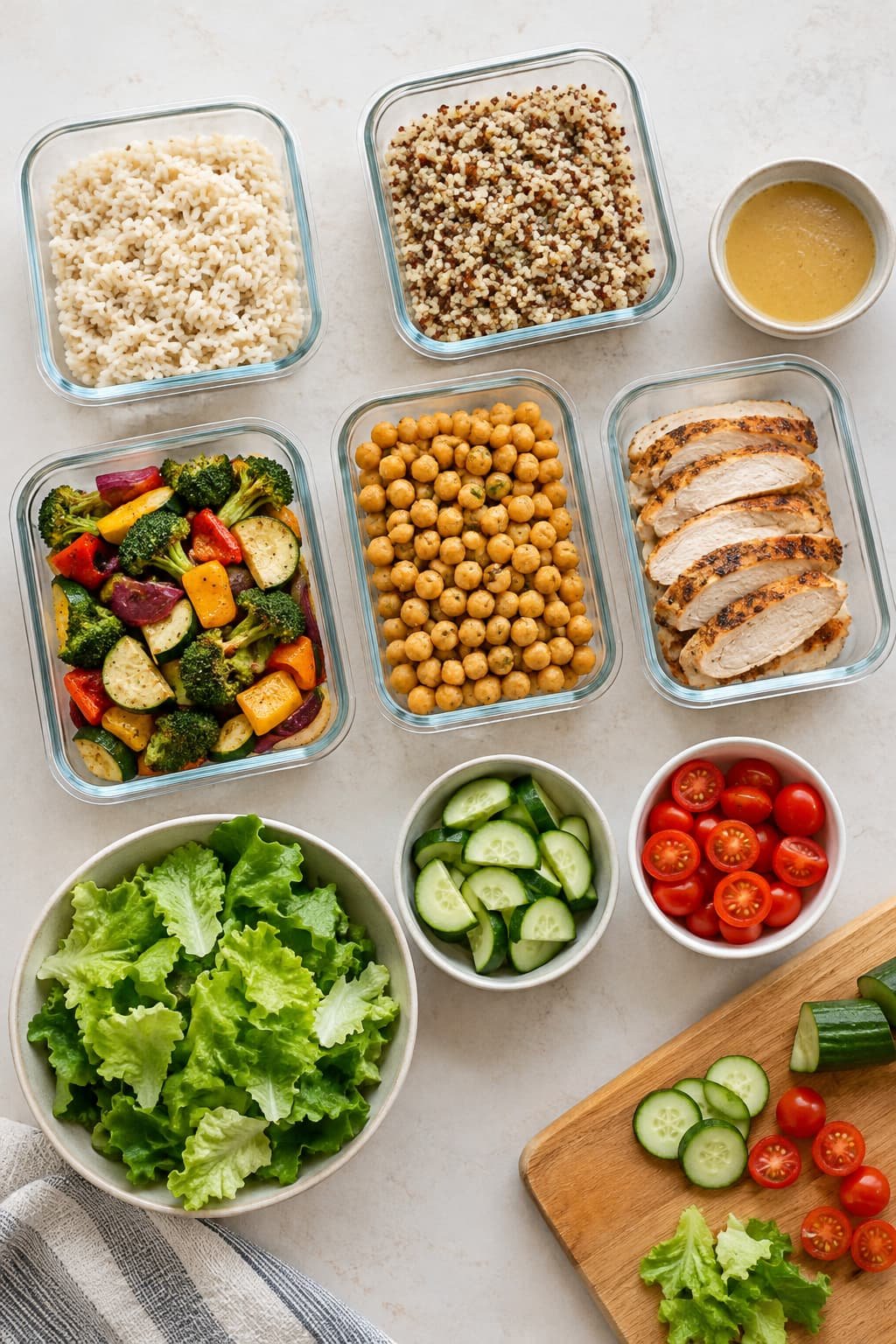
Vegetable pasta salad works well for people who prefer a lunch that can be eaten cold. Combine cooked pasta with chopped bell peppers, cucumber, cherry tomatoes, and a dressing of your choice.
Chickpeas or cooked chicken can provide additional variety, while fresh herbs add flavor. Refrigerate the prepared salad promptly in a covered container. Keeping the dressing separate until serving can help preserve the preferred texture.
5. Chicken Burrito Bowls
Chicken burrito bowls bring several familiar ingredients together in one container. Start with rice, then add cooked chicken, black beans, corn, and chopped tomatoes. Salsa or lime juice can provide extra flavor.
Prepare the ingredients separately and combine them in individual portions. You can also replace the chicken with tofu or additional beans. If you plan to reheat the main portion, pack fresh toppings separately and add them afterward.
6. Tuna and White Bean Salad
Tuna and white bean salad is a useful option when you want a lunch that requires minimal cooking. Combine drained canned tuna with white beans, chopped celery, parsley, and lemon juice. A little olive oil and black pepper can bring the ingredients together.
Serve it with whole-grain bread, crackers, or fresh vegetables. Store the salad in a covered container in the refrigerator. When transporting it, use an insulated lunch bag with sufficient cold packs if refrigeration is unavailable.
7. Roasted Vegetable and Quinoa Bowls
Roasted vegetable and quinoa bowls allow you to prepare several ingredients in advance. Combine cooked quinoa with roasted zucchini, bell peppers, carrots, or broccoli. Chickpeas can add variety, while lemon juice and olive oil make a simple dressing.
Divide the quinoa and roasted vegetables into individual portions. Add leafy greens and dressing shortly before eating if you prefer a fresher texture. You can also change the vegetables based on what is available.
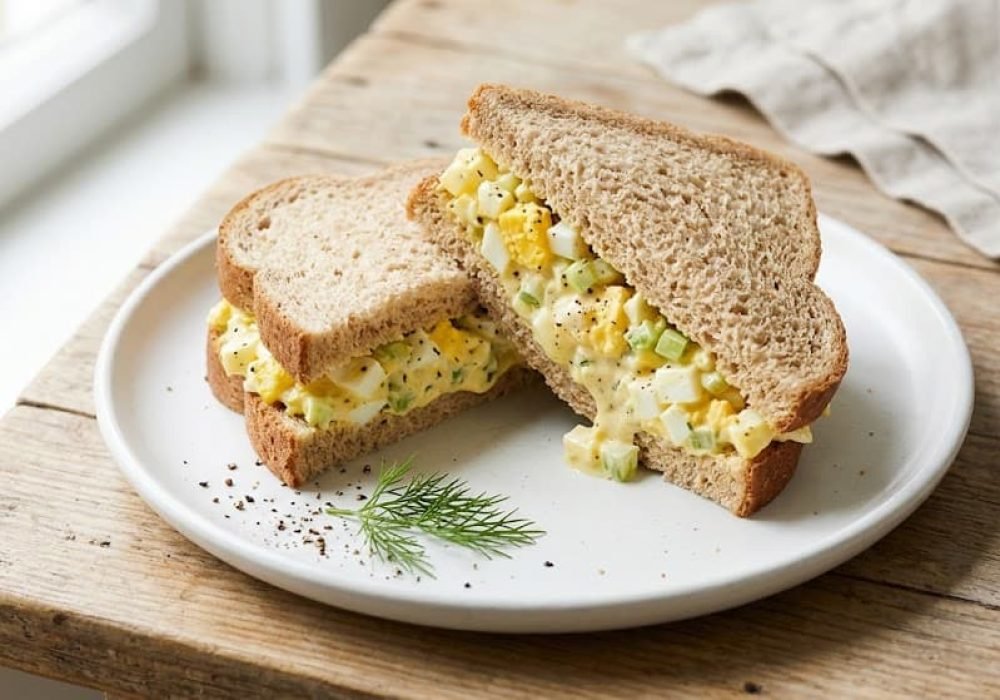
8. Egg Salad Sandwiches
Egg salad sandwiches are a practical choice for a simple lunch. Mash chopped hard-boiled eggs with mayonnaise or plain yogurt, a little mustard, and your preferred seasonings. Serve the mixture between slices of whole-grain bread.
For better texture, keep the egg salad separate from the bread until you are ready to eat. Cooked eggs and egg salad are perishable, so refrigerate them promptly and keep them cold during transportation.
9. Chicken Pasta Bowls
Chicken pasta bowls combine cooked pasta, chicken, and vegetables in one convenient meal. Cherry tomatoes, spinach, broccoli, or bell peppers can add different flavors and textures. A light dressing or sauce helps bring the ingredients together.
Prepare the components in advance and divide them into individual portions. If you plan to eat the meal warm, use a microwave-safe container for reheating. Refrigerate leftovers promptly and follow recommended storage times.
10. Lentil and Vegetable Bowls
Lentil and vegetable bowls offer a plant-based alternative to meat-based lunches. Combine cooked lentils with brown rice or quinoa and vegetables such as carrots, zucchini, or roasted peppers. Cumin, paprika, garlic, and lemon juice can add flavor.
Canned lentils can reduce preparation time, while dried lentils allow you to cook the quantity you need. Store cooked ingredients in covered containers in the refrigerator and add fresh herbs or dressing when serving.
11. Chicken Lettuce Wraps
Chicken lettuce wraps are an option for people who prefer a crunchy lunch instead of a sandwich or grain bowl. Fill washed lettuce leaves with cooked chicken, shredded carrots, cucumber, and a sauce of your choice.
For meal prep, store the filling and lettuce separately. This helps prevent the leaves from becoming soggy before lunchtime. Assemble the wraps shortly before eating and keep the perishable filling chilled until needed.
12. Black Bean and Sweet Potato Bowls
Black bean and sweet potato bowls combine roasted vegetables with beans for a versatile lunch. Add cooked rice, corn, chopped tomatoes, or leafy greens to create different combinations.
Season the sweet potatoes with paprika, cumin, or garlic before roasting. Divide the cooked ingredients into containers and add lime juice or salsa when serving. Preparing the components separately also makes it easier to vary portions and flavors.
13. Greek-Inspired Chicken Salad
Greek-inspired chicken salad combines cooked chicken with cucumber, tomatoes, leafy greens, and olives. Feta cheese is an optional addition, while a dressing made with olive oil and lemon juice provides a simple finishing touch.
To maintain the greens’ texture, keep the dressing in a separate container until lunchtime. Store the chicken and other perishable ingredients under refrigeration. Whole-grain bread or pita can be packed separately if desired.
14. Tofu and Vegetable Stir-Fry
Tofu and vegetable stir-fry is a flexible choice for a meat-free lunch. Combine cooked tofu with broccoli, bell peppers, carrots, or mushrooms, then serve with rice or noodles. Soy sauce, ginger, garlic, or sesame dressing can add flavor according to your preference.
Divide the cooked ingredients into suitable containers and refrigerate them promptly. Reheat thoroughly when serving warm. Keep the sauce separate if you want more control over the flavor and consistency.
15. Homemade Vegetable Soup
Homemade vegetable soup is useful for preparing several lunch portions in advance. Combine vegetables such as carrots, celery, potatoes, tomatoes, and onions with broth and seasonings. Beans or lentils can make the soup more substantial.
Divide the soup into clean, shallow containers to help it cool more quickly before refrigeration. Keep bread or crackers separate to maintain their texture. When transporting soup to work, use a suitable insulated food container to keep it hot, or carry it chilled and reheat it when you arrive.
How to Plan Meal Prep Lunches for the Week
The easiest way to plan weekday lunches is to choose a few recipes that share ingredients but offer different flavors. This can simplify shopping and preparation without making every lunch feel the same.
Start by deciding how many lunches you need and whether you prefer hot meals, cold salads, wraps, or grain bowls. Then choose two or three main recipes and prepare the ingredients that can be used across them.
Use this simple approach:
- Choose your protein: Chicken, eggs, beans, chickpeas, lentils, or tofu.
- Pick your base: Rice, pasta, quinoa, potatoes, or whole-grain bread.
- Prepare vegetables: Wash, chop, or roast vegetables according to the recipes.
- Plan sauces and toppings: Store dressings separately when needed to maintain texture.
- Divide meals into portions: Use suitable containers so lunches are easy to transport and serve.
For example, cooked chicken can be used in a rice bowl and a wrap, while roasted vegetables can accompany quinoa or serve as a side for another meal.
Plan storage at the same time as the menu. Most cooked leftovers should be used within three to four days when properly refrigerated. Freeze portions intended for later in the week rather than keeping all five days of lunches in the refrigerator.
What Are the Best Meal Prep Lunches for Work?
The best work lunches are easy to transport, simple to portion, and suitable for the storage options available at your workplace.
- For a lunch that can be eaten cold: Try chickpea salad, vegetable pasta salad, tuna and white bean salad, or Greek-inspired chicken salad.
- For a lunch that can be reheated: Chicken and rice bowls, burrito bowls, lentil bowls, and tofu stir-fry are practical choices.
- For a portable lunch: Turkey wraps, egg salad sandwiches, and chicken lettuce wraps can be convenient when packed properly.
- For a meat-free option: Choose chickpea salad, lentil bowls, roasted vegetable and quinoa bowls, or tofu stir-fry.
If you have access to a workplace refrigerator, store perishable lunches there when you arrive. Otherwise, use an insulated lunch bag with sufficient cold packs to keep food safely chilled. Choose containers that prevent leaks and keep sauces or crunchy toppings separate when necessary.
How to Keep Meal Prep Lunches Fresh and Safe
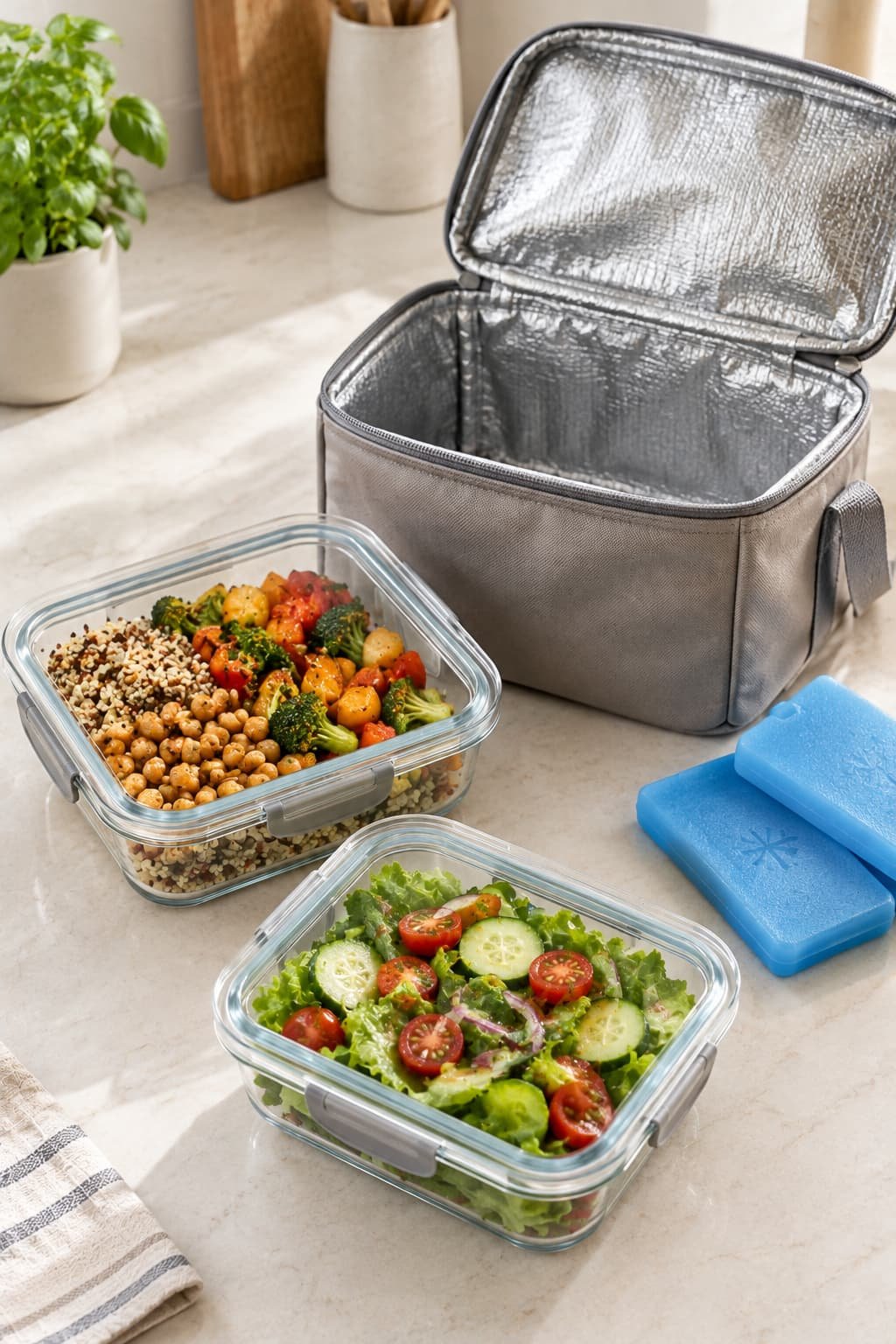
Proper storage helps preserve food quality and reduces the risk of foodborne illness. Perishable ingredients, including cooked meat, eggs, tuna salad, and prepared leftovers, need appropriate temperature control.
Follow these food-safety practices:
- Refrigerate perishable food within two hours of preparation, or within one hour when the surrounding temperature is above 90°F (32°C).
- Keep your refrigerator at 40°F (4°C) or below.
- Divide large amounts of cooked food into clean, shallow containers to help them cool quickly.
- Use most refrigerated cooked leftovers within three to four days. Freeze portions you will not eat within that period.
- Keep cold lunches chilled during transport with suitable cold packs when a refrigerator is unavailable.
- Reheat leftovers to 165°F (74°C), checking the temperature with a food thermometer.
These recommendations follow the USDA Food Safety and Inspection Service’s guidance on leftovers. Food can be unsafe even when it looks and smells normal, so do not rely on appearance or smell alone to determine whether it is safe to eat.
Frequently Asked Questions
What Are the Easiest Lunches to Meal Prep?
Chicken and rice bowls, chickpea salads, pasta salads, wraps, and roasted vegetable bowls are easy options. They use familiar ingredients and can be divided into individual portions. Choose recipes that share ingredients to make shopping and preparation more manageable.
How Many Days Can Meal Prep Lunches Stay in the Fridge?
Most cooked leftovers can be kept in a refrigerator at 40°F (4°C) or below for three to four days when handled and stored properly. Freeze portions intended for later use, and thaw them safely before serving. Follow any specific storage instructions for individual ingredients.
What Lunches Can You Eat Cold Without Reheating?
Chickpea salad, vegetable pasta salad, tuna and white bean salad, sandwiches, and some grain bowls can be eaten cold when prepared and stored safely. Keep perishable ingredients chilled until you are ready to eat, and use an insulated lunch bag with cold packs if refrigeration is unavailable.
How Can You Keep Meal Prep Lunches From Getting Soggy?
Store wet and dry ingredients separately whenever practical. Keep salad dressing in a small container, add tomatoes shortly before serving, and avoid putting excessive sauce in wraps or sandwiches. For salads, pack crunchy toppings separately and combine everything just before eating.
Can You Prepare Lunches for Five Weekdays in Advance?
Yes. You can prepare ingredients or assemble meals for five weekdays, but you should plan storage carefully. Refrigerate the portions you will eat within three to four days and freeze the remaining portions soon after preparation. Meals such as chicken bowls, lentil dishes, and cooked soups may be suitable for freezing, while delicate salads and sandwiches are often better assembled closer to serving time.
Conclusion
Meal prep lunches can make weekday routines easier by reducing daily preparation and giving you more options to choose from. Chicken bowls, pasta salads, wraps, lentil dishes, and vegetable-based lunches offer variety for different tastes and schedules.
Start with a few recipes that share ingredients, prepare portions that suit your week, and keep sauces separate when needed to maintain texture. Most importantly, store perishable food safely and freeze meals that you will not eat within the recommended refrigerator storage period.