Fresh coffee beans gradually lose their aroma and flavor after roasting. How long they stay fresh depends on the roast date, packaging, storage conditions, and whether the beans are whole or ground. Whole roasted beans often retain good flavor for the first few weeks, but there is no universal freshness deadline.
Coffee may remain drinkable after its peak flavor has passed. However, beans showing visible mold, moisture damage, or other signs of contamination should be discarded rather than treated as merely stale.
What Are Fresh Coffee Beans?
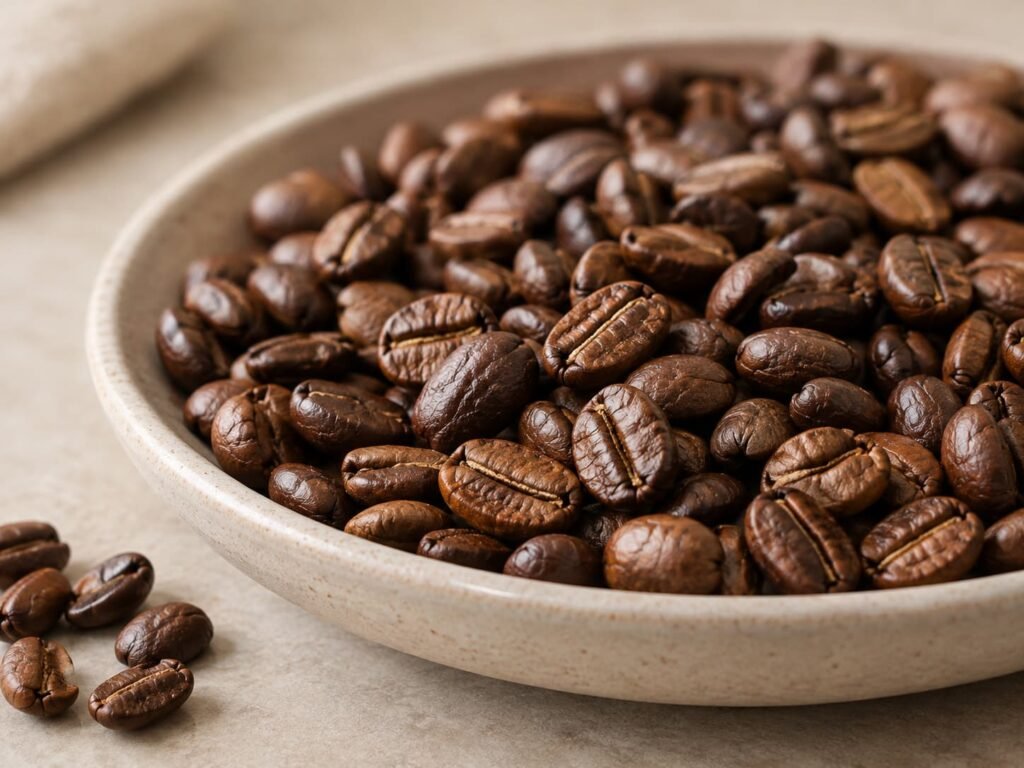
Fresh coffee beans are roasted beans that retain much of their desirable aroma and flavor. Depending on the coffee, these qualities may include chocolate, nuts, fruit, caramel, or other distinctive notes.
Freshness does not have one fixed cutoff date. Coffee changes gradually after roasting, and the rate of change depends on the beans, packaging, and storage conditions. The roast date is a useful starting point when assessing freshness.
What Does Coffee Bean Freshness Mean?
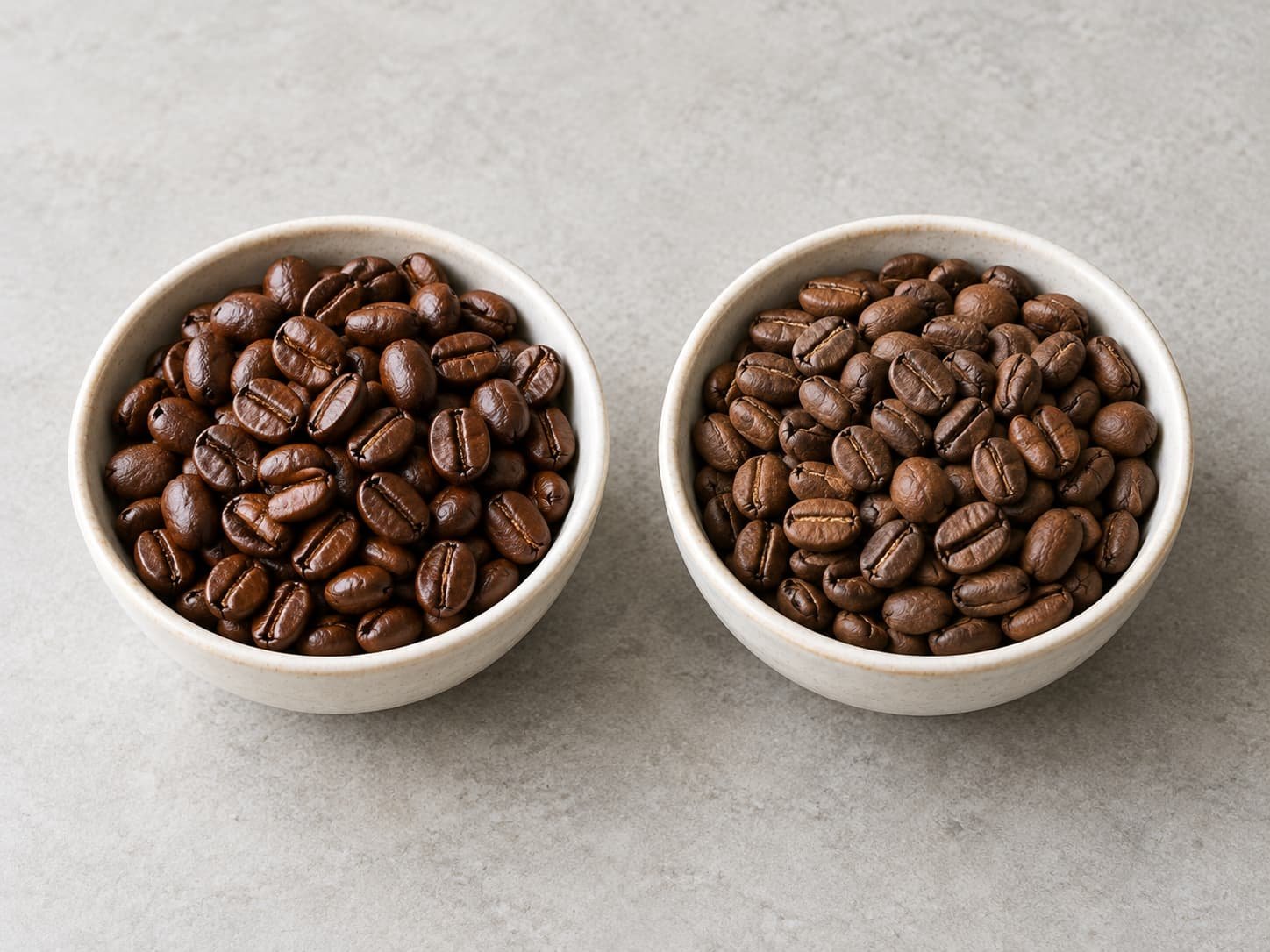
Coffee freshness mainly refers to how well roasted beans retain their aroma and flavor. Roasting develops aromatic compounds that contribute to the character of brewed coffee. During storage, these compounds can escape or change, making the coffee taste less vibrant.
Freshly roasted beans also release carbon dioxide through a process called degassing. Some resting time can help coffee brew more consistently, especially when preparing espresso. Therefore, coffee roasted yesterday is not necessarily ready to produce its best-tasting cup.
How Are Fresh Coffee Beans Different From Green Coffee Beans?
Green coffee beans are unroasted coffee seeds. Roasted beans have undergone heating that develops their familiar color, aroma, and flavor.
Green beans are stored before roasting and have different storage requirements. Once coffee is roasted, its aroma and flavor gradually change, so the freshness guidance in this article applies to roasted beans intended for brewing.
How Long Do Fresh Coffee Beans Stay Fresh After Roasting?
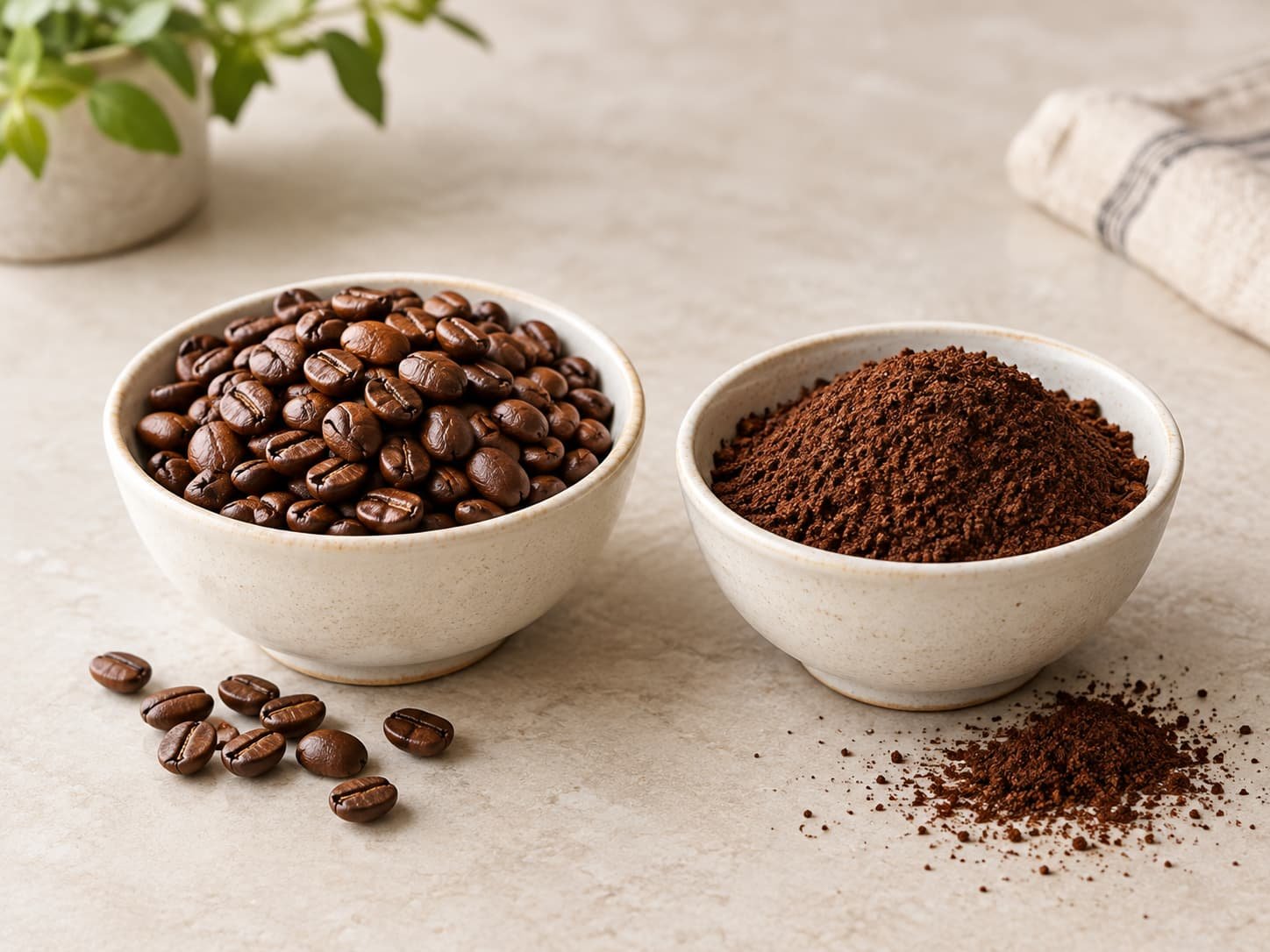
Whole roasted coffee beans often retain good flavor for several weeks after roasting. As a general guide, the first two to three weeks can be a useful period for assessing freshness, but this is not a strict expiration date. The Specialty Coffee Association describes roughly three weeks as a reasonable freshness guide when using carbon dioxide loss as an indicator, while recognizing that coffee changes over time.
Packaging and storage also matter. An unopened bag with effective protective packaging may preserve quality better than an opened bag exposed to air. For the best indication of freshness, check the roast date and follow the storage instructions.
How Long Do Fresh Coffee Beans Stay Fresh After Opening?
Opening a bag exposes the beans to more air and the surrounding environment. Their aroma and flavor can gradually decline, particularly if the package is left open or stored near heat and moisture.
If peak flavor is your priority, try to use opened whole beans within a few weeks. Treat this as a practical guideline rather than a guaranteed shelf life. Some beans may retain good flavor longer when properly sealed, while others may lose their distinctive aroma sooner.
Close the original bag securely or transfer the beans to a clean, dry, airtight container. Grind only the amount you need for each brew.
When Is the Best Time to Use Coffee Beans After Roasting?
The ideal brewing time depends on the roast and brewing method. Freshly roasted beans release carbon dioxide, and excessive gas can affect extraction, particularly when preparing espresso.
Some coffees benefit from resting for several days after roasting. Espresso may require a longer resting period than certain filter methods, but there is no single schedule that suits every coffee.
Follow the roaster’s recommendations when available and adjust according to how the coffee tastes and brews. Freshly roasted does not always mean immediately ready for the best cup.
Do Fresh Coffee Beans Have an Expiration Date?
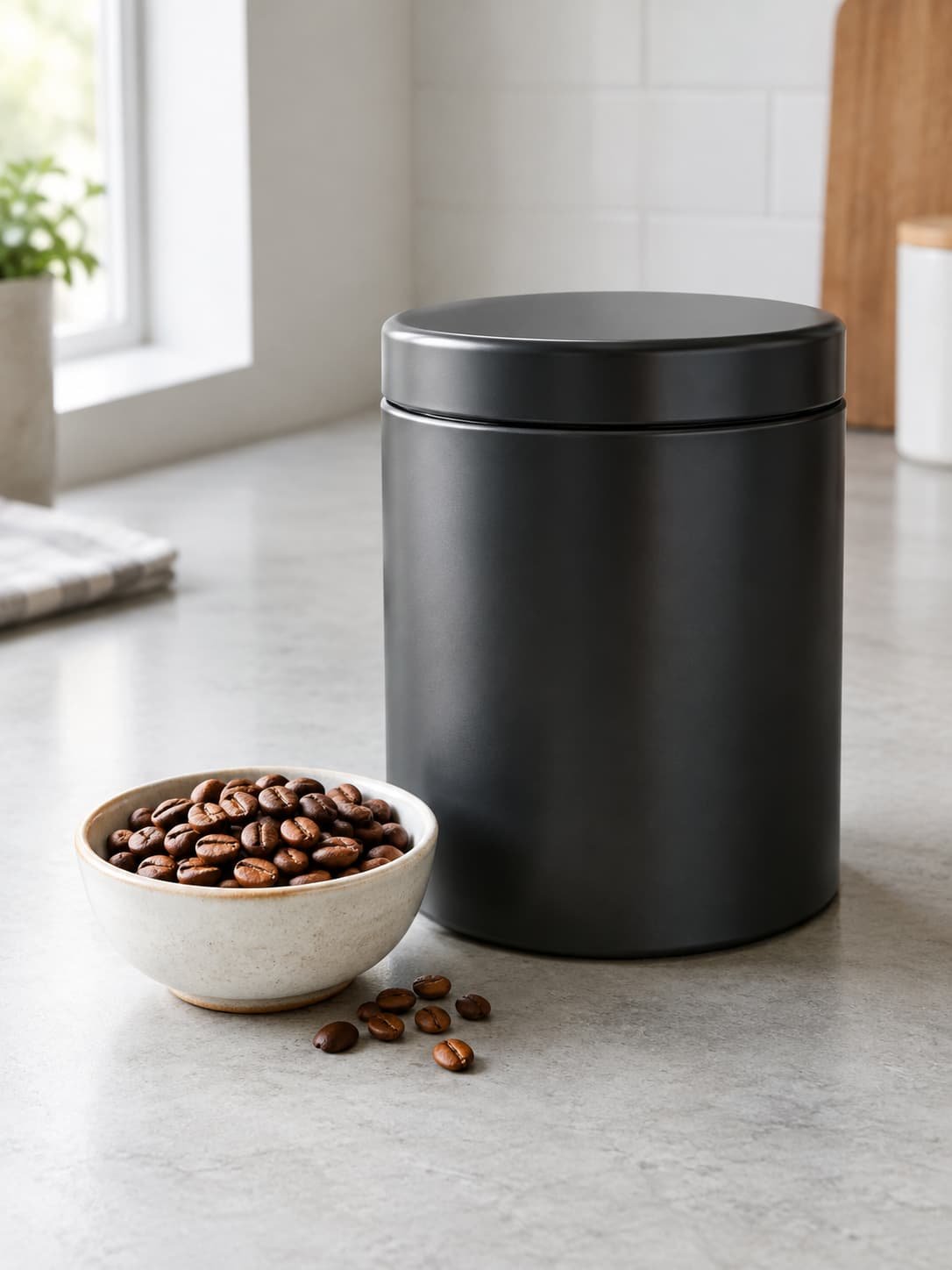
There is no universal expiration date that applies to every roasted coffee bean. Packages may display a best-before date, which is different from the roast date.
The roast date tells you when the beans were roasted. A best-before date provides the manufacturer’s guidance about expected quality when the product is stored as directed.
Coffee may lose its desirable flavor before the printed date if it is stored poorly. Beans that have passed their peak flavor period are not automatically unsafe, but discard beans showing visible mold or signs of moisture damage or contamination.
What Affects the Freshness of Coffee Beans?
Oxygen exposure, temperature, moisture, packaging, and storage time all affect roasted coffee freshness. Managing these conditions can help slow the loss of aroma and flavor. Research reviewed by the Specialty Coffee Association identifies oxygen, temperature, and moisture as important factors in coffee staling. <Cite refs={[“turn802955search3”]}/>
How Do Air, Heat, Light, and Moisture Affect Fresh Coffee Beans?
Oxygen contributes to chemical changes in roasted coffee that can reduce its desirable aroma and flavor. Heat can accelerate quality deterioration, while moisture can affect the beans and shorten the time they retain their best flavor.
Direct light is also best avoided as a sensible storage precaution. Keep beans in a cool, dry place away from sunlight, ovens, stovetops, steam, and damp areas. Suitable packaging helps limit exposure to air and moisture.
How Does the Roast Date Help You Judge Coffee Freshness?
The roast date tells you when the coffee was roasted, making it useful for comparing the age of different bags. It is generally more informative about post-roasting freshness than the date you purchased the coffee.
However, the roast date cannot tell you exactly when the coffee will stop tasting fresh. The rate of change depends on roast level, packaging, storage, and brewing method.
Check the roast date alongside the best-before date, if available. Use both as guides rather than treating either one as a precise measure of flavor or safety.
Why Does Coffee Lose Its Aroma and Flavor Over Time?
Roasting produces compounds responsible for coffee’s distinctive aroma and taste. During storage, some compounds escape or change through chemical reactions, which can make older coffee smell weaker and taste flatter.
Degassing also influences brewing. Allowing beans to rest can help extraction become more consistent, especially for espresso. The goal is to allow enough resting time while using the coffee before too much of its desirable flavor fades.
How Should You Store Fresh Coffee Beans?
Store roasted coffee beans in a sealed package in a cool, dry, dark place. Suitable storage helps protect the beans from conditions that can affect their aroma and flavor.
Is an Airtight Container Best for Fresh Coffee Beans?
An airtight container helps reduce exposure to outside air and moisture. Choose one that is clean, completely dry, and closes securely. An opaque container offers additional protection from light.
If you use a transparent jar, keep it inside a dark cupboard rather than on a sunny countertop. Open the container only when you need to remove beans.
An airtight container slows some quality changes but cannot preserve coffee at peak freshness indefinitely.
Should You Keep Fresh Coffee Beans in Their Original Bag?
Yes, if the bag is designed for coffee and can be sealed securely. Many specialty coffee bags include a one-way valve that allows carbon dioxide to escape while helping limit outside air from entering.
Close the bag after each use. If it has a reliable resealable closure, transferring the beans to another container is not always necessary.
If the bag is damaged or does not seal well, a clean, dry, airtight container may be a better option.
Where Should You Store Coffee Beans at Home?
A cool, dry cupboard away from direct sunlight and heat is usually suitable for everyday storage. Keep coffee away from ovens, stovetops, sinks, and areas where steam or humidity regularly builds up.
Coffee can also absorb unwanted odors, so avoid storing it beside strongly scented products or ingredients if its packaging is not well sealed.
Can You Refrigerate or Freeze Fresh Coffee Beans?
For beans you expect to use within the next few weeks, a sealed package in a cool, dry cupboard is usually convenient. Refrigeration is generally unnecessary for everyday storage and may expose coffee to moisture and food odors when the container is opened.
Freezing can be useful for preserving extra beans you do not plan to use soon. The best approach depends on how long you intend to store them and how well you can protect them from moisture and temperature changes.
Does Freezing Help Fresh Coffee Beans Stay Fresh Longer?
Freezing can slow the changes that gradually affect coffee’s aroma and flavor. Divide extra beans into small portions and seal them in airtight, freezer-safe packaging before freezing.
Remove only the portion you need instead of repeatedly exposing the entire supply to changing temperatures. Freezing can help preserve existing quality, but it cannot restore flavor already lost through age or poor storage.
Why Can Condensation Affect Stored Coffee Beans?
Condensation can form when cold beans meet warmer, humid air. Unwanted moisture can affect coffee quality and create less suitable storage conditions.
If you freeze beans, keep them in small sealed portions. Allow a portion to reach room temperature while still sealed before opening it. This helps reduce the chance of condensation forming on the beans.
Avoid repeatedly moving the same container between the freezer and room temperature.
Is Refrigeration Suitable for Everyday Coffee Storage?
Refrigeration is usually unnecessary for beans you plan to use within a few weeks. Coffee can absorb odors from its surroundings, and opening a cold container in a warm, humid room may lead to condensation.
For everyday use, keep the beans in an airtight container in a cool, dry cupboard. For longer-term storage, freezing well-sealed portions may be more practical than routine refrigeration.
How Can You Tell If Fresh Coffee Beans Have Gone Stale?
Stale coffee generally has a weaker aroma and less vibrant flavor. However, stale coffee is not automatically unsafe. Ordinary flavor loss is different from mold, moisture damage, or contamination.
What Do Stale Coffee Beans Smell and Taste Like?
As roasted coffee ages, its aroma gradually fades. Coffee made from older beans may taste flat, dull, or less complex than expected.
The rate of change varies with the roast, packaging, storage conditions, and whether the coffee is whole or ground. A weaker aroma can suggest staleness, but it does not establish an exact age or prove that the beans are unsafe.
Can Coffee Beans Go Bad or Develop Mold?
Coffee beans can become unsuitable to use if they are exposed to excessive moisture or contamination. Mold is different from ordinary coffee staling.
Check for visible mold, unusual dampness, or other signs of contamination. If you see mold or suspect the beans have become wet and spoiled, discard them rather than trying to make them safe by roasting or brewing. General food-safety guidance recommends discarding moldy food. <Cite refs={[“turn802955search0”]}/>
Can You Still Use Coffee Beans That Have Lost Their Freshness?
Often, yes, if the beans have simply lost some aroma and flavor and have been stored properly. They may still produce a drinkable cup, although it may taste less enjoyable.
Check for signs of mold, moisture damage, or contamination before brewing. If the beans look normal but have lost their aroma, the main issue may be flavor quality rather than peak freshness.
Changing the grind size or brewing method may affect the result, but it cannot restore aroma compounds that have already been lost.
Do Whole Fresh Coffee Beans Stay Fresh Longer Than Ground Coffee?
Yes. Whole roasted beans generally retain their aroma longer than ground coffee because grinding exposes more of the coffee to air. Buying whole beans and grinding them shortly before brewing is a practical way to preserve flavor. <Cite refs={[“turn802955search2″,”turn802955search3”]}/>
Why Does Ground Coffee Lose Its Aroma Faster?
Grinding breaks beans into smaller particles and increases the surface area exposed to air. This allows aromatic compounds to escape more readily and makes ground coffee more vulnerable to quality changes during storage.
Whole beans also lose freshness over time, but their intact structure helps protect the aromatic compounds inside. Keep ground coffee in an airtight container in a cool, dry place, and avoid grinding large quantities far in advance if aroma is important to you.
Should You Grind Fresh Coffee Beans Just Before Brewing?
Yes. Grinding shortly before brewing helps preserve more of the coffee’s aroma and allows you to choose a grind size suited to your brewing method.
French press, pour-over, drip coffee, and espresso generally require different grind sizes. Grind only the amount you need and keep the remaining whole beans sealed.
Fresh grinding cannot compensate for beans that have already lost much of their flavor, but it can help you enjoy more of the aroma that remains.
How Can You Keep Fresh Coffee Beans Fresh for Longer?
To preserve coffee quality, limit exposure to air, heat, moisture, and strong odors. Buying an appropriate quantity, sealing the package properly, and storing it in a cool, dry place can help retain aroma and flavor.
How Much Coffee Should You Buy at One Time?
Choose a bag size that matches how often you drink coffee. A smaller bag may be more practical for occasional drinkers, while regular coffee drinkers may finish a larger bag before its flavor declines significantly.
Check the roast date and consider how quickly you expect to finish the package. If you buy in bulk, divide the extra beans into airtight portions and consider freezing the portions you will not use soon.
How Can Proper Packaging Help Preserve Coffee Flavor?
Good packaging helps limit contact with oxygen and moisture and protects coffee from outside odors. A resealable coffee bag with a one-way valve can be suitable because the valve allows carbon dioxide to escape while helping limit outside air from entering.
If you use a separate container, choose one that is clean, dry, airtight, and preferably opaque. Seal the package after measuring your coffee and avoid opening it unnecessarily.
These steps can slow flavor deterioration, but no packaging method keeps roasted beans at peak quality forever.
Frequently Asked Questions About Fresh Coffee Beans
Can You Use Fresh Coffee Beans Two Months After Roasting?
Yes, coffee beans can often still be used two months after roasting if they have been stored properly and show no signs of moisture damage or contamination. Their aroma and flavor may have declined, but two months is not an automatic expiration point.
How Long Do Fresh Coffee Beans Last in an Airtight Container?
There is no single timeframe for every coffee and container. Whole beans may retain good flavor for several weeks, depending on the roast, packaging, storage conditions, and how frequently the container is opened. An airtight container helps slow quality loss but does not stop it completely.
Should You Buy Coffee Beans Based on the Roast Date?
Yes. The roast date helps you understand how long the beans have been stored since roasting. It is a useful freshness indicator, but not a precise deadline. Some freshly roasted beans also need resting time before brewing, particularly for espresso.
Does Dark Roast Coffee Stay Fresh as Long as Light Roast Coffee?
Not necessarily. Roast level can affect how coffee changes during storage, but packaging and storage conditions also matter. Neither dark nor light roast should automatically be assumed to stay fresh longer in every situation.
How Can You Tell Whether Coffee Beans Are Still Good to Use?
Check for visible mold, unusual dampness, or signs of contamination. Discard beans that appear moldy or have been wet and spoiled. If the beans look normal but have a weaker aroma and taste flat, they may simply have lost freshness rather than become unsafe.
Conclusion
Fresh coffee beans retain their best aroma and flavor when stored properly and used within a reasonable period after roasting. Check the roast date, keep the package sealed, store the beans in a cool, dry place, and grind them shortly before brewing.
There is no single freshness deadline for every coffee. Pay attention to storage conditions, aroma, and flavor, and remember that ordinary staleness is different from signs of spoilage.