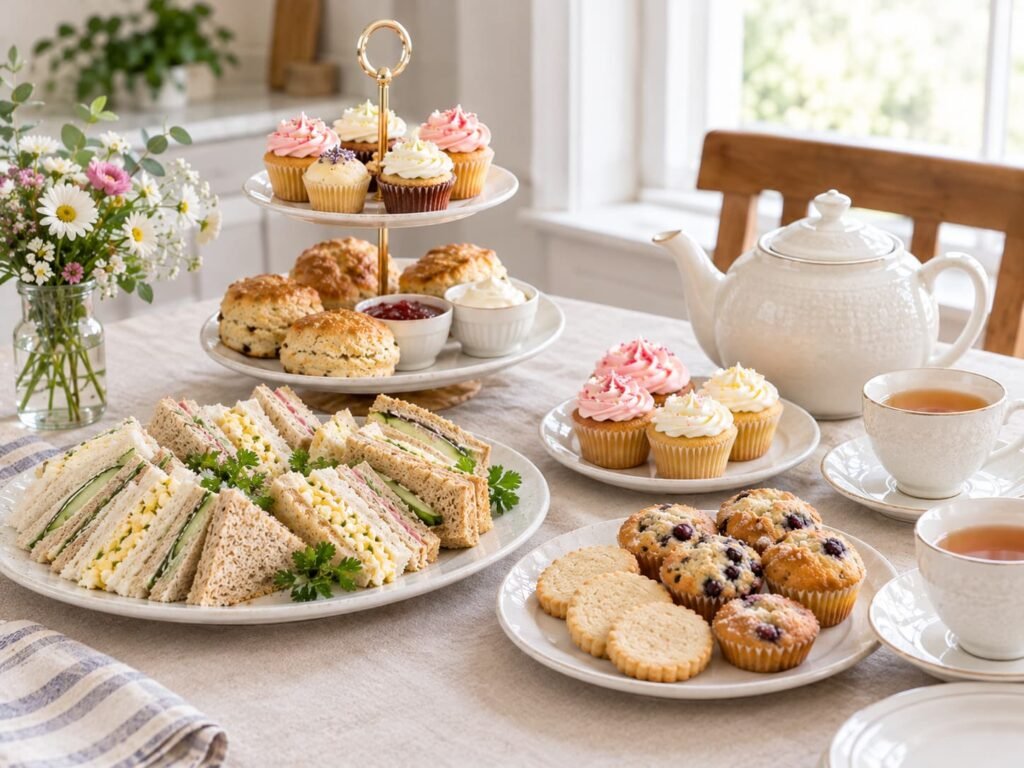
The best tea party recipe ideas for beginners include finger sandwiches, savory snacks, cookies, small cakes, and simple no-bake desserts. These foods are easy to portion and can be arranged into a menu with a mix of sweet and savory choices. You do not need an elaborate spread to host a welcoming tea party. A few suitable dishes, a selection of drinks, and some advance planning can be enough for a casual afternoon gathering.
What Foods Are Best for a Beginner-Friendly Tea Party?
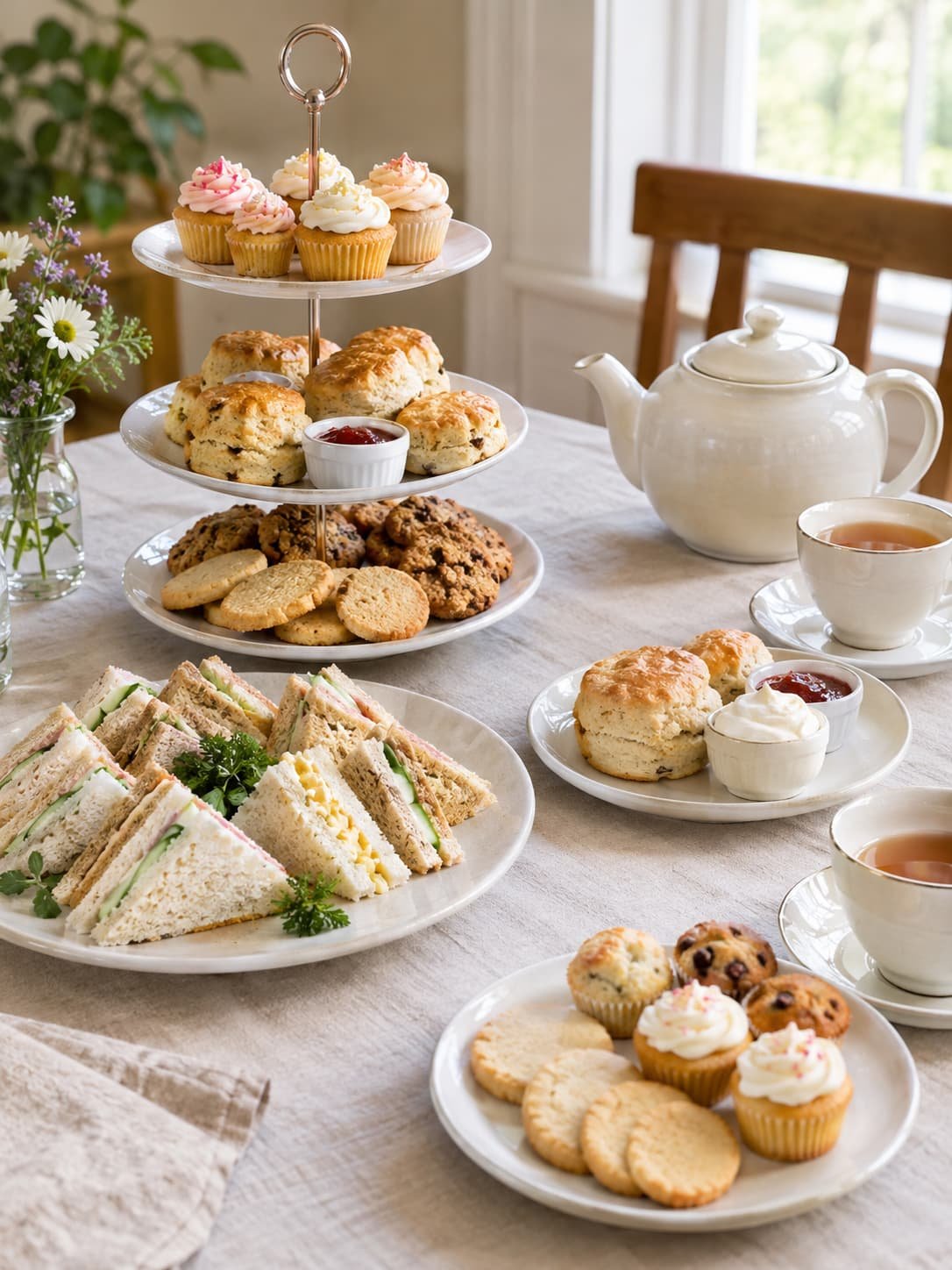
A beginner-friendly tea party menu combines small savory bites, sweet treats, and drinks that suit the occasion. Traditional British afternoon tea commonly includes finger sandwiches, scones, cakes, and biscuits. Modern gatherings can also feature fresh fruit, mini muffins, vegetable sticks, and other easy-to-serve snacks. Historic England provides historical context on the development of the afternoon tea tradition.
When choosing your menu, consider the number of guests, the time available for preparation, and whether the gathering will replace a meal or serve as a light afternoon treat.
A few practical considerations can help you make suitable choices:
- Preparation time: Choose foods that fit your schedule and cooking skills.
- Variety: Include both savory and sweet options.
- Portion size: Small servings allow guests to sample different foods.
- Dietary needs: Ask guests about allergies and dietary preferences before deciding on the menu.
For a small gathering, cucumber sandwiches, a savory snack, cookies, and a simple cake could provide a useful starting point. The amount of food needed will depend on the number of guests and the length of the gathering.
Which Savory Foods Can You Serve at a Tea Party?
Finger sandwiches, cheese bites, vegetable platters, and small savory pastries are useful choices for a tea party. They provide alternatives to sweet treats and can be served in portions that are easy to handle.
Choose a mixture of flavors and textures rather than preparing several dishes that are almost identical. You can also combine homemade items with suitable ready-made snacks to reduce preparation time.
What Are Easy Finger Sandwich Ideas for Afternoon Tea?
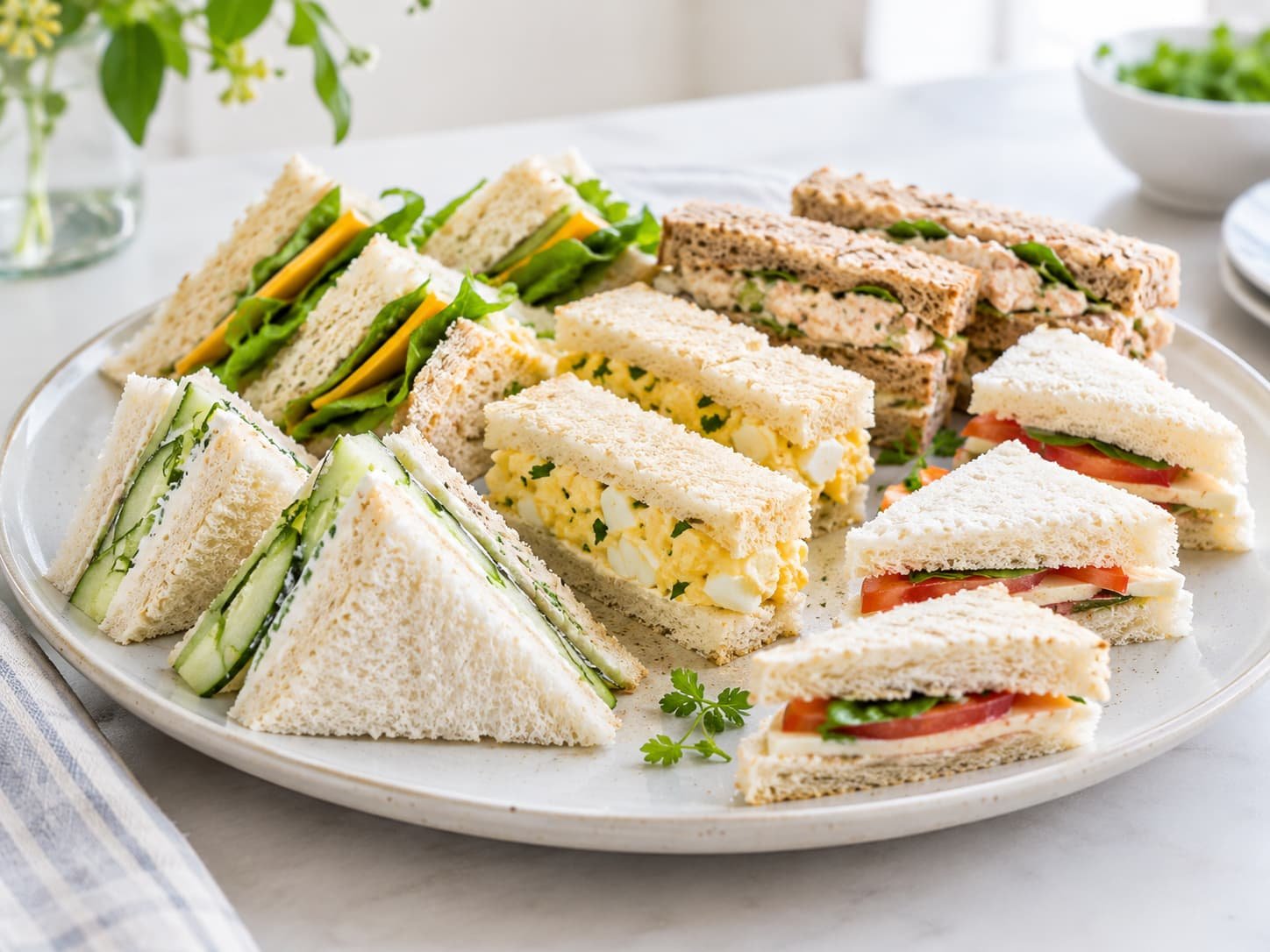
Finger sandwiches are small sandwiches cut into shapes such as triangles, squares, or rectangles. They are commonly served at traditional afternoon tea because guests can enjoy them in a few bites.
Here are five filling combinations to consider:
- Cucumber and cream cheese: Thin cucumber slices paired with a smooth cream cheese spread.
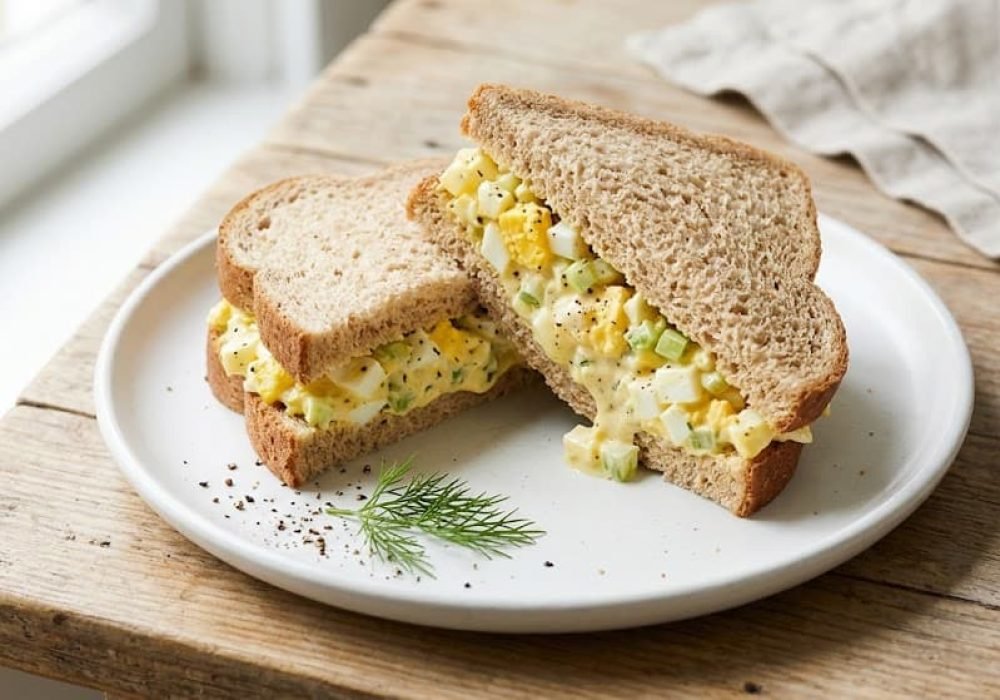
- Egg salad: Chopped cooked eggs combined with mayonnaise or another suitable dressing.
- Cheese and lettuce: Sliced cheese with crisp lettuce for a simple savory filling.
- Chicken salad: Cooked chicken mixed with a suitable dressing for a more substantial sandwich.
- Tomato and cheese: Thin tomato slices paired with cheese for a fresh flavor combination.
Use bread that holds the filling without falling apart. Removing the crusts is optional, although crustless sandwiches are common in traditional afternoon tea presentations.
Moist fillings can make bread soggy, so assembling sandwiches closer to serving time may help preserve their texture. Keep ingredients that require refrigeration chilled during preparation, and return perishable sandwiches to the refrigerator promptly when they are not being served.
Which Simple Savory Snacks Are Best for Guests?
Savory snacks add variety to a tea party without requiring every dish to be prepared from scratch. Choose one or two options that complement your sandwiches and suit your available preparation time.
Mini cheese bites can be served as cheese cubes or cheese-and-cracker combinations. They require little assembly and can be arranged on a small serving plate.
Vegetable sticks with dip provide a fresh alternative to bread-based snacks. Carrots, cucumber, and bell peppers can be served with hummus or a yogurt-based dip. Refrigerate dips that require chilling until they are ready to be served.
Mini savory pastries offer a more substantial option. Vegetable pastries and cheese puffs can be purchased ready-made or prepared using a suitable recipe. Follow the package instructions when using frozen or packaged products.
Roasted chickpeas provide a crunchy alternative to traditional sandwiches. They can be served in small bowls alongside other snacks, with seasoning chosen to suit the rest of the menu.
You do not need every option. A small selection of savory foods is often easier to organize and serve than a large assortment.
What Sweet Treats Are Ideal for a Tea Party?
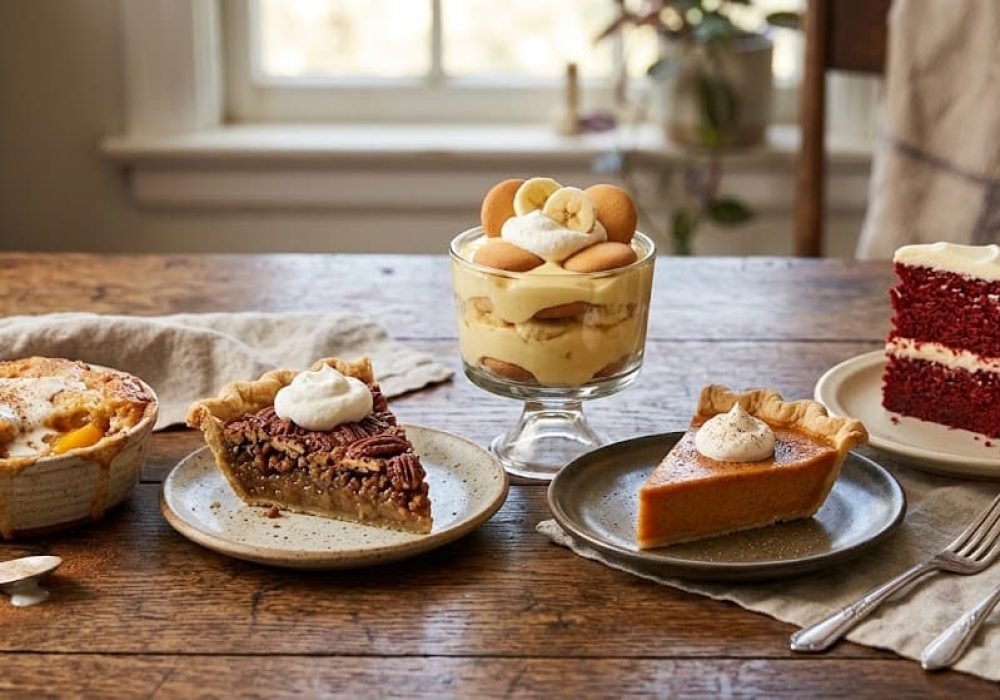
Cookies, mini cakes, scones, and bite-sized pastries are useful tea party desserts because they can be served in individual portions. Fresh fruit can also add variety to a dessert selection.
When choosing sweets, consider differences in texture and flavor. For example, a soft mini cake, a crisp biscuit, and fresh fruit provide more variety than several similar cookies.
Which Cakes, Cookies, and Biscuits Pair Well with Tea?
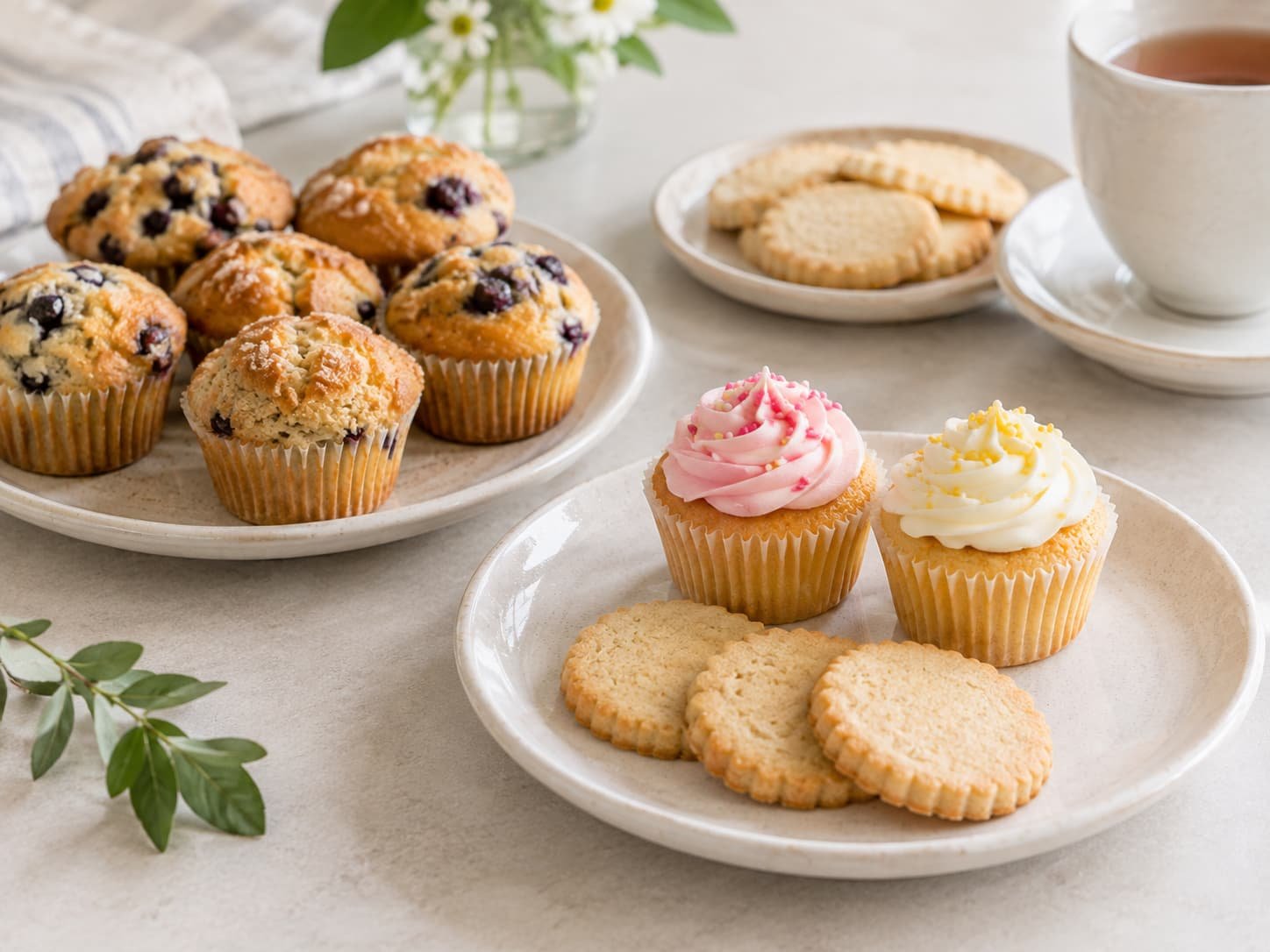
Mini cupcakes, shortbread cookies, muffins, scones, and sponge cake are common options for a tea party. The best combination depends on the type of gathering and your guests’ preferences.
Mini cupcakes are convenient for individual servings. Vanilla, chocolate, and lemon are familiar flavor options, and simple decoration can be sufficient for a casual gathering.
Shortbread cookies have a buttery flavor and crumbly texture. They can be served on their own or arranged with other biscuits on a platter.
Mini muffins are suitable for informal gatherings. Blueberry, banana, and chocolate chip are common varieties, and their small size makes them convenient to serve.
Scones are a traditional feature of British afternoon tea. They are commonly served with jam and, in some traditions, clotted cream. Their more substantial size makes them a useful option alongside smaller biscuits and cakes.
Sponge cake can be served plain or with a suitable filling. A larger cake can also be cut into small portions when individual cakes are not available.
Tea and dessert pairings are largely a matter of personal preference. Black tea, for example, can be served with buttery biscuits or cake, while guests may prefer lighter desserts with other tea varieties. Offering a small selection gives guests the freedom to choose.
What Easy Desserts Can You Serve Without Baking?
Fresh fruit, packaged biscuits, bakery cakes, and ready-made mini pastries can help you prepare a dessert selection without baking at home.
Fresh strawberries, grapes, orange segments, and other seasonal fruits add color and different textures to a serving platter. Wash fresh produce under running water before serving.
Yogurt and fruit cups are another option. Layer yogurt and fruit in small serving cups, then refrigerate them until needed. If you want to add granola or another crunchy topping, serve it separately to help retain its texture.
Ready-made desserts can also save time. Check ingredient labels and storage instructions, particularly for products containing dairy, eggs, or nuts.
For a simple no-bake selection, combine fresh fruit, biscuits, and one or two prepared desserts. This gives guests several choices without adding unnecessary preparation.
How Do You Plan a Simple Tea Party Menu?
Start by deciding how many people will attend and whether the gathering is a light afternoon tea or a more substantial meal. These details will help you choose the amount and variety of food to serve.
For a small gathering, you could select finger sandwiches, one savory snack, two sweet options, and a few drinks. If guests will arrive around lunchtime or stay for several hours, consider adding more substantial savory foods.
Try to choose dishes that complement one another. Sandwiches, fruit, cake, and biscuits offer different textures and flavors without requiring a complicated menu.
You can also use ingredients across more than one dish. For example, cucumber can be used in sandwiches and on a vegetable platter. Check what you already have before shopping, and consider guests’ allergies and dietary requirements when making your final choices.
How Can You Prepare Tea Party Food in Advance?
Preparing suitable items ahead of time can reduce the amount of work required on the day. However, the best preparation schedule depends on the ingredients and storage requirements of each food.
Cookies and some cakes can often be made ahead if they are cooled and stored according to their recipe or product instructions. You can also organize serving dishes, check your ingredients, and prepare the table before guests arrive.
Sandwiches with cucumber, egg, chicken, or creamy fillings are generally best assembled closer to serving time to help prevent soggy bread. Keep perishable ingredients refrigerated during preparation.
A simple preparation schedule might look like this:
- The day before: Check ingredients, organize serving equipment, and prepare suitable baked goods.
- A few hours before: Wash produce, prepare suitable dips, and arrange plates and serving trays.
- Shortly before serving: Assemble sandwiches, portion delicate desserts, and prepare the drinks station.
This schedule is a planning suggestion, not a guarantee that every food can be prepared or stored for the same length of time. Follow the relevant recipe instructions, product labels, and food-safety guidance.
Which Drinks Pair Well with Tea Party Foods?
Black tea, green tea, and herbal infusions offer different flavors for a tea party. The best options depend on the food being served and what your guests prefer.
Black tea is a familiar choice with sandwiches, scones, and biscuits. Green tea provides a different flavor profile, while herbal infusions can offer alternatives for guests who prefer them.
You can keep the drinks selection simple by offering two or three choices. Milk, lemon, sugar, or honey can be served separately so guests can customize their drinks. Providing water is also useful.
Tea and herbal drinks vary in caffeine content. Many herbal infusions contain no caffeine, but some blends do. Check the product label if caffeine content matters to your guests.
How Can You Keep Tea Party Food Fresh and Safe?
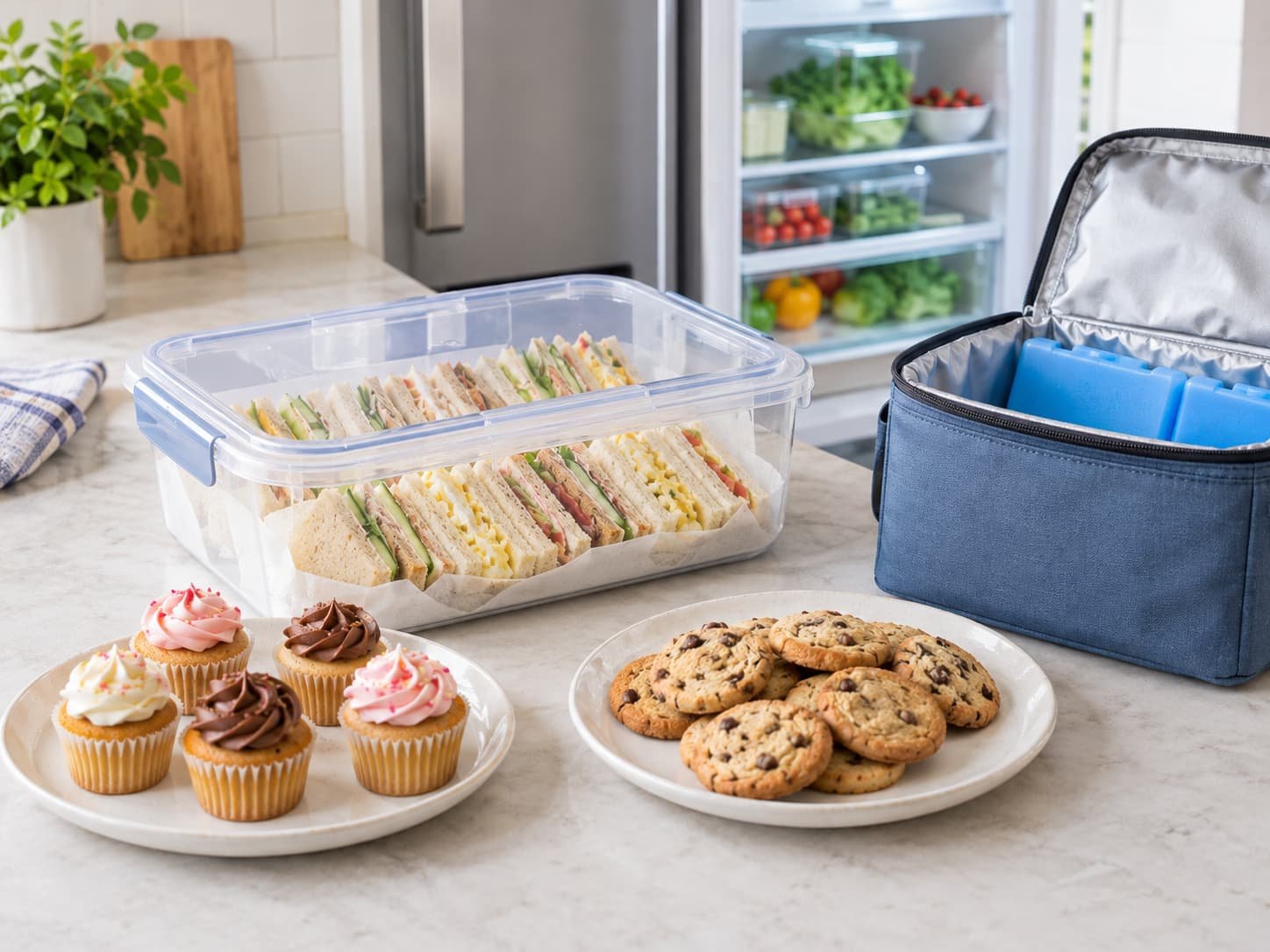
Safe food handling is important when preparing sandwiches, dips, and desserts ahead of time. Foods containing cooked chicken, eggs, dairy products, and other perishable ingredients need appropriate temperature control.
According to the US Food and Drug Administration (FDA), refrigerators should be kept at 40°F (4°C) or below. Perishable foods should generally not remain at room temperature for more than two hours, or more than one hour when the temperature is above 90°F (32°C). These are US food-safety guidelines; follow applicable local guidance where it differs. See the FDA’s refrigeration and food-safety guidance.
Wash your hands before preparing food, clean preparation surfaces, and wash fresh produce under running water. Keep raw ingredients separate from ready-to-eat foods to reduce the risk of cross-contamination.
If your menu includes common allergens such as milk, eggs, wheat, peanuts, or tree nuts, check ingredient labels and communicate ingredients clearly. Do not assume a food is safe for someone with an allergy simply because a visible ingredient has been removed. Cross-contact during preparation may also matter.
For longer gatherings, serve smaller quantities at a time and replenish them from properly stored supplies. Follow relevant storage instructions when handling leftovers, and discard perishable food that has exceeded the recommended time at room temperature.
Frequently Asked Questions About Tea Party Recipe Ideas
What Are the Easiest Tea Party Foods for Beginners?
Finger sandwiches, cookies, mini muffins, fresh fruit, and ready-made pastries are convenient starting points. Choose a few foods that fit your cooking skills, preparation time, and available equipment.
What Foods Are Traditionally Served at Afternoon Tea?
Traditional British afternoon tea commonly includes finger sandwiches, scones served with jam and cream, small cakes, biscuits, and tea. The selection varies by venue, occasion, and personal preference.
How Much Food Should You Prepare for a Tea Party?
The amount depends on the number of guests, the length of the gathering, and whether the event replaces a meal. Offer a variety of small portions for a light afternoon gathering, and consider more substantial savory options if guests will be attending around lunchtime. There is no single quantity that suits every tea party.
Can You Host a Tea Party Without Baking?
Yes. Store-bought biscuits, bakery cakes, prepared pastries, finger sandwiches, and fresh fruit can form a varied menu without home baking. Check product labels and storage instructions, especially for foods containing dairy, eggs, or nuts.
How Can You Plan an Affordable Tea Party Menu?
Choose seasonal produce, limit the number of dishes, and use ingredients in more than one item where practical. Combining a few homemade snacks with selected ready-made treats can also help manage preparation time. Compare ingredient costs before deciding which foods to make yourself.
Final Thoughts
A successful tea party does not require a complicated menu or hours of preparation. A thoughtful selection of savory snacks, sweet treats, and drinks can create a welcoming gathering while keeping the work manageable.
Start with foods that suit your cooking skills, budget, available time, and guests’ preferences. Prepare suitable items ahead when practical, assemble delicate foods closer to serving, and handle perishable ingredients safely. If guests have allergies or dietary requirements, check ingredients and communicate relevant information before serving.
With sensible planning and a manageable menu, you can create an enjoyable afternoon tea gathering without making hosting unnecessarily difficult.