Busy weeknights can make cooking feel like another task on an already packed schedule. After a long day of work, school runs, appointments, and household responsibilities, many people want dinner on the table quickly without relying on takeout or heavily processed foods. The challenge is finding meals that are convenient, satisfying, and nutritious at the same time.
Healthy pasta recipes offer a practical solution. Pasta is affordable, versatile, and cooks quickly, making it one of the easiest foundations for a balanced dinner. When paired with vegetables, lean protein, and lighter sauces, pasta can become a meal that supports your health goals while still delivering comfort and flavor.
Quick Answer:
A healthy pasta recipe combines quality ingredients such as whole grain or protein-rich pasta, lean protein sources, vegetables, and lighter sauces. The goal is to create a balanced meal that provides energy, fiber, protein, and essential nutrients without relying on excessive amounts of cream, butter, or processed ingredients.
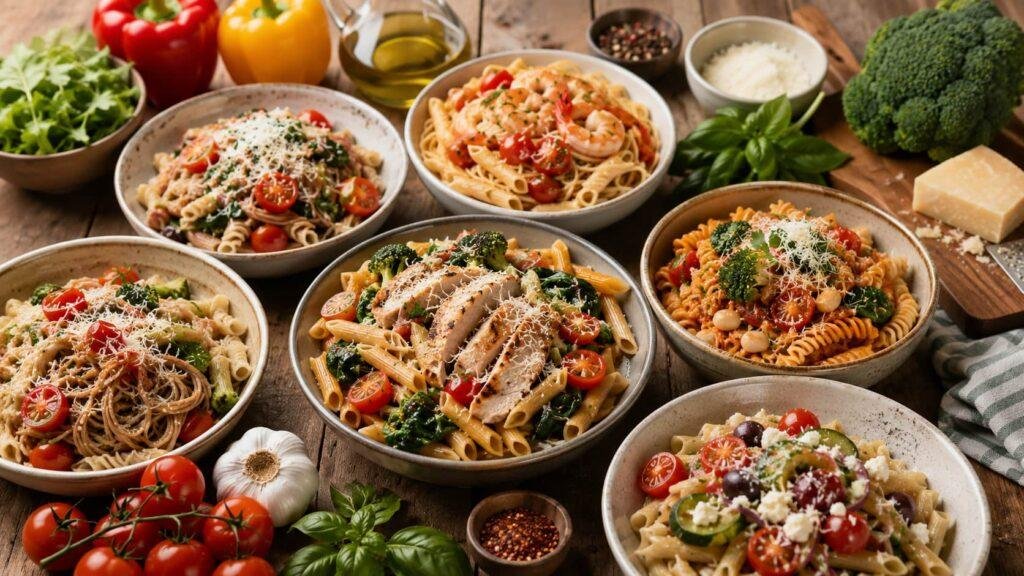
One reason pasta remains a favorite weeknight meal is its flexibility. A simple box of pasta can be transformed into dozens of healthy pasta dishes using ingredients you may already have in your kitchen. Whether you’re preparing a high-protein pasta recipe with chicken, a vegetable-packed pasta primavera, or a Mediterranean-inspired pasta with olive oil and fresh herbs, there are endless ways to keep dinner both healthy and interesting.
Another advantage is speed. Many healthy pasta meals can be prepared in less than 30 minutes, making them ideal for busy families and professionals. Some recipes even work well for meal prep, allowing leftovers to be enjoyed the next day without losing flavor or texture.
In this guide, you’ll discover what makes pasta healthier, which ingredients offer the best nutritional value, and how simple adjustments can turn ordinary pasta into a satisfying weeknight dinner.
What Makes a Pasta Recipe Healthy?
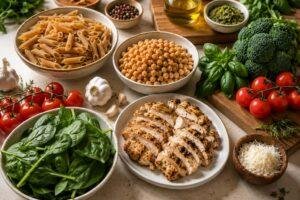
Not all pasta dishes provide the same nutritional value. While some recipes are built around fresh ingredients and balanced portions, others rely heavily on rich sauces and oversized servings that can leave you feeling sluggish rather than satisfied.
A healthy pasta recipe focuses on balance. Instead of treating pasta as the entire meal, it becomes one part of a dish that also includes vegetables, protein, and nutrient-rich ingredients.
The healthiest pasta meals typically include:
- Fiber-rich pasta options
- Lean sources of protein
- A generous amount of vegetables
- Lighter, flavor-focused sauces
- Reasonable portion sizes
These simple adjustments can dramatically improve both the nutritional quality and overall satisfaction of a pasta dinner.
Choosing Better Pasta Options
The pasta itself can have a major impact on the nutritional profile of your meal.
Traditional white pasta remains a popular choice, but alternative varieties often provide additional fiber and protein. These nutrients can help you feel full longer and support more balanced energy levels throughout the evening.
Some of the healthiest pasta options include:
- Whole wheat pasta
- Chickpea pasta
- Lentil pasta
- Brown rice pasta
- High-protein pasta
- Edamame pasta
Whole wheat pasta is often a great starting point because it offers a familiar texture while providing more fiber than refined pasta. Chickpea and lentil pasta have become increasingly popular because they naturally contain higher amounts of protein and fiber.
For those focused on meal prep, chickpea and lentil pasta can be especially useful. They tend to hold up well when reheated and remain satisfying the next day, making them a smart choice for lunch leftovers.
Adding Lean Protein
Protein helps transform pasta from a side dish into a complete meal.
Including a quality protein source can increase satiety, support muscle maintenance, and help create a more balanced plate. This is one reason high-protein pasta recipes continue to grow in popularity among busy home cooks.
Excellent protein choices include:
- Grilled chicken breast
- Ground turkey
- Shrimp
- Salmon
- Tuna
- Tofu
- Tempeh
- Edamame
For example, a simple chicken and spinach pasta can provide a combination of protein, fiber, and vegetables in a single meal. Shrimp pasta with cherry tomatoes and garlic offers another quick option that can be prepared in under 30 minutes.
If you’re looking for healthy pasta recipes for dinner, adding protein is one of the simplest ways to make the meal more filling without adding unnecessary ingredients.
Using More Vegetables
Vegetables are often what separate average pasta dishes from truly nutritious ones.
They add volume, color, texture, vitamins, minerals, and natural flavor while helping create a more balanced meal. Increasing vegetables also reduces the need for excessive amounts of pasta without making the dish feel less satisfying.
Some vegetables that work particularly well in pasta recipes include:
- Spinach
- Broccoli
- Zucchini
- Bell peppers
- Mushrooms
- Cherry tomatoes
- Kale
- Asparagus
- Peas
- Eggplant
A helpful tip for busy weeknights is to choose vegetables that cook quickly. Spinach, cherry tomatoes, zucchini, and mushrooms can be added directly to the pan and cooked in minutes.
Broccoli and peas are also excellent choices because frozen versions work just as well as fresh, helping reduce preparation time while still providing nutritional benefits.
Many healthy vegetable pasta recipes combine several colorful vegetables together, creating meals that feel hearty without becoming heavy.
Making Smarter Sauce Choices
Sauce can either support the nutritional value of a meal or quickly turn it into something much richer than intended.
Many restaurant-style pasta dishes contain large amounts of butter, cream, and cheese. While these ingredients certainly add flavor, they can also contribute significant calories and saturated fat.
Fortunately, there are many lighter alternatives that still deliver excellent taste.
Some healthier sauce options include:
- Tomato-based sauces
- Olive oil and garlic sauces
- Fresh herb sauces
- Roasted vegetable sauces
- Greek yogurt sauces
- Homemade pesto
- Light marinara sauces
Tomato-based sauces are a popular choice because they pair well with almost any pasta shape while keeping meals relatively light. Olive oil, garlic, fresh basil, and a sprinkle of Parmesan can also create a flavorful pasta dish without relying on heavy cream.
For meal prep, marinara and roasted vegetable sauces tend to reheat especially well, making them practical choices for busy households.
By choosing better pasta varieties, adding lean protein, increasing vegetables, and selecting smarter sauces, it becomes much easier to create healthy pasta recipes that are satisfying, flavorful, and realistic for busy weeknights.
Best Healthy Pasta Recipes for Busy Weeknights
When time is short, healthy pasta recipes can make dinner much easier. Pasta cooks quickly, works with a wide variety of ingredients, and can be transformed into a balanced meal with just a few smart choices. The recipes below combine lean protein, vegetables, whole grains, and lighter sauces to create satisfying dinners that fit into busy schedules.
Healthy Chicken and Spinach Pasta
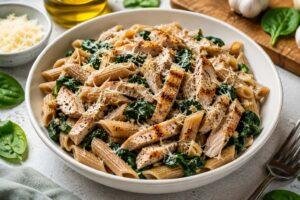
This high-protein pasta recipe combines tender chicken, fresh spinach, and a light garlic sauce for a simple dinner that feels both comforting and balanced.
Why You’ll Love It
-
- Ready in about 25 minutes
- High in protein
- Great for leftovers
Preparation Time: 25 minutes
Serves: 4
Main Ingredients:
- Whole wheat pasta
- Chicken breast
- Fresh spinach
- Garlic
- Olive oil
- Parmesan cheese
Why It Is Healthier:
Chicken provides lean protein while spinach contributes iron, folate, and fiber. Whole wheat pasta adds extra fiber, helping you stay satisfied longer than traditional refined pasta.
Helpful Tip:
Cook the spinach just until wilted to preserve its texture and fresh flavor.
Mediterranean Vegetable Pasta
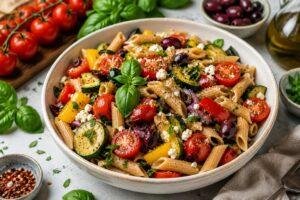
Packed with colorful vegetables and Mediterranean-inspired ingredients, this pasta delivers plenty of flavor without relying on heavy sauces.
Why You’ll Love It
- Loaded with vegetables
- Rich Mediterranean flavors
- Easy to customize
- Naturally colorful and fresh
Preparation Time: 25 minutes
Serves: 4
Main Ingredients:
- Whole wheat pasta
- Cherry tomatoes
- Zucchini
- Bell peppers
- Kalamata olives
- Garlic
- Olive oil
- Fresh basil
Why It Is Healthier:
The combination of vegetables and olive oil provides fiber, vitamins, and heart-friendly fats while keeping the meal relatively light.
Helpful Tip:
Roast the vegetables before mixing them with the pasta for deeper flavor and better texture.
High Protein Chickpea Pasta
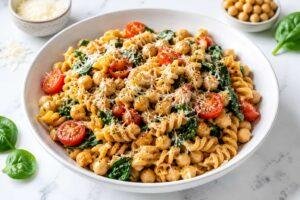
For those looking for high protein pasta recipes, chickpea pasta is one of the easiest upgrades you can make.
Why You’ll Love It
- Higher in protein and fiber
- Keeps you full longer
- Simple ingredients
- Excellent for meal prep
Preparation Time: 20 minutes
Serves: 4
Main Ingredients:
- Chickpea pasta
- Garlic
- Cherry tomatoes
- Spinach
- Olive oil
- Parmesan cheese
Why It Is Healthier:
Chickpea pasta contains significantly more protein and fiber than traditional pasta, making it a filling option for busy weeknights.
Helpful Tip:
Chickpea pasta often holds its texture well after reheating, making it ideal for next-day lunches.
Garlic Shrimp and Tomato Pasta
Shrimp cooks in minutes, making this one of the fastest healthy pasta meals you can prepare.
Why You’ll Love It
- Ready in under 20 minutes
- Light yet satisfying
- High in protein
- Perfect for busy evenings
Preparation Time: 20 minutes
Serves: 4
Main Ingredients:
- Whole wheat pasta
- Shrimp
- Cherry tomatoes
- Garlic
- Olive oil
- Fresh parsley
Why It Is Healthier:
Shrimp is naturally lean and rich in protein. The tomato-based preparation keeps the dish light while still delivering plenty of flavor.
Helpful Tip:
Avoid overcooking shrimp. Remove them from heat as soon as they turn pink and opaque.
Broccoli and Parmesan Pasta
Simple ingredients often create the most satisfying meals. This pasta highlights broccoli and Parmesan in a quick weeknight dinner.
Why You’ll Love It
- Budget-friendly
- Vegetable-rich
- Quick preparation
- Kid-friendly option
Preparation Time: 25 minutes
Serves: 4
Main Ingredients:
- Whole wheat pasta
- Broccoli florets
- Garlic
- Olive oil
- Parmesan cheese
- Black pepper
Why It Is Healthier:
Broccoli provides fiber, vitamin C, and antioxidants while helping increase the vegetable content of the meal.
Helpful Tip:
Reserve a small amount of pasta water to create a silky sauce without adding cream.
Turkey Bolognese Pasta
This lighter take on traditional Bolognese offers all the comfort of the classic version with a leaner protein source.
Why You’ll Love It
- Rich and hearty flavor
- Higher in protein
- Great for batch cooking
- Freezer-friendly
Preparation Time: 30 minutes
Serves: 4–6
Main Ingredients:
-
- Whole wheat pasta
- Onion
- Garlic
- Crushed tomatoes
- Italian herbs
Why It Is Healthier:
Lean turkey contains less saturated fat than many traditional meat sauces while still providing substantial protein.
Helpful Tip:
Make a double batch of the sauce and freeze half for a future weeknight dinner.
Creamy Greek Yogurt Pasta
This pasta delivers a creamy texture without the heaviness often associated with cream-based sauces.
Why You’ll Love It
- Creamy without heavy cream
- High in protein
- Quick preparation
- Simple ingredients
Preparation Time: 20 minutes
Serves: 4
Main Ingredients:
- Whole wheat pasta
- Plain Greek yogurt
- Garlic
- Spinach
- Parmesan cheese
- Lemon juice
Why It Is Healthier:
Greek yogurt adds protein and creaminess while reducing the saturated fat found in many traditional creamy pasta sauces.
Helpful Tip:
Mix the yogurt with a little warm pasta water before adding it to prevent curdling.
Zucchini and Lemon Pasta
Fresh zucchini and bright lemon flavors make this one of the best healthy pasta dishes for warmer weather.
Why You’ll Love It
- Light and refreshing
- Quick preparation
- Vegetable-focused
- Great summer dinner
Preparation Time: 20 minutes
Serves: 4
Main Ingredients:
- Whole wheat pasta
- Zucchini
- Lemon zest
- Garlic
- Olive oil
- Fresh herbs
Why It Is Healthier:
Zucchini adds volume and nutrients while keeping the meal lower in calories than many traditional pasta dishes.
Helpful Tip:
Slice zucchini thinly so it cooks quickly and blends naturally with the pasta.
Healthy Pesto Pasta
Homemade pesto provides fresh flavor while keeping ingredient quality under your control.
Why You’ll Love It
- Fresh herb flavor
- Easy preparation
- Versatile recipe
- Pairs well with vegetables
Preparation Time: 20 minutes
Serves: 4
Main Ingredients:
- Whole wheat pasta
- Fresh basil
- Olive oil
- Garlic
- Parmesan cheese
- Pine nuts
Why It Is Healthier:
Fresh basil and olive oil provide flavor without relying on processed sauces or heavy cream.
Helpful Tip:
Add extra spinach to homemade pesto for additional nutrients without changing the flavor significantly.
One-Pan Vegetable Pasta
This easy dinner minimizes dishes while maximizing nutrition.
Why You’ll Love It
- One-pan cleanup
- Plenty of vegetables
- Great for busy nights
- Budget-friendly
Preparation Time: 30 minutes
Serves: 4
Main Ingredients:
- Whole wheat pasta
- Bell peppers
- Zucchini
- Mushrooms
- Cherry tomatoes
- Garlic
- Vegetable broth
Why It Is Healthier:
Multiple vegetables contribute vitamins, minerals, and fiber while helping create a balanced meal.
Helpful Tip:
Use seasonal vegetables to add variety throughout the year.
The Healthiest Types of Pasta
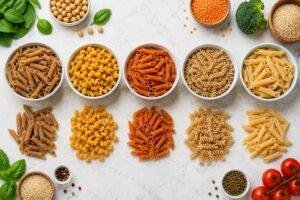
Choosing the right pasta can make a noticeable difference when preparing healthy pasta recipes. While traditional white pasta can still be part of a balanced diet, some varieties offer more protein, fiber, and nutrients that help create more satisfying meals.
Quick Answer: Which Pasta Is the Healthiest?
For most people, whole wheat pasta offers the best balance of nutrition, affordability, taste, and availability. However, if increasing protein and fiber is a priority, chickpea pasta and lentil pasta are often stronger choices. The healthiest option ultimately depends on your dietary needs and the type of meal you are preparing.
Whole Wheat Pasta
Whole wheat pasta is one of the easiest upgrades for anyone looking to prepare healthier pasta meals. Because it contains the entire grain, it naturally provides more fiber than refined white pasta.
Many people appreciate that whole wheat pasta still tastes familiar while offering additional nutritional benefits.
Why Many People Choose Whole Wheat Pasta
- Contains more fiber than traditional white pasta
- Helps promote fullness after meals
- Provides naturally occurring vitamins and minerals
- Easy to find in most grocery stores
- Works well in nearly all healthy pasta dishes
Whole wheat pasta pairs particularly well with tomato-based sauces, roasted vegetables, and lean proteins such as chicken and turkey.
Best For:
- Everyday healthy dinners
- Family meals
- Meal prep recipes
- Healthy pasta recipes for beginners
Helpful Tip:
Whole wheat pasta can become overly firm if overcooked. Check it a minute before the package cooking time ends for the best texture.
Chickpea Pasta
Chickpea pasta has become a favorite among people searching for high protein pasta recipes. Made primarily from chickpeas, it provides significantly more protein and fiber than traditional pasta.
In many brands, chickpea pasta can contain nearly twice the protein of regular pasta, making it an excellent option for filling weeknight dinners.
Benefits of Chickpea Pasta
- Naturally high in protein
- Rich in dietary fiber
- Supports longer-lasting fullness
- Suitable for many gluten-free diets
- Helps create balanced meals
One practical advantage is that chickpea pasta often reheats better than traditional pasta, making it ideal for leftovers and meal prep lunches.
Best For:
- High-protein meals
- Meal prep
- Healthy pasta recipes for dinner
Helpful Tip:
Cook chickpea pasta slightly under the recommended time if you plan to reheat leftovers later in the week.
Lentil Pasta
Lentil pasta offers many of the same benefits as chickpea pasta while bringing a slightly different flavor and texture to the table.
Because lentils naturally contain protein and fiber, this pasta works particularly well in vegetarian meals and healthy pasta dishes focused on balanced nutrition.
Benefits of Lentil Pasta
- Higher protein content than traditional pasta
- Excellent source of fiber
- Helps support fullness between meals
- Works well with vegetable-based sauces
- Suitable for many gluten-free diets
Its mild flavor allows it to pair well with marinara, roasted vegetables, and herb-based sauces.
Best For:
- Vegetarian dinners
- Protein-focused meals
- Healthy pasta meals
Helpful Tip:
Lentil pasta works especially well with thicker sauces that cling to its slightly firmer texture.
High Protein Pasta
High protein pasta blends are designed for people who want additional protein without dramatically changing the taste of their meals.
These products often combine wheat, legumes, or plant proteins to increase protein content while maintaining a texture similar to traditional pasta.
Benefits of High Protein Pasta
- More protein per serving
- Creates filling meals
- Supports active lifestyles
- Easy replacement for regular pasta
- Pairs well with most sauces
For busy households, high protein pasta can simplify dinner preparation by reducing the need for additional protein sources.
Best For:
- Active individuals
- Busy professionals
- Quick healthy pasta recipes
Helpful Tip:
High protein pasta works particularly well in simple recipes where the pasta itself becomes a major source of protein.
Brown Rice Pasta
Brown rice pasta remains a popular choice among people following gluten-free diets. It has a mild flavor and familiar texture that appeals to both adults and children.
Made from whole grain brown rice, it provides more nutritional value than refined pasta while remaining versatile enough for many recipes.
Benefits of Brown Rice Pasta
- Naturally gluten-free
- Mild flavor profile
- Easy to digest for many people
- Family-friendly option
- Suitable for a wide variety of pasta dishes
Although it generally contains less protein than chickpea or lentil pasta, it remains a practical option for those with gluten sensitivities.
Best For:
- Gluten-free diets
- Family dinners
- Light pasta recipes
Helpful Tip:
Brown rice pasta can become soft if overcooked, so checking it frequently during cooking helps maintain a better texture.
Quick Comparison of Healthy Pasta Types
| Pasta Type | Protein Level | Fiber Level | Best For |
| Whole Wheat Pasta | Moderate | High | Everyday healthy dinners |
| Chickpea Pasta | High | High | High-protein meals |
| Lentil Pasta | High | High | Vegetarian meals |
| High Protein Pasta | High | Moderate | Active lifestyles |
| Brown Rice Pasta | Moderate | Moderate | Gluten-free diets |
Which Pasta Should You Choose?
If you are new to healthy pasta recipes, whole wheat pasta is often the easiest place to start because it is affordable, widely available, and works in nearly any recipe.
If your goal is to increase protein and fiber, chickpea pasta and lentil pasta are excellent choices. For gluten-free meals, brown rice pasta remains one of the most versatile options available.
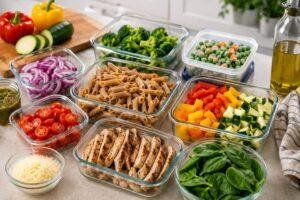
Tips for Making Healthy Pasta Dinners Faster
Healthy dinners do not have to require hours in the kitchen. With a few practical habits, many healthy pasta meals can be prepared in less than 30 minutes.
Meal Prep Ingredients Ahead
One of the easiest ways to save time is to prepare ingredients before the week becomes busy.
Instead of chopping vegetables every evening, spend a few minutes preparing commonly used ingredients in advance.
Consider prepping:
- Bell peppers
- Onions
- Broccoli
- Zucchini
- Garlic
- Spinach
When vegetables are already washed and chopped, many healthy pasta recipes can come together in less than 20 minutes.
Helpful Tip:
Store prepared vegetables in clear containers so they are easy to see and use before they lose freshness.
Use Frozen Vegetables
Frozen vegetables are one of the most underrated tools for quick healthy dinners.
Because they are frozen shortly after harvest, they retain much of their nutritional value while eliminating preparation work.
Excellent options include:
- Broccoli
- Peas
- Spinach
- Mixed vegetables
- Stir-fry blends
Many frozen vegetables can be added directly to pasta dishes without thawing, saving valuable time on busy evenings.
Helpful Tip:
Keep at least two frozen vegetable options in your freezer at all times for quick weeknight meals.
Cook Protein in Batches
Preparing protein ahead of time can significantly reduce dinner preparation time throughout the week.
Cook larger portions and use them in multiple healthy pasta meals.
Popular options include:
- Grilled chicken breast
- Ground turkey
- Baked salmon
- Roasted shrimp
Having protein ready to go often turns a 45-minute dinner into a 20-minute meal.
Helpful Tip:
Portion cooked protein into meal-sized containers immediately after cooking to make weeknight assembly even faster.
Choose One-Pan Recipes
One-pan pasta recipes simplify both cooking and cleanup.
By cooking everything in a single pot or skillet, you reduce dishes while allowing flavors to blend together naturally.
Benefits include:
- Less cleanup
- Faster preparation
- Better flavor development
- Fewer kitchen tools required
Many healthy vegetable pasta recipes, chicken pasta dishes, and tomato-based recipes work exceptionally well using this method.
Helpful Tip:
Reserve a small amount of pasta water before draining. It can help create a silky sauce without needing additional butter or cream.
Keep Healthy Pantry Staples Ready
The fastest healthy dinners often come from ingredients you already have at home.
Stocking a few basics makes it easier to prepare nutritious meals without making an extra trip to the grocery store.
Consider keeping:
- Whole wheat pasta
- Chickpea pasta
- Canned tomatoes
- Olive oil
- Garlic
- Dried herbs
- Parmesan cheese
- Frozen spinach
With these ingredients on hand, a healthy pasta dinner is never far away.
By combining smart ingredient choices with simple preparation habits, healthy pasta recipes become much easier to fit into even the busiest weeknight schedule.
Common Mistakes That Make Pasta Less Healthy
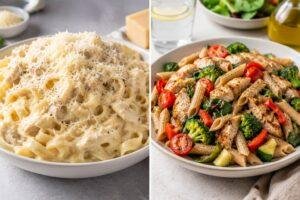
Pasta often gets blamed for unhealthy eating habits, but the pasta itself is rarely the issue. More often, the problem comes from oversized portions, heavy sauces, processed ingredients, and a lack of balance on the plate.
The good news is that creating healthier pasta meals does not require giving up your favorite dishes. A few simple adjustments can turn many traditional pasta recipes into nutritious, satisfying dinners that work well for busy weeknights.
Oversized Portions
One of the biggest mistakes people make is treating pasta as the entire meal instead of one part of a balanced plate.
Restaurant servings can sometimes contain enough pasta for two or even three people. While pasta provides valuable carbohydrates that help fuel the body, eating large portions without enough protein and vegetables can make meals less balanced.
A practical formula for healthier pasta dinners includes:
- Pasta for energy
- Protein for fullness
- Vegetables for nutrients and fiber
Instead of increasing the amount of pasta, consider increasing the vegetables and lean protein. This simple change often creates a meal that feels more satisfying while providing better overall nutrition.
Quick Serving Guide
A typical serving of dry pasta is approximately 2 ounces (56 grams), which cooks into about 1 cup of pasta. Individual needs vary, but this provides a helpful starting point for building a balanced meal.
Helpful Tip:
Fill at least half of your plate with vegetables before adding pasta. This makes portion control easier without feeling restrictive.
Heavy Cream Sauces
Cream-based sauces can add rich flavor, but they can also quickly increase calories, saturated fat, and overall heaviness.
Many restaurant-style Alfredo sauces rely on large amounts of cream, butter, and cheese. While these dishes can certainly be enjoyed occasionally, they are not always the best choice when preparing healthy pasta recipes regularly.
Lighter alternatives include:
- Tomato-based sauces
- Marinara sauce
- Olive oil and garlic sauces
- Roasted vegetable sauces
- Greek yogurt sauces
- Fresh herb sauces
Tomato-based sauces often provide a lighter option while still delivering plenty of flavor. They also pair well with vegetables and lean proteins commonly used in healthy pasta dishes.
Helpful Tip:
Reserve a small amount of pasta water before draining. Mixed with olive oil, garlic, and herbs, it can create a flavorful sauce without the need for heavy cream.
Too Little Protein
Many pasta meals focus heavily on carbohydrates while providing very little protein.
Without enough protein, you may find yourself hungry again soon after eating. Protein helps support fullness and plays an important role in creating a balanced meal.
Excellent protein options include:
- Grilled chicken breast
- Shrimp
- Lean ground turkey
- Salmon
- Tuna
- Tofu
- Edamame
- Chickpea pasta
- Lentil pasta
For example, adding grilled chicken or shrimp to a simple vegetable pasta can transform it into a complete dinner that keeps you satisfied much longer.
Helpful Tip:
If you frequently prepare pasta for meal prep, consider using chickpea or lentil pasta. These varieties naturally contribute additional protein and fiber.
Lack of Vegetables
Vegetables should be one of the stars of a healthy pasta dish, not an afterthought.
Adding vegetables increases fiber, vitamins, minerals, texture, and flavor while helping create a more filling meal. They also allow you to reduce the overall proportion of pasta without sacrificing satisfaction.
Some of the best vegetables for healthy pasta recipes include:
- Spinach
- Broccoli
- Zucchini
- Bell peppers
- Mushrooms
- Cherry tomatoes
- Kale
- Peas
- Asparagus
- Eggplant
Many experienced home cooks follow a simple rule: the more colorful the pasta dish looks, the more balanced it tends to be nutritionally.
Helpful Tip:
Frozen vegetables are a practical option for busy weeknights because they require little preparation and retain much of their nutritional value.
Relying Too Much on Processed Ingredients
Another common mistake is relying heavily on processed ingredients such as packaged sauces, processed meats, and excessive amounts of cheese.
Convenience foods can certainly save time, but some products contain large amounts of sodium, added sugars, and unnecessary additives.
Whenever possible, focus on simple ingredients such as:
- Fresh vegetables
- Olive oil
- Garlic
- Herbs
- Lean proteins
- Homemade or minimally processed sauces
Even small changes can improve both flavor and nutritional quality.
Helpful Tip:
Reading ingredient labels can help you identify sauces with fewer added sugars and lower sodium levels.
Frequently Asked Questions
Is pasta healthy for weight loss?
Yes, pasta can be part of a weight-loss-friendly eating plan when portions are managed and meals include vegetables and protein.
Whole wheat pasta, chickpea pasta, and lentil pasta often provide additional fiber and protein, which may help support fullness between meals. The overall balance of the meal matters more than avoiding pasta completely.
What is the healthiest pasta for dinner?
For many people, whole wheat pasta is one of the healthiest choices because it offers a strong balance of fiber, affordability, and availability.
If increasing protein is a priority, chickpea pasta and lentil pasta are excellent alternatives that naturally provide more protein and fiber than traditional pasta.
Is whole wheat pasta healthier than regular pasta?
Whole wheat pasta generally contains more fiber and nutrients than traditional refined pasta.
Because it includes the entire grain, it can help support fullness and provide additional nutritional value while maintaining a familiar taste and texture.
Which pasta has the most protein?
Chickpea pasta, lentil pasta, and many high-protein pasta blends typically contain the most protein.
These options can provide significantly more protein than traditional pasta, making them popular choices for active individuals and anyone looking to create more filling meals.
Can I eat pasta every day?
For most healthy individuals, pasta can be enjoyed regularly as part of a balanced diet.
The key is focusing on overall meal quality by including vegetables, lean protein, and reasonable portions rather than relying on pasta alone.
How much pasta should I eat per serving?
A typical serving of dry pasta is about 2 ounces (56 grams), which cooks into roughly 1 cup of pasta.
Individual needs vary depending on activity level and dietary goals, but pairing pasta with vegetables and protein often creates a more balanced meal.
What vegetables go best with pasta?
Many vegetables work well in pasta dishes, including:
- Broccoli
- Spinach
- Zucchini
- Mushrooms
- Bell peppers
- Cherry tomatoes
- Kale
- Peas
- Asparagus
Using seasonal vegetables is one of the easiest ways to add variety throughout the year.
How can I add more protein to pasta?
Protein can be added through ingredients such as grilled chicken, shrimp, turkey, salmon, tuna, tofu, edamame, chickpea pasta, and lentil pasta.
Even modest additions can help create a more filling and nutritionally balanced meal.
Final Thoughts

Healthy eating does not require complicated recipes, expensive ingredients, or hours in the kitchen. Small adjustments often make the biggest difference.
Choosing better pasta varieties, adding vegetables, including lean protein, and using lighter sauces can transform a simple pasta dish into a balanced meal that supports your goals without sacrificing flavor.
One of the greatest advantages of pasta is its flexibility. Whether you prefer whole wheat pasta, chickpea pasta, lentil pasta, or a traditional favorite, there are countless ways to customize recipes based on your family’s preferences and nutritional needs.
Don’t be afraid to experiment with new vegetables, proteins, herbs, and sauces. Some of the best healthy dinner recipes come from simple ingredients combined in creative ways.
Whether you’re cooking for yourself, preparing meals for the week, or feeding a family, healthy pasta recipes prove that quick dinners can still be nutritious, satisfying, budget-friendly, and full of flavor.