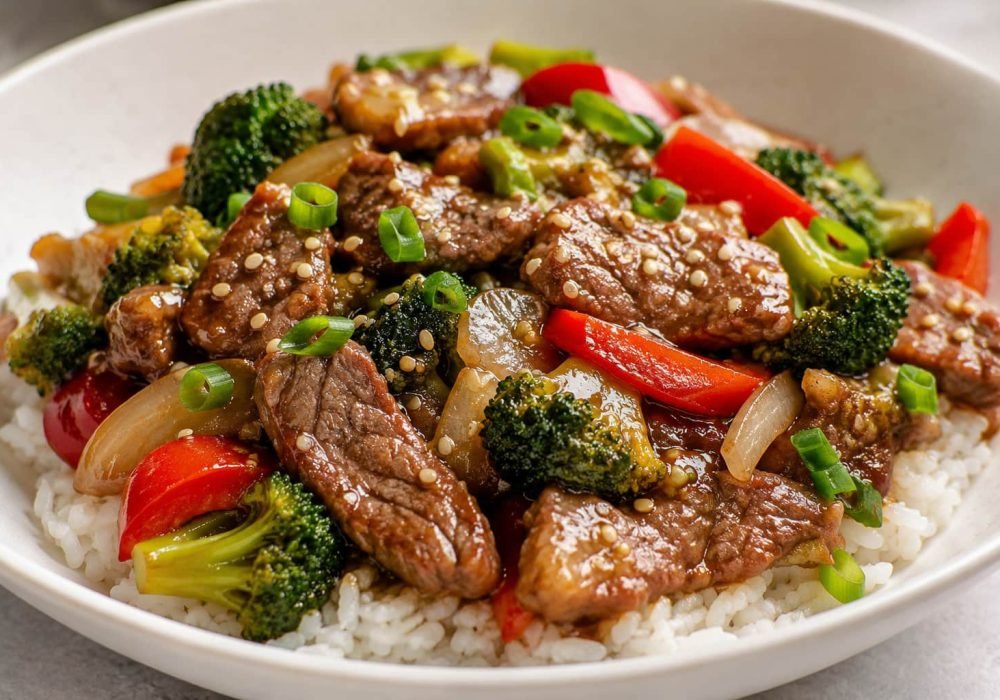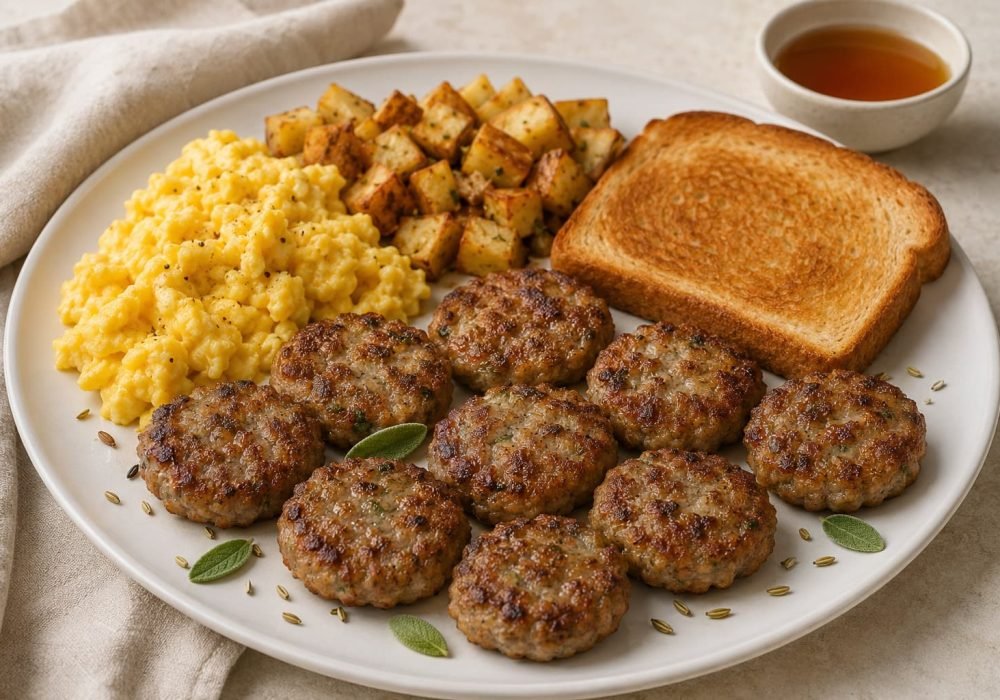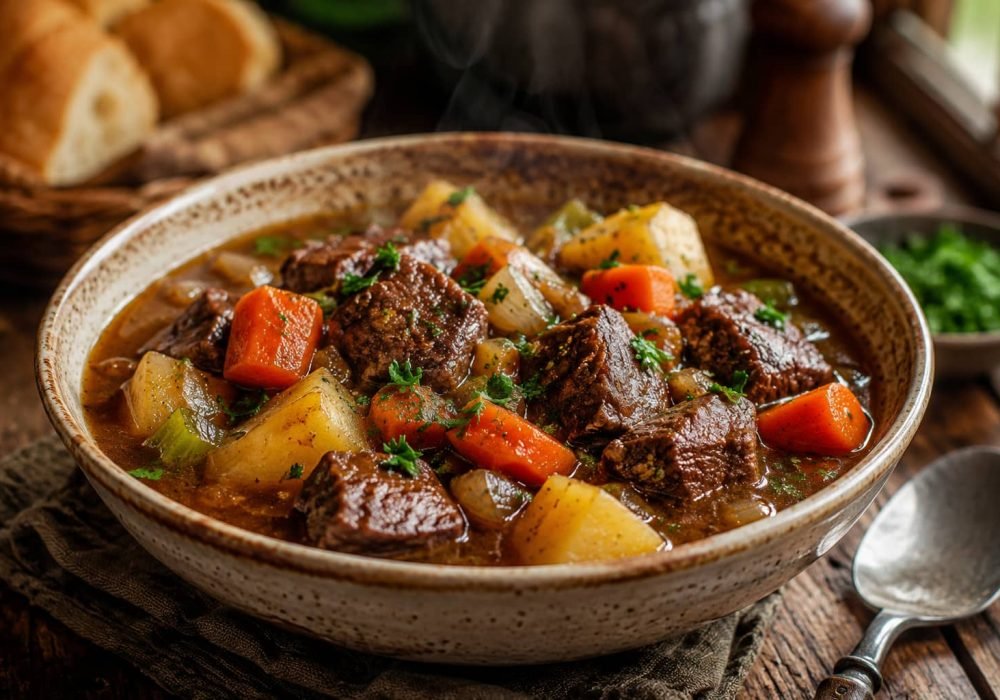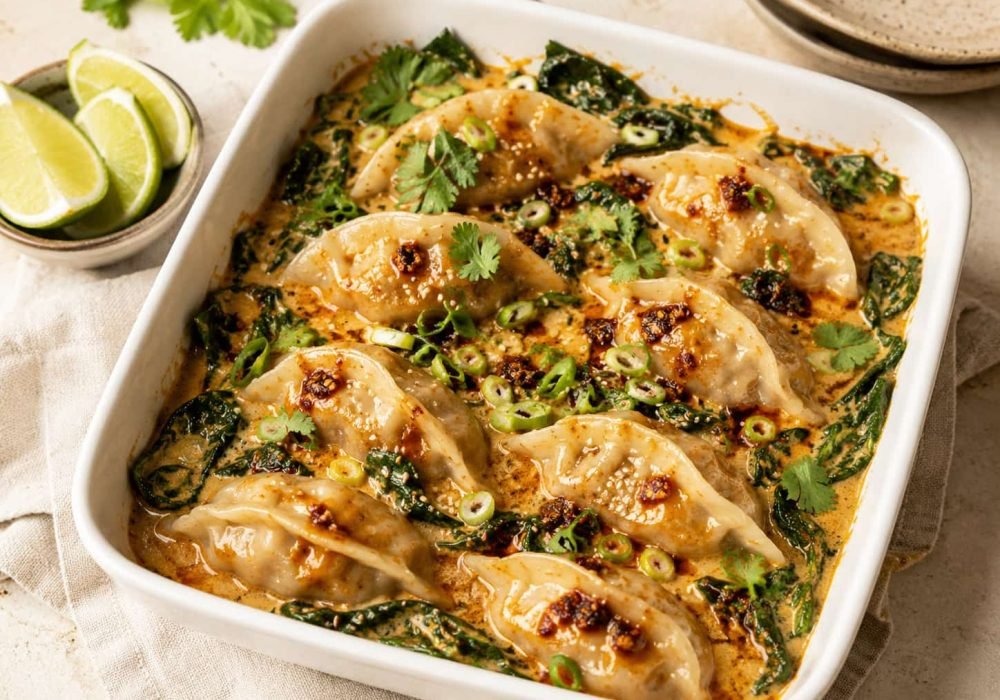
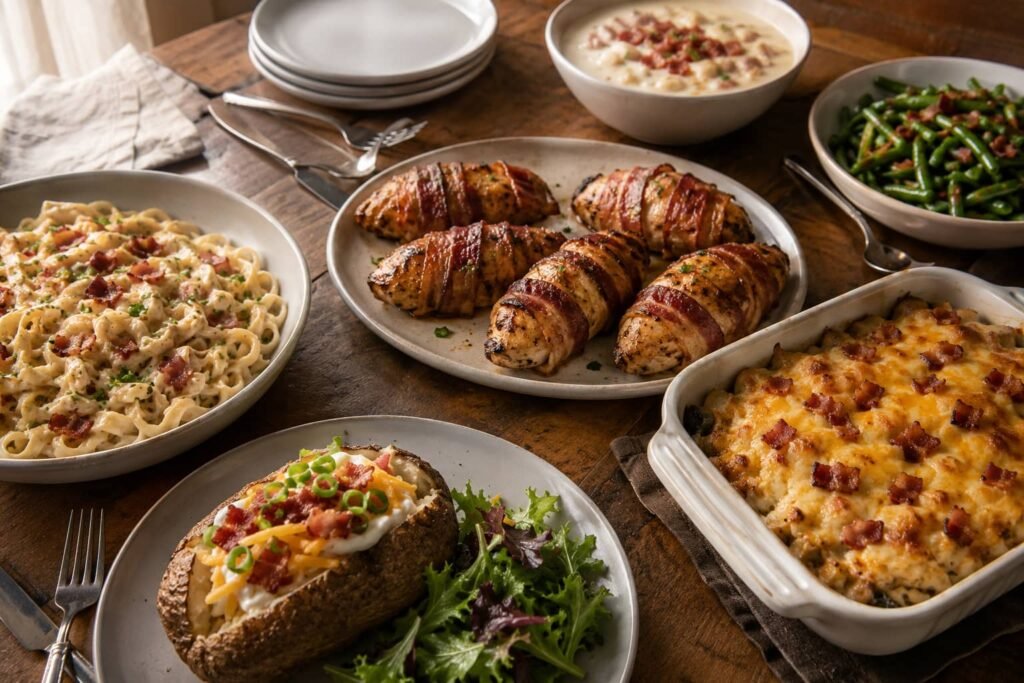
Bacon is often associated with breakfast, but its smoky, salty flavor can also bring depth to complete dinner recipes. A few crisp slices can transform simple pasta, chicken, soups, casseroles, potatoes, and skillet meals without requiring a long ingredient list.
This collection of bacon recipes for dinner includes quick weeknight meals, comforting family favorites, and heartier options for evenings when you have more time to cook. Some dishes use bacon as a prominent ingredient, while others rely on a smaller amount to season the sauce, vegetables, or cooking base.
Because bacon is naturally rich and salty, it works best when paired with ingredients that balance its flavor. Chicken, beans, tomatoes, leafy vegetables, pasta, and potatoes can turn it into a complete and satisfying meal.
Each recipe idea includes practical preparation guidance, estimated cooking time, serving suggestions, and useful shortcuts. This makes it easier to choose a dinner based on your schedule, available ingredients, and preferred cooking method.
What Can You Make with Bacon for Dinner?
Bacon can be used in creamy pasta, chicken casseroles, hearty soups, burgers, tacos, stuffed potatoes, fried rice, and one-pan meals. The best bacon dinner recipes combine its crisp texture and savory flavor with filling ingredients such as chicken, beef, beans, vegetables, pasta, and potatoes.
Bacon can serve several different purposes in a dinner recipe.
In some dishes, it is a prominent ingredient that shapes the overall flavor. Bacon-wrapped chicken, cheeseburger skillets, and bacon pasta dishes all rely on it for richness, saltiness, and texture.
In other recipes, bacon works as a flavor-building ingredient. Cooking a small amount with onions, cabbage, beans, potatoes, or soup vegetables creates a savory base without making the finished meal excessively heavy.
Bacon also works well as a crisp finishing ingredient. Reserving some cooked bacon and adding it shortly before serving helps preserve its texture in casseroles, soups, baked potatoes, macaroni and cheese, and creamy pasta.
The way bacon is used determines when it should be cooked, how much is needed, and whether some should be kept separate for serving. The recipes below use each of these approaches, from fast skillet dinners to comforting casseroles and soups.
Quick Guide to Choosing a Bacon Dinner
The best bacon dinner depends on your available time, preferred cooking method, and how filling you want the meal to be. Pasta, wraps, and skillet dishes are practical on busy evenings, while casseroles, soups, and meatloaf are better suited to relaxed family dinners or meal preparation.
Use this guide to find the type of recipe that best fits your schedule.
| When You Need | Best Recipe Type |
| Dinner in under 30 minutes | Pasta, tacos, wraps, fried rice, or skillet meals |
| Minimal cleanup | One-pot dinners or carefully timed sheet-pan meals |
| A filling family dinner | Casseroles, pasta bakes, chowder, or meatloaf |
| A lighter option | Chicken dishes, vegetable skillets, or broth-based soups |
| A make-ahead meal | Pasta bake, casserole, soup, or meatloaf |
| A freezer-friendly dinner | Bean-based soup, meatloaf, or a suitable baked casserole |
For the quickest meal, start with ingredients that require little preparation. Cooked bacon, rotisserie chicken, leftover rice, canned beans, and quick-cooking pasta can reduce time in the kitchen while still creating a complete dinner with protein, vegetables, or a filling starch.
One-pot recipes are useful when cleanup is the main concern. Sheet-pan meals can also save time, but the ingredients must be cut and timed carefully. Bacon may cook faster than thick vegetables or large pieces of chicken, so partially cooking it first can help everything finish evenly without burning.
Casseroles, pasta bakes, chowders, and meatloaf are better choices when you need a larger meal that can feed several people. Many can be assembled ahead, although freezing results depend on the ingredients. Bean-based soups and meatloaf generally freeze more reliably than cream-based soups, soft pasta dishes, or casseroles made with large amounts of potatoes.
For a lighter dinner, use bacon as a supporting ingredient. A small amount can add savory depth to chicken, cabbage, broccoli, beans, spinach, or a vegetable skillet without dominating the entire dish. This approach also makes it easier to control saltiness and excess grease.
Use these priorities to choose the recipe section that best matches your time, appetite, and available ingredients.
Quick Bacon Recipes for Busy Weeknights
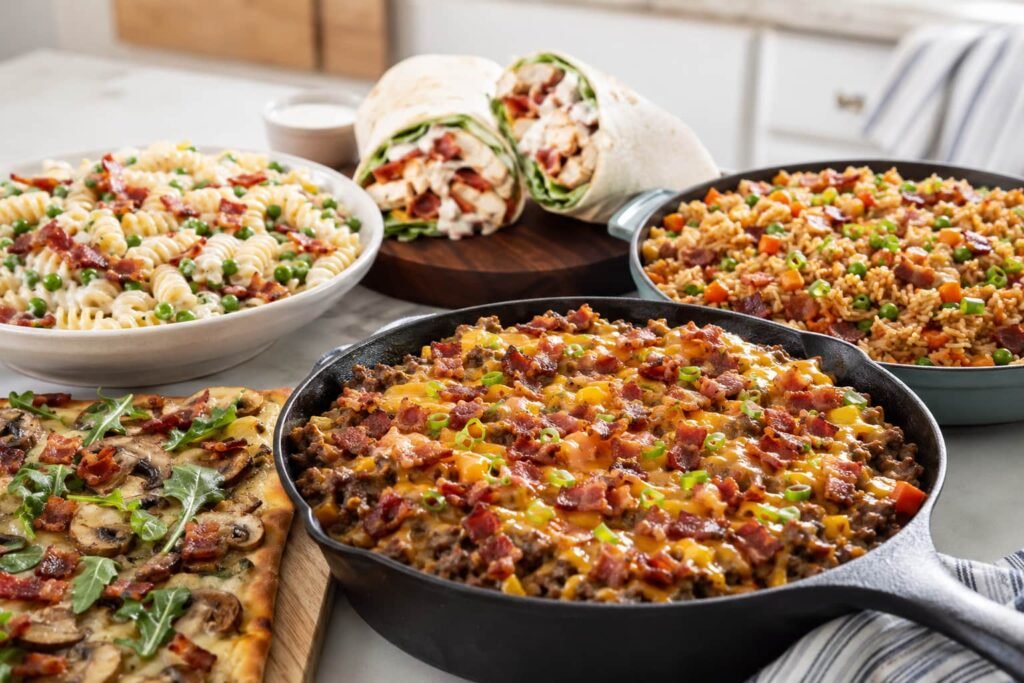
These quick bacon recipes are practical when you need dinner on the table without lengthy preparation. Pasta, wraps, skillet meals, flatbread, and fried rice all work well with shortcuts such as cooked bacon, frozen vegetables, rotisserie chicken, and leftover rice.
For the best texture, cook the bacon separately when possible and add some of it near the end. This keeps it crisp instead of letting it soften in a sauce or filling.
1. Creamy Bacon and Pea Pasta
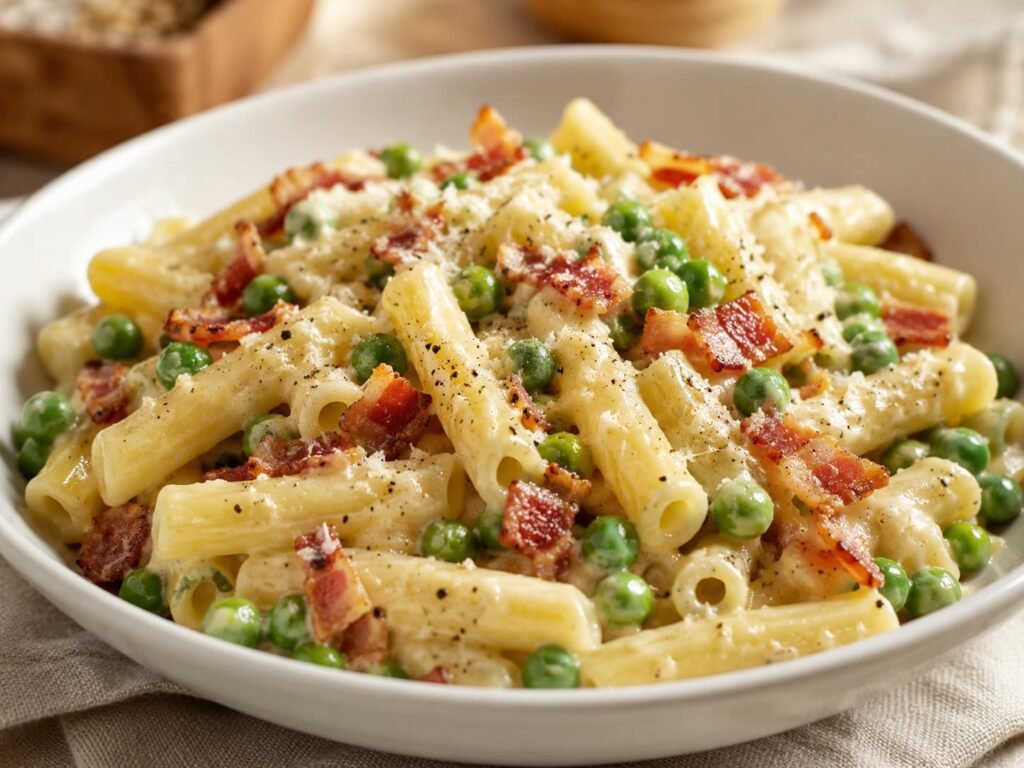
Creamy bacon and pea pasta combines crisp bacon, frozen peas, Parmesan, and quick-cooking pasta in a simple stovetop meal. The peas add mild sweetness and color, while reserved pasta water helps create a smooth sauce without making it excessively thick.
Cook the bacon while the pasta water heats, then leave only a small amount of rendered fat in the pan. Stir the Parmesan into the sauce over low heat and avoid boiling it, since high heat can make the cheese grainy. Add the peas during the final two minutes of cooking and return the bacon just before serving.
Approximate time: 25 minutes
Best served with: Tomato salad or steamed broccoli
Useful shortcut: Add frozen peas directly to the pasta pot.
2. Bacon Cheeseburger Skillet
A bacon cheeseburger skillet brings together ground beef, bacon, cheddar, onions, pickles, and diced potatoes in one filling meal. The potatoes give the dish enough structure to be served without buns, although toasted rolls also work well.
Brown the potatoes first, then cook the beef and onion until the meat is no longer pink. Drain excess grease before adding the cheddar and cooked bacon. Stir in the pickles after removing the pan from the heat so they retain their acidity and texture.
A small amount of mustard or burger sauce can strengthen the cheeseburger flavor, but use it sparingly to keep the skillet from becoming wet.
Approximate time: 30 minutes
Best served with: Green salad, roasted vegetables, or dinner rolls
Useful shortcut: Use cooked bacon and refrigerated diced potatoes.
3. Chicken Bacon Ranch Wraps
Chicken bacon ranch wraps are a fast way to turn properly stored cooked chicken into a fresh, handheld dinner. Crisp bacon, lettuce, tomato, ranch dressing, and shredded chicken provide a mix of creamy, crunchy, and savory textures.
Rotisserie chicken is the quickest option, although leftover roasted or grilled chicken also works. Warm the tortillas briefly so they roll without tearing, then add only enough ranch to lightly coat the filling. Keep the bacon separate until assembly to prevent it from softening against the tomatoes and dressing.
Approximate time: 15 to 20 minutes
Best served with: Cucumber salad, fruit, or coleslaw
Useful shortcut: Use shredded rotisserie chicken and washed salad greens.
4. Bacon and Mushroom Flatbread
Bacon and mushroom flatbread is a quick oven dinner made with prepared flatbread, mozzarella, sautéed mushrooms, red onion, and crisp bacon. Cooking the mushrooms before assembly prevents them from releasing excess moisture and making the base soggy.
Sauté the mushrooms and onion until most of their liquid has evaporated. Spread the flatbread with a thin layer of sauce or olive oil, then add the cheese and toppings without overcrowding the surface. Bake until the edges are crisp and the cheese is melted.
The total time depends on whether the bacon is already cooked and how quickly the oven preheats, so allow closer to 30 minutes when starting from raw bacon.
Approximate time: 25 to 30 minutes
Best served with: Green salad or tomato soup
Useful shortcut: Use naan, pita, or prepared pizza flatbread.
5. Bacon Fried Rice with Vegetables
Bacon fried rice is a practical way to use cold rice, cooked bacon, eggs, and frozen vegetables. Refrigerated rice works best because the grains are firm enough to separate in the skillet instead of becoming soft and sticky.
Cook the bacon first, then remove it and leave only a small amount of fat in the pan. Scramble the eggs, add the rice and vegetables, and stir-fry until everything is hot. Add soy sauce gradually because the bacon already contributes salt, then return the bacon during the final minute.
This is a complete savory dinner rather than a breakfast-style rice dish, with vegetables and rice making up most of the meal.
Approximate time: 20 to 25 minutes
Best served with: Steamed broccoli, cucumber salad, or green beans
Useful shortcut: Use frozen peas and carrots with day-old rice.
Chicken and Bacon Dinner Recipes
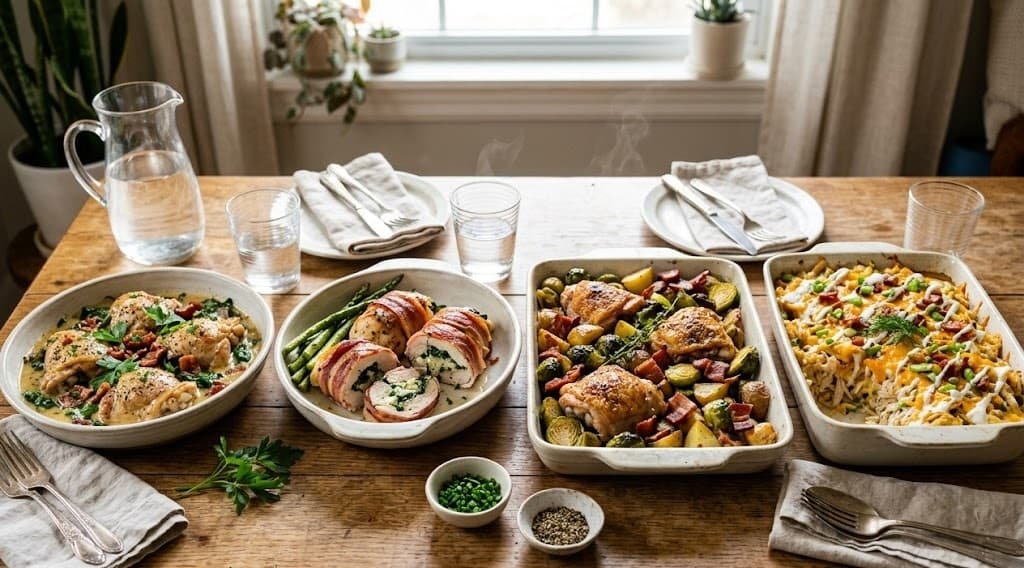
Chicken provides the substance in these meals, while bacon contributes crisp texture and a concentrated savory flavor. The best results come from using bacon as a supporting ingredient rather than allowing its saltiness and grease to dominate the chicken, sauce, or vegetables.
The options below range from a quick skillet dinner to a make-ahead pasta bake, stuffed chicken, a sheet-pan meal, and a rice-and-broccoli casserole.
6. Creamy Garlic Chicken with Bacon
Creamy garlic chicken with bacon combines seared chicken, crisp bacon, spinach, and a light garlic sauce in one skillet. Chicken cutlets cook quickly and evenly, while boneless thighs are more forgiving if you prefer darker meat.
After searing the chicken, remove most of the rendered bacon fat before cooking the garlic. Add broth and a modest amount of cream to create a sauce that coats the chicken without becoming overly rich. Stir in fresh spinach near the end, then return the chicken to the pan until it reaches 165°F in the thickest part.
Approximate time: 30 to 35 minutes
Best served with: Mashed potatoes, rice, or steamed green beans
Useful shortcut: Use evenly sliced chicken cutlets and prewashed spinach.
7. Chicken and Bacon Pasta Bake
A chicken and bacon pasta bake is a filling family casserole made with cooked chicken, pasta, bacon, mozzarella, and a creamy garlic-Parmesan sauce. It can be assembled ahead of time, making it useful for evenings when dinner needs to go straight into the oven.
Cook the pasta until just short of al dente so it does not become overly soft while baking. Fold it into the sauce with the chicken and most of the bacon, then finish the top with mozzarella and the remaining crisp pieces.
Cover the casserole during the first part of baking to limit moisture loss, then uncover it so the cheese can brown. When baking it directly from the refrigerator, allow additional time and keep it chilled until the oven is ready.
Approximate time: 45 to 55 minutes
Best served with: Roasted broccoli, a green salad, or garlic bread
Useful shortcut: Assemble the pasta bake one day ahead with cooked chicken and bacon.
8. Bacon-Wrapped Stuffed Chicken Breast
Bacon-wrapped stuffed chicken breast makes a more substantial family dinner without requiring unusual ingredients. The chicken is filled with spinach and soft cheese, then wrapped with bacon for added seasoning and surface browning.
Cut a pocket into each breast without slicing through the opposite side. Add enough filling to flavor the chicken while still allowing the pocket to close. Overfilling can cause the cheese mixture to leak during baking.
Bacon adds fat around the surface, but it will not prevent the chicken from drying out if it is overcooked. Since breast thickness varies, rely on a thermometer rather than a fixed baking time. The center of the chicken should reach 165°F, measured in the thickest part of the meat.
Let it rest briefly before slicing so less filling escapes onto the plate.
Best served with: Roasted carrots, mashed potatoes, rice, or a crisp salad
Useful shortcut: Prepare the filling and stuff the chicken earlier in the day, then refrigerate it covered until cooking.
9. Sheet-Pan Chicken, Bacon and Brussels Sprouts
Sheet-pan chicken with bacon and Brussels sprouts is a practical one-pan dinner with limited cleanup. Boneless or bone-in chicken thighs are generally better than thin breasts because they remain juicier during roasting and pair well with dense vegetables.
Arrange the chicken and halved Brussels sprouts in a single layer with enough space for browning. Partially cooked or thick-cut bacon is easier to manage because small raw pieces may become crisp before the chicken is ready.
If some bacon finishes early, remove it from the pan and return it before serving. Check the chicken in the thickest part without touching the bone. It should reach 165°F, while the Brussels sprouts should be browned outside and tender in the center.
Approximate time: 35 to 45 minutes, depending on the chicken size and cut
Best served with: Brown rice, quinoa, or crusty bread
Useful shortcut: Trim and halve the Brussels sprouts a day in advance.
10. Chicken Bacon Ranch Casserole
Chicken bacon ranch casserole is a rice-and-broccoli bake made with cooked chicken, cheddar, bacon, and a lightly seasoned sauce of broth, cream cheese, and ranch seasoning. The rice base clearly separates it from the earlier chicken pasta bake.
Use cooked rice so the casserole heats evenly without absorbing too much sauce. Combine it with chopped chicken, drained broccoli, and most of the bacon, then spread the mixture in the baking dish and add cheddar on top.
Use ranch seasoning moderately because the bacon and cheese already contribute salt. Taste the sauce before adding extra seasoning. Frozen broccoli works well, but it must be thawed and drained thoroughly to prevent a watery casserole.
Reserve some bacon for the final few minutes or sprinkle it on after baking to preserve more of its crisp texture.
Approximate time: 40 to 50 minutes
Best served with: Tomato salad, roasted carrots, or green beans
Useful shortcut: Use cooked rice, rotisserie chicken, and thawed frozen broccoli.
Comforting Pasta and Bacon Recipes
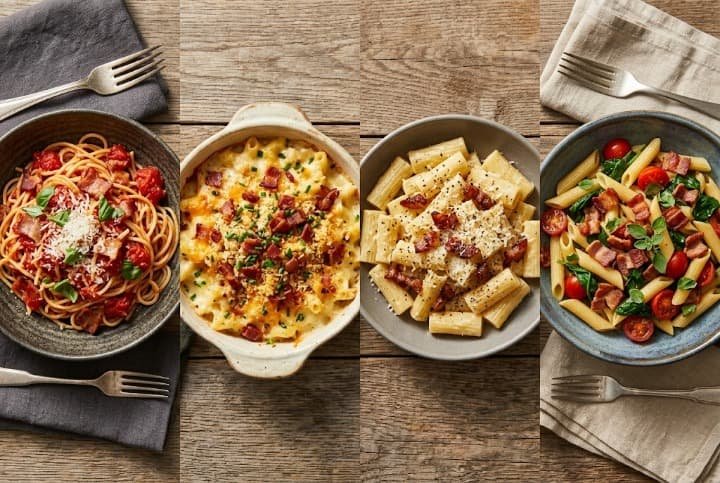
Pasta can turn a modest amount of bacon into a filling dinner by pairing it with tomatoes, cheese, vegetables, or an egg-based sauce. These recipes include a tomato spaghetti, bacon mac and cheese, carbonara-style pasta, and a spinach-and-tomato penne for nights when you want something less creamy.
Cook the bacon separately when crisp texture matters, then use only a small amount of the rendered fat in the sauce. Since bacon already contributes salt, taste each dish before adding extra seasoning.
11. Bacon Tomato Spaghetti
This bacon spaghetti recipe combines garlic, onion, tomatoes, and crisp bacon in a simple red sauce. It is a useful alternative to creamy bacon pasta when you want a tomato-based dinner with a brighter, less heavy finish.
Soften the onion in a small amount of bacon fat, then add the garlic and tomatoes. Simmer until the sauce thickens enough to coat the spaghetti rather than collecting at the bottom of the bowl. Stir most of the bacon into the sauce near the end and reserve a little for serving.
Canned crushed tomatoes create a smoother sauce, while diced tomatoes give it more texture. Taste before adding salt, especially if the bacon is heavily cured.
Approximate time: 30 minutes
Best served with: Roasted zucchini or a crisp green salad
Useful shortcut: Use canned crushed tomatoes and cooked bacon.
12. Bacon Mac and Cheese
Bacon mac and cheese combines tender pasta with a sharp cheddar sauce and crisp bacon. Using a flavorful cheese allows the sauce to taste rich without relying on an excessive quantity.
Prepare the sauce over moderate heat, then remove the pan from direct heat before stirring in the cheese. This reduces the risk of a grainy or separated sauce. A small amount of mustard can sharpen the cheddar flavor without making the finished dish taste strongly of mustard.
Fold most of the bacon through the pasta and keep the remaining pieces for the top. Broccoli or peas can be added for color and texture, but they should be cooked only until tender so they do not become soft in the sauce.
Approximate time: 30 to 35 minutes
Best served with: Tomato salad or steamed green beans
Useful shortcut: Grate the cheese before cooking so it melts quickly and evenly.
13. Bacon Carbonara-Style Pasta
Bacon carbonara-style pasta uses eggs, Parmesan or pecorino, hot pasta, and reserved cooking water to create a glossy sauce without heavy cream. It is correctly described as carbonara-style because traditional carbonara is more commonly prepared with cured pork such as guanciale.
Whisk the eggs and cheese together before the pasta finishes cooking. Remove the pan from direct heat, add the hot pasta, and toss continuously while introducing small amounts of pasta water. The goal is to create a smooth emulsion without allowing the eggs to form firm curds.
Temperature control matters more than speed. A pan that is too hot can scramble the eggs, while a pan that cools too much may leave the sauce thin. A dedicated recipe should use tested ingredient ratios and clear timing.
Approximate time: 25 to 30 minutes
Best served with: Roasted asparagus or peppery greens
Useful shortcut: Prepare the egg-and-cheese mixture while the pasta boils.
14. Bacon, Spinach and Tomato Penne
Bacon, spinach and tomato penne is a tomato-based weeknight pasta made with garlic, fresh tomatoes, leafy spinach, and a restrained amount of bacon. Olive oil, tomato juices, and pasta water form the sauce, making it a less creamy alternative to heavier bacon pasta dishes.
Gently cook the garlic, then add the tomatoes and allow them to soften and release their juices. Add the spinach shortly before the pasta so it wilts without becoming overcooked.
Toss the hot penne with the vegetables and enough reserved pasta water to help the sauce cling to the noodles. Add the bacon at the end for contrast and taste before adding extra salt.
Approximate time: 25 to 30 minutes
Best served with: Cucumber salad or roasted vegetables
Useful shortcut: Use baby spinach and halved cherry tomatoes to reduce chopping.
Hearty Bacon Casseroles and Bakes
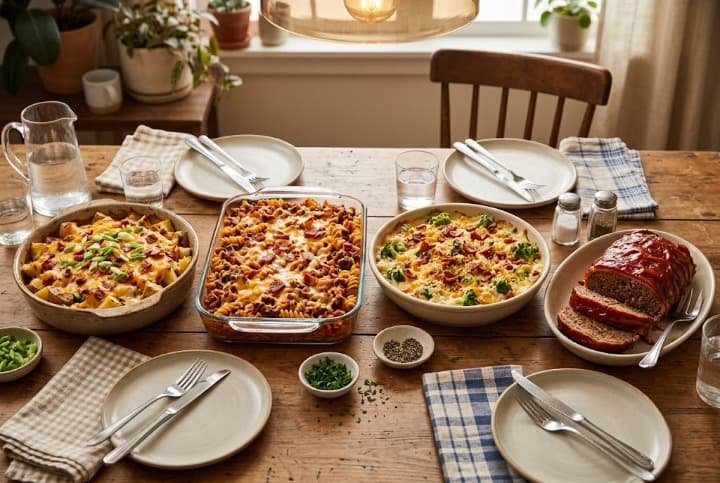
These bacon casseroles turn familiar ingredients such as potatoes, rice, ground beef, broccoli, and cheese into substantial family dinners. Bacon works best as a concentrated seasoning, adding smoky flavor and crisp texture without overwhelming the rest of the dish.
Because bacon and cheese already contain plenty of salt, taste sauces and fillings before adding extra seasoning. Reserving a small amount of bacon for the top also gives casseroles better texture than mixing every piece into the filling.
15. Loaded Bacon and Potato Casserole
Loaded bacon and potato casserole combines tender potatoes with cheddar, green onions, and crisp bacon in one oven-baked dish. It works well as a hearty dinner when served with vegetables, although shredded chicken can also be added when you want more protein.
Use thin, even potato slices or uniformly diced potatoes so they cook at the same rate. Parboiling them before assembly reduces the chance of ending up with a browned surface and firm potatoes underneath.
Layer the potatoes with a simple sauce made from milk, broth, garlic, and cheddar. Add most of the bacon between the layers, then reserve the remaining pieces and green onions for serving. Sour cream is better offered on the side so each person can adjust the richness.
Approximate time: 60 to 75 minutes
Best served with: Green beans, roasted broccoli, or tomato salad
Useful shortcut: Parboil the potatoes or use evenly diced refrigerated potatoes.
16. Bacon Cheeseburger Casserole
Bacon cheeseburger casserole combines ground beef, pasta, cheddar, onions, bacon, and a tangy tomato-mustard sauce in a make-ahead oven meal. Unlike the earlier cheeseburger skillet, this version is baked until the sauce thickens and the cheese forms a browned topping.
Brown the beef and onion first, then drain excess grease. Mix them with pasta cooked just short of al dente, most of the bacon, crushed tomatoes or tomato sauce, mustard, and a small amount of ketchup. Transfer the mixture to a baking dish and finish it with cheddar.
Add chopped pickles after baking so they remain crisp and acidic. For the best freezer texture, assemble the casserole before baking, cool the cooked components completely, wrap the dish tightly, and freeze without the pickle garnish. Thaw it overnight in the refrigerator before baking.
Approximate time: 45 to 55 minutes
Best served with: Shredded lettuce, sliced tomatoes, or roasted vegetables
Useful shortcut: Assemble the casserole one day ahead and refrigerate it until baking.
17. Bacon, Broccoli and Cheese Rice Bake
Bacon, broccoli and cheese rice bake is a budget-friendly family casserole made with cooked rice, broccoli, cheddar, and a modest amount of bacon. The bacon seasons the dish, while the rice and vegetables provide most of its volume.
Use cooked rice and well-drained broccoli to prevent excess liquid from collecting in the baking dish. Frozen broccoli is convenient, but it should be thawed and pressed dry before mixing.
Combine the rice and broccoli with a sauce made from broth, milk, garlic, and cheddar. Fold in most of the bacon, transfer the mixture to a casserole dish, and add the remaining cheese on top. A light breadcrumb topping can provide extra texture without requiring more bacon.
Approximate time: 35 to 45 minutes
Best served with: Cabbage salad, roasted carrots, or sliced tomatoes
Useful shortcut: Use leftover rice and thawed frozen broccoli.
18. Bacon-Wrapped Meatloaf
Bacon-wrapped meatloaf is a satisfying choice for a Sunday dinner or an evening when you have more time to cook. Ground beef forms the center, while bacon adds seasoning and browning around the outside.
Mix the beef gently with breadcrumbs, egg, onion, and seasonings. Overworking the mixture can create a dense texture. Shape the loaf evenly and arrange the bacon over the surface without thick overlaps, since overlapping strips are more likely to remain soft.
Brush on a tomato-based glaze during baking, leaving enough bacon exposed to brown. Cook the meatloaf until the center reaches 160°F, measured with a food thermometer. If the bacon needs more color, a brief broil may help, but only when the pan and glaze can handle the higher heat without burning.
Rest the meatloaf for at least 10 minutes before slicing. This helps the juices settle and allows the slices to hold together.
Approximate time: 75 to 90 minutes, depending on loaf size and shape
Best served with: Mashed potatoes, green beans, peas, or roasted carrots
Useful shortcut: Shape the meatloaf earlier in the day and refrigerate it covered until baking.
Bacon Soups and One-Pot Dinners
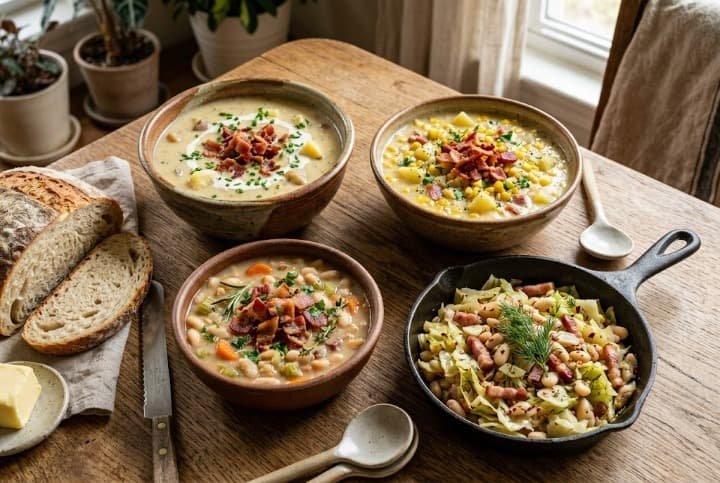
Soups and skillet meals make it easy to stretch a modest amount of bacon across several servings. Potatoes, corn, beans, cabbage, and broth provide most of the substance, while bacon contributes concentrated savory flavor and crisp texture.
Because bacon and broth can both contain plenty of salt, season these dishes gradually. When crispness matters, keep a small portion of the cooked bacon separate and add it just before serving.
19. Creamy Potato Bacon Soup
Creamy potato bacon soup combines tender potatoes, onion, broth, and crisp bacon in a thick, comforting dinner. The potatoes provide most of the body, so only a small amount of cream is needed to soften the flavor and texture.
Cook the onion in a measured amount of bacon fat, then add evenly diced potatoes and broth. Simmer until the potatoes are completely tender. Mash part of them directly in the pot or blend a small portion of the soup to create a creamy texture while leaving some pieces intact.
Stir in the cream over low heat and avoid boiling the soup afterward. Add green onions and reserved bacon at serving time. Cheese can be offered as an optional topping rather than mixed into the whole pot.
Approximate time: 35 to 45 minutes
Best served with: Crusty bread or a crisp green salad
Useful shortcut: Cut the potatoes into small, even pieces so they soften at the same rate.
20. Bacon Corn Chowder
Bacon corn chowder balances sweet corn with potatoes, celery, onion, broth, and smoky bacon. Fresh corn gives the chowder a bright summer flavor, while frozen corn makes it practical during colder months.
Soften the celery and onion before adding the potatoes and broth. Once the potatoes are tender, stir in the corn and a modest amount of milk or cream. Blending a scoop of corn with some broth gives the chowder extra body without relying entirely on cream or mashed potatoes.
Fresh thyme works particularly well with the corn and bacon. Serve the chowder with reserved bacon and chopped herbs so the toppings stay distinct.
Approximate time: 35 to 40 minutes
Best served with: Cornbread, sliced tomatoes, or a cucumber salad
Useful shortcut: Use frozen corn and small refrigerated potato cubes.
21. White Bean and Bacon Soup
White bean and bacon soup is an affordable pantry dinner made with cannellini or navy beans, carrots, celery, onion, broth, and herbs. The beans make the soup substantial, so only a limited amount of bacon is needed to flavor the pot.
Cook the carrots, celery, and onion until softened, then add the beans, broth, and thyme. A small amount of rosemary can be added for depth, while fresh parsley works better as a finishing herb.
Mash some of the beans against the side of the pot to thicken the broth naturally. Add most of the bacon near the end and taste before adding salt, especially when using canned beans or store-bought broth.
Approximate time: 30 to 40 minutes
Best served with: Toasted bread or a simple cabbage salad
Useful shortcut: Use drained canned beans and pre-cut soup vegetables.
22. Cabbage, White Bean and Bacon Skillet
This cabbage, white bean, and bacon skillet is an inexpensive one-pan dinner made with cabbage, onion, canned beans, and a modest amount of bacon. The beans make it substantial enough to serve as a main meal, while the cabbage keeps the dish from feeling overly heavy.
Cook the onion and cabbage in a small amount of rendered bacon fat. Cover the skillet briefly to soften the cabbage, then remove the lid so excess moisture can evaporate and the edges can begin to brown.
Add drained white beans during the final few minutes and stir until they are heated through. Return the bacon at the end, then finish the skillet with a splash of cider vinegar or lemon juice to balance the richness.
Approximate time: 25 to 30 minutes
Best served with: Crusty bread, mustard, or sliced tomatoes
Useful shortcut: Use canned cannellini beans and pre-shredded cabbage.

Family-Friendly Bacon Dinners
These family-friendly bacon dinners are easy to adjust for different portions and topping preferences. Sliders suit casual evenings, soft tacos allow everyone to build their own plate, and stuffed baked potatoes become a full meal when paired with vegetables and a substantial filling.
Bacon adds saltiness and crisp texture, while ground beef, chicken, beans, broccoli, cheese, and potatoes provide the bulk of each dinner.
23. Bacon Cheeseburger Sliders
Bacon cheeseburger sliders combine ground beef, cheddar, crisp bacon, onion, and pickles inside soft dinner rolls. They work well for casual family meals because the filling cooks in one pan and the assembled sliders bake together in a single dish.
Brown the beef with onion, black pepper, and a small splash of Worcestershire sauce, then drain the excess grease. Stir in most of the bacon and spread the mixture over the bottom halves of the rolls. Add cheddar, replace the tops, and bake until the cheese melts and the bread is lightly toasted.
Serve chopped pickles on top after baking so they remain crisp. A thin layer of mustard and ketchup adds familiar cheeseburger flavor without making the rolls soggy.
Approximate time: 30 to 35 minutes
Best served with: Coleslaw, cucumber salad, or roasted vegetables
Useful shortcut: Cook the beef filling earlier and assemble the sliders shortly before baking.
24. Soft Chicken Bacon Ranch Tacos
Soft chicken bacon ranch tacos are filled with cooked chicken, crisp bacon, lettuce, tomatoes, and a light ranch drizzle. The toppings can be served separately, allowing each person to adjust the amount of dressing, vegetables, and filling.
Warm the tortillas briefly so they fold without cracking. Use sliced or shredded chicken as the main filling, then add a smaller amount of bacon for seasoning and texture. Lettuce, tomatoes, and shredded cabbage help balance the rich dressing and salty bacon.
Black beans, corn, or avocado can make the tacos more filling. Keep the ranch drizzle light so the tortillas do not become wet or difficult to hold.
Approximate time: 20 to 25 minutes
Best served with: Black beans, corn salad, or fresh fruit
Useful shortcut: Use rotisserie chicken and prewashed lettuce.
25. Broccoli, White Bean, Bacon and Cheese Stuffed Potatoes
These stuffed baked potatoes combine large potatoes with broccoli, white beans, cheddar, and crisp bacon. The beans provide extra substance, while broccoli adds color and texture, turning the potatoes into a complete dinner rather than a simple side dish.
Bake the potatoes until the centers are completely tender, then split them and loosen the flesh with a fork. Fold in cooked broccoli and drained white beans before topping each potato with cheddar and bacon.
Return the filled potatoes to the oven until the cheese melts and the centers are hot. Green onions add freshness, while sour cream or plain yogurt can be offered separately so each person can choose the finish they prefer.
Shredded chicken can replace the white beans when you want a meat-based variation.
Approximate time: 60 to 75 minutes, depending on potato size
Best served with: Tomato salad, steamed vegetables, or simple slaw
Useful shortcut: Microwave the potatoes until almost tender, then finish them in the oven to crisp the skins.
How to Keep Bacon Dinner Recipes from Becoming Too Greasy
Bacon can add smoky flavor and crisp texture to pasta, casseroles, soups, and skillet meals, but too much rendered fat can make the finished dish oily and heavy. The goal is not to remove every trace of bacon fat. It is to control how much is used and balance the richness with vegetables, herbs, and acidic ingredients.
A few careful cooking choices can preserve the flavor of bacon without allowing grease or salt to dominate the meal.
Cook and Drain the Bacon First
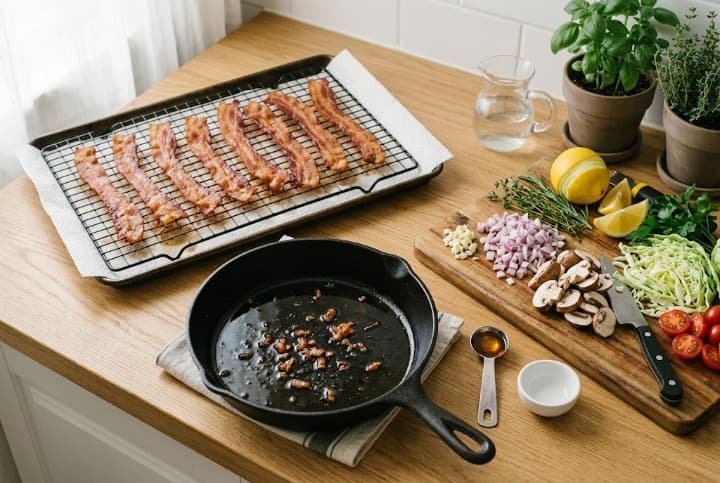
Many bacon dinner recipes turn out better when the bacon is cooked separately. This method is especially useful for creamy pasta, fried rice, soups, casseroles, stuffed potatoes, and any dish where crisp bacon is added as a finishing ingredient.
Once cooked, transfer the bacon to a wire rack or a paper towel-lined plate. A rack allows air to circulate underneath and usually keeps the bacon crisper, while paper towels are convenient for absorbing excess surface fat.
Keep some of the bacon separate until serving. Adding every piece to a moist sauce, soup, or casserole too early can soften its texture and make the dish feel greasier than necessary.
Use Rendered Bacon Fat Selectively
Rendered bacon fat can be useful for softening onions, browning mushrooms, or building flavor in cabbage, potatoes, and soup vegetables. However, the entire amount left in the pan is rarely needed.
Start with a measured teaspoon or small spoonful, then add more only if the ingredients require it. Recipes that already contain cream, butter, ground beef, or cheese usually need very little additional bacon fat.
If visible grease collects on the surface of a skillet, soup, or casserole, remove it with a spoon before serving. This keeps the savory flavor while improving the finished texture.
Allow unused bacon fat to cool before transferring it to a heat-safe container. Refrigerate it if saving it for another use, or let it solidify and place it in the trash. Do not pour hot grease down the sink.
Add Fresh or Acidic Ingredients
Fresh and acidic ingredients provide contrast to salty, rich bacon dishes. Tomatoes, vinegar, lemon juice, pickles, leafy vegetables, and herbs can make a meal taste brighter without hiding the bacon.
Cider vinegar works particularly well in cabbage and bean dishes. Tomatoes add freshness to pasta sauces and casseroles, while lemon can lift lighter chicken, spinach, and vegetable-based meals. Pickles balance cheeseburger-style recipes, and herbs such as parsley, chives, or basil add a clean finish to soups and baked potatoes.
Add acidic ingredients gradually and taste as you go. A small amount should sharpen the overall flavor, not make the dish noticeably sour.
Reduce Other Salty Ingredients
Bacon already contributes salt, so the remaining ingredients should be seasoned with care. Choose low-sodium broth for soups, chowders, rice bakes, and casseroles whenever possible.
Packaged ingredients such as ranch seasoning, canned soup, bottled sauces, salted butter, and cured meats can increase the sodium level quickly. Check labels and use smaller amounts when bacon is already a major part of the recipe.
Add Parmesan, cheddar, pecorino, and other salty cheeses gradually, tasting before adding more. Pasta water should also be salted more lightly when the sauce contains bacon and cheese.
Seasoning in stages is safer than adding a full amount at the beginning. Extra salt can always be added before serving, but it is difficult to correct a dish that is already too salty.
What to Serve with Bacon Dinners
The best side dish depends on the richness of the main meal. Creamy bacon pasta, cheesy casseroles, and bacon-wrapped meatloaf usually pair best with fresh vegetables or acidic salads. Lighter chicken dishes, broth-based soups, and cabbage skillets work well with more substantial sides such as rice, bread, or roasted potatoes.
A well-chosen side should balance the saltiness and richness of bacon without repeating the same ingredients already used in the main dish.
Fresh Vegetable Sides
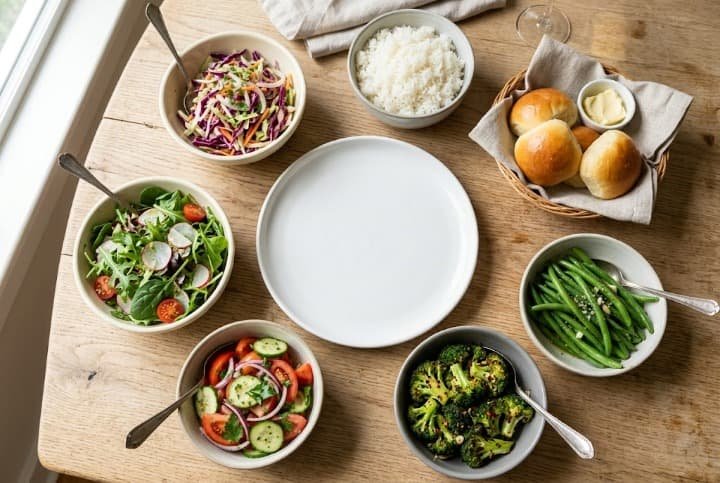
A crisp green salad is one of the easiest pairings for rich bacon dinners. Lettuce, cucumber, tomatoes, and a light vinaigrette add freshness without introducing more cheese, cream, or heavy seasoning.
Tomato cucumber salad is especially useful beside creamy pasta, cheeseburger casserole, or stuffed potatoes. The juicy vegetables and vinegar-based dressing cut through the richness and keep the plate from feeling too heavy.
For a warm side, choose roasted broccoli, green beans, or Brussels sprouts. Season them lightly, then finish with lemon juice or a small splash of vinegar. This adds brightness without competing with the main dish.
Bread, Rice and Potato Sides
Garlic bread and dinner rolls pair naturally with bacon soups, chowders, and lighter chicken recipes. They make the meal more filling and are useful for soaking up broth or sauce.
Plain rice is a good match for creamy garlic chicken, sheet-pan chicken, or cabbage skillets. Keep the seasoning simple because the bacon and sauce already provide plenty of flavor.
Roasted potatoes work best with lighter chicken or bean-based meals. Avoid serving them with loaded potato casserole or stuffed baked potatoes, where the repeated potato base would make the dinner feel too heavy.
Fresh and Acidic Pairings
Vinegar-based slaw is a strong choice for sliders, tacos, meatloaf, and cheeseburger casserole. Its crisp texture and sharp dressing provide contrast to rich meat, cheese, and bacon.
Steamed vegetables such as broccoli, carrots, peas, or green beans also work well with mac and cheese or creamy pasta. They add color and texture without introducing another heavy sauce.
Fruit salad can suit casual family dinners such as wraps, sliders, or soft tacos. Choose fresh fruit such as oranges, berries, pineapple, or grapes, and avoid thick sugary dressings that may compete with the savory meal.
In general, serve rich bacon pasta and casseroles with fresh or acidic sides. Pair lighter chicken dishes, soups, and vegetable-based dinners with bread, rice, or potatoes when the meal needs more substance.
Storing and Reheating Bacon Dinners
Different bacon dinners need different storage and reheating methods. Creamy pasta can thicken in the refrigerator, casseroles may dry around the edges, dairy-based soups can separate after freezing, and crisp bacon toppings usually soften when stored with moist food.
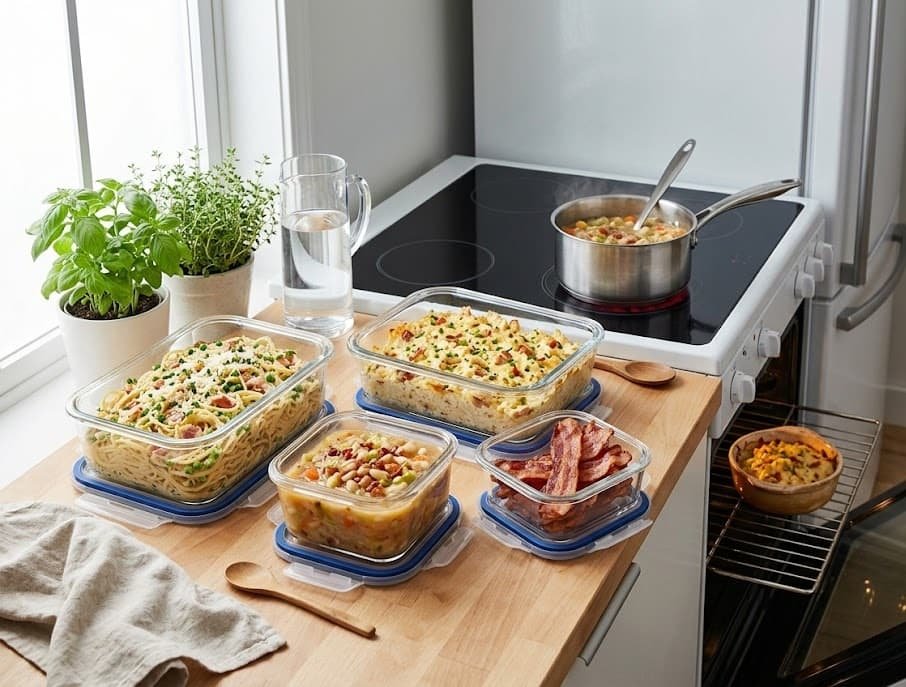
Divide leftovers into shallow, airtight containers and refrigerate them promptly. Do not wait for a large casserole dish or full soup pot to become completely cold on the counter. Smaller portions cool faster and are easier to reheat safely.
Pasta and Casseroles
Store bacon pasta and casseroles in sealed containers rather than leaving them uncovered in the original baking dish. Large casseroles should be divided into smaller portions before refrigeration so the center cools more quickly.
Creamy pasta sauces often become thicker as the noodles absorb moisture. Add a small splash of milk, broth, or water before reheating, then warm the pasta gently. Stir when possible so the sauce loosens evenly instead of drying around the edges.
Tomato-based pasta usually needs less added liquid, although a spoonful of water or sauce may help if the noodles have absorbed most of the moisture.
Casseroles reheat more evenly when covered in the oven. Remove the cover during the final few minutes if the cheese topping or edges need to brown again.
Soups
Do not leave a large pot of soup at room temperature until it is fully cold. Transfer it into shallow containers so it can cool more quickly in the refrigerator.
Broth-based bean and vegetable soups usually freeze better than soups made with large amounts of milk or cream. Creamy potato soup and corn chowder may separate or develop a slightly grainy texture after thawing. Gentle reheating and regular stirring can improve the consistency, although the texture may not return completely to its original state.
Potatoes and pasta can also soften during freezing. When preparing a soup specifically for the freezer, consider freezing the broth and vegetable base before adding cream, pasta, or crisp bacon toppings.
Rice-Based Bacon Dinners
Cool fried rice and rice casseroles promptly and store them in shallow containers. Do not leave cooked rice sitting at room temperature for an extended period.
Reheat only the portion you plan to eat, and make sure the rice is steaming hot throughout. Stirring halfway through microwave reheating helps eliminate cold spots and gives the rice a more even texture.
Rice can dry in the refrigerator, so add a small splash of water or broth before reheating. Covering the container loosely helps trap enough steam to soften the grains.
Crispy Bacon Toppings
Store crisp bacon separately whenever possible. Bacon mixed directly into soup, sauce, or casserole leftovers absorbs moisture and quickly loses its texture.
Allow the cooked bacon to cool, then refrigerate it in a separate sealed container. Add it after the main dish has been reheated.
A short warm-up in a dry skillet or oven can improve the texture, although refrigerated bacon may not become quite as crisp as it was when freshly cooked. Watch it closely because small pieces can burn quickly.
Reheating Bacon Dinners
The oven is usually the best option for casseroles, meatloaf, stuffed potatoes, and pasta bakes. Cover the dish during most of the reheating time so the center warms without the surface drying out, then uncover it briefly if the top needs browning.
The stovetop works well for soups, chowders, skillet dinners, and sauced pasta. Use low or medium-low heat, stir frequently, and add a little liquid when the sauce or broth has thickened.
The microwave is convenient for individual servings. Cover the food loosely, heat it in shorter intervals, and stir or rotate it halfway through. Check the center rather than only the edges, since thick casseroles and pasta dishes can heat unevenly.
Reheat only the amount you need instead of repeatedly warming and cooling the full batch. Check the storage notes on each complete recipe because dishes containing poultry, dairy, rice, pasta, meat, or vegetables may not keep equally well.
Frequently Asked Questions
What can I make with bacon for dinner?
Bacon works well in creamy pasta, chicken skillets, casseroles, soups, fried rice, stuffed potatoes, tacos, and one-pan dinners. It pairs especially well with chicken, beef, beans, pasta, potatoes, and vegetables. Because its flavor is concentrated, a relatively small amount can season several portions.
What main dishes go well with bacon?
Chicken, ground beef, white beans, pasta, potatoes, and roasted vegetables all pair well with bacon. Chicken and beef provide substance, beans and vegetables balance the richness, and pasta or potatoes create a filling base. Bacon can be folded into the dish, cooked into the sauce, or added as a crisp topping.
Can bacon be the main ingredient in dinner?
Bacon can be a prominent ingredient, but it usually works better as part of a larger meal. Pairing it with chicken, beans, vegetables, rice, pasta, or potatoes gives the dish more substance and variety while keeping the bacon from making the meal overly salty or greasy.
What can I make with leftover cooked bacon?
Leftover cooked bacon can be used in fried rice, wraps, soups, pasta, stuffed potatoes, salads, flatbreads, and casseroles. Keep it refrigerated in a sealed container, then add it near the end of cooking or just before serving. This helps it retain more texture in moist dishes.
Which vegetables taste good with bacon?
Cabbage, broccoli, Brussels sprouts, corn, spinach, mushrooms, and green beans all pair well with bacon. Spinach and mushrooms suit pasta and chicken dishes, while cabbage and green beans work well in skillets. Potatoes are also a useful filling base for soups, casseroles, and baked dinners.
How do I keep bacon crispy in a casserole?
Cook the bacon separately and mix only part of it into the casserole filling. Reserve the rest for the top, adding it during the final few minutes of baking or immediately after the dish comes out of the oven. Keeping some bacon away from the moist filling helps preserve its crispness.
Can bacon dinner recipes be made ahead?
Pasta bakes, casseroles, soups, meatloaf, and stuffed chicken can often be prepared ahead. Store crisp bacon toppings separately and add them after reheating. Wraps, tacos, and salads are better assembled shortly before serving because tortillas, lettuce, and fresh vegetables can soften during storage.
What is a quick bacon dinner for a busy night?
Creamy bacon pasta, bacon fried rice, chicken bacon wraps, and a bacon cheeseburger skillet are practical options for a busy evening. When made with cooked bacon, leftover rice, rotisserie chicken, frozen vegetables, or quick-cooking pasta, these meals can often be ready in around 30 minutes.
Final Thoughts
Bacon can add smoky flavor and crisp texture to pasta, chicken, soups, casseroles, skillets, and oven-baked dinners. The best bacon recipes for dinner are the ones that fit your schedule, cooking method, and available ingredients.
Choose a quick stovetop meal for a busy night or a casserole, soup, or meatloaf when you have more time. Start with the recipe that uses ingredients already in your kitchen, and use bacon to support the dish rather than overpower it.