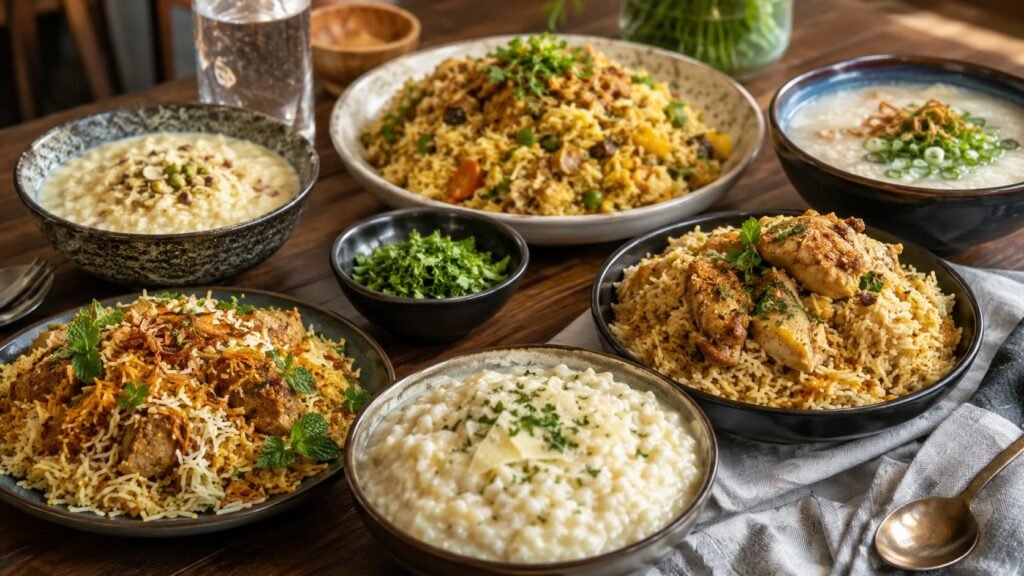
Easy slow-cooked rice dishes are comforting, budget-friendly meals you can make with simple ingredients. Rice is filling, flexible, and easy to turn into a complete lunch or dinner with broth, vegetables, spices, beans, chicken, seafood, or leftovers you already have in the kitchen.
Slow-cooked rice dishes are rice-based meals cooked gently with liquid, seasonings, vegetables, or protein until the grains absorb flavor and become tender. They can be creamy like risotto, soft and soothing like congee, fluffy and savory like pilaf, or sweet and rich like rice pudding.
The best thing about rice is how much it changes depending on the cooking method. Some slow-cooked rice recipes are made low and slow on the stovetop, some work well as slow cooker rice recipes, and others come together in one pot with steady heat and a little patience. Slow-cooked does not always mean difficult or all-day cooking. It usually means giving the rice enough time to absorb flavor properly.
These rice dishes for lunch and dinner do not have to be complicated. A good rice dish can stretch simple ingredients into a warm family meal, a filling lunch, or an easy dinner. Broth, garlic, onions, herbs, vegetables, spices, and even cooked leftovers can turn plain rice into something much more satisfying.
If you enjoy one-pot rice dishes, this guide will help you understand which styles are worth making and why they work. From creamy risotto and soft rice porridge to spiced rice, chicken and rice, vegetable rice, and slow-cooked comfort meals, these ideas are made for real lunches and dinners that feel warm, practical, and satisfying.
What Are Slow Cooked Rice Dishes?
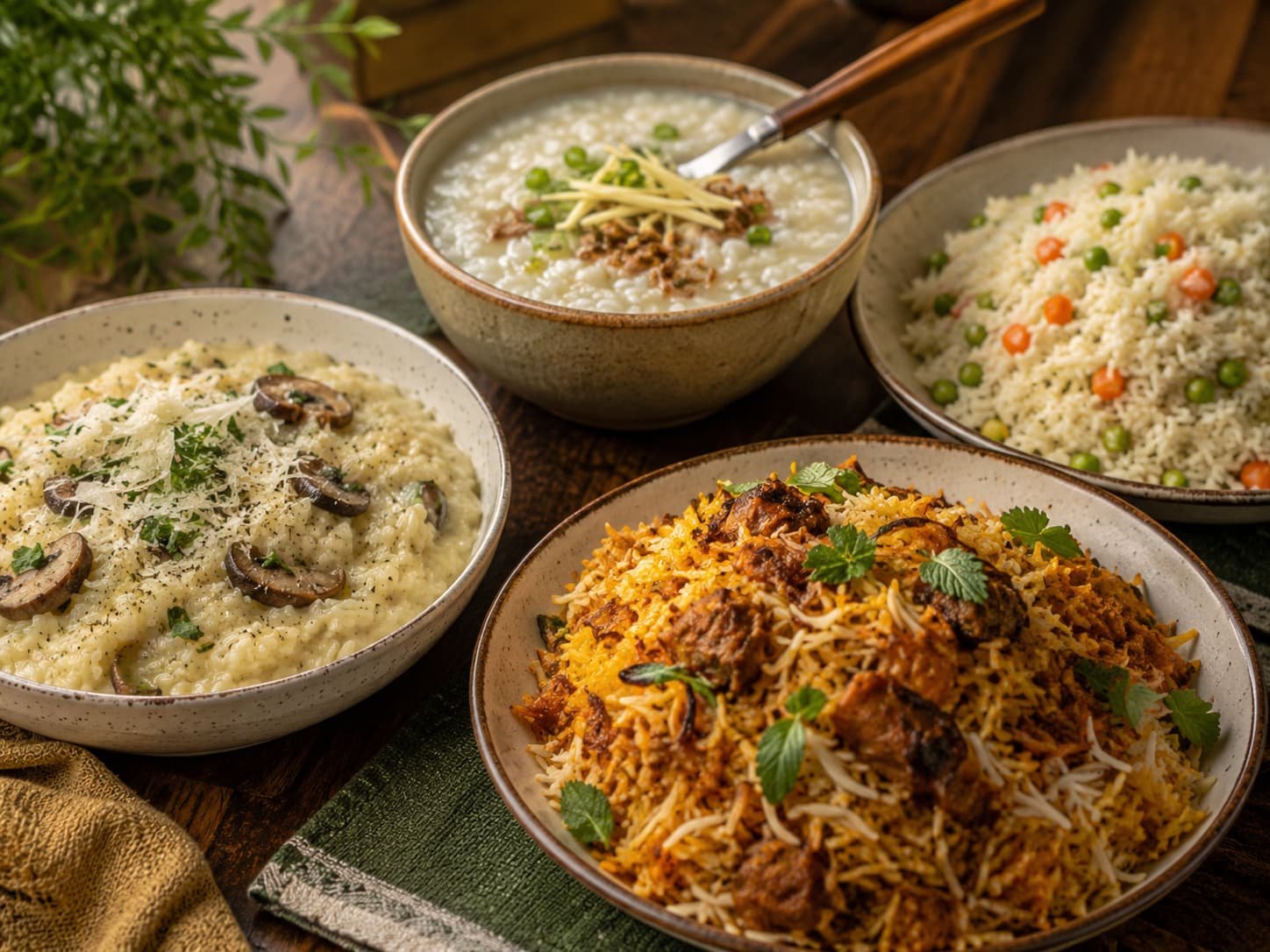
Slow-cooked rice dishes are meals where rice is cooked gently with liquid, seasoning, and other ingredients until the grains become tender and flavorful. Instead of boiling plain rice quickly and serving it on the side, the rice cooks with broth, spices, vegetables, proteins, or aromatics so it absorbs more flavor as it softens.
Some slow-cooked rice dishes are creamy. Risotto is a good example because the rice slowly releases starch while it absorbs warm broth, creating a smooth and rich texture without needing heavy cream. These kinds of comfort rice recipes are best when the rice is stirred carefully and cooked until tender, not mushy.
Other slow-cooked rice meals are softer and more soothing, like congee or rice porridge. In these dishes, rice cooks with extra liquid until it becomes warm, gentle, and spoonable. They are often served with toppings such as herbs, eggs, chicken, vegetables, or a little chili oil, depending on the flavor you want.
Some rice recipes for dinner are fluffy, savory, and spiced instead of creamy. Pilaf and biryani-style rice are good examples. The rice is cooked with aromatics, spices, broth, and sometimes vegetables or protein, but the grains should still stay separate and light. This style gives you a filling meal without making the rice heavy.
The main difference between slow-cooked rice and plain rice is flavor. Plain rice is usually cooked to be simple and neutral. Slow-cooked rice dishes are built to become part of the meal itself. The rice absorbs broth, seasonings, and juices from the other ingredients, which makes every bite more satisfying.
Why Slow Cooked Rice Dishes Are Great for Lunch and Dinner
Rice dishes for lunch and dinner work well because they are filling without being expensive. A small amount of rice can turn into a full meal when it is cooked with broth, vegetables, spices, beans, chicken, beef, seafood, or simple pantry ingredients. That makes slow-cooked rice dishes useful for busy weekdays, relaxed weekends, and family meals.
Another reason these meals are so practical is that they are easy to stretch. A pot of chicken and rice, vegetable pilaf, lentil rice, or congee can feed more people without needing complicated sides. If you are cooking for a family, these kinds of family rice meals can help you use what you already have instead of planning a completely new dish from scratch.
Slow-cooked rice also works well with leftovers. Cooked chicken, roasted vegetables, beans, herbs, broth, or a small amount of cooked meat can be folded into the dish and turned into something warm and satisfying. This is one reason meal prep rice dishes are useful for lunches, because the base can be made ahead and adjusted with different toppings or sides.
Many easy rice dishes also fit naturally into one-pot cooking. The rice cooks with the liquid and seasonings, so the flavor builds as everything simmers together. One-pot rice dishes are especially helpful when you want a meal that feels homemade but does not leave the kitchen full of pans.
The comfort food appeal is another reason these dishes stay popular. Creamy risotto, soft congee, spiced rice, chicken and rice, and savory vegetable rice all feel warm and complete. They are simple meals, but when the rice has enough time to absorb flavor, they can taste much richer than the ingredients suggest.
Before choosing a recipe, it helps to understand which rice gives the texture you want. Some rice is better for creamy meals, some is better for fluffy grains, and some needs more time and liquid to cook properly.
Best Rice Types for Slow-Cooked Dishes
The right rice for slow cooking depends on the kind of dish you want to make. Some rice varieties are better for creamy dishes, while others are better for fluffy, separate grains. Choosing the right rice helps the dish cook evenly and keeps the texture from turning too sticky, dry, or mushy.
Arborio rice is the classic choice for risotto because it releases starch as it cooks. That starch helps create a creamy texture while the grains stay slightly firm in the center. If you want a slow-cooked rice dish that feels rich and smooth, arborio rice is one of the best options.
Jasmine rice works well for soft, aromatic meals. It has a gentle fragrance and a slightly tender texture, which makes it useful for simple chicken and rice, vegetable rice, and some slow cooker rice dishes. It can become soft quickly, so it needs careful liquid control in longer recipes.
Basmati rice is better when you want fluffy, separate grains. It works especially well for biryani-style rice, pilaf, and spiced rice dishes because the grains stay light when cooked properly. For fluffy dishes, rinsing basmati rice before cooking can remove extra starch and help the grains stay separate.
Short-grain rice is useful when you want a softer or creamier texture. It can work well in rice porridge, creamy rice dishes, and some comfort-style meals where the grains are meant to be tender and slightly sticky. It is not the best choice when you want a dry, fluffy pilaf.
Brown rice dishes are heartier and more filling, but brown rice takes longer to cook than white rice. It has a nuttier flavor and firmer texture, so it works well with beans, mushrooms, vegetables, and stronger seasonings. Because it needs more time and liquid, it should not be swapped into every white rice recipe without adjusting the method.
Long-grain white rice is a good everyday option for chicken and rice, simple vegetable rice, and many family-style meals. These white rice dishes are usually easier to cook than brown rice dishes and can absorb broth and seasoning without becoming too heavy. Rinsing long-grain white rice can also help if you want a lighter, less sticky result.
Instant rice is not ideal for most slow-cooked rice dishes unless the recipe is specifically written for it. It cooks much faster than regular rice, so it can become mushy if it sits too long in broth or a slow cooker. Use instant rice only in quick recipes where it is added near the end.
Rice can also overcook in a slow cooker if it sits too long after becoming tender. For the best texture, check the rice near the end of cooking and switch the slow cooker to warm only when the dish is fully cooked.
Basic Tips Before You Start
Slow-cooked rice dishes are simple, but rice can change texture quickly if the liquid, heat, or timing is not right. Before you start, think about the kind of dish you want. A creamy rice dish needs a different method than fluffy rice, and a slow cooker meal needs more attention to timing than many people expect.
Do not add too much liquid at once unless the recipe is meant to be very soft, like congee or rice porridge. For fluffy rice or pilaf-style dishes, extra liquid can make the grains heavy and mushy. For creamy rice, such as risotto, liquid is usually added slowly so the rice can absorb it little by little.
For fluffy dishes, rinsing the rice first can remove extra starch and help the grains stay separate. This is especially useful with basmati rice, jasmine rice, and long-grain white rice. Creamy dishes such as risotto are different, because the starch helps create the soft texture.
Broth is one of the easiest ways to build flavor. Water can cook rice, but broth gives the dish more depth from the beginning. Chicken broth, vegetable broth, seafood stock, or beef broth can all work depending on the recipe. This is especially helpful in slow-cooked rice recipes where the rice has time to absorb the flavor as it cooks.
Seasoning also matters early. Rice can taste flat if all the salt and spices are added at the end. A better method is to season in layers, starting with aromatics like onion, garlic, ginger, or spices, then adding broth and adjusting again near the end. If your broth is already salty, season lightly at first so the final dish does not become too salty.
Stirring depends on the style of rice dish. Creamy rice dishes need occasional stirring because stirring helps release starch and keeps the texture smooth. Risotto is the best example. But if you are making fluffy rice, pilaf, or biryani-style rice, too much stirring can break the grains and make the dish sticky.
Delicate rice varieties should not be overcooked. Jasmine rice and some white rice dishes can become soft quickly, especially in longer slow cooker rice recipes. If the rice is already tender, stop cooking or switch the slow cooker to warm. Letting rice sit too long in hot liquid can turn a good weeknight rice meal into a mushy one.
Avoid opening the lid too often while rice is cooking. Every time the lid comes off, heat and steam escape, which can change the cooking time and affect the texture. This matters most for slow cooker rice recipes and covered stovetop rice dishes.
Fresh herbs are best added near the end. Parsley, cilantro, basil, mint, green onion, or dill can lose their fresh flavor if they cook for too long. Stir them in just before serving, or sprinkle them on top so the dish tastes brighter.
Let the rice rest before serving. Even 5 to 10 minutes can help the grains settle and absorb the last bit of moisture. This small step can make fluffy rice feel lighter and creamy rice feel smoother.
Leftovers should be cooled and stored properly. Rice should not sit at room temperature for more than 2 hours after cooking. Once it cools slightly, store it in an airtight container in the fridge and reheat it until steaming hot. Add a small splash of broth or water when reheating so the rice does not dry out.
Easy Slow-Cooked Rice Dishes to Try
Once you understand the basic method, slow-cooked rice becomes easy to turn into many different meals. Some dishes are creamy and rich, some are fluffy and spiced, and others are soft enough to eat with a spoon. The best choice depends on what you have in the kitchen, how much time you have, and whether you want lunch, dinner, meal prep, or something comforting for the whole family.
Creamy Slow Cooked Risotto
Risotto is one of the classic slow cooked rice dishes because it depends on gentle cooking and gradual liquid absorption. Arborio rice is usually used because it releases starch as it cooks, which gives the dish its creamy texture without needing heavy cream.
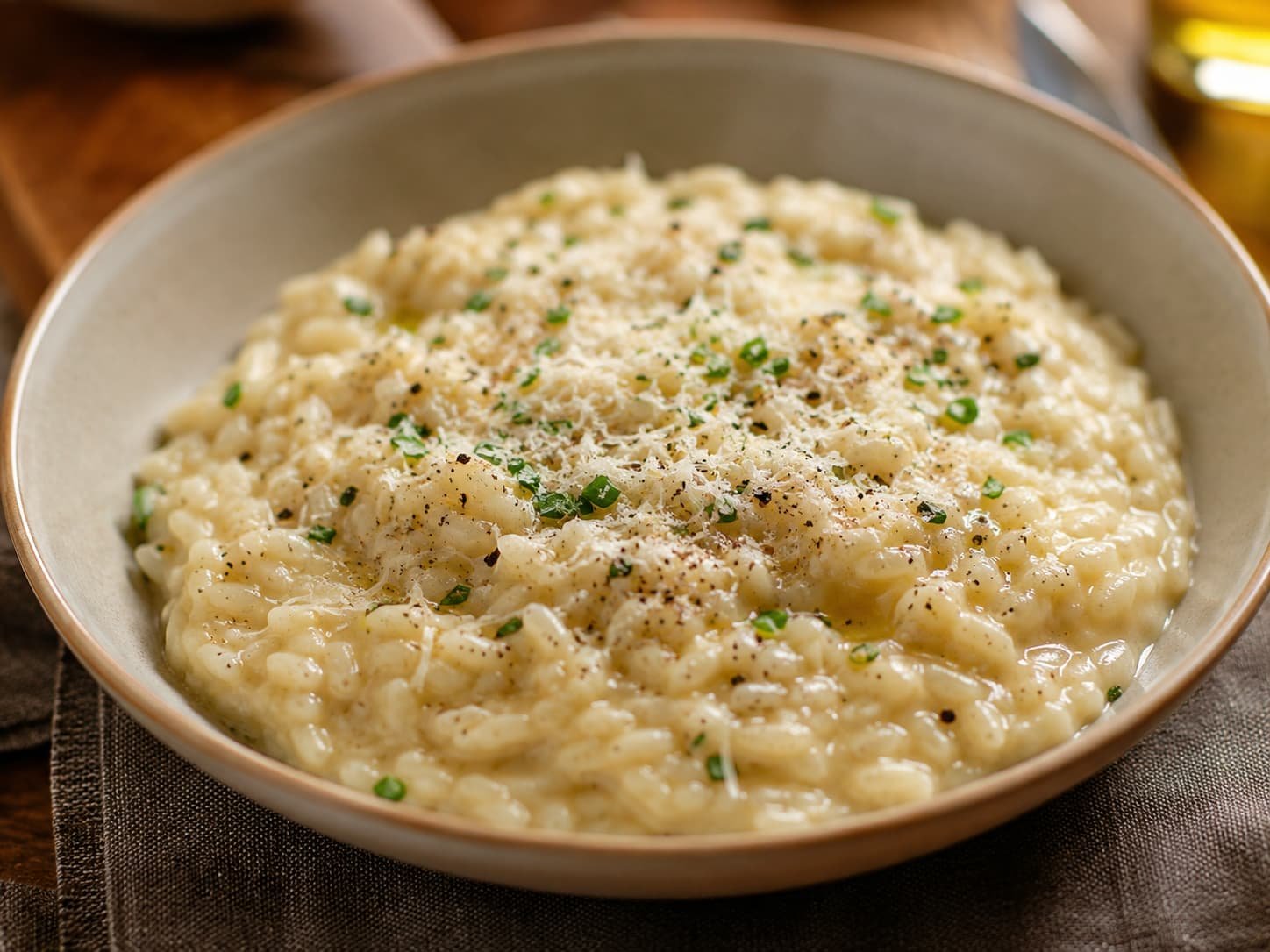
A creamy risotto can be made with mushrooms, peas, chicken, seafood, parmesan, or simple herbs. The main idea is to add warm broth slowly and stir often enough to help the rice become smooth. If you are using a slow cooker risotto method, the process is more hands-off, but the rice still needs to be checked near the end so it does not become too soft.
Risotto is also the dish many crossword solvers think of when they see a clue about slow cooked rice dishes crossword, but in the kitchen, it is better known for its creamy texture and steady cooking method. It works well for lunch or dinner when you want something warm, rich, and satisfying without making a complicated meal.
Chicken and Rice
Chicken and rice is one of the easiest slow-cooked meals for lunch or dinner. It usually starts with onions, garlic, broth, rice, and chicken, then builds flavor as everything cooks together. The rice absorbs the broth and the juices from the chicken, which makes the dish taste fuller than plain rice served on the side.
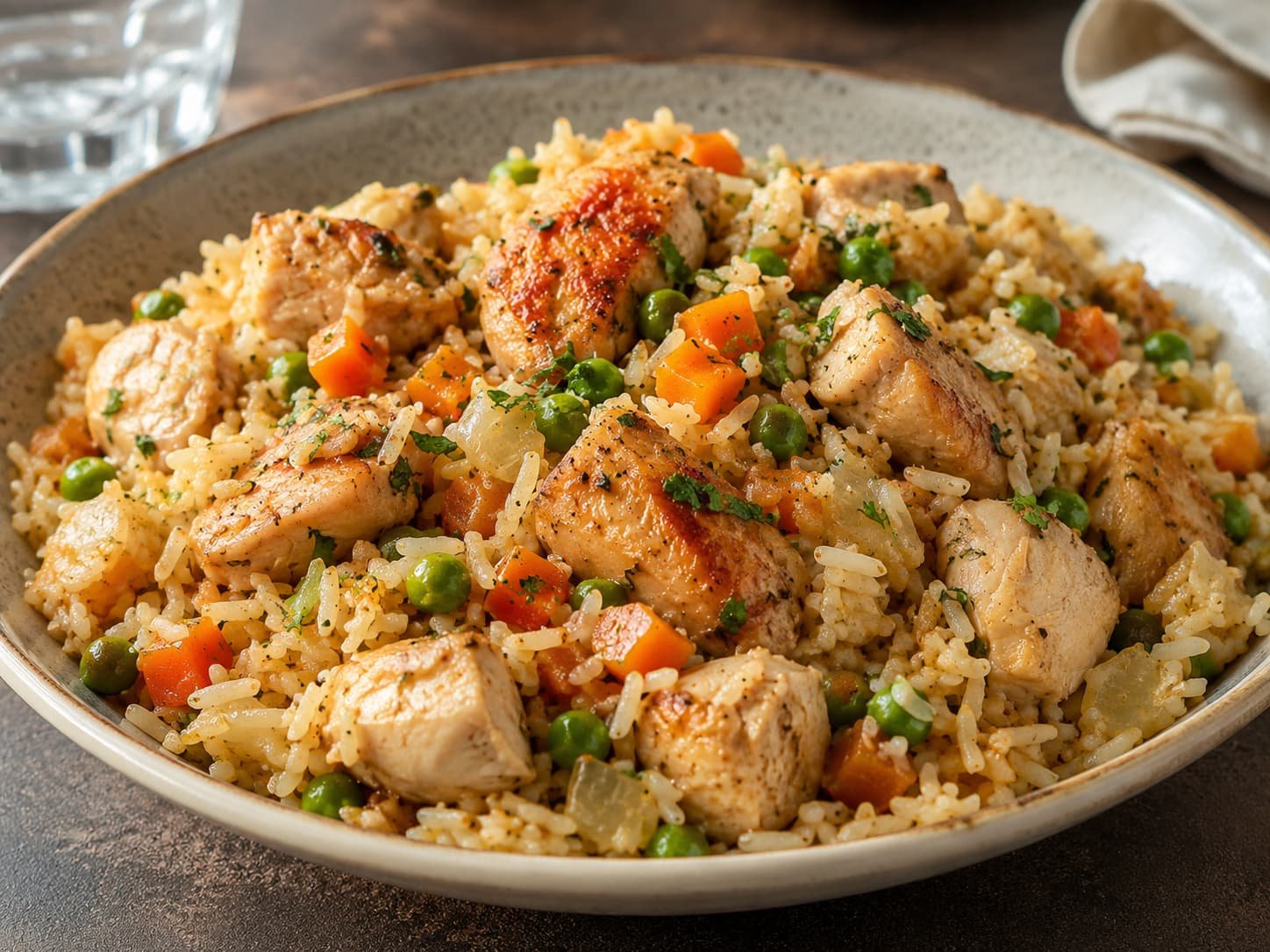
This is one of the most useful rice recipes for dinner because it can be adjusted with whatever vegetables you have. Carrots, peas, celery, mushrooms, spinach, bell peppers, or green beans can all work. Bone-in chicken gives deeper flavor, while boneless chicken makes the dish easier to serve.
For family rice meals, chicken and rice is practical because it is filling, simple, and easy to stretch. A small amount of chicken can flavor a full pot of rice, and leftovers can be packed for lunch the next day. Serve it with a green salad, roasted vegetables, pickles, or yogurt sauce if you want to make the plate feel fresher.
Vegetable Rice Pilaf
Vegetable rice pilaf is a good choice when you want something light, fluffy, and savory. Unlike creamy rice dishes, rice pilaf is usually cooked so the grains stay separate. The rice is often toasted briefly with onion or butter, then cooked with broth and vegetables until tender.
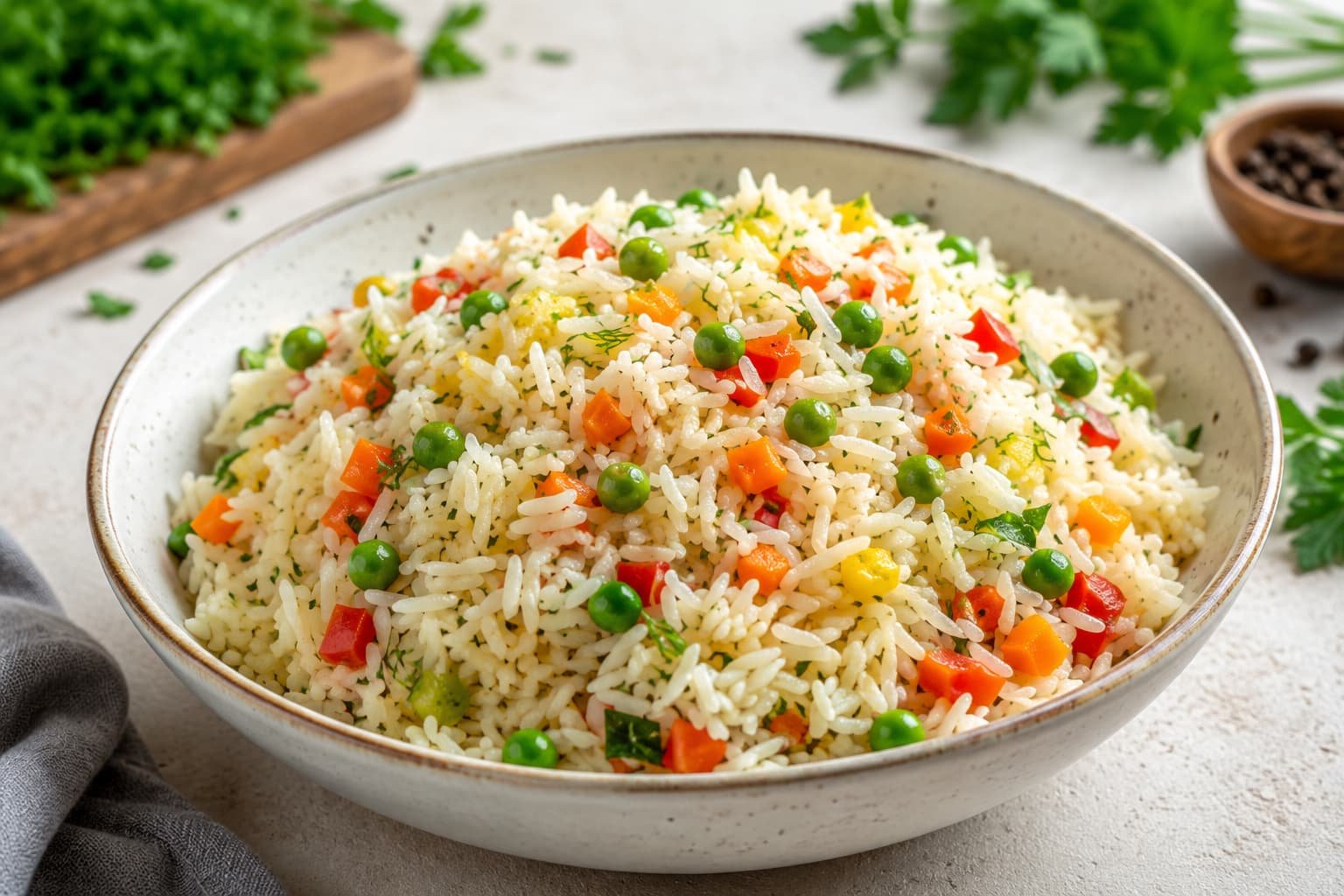
This type of vegetable rice works well with carrots, peas, mushrooms, bell peppers, corn, spinach, or zucchini. The flavor stays gentle, so it can be served as a side dish or turned into a simple main meal with beans, chickpeas, chicken, or fish.
Among easy rice dishes, pilaf is one of the most flexible. It does not need heavy sauce or complicated ingredients. Good broth, a few vegetables, and the right amount of liquid can make it taste balanced and complete.
Congee
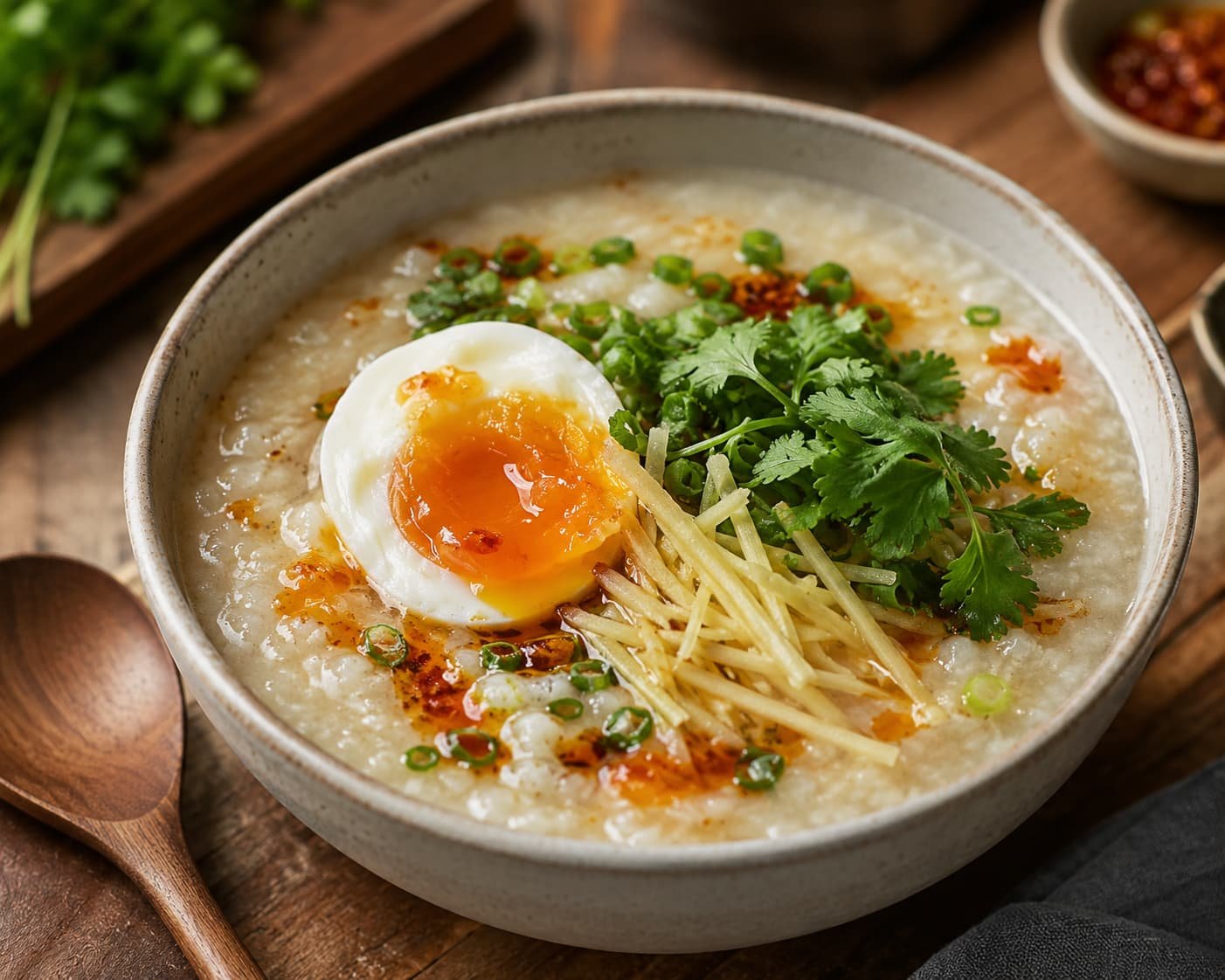
Congee is a soft rice porridge made by cooking rice with extra liquid until it becomes warm, smooth, and spoonable. It is one of the most comforting slow-cooked rice meals because the texture is gentle and the flavor can be kept simple or built up with toppings.
The base is usually rice and water or broth, but the toppings can change the whole dish. Chicken, soft-boiled eggs, green onions, ginger, mushrooms, herbs, chili oil, or sesame oil can all make congee more filling and flavorful.
If you are looking for comfort rice recipes, congee is one of the best examples. It is especially good when you want something warm, soft, and easy to eat, but it can also become a full lunch or dinner with the right toppings.
Biryani Style Slow Cooked Rice
Biryani style rice is inspired by the flavors of biryani, but it can be simplified for everyday home cooking. Instead of making a full traditional version, you can cook rice slowly with spices, aromatics, vegetables, and chicken, beef, seafood, or beans.
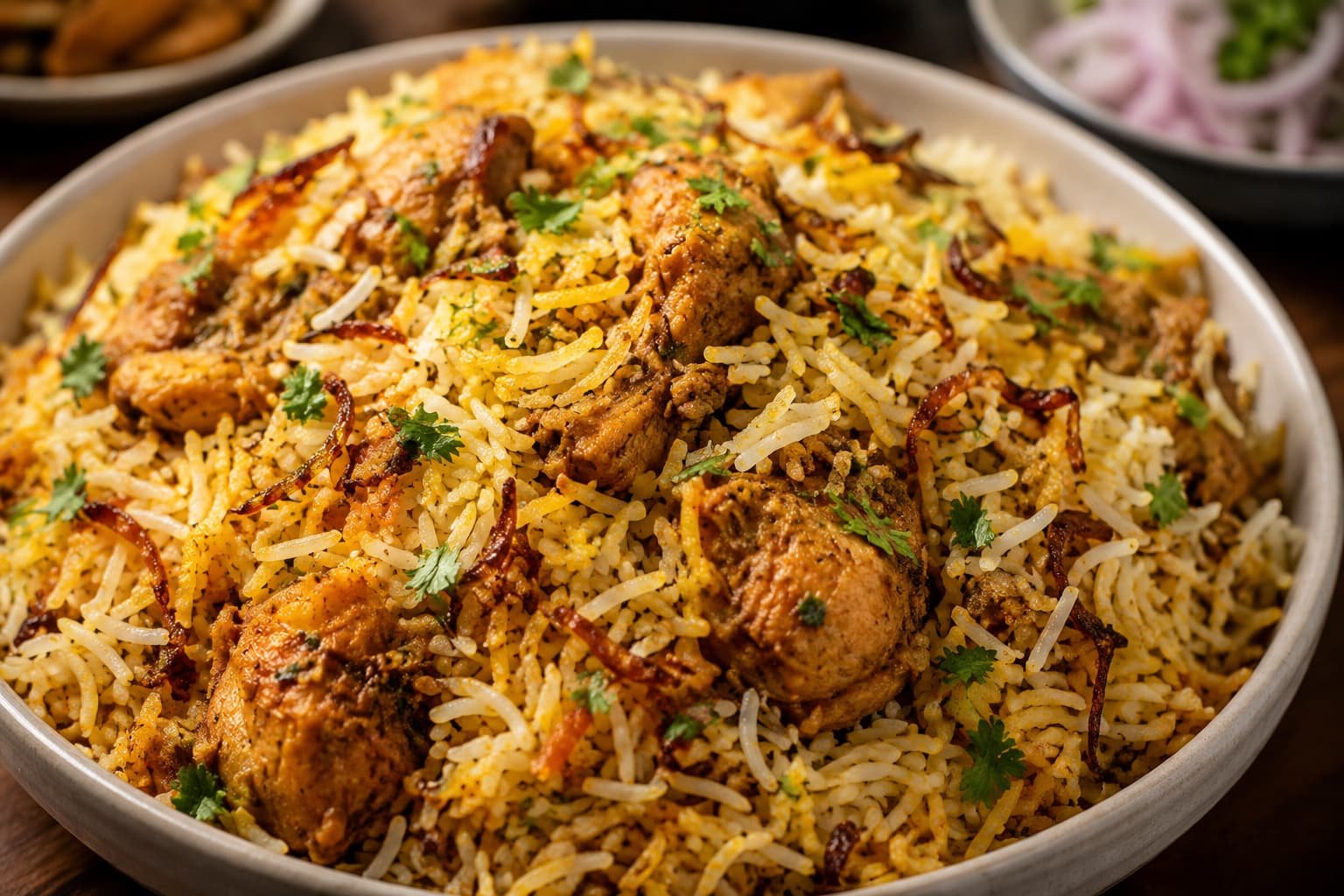
The flavor comes from ingredients like onion, garlic, ginger, cumin, coriander, turmeric, cardamom, cloves, cinnamon, and bay leaf. Basmati rice is usually a strong choice because it stays light and fragrant when cooked properly.
This kind of spiced rice works well as one of your one-pot rice dishes because it can become a full meal without needing many sides. The key is to keep the rice fluffy, not wet, and to let the spices season the dish without overpowering it. It pairs well with cucumber salad, yogurt, pickled onions, or a simple fresh herb chutney.
Jambalaya Style Rice
Jambalaya-style rice is a savory rice dish cooked with vegetables, seasoning, and optional chicken, sausage, or seafood. It is bold, filling, and useful when you want rice recipes for dinner that feel more complete than a simple side dish.
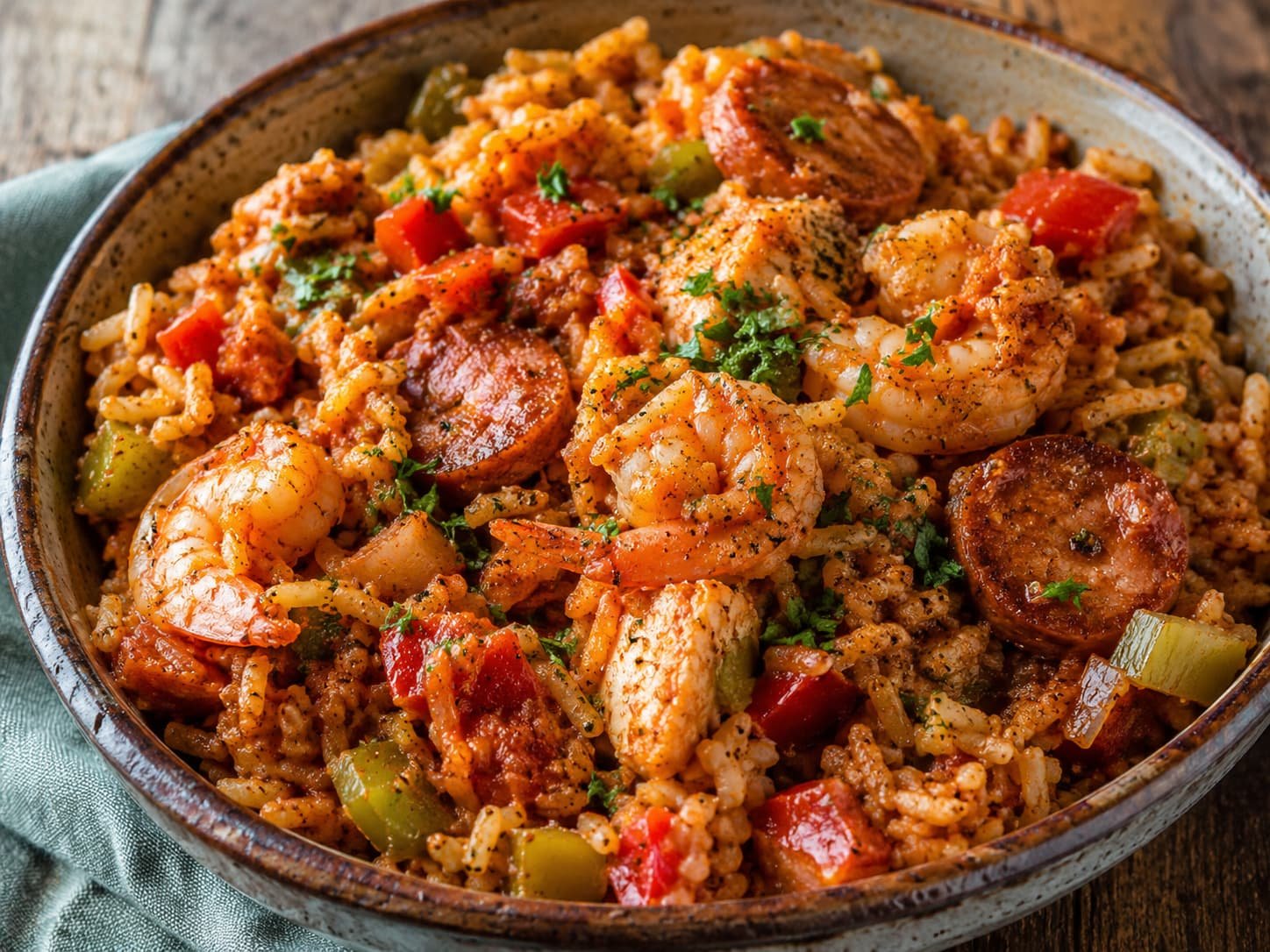
The base often includes onion, bell pepper, celery, garlic, broth, tomatoes, and seasoning. As the rice cooks, it absorbs the liquid and takes on the flavor of the vegetables and protein. Chicken makes it hearty, sausage adds richness, and seafood gives it a lighter but still flavorful finish.
This style of savory rice is good for family meals because it can be made in one pot and adjusted to match what you have. If you want it milder, use less spice. If you want more depth, let the aromatics cook well before adding the rice and broth. A crisp salad, roasted vegetables, or a squeeze of lemon can help balance the richness.
Lentil and Rice
Lentil rice is one of the best budget-friendly rice meals because both ingredients are filling, affordable, and easy to keep in the pantry. When cooked together with broth, onion, garlic, and spices, lentils and rice can become a complete meal without needing much else.
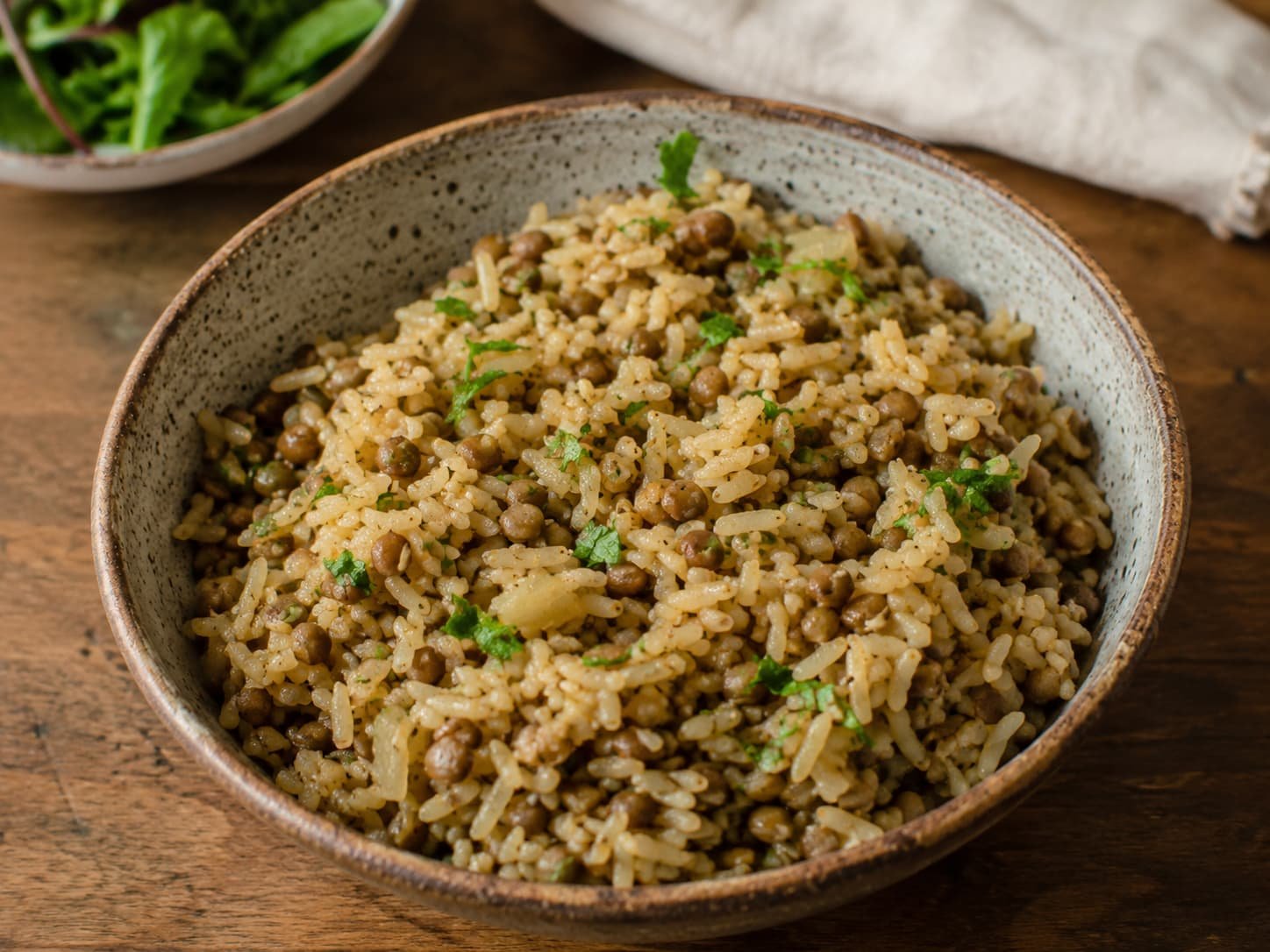
This dish works well for lunch, dinner, and meal prep rice dishes because it holds up well after cooking. You can serve it with yogurt, salad, roasted vegetables, pickles, or a simple sauce to make it feel fresh each time.
For the best texture, choose lentils that match the cooking time of the rice. Brown or green lentils usually hold their shape better, while red lentils become softer and can make the dish more creamy. Either style can work, depending on whether you want separate grains or a softer comfort meal.
Mushroom Rice
Mushroom rice is earthy, savory, and easy to serve as a side dish or a light meal. Mushrooms release moisture and deep flavor as they cook, which makes them a good match for slow-cooked rice.
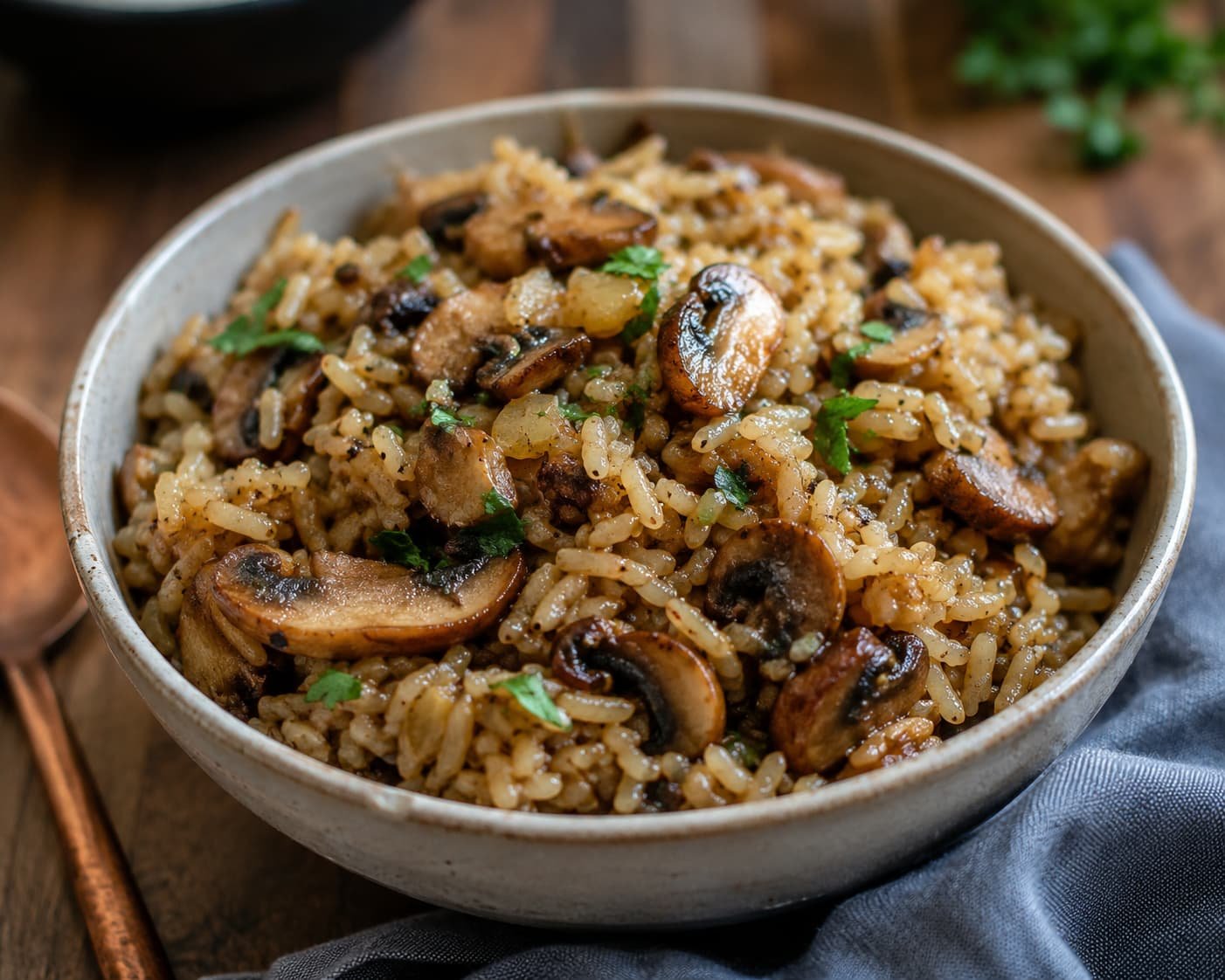
This dish usually starts with mushrooms, onion, garlic, butter or oil, and broth. The mushrooms should be cooked long enough to lose their raw taste before the rice is added. That small step makes the final dish taste richer and less watery.
Among easy rice dishes, mushroom rice is a strong option because it feels satisfying without needing meat. It can be served with roasted chicken, grilled fish, eggs, or a green salad, but it also works on its own with herbs and a little cheese.
Beef and Rice
A beef rice dish is a hearty dinner option when you want something filling and warm. Beef works well with rice because it adds richness to the broth, especially when cooked with onions, garlic, carrots, mushrooms, tomatoes, or herbs.
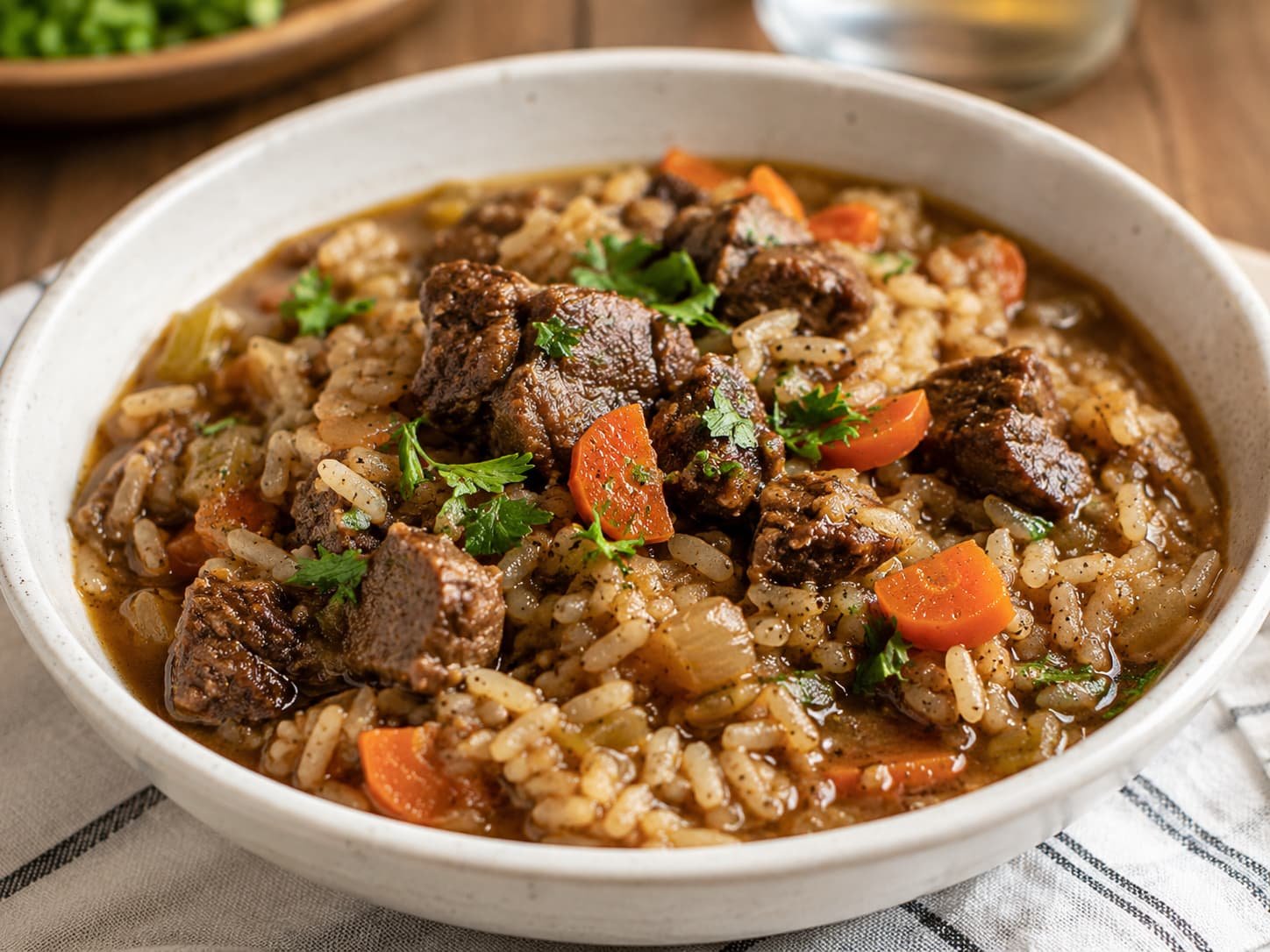
Ground beef makes the dish quick and simple, while stew meat or thinly sliced beef can give a deeper flavor if cooked slowly until tender. The rice should be added at the right time so it does not overcook before the beef is ready.
For family rice meals, beef and rice can be useful because it stretches a smaller amount of meat into a full dinner. It is one of those rice recipes for dinner that can feel comforting without needing a long list of ingredients. Serve it with steamed vegetables, a sharp salad, or pickles to keep the meal balanced.
Rice Pudding
For a sweet bonus idea, slow-cooked rice can also become rice pudding. It is made by cooking rice with milk, sugar, cinnamon, vanilla, and sometimes raisins or a little butter until it becomes soft and creamy.
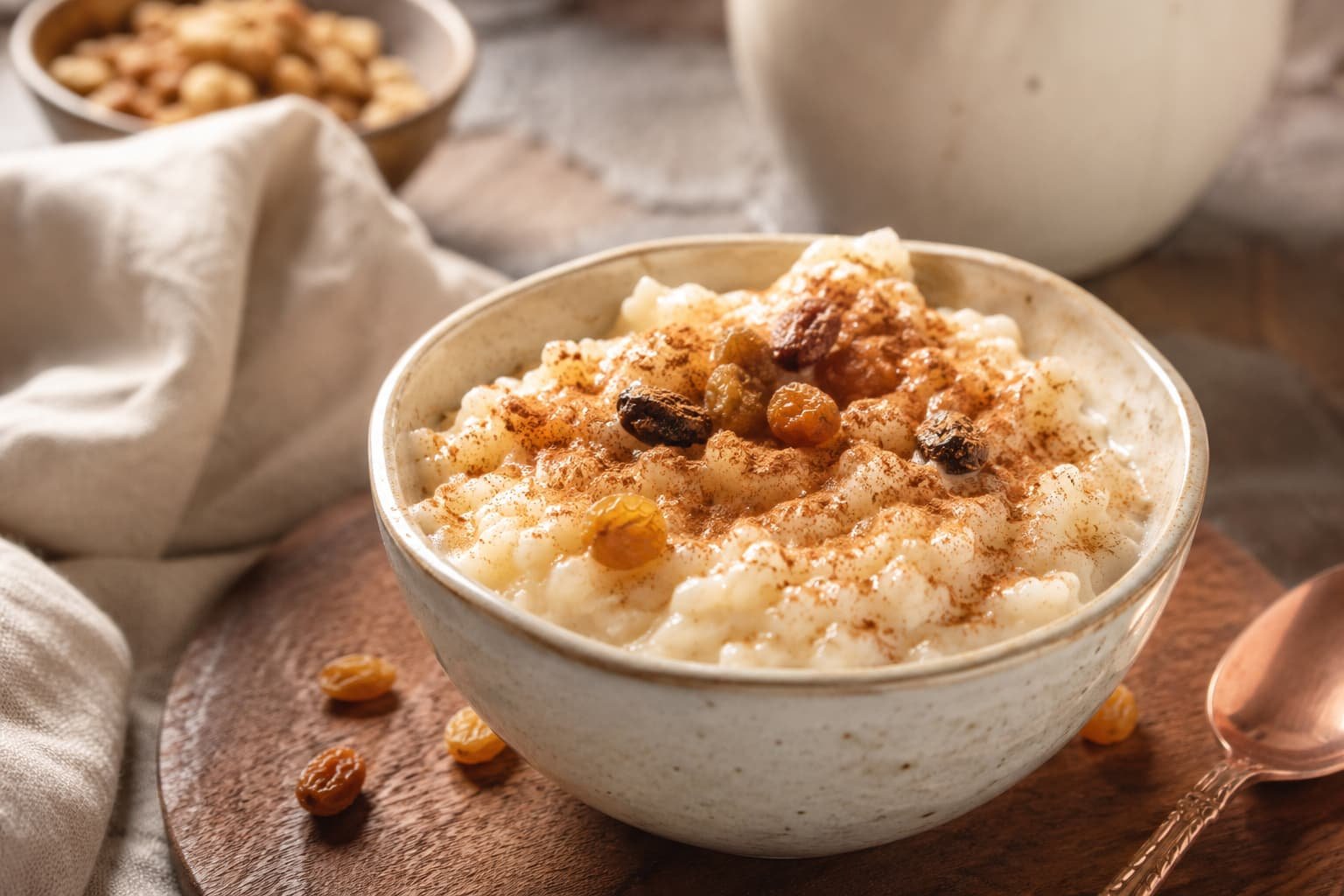
This is different from savory slow-cooked rice recipes, but it belongs in the same family because the rice slowly absorbs liquid and turns tender. Short-grain rice, medium-grain rice, or leftover cooked rice can all work, depending on the texture you want.
Rice pudding is classic comfort food because it is simple, warm, and easy to flavor. It can be served plain, topped with cinnamon, or finished with fruit, nuts, honey, or a spoonful of jam.
The best slow-cooked rice dish depends on the texture you want: creamy, fluffy, soft, spiced, hearty, or sweet. Once you understand the rice type and liquid balance, these meals become easy to adjust for lunch, dinner, leftovers, or simple family cooking.
How to Keep Slow Cooked Rice from Getting Mushy
Learning how to keep rice from getting mushy is one of the most important parts of making slow-cooked rice dishes. Rice can go from tender to too soft quickly, especially when it sits in hot liquid for too long. The goal is to match the rice type, liquid amount, and cooking time to the dish you are making.
Start by choosing the right rice. Arborio rice works well for creamy rice dishes like risotto because it releases starch and becomes smooth. Basmati or long-grain white rice is better when you want fluffy rice with separate grains. Short-grain rice, jasmine rice, and brown rice can all work too, but each one needs a different amount of liquid and time.
For fluffy rice dishes, rinsing the rice before cooking can remove extra starch and help the grains stay separate. This is especially useful for basmati rice, jasmine rice, and long-grain white rice. Creamy rice dishes are different because some starch is helpful, especially in risotto, where it helps create a smooth texture.
Measuring liquid carefully makes a big difference. Too much broth or water can make the rice heavy, wet, or sticky. Creamy dishes such as risotto and congee need more liquid, but fluffy rice dishes need just enough liquid to cook the grains without drowning them. If you are adjusting a recipe, start with the recommended amount of liquid and add more only if the rice looks dry before it becomes tender.
Stirring also depends on the dish. Risotto needs stirring because that helps release starch and creates a creamy texture. Congee can be stirred occasionally so it cooks evenly and does not stick to the bottom. But fluffy rice, pilaf, and biryani-style rice should not be stirred too much once the liquid is added, because over-stirring can break the grains and make the dish gluey.
Try not to lift the lid too often while the rice is cooking. Heat and steam help the rice cook evenly, and opening the lid repeatedly can change the cooking time and texture. This matters most for covered stovetop rice, slow cooker rice dishes, and one-pot meals where the rice depends on steady moisture.
Rice should also rest before serving. Once it is tender, turn off the heat and let it sit covered for a few minutes. This helps the grains settle and absorb the last bit of steam. Resting is especially helpful for fluffy rice because it makes the texture lighter and less wet.
Avoid cooking rice too long after it is already tender. This matters in slow cooker recipes, stovetop rice dishes, and one-pot meals. If the rice is soft and still sitting in hot broth, it will continue absorbing liquid and can become mushy. When the rice is done, stop cooking, switch the slow cooker to warm, or move the dish away from strong heat.
Delicate vegetables should be added near the end. Peas, spinach, zucchini, fresh herbs, and tender greens can become dull or watery if they cook for too long. Heartier vegetables like carrots, onions, mushrooms, and celery can cook earlier because they hold their texture better. Adding softer vegetables late keeps the rice dish fresher and prevents extra moisture from ruining the texture.
What to Serve with Slow-Cooked Rice Dishes
Slow-cooked rice dishes can be filling on their own, but the right side can make the meal feel brighter and more balanced. Since many rice dishes are warm, soft, or rich, they often pair best with something fresh, crisp, tangy, or lightly cooked.
A green salad is one of the easiest sides for rice dishes for lunch and dinner. Crisp lettuce, cucumber, tomato, herbs, and a light dressing can balance creamy risotto, chicken and rice, mushroom rice, or lentil rice. The fresh texture keeps the meal from feeling too heavy.
Roasted vegetables are another good choice, especially with savory rice or a one-pot dinner. Roasted carrots, cauliflower, broccoli, eggplant, peppers, or sweet potatoes add color and deeper flavor. They work well beside spiced rice, biryani-style rice, beef and rice, or simple vegetable rice.
Grilled chicken or fish can turn a rice dish into a more complete meal. A light piece of grilled chicken works well with pilaf, mushroom rice, or vegetable rice. Fish pairs nicely with jasmine rice, lemony rice, or lightly seasoned rice dishes because it keeps the plate from feeling too rich.
Yogurt sauce is useful with spiced rice and family rice meals. Plain yogurt mixed with a little salt, lemon juice, cucumber, garlic, or herbs can cool down stronger flavors and make the meal feel fresher. It works especially well with biryani-style rice, lentil rice, beef and rice, or any rice dish with warm spices.
Pickles can also help balance slow-cooked rice. Their sharp flavor cuts through creamy rice, rich meat dishes, and deeply seasoned rice meals. Pickled onions, cucumber pickles, olives, or quick homemade pickles can make a simple rice bowl taste more complete.
Flatbread is a good side when the rice dish is saucy, spiced, or served with yogurt. It can make the meal feel more filling without needing another cooked side. This works well for a weeknight rice meal when you want something easy but still satisfying.
Steamed vegetables and simple soup are lighter options. Steamed green beans, broccoli, peas, or carrots keep the meal clean and easy. A simple soup can work well with congee, chicken and rice, or vegetable rice when you want something warm but not too heavy.
For rice pudding, simple sweet toppings work better than savory sides. Fresh fruit, toasted nuts, cinnamon, honey, or a small spoon of jam can make it feel finished without making it too heavy.
The best side depends on the rice dish. Creamy rice usually needs something fresh or crisp, while fluffy or spiced rice works well with yogurt, pickles, grilled protein, or roasted vegetables. A good side should support the rice, not cover its flavor.
How to Store and Reheat Slow-Cooked Rice
Slow-cooked rice can be useful for meal prep rice dishes, but it needs to be cooled, stored, and reheated properly. Cooked rice should not sit at room temperature for more than 2 hours after cooking. Once the meal is finished, let the rice cool slightly, then move it into storage instead of leaving it on the counter.
For the best texture and safer storage, spread leftover rice into a shallow container so it cools faster. A deep pot of rice can hold heat for a long time, and the center may stay warm too long. Once the rice is no longer steaming heavily, place it in an airtight container and refrigerate it.
Leftover rice should be kept in the fridge and used within 3 to 4 days. This works well for make-ahead rice, lunch bowls, quick dinners, and an easy lunch rice dish the next day. If the rice smells off, becomes slimy, or looks unusually wet, it is better to throw it away.
When reheating rice, add a small splash of broth or water first. Slow-cooked rice can dry out in the fridge because the grains continue to firm up as they cool. A little moisture helps bring back a softer texture without making the rice watery.
Reheat rice until it is steaming hot all the way through. This matters whether you are using the microwave, stovetop, or oven. If you are reheating a creamy rice dish, stir it gently and add a little extra broth, milk, or water as needed. Creamy rice dishes may thicken sooner in the fridge, so they usually need more moisture than fluffy rice.
For fluffy rice, add only a small amount of liquid and cover it while reheating so steam can soften the grains. Too much water can make the rice wet again, especially if it was originally cooked as pilaf, biryani-style rice, or a one-pot rice meal.
If you are storing a rice dish with chicken, beef, seafood, beans, or vegetables, keep everything sealed and cold until you are ready to eat. Rice dishes with seafood are best eaten sooner and reheated gently so the seafood does not become tough. For packed lunches, use an insulated bag or ice pack if the rice will be away from the fridge for a while.
Try to reheat only the portion you plan to eat. Reheating the same batch again and again can make the texture worse and may reduce quality. Keeping leftovers in smaller containers makes this easier and helps make-ahead rice stay fresher.
Common Mistakes to Avoid
Using the Wrong Rice
One of the most common mistakes in slow-cooked rice recipes is using the wrong rice for the dish. Arborio rice works well for risotto, but it is not the best choice for fluffy pilaf. Basmati and long-grain rice are better when you want separate grains, while short-grain rice is better when you want a softer or creamier texture.
Adding Too Much Liquid
Adding too much liquid is another easy mistake. Rice needs enough liquid to cook, but too much broth or water can make the finished dish heavy and mushy. This is especially important in one-pot rice dishes, where the rice cooks along with vegetables, meat, or beans and absorbs moisture from more than one ingredient.
Not Seasoning the Broth
Not seasoning the broth can make the dish taste flat. Rice absorbs liquid as it cooks, so the flavor of the broth becomes the flavor of the rice. If the broth is bland, the finished rice will usually be bland too. Taste the broth before cooking and season it lightly, especially if you are adding salty ingredients later.
Over-Stirring Fluffy Rice
Over-stirring fluffy rice can break the grains and make the dish sticky. Pilaf, biryani-style rice, and many easy rice dishes need a gentler cooking method so the grains stay separate. Once the liquid is added, stir only when the recipe needs it.
Not Stirring Creamy Rice Enough
Creamy rice dishes are the opposite. Risotto and congee need some stirring so the rice cooks evenly and develops the right texture. If you do not stir risotto enough, it may cook unevenly or stick to the pan. The key is to stir for the style of rice you are making, not to treat every dish the same way.
Cooking Rice Too Long
Cooking rice too long after it is tender can ruin the texture. Rice keeps absorbing liquid while it sits in hot broth, a slow cooker, or a covered pot. Once the grains are cooked, stop the heat or move the dish away from the hot burner.
Adding Delicate Toppings Too Early
Adding delicate toppings too early can also hurt the final dish. Peas, spinach, fresh herbs, tender greens, lemon juice, and soft seafood are usually better near the end. If they cook for too long, they can lose color, become watery, or overpower the rice.
Reheating Without Moisture
Reheating without moisture is a final mistake many people notice the next day. Leftover rice can become firm in the fridge, so reheating it dry can make it hard or uneven. A small splash of broth or water helps the rice steam gently and taste closer to fresh.
FAQs
What are slow-cooked rice dishes?
Slow-cooked rice dishes are rice-based meals cooked gently with liquid, seasoning, and other ingredients until the grains absorb flavor and become tender. They can be made with broth, vegetables, meat, seafood, beans, lentils, herbs, or spices, depending on the dish.
Common examples include risotto, congee, chicken and rice, rice pilaf, biryani-style rice, jambalaya-style rice, lentil rice, mushroom rice, beef and rice, and rice pudding. Some are creamy, some are fluffy, and others are soft enough to eat with a spoon.
What is the crossword answer for slow-cooked rice dishes?
The crossword answer for slow-cooked rice dishes is often risottos. Risotto is a classic slow-cooked rice dish made by cooking arborio rice slowly with broth until it becomes creamy.
For a food article, slow-cooked rice dishes include more than risotto. Congee, chicken and rice, rice pilaf, biryani-style rice, jambalaya-style rice, and rice pudding can also fit this style when they are cooked gently with liquid and seasonings.
Can rice be cooked in a slow cooker?
Yes, rice can be cooked in a slow cooker, but the rice type, liquid amount, and cooking time matter. Some slow cooker rice recipes work well because the rice has time to absorb broth and seasoning, but rice can also become mushy if it cooks too long.
Long-grain white rice, jasmine rice, brown rice, and arborio rice can all work in different recipes, but they do not cook the same way. For better results, follow a recipe written for the slow cooker and check the rice near the end of cooking. Avoid using instant rice unless the recipe is written for it, because it can become mushy quickly.
What rice is best for slow-cooked rice dishes?
The best rice depends on the texture you want. Arborio rice is best for risotto because it releases starch and creates a creamy texture. Basmati rice is good for pilaf and biryani-style rice because the grains stay light and separate.
Jasmine rice works well for soft, aromatic rice meals, while short-grain rice is useful for creamy dishes and rice porridge. Brown rice can also work for hearty slow-cooked rice dishes, but it usually needs more time and liquid than white rice.
Are slow-cooked rice dishes good for meal prep?
Yes, slow-cooked rice dishes can be good for meal prep if they are cooled, stored, and reheated properly. Dishes like chicken and rice, lentil rice, mushroom rice, vegetable rice, and pilaf can work well for lunches and quick dinners.
For safe storage, cool leftover rice quickly, place it in an airtight container, and refrigerate it. Do not leave cooked rice at room temperature for more than 2 hours. Use refrigerated leftovers within 3 to 4 days, and reheat rice until it is steaming hot all the way through. Adding a small splash of broth or water before reheating can help bring back moisture.
How do I stop slow-cooked rice from becoming mushy?
To stop slow-cooked rice from becoming mushy, use the right rice for the dish, measure the liquid carefully, and stop cooking once the rice is tender. Too much liquid or too much cooking time can make the grains heavy, wet, or sticky.
For fluffy rice dishes, avoid over-stirring once the liquid is added. For creamy rice dishes like risotto or congee, stir only as much as the recipe needs. Delicate vegetables such as peas, spinach, herbs, and zucchini should be added near the end so they do not release too much moisture into the rice.
Can I make slow-cooked rice dishes vegetarian?
Yes, slow-cooked rice dishes are easy to make vegetarian. Use vegetable broth instead of chicken or beef broth, then add vegetables, beans, lentils, mushrooms, herbs, or spices for flavor and texture.
Vegetarian options include vegetable rice pilaf, mushroom rice, lentil rice, congee with vegetables, biryani-style vegetable rice, and creamy risotto with mushrooms or peas. Beans, lentils, chickpeas, mushrooms, and tofu can help make vegetarian rice dishes more filling without adding meat.