
A Japanese egg salad sandwich, also called Tamago Sando, is made with soft milk bread, creamy boiled egg filling, and Kewpie mayo. It is known for its smooth texture, lightly seasoned flavor, and soft bite that feels different from a regular egg salad sandwich.
This Japanese egg salad sandwich recipe is inspired by the soft egg sandwiches often found in Japanese convenience stores. The filling is usually smoother and richer than a classic egg salad sandwich recipe, while the bread is soft, slightly sweet, and not toasted. That gentle texture is one of the reasons this sandwich feels so comforting.
The main idea is balance. The eggs should be cooked until the yolks are set but not dry, the egg whites should be chopped small enough to blend into the filling, and the mayo should make everything creamy without turning the sandwich heavy. When it is made well, every bite feels soft, rich, and neatly balanced.
This is also a helpful Japanese egg sandwich recipe if you want something easy for breakfast, lunchboxes, picnics, or a light meal. It does not need many ingredients, but the details matter. Soft bread, good mayo, careful seasoning, and a clean cut can turn a simple egg sandwich into something that feels special.
What Is a Japanese Egg Salad Sandwich?
A Japanese egg salad sandwich, also called Tamago Sando, is a soft sandwich made with milk bread and a creamy egg filling. It is usually simple, lightly seasoned, and focused on texture. The bread is soft and slightly sweet, while the egg filling is smooth, rich, and easy to bite through.
Soft Japanese milk bread, also called shokupan, gives the sandwich its tender texture. Instead of crunchy toasted bread or a chunky filling, this style of Japanese egg sandwich is usually made with soft white bread and a creamy center. Many versions are crustless, which gives the sandwich a clean look and a very tender bite.
A Tamago Sando recipe often uses Kewpie mayo because it gives the filling a deeper, richer flavor than regular mayonnaise. It is usually richer and tangier, which helps the egg filling taste savory without needing too many extra ingredients. The eggs are mashed or finely chopped, then mixed with mayo, salt, pepper, and sometimes a small amount of milk, sugar, or butter to soften the taste.
You may also hear this called a konbini sandwich because it is strongly associated with Japanese convenience stores. A convenience store egg sandwich is known for its neat shape, soft bread, creamy filling, and simple flavor. The homemade version follows the same idea, but lets you control the texture, seasoning, and amount of filling.
Why You’ll Love This Japanese Egg Sandwich
This Japanese egg sandwich is soft, creamy, and easy to enjoy at almost any time of day. The bread is tender, the filling is smooth, and the flavor is simple without tasting flat. The first bite should feel soft and lightly savory, with the bread almost blending into the creamy egg filling.
It is also a useful egg sandwich recipe when you want something quick but still a little special. Once the eggs are boiled, the filling comes together with just a few ingredients. There is no need to toast bread, cook meat, or prepare extra layers, which makes this sandwich easy to make even on a busy morning.
Another reason this sandwich works so well is that it fits both breakfast and lunch. If you need a gentle breakfast sandwich recipe, it pairs well with coffee, fruit, or a small salad. For lunch, it is easy to pack because the filling holds together better than many loose or saucy sandwiches.
This is also one of those easy sandwich recipes that works for adults and kids. The flavor is mild, the texture is soft, and there are no hard or messy layers to manage. When the egg filling is spread evenly and the bread is cut neatly, it becomes a clean, simple sandwich that is easy to eat at home, at work, or in a lunchbox.
If you are looking for sandwich recipes for lunch that do not feel boring, this one is a good choice. It has enough creaminess to feel comforting, but the soft milk bread and lightly seasoned egg filling keep it balanced. You can keep it classic or add small extras like green onion, cucumber, mustard, or a slice of mild cheese without changing the main character of the sandwich.
Ingredients You’ll Need

The best version of this egg salad sandwich recipe starts with a short list of simple ingredients. Because the sandwich is so minimal, each ingredient matters. Good eggs, creamy mayo, and soft bread will make a bigger difference here than adding too many extras.
Eggs are the main ingredient, so they should be cooked carefully. The yolks should be fully set but still moist enough to mash smoothly. If the eggs are overcooked, the filling can taste dry or chalky, even after adding mayonnaise.
Kewpie mayo gives the sandwich its rich, slightly tangy flavor. This Japanese mayonnaise is usually creamier and more savory than regular mayo, which helps the egg filling taste fuller without needing a lot of seasoning. If you do not have Kewpie mayo, regular mayonnaise can still work. To get closer to the Kewpie-style flavor, you can add a tiny pinch of sugar and a few drops of rice vinegar or lemon juice.
Soft milk bread is the best bread for this sandwich because it gives a tender, pillowy bite. Japanese milk bread, also called shokupan, is ideal, but soft white sandwich bread can work if that is what you have. The bread should be fresh, soft, and not too crusty. This is not the place for firm, chewy, or sourdough-style bread because the soft texture is part of what makes the sandwich feel Japanese-style.
Salt and black pepper keep the filling balanced. You only need a small amount because the goal is to bring out the egg flavor, not cover it. A tiny pinch of sugar can be added if you want a softer, slightly sweeter taste, which works well with the rich mayo and soft bread.
A small splash of milk is optional, but it can help loosen the filling if it feels too thick. Some versions also use a thin layer of butter on the bread to add richness and help protect the bread from moisture. Mustard is optional if you like a sharper flavor, but it should be used lightly so it does not overpower the Kewpie mayo.
Green onion is another optional ingredient. It adds a little freshness and color, but the classic version is usually simple. If you add it, chop it very finely so the sandwich still has a smooth, soft texture. For a cleaner Tamago Sando look, trim the crusts after assembling and cut the sandwich with a sharp knife.
Why Kewpie Mayo Makes a Difference

Kewpie mayo is one of the small details that makes a Japanese egg salad sandwich taste different from a regular egg sandwich. It has a richer, slightly tangier flavor, so the egg filling tastes creamy and savory without needing many extra seasonings.
When Kewpie mayo is used in an egg sandwich, the filling usually feels smoother because it blends well with mashed yolks. Instead of sitting on top of the eggs like a heavy dressing, it helps turn the yolks into a soft, creamy base. That is why the filling in this style of sandwich often feels more delicate than a chunky egg salad.
Japanese mayonnaise is known for its deeper flavor and fuller texture. It is usually made in a yolk-rich style, which gives it a richer taste than many regular mayonnaises. In a simple recipe like this, that matters because there are not many ingredients hiding the flavor of the eggs.
For the best creamy egg salad sandwich, add the mayo gradually instead of all at once. Start with less than you think you need, mash it into the yolks, then add more until the filling looks soft but still holds together. The goal is a filling that spreads easily but does not slide out of the bread.
This is especially important for Japanese egg salad because the sandwich should feel neat and balanced. Too little mayo can make the filling dry, while too much can make it loose and heavy. A thin, even layer of filling usually cuts cleaner than an overfilled sandwich. When the mayo is added carefully, the eggs stay creamy, the bread stays soft, and each bite has that smooth Tamago Sando texture.
Best Bread for Japanese Egg Salad Sandwich
Soft milk bread is the best choice for a Japanese egg salad sandwich because it gives the sandwich its tender, pillowy bite. The filling is creamy and gentle, so the bread should match that texture instead of fighting against it.
Japanese milk bread, also called shokupan, is ideal because it is soft, slightly sweet, and sturdy enough to hold the egg filling without feeling tough. It gives the sandwich a clean shape and a light texture, which is one reason Tamago Sando feels so different from a regular egg salad sandwich.

If you cannot find shokupan, soft white sandwich bread can still work well. Choose bread that feels fresh, fluffy, and flexible. If you use homemade white sandwich bread, the slices should be tender enough to press gently without cracking or falling apart.
This is not the place for firm, crusty, or chewy bread. Sourdough, rustic loaves, and very grainy breads can taste good in other sandwiches, but they can overpower the soft egg filling here. For this style, the best bread is light, soft, and easy to bite through.
A soft sandwich bread recipe can also work if the loaf has a fine crumb and mild flavor. The bread should not be too salty, too dry, or too strong. Day-old bread can feel dry here, so fresh bread gives the best result. The goal is to support the filling, not compete with it.
For the cleanest look, trim the crusts after assembling the sandwich and use a sharp knife to cut it in half. This keeps the edges neat and helps the filling stay in place. If the bread is very fresh and soft, chilling the sandwich for a few minutes before slicing can make it easier to cut cleanly.
How to Make Japanese Egg Salad Sandwich

Learning how to make a Japanese egg sandwich at home is mostly about getting the texture right. The method is simple, but the small details matter: eggs that are cooked through but not dry, a filling that is creamy without being loose, and bread that is soft enough to match the smooth egg salad.
This sandwich recipe works best when the filling is mixed gently and spread evenly. You do not need many ingredients, but you do need to pay attention to how the eggs are boiled, mashed, seasoned, and layered between the bread.
Boil the Eggs
Start with eggs that are fully cooked but still moist in the center. For a smooth Japanese egg salad sandwich, the yolks should be set enough to mash easily, but they should not look pale, dry, or crumbly. Overcooked yolks can make the filling taste chalky, even after Kewpie mayo is added.
Place the eggs in a pot and cover them with water. Bring the water to a steady boil, then cook large eggs for about 9 to 10 minutes, depending on their size. This usually gives you yolks that are firm enough for egg salad but still soft enough to mash smoothly.
After boiling, transfer the eggs to a bowl of cold water so they stop cooking. Let them cool for several minutes before peeling. This helps prevent the yolks from drying out and makes the shells easier to remove.
Once the eggs are cool enough to handle, peel them carefully. If a little shell sticks, rinse the egg under cool water and pat it dry before mashing. Extra water on the eggs can make the filling thinner than you want.
Mash the Egg Filling
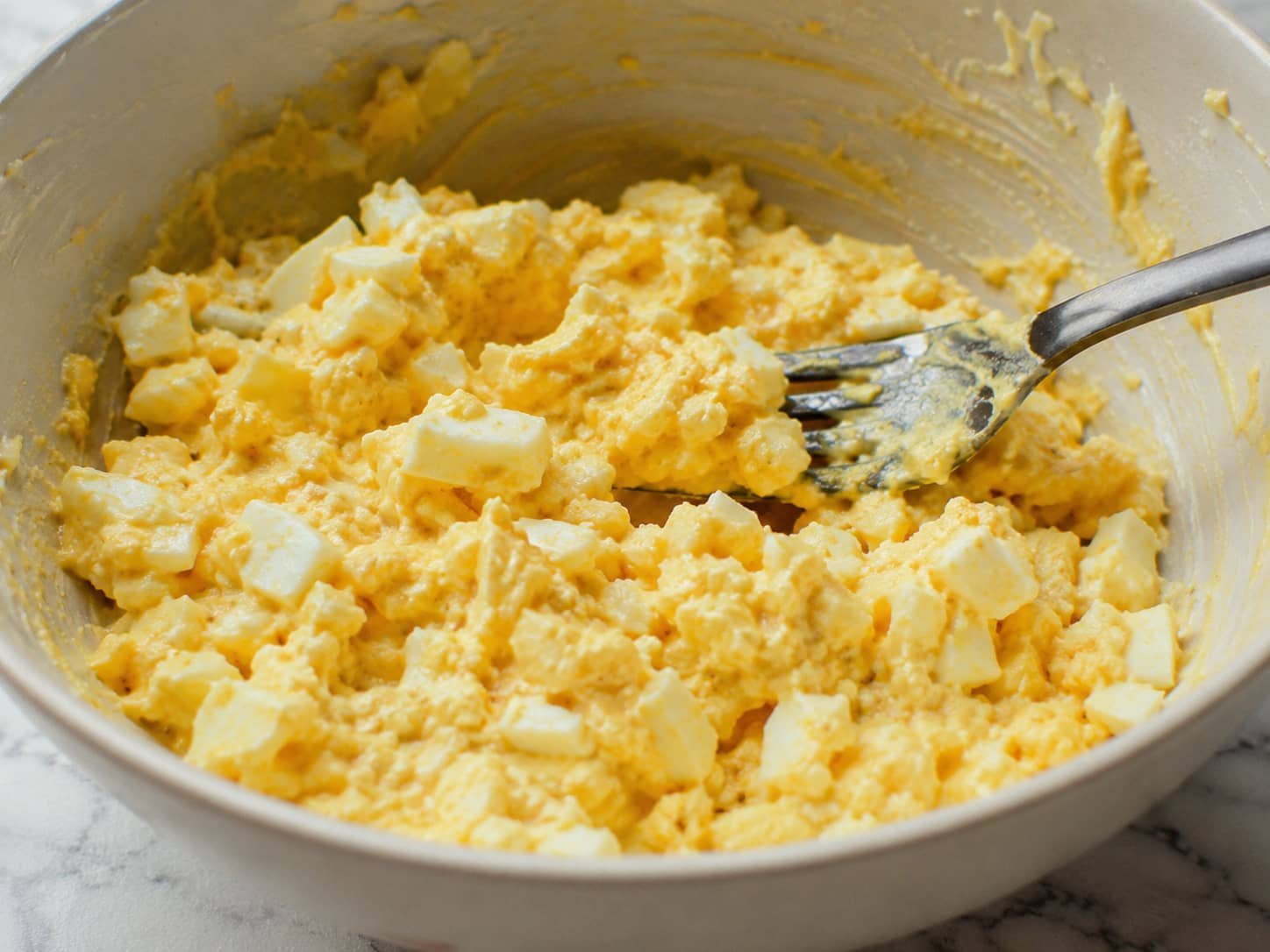
Cut the eggs in half and separate the yolks if you want a smoother filling. Mash the yolks first with a fork until they become fine and soft. This helps the mayo blend in more evenly and gives the sandwich that creamy Tamago Sando texture.
The egg whites should be chopped small, but they do not need to disappear completely. A little egg white texture makes the sandwich more pleasant to eat and keeps the filling from feeling too flat. The goal is soft and smooth, not pasty.
This is where many egg salad recipes for sandwiches can feel too chunky or too heavy. For this style, keep the pieces small and gentle. The filling should spread easily across the bread without large pieces pushing through the soft slices.
Mix with Kewpie Mayo
Add Kewpie mayo slowly instead of mixing in too much at once. Start with a small amount, mash it into the yolks, then add more until the filling looks creamy and holds together. This gives you better control over the texture.
The filling should be soft enough to spread, but not so loose that it slides out when the sandwich is cut. If it feels too thick, a tiny splash of milk can help loosen it. If it feels too loose, add a little more chopped egg white or let it chill briefly before assembling.
Season with a small pinch of salt and black pepper. You can add a tiny pinch of sugar if you want a softer Japanese-style flavor. Mustard can also be added, but use it lightly so it does not cover the flavor of the eggs and Kewpie mayo.
Among egg salad sandwich recipes, this one should taste simple and balanced. The egg should still be the main flavor, while the mayo adds richness and a slight tang. If the filling feels warm after mixing, chill it for 10 to 15 minutes before assembling so it spreads cleaner and holds its shape better.
Assemble with Soft Milk Bread
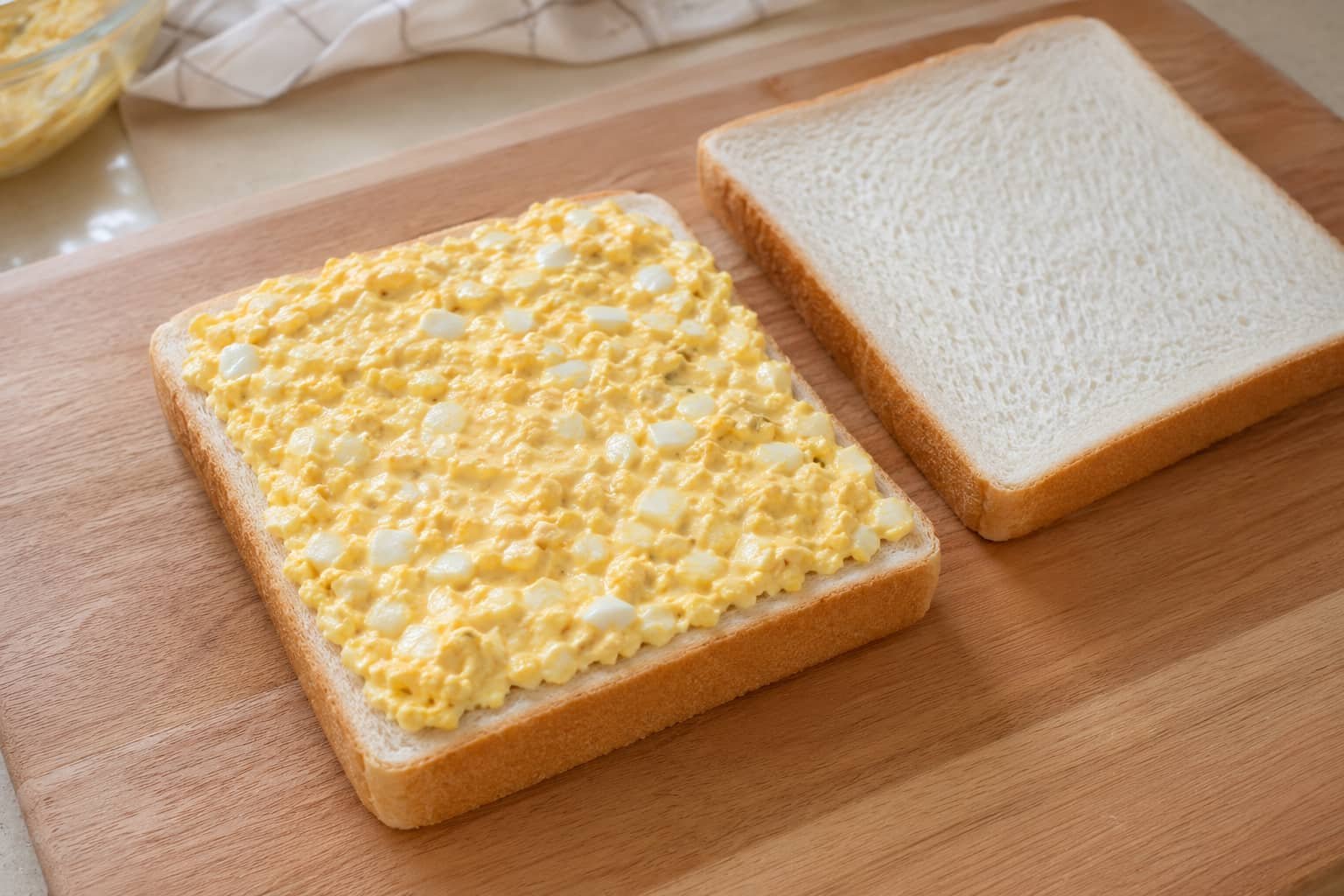
Lay the soft milk bread on a clean board and spread the egg filling evenly over one slice. Do not press too hard, because soft bread can tear easily. A smooth, even layer is better than a thick mound in the center.
Too much filling can make the sandwich harder to cut and easier to squeeze out. For the cleanest result, spread the egg salad from edge to edge in an even layer, then gently level it with the back of a spoon.
If you want extra richness, spread a very thin layer of butter on the inside of the bread before adding the filling. This can also help protect the bread from moisture, especially if the sandwich will sit for a short time before serving.
Place the second slice of bread on top and press gently with your palm. The goal is to help the filling settle, not flatten the sandwich. If you want the classic Japanese egg sandwich look, trim the crusts after assembling.
Use a sharp knife to cut the sandwich cleanly in half. Wiping the knife between cuts helps keep the edges neat. If the bread is very soft, chill the sandwich for a few minutes before slicing so the filling stays in place.
Tips for the Creamiest Egg Filling
The best egg salad sandwich recipe depends on texture as much as flavor. For a Japanese-style sandwich, the filling should be creamy, soft, and smooth enough to spread, but it should still have enough body to stay inside the bread.
Start with eggs that are cooked carefully. Overcooked eggs can make the yolks dry and chalky, which affects the whole filling. The yolks should be set, but still moist enough to mash into a soft base. If the yolks look very pale or crumbly, the filling may need more mayo, but the flavor can still taste a little dry.

Mash the yolks before mixing everything together. This small step helps create a creamy egg filling because the mayo can blend into the yolks evenly. If the yolks are left in large pieces, the filling can taste uneven and may not spread smoothly across the bread.
The egg whites should be chopped small, but not crushed into a paste. Small pieces give the sandwich a gentle texture without making it feel chunky. A creamy Japanese egg salad sandwich should feel soft, but it should not taste flat or overly processed.
Add the Kewpie mayo gradually. It is easier to add more mayo than to fix a filling that has become too loose. Mix a little at a time until the filling looks creamy and spreadable, then stop before it becomes runny.
Season lightly with salt and black pepper. The goal is to support the flavor of the eggs, not hide it. A tiny pinch of sugar can soften the flavor, and a small amount of mustard can add sharpness, but both should be used carefully.
If the filling feels too soft or warm after mixing, chill it briefly before assembling the sandwich. Even 10 to 15 minutes in the fridge can help it firm up enough to spread cleanly. This also makes the sandwich easier to cut.
Soft bread is just as important as the filling. A creamy egg filling works best with fresh, soft bread because both textures should feel gentle together. Once the sandwich is assembled, use a sharp knife and cut with a clean motion. A dull knife can press the bread down and push the filling out.
Easy Variations
This egg sandwich recipe is best when the classic version stays simple, but small changes can make it fit different tastes. The key is to add ingredients that support the soft texture instead of making the sandwich bulky or messy.

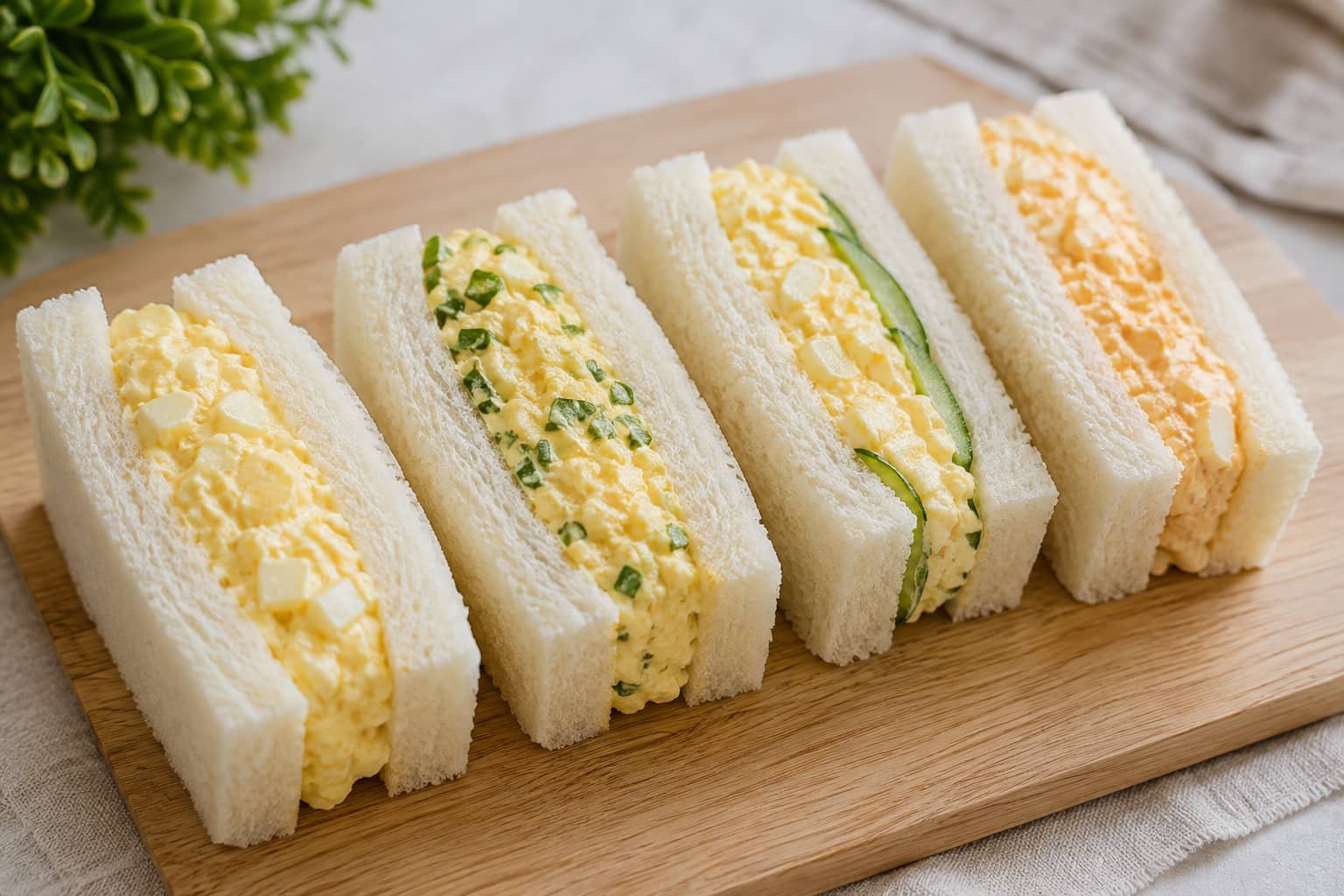
For a richer version, place a halved jammy egg in the center before closing the sandwich. The egg salad holds it in place, and the cut sandwich has a beautiful yolk center. This version is best eaten fresh because the yolk center can be softer and messier than the classic filling.
Thin cucumber slices can add freshness without making the sandwich heavy. Pat the cucumber dry before adding it so the bread does not become wet. This is a good option if you want the sandwich to feel lighter, especially for lunch.
Green onion adds a mild sharpness and a little color. Chop it very finely so it blends into the filling instead of creating strong bites. A small amount is enough because the main flavor should still come from the eggs and Kewpie mayo.
Mustard can be added if you like a slightly sharper filling. Use a small amount and mix it well with the mayo so it does not overpower the egg flavor. This variation works nicely when you want something closer to a Western-style egg salad but still soft and balanced.
A mild cheese slice can make the sandwich richer, especially if you are serving it as a breakfast or lunch sandwich. Choose a soft, mild cheese rather than something strong or salty. The cheese should add creaminess, not take over the whole sandwich.
Spicy mayo is another easy variation. Mix a small amount of chili sauce or sriracha into the Kewpie mayo before adding it to the eggs. Keep the spice gentle so the sandwich still tastes creamy and smooth.
Avocado can make the sandwich feel more filling while still keeping it fresh and simple. Use ripe avocado and slice it thinly, or mash a small amount into the filling. Too much avocado can make the sandwich heavy, so keep the layer light.
Lettuce can add a fresh bite, but it should be soft and dry. Avoid thick, wet leaves because they can make the sandwich harder to cut. Tender lettuce also works well if you want smaller sandwiches for tea time, lunch trays, or light snacks.
Any fresh add-ins, especially cucumber, lettuce, and avocado, should be patted dry before adding them. This keeps the bread soft and fresh instead of soggy.
What to Serve with Japanese Egg Salad Sandwich
A Japanese egg salad sandwich is soft and creamy, so it pairs best with sides that feel fresh, light, or gently savory. You do not need anything heavy beside it. The sandwich already has richness from the eggs and Kewpie mayo, so simple sides usually work best.
For a Japanese-style meal, miso soup is one of the easiest pairings. Its warm, savory flavor balances the cool, creamy egg filling and makes the sandwich feel more complete. A simple soup also works well if you want something comforting without making the meal too filling.
A small green salad is another good choice. Crisp lettuce, cucumber, tomato, or a light sesame dressing can add freshness beside the soft sandwich. This works especially well when you are serving the sandwich for lunch and want something that feels balanced.
Fresh fruit also pairs nicely with this sandwich. Orange slices, grapes, strawberries, melon, or apple slices add a clean sweetness that keeps the meal from feeling too rich. This is a good option if you are packing it as a lunchbox sandwich for school, work, or a picnic.
If you want something more casual, serve the sandwich with chips or pickles. Chips add crunch, while pickles add sharpness that cuts through the creamy filling. Both work well when you want a simple lunch that does not need extra cooking.
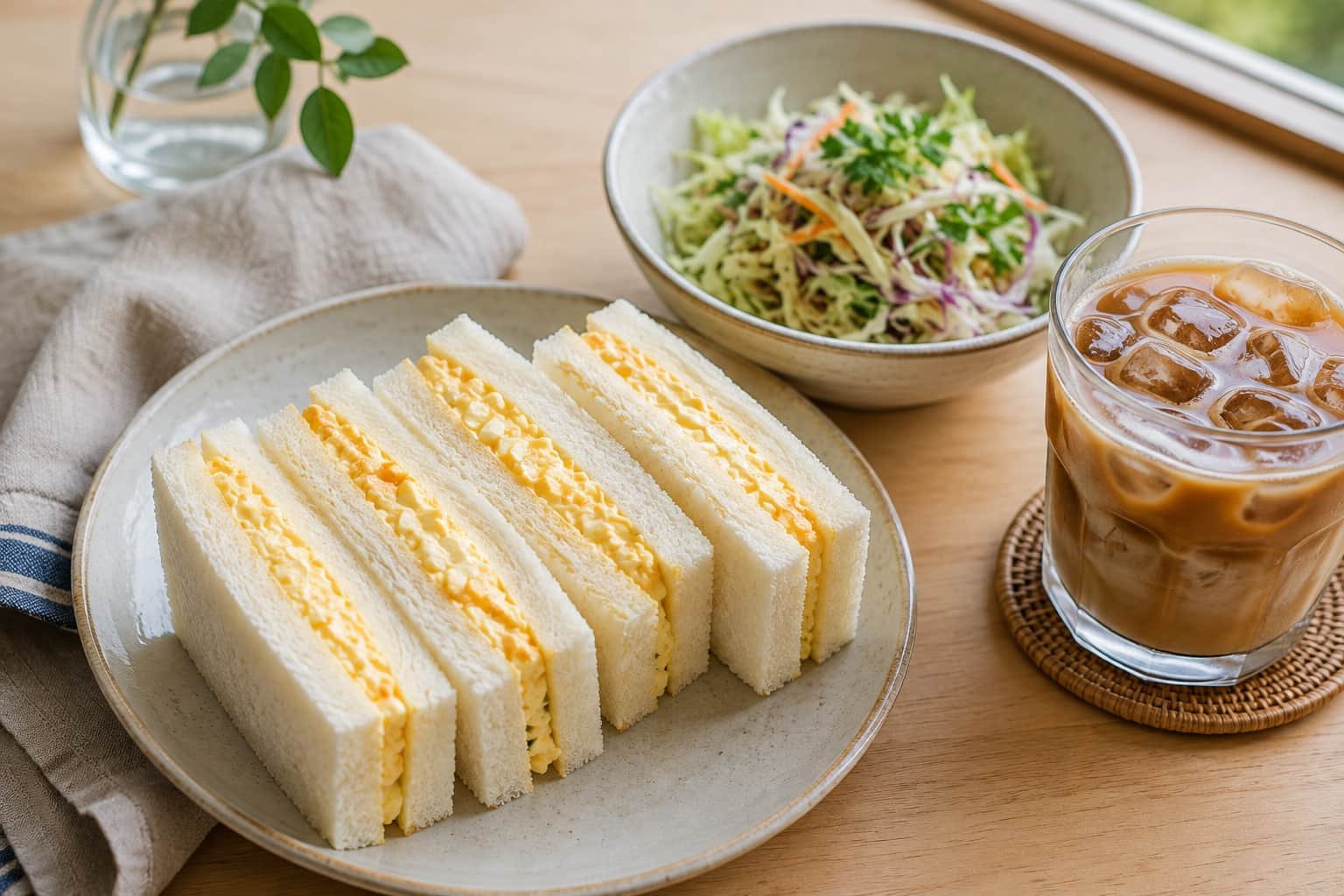
For drinks, iced tea and coffee both fit well. Iced tea keeps the meal light and refreshing, while coffee makes this feel like a good breakfast sandwich idea. If you are serving it in the morning, coffee and fruit are enough. For lunch, iced tea, pickles, or a small salad make it feel more complete.
How to Store and Meal Prep
This egg salad sandwich recipe is best when the sandwich is assembled close to serving. The filling can be made ahead, but soft milk bread can absorb moisture if it sits too long with the egg salad inside. For the best texture, store the filling separately and build the sandwich when you are ready to eat.
To meal prep the filling, place it in an airtight container and keep it in the fridge. It should stay fresh for about 2 to 3 days if the eggs were cooked properly and the container is sealed well. Use clean utensils, keep the filling cold, and discard it if it smells off, becomes watery, or changes texture.

If you need a quick meal prep sandwich, you can prepare the egg filling the night before and assemble the sandwich in the morning. This keeps the bread softer and fresher than making the full sandwich too early. If you are packing it for lunch, use fresh bread and spread the filling in an even layer so it stays neat.
A thin layer of butter on the inside of the bread can help protect it from moisture. This is optional, but useful if the sandwich will sit for a few hours before eating. You can also wrap the sandwich tightly in parchment paper or plastic wrap to help it hold its shape.
For an easy lunch sandwich, keep the filling chilled until needed and avoid adding watery ingredients too early. Cucumber, lettuce, and avocado should be patted dry before they go into the sandwich. If those ingredients sit too long against the bread, they can make it soft in the wrong way.
Assembled Japanese egg salad sandwiches taste best the same day. They can be refrigerated for a short time, but they are not ideal for long storage because the bread may lose its pillowy texture. For lunchboxes, wrap the sandwich firmly and keep it chilled with an ice pack. Do not leave the sandwich at room temperature for more than 2 hours, especially on warm days.
If you want the cleanest cut, chill the sandwich briefly before slicing, then serve it fresh. This helps the filling stay in place and keeps the bread from getting pressed down too much.
Common Mistakes to Avoid
Overcooking the Eggs
One of the biggest mistakes is overcooking the eggs. Dry yolks make the filling taste chalky, and adding more mayo does not fully fix that texture. The yolks should be fully set but still moist enough to mash smoothly.
Using Dry Bread
Using dry bread is another common problem. A Japanese egg salad sandwich works best with soft milk bread or fresh soft white bread. If the bread is firm, stale, crusty, or too chewy, it can overpower the gentle egg filling.
Adding Too Much Mayo at Once
Adding too much mayo at once can make the filling loose and heavy. It is better to start with a smaller amount, mix it into the yolks, then add more only if needed. The filling should spread easily but still hold its shape.
Not Seasoning Enough
Not seasoning enough can make the sandwich taste flat. Eggs need a little salt and black pepper to bring out their flavor. A tiny pinch of sugar can soften the taste, and a small amount of mustard can add brightness, but the seasoning should stay light.
Leaving Large Egg White Chunks
Large egg white chunks can make the filling feel uneven. The whites should be chopped small enough to blend into the creamy yolk mixture, while still leaving a little texture. The goal is smooth and soft, not chunky or pasty.
Making the Filling Watery
Watery filling can ruin the bread. This can happen if the eggs are not dried after peeling, if too much milk is added, or if cucumber and lettuce are added without being patted dry. The filling should be creamy, not wet.
Cutting with a Dull Knife
A dull knife can press the sandwich down and push the filling out. Use a sharp knife and wipe it between cuts if needed. This helps keep the edges clean and gives the sandwich that neat Tamago Sando look.
Assembling Too Early

Assembling the sandwich too early can also affect the texture. The egg filling can be made ahead, but the full sandwich is best assembled close to serving. This keeps the bread soft, fresh, and tender instead of soggy.
FAQs
What is a Japanese egg salad sandwich called?
A Japanese egg salad sandwich is often called Tamago Sando. “Tamago” means egg, and “sando” is a shortened way of saying sandwich in Japanese. It is the common name for a Japanese-style egg sandwich made with soft bread, creamy egg filling, and a simple, lightly seasoned flavor.
What makes a Japanese egg salad sandwich different?
A Japanese egg salad sandwich is different from a regular egg salad sandwich because the texture is usually softer and smoother. It is often made with soft milk bread, Kewpie mayo, and finely mashed eggs instead of a chunky filling. The flavor is lightly seasoned, so the eggs, mayo, and bread stay balanced.
Can I make it without Kewpie mayo?
Yes, you can make this sandwich without Kewpie mayo, but the flavor will be slightly different. Kewpie mayo gives the filling a richer, tangier taste. If you only have regular mayonnaise, add a tiny pinch of sugar and a few drops of rice vinegar or lemon juice to bring it closer to the Japanese-style flavor.
What bread should I use?
Soft milk bread or shokupan is the best choice because it gives the sandwich a tender, pillowy bite. If you cannot find Japanese milk bread, soft white sandwich bread can also work. Try to avoid firm, crusty, or very chewy bread because it can overpower the creamy egg filling.
Can I make it ahead of time?
You can make the egg salad filling ahead of time and store it in an airtight container in the fridge. For the best texture, assemble the sandwich close to serving so the bread stays soft and fresh. If you need to pack it for lunch, keep it chilled and do not leave it at room temperature for more than 2 hours, especially on warm days.
How long does the egg salad filling last in the fridge?
Egg salad filling usually keeps well for about 2 to 3 days in an airtight container in the fridge. Use clean utensils each time, keep it cold, and discard it if it smells off, becomes watery, or changes texture.
Is a Japanese egg salad sandwich eaten for breakfast or lunch?
A Japanese egg salad sandwich works well for both breakfast and lunch. It is soft and simple enough for the morning, but filling enough for a light lunch. You can serve it with coffee, iced tea, fruit, a small salad, or miso soup.
Can I add cheese?
Yes, you can add cheese, but keep it mild. American cheese, mild cheddar, or a soft cheese slice can make the sandwich a little richer without covering the egg flavor. Avoid strong or salty cheese because the filling should still taste creamy, light, and balanced.