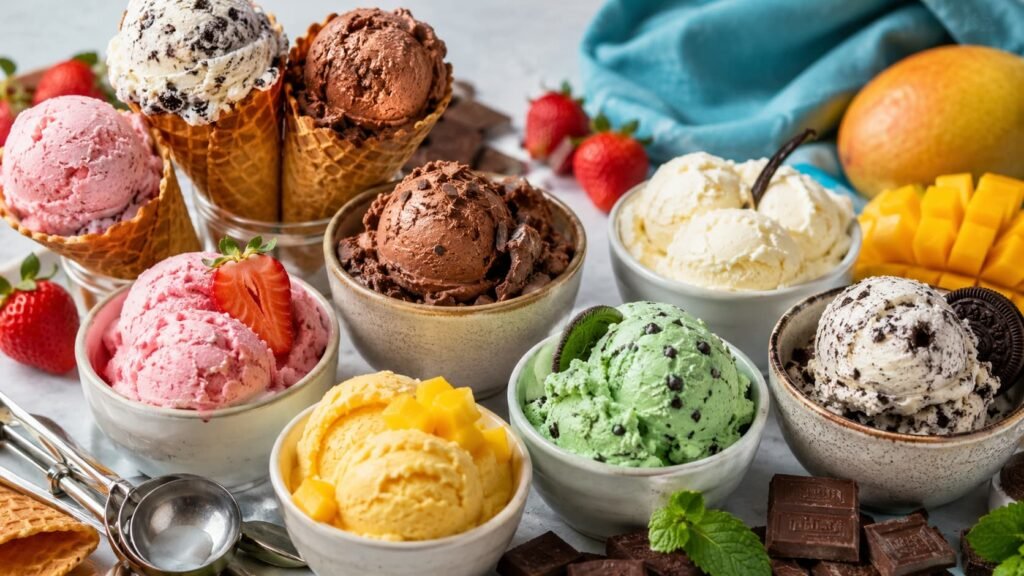
You do not need an ice cream machine to make creamy, scoopable ice cream at home. With a simple base, cold ingredients, and enough freezer time, you can turn everyday kitchen staples into a smooth homemade dessert that feels perfect for hot days, family weekends, or summer parties.
This guide is built around easy no-churn methods, so every recipe can be made without special equipment. Whether you are craving a classic vanilla scoop, a rich chocolate ice cream, a fruity strawberry flavor, or a fun frozen treat for kids, these ice cream recipes are made for real home kitchens.
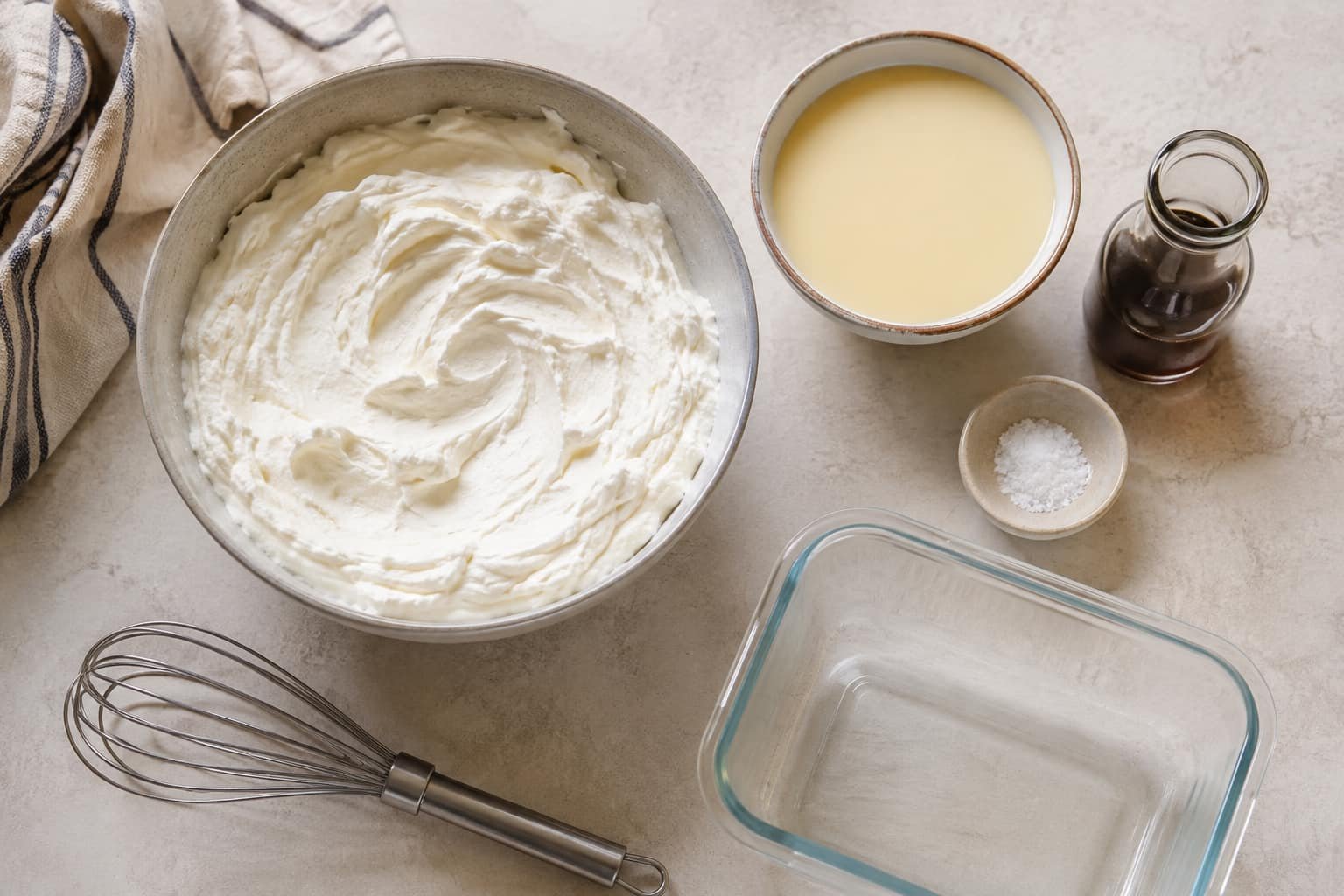
The easiest homemade ice cream recipe usually starts with cold heavy cream, sweetened condensed milk, vanilla, and a small pinch of salt. The cream is whipped to add air, then folded with the sweet base and frozen until firm. Most no-churn ice cream needs at least 6 hours in the freezer, but overnight freezing usually gives the best texture.
This is especially helpful if you are looking for an ice cream recipe without an ice cream maker. Instead of relying on a machine to churn the mixture, the whipped cream creates a light texture, while the condensed milk helps keep the ice cream creamy and smooth. The result is not exactly the same as traditional churned ice cream, but it can still be rich, soft, and satisfying when made with the right balance.
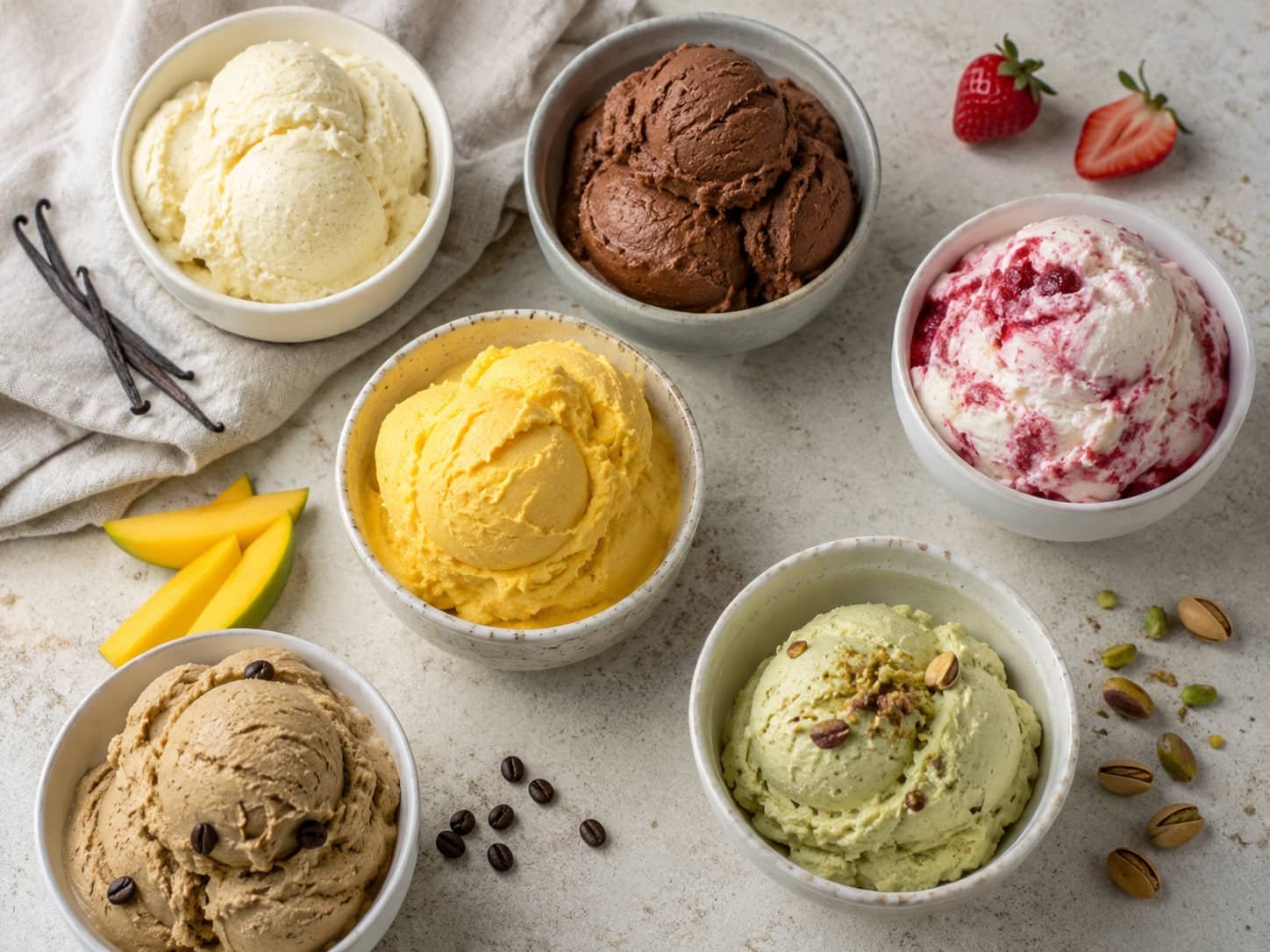
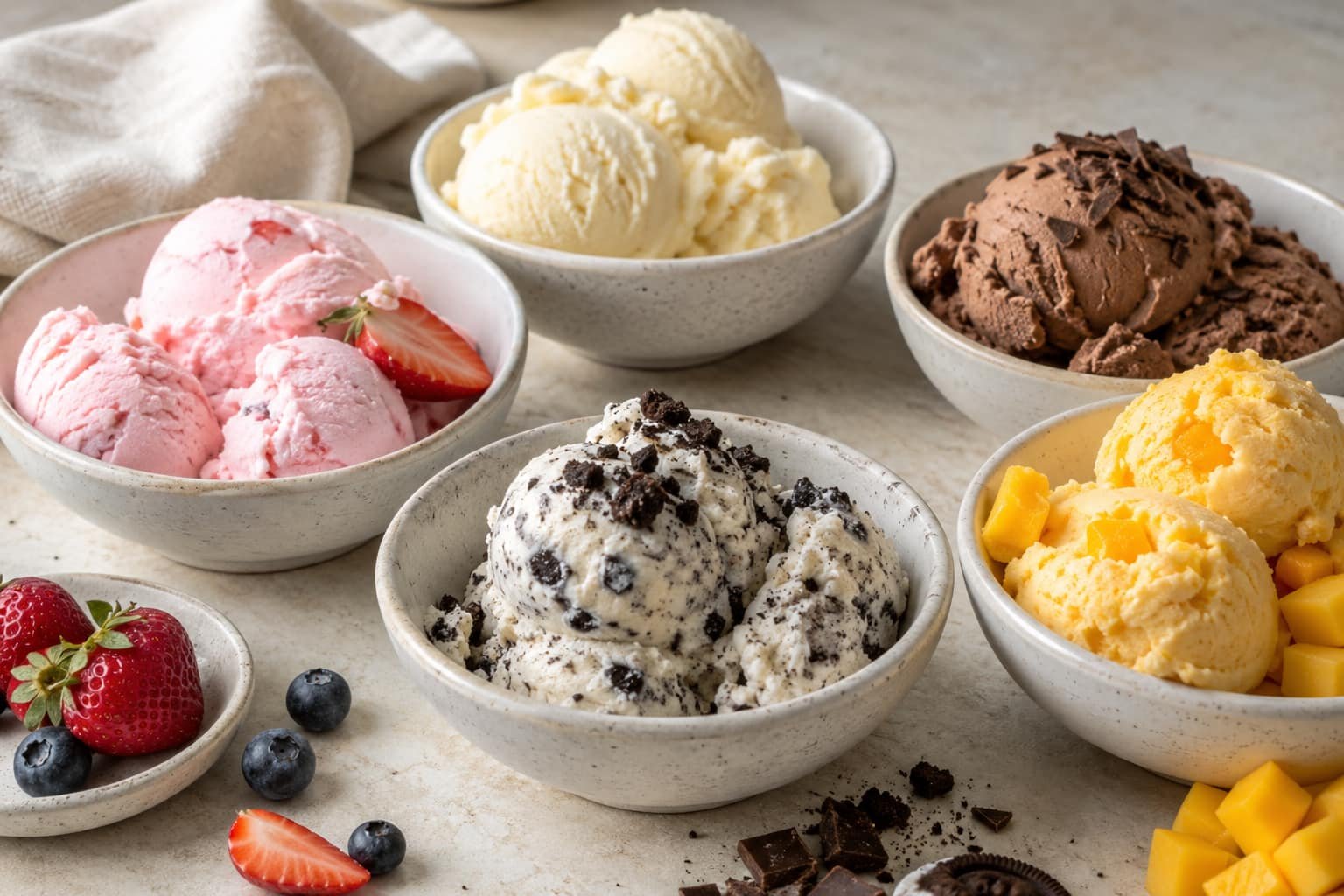
A good no-churn ice cream recipe is easy to customize. Once you understand the basic method, you can create homemade ice cream variations with flavors like vanilla, chocolate, strawberry, mango, cookies and cream, coffee, peanut butter, coconut, and more. These recipes are simple enough for beginners but flexible enough to make creamy summer desserts your family will want again.
Why You’ll Love These Homemade Ice Cream Recipes
These homemade ice cream recipes are made for warm days, busy kitchens, and families who want a simple frozen dessert without extra equipment. You do not need an ice cream maker, a long ingredient list, or advanced cooking skills to make something creamy, cold, and satisfying at home.
Most recipes start with simple ingredients such as cold heavy cream, sweetened condensed milk, vanilla, fruit, chocolate, cookies, nuts, or other easy mix-ins. That keeps the process approachable, especially when you want a dessert that tastes homemade but does not take hours of hands-on work.
Another reason these recipes are so useful is flexibility. You can keep the base classic with vanilla or chocolate, make it fruity with strawberries, mangoes, peaches, or bananas, or turn it into a family-friendly dessert with cookies and cream, peanut butter, caramel, or chocolate chips. Once you understand the basic no-churn method, it becomes easy to create different flavors from the same simple base.
These no-churn ice cream recipes are also great for summer because they can be made ahead of time and kept in the freezer until serving. They work well for weekend desserts, birthday treats, family dinners, backyard meals, and hot afternoons when everyone wants something sweet, cold, and creamy.
Making ice cream at home can also be more budget-friendly than buying premium store-bought ice cream every time. You can make a larger batch, control the sweetness, choose your own flavors, and use ingredients your family already enjoys. It also gives you more control over add-ins, texture, and portion size.
Can You Make Ice Cream Without an Ice Cream Maker?

Yes, you can make ice cream without an ice cream maker. The easiest way is to whip cold heavy cream, fold it with sweetened condensed milk, add your flavor, and freeze the mixture until firm. This no-churn method creates a creamy, scoopable dessert without using a machine.
If you are learning how to make ice cream without a machine, the most important thing to understand is texture. A traditional ice cream maker churns the mixture while it freezes, which adds air and helps prevent large ice crystals. In a no-churn recipe, whipped cream adds that air before freezing, while sweetened condensed milk helps keep the base smooth and rich.
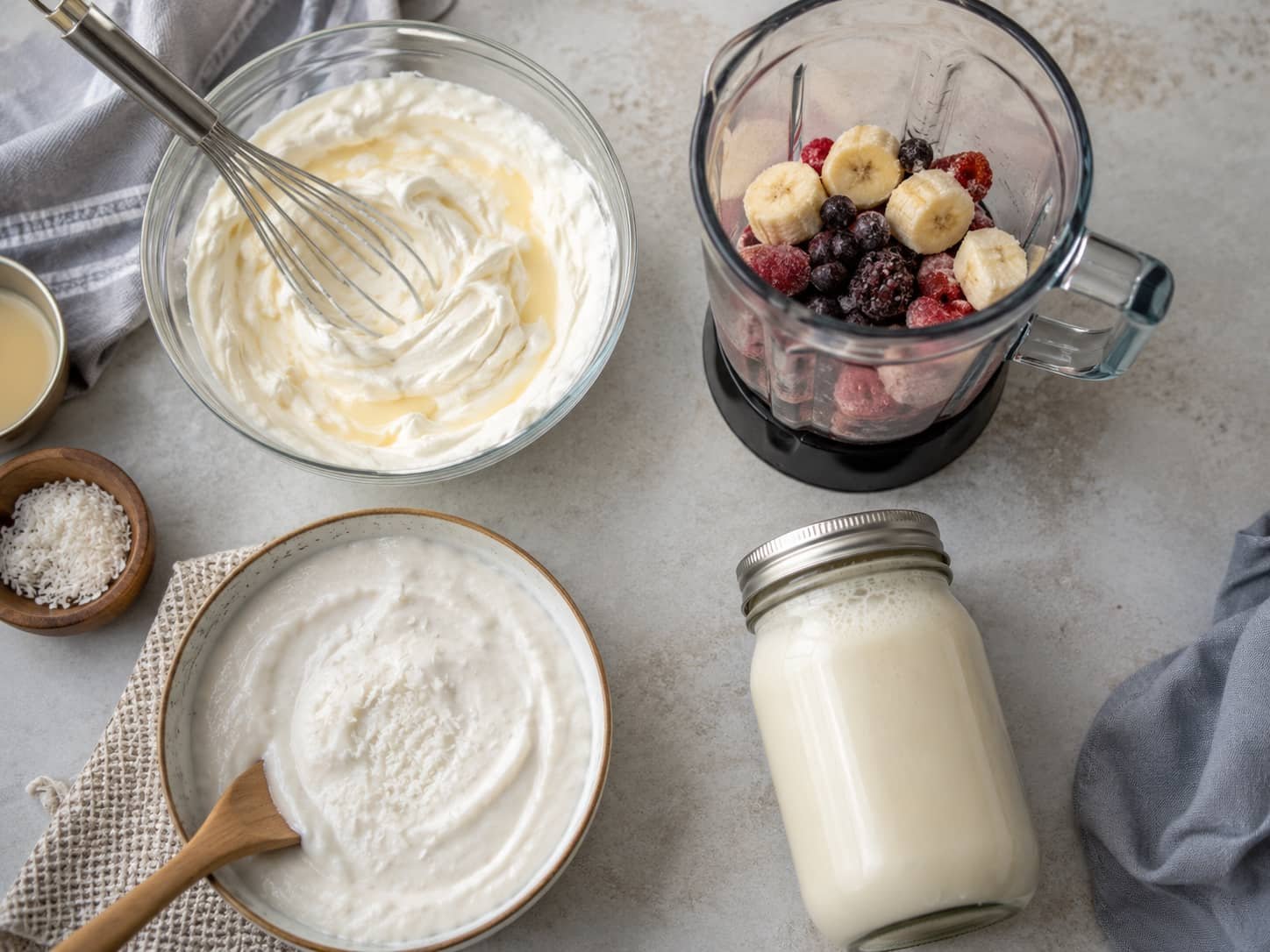
You can also make a no-machine ice cream recipe with frozen fruit and a blender. Bananas, mangoes, berries, and peaches can be blended into a soft, fruity frozen dessert that feels lighter than a cream-based recipe. This method is a good choice when you want something quick, naturally sweet, and refreshing.
Another simple option is the freezer method. The mixture is poured into a container and frozen until firm. Some recipes benefit from stirring once or twice during freezing, especially if they use more milk, juice, or fresh fruit. Cream-based no-churn recipes usually need less stirring because the whipped cream and condensed milk help create a smoother texture.
The final result depends on the method you choose. A whipped cream and condensed milk base usually gives the richest and creamiest texture. Frozen fruit recipes taste fresher and lighter. Blender ice cream is quick and soft, while a basic freezer method may be firmer. For the best ice cream recipe without a machine, use cold ingredients, cover the container tightly, and let the ice cream soften for a few minutes before scooping.
Basic No-Churn Ice Cream Base

The most common no-churn ice cream base is made with cold heavy cream and sweetened condensed milk. Heavy cream gives the ice cream its rich, creamy body, while condensed milk adds sweetness and helps the frozen mixture stay smooth instead of turning icy.
A basic ice cream recipe usually starts with 2 cups of cold heavy cream, 1 can of sweetened condensed milk, vanilla extract, and a small pinch of salt. The vanilla gives the base a clean, classic flavor, while the salt keeps the sweetness from tasting flat. Even a tiny amount can make chocolate, fruit, caramel, coffee, and cookie flavors taste more balanced.
To make the base, whip the heavy cream first until it holds soft to medium peaks. It should look thick and fluffy, but still smooth. Then fold in the sweetened condensed milk with the vanilla and salt. This step matters because the whipped cream adds air to the mixture. If the base is mixed too hard, it can lose some of that light texture before it goes into the freezer.
This is why a sweetened condensed milk ice cream recipe works so well without a machine. A traditional ice cream maker churns the base while it freezes, but a no-churn method builds air into the cream before freezing. After mixing, spread the base into a shallow freezer-safe container, cover it tightly, and freeze it for at least 6 hours. For the best texture, overnight freezing is usually better.
Once you understand this ice cream recipe with cream and condensed milk, you can turn the same base into many flavors without changing the full method. Stir in crushed cookies for cookies and cream, cocoa powder for chocolate, fruit puree for strawberry or mango, instant coffee for coffee ice cream, or peanut butter for a richer dessert.
A condensed milk ice cream recipe is naturally sweeter than custard-style ice cream, so bold flavors work best. Tart fruit, dark chocolate, roasted nuts, coffee, cinnamon, coconut, and extra vanilla can help the finished ice cream taste fuller. If you use juicy fruit, blend it well or cook it down first so extra water does not create too many ice crystals.
Tips for Creamy Homemade Ice Cream
If you have ever wondered what makes ice cream creamy, it usually comes down to fat, air, sugar, and proper freezing. In no-churn ice cream, cold heavy cream adds richness, whipping adds air, and condensed milk helps keep the texture smooth after freezing.
Start with very cold cream. Cream whips better when it is chilled, and a cold mixing bowl can help if your kitchen is warm. Whip the cream until it reaches soft or medium peaks. It should be thick enough to hold shape, but not dry, stiff, or grainy. Overwhipped cream can make the finished ice cream feel heavy instead of smooth.
When you add the condensed milk, fold it in gently. Do not beat the mixture aggressively once the cream has been whipped. The goal is to keep as much air in the base as possible while still mixing everything evenly. This simple step can make a big difference in a creamy ice cream recipe.
Salt is another small detail that improves flavor. You do not need enough to make the ice cream taste salty. A small pinch simply balances the sweetness and makes vanilla, chocolate, fruit, caramel, coffee, and nut flavors taste more complete.
The container also matters. A shallow freezer-safe container helps the ice cream freeze more evenly than a deep bowl. Before adding the lid, press parchment paper or plastic wrap directly against the surface of the ice cream. This helps protect the top layer and reduces ice crystals.
For the best scoop, let the ice cream sit at room temperature for 5 to 10 minutes before serving. Homemade no-churn ice cream can freeze firmer than store-bought ice cream because it does not contain the same stabilizers. A short softening time makes it easier to scoop and gives the texture a smoother, creamier feel.
Good homemade ice cream ingredients do not have to be complicated. Cold heavy cream, sweetened condensed milk, vanilla, salt, and fresh flavor add-ins are enough to make a dessert that feels rich, simple, and worth making again.
30 Easy Homemade Ice Cream Recipes Without an Ice Cream Maker

Once you have a simple no-churn base, you can turn it into many different homemade ice cream flavors. Some are rich and creamy, some are fruity and refreshing, and some are perfect for kids, parties, or weekend desserts. For most of these ideas, start with the basic no-churn base, add the flavor ingredient, spread it into a freezer-safe container, and freeze for at least 6 hours or overnight.
1. Classic Vanilla Ice Cream
A classic vanilla ice cream recipe is the best place to start because it works with almost every topping. Use cold heavy cream, sweetened condensed milk, vanilla extract, and a pinch of salt for a smooth, simple base.
For a stronger homemade vanilla ice cream recipe, use real vanilla extract or vanilla bean paste. The flavor is clean, creamy, and easy to serve with brownies, pies, fresh fruit, caramel, or chocolate sauce.
2. Chocolate Ice Cream
This chocolate ice cream recipe works best when the chocolate flavor is bold enough to balance the sweetness of the condensed milk. Cocoa powder gives the base a deep taste, while a little melted chocolate can make the texture feel smoother.
For an easy chocolate ice cream recipe, mix the cocoa powder into the condensed milk before folding it into the whipped cream. This helps the chocolate blend evenly and keeps the ice cream creamy after freezing.
3. Strawberry Ice Cream
A strawberry ice cream recipe tastes best when the berries are ripe, sweet, and full of flavor. Fresh strawberries can be blended into a puree, but cooking them down slightly helps remove extra water and gives the ice cream a stronger berry taste.
For a homemade strawberry ice cream recipe, let the strawberry mixture cool completely before folding it into the no-churn base. Add a few small strawberry pieces at the end if you want a fresh fruit texture in every scoop.
4. Cookies and Cream Ice Cream
A cookies and cream ice cream recipe is one of the easiest flavors to make at home. Crushed chocolate sandwich cookies are folded into the vanilla base before freezing, giving every scoop a mix of creaminess and cookie crunch.
For an Oreo ice cream recipe style, use finely crushed cookies for flavor and a few larger pieces for texture. Add the bigger pieces near the end so they do not break down too much while mixing.
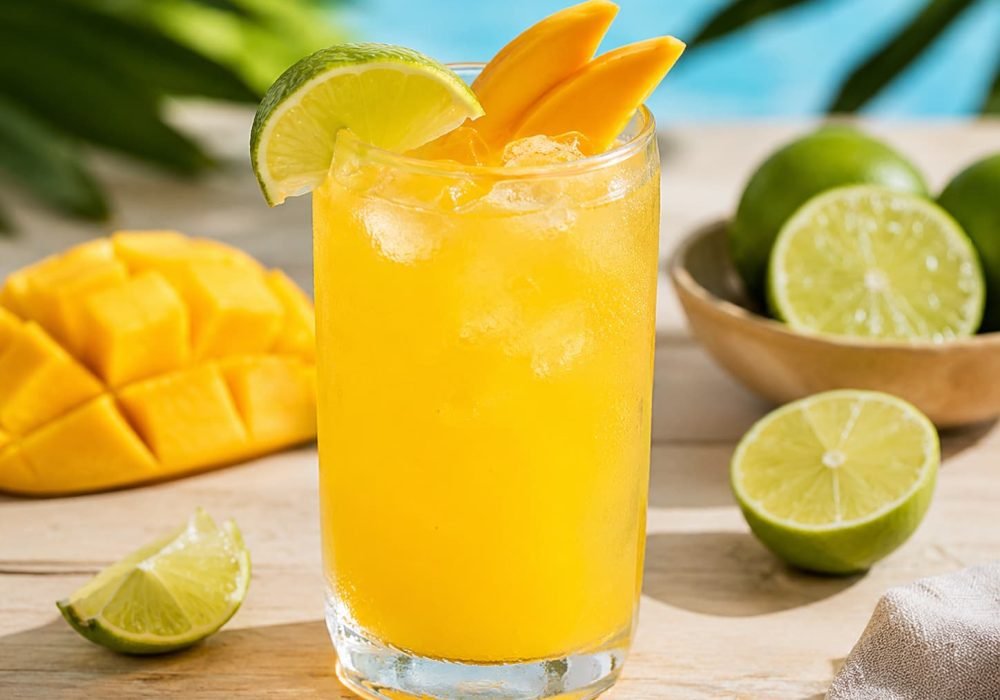
5. Mango Ice Cream
A mango ice cream recipe is perfect for warm days because it tastes bright, sweet, and refreshing. Use ripe mango puree for the best flavor, and make sure the puree is thick rather than watery.
This also works as a simple fruit ice cream recipe when you want something lighter than chocolate or caramel. A little lime juice can make the mango flavor taste fresher and keep the sweetness balanced.
6. Banana Ice Cream
A banana ice cream recipe can be made with the no-churn base or with frozen bananas for a lighter version. Ripe bananas give the best flavor because they are naturally sweet and blend smoothly.
For an ice cream recipe with banana, mash or blend the banana first so it mixes evenly into the base. Cinnamon, peanut butter, chocolate chips, or a small swirl of caramel can make the flavor richer.
7. Peach Ice Cream
A peach ice cream recipe works well with fresh, canned, or frozen peaches, but the fruit should be soft and flavorful. Blended peaches give the base a smooth texture, while small diced peaches add a homemade feel.
For a homemade peach ice cream recipe, cook very juicy peaches briefly with a little sugar before adding them to the base. This deepens the flavor and reduces extra water that can create ice crystals.
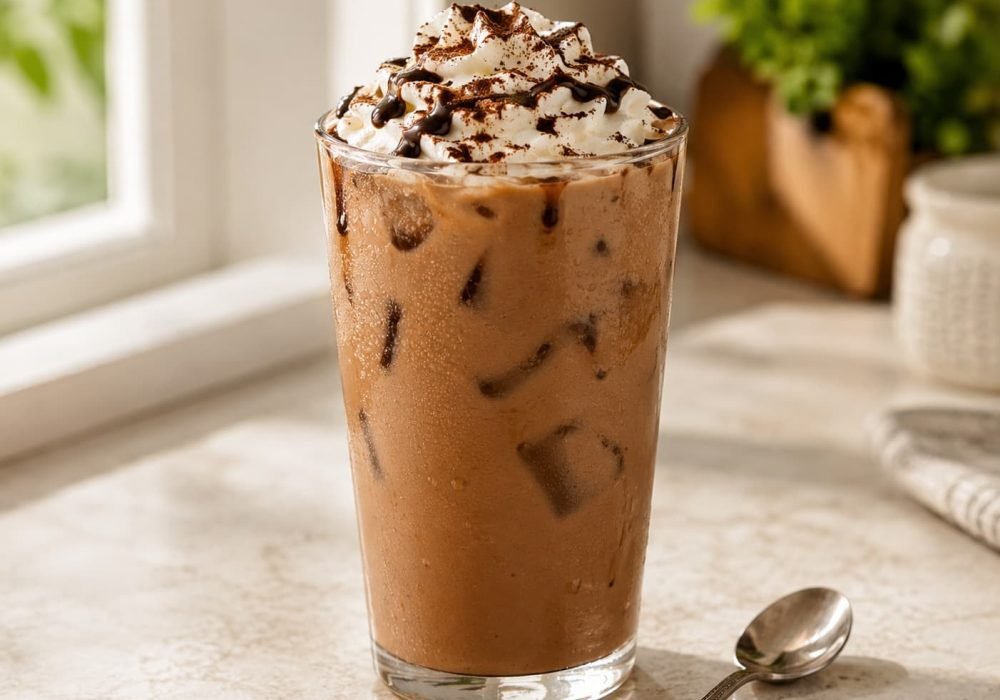
8. Coffee Ice Cream
A coffee ice cream recipe is a good choice when you want a dessert with a slightly bold flavor. Instant espresso powder works especially well because it gives strong coffee flavor without adding too much liquid.
Stir the espresso powder into the condensed milk before folding it into the whipped cream. This keeps the base smooth and helps the coffee flavor spread evenly through the ice cream.
9. Mint Chocolate Chip Ice Cream
A mint chocolate chip ice cream recipe should taste cool and refreshing without becoming too strong. Peppermint extract is powerful, so start with a small amount and adjust carefully.
For a mint chip ice cream recipe, fold in finely chopped chocolate or mini chocolate chips before freezing. Smaller chocolate pieces are easier to scoop and give a better texture in every bite.
10. Peanut Butter Ice Cream
A peanut butter ice cream recipe gives the no-churn base a rich, nutty flavor. Creamy peanut butter blends best, especially when mixed into the condensed milk before folding it into the whipped cream.
For extra texture, add chopped peanuts, chocolate chips, or a ribbon of peanut butter through the base. A small pinch of salt helps balance the sweetness and makes the peanut flavor stand out.
11. Salted Caramel Ice Cream
A salted caramel ice cream recipe should be smooth, sweet, and lightly salty. Use thick caramel sauce so the base does not become too thin, then swirl extra caramel through the mixture before freezing.
A simple caramel ice cream recipe can be made by mixing caramel into the condensed milk and folding it into whipped cream. A little salt makes the caramel flavor taste deeper and less sugary.
12. Coconut Ice Cream
A coconut ice cream recipe can be made with coconut extract, shredded coconut, or coconut milk depending on the flavor you want. For a creamy no-churn version, use the regular base and add toasted coconut for extra texture.
A coconut milk ice cream recipe works better for a dairy-free version, but full-fat coconut milk or coconut cream gives the best result. Thin coconut milk can freeze harder and may taste less creamy.
13. Blueberry Ice Cream
A blueberry ice cream recipe works best when the berries are cooked into a quick sauce first. Blueberries release a lot of juice, so reducing them helps create a stronger flavor and smoother texture.
Let the blueberry sauce cool completely before folding it into the base. You can mix it fully for a purple ice cream or swirl it gently for a streaked, homemade look.
14. Lemon Ice Cream
A lemon ice cream recipe tastes bright, creamy, and refreshing. Lemon zest gives the strongest flavor without adding too much liquid, while a small amount of lemon juice adds freshness.
Mix the zest into the condensed milk before folding it into the whipped cream. Because lemon is sharp, it works well with the sweetness of the base and tastes especially good with berries, shortbread cookies, or pound cake.
15. Raspberry Ice Cream
A raspberry ice cream recipe has a tart, fruity flavor that balances a sweet cream base very well. Fresh or frozen raspberries can be cooked into a sauce, then strained if you want a smoother finish.
Raspberry also works beautifully as a swirl. Fold it gently into the base so the ice cream has ribbons of fruit instead of one fully mixed color.
16. Cherry Ice Cream
A cherry ice cream recipe can be made with fresh cherries, frozen cherries, or a thick cherry compote. Chopped cherries add texture, while blended cherries give the base a smooth fruit flavor.
If the cherries are very juicy, cook them down slightly before adding them to the base. For a richer version, add dark chocolate pieces because cherry and chocolate work well together.
17. Pistachio Ice Cream
A pistachio ice cream recipe should taste nutty, creamy, and slightly sweet. Finely chopped pistachios can be folded into the base, while pistachio paste gives a stronger flavor.
Use roasted pistachios for better taste, but choose unsalted or lightly salted nuts so the ice cream does not become too salty. A small amount of almond extract can also support the pistachio flavor.
18. Butter Pecan Ice Cream
A butter pecan ice cream recipe tastes best when the pecans are toasted first. Toasting brings out the nutty flavor and keeps the finished ice cream from tasting flat.
For a pecan ice cream recipe with more depth, toss the pecans with a little butter and brown sugar before adding them to the base. Let them cool fully before folding them in so they stay crisp.
19. Birthday Cake Ice Cream
A birthday cake ice cream recipe is fun, colorful, and great for kids. Vanilla no-churn ice cream makes the best base because it lets the cake flavor and sprinkles stand out.
For a cake batter ice cream recipe, add a small amount of cake mix flavoring or cake crumbs to the base. Fold in sprinkles at the end so the colors do not bleed too much before freezing.
20. Cookie Dough Ice Cream
A cookie dough ice cream recipe needs safe edible cookie dough, not raw dough made with untreated flour or raw egg. Use heat-treated flour and skip the egg for a safer homemade version.
Small cookie dough pieces work best because they stay easier to scoop when frozen. Fold them into a vanilla or brown sugar base for a classic cookie dough flavor.
21. Biscoff Ice Cream
A Biscoff ice cream recipe has a warm cookie butter flavor that works very well with a no-churn base. Mix cookie butter into the condensed milk first so it blends smoothly.
Crushed Biscoff-style cookies can be folded in before freezing for texture. A little extra cookie butter can also be swirled through the top for a richer finish.
22. Nutella Ice Cream
A Nutella ice cream recipe is rich, smooth, and chocolatey with a hazelnut flavor. You can also use any chocolate hazelnut spread if you want a similar taste.
Because the spread is thick, it is easier to mix it into the condensed milk before adding the whipped cream. For a stronger flavor, add chopped hazelnuts or chocolate pieces before freezing.
23. Matcha Ice Cream
A matcha ice cream recipe has an earthy green tea flavor that balances the sweetness of condensed milk. Use good-quality matcha powder and whisk it into the condensed milk until smooth.
A green tea ice cream recipe should not taste powdery, so make sure the matcha is fully dissolved before folding in the whipped cream. This flavor is creamy, lightly bitter, and refreshing.
24. Pumpkin Ice Cream
A pumpkin ice cream recipe is a good choice for fall, but it can be enjoyed any time you want a warm spice flavor. Use pumpkin puree, cinnamon, nutmeg, and vanilla for a creamy pumpkin dessert.
Pumpkin contains moisture, so avoid adding too much puree. A thicker base freezes better and keeps the final texture smoother.
25. Cinnamon Ice Cream
A cinnamon ice cream recipe is simple but full of warm flavor. Cinnamon works well with vanilla, caramel, apples, chocolate, and cookie toppings.
Mix the cinnamon into the condensed milk before folding it with whipped cream. This helps the spice spread evenly through the base instead of clumping in one place.
26. Dairy-Free Coconut Ice Cream
A dairy free ice cream recipe can be made with full-fat coconut milk or coconut cream. The richer the coconut base, the smoother the finished ice cream will be.
For a dairy-free ice cream recipe with better texture, chill the coconut cream first and use the thick part from the can. Add vanilla, maple syrup or condensed coconut milk, and a pinch of salt for balance.
27. Vegan Banana Ice Cream
A vegan ice cream recipe can be as simple as blending frozen bananas until smooth. The bananas become creamy as they blend, creating a naturally sweet frozen dessert.
This is also a healthy ice cream recipe option when you want something lighter. You can add cocoa powder, peanut butter, berries, or cinnamon to change the flavor without using dairy.
28. Greek Yogurt Ice Cream
A Greek yogurt ice cream recipe has a tangy flavor and a lighter texture than a heavy cream base. It works well with honey, berries, lemon, mango, or vanilla.
A yogurt ice cream recipe may freeze firmer than regular no-churn ice cream, so let it soften before scooping. Full-fat Greek yogurt gives a creamier result than low-fat yogurt.
29. Protein Ice Cream
A protein ice cream recipe can be made with Greek yogurt, protein powder, milk, and a sweetener. It is usually lighter than classic ice cream, but it can still be creamy if the base has enough body.
For a high protein ice cream recipe, choose a protein powder that tastes good on its own because the flavor will come through clearly. Blend the mixture well so the texture stays smooth and not gritty.
30. Mason Jar Ice Cream
A mason jar ice cream recipe is one of the easiest small-batch methods. Add cold heavy cream, sugar or condensed milk, vanilla, and a pinch of salt to a jar, then shake until thickened before freezing.
This also works as a small batch ice cream recipe when you only want one or two servings. Use a jar with enough room for the cream to move while shaking, and freeze it until firm before scooping.
Best Mix-Ins for Homemade Ice Cream

Mix-ins are one of the easiest ways to make homemade ice cream feel more personal. Once the base is ready, you can keep it simple with one add-in or combine a few flavors for something richer, crunchier, fruitier, or more colorful.
For most ice cream mix-ins, add them after the base is fully mixed and just before freezing. This keeps the whipped base light and helps the pieces stay evenly spread through the ice cream. If you are adding a swirl, layer it into the container instead of mixing it completely through the base.
Chocolate chips are a classic choice because they add texture without changing the base too much. Mini chocolate chips usually work better than large chips because they are easier to scoop once frozen. If you want a softer chocolate bite, chopped chocolate or thin chocolate shavings can be a better option.
Cookie pieces are another easy favorite. Crushed chocolate sandwich cookies, vanilla wafers, shortbread, graham crackers, or peanut butter cookies can turn a plain vanilla base into a more exciting dessert. For the best texture, fold in some finely crushed cookies for flavor and a few larger pieces for crunch.
Brownie chunks work well when you want a richer ice cream. Use fully cooled brownies and cut them into small pieces before folding them into the base. Smaller chunks spread more evenly and are easier to scoop after freezing.
Fruit swirls are a good option when you want fresh flavor without making the whole base watery. Strawberry, raspberry, blueberry, peach, mango, or cherry sauce can be spooned through the ice cream before freezing. A thick fruit sauce works better than raw watery fruit because it helps reduce ice crystals.
Caramel, peanut butter, and jam are best added as swirls instead of being mixed fully into the base. Spoon a little into the container, add some ice cream base, then repeat the layers and gently swirl with a knife. This gives every scoop pockets of flavor instead of making the whole batch too sweet.
Nuts also add good texture, especially when they are toasted first. Pecans, almonds, pistachios, peanuts, walnuts, and hazelnuts taste better after a light toast because the flavor becomes deeper. Let them cool completely before adding them so they stay crisp.
Sprinkles, crushed candy, and small chocolate pieces are fun ice cream add-ins for birthdays, kids’ desserts, and party flavors. Add sprinkles near the end of mixing so the colors do not bleed too much. Crushed candy should be small enough to scoop easily, since very large candy pieces can become too hard to bite once frozen.
If you need more homemade ice cream flavor ideas, think about balance. A creamy vanilla base works well with cookies, caramel, nuts, and chocolate. Fruit flavors pair better with lemon, vanilla, coconut, or a little jam. Rich flavors like peanut butter, brownie, coffee, and chocolate usually taste better with a small pinch of salt.
Good ice cream add-ins should improve flavor without making the texture icy, gritty, or too hard. Keep pieces small, avoid adding too much liquid, and fold everything in gently so the base stays smooth and scoopable.
Dairy-Free and Vegan Ice Cream Options

You can make dairy-free and vegan ice cream at home, but the texture depends heavily on the base you choose. Regular no-churn ice cream gets its creamy body from heavy cream and condensed milk, so dairy-free versions need ingredients with enough fat or natural creaminess to create a smooth result.
A dairy-free ice cream recipe often works best with full-fat coconut milk or coconut cream. Coconut has more richness than most plant milks, which helps the finished ice cream taste smoother and less icy. For the creamiest result, chill the can first and use the thick coconut cream from the top.
A coconut milk ice cream recipe can be flavored with vanilla, mango, chocolate, coffee, pineapple, or toasted coconut. Full-fat coconut milk gives a better texture than thin coconut milk because it has more body. If the milk is too watery, the ice cream can freeze harder and may need extra softening before scooping.
Oat milk can also work, especially when paired with a thickener or a dairy-free cream. An oat milk ice cream recipe usually tastes mild and slightly sweet, which makes it good for vanilla, cinnamon, coffee, or cookie flavors. For better texture, choose a creamy oat milk rather than a thin, low-calorie version.
An almond milk ice cream recipe is lighter and less rich than coconut-based ice cream. Almond milk has a thinner texture, so it often works better when blended with frozen bananas, cashews, coconut cream, or a dairy-free condensed milk alternative. This gives the base more body and helps the ice cream feel smoother instead of icy.
Bananas are one of the simplest vegan options. Frozen banana slices can be blended until smooth to make a soft, naturally sweet frozen dessert. This method is different from classic ice cream, but it works well when you want a quick vegan ice cream recipe with simple ingredients.
Dairy-free cream can also be used in place of heavy cream for a more traditional no-churn style. Look for a dairy-free whipping cream that can hold volume after whipping. If it whips well, it can be folded with dairy-free condensed milk, vanilla, and a pinch of salt to make a richer non-dairy ice cream recipe.
Plant-based bases can sometimes taste lighter or flatter than cream-based ice cream, so flavor balance matters. Vanilla, cocoa powder, fruit puree, maple syrup, dairy-free condensed milk, and a small pinch of salt can help make the finished ice cream taste fuller.
The main thing to remember is that not every plant milk freezes the same way. Coconut cream gives the creamiest result, oat milk can be smooth when paired with enough body, almond milk is lighter, and banana gives natural sweetness. For better texture, keep the base thick, avoid too much water, cover the container tightly, and let the ice cream soften before serving.
Healthy and High-Protein Ice Cream Ideas

Healthy ice cream can still feel satisfying, but it is important to be realistic about the texture. A healthy ice cream recipe made with Greek yogurt, cottage cheese, banana, or protein powder will usually taste lighter and less rich than classic cream-based no-churn ice cream. That does not make it a bad option. It simply means the flavor, sweetness, and texture need a little more care.
Greek yogurt is one of the easiest ways to make a lighter frozen dessert with more protein. A Greek yogurt ice cream recipe works well with honey, maple syrup, vanilla, berries, mango, lemon, or peanut butter. Full-fat Greek yogurt gives a smoother texture than low-fat yogurt, while plain yogurt gives you more control over sweetness.
Cottage cheese is another useful base because it blends into a thick, creamy mixture. A cottage cheese ice cream recipe works best when the cottage cheese is blended until completely smooth before freezing. It can be mixed with banana, cocoa powder, vanilla, berries, peanut butter, or a little maple syrup for a softer flavor. If it is not blended well, the texture may turn slightly grainy.
Banana-based ice cream is a good choice when you want something naturally sweet without using much added sugar. Frozen banana slices can be blended until smooth and creamy, then flavored with cocoa powder, cinnamon, peanut butter, strawberries, or mango. This type of healthy ice cream recipe is closer to a soft frozen fruit dessert than traditional ice cream, but it is quick, simple, and refreshing.
Protein powder can also be used, but the flavor matters a lot. A protein ice cream recipe will only taste good if the protein powder tastes good before freezing. Vanilla, chocolate, and peanut butter protein powders usually work best. Blend the powder with Greek yogurt, milk, banana, or cottage cheese until smooth so the texture does not become gritty.
For a high protein ice cream recipe, texture is the biggest challenge. A simple base can use Greek yogurt, a small scoop of protein powder, a splash of milk, and a sweetener such as honey, maple syrup, or a low-sugar option. Too much protein powder can make the mixture chalky, while too little fat can make it freeze too hard. A small amount of Greek yogurt, cottage cheese, nut butter, or banana can help give the base more body.
Lower-sugar fruit-based ice cream is another simple option. Mango, strawberries, blueberries, peaches, raspberries, and bananas can add natural sweetness and fresh flavor. For better texture, use ripe fruit and avoid adding too much water or juice. If the fruit is very watery, cooking it down first can help prevent ice crystals.
Healthy ice cream recipes work best when they are treated as their own style of dessert, not as an exact copy of premium ice cream. They can be creamy, refreshing, and full of flavor, but they may freeze firmer and taste less rich than a heavy cream base. The best results come from balancing protein, fat, sweetness, and strong flavor.
Common Mistakes to Avoid
Not Whipping the Cream Enough
One of the biggest mistakes in no-churn ice cream is not whipping the cream enough. The whipped cream adds air to the base, which helps the finished ice cream feel lighter and easier to scoop. If the cream is too loose, the base can freeze dense instead of creamy.
Overmixing the Whipped Cream
Overmixing whipped cream can cause the opposite problem. Once the cream has reached soft or medium peaks, it should be folded gently with the condensed milk or flavor base. Beating it too hard after that can knock out the air and make the texture heavier.
Using Warm Ingredients
Warm ingredients can affect the final texture. Cream whips better when it is cold, and fruit sauces, melted chocolate, caramel, or coffee should be cooled before they are added. Warm add-ins can loosen the whipped base and make the ice cream freeze unevenly.
Not Covering the Container Tightly
Homemade ice cream can pick up freezer smells and form ice crystals if the surface is exposed. Press parchment paper or plastic wrap directly against the top of the ice cream, then add a tight lid before freezing. This small step helps protect the texture.
Scooping Straight from the Freezer
No-churn ice cream often freezes firmer than store-bought ice cream because it does not contain the same stabilizers. If it feels too hard, let it sit at room temperature for 5 to 10 minutes before scooping. This gives the texture a smoother, creamier feel.
Adding Watery Fruit Directly
Adding watery fruit directly into the base can make the texture icy. Strawberries, peaches, blueberries, cherries, and raspberries release juice as they freeze. For a smoother result, use a thick puree, cooked fruit sauce, or well-drained chopped fruit.
Using Low-Fat Milk for Creamy Recipes
Thin milk does not have enough fat to create the same smooth texture as heavy cream, coconut cream, Greek yogurt, or another thicker base. If you want a creamy result, the base needs enough body. Low-fat milk can work in some lighter recipes, but it will not give the same rich texture.
Not Adding Enough Flavor
Cold desserts taste less sweet and less intense after freezing, so the base should taste slightly stronger before it goes into the freezer. Taste the mixture before freezing and adjust with vanilla, salt, cocoa powder, fruit puree, coffee, caramel, citrus zest, or toasted nuts. A stronger base usually gives a better final scoop.
How to Store Homemade Ice Cream

Homemade ice cream stores best in a freezer-safe container with a tight lid. A shallow container usually works better than a deep one because the ice cream freezes more evenly and softens faster when you are ready to scoop it. A loaf pan, shallow glass container, or freezer-safe plastic container can all work well.
Before adding the lid, press a piece of plastic wrap or parchment paper directly against the surface of the ice cream. This protects the top layer from freezer air and helps reduce ice crystals. It also keeps the texture smoother, especially if the ice cream will sit in the freezer for more than a day or two.
For the best flavor and texture, creamy homemade ice cream is usually best within 1 to 2 weeks. It may remain frozen longer if it is tightly sealed, but the texture can become harder, icier, or less fresh over time. Fruit-based and lower-fat versions may change texture faster than cream-based recipes.

Store the container deeper inside the freezer instead of in the freezer door. The door warms up more often when it opens and closes, which can affect texture over time. If you are making more than one flavor, write the flavor name and date on the container so it is easier to use the freshest batch first.
When you are ready to serve, let the container sit at room temperature for 5 to 10 minutes before scooping. Homemade ice cream often freezes firmer than store-bought ice cream because it does not have the same stabilizers. A short softening time makes it easier to scoop and gives each serving a smoother texture.
If you are making this as a freezer dessert for guests, prepare it the night before and keep it tightly covered until serving. Add toppings like chocolate chips, fruit sauce, caramel, nuts, sprinkles, or crushed cookies right before serving if you want the freshest texture.
FAQs
Can I make ice cream without an ice cream maker?
Yes, you can make ice cream without an ice cream maker. The easiest option is a no-churn base made with whipped cream and sweetened condensed milk, but you can also use a blender method, mason jar method, or ice cream in a bag method. The texture will depend on the method and ingredients you use.
What is the easiest homemade ice cream recipe?
The easiest homemade ice cream recipe is usually a no-churn base made with cold whipped cream, sweetened condensed milk, vanilla, and a pinch of salt. Once the base is mixed, you can add fruit, chocolate, cookies, caramel, nuts, peanut butter, or other flavorings before freezing.
What makes homemade ice cream creamy?
Creaminess usually comes from enough fat, proper whipping, balanced sugar, and tight freezer storage. Heavy cream adds richness, whipped cream adds air, condensed milk helps the texture stay smooth, and covering the container tightly helps reduce ice crystals.
Can I make ice cream without eggs?
Yes, most no-churn ice cream recipes are egg-free. They usually use whipped cream and sweetened condensed milk instead of a cooked custard base, which makes them easier for beginners and faster to prepare.
Can I make dairy-free ice cream at home?
Yes, you can make dairy-free ice cream at home with full-fat coconut milk, coconut cream, oat milk, almond milk, frozen banana, or dairy-free whipping cream. Full-fat coconut milk or coconut cream usually gives the creamiest result because it has more body than thin plant milk.
How long does homemade ice cream take to freeze?
Most no-churn homemade ice cream needs at least 6 hours in the freezer. For the best texture, overnight freezing is usually better because the base has more time to become firm and scoopable.
How long does homemade ice cream last?
Homemade ice cream is best within 1 to 2 weeks for flavor and texture. It may stay frozen longer in an airtight container, but the texture can become harder, icier, or less smooth over time.