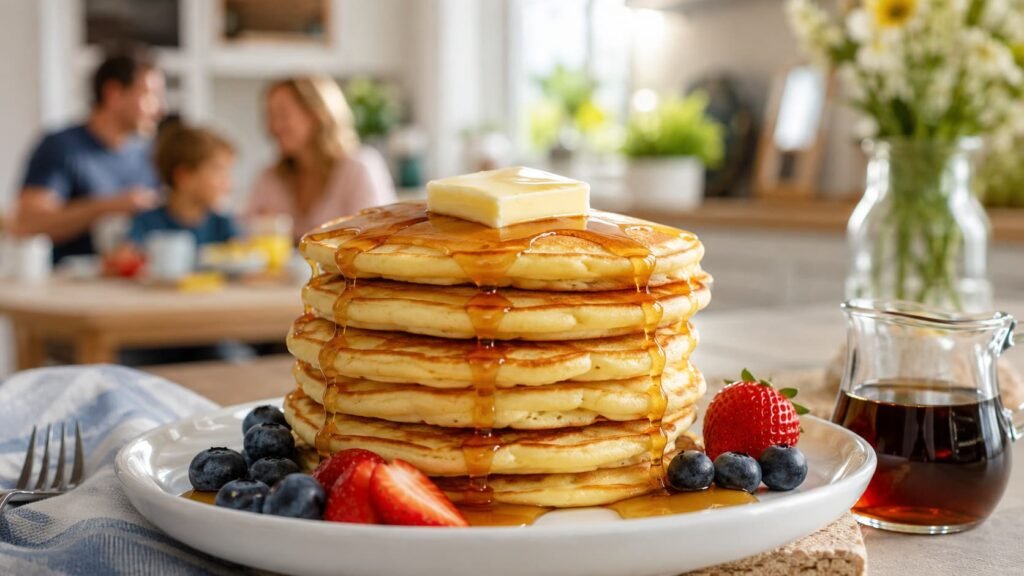
ihop pancake recipe

Restaurant-Style Copycat IHOP Pancakes for Family Breakfast

Facebook
LinkedIn
Pinterest
WhatsApp

Table of Contents

A warm stack of soft, golden pancakes can make an ordinary morning feel like a weekend breakfast at your favorite restaurant. This homemade IHOP pancake recipe is a copycat version inspired by the fluffy, lightly sweet pancakes many people love ordering for breakfast, but it uses simple ingredients you can easily keep in your kitchen.

These copycat IHOP pancakes are made to be soft in the center, golden around the edges, and easy to serve for the whole family. They are a great choice for a relaxed weekend breakfast, a cozy family brunch, a kids’ breakfast, or any morning when you want something homemade and comforting without making the recipe complicated.

This is not the official restaurant recipe. It is a homemade version created to bring that same restaurant-style pancakes experience to your own table. With the right batter texture, gentle mixing, and medium heat, you can make pancakes that come out fluffy, tender, and ready for syrup, berries, chocolate chips, whipped butter, or any topping your family enjoys.

If you want an easy family breakfast that feels special but still uses basic pantry ingredients, this recipe is a good place to start. It gives you the comfort of classic buttermilk-style pancakes with the freshness of a homemade breakfast.

Why You’ll Love This Copycat IHOP Pancake Recipe

The main reason to love this copycat IHOP pancake recipe is the texture. These pancakes are soft, fluffy, and thick enough to feel like restaurant-style pancakes, but they are still light and tender when you cut into them. The secret is not complicated. A good batter, fresh baking powder, gentle mixing, and the right cooking heat make a big difference.

You also do not need any hard-to-find ingredients. The recipe uses simple kitchen basics like flour, sugar, baking powder, egg, milk or buttermilk, and a little butter or oil. That makes it easy to prepare in the morning, even when you do not want to spend too much time in the kitchen.

This recipe also works well for family breakfast because it is easy to adjust. You can make a small batch for two people or double the batter when you need a bigger stack for the whole family. The pancakes cook quickly, and you can keep them warm while the rest of the batch is cooking.

Another reason this homemade version is useful is that it gives you more control than boxed pancake mix. You can add vanilla for a warmer flavor, make the pancakes slightly sweeter, or keep them simple and classic. The result tastes fresh and homemade while still giving you that familiar restaurant-style pancake feel.

These pancakes are also easy to customize with toppings. Warm syrup and whipped butter keep them classic, while strawberries, blueberries, banana slices, chocolate chips, cinnamon sugar, or powdered sugar can make them feel more special. That makes this recipe flexible enough for kids, weekend brunch, or a simple breakfast everyone can enjoy.

What Makes These Pancakes Restaurant-Style?

ihop buttermilk pancake recipe

Restaurant-style pancakes are known for their soft center, golden edges, light sweetness, and fluffy texture. This copycat IHOP pancake recipe is made to bring that same pancake-house feel into your own kitchen, using a simple batter and a few careful cooking steps.

The flavor starts with a gentle buttermilk-style tang. Buttermilk gives the pancakes a mild richness and helps balance the sweetness, so they do not taste flat or plain. It also works with the leavening in the batter to support a softer, more tender texture.

A little sugar also matters. These are not overly sweet pancakes, but the small amount of sweetness helps them brown nicely on the griddle and gives them that familiar breakfast flavor. Once you add warm syrup, whipped butter, fresh berries, or chocolate chips, the taste feels balanced and complete.

The texture depends on how the pancake batter is handled. It should be mixed gently, just until the dry ingredients are moistened. A few small lumps are completely fine. If the batter is beaten too much, the pancakes can turn dense, chewy, or flat instead of light and fluffy.

The batter should also be thick enough to spread slowly on the griddle, not thin like crepe batter. That thicker texture helps the pancakes rise and keeps the center soft while the outside turns golden.

Medium griddle heat is another important step. If the heat is too high, the pancakes brown too quickly before the inside has time to cook. If the heat is too low, they can turn pale and dry. A steady medium heat gives you even color, golden edges, and a tender middle.

Letting the batter rest for a few minutes can also improve the final result. This short rest gives the flour time to absorb the liquid and helps the batter thicken slightly. When the batter goes onto the griddle, it spreads better and cooks into softer, fluffier pancakes.

Why Do These Pancakes Taste Restaurant-Style?

These IHOP-style pancakes taste restaurant-style because they use a buttermilk-style batter, light sweetness, gentle mixing, medium griddle heat, and a short batter rest. These simple steps help create fluffy pancakes with golden edges, a soft center, and the classic breakfast-restaurant texture people expect from a good pancake stack.

Ingredients You’ll Need

ihop pancakes recipe​

A good IHOP pancake recipe starts with simple ingredient guides, but the balance matters. For these restaurant-style pancakes, each ingredient has a purpose. Flour gives the pancakes structure, the leavening helps them rise, buttermilk adds flavor and tenderness, and a small amount of fat keeps the texture soft instead of dry.

The key is to make a batter that is thick enough to rise on the griddle but still loose enough to pour. If the pancake batter is too thin, the pancakes can spread too much and turn flat. If it is too thick, they may cook unevenly. A slightly thick, smooth-but-lumpy batter helps these copycat IHOP pancakes cook up soft in the center with golden edges.

All-Purpose Flour

All-purpose flour gives pancakes their main structure. It helps the batter hold together while still allowing the pancakes to stay soft and tender when cooked properly. For the lightest result, spoon the flour into the measuring cup and level it off instead of packing it down.

Too much flour can make pancakes dense, while too little can make the batter runny. The best texture comes from a batter that pours slowly and spreads gently on the griddle.

Baking Powder and Baking Soda

Baking powder and baking soda are important for fluffy pancakes. Baking powder helps the batter rise, while baking soda works with the acidity in buttermilk to create a softer texture and better lift.

This is one reason buttermilk-style pancakes often feel lighter than a very basic pancake recipe. Fresh leavening is important here. If your baking powder is old, the pancakes may turn out flat even if the batter looks right.

Buttermilk

Buttermilk gives these pancakes their mild tangy flavor and tender bite. It adds richness without making the pancakes heavy, which helps create that soft breakfast-restaurant texture.

If you do not have buttermilk, you can still make a good pancake recipe without buttermilk by using regular milk mixed with a little lemon juice or vinegar. Let it sit for a few minutes before adding it to the batter. Real buttermilk gives the closest flavor and texture, but this simple substitute works well for a homemade pancake breakfast.

Egg

The egg helps bind the pancake batter together. It gives the pancakes enough structure so they hold their shape when flipped, while also helping the inside stay soft.

For a smoother batter, mix the egg with the wet ingredients first before adding everything to the flour mixture. This helps the batter come together evenly without needing too much stirring later.

Sugar

A small amount of sugar adds light sweetness and helps the pancakes brown on the griddle. These pancakes should not taste overly sweet by themselves because syrup, berries, whipped butter, or chocolate chips can add more sweetness when served.

Sugar also helps create that warm golden color on the outside. Without it, the pancakes may still cook, but they can look pale and taste less like classic restaurant-style pancakes.

Melted Butter or Oil

Melted butter or oil keeps the pancakes soft and moist. Butter adds a richer homemade flavor, while a neutral oil can make the pancakes especially tender.

If you use melted butter, let it cool slightly before mixing it with the egg and buttermilk. Very hot butter can affect the egg and make the batter uneven. A small amount of fat is enough to keep the pancakes tender without making them greasy.

Vanilla Extract

Vanilla extract is optional, but it gives the pancakes a warmer homemade flavor. It works especially well if you are making these pancakes for family breakfast and serving them with syrup, fruit, or whipped butter.

You only need a small splash. It adds a little depth to the batter and makes the pancakes smell better as they cook. If you prefer a more classic buttermilk pancake flavor, you can leave it out and keep the recipe simple.

How to Make Copycat IHOP Pancakes

Making restaurant-style copycat IHOP pancakes at home is all about three things: a thick but pourable batter, gentle mixing, and steady medium heat. The ingredients are simple, but the method makes the difference between soft, fluffy pancakes and pancakes that turn out flat or tough.

Before you start cooking, preheat a griddle or nonstick pan over medium heat. The surface should be hot before the batter goes on, but not smoking. A good test is to add a tiny drop of batter or water to the pan. It should lightly sizzle, not burn right away.

Step 1: Mix the Dry Ingredients

Add the all-purpose flour, sugar, baking powder, baking soda, and salt to a large mixing bowl. Stir them together until the mixture looks even. This helps spread the leavening through the flour so the pancakes rise more evenly as they cook.

Salt may seem small, but it matters. It balances the sweetness and gives the pancakes a fuller breakfast flavor instead of letting them taste plain.

Step 2: Mix the Wet Ingredients

In a separate bowl, whisk together the buttermilk, egg, melted butter or oil, and vanilla extract. The buttermilk adds a soft tangy flavor, the egg helps hold the batter together, and the melted butter or oil keeps the pancakes tender.

If you are using melted butter, let it cool slightly before adding it to the bowl. Butter that is too hot can affect the egg and may make the wet mixture uneven.

Step 3: Combine the Batter Gently

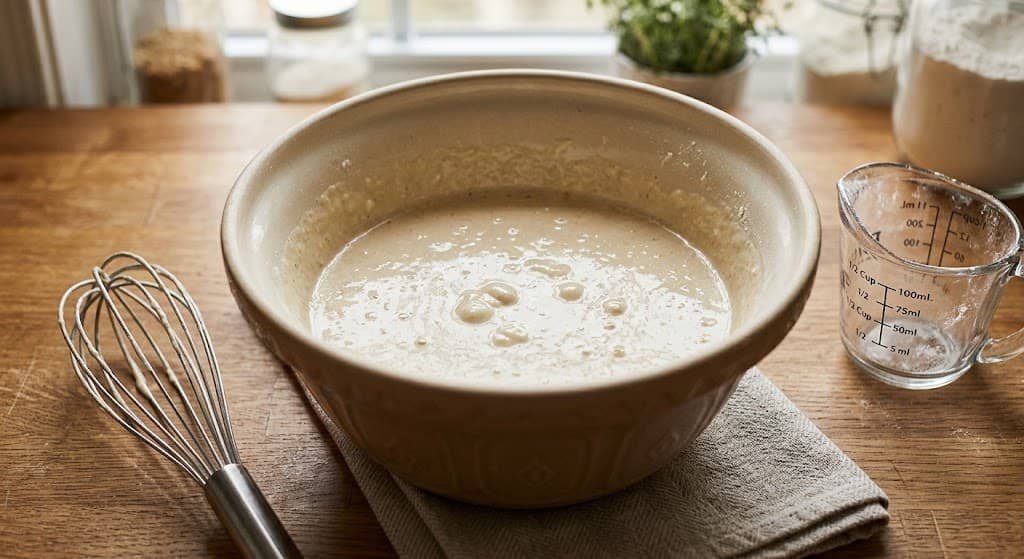
Pour the wet ingredients into the dry ingredients and stir slowly until the flour is just moistened. The pancake batter should look slightly thick, and a few small lumps are fine.

This is one of the most important parts of this IHOP pancake recipe. Do not mix the batter until it looks perfectly smooth. Overmixing can make the pancakes dense, chewy, or flat because it develops the flour too much. Stop mixing as soon as the batter comes together.

Step 4: Let the Batter Rest

Let the batter rest for 5 to 10 minutes before cooking. This short rest gives the flour time to absorb the liquid and helps the batter thicken slightly.

A rested batter spreads more slowly on the griddle, which helps create a softer center and better rise. If the batter becomes too thick after resting, add a small splash of buttermilk and stir once or twice. Do not overmix it again.

Step 5: Cook on a Preheated Griddle

ihop recipes for pancakes

Lightly grease the griddle with butter or oil, then pour about ¼ cup of batter for each pancake. This gives you a classic breakfast stack size that cooks evenly.

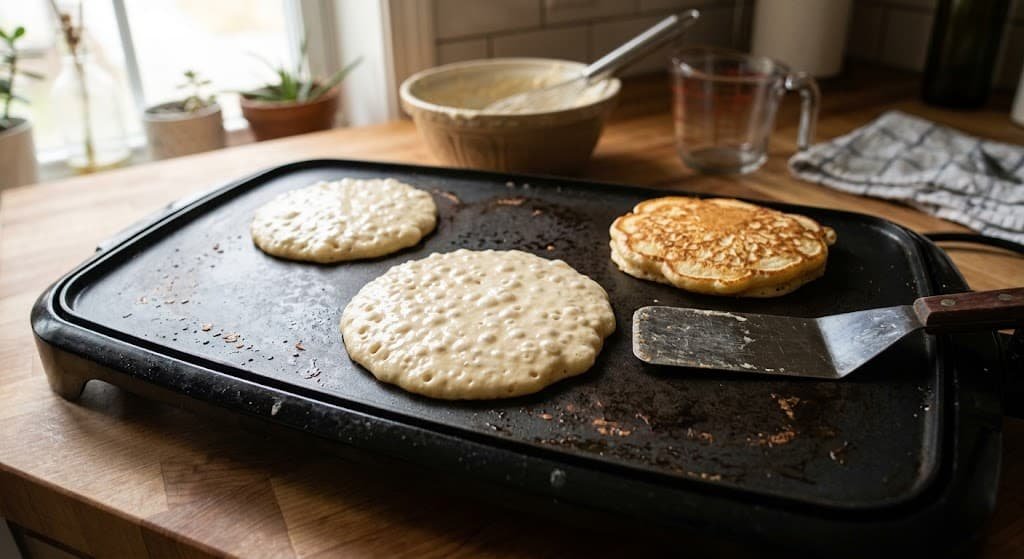
Cook the pancakes over steady medium heat for about 2 to 3 minutes on the first side. Watch for small bubbles on the surface and edges that begin to look set. The bottom should be golden, not dark brown. If the pancakes brown too quickly, lower the heat before starting the next batch.

Step 6: Flip Once and Finish Cooking

Flip each pancake once with a thin spatula. Cook the second side for about 1 to 2 minutes, or until it turns golden and the center feels cooked through.

Do not press the pancakes down after flipping. Pressing pushes out the air and can make them less fluffy. A pancake is usually ready when the outside is golden, the edges look set, and the center springs back lightly when touched.

Serve the pancakes warm with syrup, whipped butter, fresh berries, chocolate chips, or sliced bananas. For a family breakfast, keep the finished pancakes warm on a plate covered loosely with foil while you cook the rest of the batch.

Tips for Fluffy IHOP-Style Pancakes

The key to fluffy IHOP-style pancakes is simple: mix the batter gently, let it rest for a few minutes, use fresh baking powder, and cook the pancakes over steady medium heat. Small details like these make a big difference between pancakes that rise nicely and pancakes that turn flat, chewy, or dry.

Start with the batter. Pancake batter should look slightly thick and a little lumpy. It does not need to be perfectly smooth. When the batter is mixed too much, the flour develops more structure, and that can make the pancakes tougher instead of soft and tender.

Let the batter rest for 5 to 10 minutes before cooking. This gives the flour time to absorb the liquid and helps the batter thicken slightly. A rested batter spreads more slowly on the griddle, which helps create a softer center and better rise.

Medium heat works best for restaurant-style pancakes. If the pan is too hot, the outside can brown before the middle is cooked. If the heat is too low, the pancakes may turn pale and dry. A steady medium heat gives you golden edges, an evenly cooked center, and a better pancake-house texture.

Flip each pancake only once. Wait until small bubbles appear on the surface and the edges begin to look set, then slide a thin spatula underneath and turn it over. After flipping, do not press the pancake down. Pressing pushes out the air that helps keep the pancakes light and fluffy.

Fresh baking powder is also important. If your baking powder has been open for a long time, the pancakes may not rise well even if the batter looks right. Before cooking the full batch, make one small test pancake. This helps you check the heat, batter thickness, browning, and texture before using more batter.

If you are making pancakes for family breakfast, keep the cooked pancakes warm while the rest of the batch cooks. Place them in a single layer on a baking sheet in a low oven, around 200°F, until ready to serve. Keeping them in a single layer helps prevent too much steam from making them soft or soggy.

Easy Ingredient Substitutions

This copycat IHOP pancake recipe works best with the original ingredients, but a few smart substitutions can help when you are missing something or need a different option. The most important thing is to keep the batter balanced because changing one ingredient can affect the rise, flavor, and texture.

Original Ingredient Substitute Best Use
Buttermilk Milk plus lemon juice or vinegar Best when you do not have buttermilk
Milk Oat milk, soy milk, or almond milk Best for pancakes without milk
Butter Neutral oil Best for pancakes without butter
Egg Mashed banana or egg replacer Best for an eggless pancake variation
Baking powder Baking soda plus an acidic ingredient Best only when the recipe is adjusted
All-purpose flour Half all-purpose flour and half whole wheat flour Best for a whole wheat pancakes variation

If you do not have buttermilk, use a simple homemade substitute. For 1 cup of buttermilk, mix 1 cup of milk with 1 tablespoon of lemon juice or vinegar. Let it sit for about 5 minutes before adding it to the batter. This is a helpful option for a pancake recipe without buttermilk, and it still gives the pancakes a mild tang and softer texture.

For pancakes without milk, use a dairy-free milk with a mild flavor. Oat milk and soy milk usually work well because they add enough body to the batter. Almond milk can also work, but it may make the batter slightly thinner, so add it slowly and adjust the texture if needed.

If you need pancakes without butter, use a neutral oil instead. Oil keeps the pancakes soft and moist, while butter gives a richer flavor. Both options work, but oil is useful when you want a simple dairy-free version.

For an eggless pancake variation, mashed banana or a store-bought egg replacer can help bind the batter. Banana adds sweetness and a light fruit flavor, so it works best when the pancakes are served with syrup, berries, or chocolate chips. Eggless pancakes may be slightly softer and less fluffy than the original version, but they can still taste very good when cooked gently.

Making pancakes without baking powder is more difficult because baking powder gives pancakes much of their lift. If you leave it out completely, the pancakes may turn flatter. Baking soda can help only when the batter has enough acid, such as buttermilk, lemon juice, or vinegar. For the fluffiest result, baking powder is still the better choice.

For a whole wheat pancakes variation, replace only half of the all-purpose flour with whole wheat flour. Using all whole wheat flour can make the pancakes heavier, but a half-and-half mix adds a slightly nutty flavor while keeping the pancakes soft enough for a family breakfast.

Can You Make This Pancake Recipe Without Milk?

Yes, you can make this pancake recipe without milk, and the pancakes can still turn out soft and golden with the right substitute. The best choice is an unsweetened dairy-free milk with a mild flavor, because it keeps the batter smooth without changing the taste too much.

Oat milk is usually the closest option because it has a slightly creamy texture. Soy milk also works well because it adds enough body to the pancake batter. Almond milk can be used too, but it is thinner, so add it slowly and check the batter before pouring in the full amount. If the batter looks too runny, a small spoon of flour can help bring it back to the right texture.

For a closer buttermilk-style effect without dairy, mix 1 cup of dairy-free milk with 1 tablespoon of lemon juice or white vinegar. Let it sit for about 5 minutes before adding it to the batter. This gives the pancakes a light tang and helps the flavor feel more balanced.

This is a useful option if you need pancakes with no milk or a simple pancake recipe without milk for breakfast. The flavor will be a little different from the buttermilk version, but the pancakes can still be fluffy, tender, and satisfying when the batter is mixed gently and cooked over steady medium heat.

For the best dairy-free pancake recipe result, use unsweetened dairy-free milk. Sweetened milk can make the pancakes brown faster, and flavored milk can change the final taste. Vanilla-flavored milk can work if you want a stronger vanilla flavor, but plain unsweetened milk gives you more control.

Can You Make These Pancakes Without Buttermilk?

Yes, you can make these pancakes without buttermilk by using a simple milk-and-acid substitute. For every 1 cup of buttermilk, mix 1 cup of milk with 1 tablespoon of lemon juice or white vinegar. Let it rest for about 5 minutes, then stir it gently before adding it to the pancake batter.

This homemade substitute works because the acid gives the milk a mild tang and helps create a softer pancake texture. Whole milk gives the richest result, but low-fat milk can also work. The flavor will not be exactly the same as real buttermilk, but it is still a reliable option when you want fluffy pancakes and do not have buttermilk in the fridge.

If you are making a pancake recipe no buttermilk, keep the batter slightly thick and avoid overmixing it. A few small lumps are fine. After the batter rests, it should thicken slightly and spread slowly on the griddle, helping the pancakes cook with a soft center and golden edges.

This method also works well if you are looking for a pancake recipe without buttermilk but still want a restaurant-style breakfast at home. The taste may be a little milder, but syrup, whipped butter, berries, or chocolate chips can make the pancakes feel rich and complete.

For a buttermilk pancake recipe without buttermilk, the milk-and-acid method is the closest simple substitute. Use it fresh, mix the batter gently, and cook the pancakes over medium heat so they stay fluffy instead of turning dry or flat.

Can You Make Pancakes Without Baking Powder?

Yes, you can make pancakes without baking powder, but they will usually be a little flatter than the original version. Baking powder is one of the main ingredients that helps pancake batter rise, so removing it changes the height and texture.

If you need pancakes with no baking powder, the best option is to replace some of that lift carefully. Baking soda can help, but only when the batter has an acidic ingredient such as buttermilk, lemon juice, or vinegar. Without enough acid, baking soda may leave a bitter taste and will not give the pancakes the soft rise you want.

Another option is to use whipped egg whites. This method takes a little more time, but it can add air to the batter. Whip the egg whites until soft peaks form, then fold them in gently at the end. This can help if you want an easy pancake recipe without baking powder but still want a lighter texture.

A pancake recipe without baking powder can still taste good, but it may not have the same restaurant-style height as the original recipe. For the fluffiest IHOP-style pancakes, fresh baking powder is still the best choice. If you are out of it, use a tested no-baking-powder method instead of guessing the baking soda amount.

Even without baking powder, the basic pancake rules still matter. Keep the batter slightly thick, avoid overmixing, let it rest for a few minutes, and cook the pancakes over steady medium heat. These small steps help the pancakes stay tender in the center instead of turning dry or heavy.

Small Batch and Family Batch Guide

This recipe is easy to adjust whether you are making one small stack or a full IHOP-style family breakfast. The most important thing is to keep the ingredient ratio balanced, because too much liquid can make the pancakes spread, while too much flour can make them dense.

For a pancake recipe for 1, make a small amount of batter that gives about 2 to 3 pancakes. This works well for a single serving pancake recipe when you want a quick breakfast without extra leftovers. Use a small bowl, mix gently, and cook the pancakes one at a time so they brown evenly.

For a pancake recipe for 2, prepare enough batter for about 4 to 6 pancakes. This is a good size for a simple breakfast for two, especially if you are serving the pancakes with fruit, eggs, coffee, or a small side of breakfast potatoes.

For a family breakfast batch, plan for about 10 to 12 pancakes. This is usually enough for a small family, depending on how many toppings or side dishes you serve. Keep the finished pancakes warm in a low oven while the rest of the batch cooks so everyone can eat together.

If you are cooking for a larger group, double the recipe instead of guessing by eye. Mix the dry ingredients in one bowl and the wet ingredients in another before combining. This keeps the batter even and helps each pancake cook with the same soft, fluffy texture.

Batch Size Pancake Yield Best For
Small batch 2 to 3 pancakes One person
Two-person batch 4 to 6 pancakes Two people
Family breakfast batch 10 to 12 pancakes Small family
Large family batch Double the recipe Bigger breakfast or brunch

Best Toppings for Copycat IHOP Pancakes

copycat ihop pancake recipe​

The right toppings can turn a warm stack of copycat IHOP pancakes into a breakfast that feels complete. Maple syrup is the classic choice because it soaks into the soft pancakes and adds sweetness without covering up the mild buttermilk-style flavor. If you want something richer, homemade pancake syrup is another good option for a diner-style breakfast at home.

Whipped butter is also a favorite because it melts slowly over hot pancakes and gives each bite a creamy finish. It pairs well with maple syrup, fresh berries, or a light dusting of powdered sugar. For a quick homemade pancake syrup recipe, warm brown sugar with water and a little vanilla until smooth, then spoon it over the pancakes while it is still warm.

Fresh strawberries and blueberries add color, freshness, and natural sweetness. For strawberry pancakes, slice fresh strawberries over the stack and add syrup or whipped cream. Blueberries can be served fresh, or warmed for a few minutes until they release a little juice and become more sauce-like.

Chocolate chips are a good choice for kids, weekend breakfasts, or anyone who wants a sweeter stack. For chocolate chip pancakes, sprinkle a few chocolate chips onto each pancake right after the batter is poured onto the griddle. This helps the chocolate spread evenly through the pancake without sinking too much.

Cinnamon sugar is another simple topping that adds warm flavor without making the pancakes too heavy. For a cinnamon pancake recipe variation, mix a small amount of cinnamon into the batter, or sprinkle cinnamon sugar over the cooked pancakes for a soft, sweet finish.

Bananas, peanut butter, and powdered sugar are easy toppings when you want something different. Banana slices add natural sweetness, peanut butter makes the pancakes more filling, and powdered sugar gives the stack a classic breakfast-restaurant look. If the peanut butter is too thick, warm it slightly so it drizzles more easily over the pancakes.

You can keep the toppings simple or set out a few choices at the table. This works especially well for family breakfast because everyone can build their own pancake stack with the flavors they like best.

What to Serve with Pancakes for Family Breakfast

ihop copycat pancake recipe

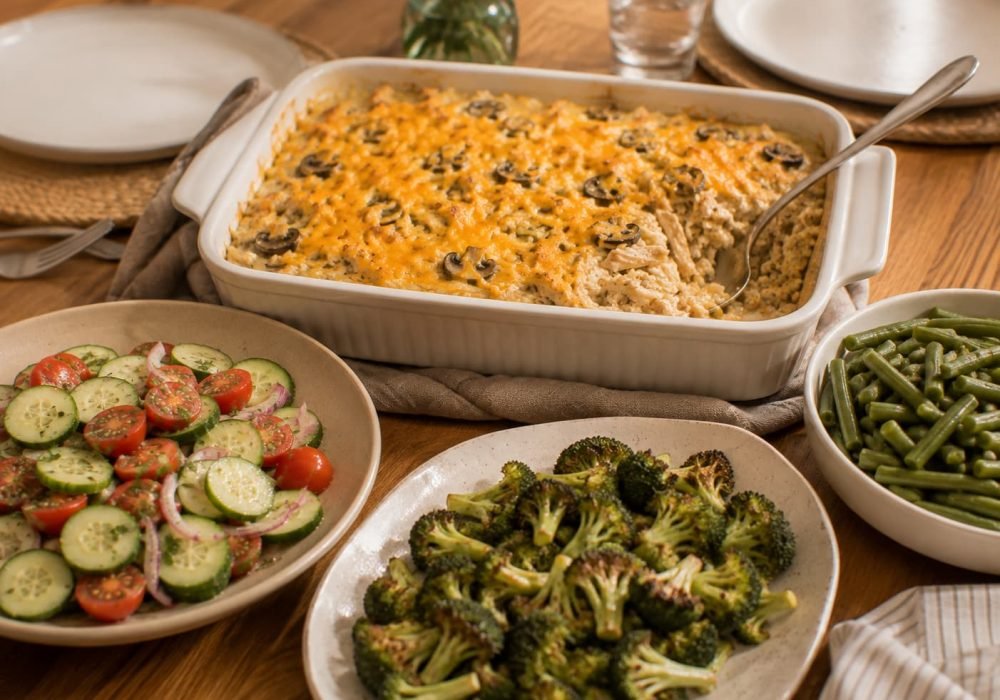
Pancakes can be the main dish, but the right sides make the meal feel more balanced and satisfying. For a family breakfast, it helps to serve something savory, something fresh, and something filling alongside the pancakes. Scrambled eggs, fruit, yogurt, bacon, sausage, or breakfast potatoes all work well with a warm pancake stack.

Scrambled eggs are one of the easiest sides because they cook quickly and balance the sweetness of syrup or fruit toppings. Turkey bacon, regular bacon, or breakfast sausage can add a classic savory flavor and make the breakfast feel more complete.

Fresh fruit is a good option when you want the meal to feel lighter. Strawberries, blueberries, banana slices, oranges, or melon can be served on the side or added directly on top of the pancakes. Greek yogurt also works well because it adds creaminess and protein, especially if you are serving kids or making a slower weekend brunch.

Breakfast potatoes are a good choice when you want a heartier meal. Crispy potatoes with a little salt and pepper pair well with soft pancakes, eggs, and bacon. They are especially useful when you are serving guests or making a larger breakfast for the family.

For drinks, coffee is the classic choice for adults, while orange juice works well for kids and brunch-style breakfasts. Smoothies are also a good option if you want to add fruit without preparing a separate fruit plate. A simple banana or berry smoothie pairs nicely with pancakes and keeps the meal fresh.

If you are preparing several sides, cook the pancakes first and keep them warm in a low oven while you finish the eggs, bacon, sausage, or potatoes. This makes it easier to serve everything warm at the same time without rushing.

How to Store, Freeze, and Reheat Pancakes

ihop recipe for pancakes​

These copycat IHOP pancakes taste best fresh from the griddle, but leftovers can still be soft and enjoyable when stored properly. Let the pancakes cool completely before packing them away. If they are stored while hot, steam can collect inside the container and make them damp or soggy.

Refrigerating

To refrigerate pancakes, place them in an airtight container once they have cooled. They usually stay fresh for 2 to 3 days in the fridge. If you are stacking several pancakes, place a small piece of parchment paper between the layers so they do not stick together.

This is a helpful option when you want a quick breakfast the next morning. The pancakes may firm up slightly in the fridge, but they will soften again when reheated gently.

Freezing

Freezing is the best option if you want to save pancakes for later in the week. Place the cooled pancakes in layers with parchment paper between each one, then store them in a freezer-safe bag or container. This keeps them from freezing into one solid stack.

For the best texture, press out as much air as possible before sealing the bag. Frozen pancakes are best used within 1 to 2 months. They may still be safe after that, but the texture is usually better when they are reheated sooner.

Reheating

The toaster is one of the easiest ways to reheat pancakes because it warms them quickly and gives the edges a little texture. For a softer result, use the microwave for about 20 to 30 seconds per pancake, adding a few more seconds if needed.

For a larger batch, use the oven. Place the pancakes on a baking sheet, cover them loosely with foil, and warm them at 300°F for about 8 to 10 minutes. You can also reheat pancakes in a skillet over low heat for 1 to 2 minutes per side. Add a tiny bit of butter to the pan if you want a warmer, richer finish.

Common Pancake Mistakes to Avoid

Even a simple IHOP pancake recipe can go wrong if the batter is rushed or the heat is not controlled. Most pancake problems come from small mistakes, not difficult ingredients. Once you know what to avoid, it becomes much easier to make soft, fluffy pancakes with a golden outside and tender center.

Overmixing the Batter

Pancake batter should not be perfectly smooth. A few small lumps are normal and actually help keep the texture tender. If you keep stirring after the flour is mixed in, the pancakes can turn chewy instead of soft.

Cooking on Heat That Is Too High

High heat can brown the outside before the center has time to cook. Medium heat is usually the safest choice for restaurant-style pancakes because it gives the batter enough time to rise and cook through evenly.

Flipping Too Early

Flipping too soon can make pancakes break or cook unevenly. Wait until small bubbles appear on the surface and the edges begin to look set. Once you flip, let the second side cook until golden and avoid turning the pancake again unless needed.

Pressing Pancakes with a Spatula

Pressing pancakes may seem helpful, but it pushes out the air that keeps them light. Let them cook gently after flipping. This helps the inside stay soft and gives the pancakes a better rise.

Using Expired Baking Powder

Old baking powder can make pancakes flat even when the batter looks right. Fresh baking powder gives better lift and helps create the fluffy texture people expect from copycat IHOP pancakes.

Making the Batter Too Thin

Thin batter spreads too quickly on the griddle and can make pancakes flat. The batter should be thick enough to pour slowly. If it looks watery, add a small spoon of flour and stir gently until the texture improves.

Skipping the Rest Time

Letting the batter rest for 5 to 10 minutes gives the flour time to absorb the liquid. This helps the batter thicken slightly and gives the pancakes a softer center when cooked.

Recipe Variations

Recipe Variations

Once you have the basic recipe ready, you can turn these copycat IHOP pancakes into different breakfast flavors without changing the full method. Keep the same batter base, then add simple toppings or mix-ins depending on what your family likes.

Chocolate Chip Copycat IHOP Pancakes

For chocolate chip copycat IHOP pancakes, pour the batter onto the griddle first, then sprinkle a few chocolate chips over each pancake before flipping. This helps the chocolate spread evenly without weighing down the batter.

Start with a small amount of chocolate chips. Too many can make the pancakes harder to flip and may cause melted chocolate to stick to the pan.

Strawberry Pancakes

For strawberry pancakes, keep the batter simple and add sliced strawberries on top after cooking. This keeps extra moisture out of the batter and helps the pancakes stay light.

You can also spoon warm strawberry sauce over the stack for a sweeter breakfast. Strawberries pair well with whipped butter, powdered sugar, maple syrup, or a little whipped cream.

Cinnamon Pancakes

For cinnamon pancakes, add a small amount of ground cinnamon to the dry ingredients before mixing the batter. This gives the pancakes a warm flavor without changing the texture too much.

Cinnamon also works well with bananas, maple syrup, brown sugar, whipped butter, or a light dusting of powdered sugar. It is a simple variation for a cozy weekend breakfast.

Protein Pancake Variation

For a protein pancake variation, add a spoon of Greek yogurt to the wet ingredients for extra creaminess and protein. If the batter becomes too thick, add a small splash of milk or buttermilk and stir gently until it pours slowly.

You can also use a protein pancake mix as a separate quick breakfast option. It will not taste exactly like the homemade version, so follow the package directions and adjust the liquid slowly to avoid a dry or heavy batter.

Pancake Mix Shortcut

Pancake mix can be useful when you need breakfast quickly. It saves time and works well for busy mornings, especially when cooking for kids or making a last-minute family breakfast.

Homemade batter gives you the most control over flavor and texture. You can adjust the sweetness, use buttermilk, add vanilla, control the thickness, and cook the pancakes exactly the way you like them. For the closest restaurant-style result, the homemade version is the better choice.

FAQs

Is this the official IHOP pancake recipe?

No, this is not the official IHOP pancake recipe. It is a homemade copycat recipe inspired by soft, fluffy, restaurant-style pancakes. The goal is to create a similar pancake-house texture at home with simple ingredients and an easy cooking method.

Why are IHOP-style pancakes so fluffy?

IHOP-style pancakes are fluffy because the batter has the right balance of leavening, moisture, and gentle mixing. Baking powder and baking soda help the pancakes rise, while buttermilk keeps the texture soft and tender.

The batter should not be overmixed. A few small lumps are fine, and resting the batter for 5 to 10 minutes can help the pancakes cook with a softer center and better rise.

Can I make these pancakes without milk?

Yes, you can make these pancakes without milk by using a dairy-free milk alternative. Oat milk and soy milk usually work well because they have enough body for pancake batter. Almond milk can also work, but it is thinner, so add it slowly and adjust the batter if needed.

For the best dairy-free version, use unsweetened dairy-free milk. To create a mild buttermilk-style flavor, mix 1 cup of dairy-free milk with 1 tablespoon of lemon juice or vinegar and let it sit for about 5 minutes before adding it to the batter.

Can I make these pancakes without buttermilk?

Yes, you can make this pancake recipe without buttermilk by using a simple homemade substitute. Mix 1 cup of milk with 1 tablespoon of lemon juice or white vinegar, then let it sit for about 5 minutes before using it.

This gives the pancakes a light tang and helps create a softer texture. The flavor may be slightly milder than real buttermilk, but it still works well for fluffy pancakes.

Can I make pancakes without baking powder?

Yes, you can make pancakes without baking powder, but they may turn out flatter. Baking powder helps pancakes rise, so removing it changes the height and texture.

A tested no-baking-powder method may use baking soda with an acidic ingredient, such as buttermilk, lemon juice, or vinegar. Whipped egg whites can also add air to the batter, but for the fluffiest result, fresh baking powder is still the best choice.

Can I make this recipe for one person?

Yes, you can make this recipe for one person by reducing the ingredients and cooking a small batch. A single serving pancake recipe usually makes about 2 to 3 pancakes, which is enough for a quick breakfast without too many leftovers.

If you make extra pancakes, store them in the fridge for 2 to 3 days or freeze them for later.

Can I freeze these pancakes?

Yes, these pancakes freeze well. Let them cool completely, then place parchment paper between each pancake so they do not stick together. Store them in a freezer-safe bag or container and remove as much air as possible before sealing.

Frozen pancakes are best used within 1 to 2 months for the best texture.

How do I reheat pancakes?

You can reheat pancakes in a toaster, microwave, oven, or skillet. For a quick option, microwave one pancake for about 20 to 30 seconds. For a larger batch, place pancakes on a baking sheet, cover loosely with foil, and warm at 300°F for about 8 to 10 minutes.

A toaster works well if you want slightly firmer edges, while a skillet over low heat gives you more control.

Why are my pancakes not fluffy?

Pancakes usually turn out flat when the batter is overmixed, the baking powder is old, the batter is too thin, or the griddle heat is too high. For soft and fluffy pancakes, mix gently, leave a few small lumps, use fresh baking powder, and cook over steady medium heat.

Letting the batter rest for 5 to 10 minutes also helps. It gives the flour time to absorb the liquid and helps the pancakes rise better on the griddle.

Related Blogs

Scroll to Top