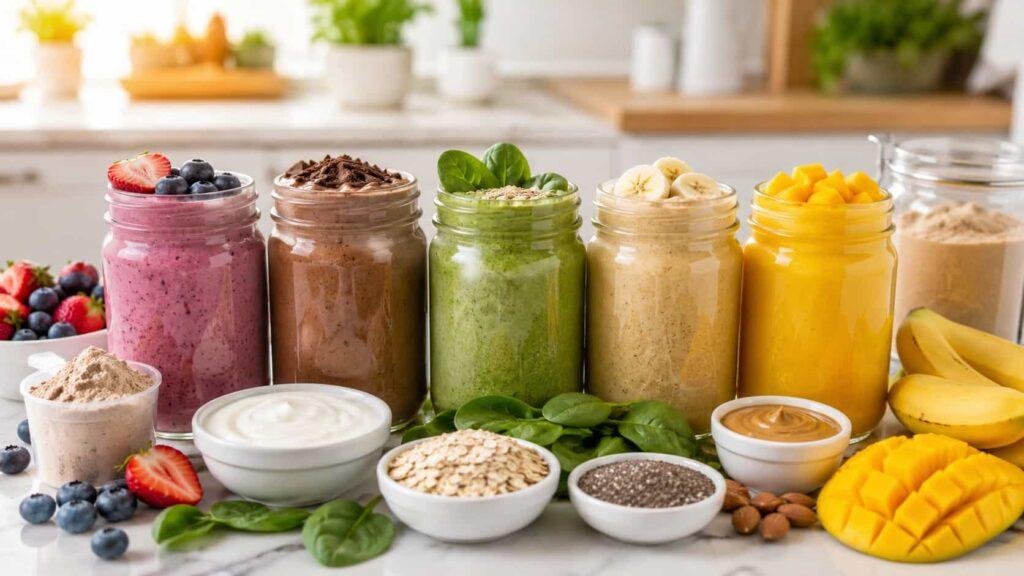
Have you ever finished a smoothie only to feel hungry again an hour later?
You’re not alone. Many smoothies that are marketed as healthy are packed with fruit juice, flavored yogurt, and added sweeteners but contain very little protein. While they may taste good, they often fail to provide the balance needed to keep you satisfied throughout the morning.
That is one reason many people become frustrated with weight loss smoothies. They expect a filling breakfast or meal replacement, only to find themselves reaching for snacks shortly afterward.
The good news is that a few simple ingredient changes can make a big difference.
High protein smoothie recipes combine protein-rich ingredients with fiber and healthy fats to create a more satisfying drink. This combination can help support fullness, provide steady energy, and make it easier to stay consistent with healthy eating habits.
Quick Answer
High protein smoothies can support weight loss because protein helps increase fullness and may reduce hunger between meals. Most filling smoothies contain 20 to 30 grams of protein along with fiber-rich ingredients such as berries, oats, chia seeds, flaxseeds, and leafy greens. When combined with healthy fats like nut butter or avocado, these smoothies can keep you satisfied for longer than fruit-only smoothies.
Whether you’re looking for a quick breakfast, a post-workout option, or a healthier meal replacement, choosing the right ingredients is key.
In this guide, you’ll discover 25 high protein smoothie recipes for weight loss that actually keep you full. You’ll also learn how much protein a smoothie should contain, which ingredients create lasting satisfaction, common mistakes to avoid, and practical tips for building healthier smoothies at home.
Why Many Smoothies Fail for Weight Loss
Many traditional smoothies contain plenty of vitamins and minerals, but they often lack the nutrients that help control hunger.
A smoothie made primarily with fruit, fruit juice, or sweetened yogurt may digest quickly, causing energy levels to rise and fall rapidly. As a result, hunger can return much sooner than expected.
Some common reasons smoothies fail to keep people full include:
- Too much fruit and not enough protein
- Little or no fiber
- Lack of healthy fats
- Large amounts of added sugar
- Low overall nutrient density
The result is a drink that tastes healthy but functions more like a sugary snack than a balanced meal.
What Makes a Smoothie Filling?
The most satisfying smoothies typically contain three key components:
| Nutrient | Why It Matters |
| Protein | Helps promote fullness and supports muscle maintenance |
| Fiber | Slows digestion and supports steady energy |
| Healthy Fats | Increase satisfaction and improve texture |
When these nutrients work together, they can help create a smoothie that feels more like a complete meal.
Quick Benefits of High Protein Smoothies
- Help you stay full longer between meals
- Support healthy weight management goals
- Provide a convenient high protein breakfast
- Help reduce unnecessary snacking
- Deliver important nutrients in one serving
- Support muscle maintenance during weight loss
- Easy to customize for different dietary preferences
- Ideal for meal prep and busy mornings
Why Protein Matters for Weight Loss
Protein plays an important role in almost every function of the body, but it becomes especially valuable when you’re trying to lose weight.
Unlike highly refined carbohydrates, protein digests more slowly and generally provides greater satisfaction after eating. This is one reason high protein breakfast smoothies have become a popular choice among people looking for practical and sustainable weight management strategies.
For many adults, including a source of protein at breakfast can make a noticeable difference in hunger levels throughout the day.
Protein Helps You Stay Full Longer
One of the biggest challenges during weight loss is managing hunger.
When meals lack protein, it is often easier to feel hungry soon after eating. This can lead to unnecessary snacking and make it harder to maintain a calorie deficit over time.
Protein takes longer to digest than many simple carbohydrates, which may help increase feelings of fullness after meals. For this reason, many nutrition professionals recommend aiming for approximately 20 to 30 grams of protein in a filling breakfast smoothie.
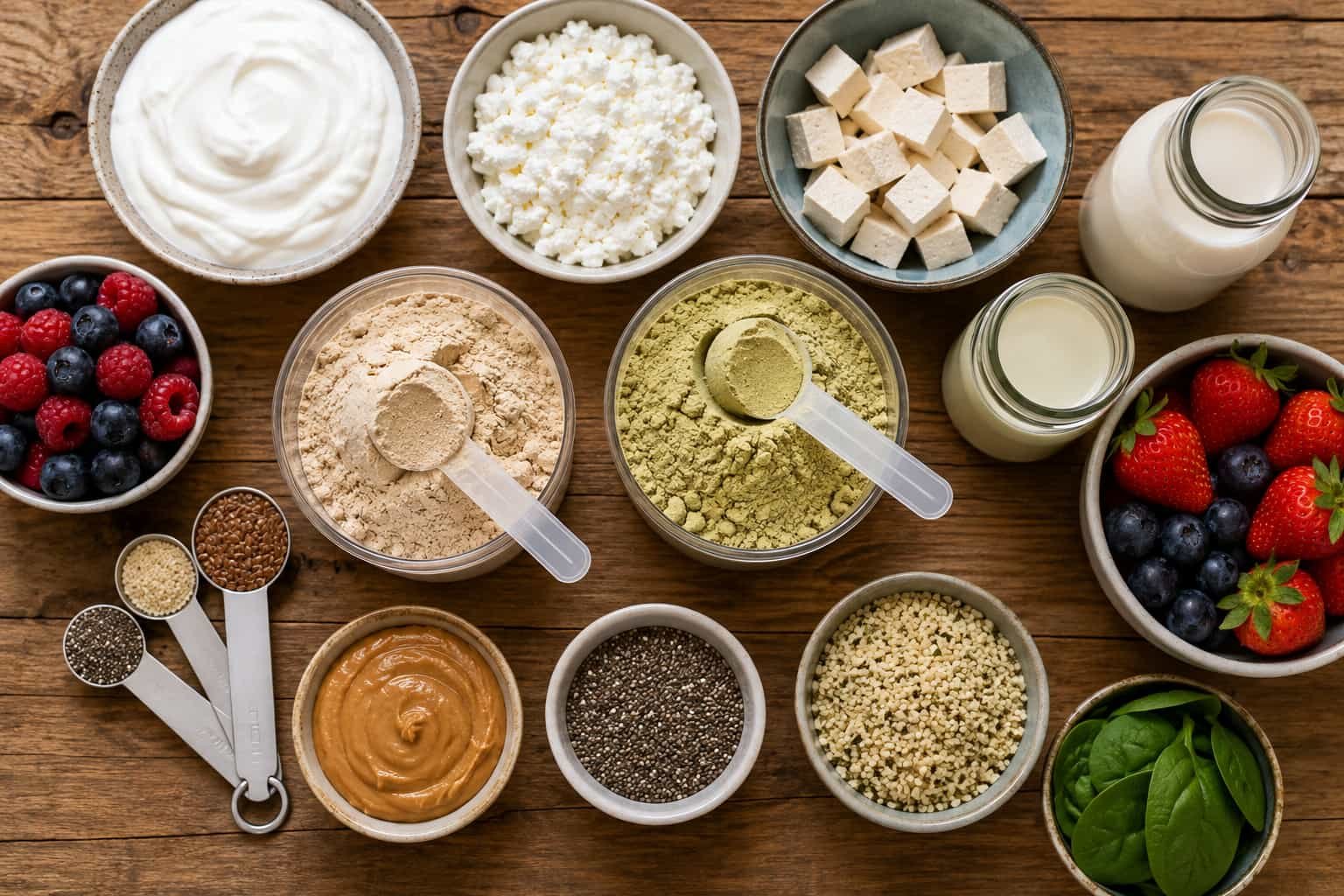
Some of the best protein sources for smoothies include:
- Greek yogurt
- Cottage cheese
- Whey protein powder
- Pea protein powder
- Tofu
- Milk
- Soy milk
- Chia seeds
- Hemp seeds
A smoothie containing adequate protein is often far more satisfying than one made only with fruit and juice.
Supports Muscle While Losing Weight
Successful weight loss is not only about reducing body weight. Preserving lean muscle mass is equally important.
When people reduce calories without consuming enough protein, the body may lose muscle along with fat. Including protein-rich foods throughout the day helps support muscle maintenance while pursuing weight management goals.
This is particularly important for people who exercise regularly, walk frequently, participate in strength training, or follow an active lifestyle.
Many healthy protein smoothies provide a convenient way to increase daily protein intake while also supplying vitamins, minerals, and other beneficial nutrients.
Reduces Snacking and Cravings
Have you ever eaten breakfast only to start craving snacks before lunchtime?
A breakfast that lacks protein, fiber, or healthy fats may leave you searching for something else to eat soon afterward.
High protein smoothies can help reduce this pattern by creating greater satisfaction after meals. Ingredients such as Greek yogurt, berries, chia seeds, oats, flaxseeds, and almond butter provide a combination of protein, fiber, and healthy fats that work together to support fullness.
For example, a smoothie made with Greek yogurt, mixed berries, chia seeds, and almond butter offers significantly more staying power than a smoothie made entirely from fruit juice and bananas.
Instead of constantly thinking about your next snack, you may find it easier to stay satisfied until your next planned meal.
That is one reason filling smoothies for weight loss have become a popular breakfast choice for busy professionals, parents, students, and fitness enthusiasts alike.
What Makes a Smoothie High in Protein?
Not every smoothie that looks healthy provides enough protein to keep you satisfied. In many cases, a smoothie may contain plenty of fruit and vitamins but very little protein, making it less filling than expected.
A high protein smoothie typically contains at least 15 to 20 grams of protein per serving, while many of the best protein smoothies for weight loss provide between 20 and 30 grams. This amount can help support fullness, provide steady energy, and make a smoothie feel more like a complete meal rather than a quick snack.
The protein content of a smoothie depends on the ingredients used. Choosing the right combination of protein-rich foods can dramatically improve both nutrition and satisfaction.
Best Protein Sources for Healthy Smoothies
The easiest way to increase the protein content of a smoothie is to start with ingredients that naturally contain high amounts of protein.
Some options also provide additional nutrients such as calcium, fiber, healthy fats, and essential vitamins.
| Protein Source | Approximate Protein |
| Greek Yogurt (1 cup) | 17–20g |
| Cottage Cheese (1 cup) | 24–28g |
| Whey Protein Powder (1 scoop) | 20–25g |
| Pea Protein Powder (1 scoop) | 18–24g |
| Milk (1 cup) | 8g |
| Soy Milk (1 cup) | 7–9g |
| Silken Tofu (100g) | 8–10g |
| Hemp Seeds (3 tbsp) | 10g |
| Chia Seeds (2 tbsp) | 5g |
Greek yogurt remains one of the most popular ingredients for high protein breakfast smoothies because it adds creaminess without requiring additional sweeteners.
Cottage cheese is another excellent option. Although it may sound unusual in a smoothie, it blends surprisingly well and creates a rich texture while adding a significant protein boost.
For those following a plant-based diet, pea protein, soy milk, tofu, hemp seeds, and chia seeds can help create satisfying protein smoothies without dairy.
Ideal Protein Range Per Smoothie
One of the most common questions people ask is how much protein a smoothie should contain.
The answer depends on how the smoothie fits into your daily eating plan.
For a light snack, around 10 to 15 grams of protein may be sufficient.
For breakfast or a meal replacement smoothie, most people benefit from aiming for 20 to 30 grams of protein. This range is often enough to improve fullness while helping support daily protein needs.
| Smoothie Type | Recommended Protein |
| Snack Smoothie | 10–15g |
| Breakfast Smoothie | 20–30g |
| Meal Replacement Smoothie | 25–35g |
| Post-Workout Smoothie | 25–40g |
A smoothie with adequate protein, fiber, and healthy fats is generally more satisfying than one that relies mainly on fruit.
Common Mistakes to Avoid
Many homemade smoothies start with healthy intentions but end up containing too much sugar and not enough protein.
Avoiding a few common mistakes can make a noticeable difference.
Using Too Much Fruit
Fruit provides vitamins, minerals, and natural sweetness, but excessive amounts can quickly increase calories and sugar.
A better approach is to combine fruit with protein and fiber-rich ingredients.
Skipping Protein Entirely
A smoothie made with only fruit and juice may leave you hungry shortly after drinking it.
Adding Greek yogurt, protein powder, cottage cheese, or tofu can create a more balanced meal.
Relying on Fruit Juice
Fruit juice adds sweetness but often lacks the fiber found in whole fruit.
Using milk, soy milk, or unsweetened almond milk is usually a better choice.
Forgetting Fiber
Fiber works alongside protein to support fullness.
Ingredients such as oats, chia seeds, flaxseeds, berries, and leafy greens can help increase fiber content.
Adding Too Many High-Calorie Extras
Nut butters, honey, chocolate chips, and sweetened ingredients can add calories quickly.
These ingredients can still fit into a healthy smoothie, but portion size matters.
How to Build a Weight-Loss Smoothie That Keeps You Full
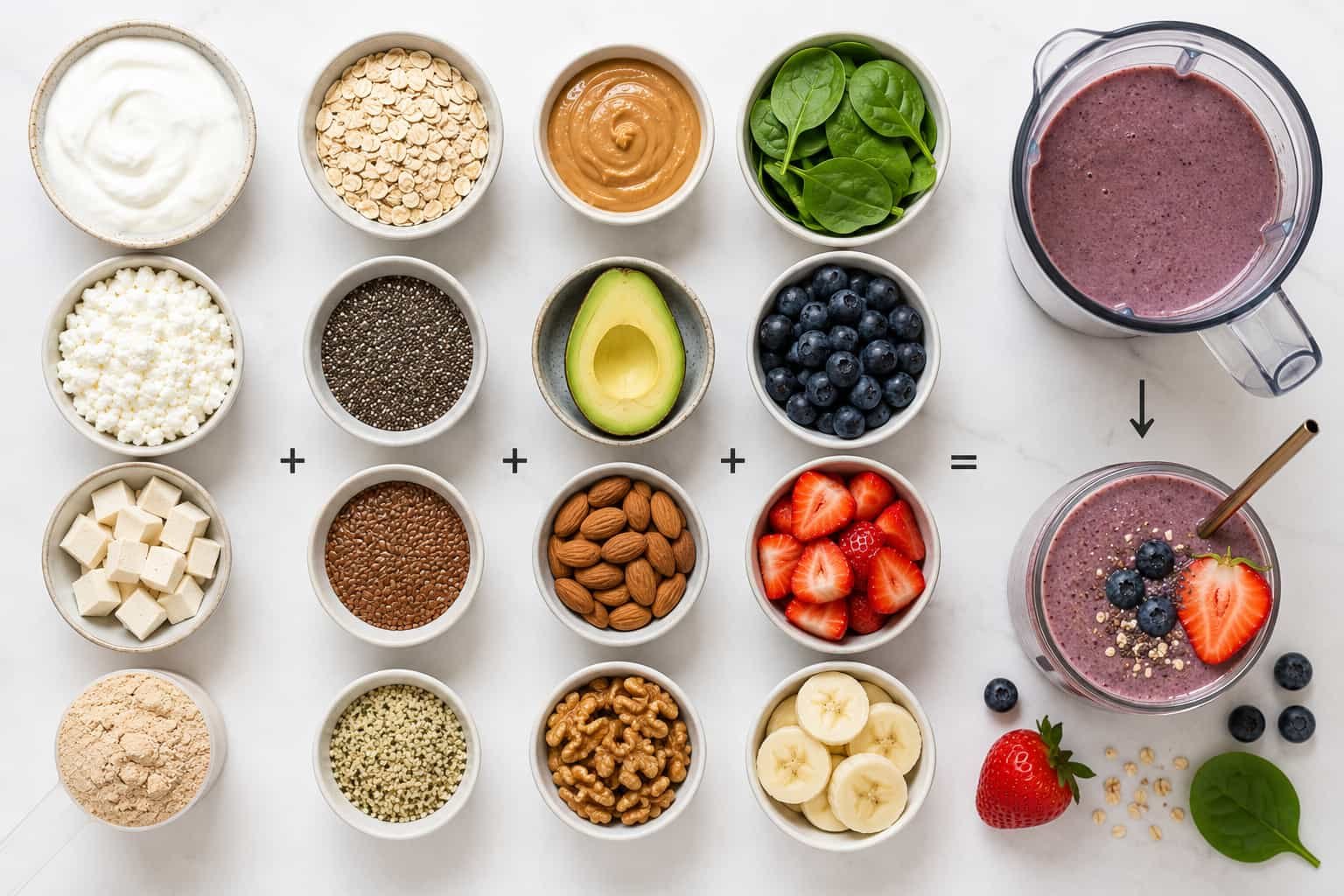
The most successful weight loss smoothies follow a simple formula.
Instead of focusing on a single ingredient, they combine protein, fiber, and healthy fats in balanced amounts. This approach helps create a smoothie that provides lasting satisfaction rather than a short burst of energy.
Think of your smoothie as a meal rather than a drink. The goal is to build something that nourishes your body and keeps hunger under control for hours.
Choose a Protein Base
Every filling smoothie starts with a quality protein source.
This should be the foundation of your recipe because protein is the nutrient most responsible for helping you feel satisfied after eating.
Some excellent protein bases include:
- Greek yogurt
- Cottage cheese
- Whey protein powder
- Pea protein powder
- Soy milk
- Silken tofu
- Milk
Many healthy protein smoothies combine two protein sources for even greater nutritional value.
For example, Greek yogurt and chia seeds work well together, while protein powder can easily be paired with milk or soy milk.
Add Fiber-Rich Ingredients
Protein is important, but fiber plays a major role in creating a satisfying smoothie.
Fiber slows digestion and helps promote steady energy levels throughout the morning.
Some of the best fiber-rich ingredients for weight loss smoothies include:
- Berries
- Oats
- Chia seeds
- Flaxseeds
- Spinach
- Kale
- Pears
- Apples
Berries are particularly useful because they provide natural sweetness while containing less sugar than many tropical fruits.
Adding a handful of spinach is another simple way to increase nutrient density without significantly changing flavor.
Include Healthy Fats
Healthy fats are often overlooked when making smoothies.
Many people avoid fats because they are higher in calories, but moderate amounts can make a smoothie more satisfying and enjoyable.
Healthy fats help slow digestion and contribute to a creamy texture.
Good options include:
- Almond butter
- Peanut butter
- Avocado
- Hemp seeds
- Chia seeds
- Flaxseeds
- Walnuts
A small amount is usually enough. One tablespoon of nut butter or a quarter of an avocado can make a noticeable difference.
Watch Added Sugars
One of the quickest ways to turn a healthy smoothie into a calorie-heavy drink is by adding unnecessary sweeteners.
Many store-bought smoothies contain large amounts of sugar from syrups, flavored yogurts, fruit concentrates, and sweetened milk alternatives.
To keep your smoothie balanced:
- Choose unsweetened milk options
- Use plain Greek yogurt instead of flavored varieties
- Let fruit provide most of the sweetness
- Limit honey, maple syrup, and sweetened toppings
- Read ingredient labels carefully
If your smoothie contains adequate protein, fiber, and naturally sweet fruit, you may find that additional sweeteners are rarely needed.
Building a filling smoothie is not complicated. Start with a quality protein source, add fiber-rich ingredients, include a small amount of healthy fat, and keep added sugars under control. This simple formula can help create healthy smoothie recipes that support weight management while keeping you satisfied for longer.
What Makes a Smoothie High in Protein?
Quick Answer
A smoothie is generally considered high in protein when it contains at least 15–20 grams of protein per serving. For breakfast, meal replacement, or weight-loss smoothies, many nutrition professionals recommend aiming for 20–30 grams of protein along with fiber-rich ingredients and healthy fats. This combination helps create a more satisfying smoothie that may keep you full longer than fruit-only options.
Not every smoothie that looks healthy contains enough protein to support fullness.
In fact, one of the most common mistakes people make is assuming that a smoothie made with fruit is automatically a healthy meal. While fruit provides vitamins, minerals, and antioxidants, it often lacks the protein needed to create lasting satisfaction.
That is why many people find themselves hungry shortly after drinking a smoothie.
A high protein smoothie contains ingredients that help transform a simple drink into a balanced meal. Protein works alongside fiber and healthy fats to slow digestion and support steady energy levels throughout the morning.
For most people, a smoothie containing 20–30 grams of protein is a practical target for breakfast or weight management goals. This amount can help support fullness while contributing to daily protein needs.
Who Benefits Most from High Protein Smoothies?
High protein smoothies can be especially helpful for:
- People trying to lose weight without feeling deprived
- Busy professionals who need a quick breakfast
- Fitness enthusiasts looking to support muscle recovery
- Parents with limited time in the morning
- Anyone who struggles with mid-morning hunger
If you’ve ever found yourself reaching for snacks before lunch, increasing the protein content of your smoothie may help.
Best Protein Sources for Healthy Smoothies
The easiest way to build a filling smoothie is to start with ingredients that naturally contain protein.
Some protein sources also provide additional benefits such as calcium, healthy fats, fiber, and important micronutrients.
| Protein Source | Approximate Protein |
| Greek Yogurt (1 cup) | 17–20g |
| Cottage Cheese (1 cup) | 24–28g |
| Whey Protein Powder (1 scoop) | 20–25g |
| Pea Protein Powder (1 scoop) | 18–24g |
| Milk (1 cup) | 8g |
| Soy Milk (1 cup) | 7–9g |
| Silken Tofu (100g) | 8–10g |
| Hemp Seeds (3 tbsp) | 10g |
| Chia Seeds (2 tbsp) | 5g |
Greek yogurt remains one of the most popular choices for high protein breakfast smoothies because it adds creaminess and protein without excessive added sugar.
Cottage cheese is another surprisingly effective ingredient. Although many people overlook it, cottage cheese blends smoothly and provides a substantial protein boost while creating a rich texture.
Plant-based smoothies can also be highly effective. Pea protein, soy milk, tofu, hemp seeds, and chia seeds offer excellent alternatives for those avoiding dairy.
Ideal Protein Range Per Smoothie
How much protein should a smoothie contain?
The answer depends on its purpose.
A snack smoothie does not require the same amount of protein as a meal replacement smoothie.
| Smoothie Type | Recommended Protein |
| Snack Smoothie | 10–15g |
| Breakfast Smoothie | 20–30g |
| Meal Replacement Smoothie | 25–35g |
| Post-Workout Smoothie | 25–40g |
For weight-loss smoothies, the sweet spot is often 20–30 grams of protein paired with fiber-rich ingredients such as berries, oats, chia seeds, or flaxseeds.
Example of a Balanced High-Protein Smoothie
Here is an example of a smoothie designed for fullness:
- 1 cup plain Greek yogurt
- ½ cup mixed berries
- 1 tablespoon chia seeds
- ½ cup spinach
- 1 cup unsweetened almond milk
Approximate nutrition:
- Protein: 24g
- Fiber: 8g
- Added Sugar: 0g
Compared with a fruit-only smoothie, this combination is more likely to provide lasting satisfaction.
Common Mistakes to Avoid
Many smoothies start with healthy intentions but end up containing more sugar than expected.
Avoid these common pitfalls.
Using Too Much Fruit
Fruit is nutritious, but large portions can quickly increase sugar and calorie intake.
A better approach is to pair fruit with protein and fiber-rich ingredients.
Skipping Protein Entirely
A smoothie made only with fruit and juice may provide energy, but it often lacks staying power.
Adding Greek yogurt, protein powder, cottage cheese, tofu, or soy milk can help create a more balanced meal.
Relying on Fruit Juice
Fruit juice contributes sweetness but removes much of the fiber found in whole fruit.
Using milk, soy milk, or unsweetened almond milk is generally a better choice.
Forgetting Fiber
Protein and fiber work best together.
Ingredients such as oats, chia seeds, flaxseeds, berries, spinach, and kale help increase nutrient density and support fullness.
Adding Too Many High-Calorie Extras
Nut butters, honey, sweetened yogurt, syrups, and chocolate chips can increase calories quickly.
These ingredients can still be enjoyed, but portion awareness is important when weight management is the goal.
Quick Smoothie Checklist
Before blending, ask yourself:
✓ Does it contain at least 20g of protein?
✓ Does it include a source of fiber?
✓ Is there a healthy fat source?
✓ Am I using whole fruit instead of fruit juice?
✓ Are added sugars limited?
If the answer is yes to most of these questions, you’re already on your way to building a more filling smoothie.
What Makes a Smoothie High in Protein?
Quick Answer
A smoothie is generally considered high in protein when it contains at least 15–20 grams of protein per serving. For breakfast, meal replacement, or weight-loss smoothies, aiming for 20–30 grams of protein is often a practical target. Combining protein with fiber-rich ingredients and healthy fats can help create a more satisfying smoothie that keeps you full longer than fruit-only blends.
Not every smoothie that looks healthy is actually filling.
Many people assume that any smoothie made with fruit is automatically a nutritious meal. While fruit provides vitamins, minerals, and antioxidants, it does not always contain enough protein to support fullness for several hours.
That is why some smoothies leave people hungry long before their next meal.
A high protein smoothie combines protein, fiber, and healthy fats to create a more balanced option. Together, these nutrients help slow digestion, support steady energy levels, and make a smoothie feel more like a meal than a snack.
Why Protein Matters in a Smoothie
Protein is often the difference between a smoothie that satisfies you and one that leaves you searching for snacks an hour later.
While weight loss ultimately depends on maintaining a calorie deficit, choosing foods that help control hunger can make that process much easier. Protein-rich smoothies can help support fullness while providing important nutrients your body needs throughout the day.
Who Benefits Most from High Protein Smoothies?
High protein smoothies can be particularly useful for:
- People trying to lose weight without constantly feeling hungry
- Busy professionals who need a quick breakfast
- Students with limited morning preparation time
- Fitness enthusiasts looking to support muscle recovery
- Parents managing busy schedules
- Anyone who struggles with mid-morning cravings
If you frequently feel hungry before lunch, increasing the protein content of your smoothie may help improve satisfaction.
Best Protein Sources for Healthy Smoothies
The easiest way to create a filling smoothie is to start with ingredients that naturally contain protein.
Many protein sources also contribute calcium, fiber, healthy fats, and other beneficial nutrients.
| Protein Source | Approximate Protein | Best For |
| Greek Yogurt (1 cup) | 17–20g | Creamy breakfast smoothies |
| Cottage Cheese (1 cup) | 24–28g | Extra protein without added sugar |
| Whey Protein Powder (1 scoop) | 20–25g | Post-workout smoothies |
| Pea Protein Powder (1 scoop) | 18–24g | Plant-based smoothies |
| Milk (1 cup) | 8g | Everyday breakfast smoothies |
| Soy Milk (1 cup) | 7–9g | Dairy-free protein boost |
| Silken Tofu (100g) | 8–10g | Extra creaminess |
| Hemp Seeds (3 tbsp) | 10g | Protein and healthy fats |
| Chia Seeds (2 tbsp) | 5g | Protein plus fiber |
Greek yogurt remains one of the most popular choices for high protein breakfast smoothies because it provides protein, creaminess, and a mild flavor that works well with most fruits.
Cottage cheese is another underrated option. It blends smoothly and creates a rich texture while delivering significantly more protein than many flavored yogurts.
For plant-based smoothies, pea protein, soy milk, tofu, hemp seeds, and chia seeds are excellent choices.
Ideal Protein Range Per Smoothie
How much protein should a smoothie contain?
The answer depends on how you plan to use it.
A light snack does not require the same amount of protein as a breakfast smoothie or meal replacement.
| Smoothie Type | Recommended Protein |
| Snack Smoothie | 10–15g |
| Breakfast Smoothie | 20–30g |
| Meal Replacement Smoothie | 25–35g |
| Post-Workout Smoothie | 25–40g |
For most weight-loss smoothies, 20–30 grams of protein combined with fiber-rich ingredients such as berries, oats, chia seeds, or flaxseeds is often a good balance between nutrition and satisfaction.
Example of a Balanced High-Protein Smoothie
Here is an example of a smoothie designed to support fullness and steady energy levels.
Ingredients
- 1 cup plain Greek yogurt
- ½ cup mixed berries
- 1 tablespoon chia seeds
- ½ cup spinach
- 1 cup unsweetened almond milk
Approximate Nutrition
- Protein: 24g
- Fiber: 8g
- Added Sugar: 0g
Compared with a fruit-only smoothie, this combination provides significantly more protein and fiber, making it more likely to keep hunger under control.
Common Mistakes to Avoid
Many homemade smoothies begin with healthy intentions but become less balanced due to a few common mistakes.
Using Too Much Fruit
Fruit is nutritious, but large portions can quickly increase sugar and calorie intake.
A better strategy is to pair fruit with protein and fiber-rich ingredients.
Skipping Protein Entirely
A smoothie made only with fruit and juice may provide quick energy, but it often lacks staying power.
Adding Greek yogurt, protein powder, cottage cheese, tofu, or soy milk creates a more balanced meal.
Relying on Fruit Juice
Fruit juice contributes sweetness but removes much of the fiber found in whole fruit.
Whole fruits generally provide greater nutritional value and support fullness more effectively.
Forgetting Fiber
Protein and fiber work best together.
Ingredients such as oats, chia seeds, flaxseeds, berries, spinach, and kale help increase nutrient density while supporting satiety.
Adding Too Many High-Calorie Extras
Nut butters, sweetened yogurt, syrups, honey, and chocolate chips can add calories quickly.
These ingredients can still be enjoyed, but portion awareness matters when weight management is the goal.
Assuming All Store-Bought Smoothies Are Healthy
Some commercially prepared smoothies contain more sugar than many soft drinks.
Checking ingredient labels and nutrition information can help you make better choices.
Quick Smoothie Checklist
Before blending, ask yourself:
✓ Does it contain at least 20g of protein?
✓ Does it include a source of fiber?
✓ Is there a healthy fat source?
✓ Am I using whole fruit instead of fruit juice?
✓ Are added sugars limited?
✓ Does it fit within my daily calorie goals?
If the answer is yes to most of these questions, you are likely building a more balanced and satisfying smoothie.
Best Ingredients to Add More Protein to Smoothies
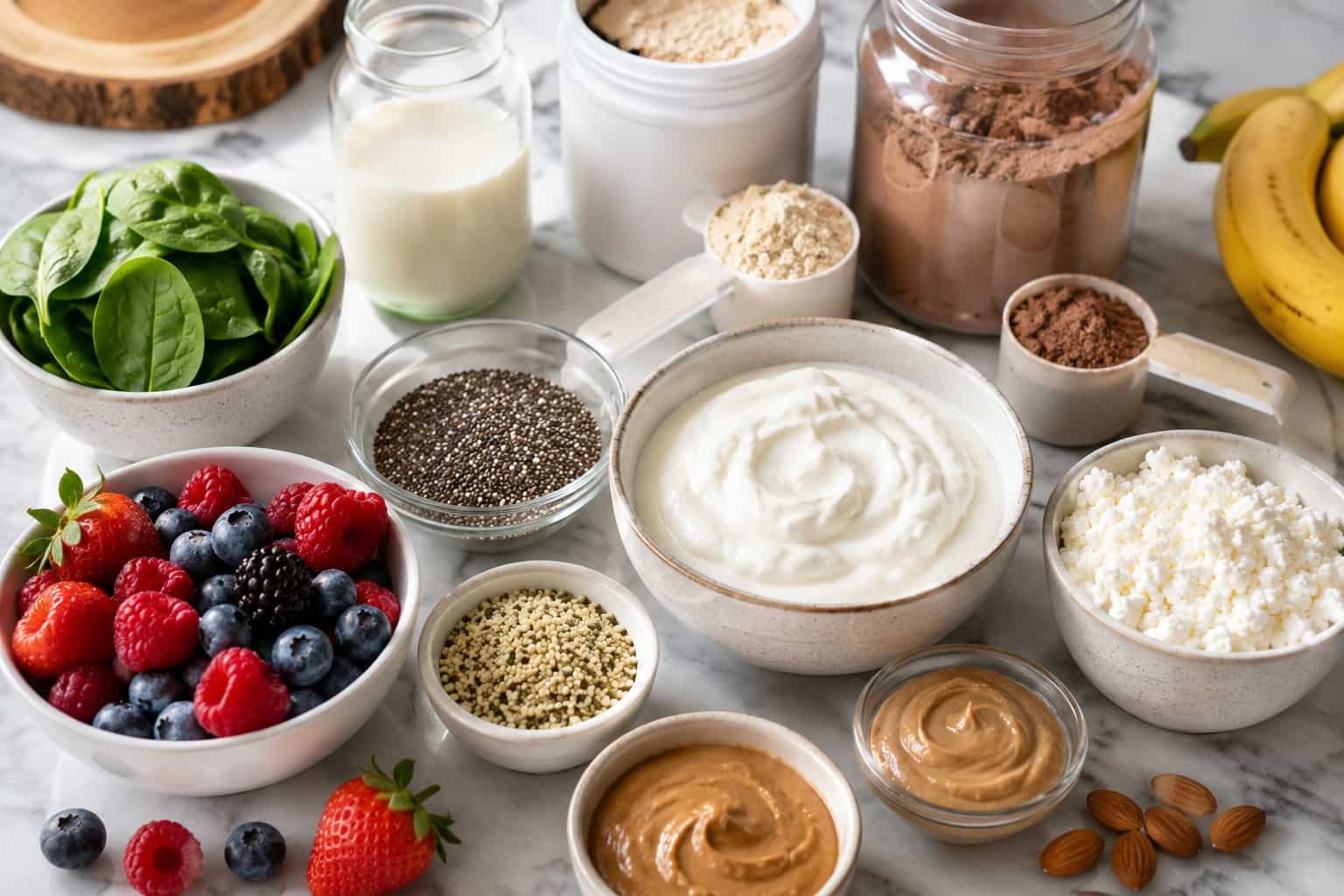
The easiest way to increase the protein content of a smoothie is to use ingredients such as Greek yogurt, cottage cheese, protein powder, soy milk, milk, chia seeds, hemp seeds, and tofu. For most high protein smoothie recipes for weight loss, combining two protein sources can help create a more filling and balanced smoothie that supports fullness and steady energy levels. When people think about healthy smoothies, they often focus on fruits and vegetables. While these ingredients provide vitamins, minerals, and antioxidants, protein is usually what determines whether a smoothie keeps you satisfied for hours or leaves you hungry shortly afterward.
A well-balanced smoothie combines protein, fiber, and healthy fats. This combination supports fullness and can make healthy eating feel easier to maintain over time.
High-Protein Ingredients for Smoothies
| Ingredient | Protein (Approx.) | Best For | Extra Benefit |
| Greek Yogurt (1 cup) | 17–20g | Breakfast smoothies | Calcium and probiotics |
| Cottage Cheese (1 cup) | 24–28g | High-protein meal replacements | Extra creaminess |
| Whey Protein Powder (1 scoop) | 20–25g | Post-workout smoothies | Fast-digesting protein |
| Pea Protein Powder (1 scoop) | 18–24g | Plant-based diets | Dairy-free option |
| Milk (1 cup) | 8g | Everyday smoothies | Calcium and vitamin D |
| Soy Milk (1 cup) | 7–9g | Dairy-free smoothies | Complete plant protein |
| Silken Tofu (100g) | 8–10g | Creamy smoothies | Mild flavor |
| Hemp Seeds (3 tbsp) | 10g | Weight-loss smoothies | Healthy fats and fiber |
| Chia Seeds (2 tbsp) | 5g | Breakfast smoothies | Excellent fiber source |
| Flaxseeds (2 tbsp) | 3–4g | Digestive support | Omega-3 fats |
| Peanut Butter (2 tbsp) | 7–8g | Recovery smoothies | Rich flavor |
| Almond Butter (2 tbsp) | 6–7g | Balanced breakfasts | Vitamin E |
Which Protein Source Is Best?
There is no single protein source that works best for everyone.
Greek yogurt remains one of the most versatile choices because it is affordable, easy to find, and pairs well with almost any fruit.
For people trying to maximize protein intake, cottage cheese often provides more protein per serving than many other whole-food options.
If convenience matters most, protein powder can help you reach your protein goals quickly.
For plant-based smoothies, soy milk, pea protein, tofu, hemp seeds, and chia seeds can work extremely well together.
A Common Mistake Many People Make
Many people assume adding a scoop of protein powder automatically creates a healthy smoothie.
In reality, protein works best when combined with fiber and healthy fats.
For example, a smoothie containing protein powder, berries, chia seeds, and almond butter is often more satisfying than a smoothie that relies on protein powder alone.
Simple Formula for a Higher-Protein Smoothie
A practical smoothie formula looks like this:
- One primary protein source
- One fiber-rich ingredient
- One healthy fat source
- One or two servings of fruit
For example:
- Greek yogurt
- Mixed berries
- Chia seeds
- Almond butter
This combination provides protein, fiber, healthy fats, and natural sweetness in one balanced meal.
Less Filling vs More Filling Smoothie
| Less Filling Smoothie | More Filling Smoothie |
| Banana | Greek yogurt |
| Orange juice | Mixed berries |
| Honey | Chia seeds |
| No protein source | Almond butter |
| Protein: 3–5g | Protein: 24–28g |
The second option contains significantly more protein and fiber, making it more likely to keep you satisfied until your next meal.
Quick Protein Boost Tips
If your current smoothie leaves you hungry, try one of these simple upgrades:
✓ Replace regular yogurt with Greek yogurt
✓ Add a scoop of protein powder
✓ Mix in chia or hemp seeds
✓ Use soy milk instead of fruit juice
✓ Add cottage cheese for extra creaminess
✓ Include nut butter in moderation
Even one or two of these changes can significantly improve the protein content and overall balance of your smoothie.
7 Smoothie Mistakes That Can Slow Weight Loss
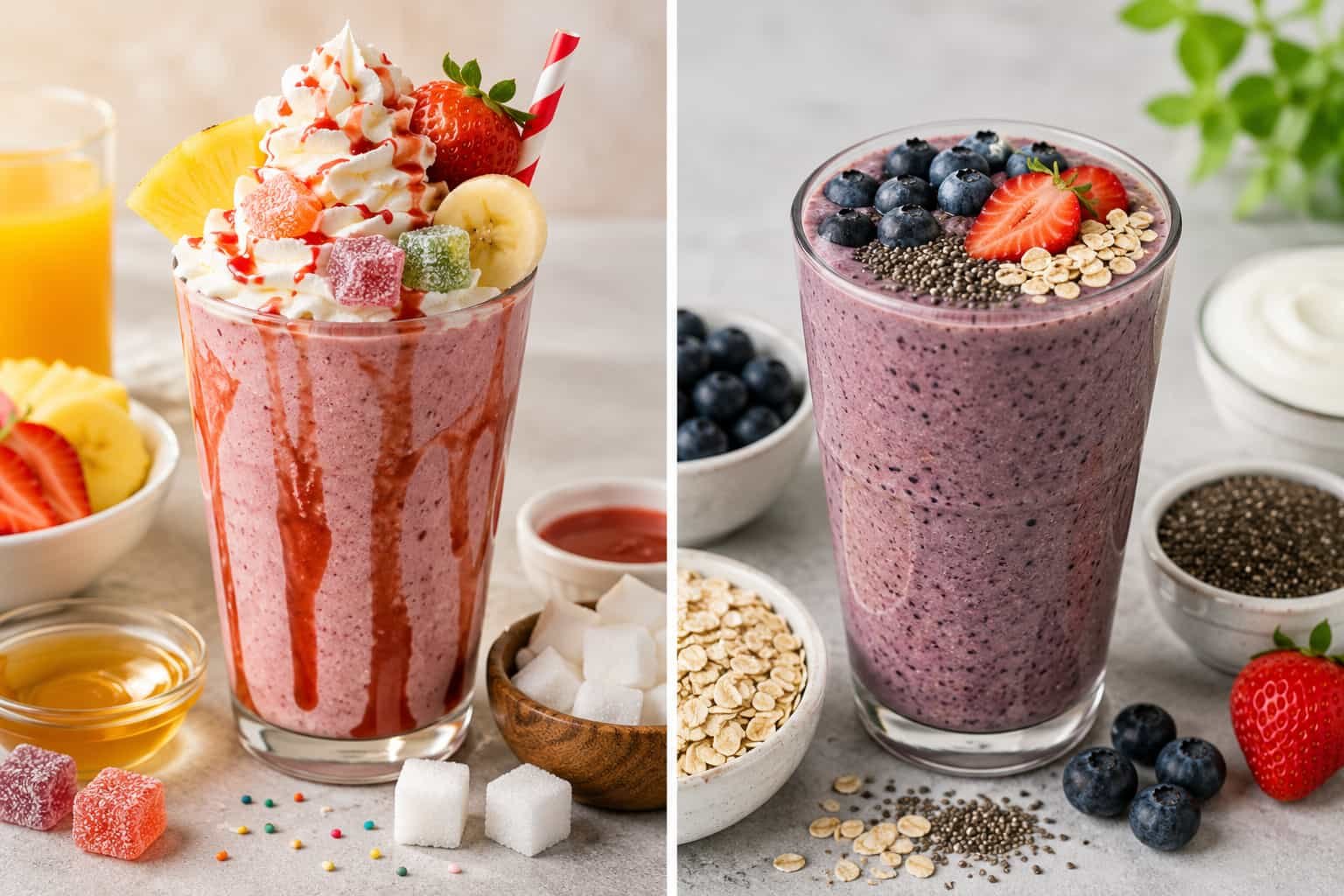
Smoothies can be a valuable part of a healthy eating routine, but a few common mistakes can quickly turn a nutritious drink into a calorie-heavy meal that provides little lasting satisfaction.
Understanding these mistakes can help you create healthier smoothies that better support your goals.
1. Using Too Much Fruit
Fruit provides important nutrients, but larger portions can significantly increase sugar and calorie intake.
A smoothie made with several bananas, multiple cups of fruit, and fruit juice may contain far more sugar than most people expect.
A better approach is to pair fruit with protein and fiber-rich ingredients.
Aim for one to two servings of fruit per smoothie.
2. Adding Too Little Protein
One of the biggest reasons smoothies fail to keep people full is insufficient protein.
Without enough protein, hunger often returns much sooner.
For most breakfast smoothies and meal replacement smoothies, 20–30 grams of protein is a practical target.
Greek yogurt, cottage cheese, whey protein, pea protein, and soy milk are all excellent options.
3. Overlooking Hidden Sugars
Many smoothie ingredients contain more sugar than expected.
Common sources include:
- Flavored yogurt
- Sweetened milk alternatives
- Fruit juice concentrates
- Syrups
- Large amounts of honey
Reading nutrition labels carefully can help you avoid unnecessary added sugars.
4. Making Portions Too Large
Even healthy ingredients contribute calories.
A smoothie loaded with nut butter, oats, fruit, seeds, and protein powder can easily exceed the calories of a full meal.
Portion awareness remains important when weight management is the goal.
5. Skipping Fiber
Protein receives much of the attention, but fiber is equally important.
Fiber helps support fullness and slows digestion.
Excellent sources include:
- Chia seeds
- Flaxseeds
- Oats
- Berries
- Spinach
- Kale
- Apples
- Pears
The most satisfying smoothies contain both protein and fiber.
6. Ignoring Total Calories
Many people focus only on whether a smoothie is healthy.
However, weight loss still depends on overall calorie intake.
Even nutritious smoothies should fit within your daily calorie goals.
Paying attention to serving sizes can help prevent unintentional calorie overload.
7. Using Sweetened Yogurts
Flavored yogurts often contain surprising amounts of added sugar.
Plain Greek yogurt is usually a better choice because it provides more protein and less added sugar.
If extra sweetness is needed, whole fruit can often do the job naturally.
Quick Weight-Loss Smoothie Checklist
Before blending your next smoothie, ask yourself:
✓ Does it contain 20–30 grams of protein?
✓ Does it include a source of fiber?
✓ Is there a healthy fat source?
✓ Am I limiting added sugars?
✓ Does it fit within my calorie goals?
✓ Am I using whole fruits instead of fruit juice?
✓ Does it rely mostly on whole-food ingredients?
If you can answer yes to most of these questions, you’re likely building a more balanced smoothie that supports fullness, steady energy, and healthy weight management.
7-Day High Protein Smoothie Plan for Weight Loss
Quick Answer
A 7-day high protein smoothie plan can help simplify healthy eating by providing consistent sources of protein, fiber, and essential nutrients throughout the week. Most weight-loss smoothies work best when they contain 20–30 grams of protein, a source of fiber, and moderate calories that fit within your overall nutrition goals.
One of the easiest ways to stay consistent with healthy eating is to remove the guesswork. Instead of deciding what to make every morning, having a simple smoothie plan can save time while helping you meet your protein goals.
The following weekly plan includes a variety of flavors, fruits, and protein sources to prevent boredom while supporting fullness and steady energy levels.
Weekly High Protein Smoothie Schedule
| Day | Smoothie | Protein | Calories | Best For |
| Monday | Greek Yogurt Berry Protein Smoothie | 24g | 290 | Appetite control |
| Tuesday | Peanut Butter Banana Protein Smoothie | 28g | 340 | Post-workout breakfast |
| Wednesday | Green Spinach Protein Smoothie | 26g | 280 | Nutrient-rich morning meal |
| Thursday | Strawberry Cheesecake Protein Smoothie | 31g | 300 | High-protein breakfast |
| Friday | Blueberry Oat Protein Smoothie | 27g | 320 | Long-lasting fullness |
| Saturday | Tropical Mango Protein Smoothie | 22g | 300 | Refreshing weekend breakfast |
| Sunday | Chocolate Cottage Cheese Smoothie | 30g | 310 | Protein-packed treat |
Meal Prep Tips for a Successful Week
A little preparation can make healthy breakfasts much easier.
- Portion smoothie ingredients into freezer bags ahead of time.
- Prepare two or three smoothie packs at once to save time.
- Store seeds, oats, and protein powder in pre-measured containers.
- Use frozen fruit to create a thicker texture without ice.
- Keep plain Greek yogurt and unsweetened milk options on hand.
Small habits often make healthy routines easier to maintain.
Important Reminder
No single smoothie causes weight loss on its own.
Weight management depends on overall eating habits, activity levels, sleep quality, and calorie intake. High protein smoothies simply make it easier to stay satisfied and maintain healthy eating patterns.
Frequently Asked Questions
Are High Protein Smoothies Good for Weight Loss?
High protein smoothies can support weight loss because protein helps increase fullness and may reduce hunger between meals. When combined with fiber-rich ingredients such as berries, oats, chia seeds, and flaxseeds, they can become a satisfying breakfast or snack that supports healthy eating habits.
How Much Protein Should a Weight-Loss Smoothie Contain?
For most adults, a smoothie containing 20–30 grams of protein provides a good balance between nutrition and fullness. Smoothies used as meal replacements or post-workout meals may contain slightly more depending on individual needs and activity levels.
How Many Calories Should a Weight-Loss Smoothie Have?
Most weight-loss smoothies fall between 250 and 400 calories. The ideal calorie range depends on whether the smoothie is being used as a snack, breakfast, or meal replacement. The goal is to create a satisfying meal that fits within your overall daily calorie needs.
Can a Smoothie Replace Breakfast?
Yes. A smoothie can replace breakfast when it contains enough protein, fiber, healthy fats, and calories to function as a balanced meal. Smoothies made only with fruit are often less filling than those that include Greek yogurt, protein powder, seeds, or nut butter.
What Is the Best Protein for Smoothies?
Greek yogurt, cottage cheese, whey protein powder, pea protein powder, soy milk, and tofu are among the most effective protein sources for smoothies. The best option depends on your dietary preferences, taste preferences, and nutrition goals.
Can I Make High Protein Smoothies Without Protein Powder?
Absolutely. Many healthy protein smoothies rely on whole-food ingredients such as Greek yogurt, cottage cheese, soy milk, hemp seeds, chia seeds, and milk to increase protein naturally without supplements.
Are Smoothies Better Than Solid Food for Weight Loss?
Neither option is automatically better. Some people enjoy the convenience of smoothies, while others find solid meals more satisfying. The best choice is the one that helps you stay full, meet your nutrition goals, and maintain consistency.
What Fruits Work Best in High Protein Smoothies?
Berries, bananas, peaches, mangoes, apples, pears, and cherries are all popular choices. Berries are especially useful because they provide fiber, natural sweetness, and relatively moderate sugar levels compared with some other fruits.
Can I Prepare Smoothies in Advance?
Yes. You can prepare smoothie packs several days in advance by portioning fruits, vegetables, and seeds into freezer bags. This approach reduces preparation time and makes healthy breakfasts more convenient.
Why Am I Still Hungry After Drinking a Smoothie?
The most common reason is that the smoothie lacks enough protein, fiber, or healthy fats. Adding ingredients such as Greek yogurt, cottage cheese, oats, chia seeds, flaxseeds, or nut butter can help improve fullness and satisfaction.
What Should I Avoid Adding to Weight-Loss Smoothies?
Try to limit fruit juice, excessive honey, sweetened yogurts, syrups, flavored creamers, and large portions of calorie-dense ingredients. These additions can increase calories and sugar without improving fullness.
Final Thoughts
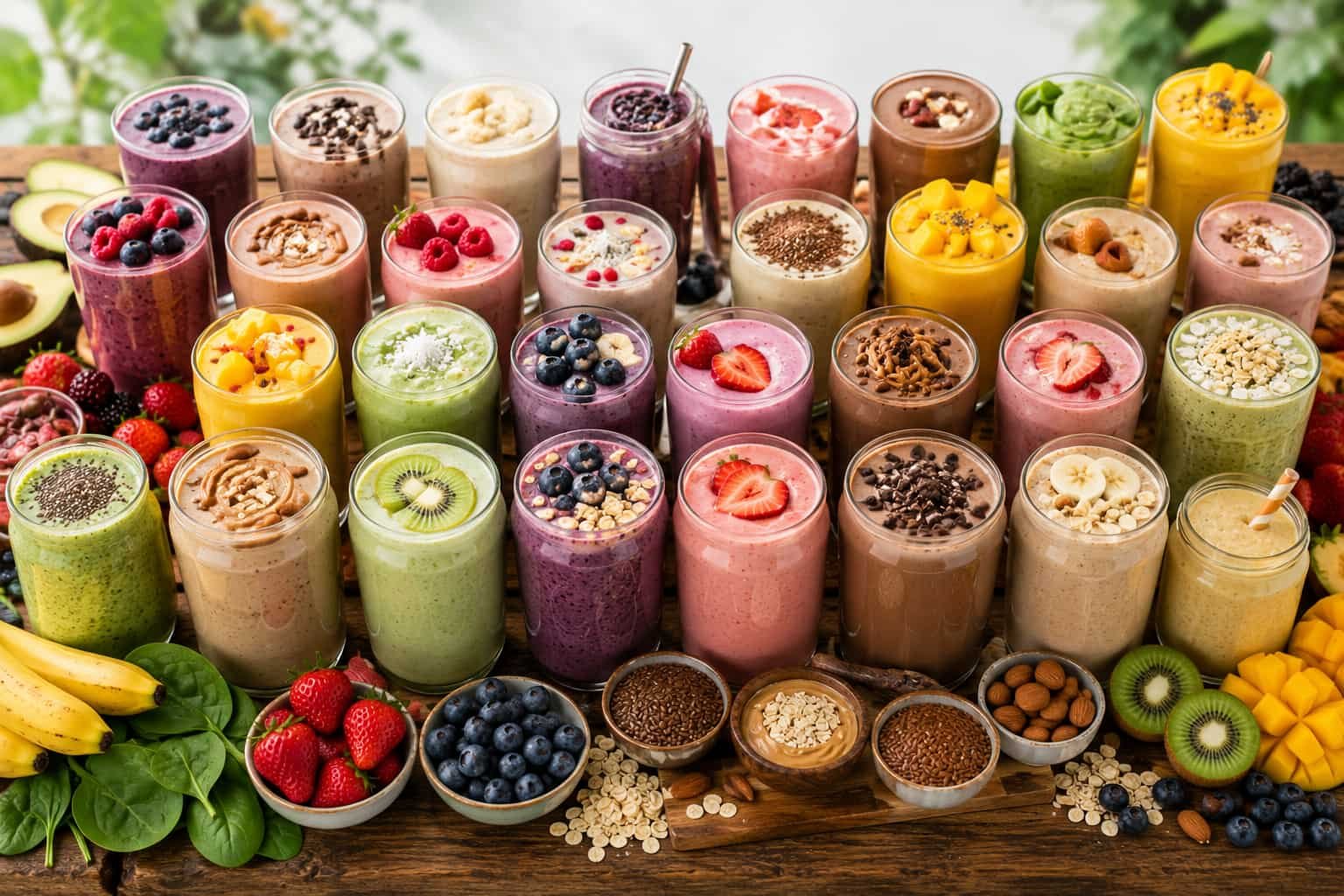
High protein smoothie recipes for weight loss can be a practical and enjoyable way to support healthy eating habits.
The most effective smoothies do more than provide protein. They combine protein, fiber, healthy fats, and nutrient-dense ingredients to create a balanced meal that helps support fullness and steady energy levels.
At the same time, it is important to remember that no single ingredient determines success. Even healthy smoothies should fit within your overall calorie goals and nutrition plan.
Start with simple ingredients such as Greek yogurt, cottage cheese, berries, oats, chia seeds, flaxseeds, soy milk, and nut butters. Experiment with different combinations until you find flavors and textures you genuinely enjoy.
Most importantly, focus on consistency rather than perfection.
A simple smoothie you enjoy making every week is often more valuable than a complicated recipe you only prepare once. Use these high protein smoothie recipes as a starting point, customize them to your preferences, and build a routine that works for your lifestyle.