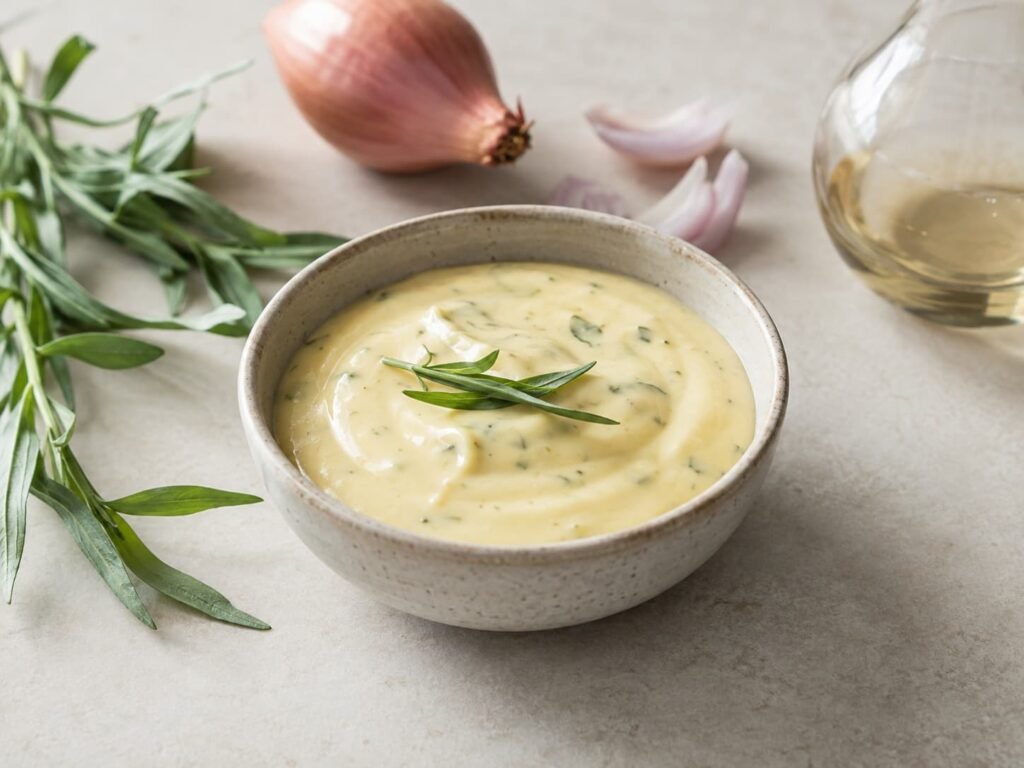
vegan bearnaise sauce

Easy Vegan Bearnaise Sauce Recipe (Ready in 15 Minutes)

Facebook
LinkedIn
Pinterest
WhatsApp

Table of Contents

Classic béarnaise sauce is known for its rich, buttery flavor and silky texture, but it’s also one of the more intimidating French sauces to make because it traditionally relies on egg yolks and careful temperature control. This Easy Vegan Bearnaise Sauce Recipe delivers the same creamy, herb-forward flavor in a simple, beginner-friendly way without eggs, dairy, or complicated techniques. Best of all, it’s ready in just 15 minutes, making it perfect for both busy weeknights and special occasions.

Vegan béarnaise sauce is a dairy-free, egg-free version of the classic French sauce. Instead of relying on egg yolks for its smooth texture, this recipe uses everyday plant-based ingredients like vegan butter, Dijon mustard, fresh tarragon, lemon juice, and a splash of white wine vinegar to create a rich, velvety sauce with the signature tangy, aromatic flavor that makes béarnaise so popular.

What makes this recipe stand out is its balance of simplicity and authentic flavor. Many vegan versions depend on soaked cashews, silken tofu, or specialty ingredients that require extra preparation. This recipe skips the lengthy prep while still producing a silky, restaurant-style sauce that’s smooth enough to coat vegetables, potatoes, tofu, or your favorite plant-based main course. Each ingredient has a purpose: Dijon mustard helps create a stable emulsion, fresh tarragon provides the unmistakable herbaceous character of traditional béarnaise, and lemon juice brightens the richness for a well-balanced finish.

bearnaise sauce

Even if you’ve never made a French-style sauce before, you’ll find this recipe surprisingly approachable. With a few pantry staples and fresh herbs, you can prepare a homemade vegan béarnaise sauce that looks elegant, tastes fresh, and comes together with minimal effort. The straightforward method also makes it easy to adjust the consistency and seasoning to suit your personal preference.

This creamy vegan bearnaise sauce pairs beautifully with roasted asparagus, crispy potatoes, grilled mushrooms, cauliflower steaks, green beans, steamed broccoli, and grilled tofu. It also works as a flavorful finishing sauce for grain bowls, roasted root vegetables, veggie burgers, and other plant-based meals whenever you want to add a rich, French-inspired touch.

Whether you’re following a vegan lifestyle, cooking for someone with dairy or egg allergies, or simply looking for a lighter twist on a timeless classic, this recipe delivers everything people love about traditional béarnaise its creamy texture, fresh tarragon aroma, and bright, buttery flavor using simple ingredients that are easy to find and even easier to prepare at home.

Why You’ll Love This Vegan Bearnaise Sauce

A truly great sauce doesn’t just sit on the plate it brings every ingredient together. This vegan bearnaise sauce does exactly that, adding a silky texture, bright herbal aroma, and rich buttery flavor that transforms simple vegetables and plant-based proteins into something that feels worthy of a restaurant menu.

One of the biggest advantages of this recipe is how approachable it is. Traditional béarnaise has a reputation for being one of the trickiest French sauces because it depends on egg yolks and precise heat control. Even a slight rise in temperature can cause the sauce to split. This easy vegan bearnaise sauce recipe removes that stress, giving you a smooth, creamy result with a far more forgiving method that’s suitable for cooks of any skill level.

Unlike many vegan versions that rely on soaked cashews, silken tofu, or specialty ingredients, this recipe uses everyday pantry staples without compromising on flavor or texture. Vegan butter provides richness, Dijon mustard helps create a stable emulsion, and fresh tarragon delivers the unmistakable herbaceous character that defines authentic béarnaise. Lemon juice and white wine vinegar add just enough acidity to balance the buttery richness, creating a sauce that’s smooth, fresh, and beautifully balanced rather than heavy.

Its versatility is another reason you’ll come back to this recipe again and again. Spoon it over roasted asparagus, crispy potatoes, grilled mushrooms, cauliflower steaks, steamed green beans, or grilled tofu, or use it as a finishing sauce for grain bowls and veggie burgers. Its creamy consistency lightly coats every bite, adding flavor without overpowering the dish itself.

Best of all, this homemade vegan bearnaise sauce comes together in only 15 minutes with ingredients that are easy to find in most grocery stores. Whether you’re preparing a quick weeknight dinner or serving guests for a special meal, this dairy-free bearnaise sauce delivers elegant flavor with surprisingly little effort.

What Is Vegan Bearnaise Sauce?

vegan bearnaise sauce recipe

Vegan bearnaise sauce is a dairy-free and egg-free version of the classic French sauce traditionally served with grilled meats, vegetables, and potatoes. It captures the creamy texture, buttery richness, and fresh tarragon flavor of traditional béarnaise while replacing animal-based ingredients with carefully chosen plant-based alternatives.

Classic béarnaise is closely related to hollandaise sauce, but the two aren’t identical. While hollandaise is known for its simple buttery and lemony flavor, béarnaise is distinguished by a reduction of white wine vinegar, shallots, and fresh tarragon, giving it a more aromatic, herb-forward character. Those signature flavors remain the heart of this vegan recipe.

Instead of relying on egg yolks to emulsify the sauce, this recipe combines vegan butter with Dijon mustard, fresh herbs, and balanced acidity to create a smooth, stable consistency. Dijon mustard naturally helps bind the fat and liquid together, reducing the risk of separation while giving the sauce a subtle depth that complements the fresh tarragon rather than masking it.

Every ingredient has a purpose. Vegan butter recreates the luxurious mouthfeel associated with traditional béarnaise, fresh tarragon contributes its distinctive lightly sweet, anise-like aroma, and lemon juice together with white wine vinegar brightens the overall flavor. The result is a creamy vegan bearnaise sauce that feels rich without becoming overly heavy and pairs beautifully with roasted vegetables, grilled mushrooms, potatoes, tofu, cauliflower steaks, and many other plant-based dishes.

Whether you’re following a vegan lifestyle, cooking for someone with dairy or egg allergies, or simply curious about recreating classic French sauces at home, this recipe offers an approachable introduction to one of France’s most iconic sauces. It delivers authentic flavor, dependable results, and a simplified method that makes homemade vegan French sauce achievable for everyday cooking.

Ingredients You’ll Need

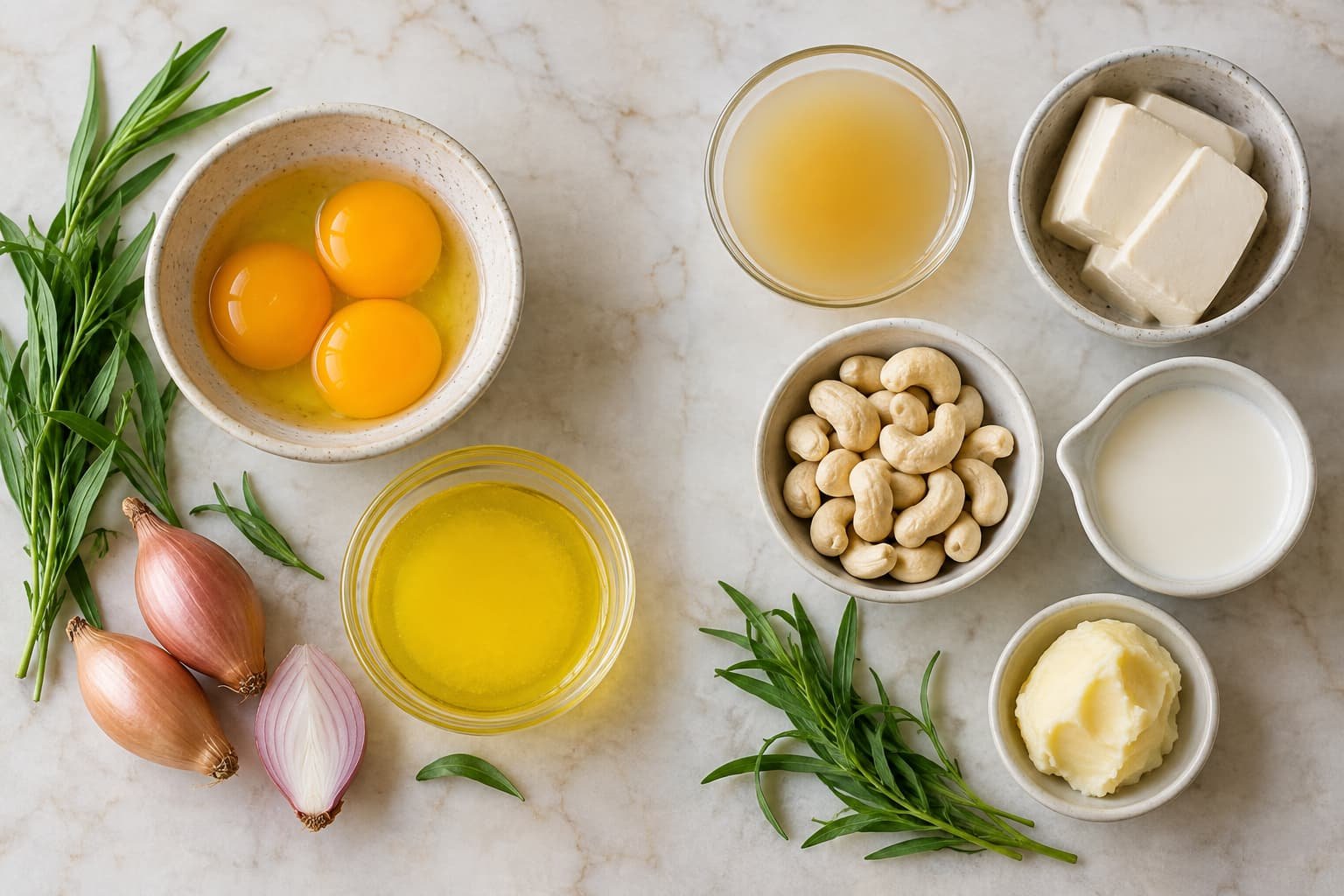
Bearnaise Sauce Ingredients

One of the reasons this Easy Vegan Bearnaise Sauce Recipe works so well is that every ingredient has a clear purpose. Rather than simply replacing eggs and butter, each component contributes to the sauce’s texture, flavor, or stability. Using fresh, good-quality ingredients will give you a noticeably better result, especially since this recipe relies on just a handful of simple pantry staples.

Vegan Butter

You’ll need: ½ cup vegan butter

Vegan butter creates the rich, silky texture that makes béarnaise so satisfying. It replaces the butter used in the traditional French recipe while providing the smooth consistency needed for a stable emulsion.

Choose a cooking-style vegan butter with a high fat content rather than a spreadable margarine, as products with more water can produce a thinner sauce. Melt it gently over low heat instead of bringing it to a boil, which helps preserve its texture.

Good substitute: A neutral-flavored plant-based butter alternative.

Fresh Tarragon

You’ll need: 2 tablespoons finely chopped fresh tarragon

Fresh tarragon is the signature ingredient that gives vegan bearnaise sauce its unmistakable flavor. It has a delicate herbaceous taste with subtle anise notes that set béarnaise apart from other creamy sauces.

Fresh tarragon always delivers the brightest flavor. If you only have dried tarragon, use about one-third of the amount because dried herbs are much more concentrated. Before chopping, remove the tougher stems and use only the tender leaves.

Buying tip: Choose bunches with vibrant green leaves and a fresh aroma, avoiding any that look wilted or yellow.

Dijon Mustard

You’ll need: 1 tablespoon Dijon mustard

Dijon mustard does far more than season the sauce. It contains natural emulsifying compounds that help bind the vegan butter and liquid ingredients together, creating the smooth, creamy consistency associated with traditional béarnaise.

Classic Dijon provides the cleanest flavor and smoothest texture. Whole-grain mustard isn’t recommended because the seeds create a coarser finish and alter the sauce’s appearance.

White Wine Vinegar

You’ll need: 1 tablespoon white wine vinegar

White wine vinegar gives béarnaise its characteristic brightness. Its gentle acidity balances the richness of the butter while highlighting the fresh tarragon instead of overpowering it.

Champagne vinegar is the closest substitute if needed. Apple cider vinegar can also be used, although it introduces a slightly fruitier flavor that changes the traditional profile.

Fresh Lemon Juice

You’ll need: 1 teaspoon freshly squeezed lemon juice

A small amount of fresh lemon juice lifts the entire sauce, preventing it from tasting overly rich while enhancing the fresh herbs. It should complement the vinegar rather than replace it, creating a balanced finish.

For the best flavor, squeeze the lemon just before preparing the sauce. Bottled juice works in a pinch but lacks the same freshness.

Shallot

You’ll need: 1 small shallot, finely minced

Shallots add gentle sweetness and aromatic depth to the vinegar reduction. They’re one of the defining ingredients that give classic béarnaise its complex yet delicate flavor.

Finely mince the shallot so it softens quickly and blends smoothly into the sauce. If you don’t have shallots, substitute a small amount of mild white onion, keeping in mind that its flavor will be slightly sharper.

Unsweetened Plant-Based Milk (Optional)

You’ll need: 1–2 tablespoons, only if needed

If your homemade vegan bearnaise sauce becomes too thick after blending or while reheating, a splash of unsweetened plant-based milk can restore its silky consistency without diluting the flavor.

Unsweetened oat milk and soy milk usually produce the smoothest results. Avoid sweetened or flavored varieties, which can affect the finished taste.

Salt and Freshly Ground Black Pepper

Seasoning is the final step that brings every ingredient together. Fine salt enhances the buttery richness, while freshly ground black pepper adds gentle warmth and subtle complexity.

Taste the sauce before serving and adjust the seasoning gradually. Small changes can make a noticeable difference because béarnaise has a naturally delicate flavor profile.

Kitchen Equipment

You don’t need professional cookware to make a smooth, creamy vegan bearnaise sauce, but using the right tools will make the process easier and more consistent.

A small saucepan is perfect for gently warming the shallots, vinegar, and herbs. Slow, even heat helps develop flavor without reducing the liquid too aggressively.

A blender or immersion blender is the most important piece of equipment. It quickly emulsifies the ingredients into a smooth, velvety sauce that’s difficult to achieve by hand. A high-speed blender creates an especially silky finish, while an immersion blender works well for smaller batches and is easier to clean.

Keep a sharp knife and cutting board nearby for finely chopping the shallot and fresh tarragon. Smaller, evenly cut pieces release more flavor and blend more smoothly into the finished sauce.

Accurate measuring cups and measuring spoons help maintain the right balance of richness, acidity, and seasoning. While experienced cooks may estimate, precise measurements are especially helpful if you’re making béarnaise for the first time.

Finally, a small whisk and a heat-resistant silicone spatula make finishing the sauce much easier. The whisk is useful for quick adjustments after blending, while the spatula ensures every bit of the sauce is transferred from the blender or saucepan without waste.

How to Make Vegan Bearnaise Sauce (Step-by-Step)

Making vegan bearnaise sauce is much simpler than preparing the traditional French version because you don’t need to carefully cook egg yolks over low heat. Instead, the secret is to build flavor first, then slowly create a smooth emulsion. Before you begin, measure and prepare all of your ingredients so you can move through each step without interruption.

Step 1: Prepare the Tarragon Vinegar Reduction

Tarragon Vinegar

In a small saucepan, combine 1 finely minced shallot, 1 tablespoon white wine vinegar, and 1 tablespoon of the fresh chopped tarragon. Place the pan over medium-low heat and cook for about 3–4 minutes, stirring occasionally.

The shallots should become soft and translucent, and the vinegar should reduce by roughly half. This step is essential because it softens the sharp acidity of the vinegar while concentrating the classic herb-infused flavor that makes béarnaise unique.

Remove the saucepan from the heat and let the mixture cool for 1–2 minutes. It should be warm rather than piping hot before you transfer it to the blender.

Step 2: Blend the Flavor Base

Pour the cooled reduction into a blender or a tall container if using an immersion blender. Add 1 tablespoon Dijon mustard, 1 teaspoon fresh lemon juice, the remaining 1 tablespoon chopped fresh tarragon, ¼ teaspoon salt, and a few grinds of freshly cracked black pepper.

Blend for 20–30 seconds until the shallots and herbs are finely incorporated. The mixture should appear smooth with tiny green flecks of tarragon throughout and smell fresh, buttery, and lightly aromatic.

If large pieces of shallot remain, blend for another 10–15 seconds before moving to the next step.

Step 3: Slowly Emulsify the Sauce

sauce

Reduce the blender to low speed and slowly drizzle in ½ cup warm melted vegan butter in a thin, steady stream.

Don’t rush this step. Adding the butter too quickly is one of the most common reasons a sauce fails to emulsify properly. Dijon mustard naturally helps bind the butter and liquid together, but it needs time to do its job.

Continue blending for 30–60 seconds until the sauce becomes smooth, glossy, and thick enough to coat the back of a spoon. When you run your finger across the coated spoon, the line should remain clear without the sauce immediately running back together.

If the sauce looks slightly thinner than expected, continue blending for another 15–20 seconds. It often thickens as the emulsion fully develops.

Step 4: Adjust the Flavor and Texture

Taste the sauce while it’s still warm. Depending on the brand of vegan butter you use, you may want to add another pinch of salt or a few extra drops of lemon juice to brighten the flavor.

If your homemade vegan bearnaise sauce is thicker than you’d like, blend in 1 tablespoon of warm unsweetened oat or soy milk at a time until it reaches your preferred consistency.

If the sauce becomes thinner than expected, slowly blend in 1–2 teaspoons of additional warm vegan butter until it regains its silky texture.

Small adjustments at this stage make a noticeable difference, so avoid adding too much liquid or seasoning all at once.

Step 5: Serve While Warm

Your creamy vegan bearnaise sauce is now ready to serve.

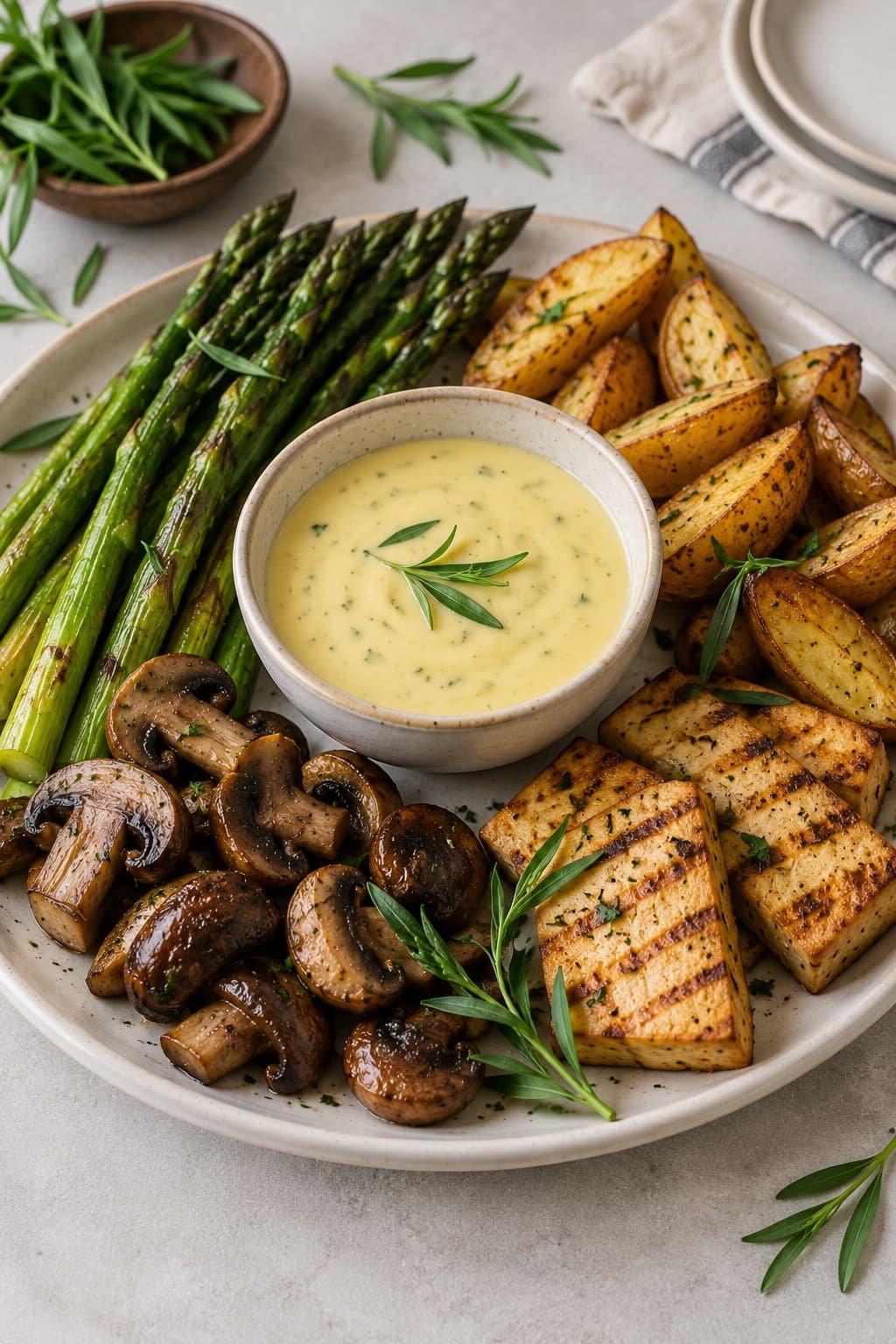
Spoon it over roasted asparagus, grilled mushrooms, crispy potatoes, steamed green beans, cauliflower steaks, grilled tofu, or your favorite plant-based main course. The warm sauce should lightly coat the food rather than run off the plate.

If you’re making it slightly ahead of time, keep it warm by placing the container over a bowl of warm water. Avoid direct heat or boiling, as prolonged high temperatures can eventually weaken even a well-made vegan emulsion.

Expert Tips for the Creamiest Vegan Bearnaise Sauce

A smooth, glossy vegan bearnaise sauce depends on good technique more than complicated ingredients. These simple tips will help you achieve consistent results every time.

Use warm not hot vegan butter. Butter that’s too hot can destabilize the emulsion, while butter that’s too cool may begin to solidify before it blends smoothly. Gentle warmth creates the most stable, silky texture.

Always pour the butter slowly. Think of it as building the sauce one thin stream at a time. Giving the mustard time to emulsify the butter with the vinegar creates a richer, more stable sauce that’s less likely to separate.

Choose fresh tarragon whenever possible. Fresh leaves provide the bright, lightly sweet, anise-like aroma that defines authentic béarnaise. If you’re using dried tarragon, reduce the quantity to about one-third because dried herbs have a more concentrated flavor.

Avoid overheating the finished sauce. While this recipe doesn’t contain eggs, excessive heat can still affect the texture and cause the emulsion to loosen. Keep it warm rather than simmering until you’re ready to serve.

If your sauce begins to separate, don’t throw it away. Add one teaspoon of warm water and blend again for 15–20 seconds. In many cases, the emulsion will come back together without affecting the flavor.

Finally, make the sauce as close to serving time as possible. Freshly prepared vegan bearnaise sauce has the smoothest consistency, the brightest tarragon aroma, and the cleanest, most balanced flavor. Although leftovers can be refrigerated, this is one of those sauces that’s truly at its best when enjoyed fresh.

Common Mistakes to Avoid

Even though this Easy Vegan Bearnaise Sauce Recipe is much simpler than the traditional French version, a few small mistakes can still affect the final texture and flavor. The good news is that nearly every problem has an easy solution. Understanding why it happens will help you fix it quickly and avoid it the next time.

Sauce Is Too Thick

If your vegan bearnaise sauce becomes thick or difficult to pour, it usually means some of the moisture has evaporated or the sauce has cooled after blending. This is completely normal, especially if it has been sitting for several minutes.

To restore its silky consistency, blend in 1 tablespoon of warm unsweetened oat milk, soy milk, or warm water at a time until the sauce loosens. Always use warm liquid, as cold ingredients can shock the emulsion and make the texture less smooth.

Sauce Is Too Thin

A sauce that feels runny is often caused by pouring the vegan butter too quickly or using a vegan butter with a higher water content. Occasionally, the emulsion simply needs a little more blending time.

Before adding anything else, blend the sauce for another 20 to 30 seconds. If it still hasn’t thickened, slowly drizzle in 1 to 2 teaspoons of warm melted vegan butter while blending. Avoid adding flour or cornstarch, as these ingredients create a different texture and move the sauce away from the classic character of homemade vegan bearnaise sauce.

The Sauce Has Split or Separated

Even without egg yolks, a vegan emulsion can separate if the butter is added too quickly or if the ingredients become excessively hot. While it may not look perfect, this doesn’t necessarily mean the sauce is ruined.

Add 1 teaspoon of warm water, then blend for 15 to 20 seconds. In most cases, the sauce will come back together. If necessary, repeat the process once more before making any additional changes.

The Sauce Tastes Too Acidic

The combination of white wine vinegar and fresh lemon juice should brighten the sauce, not overpower it. If the acidity becomes too noticeable, it’s usually because the vinegar reduction has become too concentrated or the lemon juice was measured a little generously.

Blend in a small amount of warm vegan butter and taste again. Adding richness is usually a better solution than adding sugar, which can mask the fresh herb flavor that makes creamy vegan bearnaise sauce unique.

The Sauce Was Overheated

Unlike gravy, vegan bearnaise sauce should never be boiled after it’s finished. High heat can weaken the emulsion and dull the fresh flavor of the herbs.

Keep the sauce warm over a bowl of hot water or on the lowest possible heat until serving. Professional kitchens often use gentle indirect heat for this reason it helps preserve both the smooth texture and the bright tarragon aroma.

Delicious Vegan Bearnaise Variations

Once you’ve mastered the classic recipe, it’s easy to customize this vegan bearnaise sauce to suit different meals and dietary preferences. These variations preserve the character of the original while adding new flavors and textures.

Cashew-Based Vegan Bearnaise

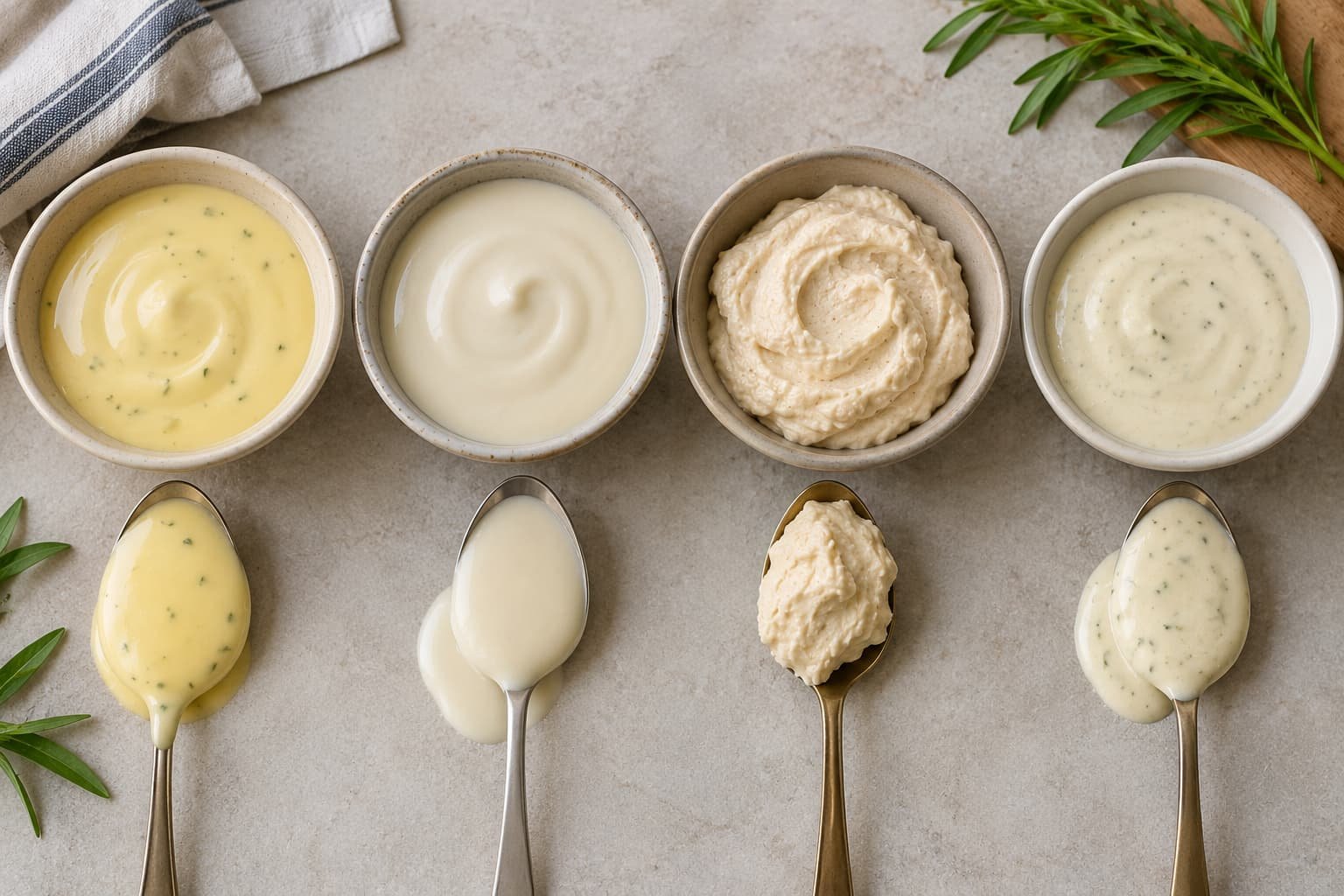
For an extra-creamy version, soak raw cashews in hot water for about 30 minutes (or overnight in cold water), then blend them with the vinegar reduction before adding the remaining ingredients. The cashews create a thicker, richer sauce that’s especially delicious with roasted vegetables, baked potatoes, and grain bowls.

Soy-Free Version

If you’re following a soy-free diet, simply use a certified soy-free vegan butter and thin the sauce with unsweetened oat milk if necessary. The preparation stays exactly the same, and the finished sauce remains smooth, rich, and flavorful.

Oil-Free Version

If you’d prefer to avoid added oils, replace the vegan butter with a smooth blend of soaked cashews or cooked white beans. Keep in mind that this creates a lighter interpretation rather than a traditional-style béarnaise. The sauce will be slightly thicker, less buttery, and more suitable for grain bowls, steamed vegetables, or baked potatoes.

Spicy Vegan Bearnaise

For a gentle heat, stir in a pinch of cayenne pepper, crushed red pepper flakes, or a few drops of your favorite hot sauce after blending. Start with a small amount and taste as you go so the spice complements the fresh tarragon instead of overpowering it. This version pairs particularly well with grilled cauliflower steaks and roasted potatoes.

Garlic Herb Bearnaise

For a deeper savory flavor, blend in one roasted garlic clove or a small pinch of garlic powder. Roasted garlic adds a mellow sweetness, while fresh garlic creates a sharper, more pronounced bite. This variation is especially good with mushrooms, roasted potatoes, and grilled tofu.

Bright Lemon Bearnaise

Increase the fresh lemon juice slightly and finish the sauce with a little finely grated lemon zest for a lighter, more vibrant flavor. This variation is perfect for spring vegetables such as asparagus, green beans, and broccoli, where the citrus helps brighten the entire dish.

Extra-Herby Version

If you love fresh herbs, stir additional chopped tarragon together with fresh chives, parsley, or a small amount of chervil into the finished sauce just before serving. Adding the herbs at the end preserves their color, fragrance, and delicate flavor while giving the sauce a fresher appearance.

Whichever variation you choose, make changes gradually and taste after every adjustment. The best vegan French sauce is all about balance rich enough to feel indulgent, bright enough to stay fresh, and herbaceous enough for the tarragon to remain the star of every bite.

What to Serve with Vegan Bearnaise Sauce

Bearnaise Sauce

One of the reasons this Easy Vegan Bearnaise Sauce Recipe deserves a place in your regular meal rotation is its incredible versatility. With its silky texture, buttery richness, and fresh tarragon flavor, this vegan bearnaise sauce pairs beautifully with everything from simple roasted vegetables to elegant plant-based dinners. A spoonful of this sauce can transform everyday ingredients into a meal that feels both comforting and restaurant-worthy.

While traditional béarnaise is often served with steak, this dairy-free version complements a wide variety of vegetables and plant-based proteins just as well. The key is to pair it with foods that benefit from a creamy, herb-forward finishing sauce rather than something heavy or overly seasoned.

Dish Why It Works Perfect For
Roasted Potatoes Crispy potatoes absorb the buttery sauce while their golden edges add a satisfying contrast in texture. Weeknight dinners, holiday sides
Roasted or Steamed Asparagus One of the most classic béarnaise pairings. The fresh tarragon beautifully complements asparagus without overpowering its delicate flavor. Spring meals, brunch
Cauliflower Steaks Caramelized cauliflower develops a nutty sweetness that pairs perfectly with the rich, creamy sauce. Vegetarian or vegan main courses
Grilled Tofu Firm tofu readily absorbs the herb-infused sauce, creating a satisfying, protein-rich meal. High-protein vegan dinners
Sautéed or Grilled Mushrooms Earthy mushrooms and fresh tarragon naturally complement one another, creating a rich umami flavor. Pasta dishes, grain bowls
Veggie Burgers Swap ketchup or mayonnaise for warm béarnaise to give homemade burgers a richer, gourmet finish. BBQs, casual lunches
Green Beans Their crisp texture contrasts beautifully with the silky sauce, making an elegant yet simple side dish. Holiday dinners, family meals
Steamed or Roasted Broccoli The fresh acidity of the sauce balances broccoli’s earthy flavor while adding richness without making it feel heavy. Healthy weeknight meals

Beyond these classic pairings, homemade vegan bearnaise sauce is equally delicious with roasted carrots, baked sweet potatoes, grilled artichokes, quinoa bowls, crispy smashed potatoes, or oven-roasted Brussels sprouts. It also works surprisingly well as a dipping sauce for roasted vegetables or drizzled over a warm breakfast of tofu scramble and breakfast potatoes.

If you’re looking for a complete meal, try serving the sauce with grilled tofu, roasted asparagus, and crispy baby potatoes for an easy dinner, or pair it with cauliflower steak, green beans, and roasted mushrooms for an elegant plant-based meal that’s suitable for entertaining.

For the best flavor and presentation, spoon the sauce over the food just before serving rather than cooking it together with the dish. This keeps the herbs bright, preserves the creamy texture, and allows every ingredient to retain its individual character.

Storage and Reheating

bearnaise sauce recipe

Like most freshly made emulsified sauces, creamy vegan bearnaise sauce tastes best the day it’s is prepared. However, if you have leftovers, proper storage and gentle reheating will help preserve both its flavor and texture.

Refrigerating Leftovers

Allow the sauce to cool for about 20 to 30 minutes, then transfer it to a clean airtight container and refrigerate for up to 3 days.

As it chills, the vegan butter naturally firms up, so it’s completely normal for the sauce to become thicker. This doesn’t mean the sauce has spoiled it simply needs gentle reheating before serving.

Before using leftovers, always check that the sauce still smells fresh and has no unusual discoloration or separation beyond normal thickening. If anything seems off, it’s safest to discard it.

Can You Freeze Vegan Bearnaise Sauce?

Freezing isn’t recommended if you want the best possible texture.

Because vegan bearnaise sauce is an emulsified sauce, freezing and thawing often cause the fat and liquid to separate. While the flavor usually remains pleasant, the silky consistency is difficult to restore completely.

If you decide to freeze it anyway, thaw it overnight in the refrigerator and blend it with 1 to 2 teaspoons of warm water before gently reheating. Even then, expect the texture to be slightly different from a freshly prepared batch.

How to Reheat Without Losing the Creamy Texture

The gentlest reheating method produces the best results.

Transfer the refrigerated sauce to a small saucepan and warm it over very low heat, stirring continuously. If it becomes too thick, whisk in 1 tablespoon of warm oat milk, soy milk, or warm water until it returns to a smooth, pourable consistency.

You can also place the container in a bowl of warm water for 5 to 10 minutes, stirring occasionally. This indirect method gently warms the sauce while helping the emulsion remain stable.

If you’re using a microwave, heat the sauce in 10-second intervals at low power, stirring well after each interval. Avoid overheating, as excessive heat can cause the sauce to thin or separate.

For the freshest flavor, reheat only the amount you plan to serve. Repeated heating and cooling gradually reduces the sauce’s creamy texture and softens the delicate aroma of the fresh tarragon.

With proper storage and gentle reheating, your vegan French sauce will remain smooth, flavorful, and ready to drizzle over vegetables, potatoes, tofu, grain bowls, or your favorite plant-based dishes.

Bearnaise vs. Hollandaise: What’s the Difference?

Bearnaise vs Hollandaise

At first glance, béarnaise and hollandaise look almost identical. Both are classic French emulsified sauces known for their rich, buttery texture, but they differ significantly in flavor, ingredients, and how they’re traditionally served. The biggest distinction is that béarnaise is built around fresh herbs and vinegar, while hollandaise relies on lemon juice for its clean, buttery taste.

If you’re deciding which sauce to make, think about the meal you’re serving. Vegan bearnaise sauce is ideal when you want bold herb flavor and a touch of acidity, whereas vegan hollandaise offers a milder, lemon-forward finish that pairs well with breakfast dishes and delicate vegetables.

Feature Béarnaise Sauce Hollandaise Sauce
Flavor Rich, buttery, herbaceous, and slightly tangy Rich, buttery, smooth, and bright with a stronger lemon flavor
Main Herbs Fresh tarragon is essential, often paired with shallots and sometimes chervil Traditionally prepared without herbs, though fresh herbs may occasionally be added as a garnish
Acidity White wine vinegar and lemon juice create a layered, more complex acidity Lemon juice provides a clean, straightforward brightness
Texture Slightly thicker with visible herb flecks Silky, smooth, and uniform
Traditional Pairings Asparagus, potatoes, mushrooms, grilled vegetables, cauliflower steaks, tofu Eggs Benedict, steamed vegetables, potatoes, asparagus, seafood or plant-based seafood alternatives
Difficulty Slightly more flavorful due to the herb reduction but equally approachable in this vegan version Simpler flavor profile with fewer aromatic ingredients
Vegan Adaptation Vegan butter, Dijon mustard, fresh tarragon, white wine vinegar, and lemon juice recreate the classic taste Vegan butter, Dijon mustard, lemon juice, and plant-based ingredients create a creamy alternative with a cleaner flavor

Both sauces share a similar cooking method, but fresh tarragon is what gives homemade vegan bearnaise sauce its unmistakable character. If you enjoy aromatic herbs and a more complex flavor, béarnaise is usually the better choice.

Frequently Asked Questions

Can I make vegan bearnaise sauce without cashews?

Yes. This recipe doesn’t use cashews at all. Its creamy texture comes from vegan butter and proper emulsification, making it both simpler and quicker than many cashew-based alternatives.

Can I use dried tarragon instead of fresh?

Yes. Use about one-third of the amount because dried tarragon is much more concentrated. Fresh tarragon is still recommended for the brightest aroma and the most authentic flavor.

Why is my vegan bearnaise sauce bitter?

Bitterness is usually caused by overheating the herbs or reducing the vinegar too aggressively. Simmer the vinegar gently and avoid prolonged cooking after adding the fresh herbs to preserve their delicate flavor.

Can I make the sauce ahead of time?

Yes. You can prepare it several hours in advance or refrigerate it for up to three days. Reheat it gently over low heat or by placing the container in warm water, stirring occasionally until smooth.

Is vegan bearnaise sauce gluten-free?

It can be, provided you use certified gluten-free ingredients. Always check the labels on Dijon mustard, vegan butter, and any packaged products if you’re cooking for someone with gluten sensitivities.

Can I use vegan bearnaise sauce on pasta?

Absolutely. Although it’s traditionally served with vegetables, it’s also delicious tossed with pasta, sautéed mushrooms, asparagus, peas, or roasted broccoli for a quick plant-based dinner.

Can I freeze vegan bearnaise sauce?

Freezing isn’t recommended because the emulsion may separate as it thaws. While blending can improve the consistency, freshly prepared sauce always delivers the smoothest texture and freshest flavor.

What’s the best plant milk to use?

Unsweetened oat milk and unsweetened soy milk are the best choices because they have a neutral flavor and blend smoothly into the sauce when adjusting the consistency.

Can I make this recipe with an immersion blender?

Yes. An immersion blender works extremely well for smaller batches and often makes it easier to control the emulsion while slowly pouring in the melted vegan butter.

How long can the sauce sit at room temperature?

For food safety and quality, avoid leaving the sauce at room temperature for longer than 2 hours. If serving over an extended period, keep it gently warm over indirect heat rather than direct heat.

Recipe Card

Easy Vegan Bearnaise Sauce Recipe (Ready in 15 Minutes)

Course: Sauce

Cuisine: French-Inspired

Diet: Vegan, Dairy-Free, Egg-Free

Difficulty: Easy

Prep Time: 5 minutes

Cook Time: 10 minutes

Total Time: 15 minutes

Yield: 4 servings

Ingredients

  • ½ cup vegan butter, melted
  • 1 small shallot, finely minced
  • 2 tablespoons fresh tarragon, chopped
  • 1 tablespoon Dijon mustard
  • 1 tablespoon white wine vinegar
  • 1 teaspoon fresh lemon juice
  • Salt and freshly ground black pepper, to taste
  • 1–2 tablespoons unsweetened oat milk or soy milk (optional, for adjusting consistency)

Instructions

  1. In a small saucepan, simmer the shallot, white wine vinegar, and half of the chopped tarragon for 3–4 minutes until the shallots soften and the liquid reduces slightly.
  2. Allow the mixture to cool for 1–2 minutes before transferring it to a blender with the Dijon mustard, lemon juice, remaining tarragon, salt, and pepper.
  3. Blend until smooth.
  4. With the blender running on low speed, slowly drizzle in the warm melted vegan butter until a glossy, creamy emulsion forms.
  5. Taste and adjust the seasoning or consistency as needed with a little warm plant-based milk.
  6. Serve immediately or keep warm over indirect heat until ready to enjoy.

Recipe Notes

  • Fresh tarragon delivers the most authentic flavor.
  • Slowly adding the melted vegan butter creates the smoothest emulsion.
  • Never boil the finished sauce.
  • If reheating, warm it gently and whisk in a splash of warm oat milk, soy milk, or water if it becomes too thick.
  • For an even fresher finish, stir in a little extra chopped tarragon just before serving.

Estimated Nutrition (Per Serving)

  • Calories: Approximately 180–220
  • Fat: 20 g
  • Carbohydrates: 2–4 g
  • Protein: 1 g
  • Fiber: Less than 1 g
  • Sodium: Varies by brand of vegan butter and Dijon mustard

Nutrition values are estimated using standard ingredient databases and will vary depending on the products you use.

Final Thoughts

béarnaise sauce

This Easy Vegan Bearnaise Sauce Recipe shows that you don’t need eggs or dairy to enjoy one of the most recognizable sauces in French cooking. With simple ingredients, straightforward techniques, and just 15 minutes of preparation, you can create a smooth, flavorful sauce that’s impressive enough for special occasions yet practical enough for everyday meals.

Its versatility is what makes it truly worth adding to your recipe collection. Drizzle it over roasted potatoes, grilled tofu, asparagus, mushrooms, cauliflower steaks, or your favorite vegetables, then experiment with garlic, extra herbs, or a brighter lemon finish to make it your own.

If this is your first emulsified sauce, don’t be intimidated. Follow the steps, add the vegan butter slowly, and trust the process. Once you’ve made it successfully, you’ll discover just how adaptable homemade vegan bearnaise sauce can be and you’ll likely find yourself reaching for it whenever you want to elevate a simple plant-based meal with rich, fresh flavor.

Related Blogs

Scroll to Top