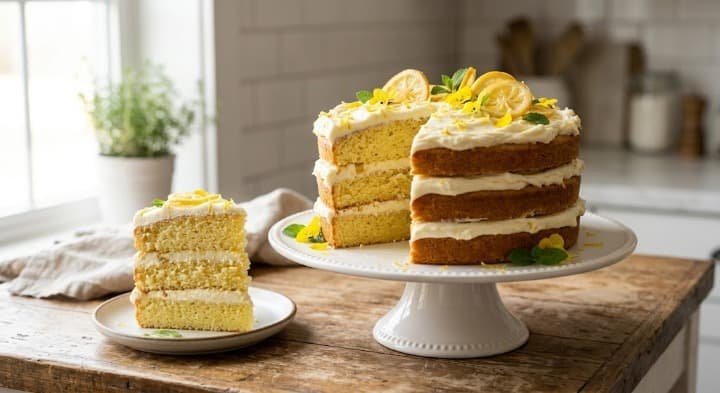
Lemon Cake with Cream Cheese Frosting

Lemon Cake with Cream Cheese Frosting

Facebook
LinkedIn
Pinterest
WhatsApp

Table of Contents

A lemon cake with cream cheese frosting is a classic homemade dessert made with fresh lemon juice, fragrant lemon zest, and a rich cream cheese frosting that balances sweetness with bright citrus flavor. The result is a soft, moist cake that’s light enough for spring and summer gatherings yet elegant enough for birthdays, holidays, and special celebrations.

There’s a reason lemon cake never goes out of style. Its fresh, vibrant flavor offers a refreshing alternative to richer chocolate or heavily frosted desserts, while the combination of tender cake and silky frosting creates a balance that’s satisfying without feeling overly sweet. Every bite delivers a delicate crumb, a burst of natural lemon flavor, and a smooth finish that keeps you reaching for another slice.

After testing different ingredient combinations, one thing becomes clear: fresh lemon juice alone isn’t enough to create the best flavor. The real secret is using both fresh juice and finely grated zest. Lemon zest contains natural citrus oils that provide a deeper aroma and brighter taste, while ingredients like sour cream or buttermilk help create a cake that stays soft and moist even after a day or two. These small details make a noticeable difference in both texture and flavor.

lemon cake with lemon cream cheese frosting

Although this recipe celebrates lemons, it’s also wonderfully adaptable. Once you’ve mastered the basic method, you can easily create an orange citrus cake, combine lemon and orange for a more complex flavor, or bake the batter as a layer cake, Bundt cake, or loaf cake depending on the occasion. The recipe provides a dependable foundation that works beautifully with other fresh citrus fruits while keeping the same tender texture.

In this guide, you’ll learn exactly how to choose the right ingredients, mix the batter correctly, avoid common baking mistakes, and make a smooth cream cheese frosting recipe that complements the cake instead of overpowering it. You’ll also find expert baking tips, simple substitutions, decorating ideas, storage instructions, freezing advice, and answers to the questions home bakers ask most often.

If you enjoy baking from scratch, don’t miss our collection of homemade cake recipes for more celebration-worthy desserts, and explore our desserts archive for seasonal baking inspiration that pairs perfectly with this recipe.

Why You’ll Love This Lemon Cake

A great lemon cake should be more than just sweet it should have a tender crumb, bright citrus flavor, and a frosting that enhances every bite. This recipe was designed with that balance in mind, making it a dependable choice whether you’re baking for family, friends, or a special occasion.

The cake stays exceptionally soft thanks to the combination of carefully balanced ingredients and proper mixing techniques. Fresh lemon juice and zest provide a clean, natural flavor that tastes noticeably brighter than bottled alternatives, while the cream cheese frosting adds just enough richness to create a smooth, tangy finish without overwhelming the cake.

One of the best things about this recipe is how approachable it is. The ingredients are easy to find, the instructions are straightforward, and each step is written to help home bakers achieve consistent results. Even if you’re making a homemade lemon cake for the first time, you’ll have the confidence to produce a bakery-style dessert from your own kitchen.

Its versatility also makes it a recipe you’ll return to throughout the year. Bake it as an elegant layer cake for birthdays, prepare it in a Bundt pan for brunches and family gatherings, or adapt it into a simple loaf cake for afternoon coffee or tea. If you’d like to experiment, adding fresh orange zest creates a subtle citrus variation that’s perfect during the holiday season without changing the recipe’s soft texture.

Beyond its flavor, this cake fits almost any occasion. It’s a beautiful centerpiece for Easter, Mother’s Day, baby showers, summer celebrations, holiday dessert tables, or simply a weekend baking project when you’re craving something homemade. Its fresh flavor, attractive presentation, and reliable results make it the kind of recipe people often request more than once.

Most importantly, this recipe focuses on techniques that genuinely improve the final result rather than unnecessary complexity. By understanding why each ingredient matters and following a few proven baking practices, you’ll end up with a lemon cake that’s moist, flavorful, and every bit as impressive as one from a professional bakery.

Ingredients You’ll Need

lemon cake Ingredients

Every great lemon cake with cream cheese frosting starts with ingredients that work together to create a cake that’s soft, moist, and full of fresh lemon flavor. While the recipe itself is simple, choosing quality ingredients and using them correctly can make a noticeable difference in the final result.

For the best texture, bring refrigerated ingredients like eggs, butter, sour cream, and cream cheese to room temperature before you begin. This allows them to blend smoothly into the batter, creating a lighter crumb and helping the cake bake more evenly. Fresh lemons are equally important both the juice and zest contribute different qualities, giving the cake a bright, natural citrus flavor that bottled juice simply can’t match.

Tip: The exact ingredient measurements are provided in the printable recipe card below. This section explains why each ingredient is used and how it contributes to the finished cake.

Cake Ingredients

All-Purpose Flour
All-purpose flour provides the ideal balance of structure and tenderness for a homemade lemon cake. It creates a crumb that’s soft enough to melt in your mouth while remaining sturdy enough to support a generous layer of cream cheese frosting. To avoid a dense cake, spoon the flour into your measuring cup and level it with a knife instead of scooping directly from the bag.

Granulated Sugar
Sugar does far more than add sweetness. It helps retain moisture, creates a tender texture, and encourages the beautiful golden color that develops as the cake bakes. For even more lemon flavor, gently rub the lemon zest into the sugar before mixing the batter. This simple step releases the zest’s natural oils and gives the cake a richer citrus aroma.

Large Eggs
Eggs provide structure, richness, and stability while helping the cake rise evenly. Room-temperature eggs blend more easily with the butter, creating a smoother batter and a finer, more delicate crumb.

Unsalted Butter
Good-quality unsalted butter adds richness without masking the fresh lemon flavor. Because different brands of salted butter contain varying amounts of salt, using unsalted butter gives you better control over the recipe’s overall flavor.

Sour Cream or Plain Greek Yogurt
One of the secrets to a moist lemon cake is adding sour cream or full-fat Greek yogurt. Both ingredients increase moisture, improve tenderness, and help the cake stay soft for several days without becoming heavy. If you prefer a slightly richer texture, sour cream is an excellent choice, while Greek yogurt adds a subtle tang with a lighter finish.

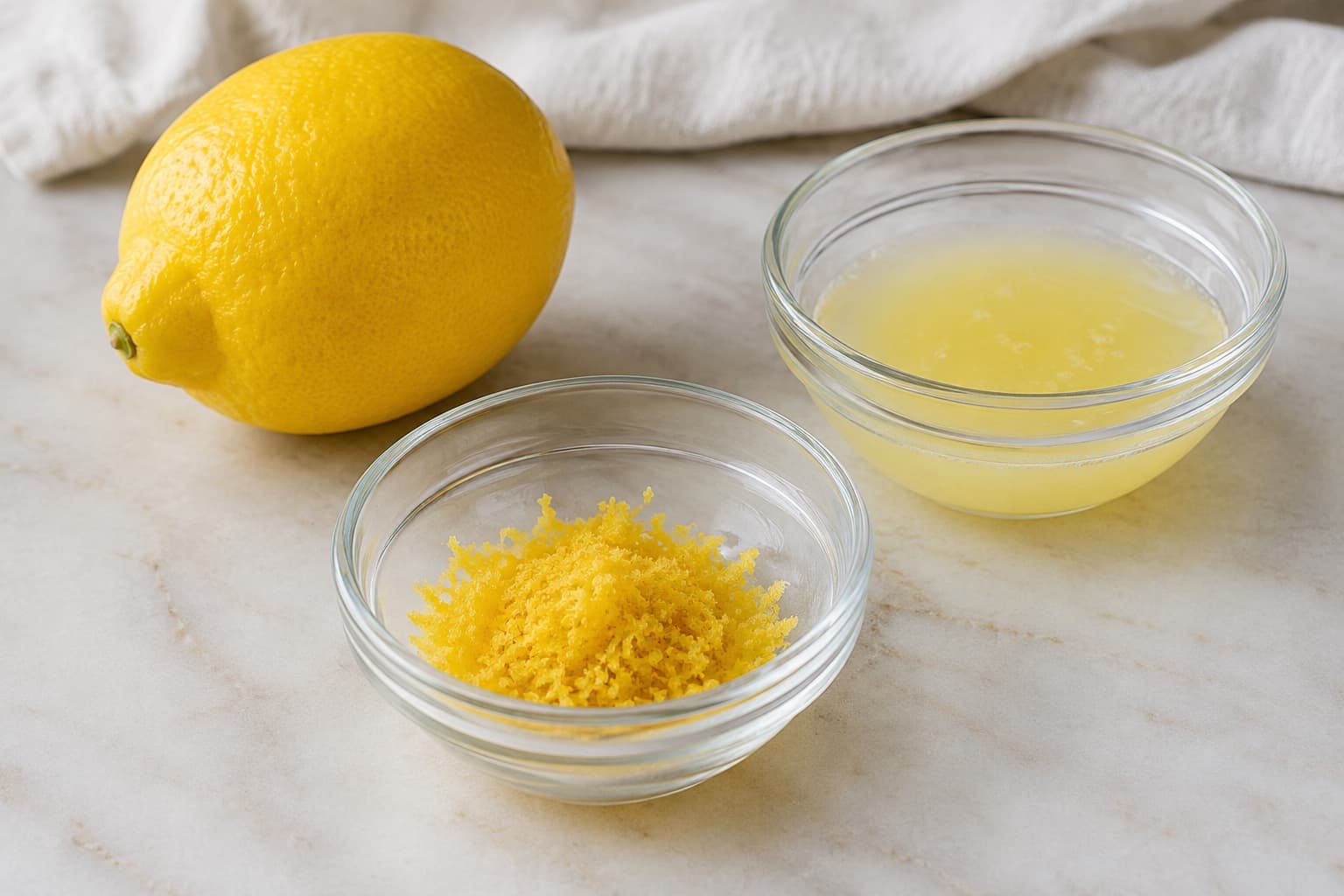
Fresh Lemon Juice
Freshly squeezed lemon juice provides the clean, bright flavor that defines a classic lemon cake recipe. Choose lemons that feel heavy for their size, as they typically contain more juice and have a fresher taste than lighter fruit.

Fresh Lemon Zest
Lemon zest is one of the most valuable ingredients in this recipe. The fragrant oils found in the outer peel deliver a deeper citrus aroma than juice alone, creating the fresh flavor that makes this cake stand out. Be sure to grate only the yellow outer layer, avoiding the bitter white pith underneath.

Pure Vanilla Extract
A small amount of pure vanilla extract enhances the citrus without overpowering it. Instead of competing with the lemon, vanilla adds warmth and rounds out the overall flavor profile.

Baking Powder
Baking powder is responsible for giving the cake its light, fluffy texture. Always check the expiration date before baking, as older baking powder loses its effectiveness and may prevent the cake from rising properly.

Fine Salt
Although it’s used in a small amount, salt plays an important role. It balances the sweetness, enhances the buttery richness, and makes the fresh lemon flavor taste brighter and more vibrant.

Cream Cheese Frosting Ingredients

A homemade cream cheese frosting recipe should be smooth, creamy, and lightly tangy, complementing the cake rather than overpowering it. Using quality ingredients and the proper mixing method helps create a frosting that’s easy to spread, pipes beautifully, and holds its shape.

Full-Fat Block Cream Cheese
Always use full-fat block cream cheese rather than whipped or spreadable varieties sold in tubs. Block cream cheese contains less moisture, producing a thicker frosting that’s stable enough for layering and decorating while delivering a rich, creamy texture.

Unsalted Butter
Softened unsalted butter gives the frosting a silky consistency and helps incorporate air as it’s whipped, creating a lighter, smoother finish. Let the butter soften naturally instead of microwaving it, which can make the frosting overly soft.

Powdered Sugar
Powdered sugar sweetens the frosting while giving it a smooth, velvety texture. Adding it gradually allows you to control both the sweetness and consistency, making it easier to achieve a frosting that spreads cleanly without becoming overly stiff.

Pure Vanilla Extract
A splash of vanilla softens the tanginess of the cream cheese and adds subtle depth to every bite. Pure vanilla extract provides a cleaner, richer flavor than artificial alternatives.

Fresh Lemon Zest (Optional)
If you’d like an even brighter finish, fold a little freshly grated lemon zest into the frosting after mixing. The natural citrus oils add aroma and freshness, creating a frosting that pairs beautifully with the soft lemon cake without becoming overly tart.

Ingredient Notes & Substitutions

original recipe

One of the reasons this lemon cake with cream cheese frosting turns out consistently soft and flavorful is that the recipe uses simple ingredients that each play an important role. While following the original recipe will give you the best results, a few well-chosen substitutions can work without sacrificing texture or flavor. Understanding how each ingredient behaves also makes it easier to adapt the recipe with confidence.

Fresh Lemon Juice vs. Bottled Lemon Juice

For the brightest flavor, always use freshly squeezed lemon juice. Fresh lemons contain natural aromatic oils that give the cake a clean, vibrant citrus taste that’s difficult to achieve with bottled juice alone. The difference is especially noticeable once the cake has cooled and the flavors have settled.

If fresh lemons aren’t available, bottled lemon juice can still be used. To restore some of the lost aroma, combine it with freshly grated lemon zest. Since most of the lemon’s essential oils are found in the zest rather than the juice, this simple adjustment creates a much more balanced lemon cake recipe.

Meyer Lemons vs. Regular Lemons

Both Meyer lemons and traditional lemons produce excellent results, but each offers a slightly different flavor profile. Meyer lemons are naturally sweeter with delicate floral notes, making them ideal if you prefer a softer citrus flavor. Eureka and Lisbon lemons provide the bright tang that most people expect from a classic homemade lemon cake.

Whichever variety you choose, look for lemons that feel heavy for their size and have smooth, firm skin. They typically contain more juice and fresher flavor.

Orange Variation

If you’d like to create a different version without changing the overall method, substitute part of the lemon juice and zest with fresh orange juice and orange zest. This produces a naturally sweeter orange citrus cake while maintaining the same tender crumb and creamy frosting.

A blend of lemon and orange creates a well-balanced citrus flavor that’s especially popular for spring brunches, Easter desserts, and holiday gatherings.

Lime Variation

Fresh lime juice offers another delicious option. It creates a brighter, slightly sharper flavor that’s refreshing during warmer months. For the best balance, replace only part of the lemon juice with lime rather than all of it. This keeps the cake recognizable as a lemon cake while adding extra citrus complexity.

Adding a little lime zest to the frosting creates an even fresher finish without making it overly tart.

Buttermilk Alternatives

If you don’t have buttermilk, several common ingredients work well as substitutes. Full-fat sour cream produces the richest texture, while plain Greek yogurt creates a slightly lighter crumb with a pleasant tang. You can also make a quick substitute by adding a small amount of lemon juice or white vinegar to whole milk and letting it rest for a few minutes before using.

Although each option behaves a little differently, they all help create a moist, tender cake.

Flour Options

All-purpose flour remains the best choice for this recipe because it provides an excellent balance of structure and softness. If you prefer an even finer crumb for birthdays or celebration cakes, cake flour creates a lighter texture.

For gluten-free baking, use a reputable one-to-one gluten-free flour blend that already contains xanthan gum. Different blends absorb moisture differently, so the batter may require slight adjustments depending on the brand you use.

Dairy-Free Alternatives

This recipe can also be adapted for dairy-free baking. Plant-based butter works well in the cake, while dairy-free Greek-style yogurt helps maintain moisture and tenderness. For the frosting, choose a firm dairy-free cream cheese that’s formulated for baking or frosting rather than one intended only as a spread.

No matter which substitutions you choose, keep the ingredient ratios as close to the original recipe as possible. Maintaining the proper balance of moisture, fat, and acidity is what gives this cake its signature soft crumb and fresh lemon flavor.

How to Make Lemon Cake

Lemon Cake Recipes

Making a bakery-style lemon cake with cream cheese frosting doesn’t require complicated techniques, but it does reward careful preparation. Paying attention to small details such as properly creaming the butter, measuring flour accurately, and avoiding overmixing creates a cake that’s light, moist, and full of fresh citrus flavor from the very first slice.

Step 1: Prepare the Oven and Cake Pans

Preheat your oven to 350°F (175°C) before you begin mixing the batter. Starting with a fully heated oven helps the cake rise evenly and develop a tender crumb.

Grease two 8-inch or 9-inch round cake pans, then line the bottoms with parchment paper. This extra step makes removing the cakes much easier and helps preserve smooth edges for frosting later.

Step 2: Combine the Dry Ingredients

Whisk together the flour, baking powder, and salt until everything is evenly distributed. Mixing the dry ingredients first helps the leavening agent spread consistently throughout the batter, reducing the chance of uneven rising.

Step 3: Cream the Butter and Sugar

Beat the softened butter and sugar together for several minutes until the mixture becomes pale, fluffy, and noticeably lighter in texture. This step incorporates air into the batter, giving the finished cake its soft, delicate crumb.

Before creaming, rub the fresh lemon zest into the sugar using your fingertips. This releases the zest’s natural oils and infuses the sugar with a stronger citrus aroma that carries throughout the cake.

Step 4: Add the Eggs and Flavorings

Add the eggs one at a time, mixing well after each addition. Once they’re fully incorporated, stir in the vanilla extract and fresh lemon juice.

If the batter looks slightly curdled after adding the lemon juice, don’t worry. It will become smooth again once the remaining ingredients are added.

Step 5: Alternate the Dry Ingredients and Dairy

Add the dry ingredients in several additions, alternating with the sour cream or Greek yogurt. Mix on low speed just until the flour disappears.

The batter should look thick, smooth, and easily spreadable. Avoid mixing longer than necessary, as overdeveloped gluten can produce a dense cake instead of the light texture you’re aiming for.

Step 6: Fill the Pans and Bake

cake Bake

Divide the batter evenly between the prepared pans and gently smooth the tops.

Bake for 30 to 35 minutes, or until the tops are lightly golden and a toothpick inserted into the center comes out clean or with only a few moist crumbs attached.

Resist opening the oven during the first 20 minutes of baking, as sudden temperature changes may affect the cake’s rise.

Step 7: Cool the Cakes Completely

Let the cakes cool in their pans for about 10 to 15 minutes before carefully transferring them to a wire rack.

Allow them to cool completely before frosting. Even slightly warm cake layers can cause cream cheese frosting to soften and slide, making assembly more difficult.

Step 8: Assemble and Frost

Prepare the cream cheese frosting while the cakes finish cooling. Spread an even layer between the cake layers before covering the top and sides.

For the smoothest finish, apply a thin crumb coat first, chill the cake for about 20 minutes, then add the final layer of frosting. Garnish with freshly grated lemon zest, thin lemon slices, or a few edible flowers for a simple but elegant presentation.

Before serving, let the finished cake sit at room temperature for 15 to 20 minutes. This allows the frosting to soften slightly and brings out the full buttery texture and bright lemon flavor in every bite.

How to Make Cream Cheese Frosting

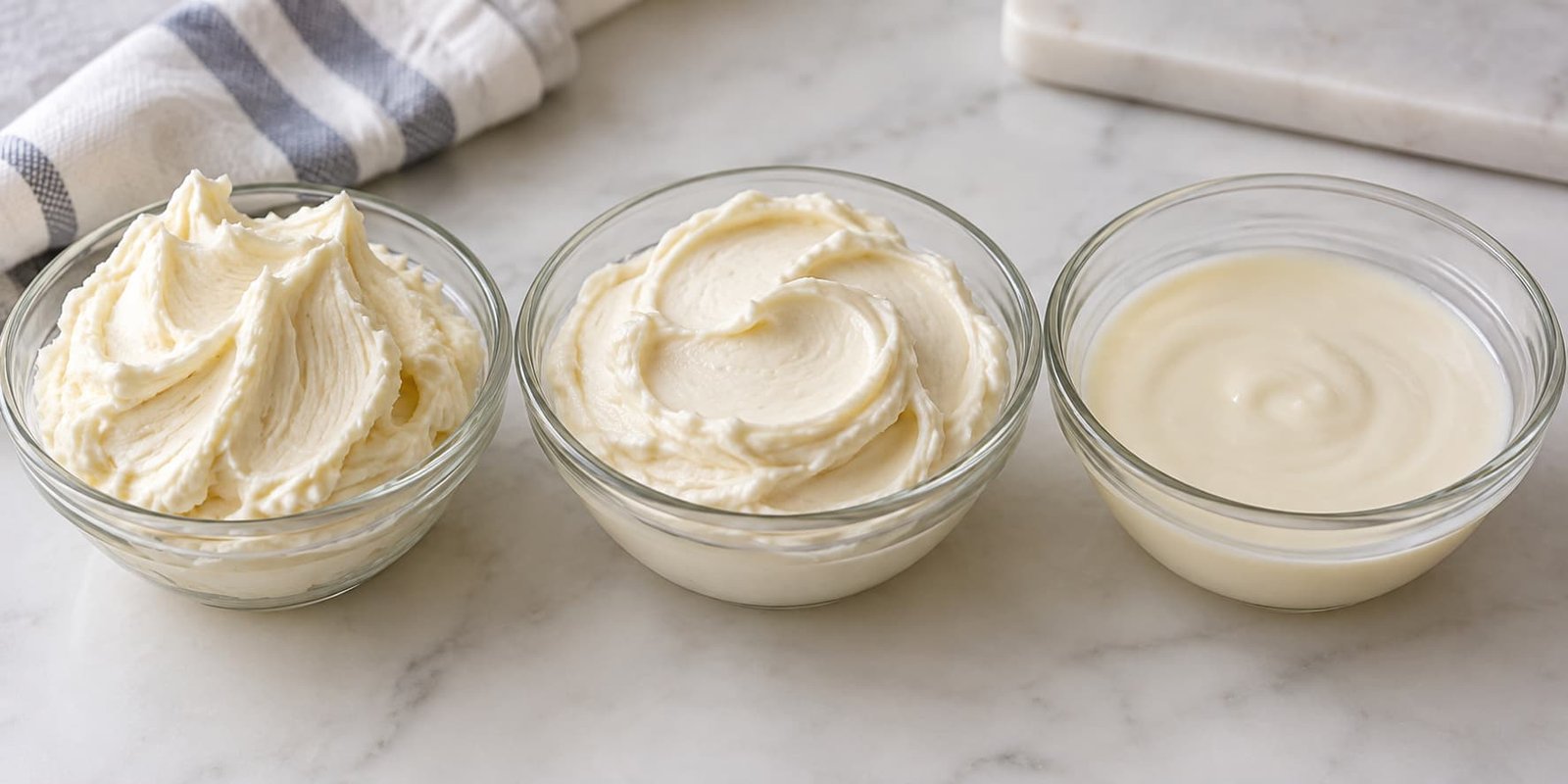
A smooth, velvety cream cheese frosting recipe is the perfect finishing touch for a lemon cake with cream cheese frosting. The best frosting should be rich enough to hold its shape, soft enough to spread with ease, and lightly tangy so it enhances the fresh lemon flavor instead of overpowering it.

The secret to achieving that bakery-style texture is simple: use full-fat block cream cheese, softened butter, sifted powdered sugar, and avoid overmixing once the cream cheese is added. These small details create a frosting that’s stable enough for layering yet silky enough for clean, beautiful swirls.

Step 1: Bring the Ingredients to Room Temperature

Let the cream cheese and butter sit at room temperature for 30 to 45 minutes before mixing. Properly softened ingredients combine more easily, creating a lump-free frosting with a smooth, even consistency.

Resist the temptation to microwave them. Uneven heating can soften the outside while leaving the center cool, making it difficult to achieve a stable texture.

Step 2: Beat the Butter Until Light and Fluffy

Using a hand mixer or stand mixer, beat the softened butter on medium speed for 2 to 3 minutes until it becomes pale, creamy, and noticeably lighter in texture.

Whipping the butter first incorporates tiny air pockets that help produce a frosting that’s lighter, smoother, and easier to spread.

Step 3: Add the Cream Cheese

Add the softened block cream cheese and beat on low to medium speed just until fully combined. The mixture should look silky and uniform, with no visible streaks of butter or cream cheese.

Avoid mixing longer than necessary. Overbeating cream cheese can introduce excess warmth, causing the frosting to lose some of its firmness.

Step 4: Add the Flavorings

Mix in the pure vanilla extract, then fold in freshly grated lemon zest if you’d like an even brighter citrus flavor. The zest contains fragrant natural oils that provide far more aroma than lemon juice alone.

If adding fresh lemon juice, use only a small amount at a time and taste after each addition. Too much liquid can soften the frosting and make it less stable for decorating.

Step 5: Incorporate the Powdered Sugar

Sift the powdered sugar before adding it gradually to the bowl. Sifting breaks up compacted sugar, helping prevent tiny lumps that can create a grainy texture.

Continue mixing on low speed until the frosting becomes smooth, fluffy, and holds soft peaks when the beaters are lifted. Once the frosting reaches this stage, stop mixing to preserve its structure.

Step 6: Chill Before Decorating (If Needed)

If the frosting feels softer than you’d like, refrigerate it for 15 to 20 minutes before frosting the cake.

A short chill firms the butter and cream cheese just enough to create cleaner edges, smoother sides, and more defined piping without changing the flavor or texture.

Troubleshooting Cream Cheese Frosting

Even experienced bakers occasionally need to make small adjustments. Fortunately, most frosting problems have simple solutions.

Frosting Is Too Thin

If the frosting seems loose or slides off the cake, the ingredients were likely too warm or too much liquid was added.

Refrigerate the frosting for about 20 minutes, then mix it briefly. If it’s still too soft, add sifted powdered sugar one tablespoon at a time until it reaches a smooth, spreadable consistency.

Frosting Is Too Thick

A frosting that’s difficult to spread usually needs only a small amount of liquid.

Mix in 1 teaspoon of milk or heavy cream at a time, stirring well after each addition. Stop as soon as the frosting becomes silky and easy to spread.

Frosting Tastes Too Sweet

Cream cheese frosting should complement the cake rather than overpower it.

If it tastes sweeter than you’d like, mix in a little extra cream cheese or add a small pinch of fine salt. Taste after each adjustment before adding more. A little fresh lemon zest can also brighten the flavor without increasing sweetness.

Frosting Looks Grainy

Graininess usually happens when the ingredients are too cold or the powdered sugar wasn’t sifted.

Allow the butter and cream cheese to soften naturally before mixing, sift the sugar thoroughly, and mix only until everything comes together. The finished frosting should feel silky and completely smooth.

Expert Tips for a Moist Lemon Cake

Baking a truly memorable moist lemon cake isn’t about complicated techniques it’s about getting the small details right. These simple habits consistently produce a cake that’s tender, flavorful, and worthy of any celebration.

Measure Flour Accurately

Adding too much flour is one of the most common reasons homemade cakes turn out dry.

For the most consistent results, weigh the flour with a digital kitchen scale. If measuring by volume, spoon the flour into the measuring cup and level it with a straight edge instead of scooping directly from the bag, which can pack in extra flour.

Mix the Batter Just Until Combined

Once the dry ingredients are added, mix only until no visible streaks of flour remain.

The finished batter should look smooth, thick, and easily spreadable. Overmixing develops excess gluten, resulting in a heavier crumb instead of the soft, tender texture you’re aiming for.

Always Use Room-Temperature Ingredients

Butter, eggs, sour cream, and other chilled ingredients blend together much more evenly when they’re at room temperature.

A smoother batter traps air more effectively, helping the cake bake evenly with a lighter, more delicate crumb.

Zest Before You Juice

Always remove the lemon zest before cutting the fruit in half. Whole lemons are much easier to zest, and you’ll capture more of the fragrant oils that give this lemon cake recipe its signature aroma.

For even deeper flavor, rub the zest into the sugar before creaming it with the butter. This simple technique distributes the citrus oils throughout the batter and creates a noticeably brighter lemon flavor.

Check for Doneness Using More Than a Timer

Oven temperatures can vary, so don’t rely on baking time alone.

The cake is ready when the top is lightly golden, the center springs back gently when touched, and a toothpick inserted into the middle comes out clean or with only a few moist crumbs attached.

If wet batter remains on the toothpick, continue baking for another 2 to 3 minutes before testing again.

Cool Completely Before Frosting

Never frost a warm cake.

Even slight warmth can soften the cream cheese frosting and make the layers shift while assembling. Cooling the cake completely creates cleaner layers and a much more professional-looking finish.

For the best flavor and texture, refrigerate the finished cake for 20 to 30 minutes after frosting, then let it sit at room temperature for about 20 minutes before serving. This allows the frosting to soften slightly while the fresh lemon flavor becomes more pronounced.

Lemon Cake Variations

Lemon Cake

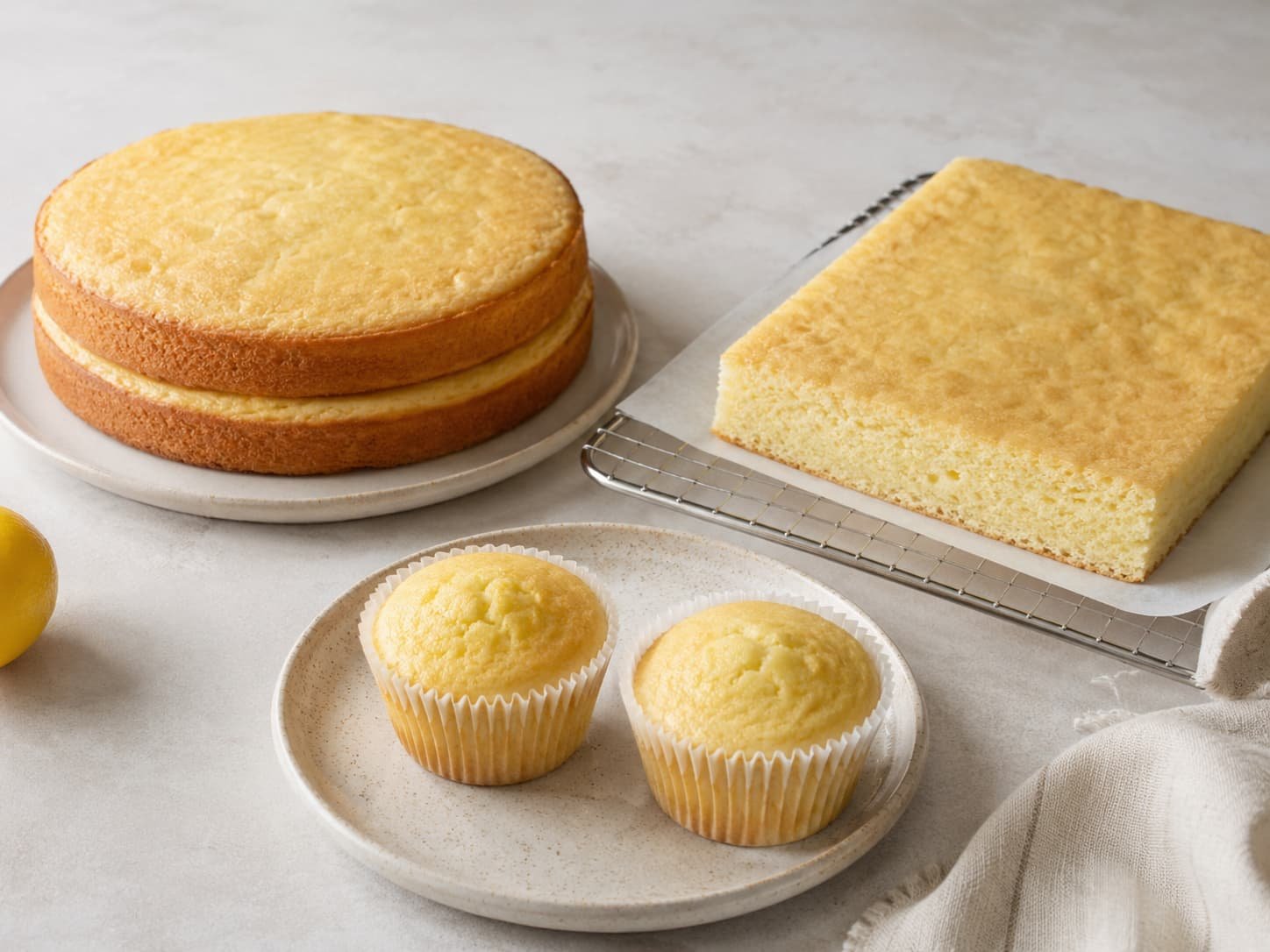
One of the reasons this lemon cake with cream cheese frosting becomes a favorite in so many kitchens is its versatility. Once you’ve mastered the original recipe, you can adapt the same batter into several delicious desserts by making only a few simple changes. Whether you’re baking for a birthday, holiday gathering, afternoon tea, or a family celebration, these variations let you enjoy the same soft crumb and fresh citrus flavor in different styles without starting from scratch.

Orange Citrus Cake

If you enjoy a sweeter, milder citrus flavor, replace the lemon juice and zest with freshly squeezed orange juice and fresh orange zest. This creates a naturally fragrant orange citrus cake that’s softer in flavor while still pairing beautifully with homemade cream cheese frosting.

Choose ripe oranges that feel heavy for their size, as they usually contain more juice and natural sweetness. Blood oranges or Cara Cara oranges are excellent seasonal choices if you want a richer color and slightly more complex citrus flavor.

This variation is especially popular for spring celebrations, brunches, Mother’s Day, and holiday dessert tables because it offers a lighter alternative to traditional rich cakes.

Lemon Orange Cake

For many bakers, combining lemons and oranges creates the perfect balance of brightness and sweetness. The lemon provides its signature tang, while the orange softens the acidity and adds subtle floral notes that make every bite more rounded.

A lemon orange cake works particularly well as a birthday cake or afternoon tea dessert. For an extra layer of flavor, spread a thin layer of lemon curd or orange marmalade between the cake layers before adding the cream cheese frosting.

Citrus Bundt Cake

If you’re looking for a beautiful dessert that doesn’t require stacking layers, this recipe converts easily into a citrus Bundt cake.

Because Bundt pans have intricate designs, grease every curve thoroughly and lightly dust the pan with flour to help the cake release cleanly. After baking, allow the cake to rest in the pan for about 10 minutes before turning it onto a cooling rack. Waiting much longer may cause the cake to stick.

Finish the cooled cake with a light citrus glaze, a dusting of powdered sugar, or a thin layer of cream cheese frosting, depending on how rich you’d like the finished dessert to be.

Citrus Layer Cake

A citrus layer cake is the perfect choice when you want an elegant centerpiece for birthdays, weddings, baby showers, Easter, or other celebrations.

Divide the batter evenly between two or three cake pans to create balanced layers. If you’re using a kitchen scale, weighing the batter helps every layer bake evenly.

For even more citrus flavor, spread a thin layer of lemon curd between each cake layer before frosting. The result is a cake with beautiful layers, fresh citrus notes, and a creamy finish that never feels overly sweet.

Citrus Pound Cake

Turning this recipe into a citrus pound cake creates a slightly denser dessert that’s ideal for breakfast, afternoon coffee, or weekend baking.

To keep the crumb tender, avoid overmixing the batter and remove the cake from the oven as soon as a toothpick comes out with only a few moist crumbs attached. Overbaking is one of the most common reasons pound cakes lose their moisture.

Serve slices with fresh berries, whipped cream, or a light citrus glaze for a simple but satisfying dessert.

Lemon Cupcakes

This batter also makes excellent lemon cupcakes when you need individually portioned desserts for birthdays, bake sales, picnics, or school events.

Fill each cupcake liner about two-thirds full to give the batter enough room to rise evenly without overflowing. Cupcakes usually bake faster than full-sized cakes, so begin checking for doneness several minutes earlier using the toothpick test.

Once completely cool, pipe the cream cheese frosting using your favorite decorating tip, then finish with finely grated lemon zest, candied lemon peel, or fresh berries for a bakery-style presentation.

Lemon Sheet Cake

When you’re serving a larger group, a lemon sheet cake with cream cheese frosting is often the easiest and most practical option.

Because the batter bakes in a single layer, preparation is quicker, frosting is simpler, and serving becomes much easier at parties, family reunions, office gatherings, and holiday meals.

Spread the frosting evenly across the cooled cake, then decorate with thin lemon slices, edible flowers, toasted coconut, or additional lemon zest for a fresh, colorful finish that looks as impressive as it tastes.

Lemon Loaf Cake

If you’re baking for a smaller household or simply want an everyday dessert, a lemon loaf cake is another excellent variation. The loaf pan creates a slightly taller cake that’s easy to slice and stores well for several days.

Top the cooled loaf with cream cheese frosting or a simple lemon glaze, then enjoy it with coffee or tea for breakfast, brunch, or an afternoon treat. Wrapped tightly, a loaf cake also freezes well, making it a convenient make-ahead dessert for busy weeks.

Decorating Ideas

cake decorating ideas

A beautifully finished lemon cake with cream cheese frosting doesn’t need elaborate piping techniques or expensive decorations. In fact, the freshest and most elegant cakes often rely on just a few carefully chosen garnishes that enhance the cake’s bright citrus flavor and create a clean, bakery-style presentation. The key is to let the cake remain the centerpiece while using decorations that add color, texture, and a fresh finishing touch.

Candied Lemon Slices

Candied lemon slices are a timeless decoration that instantly gives a homemade cake a polished appearance. Their glossy finish and gentle sweetness complement the tangy cream cheese frosting without overpowering the delicate lemon flavor.

For the best presentation, arrange three to five slices in the center of the cake or slightly overlap them along one edge. Add them after the frosting has chilled for a few minutes so they stay securely in place.

Fresh Berries

Fresh raspberries, blueberries, strawberries, and blackberries bring natural color and a burst of freshness that pairs beautifully with citrus desserts. Their slight tartness balances the sweetness of the frosting while making every slice look vibrant and inviting.

Wash and dry the berries thoroughly before decorating, and add them shortly before serving to keep them looking fresh. Combining two or three different berries creates a colorful finish without requiring extra effort.

Fresh Mint Leaves

A few small sprigs of fresh mint provide a bright green contrast that makes the cake look instantly fresher. Mint also adds a subtle aroma that complements the lemon without competing with it.

Rather than covering the cake with leaves, tuck a few sprigs beside the berries or candied lemons for a more natural, balanced presentation.

Lemon Curls and Fresh Lemon Zest

Freshly grated lemon zest is one of the simplest ways to enhance both the appearance and flavor of the cake. As it’s grated, the natural citrus oils are released, giving the finished dessert an inviting aroma before it’s even sliced.

For special occasions, create thin lemon curls with a vegetable peeler and arrange them loosely on top of the frosting. They add height, texture, and a professional bakery-style finish with very little effort.

Edible Flowers

If you’re preparing this cake for a bridal shower, Mother’s Day, Easter, or a spring celebration, edible flowers can transform it into an elegant centerpiece.

Choose food-safe varieties such as pansies, violas, chamomile, or calendula, and use them sparingly. A few carefully placed flowers create a sophisticated look, while too many can distract from the cake itself.

Toasted Coconut

Lightly toasted coconut flakes add both texture and a subtle nutty flavor that pairs surprisingly well with fresh lemon. Sprinkle a small amount around the edge of the cake or press it gently onto the sides of the frosting for extra visual interest.

Toast the coconut until it’s lightly golden rather than dark brown, as overtoasting can introduce a bitter flavor that competes with the bright citrus notes.

Simple Decorating Tips

Professional-looking cakes are usually simple rather than overcrowded. Choose one or two decorations that complement each other instead of adding every topping at once. Smooth the frosting with an offset spatula before decorating, and refrigerate the cake for 15 to 20 minutes to help the decorations stay neatly in place.

What to Serve With Lemon Cake

lemon dump cake with cream cheese

The fresh citrus flavor of lemon cake with cream cheese frosting pairs beautifully with drinks and light accompaniments that enhance its bright, tangy character instead of overpowering it. Whether you’re serving the cake at brunch, afternoon tea, a birthday celebration, or a holiday gathering, thoughtful pairings create a more balanced and memorable dessert experience.

Freshly Brewed Coffee

A medium-roast coffee is one of the best companions for lemon cake because its smooth, slightly roasted flavor balances the sweetness of the frosting without masking the citrus notes.

If you’re planning a brunch or afternoon gathering, serving this cake alongside your favorite homemade coffee recipes creates a classic pairing that’s both comforting and elegant.

Hot or Iced Tea

Tea has long been paired with citrus desserts for good reason. Black tea provides a rich, traditional combination, while green tea offers a lighter, more refreshing contrast. Herbal teas such as chamomile or mint also complement the cake’s fresh lemon aroma without adding competing flavors.

During warmer months, iced tea creates a refreshing option that’s especially enjoyable with chilled lemon cake.

Vanilla Ice Cream

A scoop of vanilla ice cream creates a delicious contrast between cool, creamy sweetness and bright citrus flavor. The mild vanilla allows the lemon to remain the focus while adding a smooth, refreshing finish.

If you’re making dessert for a summer gathering, homemade vanilla ice cream is an excellent companion that naturally complements this cake.

Fresh Seasonal Berries

Fresh berries add color, natural sweetness, and a pleasant tartness that balances the richness of the cream cheese frosting. Blueberries, raspberries, strawberries, and blackberries all pair beautifully with lemon and require very little preparation.

Serve the berries on the side or arrange a small spoonful beside each slice for an attractive presentation.

Fresh Whipped Cream

Lightly sweetened whipped cream provides an airy contrast to the dense cream cheese frosting without making the dessert feel overly rich. It’s especially delicious when paired with fresh berries or a few extra curls of lemon zest.

Whip the cream just before serving for the lightest texture and freshest flavor.

Serving Tips

For the best flavor and texture, remove the cake from the refrigerator about 20 minutes before serving. This gives the cream cheese frosting time to soften slightly, allowing the buttery texture and bright lemon flavor to fully develop.

If you’re serving the cake for a celebration, pair it with one simple beverage and one light accompaniment rather than offering too many options. A slice of lemon cake with fresh berries and a cup of coffee or tea creates a balanced dessert that feels elegant without being overly complicated.

Storage & Freezing

cake Storage

One of the reasons this lemon cake with cream cheese frosting is a reliable make-ahead dessert is that it stores beautifully without losing its soft texture or bright citrus flavor. In fact, many bakers notice that the lemon flavor becomes even more balanced after the cake has rested for several hours, allowing the citrus and cream cheese frosting to meld together. With proper storage, every slice stays fresh, moist, and ready to enjoy.

Storing the Cake in the Refrigerator

Since cream cheese frosting contains dairy, the frosted cake should be refrigerated if it won’t be served within two hours. Store it in an airtight cake carrier or cover it loosely with plastic wrap to prevent the sponge from drying out and to keep it from absorbing odors from other foods in the refrigerator.

The cake will stay fresh for up to 5 days. Before serving, remove it from the refrigerator 20 to 30 minutes ahead of time. This allows the frosting to soften naturally, restoring its creamy texture while bringing out the cake’s fresh lemon flavor.

Storing at Room Temperature

If the cake has not yet been frosted, it can be stored in an airtight container at room temperature for up to 2 days, provided your kitchen is cool and dry.

Once the frosting has been added, avoid leaving the cake at room temperature for long periods, especially during warm or humid weather. For the best quality and food safety, refrigerate any leftovers within two hours.

Freezing Lemon Cake

If you’d like to prepare dessert well in advance, this recipe freezes exceptionally well.

For the best results, freeze the unfrosted cake layers after they have cooled completely. Wrap each layer tightly in plastic wrap, then cover it with aluminum foil or place it inside a freezer-safe bag to protect against freezer burn. Label each package with the freezing date so you can easily keep track of freshness.

The cake layers maintain their best quality for up to 3 months. When you’re ready to use them, thaw the layers overnight in the refrigerator, then allow them to come to room temperature before frosting.

Individual slices can also be frozen. Place the slices on a baking tray until firm, wrap each one separately, and return them to the freezer. This makes it easy to enjoy a slice of homemade lemon cake whenever the craving strikes.

Can You Make Lemon Cake Ahead?

Absolutely. This recipe is ideal for entertaining because nearly every step can be prepared in advance.

Bake the cake layers a day ahead and store them well wrapped in the refrigerator or freezer. The frosting can also be made a day in advance and kept in an airtight container in the refrigerator. Before using it, let it sit at room temperature for 20 to 30 minutes, then stir gently until it becomes smooth and spreadable again.

For the freshest appearance, assemble and decorate the cake on the day you plan to serve it. If time is limited, you can also frost the cake several hours ahead. Giving the finished cake a little time to rest allows the citrus flavors to develop, often making it taste even better.

Common Mistakes to Avoid

Even a dependable lemon cake recipe can produce disappointing results if a few basic baking principles are overlooked. Fortunately, most problems have simple explanations and are easy to prevent. Understanding why they happen helps you achieve a consistently soft, moist cake with smooth, stable frosting every time.

Why Is My Lemon Cake Dense?

A dense cake is usually caused by overmixing the batter, adding too much flour, or using expired baking powder. Once the dry ingredients have been incorporated, mix only until no visible streaks of flour remain.

Always check the expiration date on your baking powder before baking. Fresh leavening helps create a lighter crumb and a better rise.

Measuring flour with a kitchen scale instead of scooping directly from the bag is another simple way to avoid a heavy texture.

Why Did My Lemon Cake Turn Out Dry?

Overbaking is the most common reason a lemon cake loses its moisture, although adding too much flour or too little sour cream or yogurt can also produce a dry crumb.

Begin checking the cake a few minutes before the recommended baking time. It’s ready when the top springs back lightly, the edges begin to pull away from the pan, and a toothpick inserted into the center comes out with only a few moist crumbs attached.

Removing the cake promptly helps preserve its soft, tender texture.

Why Does My Cake Taste Bitter?

A bitter flavor usually comes from grating too deeply into the white pith beneath the lemon peel or using excessive lemon extract.

When zesting lemons, remove only the bright yellow outer layer, where the fragrant citrus oils are found. Freshly grated zest provides a clean, vibrant flavor, while the white pith contributes unwanted bitterness.

Why Is My Cream Cheese Frosting Runny?

Runny frosting is most often caused by ingredients that became too warm, overmixing the cream cheese, adding too much liquid, or using spreadable cream cheese instead of block-style cream cheese.

If the frosting becomes too soft, refrigerate it for about 20 minutes before mixing briefly again. If needed, add sifted powdered sugar one tablespoon at a time until the frosting becomes thick enough to spread while still remaining smooth.

Whenever possible, use full-fat block cream cheese, as it produces a much more stable frosting than whipped or tub varieties.

Why Did My Cake Crack?

Small cracks on the surface usually develop when the oven temperature is too high, the cake remains in the oven too long, or the pans have been overfilled. Baking on the center oven rack also helps promote more even heat distribution.

Preheat the oven completely before baking, divide the batter evenly between the pans, and avoid opening the oven door during the first half of the baking time.

Even if a small crack appears, don’t worry. Once the cake is layered and covered with cream cheese frosting, those imperfections are rarely visible and won’t affect either the flavor or the texture of the finished dessert.

Frequently Asked Questions

Can I Freeze Lemon Cake?

Yes. This lemon cake with cream cheese frosting freezes very well. For the best texture, freeze the unfrosted cake layers after they’ve cooled completely. Wrap each layer tightly in plastic wrap, then cover with aluminum foil or place it in a freezer-safe bag. The layers will maintain their best quality for up to 3 months. Individual frosted slices can also be frozen, making it easy to thaw a single serving whenever you’d like.

Can Lemon Cake Be Made Ahead?

Absolutely. This recipe is ideal for making ahead. Bake the cake layers one day in advance and store them well wrapped in the refrigerator or freezer. The cream cheese frosting can also be prepared a day ahead and refrigerated separately. For the freshest appearance, assemble and decorate the cake on the day you plan to serve it, although frosting it a few hours in advance allows the citrus flavors to develop even more.

Can I Use Bottled Lemon Juice?

Yes, but fresh is best. Fresh lemon juice provides a brighter, cleaner citrus flavor, while freshly grated zest contributes the fragrant oils that give homemade lemon cake its signature aroma. If bottled juice is your only option, combine it with fresh lemon zest for the closest flavor to freshly squeezed lemons.

Which Lemons Are Best for Lemon Cake?

Both Meyer lemons and traditional lemons produce excellent results. Meyer lemons create a sweeter cake with delicate floral notes, while Eureka or Lisbon lemons provide the classic bright, tangy flavor most people expect from a lemon cake recipe.

Can I Use Orange Instead of Lemon?

Yes. Replacing part or all of the lemon juice and zest with fresh orange creates a delicious orange citrus cake with a naturally sweeter flavor. You can also combine lemon and orange for a balanced citrus cake that’s especially popular during spring and holiday baking.

Can I Make This Cake Without Cream Cheese Frosting?

Certainly. Although homemade cream cheese frosting is a classic pairing, this cake is equally delicious with lemon glaze, vanilla buttercream, stabilized whipped cream, or simply a light dusting of powdered sugar.

Can I Use Orange Zest Instead of Lemon Zest?

Yes. Orange zest provides a sweeter, less tangy citrus flavor while still adding natural aromatic oils to the batter. You can replace all of the lemon zest or combine both for a more complex citrus profile.

Can I Make Lemon Cake Without Buttermilk?

Yes. If your preferred recipe uses buttermilk, plain Greek yogurt or sour cream are excellent alternatives that help maintain a soft, moist crumb. You can also make a quick substitute by mixing whole milk with a small amount of lemon juice or white vinegar.

What Makes Lemon Cake So Moist?

The combination of butter, sour cream or Greek yogurt, properly measured flour, and careful mixing creates a tender crumb. Avoiding overbaking is equally important, as even a few extra minutes in the oven can noticeably reduce the cake’s moisture.

Why Is My Lemon Cake Dry?

Dry cake is most often caused by overbaking or adding too much flour. Measure ingredients accurately, mix only until combined, and begin testing for doneness a few minutes before the suggested baking time. A toothpick should come out with only a few moist crumbs attached.

Why Is My Cream Cheese Frosting Too Soft?

Cream cheese frosting usually becomes soft because the ingredients are too warm, the cream cheese has been overmixed, or too much liquid has been added. Refrigerate the frosting for about 20 minutes before using it, and always choose full-fat block cream cheese rather than spreadable varieties for the best consistency.

How Long Does Lemon Cake Stay Fresh?

When stored in an airtight container in the refrigerator, frosted lemon cake stays fresh for up to 5 days. Remove it from the refrigerator about 20 to 30 minutes before serving so the frosting softens slightly and the fresh lemon flavor becomes more pronounced.

Recipe Card

Lemon Cake with Cream Cheese Frosting

A soft, moist lemon cake with cream cheese frosting made with fresh lemon juice, fragrant zest, and a smooth homemade frosting. Perfect for birthdays, spring celebrations, afternoon tea, Easter, holidays, or whenever you’re craving a bright, homemade citrus dessert.

Prep Time: 25 minutes

Cook Time: 30–35 minutes

Cooling & Decorating Time: 1 hour 30 minutes

Total Time: Approximately 2 hours 30 minutes

Yield: Two 8-inch cake layers (about 12 servings)

Equipment

  • Two 8-inch round cake pans
  • Mixing bowls
  • Hand mixer or stand mixer
  • Measuring cups and spoons (or a kitchen scale)
  • Whisk
  • Cooling rack
  • Offset spatula or icing knife
  • Microplane or fine grater for lemon zest

Ingredients

Lemon Cake

  • 2½ cups (300 g) all-purpose flour
  • 2 teaspoons baking powder
  • ½ teaspoon fine salt
  • 1 cup (226 g) unsalted butter, softened
  • 1¾ cups (350 g) granulated sugar
  • 4 large eggs, room temperature
  • ½ cup (120 g) sour cream or full-fat Greek yogurt
  • ¼ cup (60 ml) freshly squeezed lemon juice
  • 2 tablespoons finely grated lemon zest
  • 1 teaspoon pure vanilla extract

Cream Cheese Frosting

  • 8 ounces (225 g) full-fat block cream cheese, softened
  • ½ cup (113 g) unsalted butter, softened
  • 3½–4 cups (420–480 g) sifted powdered sugar
  • 1 teaspoon pure vanilla extract
  • 1 teaspoon finely grated lemon zest (optional)
  • Pinch of fine salt

Instructions

  1. Preheat the oven to 350°F (175°C). Grease and line two 8-inch cake pans with parchment paper.
  2. Whisk together the flour, baking powder, and salt until evenly combined.
  3. Rub the lemon zest into the sugar, then beat the butter and sugar on medium speed for 2 to 3 minutes until pale, fluffy, and noticeably lighter in texture.
  4. Add the eggs one at a time, mixing well after each addition. Stir in the vanilla and fresh lemon juice.
  5. Alternate adding the dry ingredients with the sour cream, mixing only until no dry streaks remain. The batter should look smooth, thick, and spreadable.
  6. Divide the batter evenly between the prepared pans. Bake for 30 to 35 minutes, or until the tops are lightly golden, spring back gently when touched, and a toothpick inserted into the center comes out clean or with only a few moist crumbs attached. If your oven has hot spots, rotate the pans halfway through baking.
  7. Cool the cakes in their pans for 10 to 15 minutes before transferring them to a wire rack to cool completely.
  8. For the frosting, beat the butter until creamy, add the cream cheese and vanilla, then gradually mix in the sifted powdered sugar and optional lemon zest until smooth and spreadable.
  9. Spread the frosting between the cake layers, then over the top and sides. Refrigerate the finished cake for 20 to 30 minutes before slicing for cleaner, more even pieces.

Recipe Notes

  • Room-temperature ingredients blend more smoothly and produce a lighter cake.
  • Fresh lemon juice and zest provide the brightest citrus flavor.
  • Measure flour carefully or weigh it for the most consistent results.
  • Stop mixing as soon as the flour disappears to keep the crumb tender.
  • Use full-fat block cream cheese for a stable frosting.
  • Let the refrigerated cake rest at room temperature for 15 to 20 minutes before serving for the best flavor and texture.

Estimated Nutrition (Per Serving)

  • Calories: 540
  • Carbohydrates: 61 g
  • Protein: 6 g
  • Fat: 30 g
  • Saturated Fat: 18 g
  • Cholesterol: 115 mg
  • Sodium: 230 mg
  • Fiber: 1 g
  • Sugar: 44 g

Nutrition values are estimates calculated using standard ingredient databases. Actual values may vary depending on ingredient brands, substitutions, and portion sizes.

Final Thoughts

This lemon cake with cream cheese frosting combines everything people look for in a homemade dessert: a soft, tender crumb, fresh citrus flavor, and a smooth frosting that balances sweetness with a gentle tang. It’s simple enough for weekend baking yet elegant enough for birthdays, Easter, baby showers, afternoon tea, and holiday celebrations.

homemade hot cakes recipe

One of its greatest strengths is its versatility. The same dependable recipe can be transformed into a citrus Bundt cake, layer cake, sheet cake, cupcakes, or even a loaf cake with only a few small adjustments. Whether you’re baking it for a special occasion or simply because you’re craving a fresh homemade dessert, it’s a recipe you’ll return to again and again.

If you’re looking for more baking inspiration, explore our collection of cake recipes for celebration favorites, browse our dessert recipes for cookies, brownies, and seasonal treats, or discover more homemade recipes throughout our site. No matter the occasion, there’s always another delicious recipe waiting to be baked.

Related Blogs

Scroll to Top