Finding the right snack for kids is not always simple. Parents need something quick, filling, and realistic, not snacks that take too long to prepare or come back untouched in the lunchbox. A good snack should be easy to pack, easy to eat, and balanced enough to help kids stay satisfied between meals.
That is where protein snacks for kids can be useful. Protein does not have to mean complicated recipes, powders, or special products. Simple foods like Greek yogurt, eggs, cheese, hummus, cottage cheese, turkey, beans, and edamame can all help turn a light snack into something more filling.
The best snacks usually combine protein with fiber, fruit, vegetables, whole grains, or healthy fats from foods like avocado, seeds, seed butter, or nuts if they are allowed at school. For example, cheese with whole grain crackers feels more complete than crackers alone. Greek yogurt with berries is more balanced than a sweet snack by itself. Hummus with pita or vegetables gives kids both protein and fiber in a simple, lunchbox-friendly way.
It also helps to choose snacks with less added sugar, especially for school days. Many packaged snacks look kid-friendly, but they may not keep kids full for long if they are mostly sugar and refined flour. A more balanced snack does not need to be perfect. It just needs to give kids a better mix of protein, fiber, and real food ingredients.
These snacks can work for school, home, travel, after-school hunger, and even picky eaters when they are served in a simple and familiar way. Some kids like snack boxes with small portions. Others prefer wraps, dips, yogurt cups, smoothies, or crunchy snacks. The goal is to offer options that are practical, nutritious, and easy enough to repeat during a busy week.
In this guide, you will find healthy school snacks, homemade protein snack ideas, simple no-cook options, and tips for choosing snacks kids are more likely to eat. You will also learn how to pair protein with fiber and whole foods so snack time feels more satisfying without relying only on sweet packaged snacks.
Quick Answer: What Are the Best Protein Snacks for Kids?
The best protein snacks for kids combine protein with fiber, fruit, vegetables, or whole grains. Easy options include Greek yogurt with fruit, cheese with whole grain crackers, hard-boiled eggs, hummus with pita, turkey roll-ups, cottage cheese bowls, roasted chickpeas, and edamame. These snacks are simple, filling, and easy to pack.
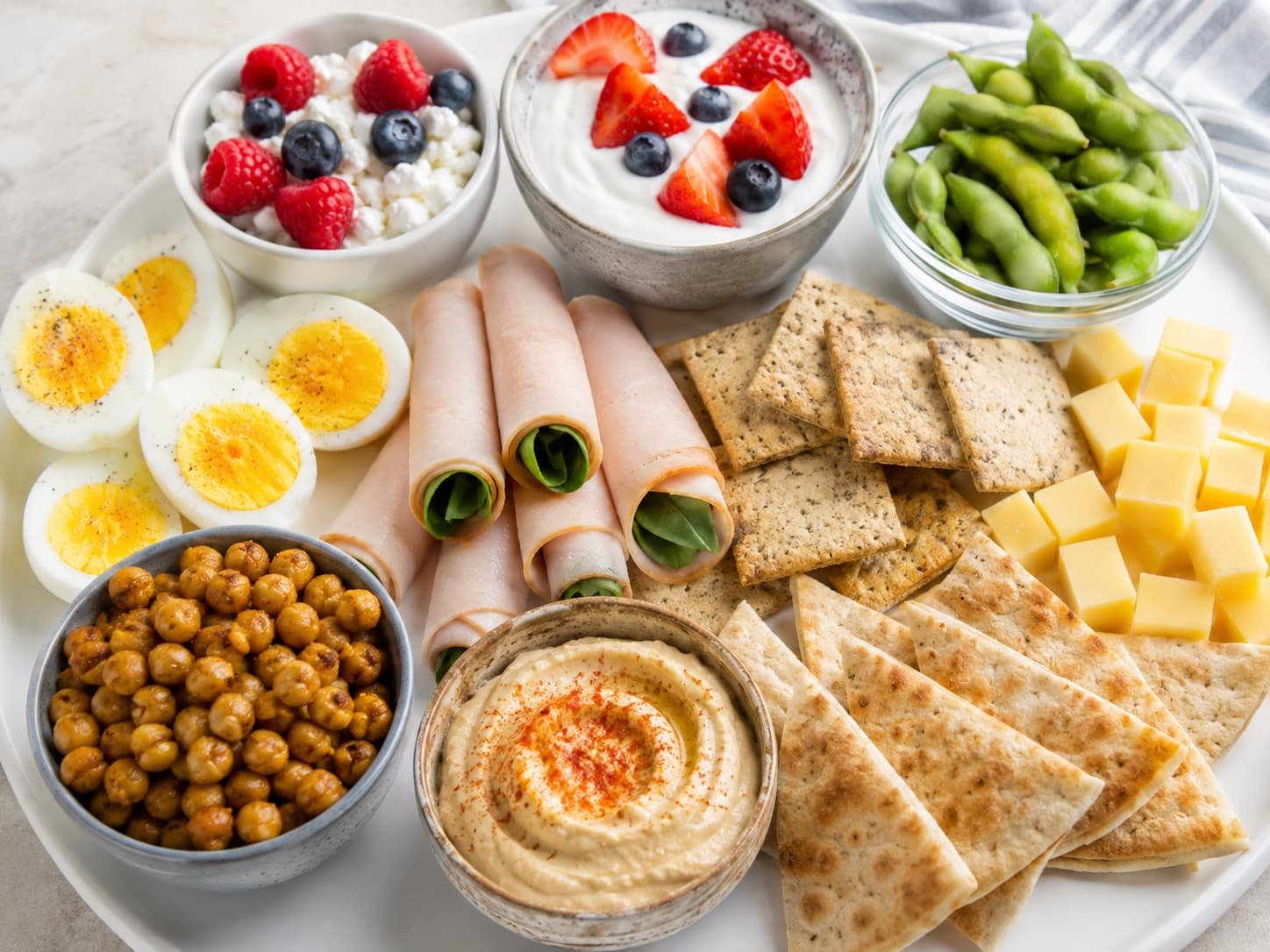
Protein works best when it is paired with other filling ingredients. A snack made only from sugary foods may taste good, but it may not keep kids satisfied for long. A more balanced snack, such as yogurt with fruit, hummus with vegetables, or cheese with whole grain crackers, gives kids a better mix of protein, fiber, and steady energy.
For school snacks, choose foods that are easy to pack and not too messy. If the snack needs to stay cold, use an ice pack or an insulated lunch bag. For home or after-school snacks, you can use slightly heartier options like egg bites, smoothies with Greek yogurt, cottage cheese bowls, or turkey and cheese roll-ups.
For travel, simple foods like roasted chickpeas, cheese sticks, whole grain crackers, fruit, and seed-butter packets can be easier to carry. If your child’s school is nut-free, use nut-free options like sunflower seed butter, hummus, cheese, yogurt, edamame, or roasted chickpeas instead.
A good protein snack does not have to be large. It just needs to fit the child’s age, appetite, activity level, and school rules. If your child has allergies, special dietary needs, or medical concerns, it is best to follow advice from a pediatrician or registered dietitian.
Why Protein Matters in Kids’ Snacks
Protein is an important part of a child’s everyday diet because it supports normal growth, body repair, and regular body functions. For parents planning snacks, the practical reason is simple: protein can help a snack feel more filling.
Many common kid snacks are mostly sugar or refined carbs. Sweet snacks like cookies, candy, sweet crackers, or gummies can be fine sometimes, but they may not keep kids satisfied for long when eaten on their own. A snack with a little more balance can be more useful during school days, after sports, or between meals.
Healthy protein snacks for kids work best when they are paired with other real food ingredients. Greek yogurt with berries, cheese with whole grain crackers, hummus with pita, or eggs with fruit can feel more satisfying than a sweet snack alone. These combinations give kids protein along with fiber, whole grains, fruit, vegetables, or healthy fats from foods like seed butter, avocado, cheese, hummus, or small portions of nuts if allowed.
That does not mean every snack has to be high in protein or perfectly planned. Kids still need variety, and snacks should fit their age, appetite, school schedule, activity level, and food preferences. The goal is to make snacks more balanced and useful, not to make snack time stressful.
High protein snacks for kids can be helpful on busy school days, after sports, during travel, or between meals when kids need something more filling. When protein is paired with fiber and healthy fats, it can support steady energy and help the snack feel more complete.
How to Build a Balanced Protein Snack for Kids
The easiest way to build balanced snacks for kids is to use a simple formula: protein food plus fruit or vegetables, with a whole grain or healthy fat when needed. This keeps the snack simple, but still gives it enough structure to be filling.
A balanced snack does not need five different foods. Sometimes it can be as simple as yogurt with berries, cheese with crackers, hummus with carrots, or apple slices with seed butter. The best snack is the one your child can actually eat, enjoy, and repeat during the week.
Start With a Protein Food
Begin with one protein food that your child already accepts. This could be Greek yogurt, cheese, eggs, hummus, beans, turkey, cottage cheese, edamame, or a simple homemade dip made with yogurt or beans.
For school, choose protein foods that are easy to pack and safe to store. Cheese sticks, yogurt cups, hummus containers, boiled eggs, turkey roll-ups, roasted chickpeas, and edamame can all work well when packed properly. If the snack needs to stay cold, use an ice pack or insulated lunch bag.
At home, you can use softer or messier options like cottage cheese bowls, smoothies with Greek yogurt, egg bites, bean quesadilla triangles, or toast with seed butter. These are often better for after-school snacks because they do not have to sit in a lunchbox for hours.
Add Fiber or Whole Grains
Protein helps with fullness, but fiber makes the snack feel more complete. Fiber can come from fruit, vegetables, beans, oats, or whole grains. This is why apple slices, berries, carrots, whole grain crackers, oats, and whole wheat pita work well with protein foods.
A snack like cheese and whole grain crackers is more balanced than cheese alone. Greek yogurt with berries gives protein, fruit, and natural sweetness. Hummus with carrots or pita adds both plant protein and fiber. These simple pairings are easy for kids to understand and easy for parents to prepare.
For picky eaters, keep the fiber side familiar. If a child does not like carrots, try apple slices, crackers, berries, cucumber sticks, or a small piece of whole wheat pita. Small changes often work better than a completely new snack.
Keep Added Sugar Low
Kids do not need snacks to be sugar-free, but it is helpful to watch added sugar. Sweetened yogurt, snack bars, gummies, cookies, and flavored packaged snacks can look convenient, but some of them are closer to dessert than a filling snack.
When choosing yogurt, look for plain or lower-sugar options and add fruit for sweetness. When buying packaged snacks, compare labels and choose options with some protein or fiber and less added sugar. Also check allergens, serving size, and whether the snack fits your child’s school rules.
A bar with a little protein and a lot of sugar may not be as filling as a simpler snack like cheese and crackers or yogurt with fruit. Homemade snacks can also help because you control what goes in them. No-bake oat bites, yogurt parfaits, apple slices with seed butter, or hummus snack plates can be made with simple ingredients and adjusted to your child’s taste.
Make It Easy to Eat
A healthy snack is only useful if the child can actually eat it. For younger kids, cut foods into safe, age-appropriate pieces. Grapes, cherry tomatoes, firm fruits, and hard foods should be cut carefully for young children. For school snacks, avoid foods that are too messy, too strong-smelling, or hard to open without help.
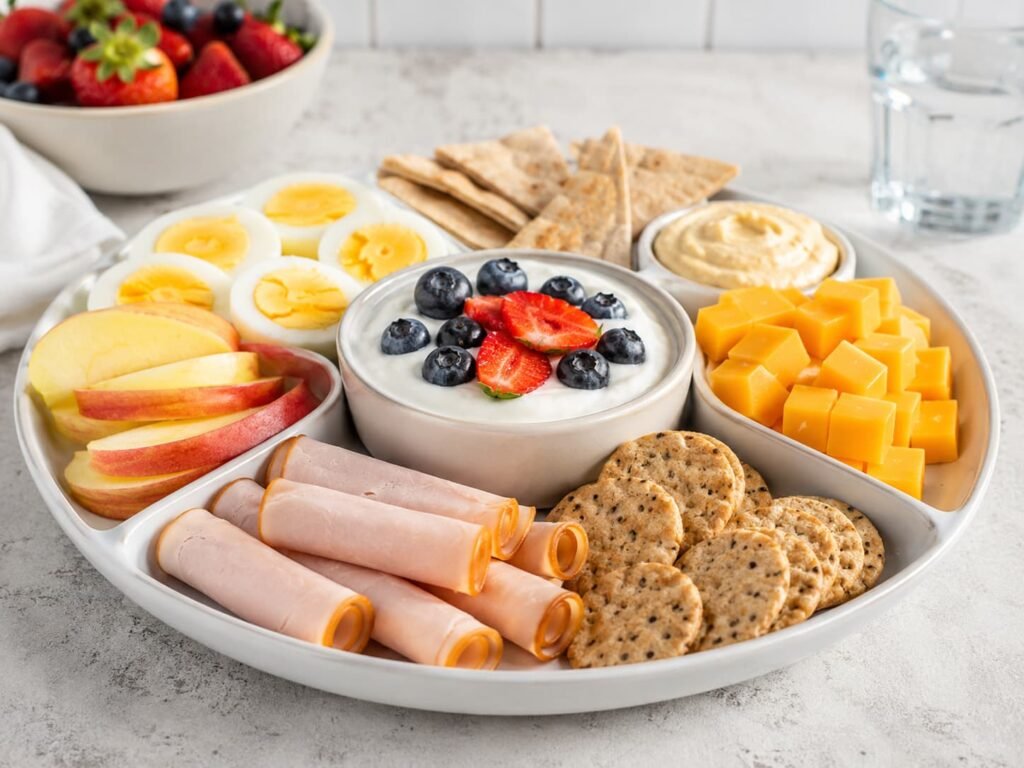
Snack boxes can make protein snacks more appealing because kids get small portions of different foods. A simple box might include cheese cubes, whole grain crackers, apple slices, and a few berries. Another option could be hummus, pita pieces, cucumber sticks, and roasted chickpeas.
School-safe containers also matter. Use small sealed cups for dips, separate crackers from wet foods, and pack cold snacks with an ice pack when needed. These small details can make the difference between a snack that gets eaten and one that comes back home untouched.
Best Protein Snacks for Kids for School
School snacks need to be simple. They should be easy to pack, easy to open, and not too messy. The best kids school snacks usually give a little protein, some fiber or whole grains, and enough flavor that kids actually want to eat them.
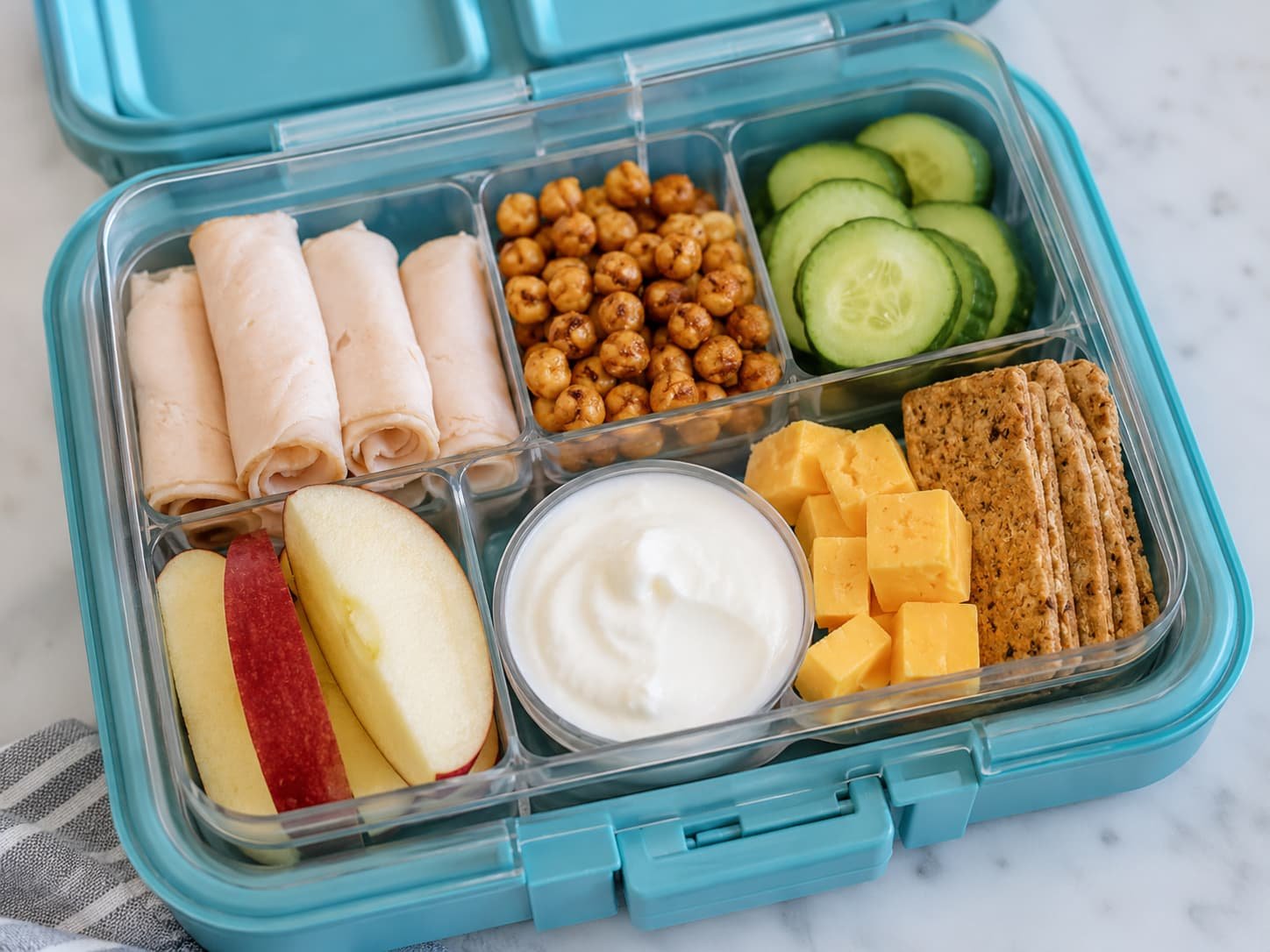
For school, it helps to think about storage first. Yogurt, cheese, boiled eggs, cottage cheese, turkey roll-ups, and edamame should be packed with an ice pack or in an insulated lunch bag when needed. Dry snacks like roasted chickpeas, whole grain crackers, and some nut-free protein snack bars are easier to pack because they do not need much preparation.
If your child’s school is nut-free, avoid peanut butter, almond butter, and mixed nuts unless the school clearly allows them. You can use nut free kids snacks like hummus with pita, cheese and crackers, roasted chickpeas, edamame, Greek yogurt cups, sunflower seed butter with apple slices, or a school-safe snack bar that follows the school’s allergy rules. For snack bars, check the label for added sugar, allergens, serving size, and whether the bar is age-appropriate.
Here are some simple school snack ideas that are easy to pack:
| School Snack | Why It Works |
| Cheese cubes and whole grain crackers | Familiar, filling, and easy to pack |
| Greek yogurt cup or yogurt tube | Good chilled option with fruit or granola |
| Hard-boiled egg | Simple protein snack for kids who like eggs |
| Hummus with pita | Nut-free option with protein and fiber |
| Turkey and cheese roll-ups | Easy to hold and lunchbox-friendly |
| Roasted chickpeas | Crunchy, plant-based, and less messy |
| Edamame | Good finger-food snack when packed cold |
| Cottage cheese cup | Creamy option for kids who can manage a spoon |
| Nut-free protein snack bar | Useful when the label and school rules check out |
| Apple slices with sunflower seed butter | Nut-free option when packed safely |
Cheese cubes with whole grain crackers are one of the easiest lunch snacks for kids because they are filling, familiar, and quick to pack. A yogurt tube or Greek yogurt cup can also work well, especially when paired with berries or a small portion of granola. Hard-boiled eggs are simple and protein-rich, but they are better for kids who enjoy the taste and can eat them neatly at school.
Hummus with pita is another practical option because it gives both protein and fiber. Turkey and cheese roll-ups are easy to hold and do not need bread if your child prefers a lighter snack. Roasted chickpeas and edamame can work well for kids who like crunchy or finger-food snacks.
Apple slices with seed butter can be a good school snack when nuts are not allowed. Sunflower seed butter is a common nut-free option, but parents should still check school rules and food labels. For younger kids, apple slices should be cut into safe, easy-to-chew pieces.
The best snacks for kids school are not always the fanciest snacks. A simple snack box with cheese, crackers, fruit, and hummus can work better than a complicated recipe. The goal is to pack something balanced, safe, and realistic for the school day.
Easy Homemade Protein Snacks for Kids
Homemade healthy snacks for kids do not need complicated cooking. Most parents need ideas that can be made quickly, stored easily, and adjusted to what their child already likes. A good homemade protein snack should feel simple enough to repeat during a busy week.
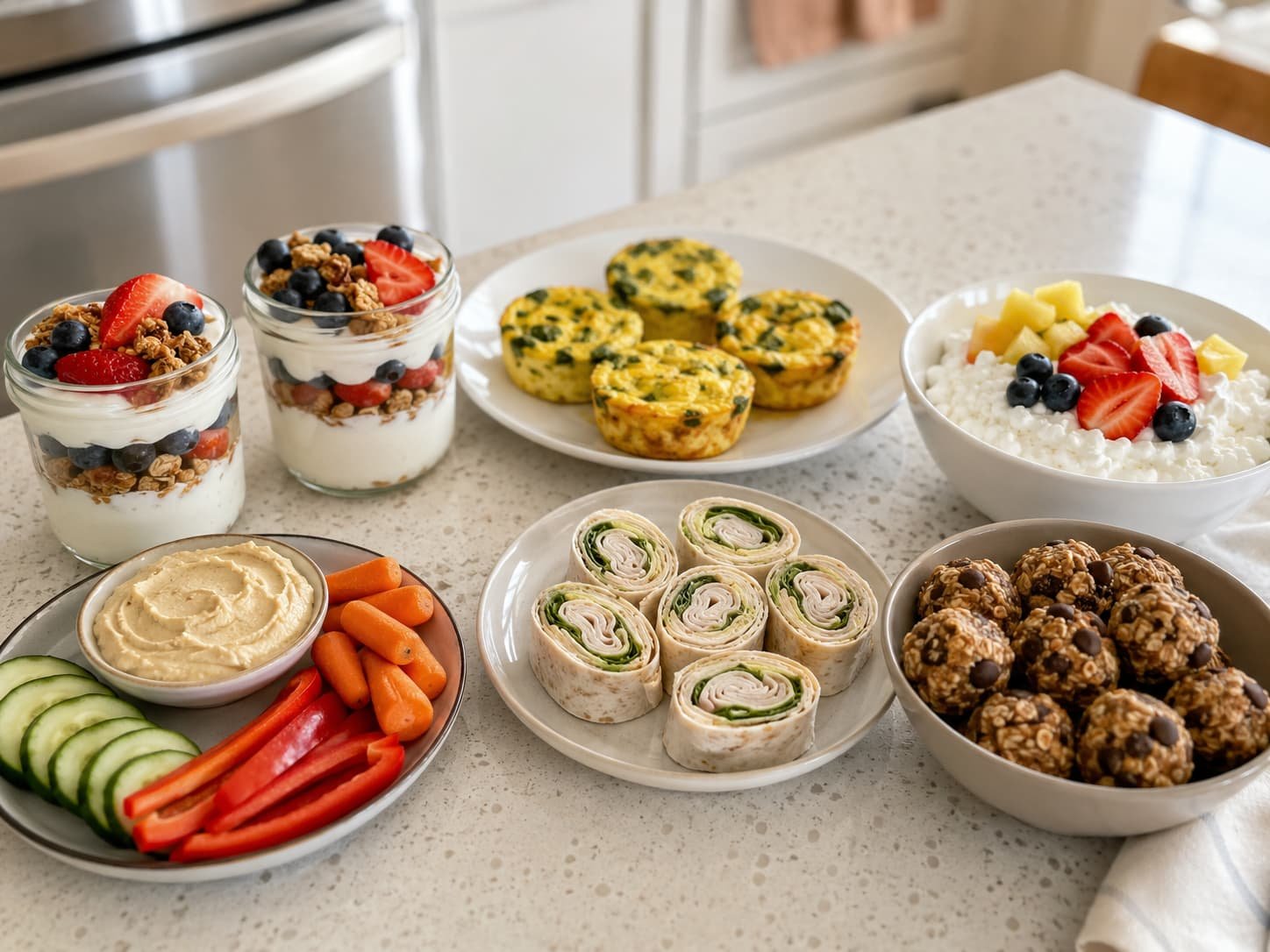
Greek yogurt parfaits are one of the easiest options. Add Greek yogurt to a small cup or bowl, then top it with berries, banana slices, or a little granola. It gives protein, fruit, and a creamy texture that many kids enjoy. If your child prefers sweeter flavors, fruit can add natural sweetness without needing a lot of added sugar.
Egg bites are another useful idea for home or meal prep. They can be made with eggs, cheese, small vegetable pieces, and a little seasoning. Once cooked, they can be kept in the fridge and warmed for breakfast, after school, or a quick snack. They are especially helpful for kids who like soft, savory foods.
A cottage cheese fruit bowl is simple and filling. Cottage cheese pairs well with berries, peaches, banana slices, or apple pieces. If the texture is a problem for picky eaters, it can be blended into a smoother dip and served with fruit or whole grain crackers.
Homemade oat bites are good for families who want no-bake snack recipes for kids. They can be made with oats, seed butter or nut butter if allowed, and add-ins like chia seeds, raisins, or crushed cereal. A small amount of honey can be used for older kids, but honey should not be given to children under 1 year old. Keep the pieces small so they are easy for children to eat.
Chicken or turkey mini wraps can work well for kids who like savory snacks. Use a small tortilla, a thin layer of cream cheese or hummus, turkey or chicken, and a little shredded cheese. Roll it tightly and cut it into small pieces. These wraps are easy to serve at home and can also work in a lunchbox with proper cooling.
Peanut butter banana toast is a familiar snack for many kids, but for school, avoid peanut butter unless your child’s school allows nuts. At home, banana toast can be made with whole grain bread and a thin layer of peanut butter or sunflower seed butter. It gives protein, whole grains, fruit, and healthy fats in one simple snack.
A hummus snack plate is another easy protein snack for kids. Serve hummus with pita pieces, cucumber sticks, carrots, crackers, or bell pepper strips. If your child does not like raw vegetables yet, start with pita or crackers and slowly add one familiar vegetable on the side.
Bean and cheese quesadilla triangles are warm, filling, and simple to make. Spread mashed beans on a tortilla, add a little cheese, fold, and heat until soft and lightly crisp. Cut into small triangles so kids can eat them easily. This is a good after-school snack because it feels more like a small meal.
Tuna cracker bites can work for older kids who like tuna. Mix tuna with a little Greek yogurt or light mayo, then serve it with whole grain crackers. This snack is better for home because tuna can have a stronger smell and needs proper refrigeration, so it may not be ideal for every school lunchbox.
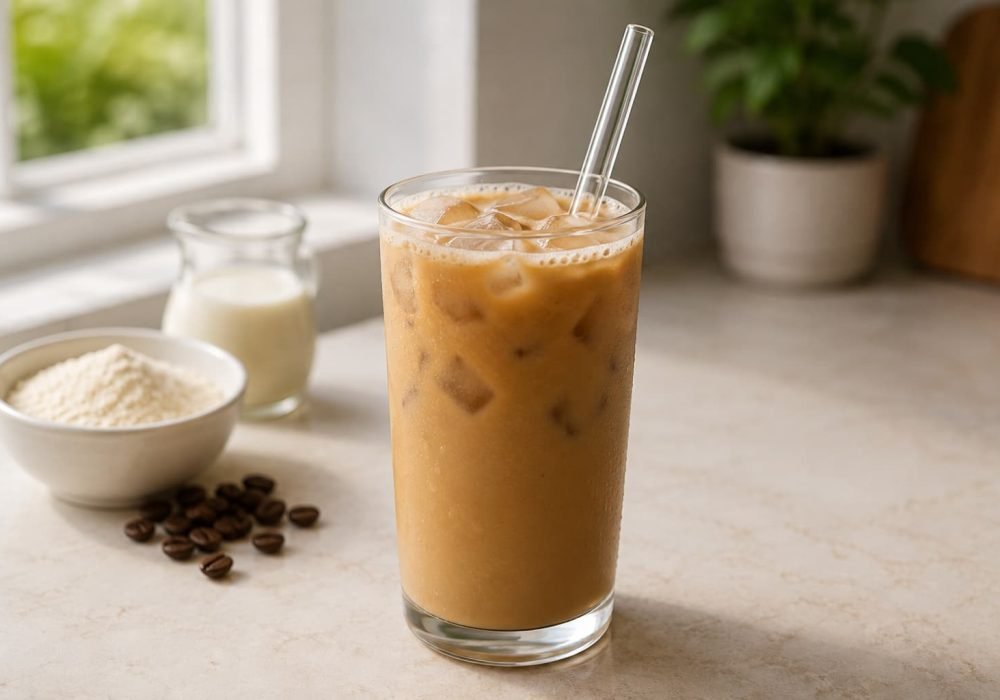
A smoothie with yogurt and fruit is useful when kids want something cold and easy to drink. Blend Greek yogurt with banana, berries, milk, or a little oats. It can be a good after-school option, especially after sports or outdoor play.
The best easy protein snacks for kids are the ones that match your child’s taste and your schedule. Some days, a homemade snack may be a yogurt parfait or egg bite. Other days, it may be cheese and crackers or a quick smoothie. Protein amounts vary by serving size, brand, and age needs, so keep portions age-appropriate and focus on balanced snacks your child will actually eat.
No-Bake Protein Snacks for Kids
No-bake protein snacks are helpful for busy parents because they do not need much cooking, cooling, or cleanup. They are also useful for warm days, school prep, and quick snacks when kids need something filling but you do not want to turn on the oven.
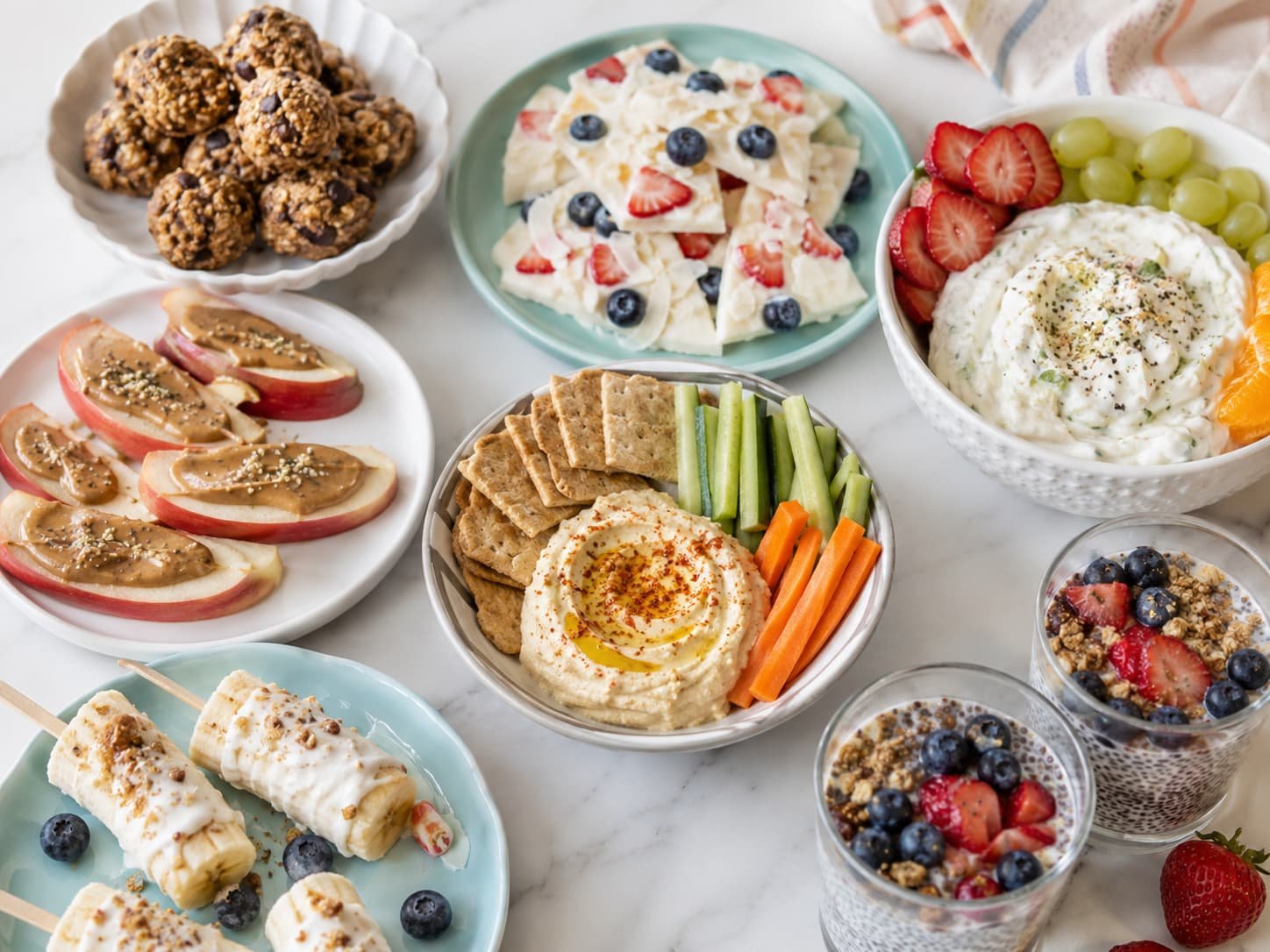
The best no bake snacks for kids use simple ingredients like oats, yogurt, seed butter, cottage cheese, hummus, fruit, and whole grains. These foods can be mixed, layered, chilled, or packed into small portions without complicated steps.
For kids who like soft and creamy snacks, yogurt and cottage cheese options are usually easier to start with. For kids who prefer crunchy snacks, oat bites, crackers, cereal mixes, roasted chickpeas, or seed-based snacks may work better. The goal is to choose snacks that fit your child’s texture preference, not just snacks that look healthy.
No-bake oat bites are one of the easiest snack ideas to prepare ahead. Mix oats with seed butter or nut butter if allowed, then add a little mashed banana, chia seeds, or crushed cereal for texture. Keep the pieces small so kids can eat them easily. If you use honey, remember that it should not be given to children under 1 year old.
Yogurt bark is another fun option, especially for summer. Spread Greek yogurt on a lined tray, add berries, banana slices, or a little granola, then freeze until firm. Break it into pieces and serve it cold. It works best at home because it melts quickly, so it is not the best choice for a warm lunchbox.
Apple nachos with seed butter can feel like a treat while still being simple. Thin apple slices can be topped with sunflower seed butter, yogurt drizzle, or a light sprinkle of oats. For younger kids, cut apples into safe, easy-to-chew pieces.
Cottage cheese dip with fruit is a good option for kids who like creamy snacks. Blend cottage cheese until smooth, then serve it with berries, banana slices, apple pieces, or whole grain crackers. This can be easier for picky eaters who do not like the texture of cottage cheese on its own.
Hummus and crackers are simple, savory, and easy to repeat. You can serve hummus with whole grain crackers, pita pieces, cucumber sticks, or carrot sticks. For school, pack the hummus in a small sealed cup and keep crackers separate so they stay crisp.
Banana yogurt pops are useful when kids want something cold after school or on hot days. Blend banana with Greek yogurt and freeze the mixture in small molds. These are better for home than school because they need to stay frozen.
Trail mix with seeds and cereal can work when you need a dry snack. Use whole grain cereal, pumpkin seeds, sunflower seeds, and small dried fruit pieces. If your child’s school is nut-free, avoid nuts and check every packaged ingredient for allergy warnings. For younger children, avoid hard seeds or large dried fruit pieces unless they are safe for your child’s age and chewing ability.
Chia pudding cups are another make-ahead idea. Mix chia seeds with milk or yogurt and let them thicken fully in the fridge. Add fruit before serving for natural sweetness. Some kids like the texture, while others may need it blended smooth. Serve chia pudding in small portions, especially for younger kids.
Protein amounts vary by brand, serving size, and ingredients, so you do not need to make every snack extremely high in protein. These easy snack recipes for kids work best when they are simple and flexible. A small yogurt cup, hummus plate, oat bite, or fruit with seed butter can be enough when it fits your child’s taste and your schedule.
Healthy After-School Protein Snacks
Kids often come home hungry, especially after a long school day, sports, or outdoor play. After-school snacks can be slightly more filling than school snacks because they do not have to sit in a lunchbox, and you have more freedom to serve warm, creamy, or freshly made foods.
The best healthy after school snacks for kids usually combine protein with a carbohydrate such as fruit, whole grain bread, crackers, oats, or a tortilla. This kind of pairing feels more satisfying than a sweet snack alone and can help bridge the gap between lunch and dinner.
If dinner is soon, keep the snack smaller. If dinner is still a few hours away, make it slightly more filling. This helps the snack support your child’s hunger without replacing the next meal.
Egg and avocado toast is a simple option when your child likes savory snacks. Use whole grain toast, mashed avocado, and a sliced boiled or scrambled egg. It gives protein, healthy fat, and whole grains in a snack that feels more like a mini meal.
A Greek yogurt smoothie is useful when kids want something cold and easy to drink. Blend Greek yogurt with banana, berries, milk, and a small amount of oats if you want it thicker. This can work well after sports or on busy afternoons when kids do not want to sit down for a full snack.
Chicken quesadillas are warm, filling, and easy to make with leftovers. Add shredded chicken and a little cheese to a tortilla, heat it until soft and lightly crisp, then cut it into small triangles. Bean and cheese can also work if you want a vegetarian option.
Cottage cheese with fruit is quick and balanced. It pairs well with peaches, berries, banana slices, or apple pieces. If the texture is a problem, blend the cottage cheese into a smoother dip and serve it with fruit or crackers.
A hummus veggie plate can be made in a few minutes. Serve hummus with pita pieces, cucumber sticks, carrots, bell peppers, or crackers. If your child is still learning to like vegetables, start with one familiar option and keep the portion small.
Turkey roll-ups are another easy choice. Roll turkey slices with cheese or a little hummus, then cut them into bite-sized pieces. They are soft, quick, and useful for kids who prefer finger foods.
Cheese and apple slices are simple but effective. The cheese adds protein and fat, while the apple gives crunch and natural sweetness. For younger kids, cut the apple into safe pieces and choose a cheese texture they can chew comfortably.
A mini tuna melt can work for older kids who enjoy tuna. Add tuna to a small slice of whole grain bread or a half English muffin, top with a little cheese, and warm it until the cheese melts. Because tuna has a stronger smell and needs proper storage, this idea usually works better at home than in a school lunchbox.
Afternoon snacks for kids do not need to be large, but they should be useful. A snack that combines protein with fruit, vegetables, or whole grains can help kids feel satisfied without spoiling dinner. The best homemade healthy snacks for kids are the ones you can prepare quickly and adjust to what your child actually likes.
Protein Snacks for Picky Kids
Protein snacks for picky kids should feel simple, familiar, and low-pressure. When a child is already unsure about a food, a big portion or a brand-new snack can feel overwhelming. Smaller portions usually work better because they let kids try something without feeling forced.
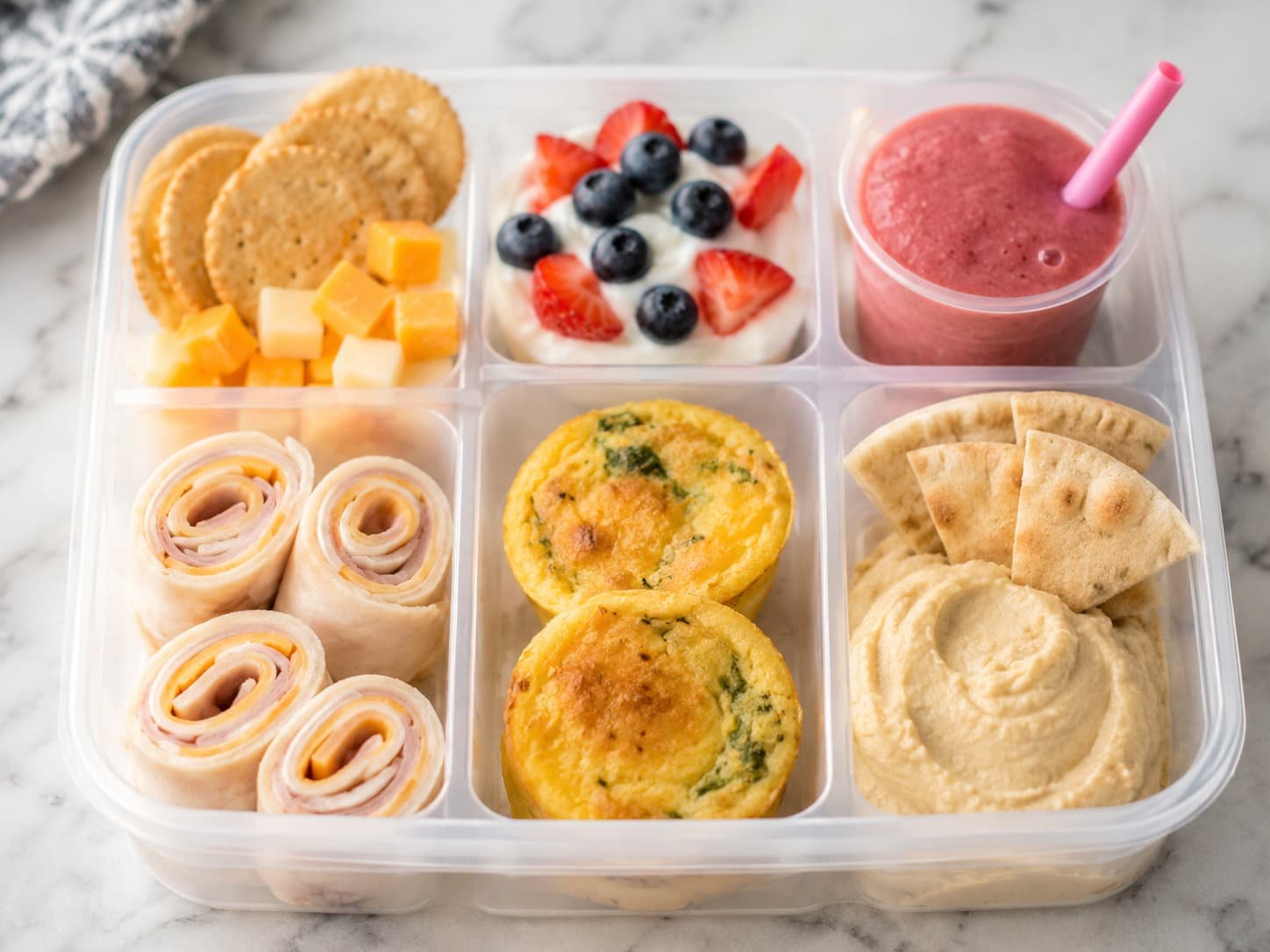
A good approach is to pair a new protein food with something your child already likes. If your child likes crackers, add cheese cubes or a small amount of hummus on the side. If they like fruit, try yogurt with berries or apple slices with a small dip. If they like soft foods, smoothies, egg muffins, or blended cottage cheese dip may be easier than foods with strong textures.
Texture matters for many picky eaters. Some kids prefer crunchy snacks like crackers, pita chips, or roasted chickpeas. Others do better with smooth dips, soft egg muffins, yogurt cups, or smoothies. Starting with the texture your child already accepts can make new protein snacks feel less unfamiliar.
Pressure can make picky eating harder. Instead of asking a child to finish everything, offer the snack in a calm way and let them get used to it. Some children need to see the same food many times before they are ready to taste it. For example, you might serve hummus next to crackers a few times before asking your child to dip and try it. Repeat exposure matters, especially with foods like hummus, cottage cheese, eggs, beans, or vegetables.
Healthy snacks for picky kids often work better when they are served in a fun but simple way. Snack boxes can help because each food has its own space, and kids can choose what to try first. Shapes can also help. Turkey pinwheels, small egg muffins, cheese cubes, pita triangles, and smoothie cups can feel more approachable than a full plate of unfamiliar food.
Cheese cubes with crackers are a good starting point because they are familiar and easy to eat. Yogurt with berries can work well for kids who like creamy and sweet flavors. Smoothies are helpful when a child does not like the texture of certain foods, because Greek yogurt, fruit, and even a small amount of oats can blend into a smooth drink.
Egg muffins are useful for kids who like soft, savory snacks. Turkey pinwheels are easy to hold and can be cut into small pieces. Hummus with pita chips is a simple way to introduce plant-based protein, especially if raw vegetables feel like too much at first. Cottage cheese can also be blended into a smoother dip and served with fruit or whole grain crackers.
The goal is not to change a picky eater overnight. The goal is to make protein snacks feel normal, familiar, and easy to try. A small portion eaten calmly is more useful than a large snack that creates stress.
Nut-Free and Allergy-Friendly Protein Snacks for School
Many schools have nut-free rules, so school snacks need a little extra planning. A snack may be healthy at home but not allowed in the classroom if it includes peanuts, tree nuts, or ingredients processed in shared facilities. Always check your child’s school policy before packing snacks with nut butter, trail mix, granola bars, or packaged foods.
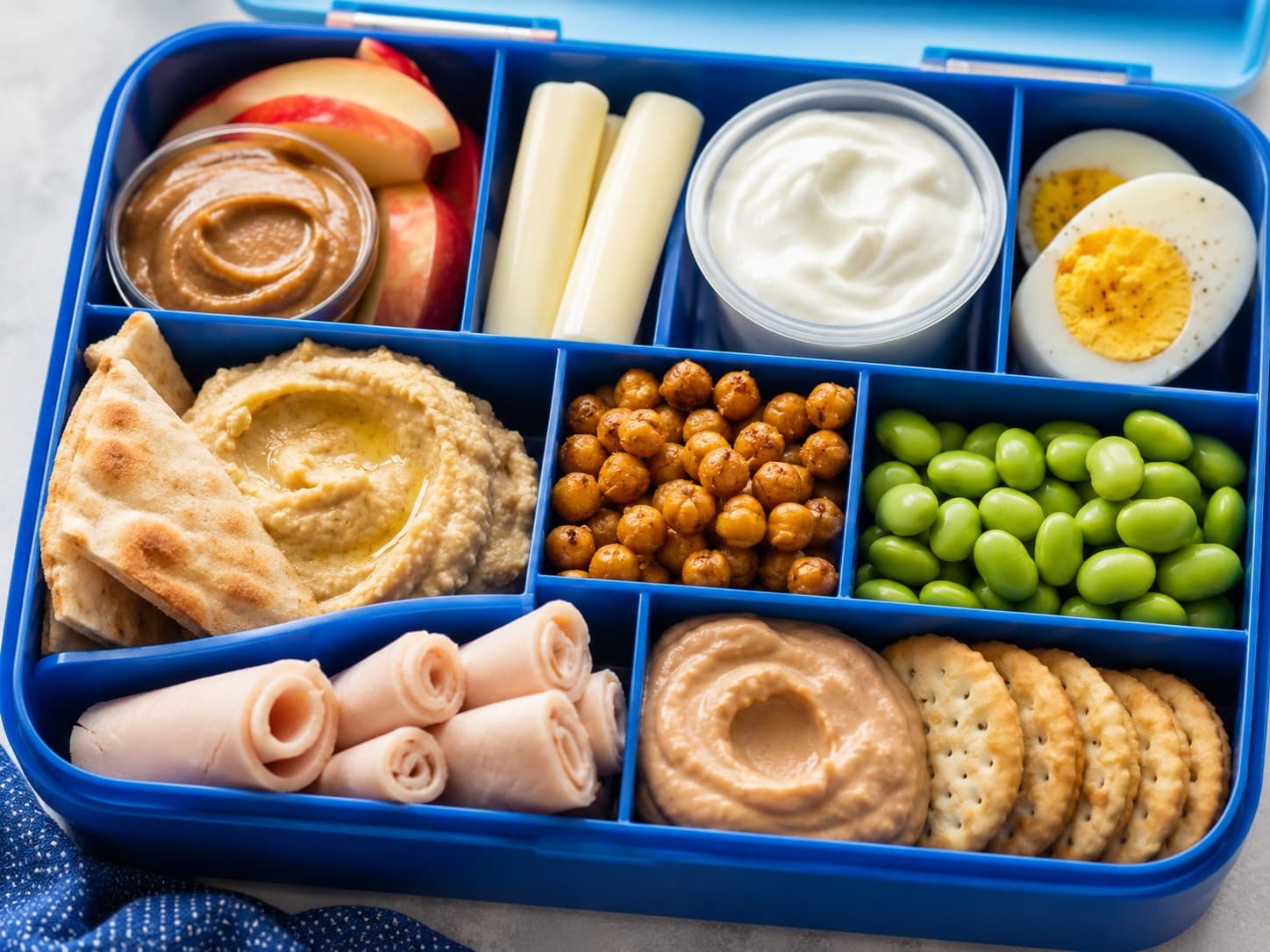
Once you know your child’s school rules and allergy needs, snack planning becomes much easier. Nut free kids snacks can still be filling, balanced, and easy to pack. Sunflower seed butter with apple slices is a common alternative to peanut butter, but parents should still check the label and school rules. Cheese sticks, yogurt cups, boiled eggs, roasted chickpeas, edamame, turkey roll-ups, cottage cheese cups, and bean dip with crackers can all work as protein-rich school snacks.
Allergy friendly snacks for kids should be chosen carefully based on the child, the school, and the ingredients. “Nut-free” does not always mean free from other allergens, and “school-safe” can mean different things at different schools. Packaged snacks should be checked for allergen statements, added sugar, serving size, and whether they need refrigeration.
Here are some nut-free school snack ideas and what to check before packing them:
| Snack Idea | Check First |
| Sunflower seed butter with apple slices | School policy and ingredient label |
| Cheese sticks | Dairy tolerance and refrigeration |
| Yogurt cups | Dairy tolerance and added sugar |
| Boiled eggs | Egg allergy and refrigeration |
| Hummus with pita | Sesame allergy and school rules |
| Bean dip with crackers | Gluten label if needed |
| Roasted chickpeas | Texture and choking safety for younger kids |
| Edamame | Soy allergy and refrigeration |
| Turkey roll-ups | Ingredients, sodium, and refrigeration |
| Cottage cheese cup | Dairy tolerance and refrigeration |
For children with food allergies, it is best to follow advice from a pediatrician, allergist, or registered dietitian. This section is meant to give general snack ideas, not medical advice. If your child has a serious allergy, cross-contact and label reading are very important.
Hummus and pita can be a practical allergy-aware option for many families, but sesame is also an allergen for some children, so check before packing it. If sesame is a concern, a simple bean dip may be a better option than hummus. Edamame is a good plant-based protein, but it contains soy, which may not work for everyone. Yogurt and cheese are simple choices for many kids, but they are not suitable for children who need dairy-free snacks.
For allergy-aware snacks for kids, the safest choice depends on the specific allergy. Some children may need nut-free snacks, while others may need dairy-free, egg-free, gluten-free, sesame-free, or soy-free options. This is why it is better to think in terms of your child’s needs instead of assuming one snack is safe for every classroom.
A simple school snack box can still be balanced without nuts. Try cheese with whole grain crackers and fruit, bean dip with crackers and cucumber sticks, roasted chickpeas with apple slices, or turkey roll-ups with crackers. Keep dips in sealed cups, pack cold items with an ice pack, and choose foods your child can open and eat without help.
The best nut-free school snacks are the ones that follow the rules, fit your child’s needs, and still taste good enough to come home eaten instead of untouched.
Store-Bought Protein Snacks: What Parents Should Check
Packaged snacks can be useful for busy families. Not every snack has to be homemade, and there will be days when a yogurt pouch, cheese stick, snack bar, or prepackaged snack box is the easiest option. The key is to choose store-bought snacks with a little care instead of assuming every product with the word “protein” on the label is automatically a better choice.
When looking for healthy snacks to buy for kids, start with the ingredient label. A snack may have protein, but it can also have added sugar, sodium, or ingredients your child may not tolerate. This is especially important for healthy snack bars for kids, yogurt products, flavored milk, crackers, granola bites, and other packaged snacks for kids.
Many school nutrition guidelines encourage limiting added sugars and sodium, so both are worth checking on packaged snacks. Added sugar is one of the first things to look at. Some snack bars for kids, flavored yogurts, and gummies can taste more like dessert than a filling snack. That does not mean they can never be eaten, but they may not work well as an everyday school snack if they are mostly sugar with very little protein or fiber.
Protein amount also matters, but more is not always better for kids. A snack does not need to be extremely high in protein to be useful. For most children, a snack with a modest amount of protein, some fiber, and a reasonable portion size is more practical than a large protein bar made for adults.
Sodium is another label detail parents often miss. Cheese, jerky, crackers, deli meats, and packaged snack boxes can all be higher in sodium. These foods can still fit sometimes, but it helps to compare labels and choose options that are not overly salty, especially if your child eats packaged snacks often.
Allergens should always be checked carefully. A snack may look nut-free, but the label may mention peanuts, tree nuts, sesame, soy, dairy, wheat, or shared equipment. If your child has allergies or your school has allergy rules, read the allergen statement every time, even if you have bought the snack before.
Portion size is just as important as ingredients. Some prepackaged snacks for kids look small, but the serving size may not match the full package. Others may be too large for a young child’s appetite. A good snack should fit the child’s age, hunger, and schedule.
| What to Check | Why It Matters |
| Added sugar | Some packaged snacks are closer to dessert than a filling snack |
| Protein | A modest amount is useful, but kids do not need adult-sized protein bars |
| Sodium | Jerky, crackers, cheese, and deli meats can be salty |
| Allergens | School rules and child allergies must come first |
| Portion size | The full package may be more than one serving |
| Refrigeration | Yogurt, cheese, meats, and some snack boxes may need to stay cold |
The goal is balance, not perfection. Store-bought snacks can be part of a healthy routine when parents check added sugar, protein, sodium, allergens, portion size, and storage needs. A simple cheese stick with crackers, a lower-sugar Greek yogurt cup, roasted chickpeas, or a balanced snack bar can be helpful when homemade snacks are not realistic.
Travel and On-the-Go Protein Snacks for Kids
Travel snacks for kids should be easy to carry, easy to eat, and less likely to spill, melt, or make a mess. Whether you are packing for the car, school pickup, sports practice, a park day, or a longer trip, the best snacks are usually simple foods that do not need much attention.
Non messy snacks for kids work especially well when you are away from home. Cheese sticks with crackers, roasted chickpeas, dry cereal with seeds, shelf-stable milk, and protein-rich granola bars can be easier than foods that need spoons, sauces, or extra containers. If a snack needs to stay cold, pack it with a cooler bag or ice pack.
Cheese sticks with whole grain crackers are one of the easiest healthy kid snacks on the go. They are familiar, filling, and simple to pack. Roasted chickpeas are another good option for kids who like crunchy snacks. They are dry, portable, and easier to carry than dips or soft foods.
Shelf-stable milk can be useful during travel, especially when you need something simple that does not require preparation. Choose plain or lower-sugar options when possible. Once opened, shelf-stable milk should be treated like regular milk and kept cold if it is not finished.
A protein-rich granola bar can also work, but it is worth checking the label for added sugar, allergens, and texture. Choose a softer bar for younger kids and avoid bars that are too hard, sticky, or difficult to chew.
Trail mix can be a practical travel snack if nuts and seeds are allowed and safe for your child’s age. A simple mix of whole grain cereal, pumpkin seeds, sunflower seeds, and small dried fruit pieces can work well. For younger children, avoid hard seeds, large dried fruit pieces, or anything that may be difficult to chew safely.
Turkey jerky may work for older kids if it is age-appropriate and easy for them to chew. Avoid tough jerky for younger children or kids who have trouble chewing. It can also be higher in sodium, so it is better as an occasional travel snack rather than an everyday choice. Turkey roll-ups are softer, but they need proper cooling if they will be packed for more than a short time.
Apple slices with a seed butter packet can be a good option when your child likes sweet and creamy snacks. Sunflower seed butter is often used as a nut-free alternative, but always check labels and school rules. For younger kids, cut apple slices into safe, easy-to-chew pieces.
Yogurt pouches can be helpful for travel or sports days, but they should be packed with a cooler pack if they need refrigeration. They can also be messy for some younger kids, so they may work better for short trips or after practice rather than in the car.
For longer trips or sports days, pack water along with snacks. The best on-the-go protein snacks are the ones that match the situation. For the car, choose dry and low-mess foods. For sports, choose snacks that are easy to eat before or after activity. For school pickup, keep something simple in your bag, such as crackers, roasted chickpeas, a snack bar, or shelf-stable milk. A snack does not need to be fancy to be useful.
Simple Snack Box Ideas for Kids
Snack boxes can make protein snacks easier for kids to eat because everything is already portioned, separated, and simple to choose from. They are especially useful for school, lunchboxes, after-school snacks, travel, and picky eaters who like small amounts of different foods.
Good snack box ideas for kids usually include one protein food, one fruit or vegetable, and one whole grain or crunchy side. The box does not need to be fancy. A few familiar foods packed neatly can be more useful than a complicated snack that takes too long to prepare.
Kids snack boxes also help with variety. Instead of serving the same snack every day, you can rotate yogurt, hummus, eggs, cheese, edamame, turkey, fruit, crackers, and vegetables during the week. This keeps lunch snacks for kids more interesting without making snack prep stressful.
| Snack Box | What to Pack | Best For |
| Yogurt Box | Greek yogurt, berries, and granola packed separately | Kids who like creamy snacks |
| Hummus Box | Hummus, pita pieces, cucumber sticks, and carrots | Savory snack lovers |
| Egg Box | Boiled egg, crackers, and grapes quartered lengthwise for younger children | Simple filling snack |
| Cheese Box | Cheese cubes, whole grain crackers, and apple slices | Easy lunchbox option |
| Edamame Box | Edamame, rice crackers, and fruit | Finger-food snack |
| Turkey Box | Turkey roll-ups, cheese, and cucumber slices | Soft savory snack |
The yogurt box works well for kids who like creamy snacks. Keep the granola separate until serving if you want it to stay crunchy. The hummus box is a good savory option, especially when packed with pita or crackers for kids who are still learning to like vegetables.
The egg box is simple and filling, but it should be packed cold and used for kids who enjoy boiled eggs. If you include grapes, cut them safely, especially for younger children. The cheese box is one of the easiest options because it is familiar, quick to pack, and usually less messy.
An edamame box can work well for kids who like finger foods, but check for soy allergies and pack it cold if needed. A turkey box is useful when you want a soft, savory snack with protein. Roll the turkey into small pieces so it is easy to eat, and keep it chilled until snack time.
For school, choose snack boxes your child can open without help. Keep dips in sealed containers, pack wet foods away from crackers, and use an ice pack for yogurt, cheese, eggs, turkey, cottage cheese, or any snack that needs to stay cold. For school or sports days, pack water along with snacks so kids have something easy to drink too.
The best snack box is the one that comes home mostly eaten. If your child prefers crunchy foods, try crackers, roasted chickpeas, pita pieces, or rice crackers. If they prefer softer foods, yogurt, cheese cubes, turkey roll-ups, or cottage cheese may work better.
Common Mistakes to Avoid With Kids’ Protein Snacks
Protein snacks can be helpful, but they work best when they are balanced and realistic. One common mistake is choosing only sweet packaged snacks because they are easy. Snack bars, gummies, cookies, flavored yogurts, and sweet crackers can be fine sometimes, but they may not keep kids satisfied if they are mostly sugar with very little protein or fiber.
Another mistake is focusing on protein while ignoring fiber. A snack with protein is useful, but it often works better with fruit, vegetables, oats, whole grains, beans, or seeds. Cheese with crackers, yogurt with berries, hummus with pita, and eggs with fruit are more complete than protein alone.
Portion size matters too. Kids do not need adult-sized protein bars or oversized snack boxes. A snack should fit the child’s age, appetite, activity level, and how soon the next meal is coming. If dinner is in an hour, a small snack may be enough. If dinner is several hours away, a more filling option may make sense.
Forgetting school allergy rules is another common problem. A snack that works at home may not be allowed at school if it includes nuts or ingredients made in shared facilities. Always check school policy and read labels, especially for packaged snacks, snack bars, trail mix, seed butter, granola, and crackers. Even seed butter should be checked because some products may be processed near nuts or other allergens.
Messy snacks can also cause problems at school. Foods that spill, melt, smell strong, or need too much help may come back uneaten. Open yogurt cups without a spoon, runny dips, juicy fruit without a container, sticky bars, or melting chocolate snacks may be harder for school. Simple and low-mess options usually work better, such as cheese and crackers, roasted chickpeas, edamame, yogurt tubes, turkey roll-ups, or hummus packed in a sealed cup.
Added sugar is worth checking, even when a snack looks healthy. Some protein snacks, flavored yogurts, and bars may contain more sugar than expected. A good habit is to compare labels and choose options with some protein or fiber, less added sugar, and ingredients that fit your child’s needs.
Repeating the same snack every day can also make kids lose interest. Even healthy snacks can become boring if they never change. Try rotating one creamy snack, one crunchy snack, one fruit-based snack, and one savory snack during the week. One day might be yogurt with berries, another day cheese and crackers, then hummus with pita, egg bites, or a small turkey roll-up.
The goal is not to make every snack perfect. The goal is to make kids’ protein snacks easy, balanced, safe, and realistic enough to use often. When snacks are simple to pack and easy for kids to eat, they are much more likely to become part of a normal routine.
Final Thoughts
Protein snacks for kids do not need to be complicated. Most of the time, the best snacks are simple foods that are easy to prepare, safe to pack, and realistic for everyday routines.
A good snack does not have to look perfect. It just needs to help your child feel satisfied between meals while still fitting their age, appetite, school rules, and food preferences. Greek yogurt with fruit, cheese with crackers, hummus with pita, boiled eggs, roasted chickpeas, edamame, turkey roll-ups, and cottage cheese bowls can all be useful options when they are served in the right portions.
The best protein snacks for kids usually combine protein with fiber, fruit, vegetables, whole grains, or healthy fats. This is why a yogurt cup with berries, hummus with crackers, or apple slices with seed butter often feels more balanced than a sweet snack alone.
It also helps to rotate between homemade, school-friendly, no-bake, store-bought, and travel snacks. Some days, a quick cheese stick and crackers may be enough. Other days, a homemade yogurt parfait, egg bite, snack box, or smoothie may work better. Variety keeps snack time easier for parents and more interesting for kids.
The goal is not perfection. The goal is to build a simple snack routine that feels doable, safe, and useful. When snacks are balanced, easy to eat, and matched to your child’s real preferences, they are much more likely to become part of a healthy everyday habit. A snack your child actually eats is more useful than a perfect-looking snack that comes back untouched.
FAQs About Protein Snacks for Kids
What are good protein snacks for kids?
Good protein snacks for kids include Greek yogurt with fruit, cheese with whole grain crackers, hard-boiled eggs, hummus with pita, cottage cheese with berries, turkey roll-ups, roasted chickpeas, edamame, egg bites, and smoothies made with yogurt and fruit. The best options are simple, balanced, and easy for kids to eat.
What protein snacks can kids take to school?
For school, the easiest choices are usually low-mess, lunchbox-friendly, and safe for the classroom rules. Kids can take cheese sticks, yogurt cups, boiled eggs, hummus with pita, roasted chickpeas, edamame, turkey and cheese roll-ups, cottage cheese cups, and nut-free snack bars if allowed by the school.
Cold foods should not sit warm for several hours, so use an ice pack or insulated lunch bag when packing yogurt, cheese, eggs, cottage cheese, turkey, or other chilled snacks.
Are protein bars good for kids?
Protein bars can be useful sometimes, but they are not automatically healthier just because they say “protein” on the package. Parents should check added sugar, allergens, ingredients, sodium, texture, and portion size.
Avoid bars designed for adults unless the label, ingredients, and serving size make sense for your child. For many kids, simple snacks like yogurt with fruit, cheese and crackers, hummus with pita, or eggs may be a better everyday option.
What are easy homemade protein snacks for kids?
Easy homemade protein snacks for kids include Greek yogurt parfaits, egg bites, cottage cheese fruit bowls, hummus snack plates, homemade oat bites, turkey mini wraps, bean and cheese quesadilla triangles, and smoothies with yogurt and fruit.
These snacks use simple ingredients and can be adjusted based on what your child already likes. For example, a picky eater may prefer a smoothie, while a child who likes crunchy foods may enjoy hummus with pita or cheese with crackers.
What are nut-free protein snacks for kids?
Nut-free protein snacks for kids can include cheese sticks, Greek yogurt cups, boiled eggs, hummus and pita, roasted chickpeas, edamame, turkey roll-ups, cottage cheese cups, bean dip with crackers, and apple slices with sunflower seed butter.
Always check school rules and food labels because nut-free does not always mean free from other allergens. Some foods may contain dairy, soy, sesame, egg, wheat, or ingredients processed near nuts.
What protein snacks are good for picky kids?
Protein snacks for picky kids should feel familiar and low-pressure. Good options include cheese cubes with crackers, yogurt with berries, smoothies, small egg muffins, turkey pinwheels, hummus with pita chips, and cottage cheese blended into a smooth dip.
Small portions, dips, snack boxes, and familiar foods can make new snacks easier to try. Some kids need to see a food several times before they are ready to taste it, so keep the experience calm and simple.
How much protein do kids need in a snack?
Protein needs vary by age group, appetite, activity level, and the rest of the child’s daily diet. A snack does not need to be extremely high in protein to be useful. For most families, it is better to focus on balanced snacks with protein, fiber, fruit, vegetables, or whole grains.
If you are unsure about your child’s protein needs, or if your child has allergies, medical concerns, or a restricted diet, ask a pediatrician or registered dietitian.
Can kids eat protein snacks every day?
Yes, protein foods can be part of daily meals and snacks, but variety matters. Kids should also get fruits, vegetables, dairy or suitable alternatives, whole grains, healthy fats, and age-appropriate portions.
Try rotating dairy-based, egg-based, bean-based, meat-based, and whole-food snacks during the week. This gives kids more variety and helps snack time stay interesting instead of repeating the same option every day.