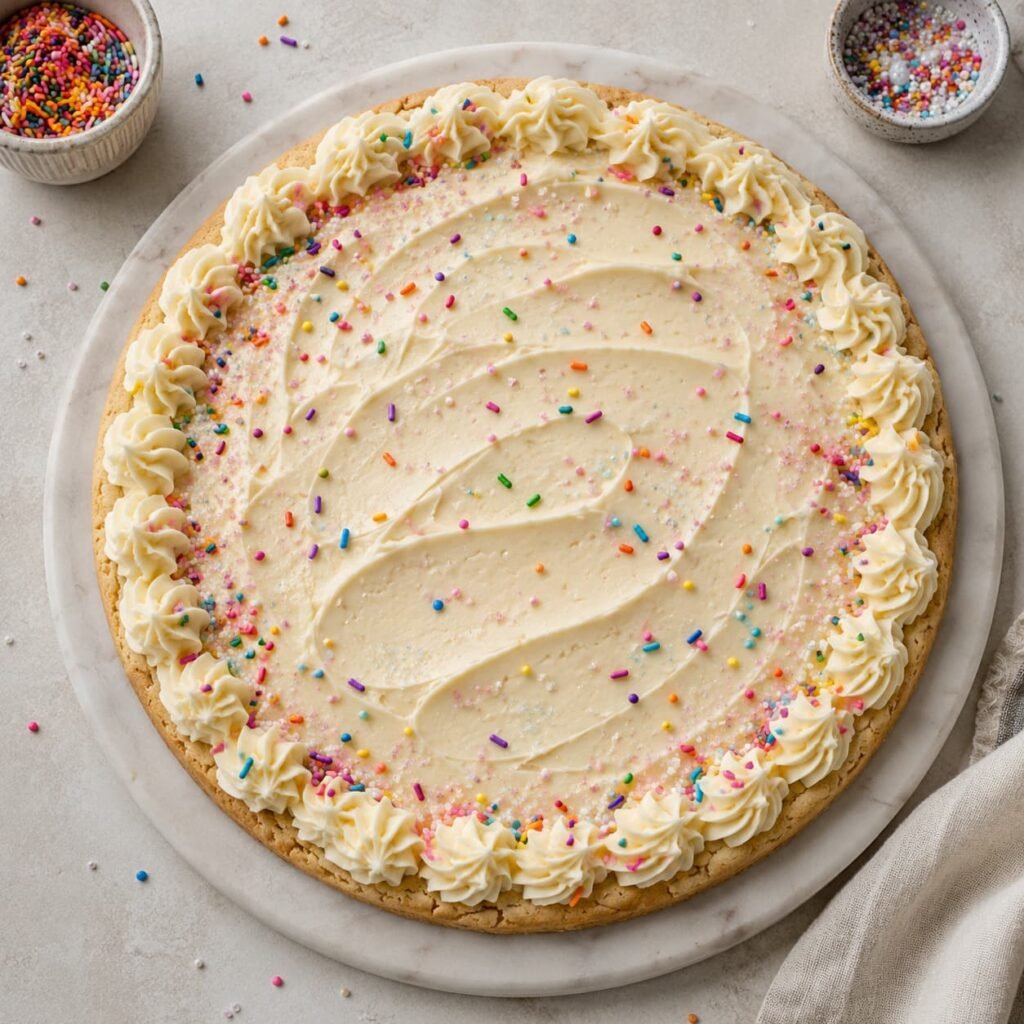
How Buttercream Works on a Giant Sugar Cookie
A giant sugar cookie is a large-format version of a traditional sugar cookie, usually baked as one piece rather than divided into several smaller cookies. It may be served plain or finished with buttercream, sprinkles, or other simple decorations.
People searching for a giant sugar cookie recipe often need more than an ingredient list. The size and thickness of a cookie can influence how it spreads and how quickly different parts of it set during baking. Ingredient proportions, dough temperature, mixing method, and baking conditions can also affect the final texture.
There is no universal size or formula for a giant sugar cookie. Some versions are designed as large individual cookies, while others are wide enough to slice and share. Because formulas vary, the expected texture, diameter, and baking behavior should be understood in the context of the specific recipe being followed.
What Is a Giant Sugar Cookie?
A giant sugar cookie is generally a sugar-cookie-style dessert baked as one large piece instead of being portioned into several standard cookies.
Common formulas may include butter, sugar, flour, egg, vanilla, a leavening ingredient, and salt. However, the exact combination and proportions vary.
The term “giant” does not refer to one standardized diameter. One recipe may produce an oversized individual cookie, while another may create a wider dessert intended for sharing. A specific recipe’s stated size is therefore more useful than assuming that all giant cookies should have the same dimensions.
How a Giant Sugar Cookie Differs From Regular Sugar Cookies
The main difference is portion size, but the larger format can also change how the dough behaves during baking.
In a small cookie, the distance between the edge and center is relatively short. In a much wider cookie, the outer area can set sooner than the middle because the center is farther from the exposed surface.
Thickness also matters. A thin cookie and a thick cookie made from similar ingredients may not develop the same texture because moisture loss, spreading, and heat movement can differ.
Spreading can have a particularly noticeable effect on a large cookie. Flour quantity, sugar level, butter condition, dough temperature, leavening, and baking conditions are among the factors that may influence how far cookie dough spreads.
For this reason, simply combining several standard cookie portions into one large piece does not guarantee that the dough will behave exactly as it did when baked in smaller portions.
Is a Giant Sugar Cookie the Same as a Cookie Cake?
The two terms can overlap, but they are not strict technical categories.
A cookie cake usually refers to a large cookie designed to be sliced and shared, often with frosting or decorative piping. A giant sugar cookie may be presented in the same way, particularly when it is frosted for a birthday or other celebration.
A smaller oversized cookie may instead be treated as one large individual dessert.
The distinction is therefore mainly about size, serving style, and presentation rather than a universally defined baking standard.
What Ingredients Commonly Shape a Giant Sugar Cookie?
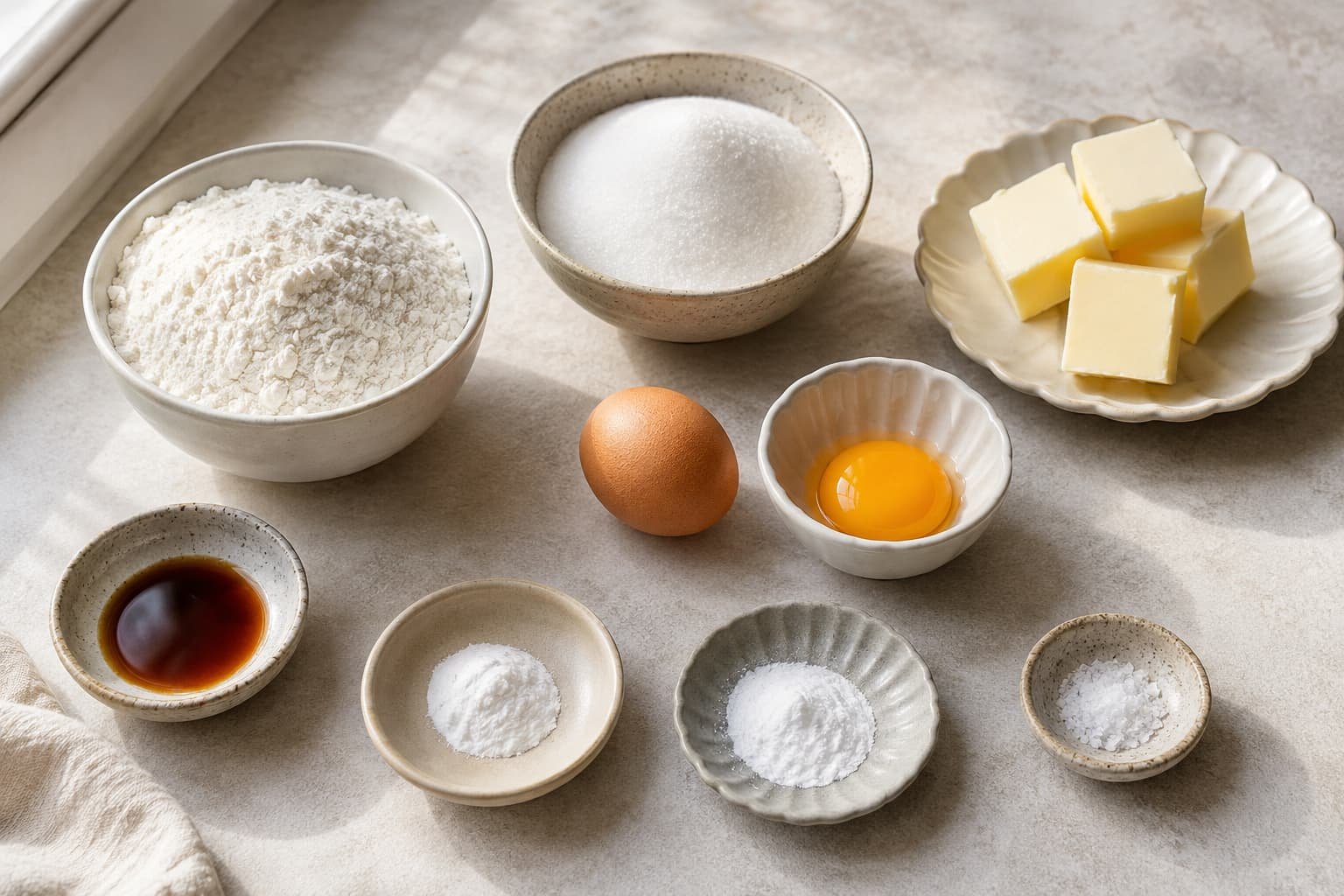
The structure and texture of a sugar cookie depend on the balance among several ingredients rather than on one ingredient alone.
Butter contributes fat and influences dough consistency. Sugar affects sweetness but can also influence spreading and moisture behavior. Egg contributes liquid, fat, protein, and binding components. Flour provides much of the structural framework, while leavening may affect lift and spread.
Changing one ingredient can affect more than one characteristic. Increasing flour, for example, can make a dough firmer and may reduce spreading, but excessive flour may also contribute to a drier or denser result.
For that reason, ingredient quantities from different recipes should not be treated as interchangeable without considering the complete formula.
Butter, Sugar, and Egg
Butter contributes fat, flavor, and tenderness and can influence how readily a cookie spreads.
In recipes that use the creaming method, softened butter is beaten with sugar. Sugar crystals create small pockets in the fat during mixing, which introduces air into the mixture. How much aeration occurs depends on factors such as butter temperature and mixing time.
Butter that becomes unusually warm or partly melted can behave differently from properly softened butter. In some cookie formulas, warmer fat may contribute to greater spreading because it melts before the surrounding dough has developed enough structure to hold its shape.
Sugar also affects more than sweetness. It attracts water and can influence tenderness, spreading, browning, and moisture retention. The degree of each effect depends on the type and amount of sugar and on the rest of the formula.
Egg contributes both water and protein. During baking, egg proteins coagulate and become part of the structure of the cookie.
Egg yolk and egg white do not have the same composition. Yolks contain more fat and emulsifying compounds, while whites contain more water and protein. Because of those differences, a whole egg and an egg yolk should not automatically be treated as equivalent substitutions.
The combined balance of butter, sugar, egg, and flour can affect whether a dough spreads widely, remains relatively thick, or develops a firmer structure during baking.
Flour, Leavening, and Salt
Flour provides much of the physical structure of cookie dough.
When wheat flour is mixed with water-containing ingredients, some of its proteins can form gluten. Gluten contributes structure, although the amount of development depends on the flour, liquid content, mixing, and other ingredients in the dough.
Flour quantity can also influence spread. A dough containing too little flour for its overall formula may spread more readily, while excessive flour may make the dough firmer and can contribute to a drier texture.
Measurement therefore matters. Flour can become compacted when measured by volume, which may lead to inconsistent amounts. When a reliable recipe supplies ingredient weights, weighing flour generally provides a more repeatable measurement than relying only on volume.
Leavening ingredients such as baking powder or baking soda may also appear in sugar-cookie formulas. They are chemically different and can affect lift, spread, browning, and texture in different ways.
They should not be exchanged casually because their behavior depends on the acidity, moisture, and other ingredients in the recipe.
Salt is usually present in a much smaller quantity but still contributes to flavor balance. Its exact amount depends on the formula and whether salted or unsalted butter is being used.
Changing butter type without considering the amount of salt already included in the recipe may alter the overall salt level.
Vanilla and Other Flavoring Ingredients
Vanilla is commonly used in sugar cookies because it complements a relatively simple butter-and-sugar flavor profile.
Depending on the recipe, vanilla extract, vanilla paste, vanilla bean, or another vanilla flavoring may be used.
Some sugar-cookie formulas also use almond extract, citrus zest, or spices. These ingredients mainly change flavor rather than providing the same structural functions as flour, butter, sugar, or egg.
Strong flavorings should not automatically be substituted in equal quantities because their concentration and intensity can differ.
For a frosted giant sugar cookie, the cookie and frosting flavors also interact. A strongly flavored frosting may become the dominant flavor, while a simple vanilla buttercream generally keeps the flavor profile closer to a traditional frosted sugar cookie.
What Affects the Texture of a Giant Sugar Cookie?
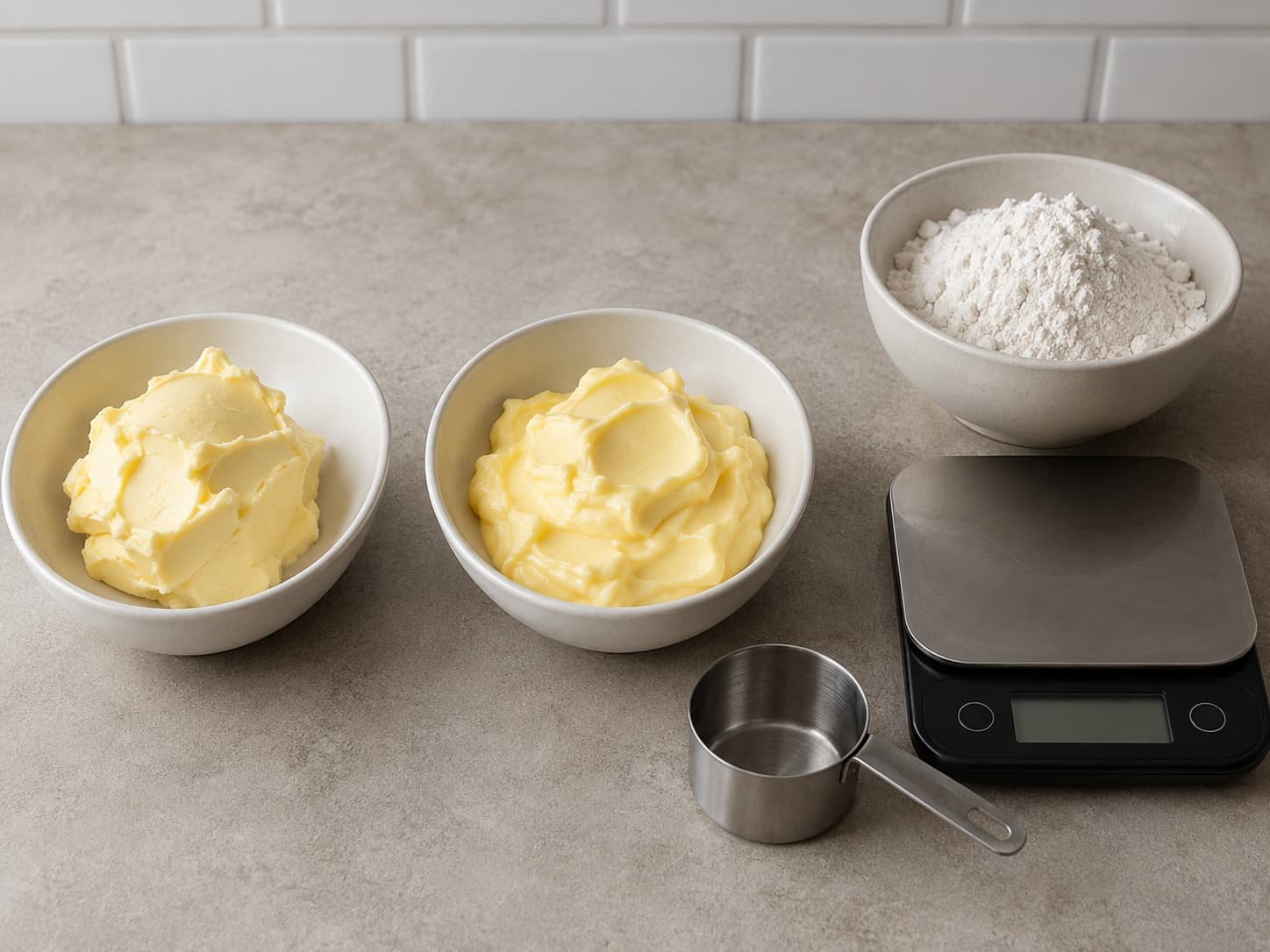
The texture of a giant sugar cookie depends on several factors working together. Butter temperature, flour quantity, dough thickness, mixing, ingredient ratios, and baking conditions can all influence how much the dough spreads and how the finished cookie sets.
No single technique guarantees a particular texture. A method that works for one formula may behave differently in another, so these factors are best understood as variables rather than fixed rules.
Butter Temperature and Dough Spreading
Butter temperature can influence how cookie dough behaves during baking.
Softened butter is commonly used in recipes that cream butter and sugar together. The butter should generally remain pliable rather than melted or greasy when a formula calls for softened butter.
If butter becomes overly warm, it may melt earlier in the oven. In some cookie formulas, this can allow the dough to spread before enough structure has developed to hold its shape.
However, butter temperature is only one factor. Flour quantity, sugar level, egg content, dough temperature, leavening, and oven conditions can also affect spreading.
This means softened, melted, and chilled butter should not automatically be treated as interchangeable. Changing the condition of the butter may change the behavior of a formula designed around a different method.
Flour Measurement and Dough Structure
Flour provides much of the structural framework in cookie dough.
If a formula contains too little flour in relation to its liquid, sugar, and fat, the dough may spread more readily. Adding substantially more flour than intended may reduce spread, but it can also change the texture and may contribute to a denser or drier cookie.
For that reason, adding extra flour is not a reliable universal solution for spreading.
Measurement method also matters. Flour can become compressed when measured by volume, which may lead to inconsistent amounts. When a reliable recipe provides weights, weighing the flour can make measurement more repeatable.
The amount of flour should therefore be considered as part of the full recipe rather than adjusted in isolation.
Dough Thickness and Cookie Size
Diameter and thickness affect how a large cookie heats.
The edge is closer to the surrounding hot air and baking surface, while the center is farther from those heat sources. In a wider or thicker cookie, the center may therefore take longer to develop structure than the outer portion.
A thin cookie has less distance between its surface and center. A thicker cookie has more distance for heat to travel, which can create a greater difference between the way the center and edges set.
Spreading also changes thickness. If the same amount of dough spreads over a wider area, the finished cookie becomes thinner, which can affect moisture loss and texture.
There is no universal ideal diameter or thickness for a giant sugar cookie. Those dimensions need to match the formula and baking method being used.
Mixing and Gluten Development
Mixing helps distribute ingredients, but mixing after flour is added can also affect gluten development.
Wheat flour contains proteins that can form gluten when they are hydrated and mixed. Gluten contributes structure to dough.
More mixing can promote further gluten development, although the effect also depends on the amount of liquid, fat, sugar, and flour present. Fat and sugar can interfere with gluten development, which is one reason cookie dough behaves differently from bread dough.
For cookie formulas where tenderness is the goal, unnecessary extended mixing after the flour is incorporated may change the texture.
There is no universal mixing time that applies to every dough. The instructions for the specific formula remain the better guide.
Does Giant Sugar Cookie Dough Need to Be Chilled?
Not necessarily.
Chilling is useful in some cookie formulas because cooling firms the fat in the dough. This can delay melting when the dough first enters the oven and may reduce spreading in recipes that are sensitive to dough temperature.
Chilling can also make very soft or sticky dough easier to handle.
However, some giant sugar cookie formulas are intentionally designed for immediate baking. Their ingredient proportions and preparation method may control spread without a refrigeration step.
For that reason, chilled dough and no-chill dough should be viewed as different approaches rather than as better and worse methods.
If a verified formula specifically calls for chilling, omitting that step may affect its spread or thickness. Likewise, adding a long chilling period to a recipe designed for immediate baking may alter the way that dough behaves.
How Does Giant Cookie Size Affect Baking and Doneness?
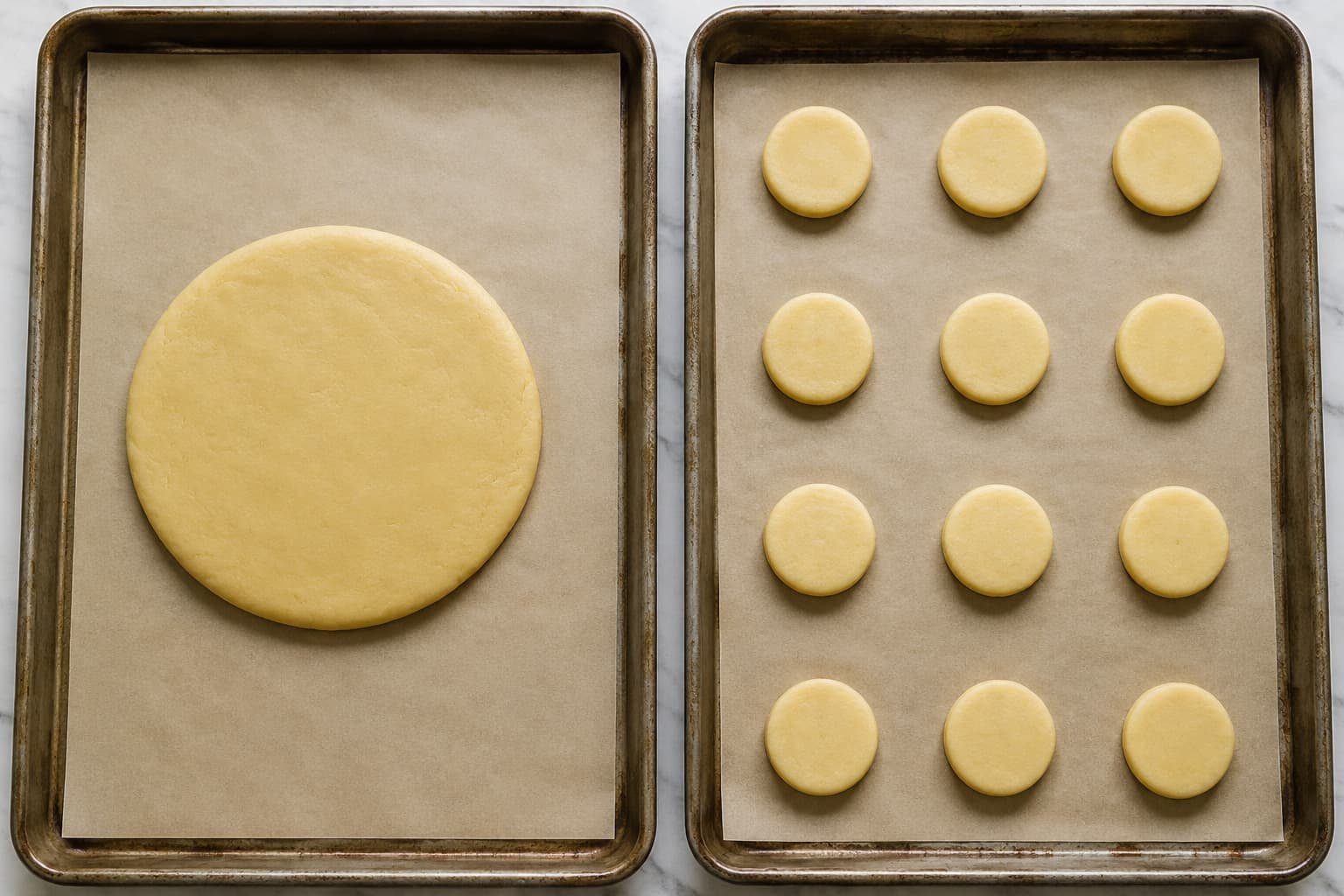
Size matters because a large cookie has a greater distance between its outside edge and center than a standard cookie.
That difference can affect how quickly various parts of the dough heat and set.
Why the Edges and Center Bake Differently
The edges of a cookie receive heat from the surrounding oven environment and are physically closer to the exposed surface than the center.
As baking continues, the outer areas generally develop structure and lose moisture before the deepest part of a thick or wide cookie does.
The difference can become more noticeable as cookie diameter or thickness increases.
The baking surface can also influence heat transfer. Different pans and materials may heat the bottom of the cookie differently, which is another reason one visual result should not be treated as universal.
A giant cookie may therefore have a more noticeable difference between its center and outer area than a smaller cookie, but the extent of that difference depends on the formula and baking conditions.
Why There Is No Universal Baking Time
There is no single baking time that can be applied reliably to every giant sugar cookie.
Baking time can be influenced by several variables, including:
- cookie diameter
- dough thickness
- ingredient proportions
- starting dough temperature
- whether the dough was chilled
- oven temperature accuracy
- baking surface
- the texture intended by the specific formula
Two cookies with similar ingredient lists may still behave differently if their size, thickness, or preparation method is different.
For this reason, an exact baking time should come from a verified formula rather than being guessed from the general category of “giant sugar cookie.”
Understanding General Doneness Cues
General appearance can provide context, but there is no single visual cue that proves every giant sugar cookie is fully baked.
During baking, starches and proteins contribute to the developing structure while moisture is gradually lost. The outer portions commonly set before the center of a larger cookie.
A specific recipe may instruct the baker to look for changes such as firmer edges, a surface that no longer appears fully wet, or a center that has begun to set. Those cues should be interpreted within that recipe rather than treated as universal rules.
Color alone is also not a dependable measure of doneness. Browning can vary with sugar type, leavening, baking surface, and oven conditions.
The cookie may also continue to become firmer as it cools. That means its texture immediately after leaving the oven can differ from its texture once cooled.
Without a verified formula, it is better to explain these general changes than to give an exact minute, temperature, or visual instruction as if it applies to every giant sugar cookie.
How Buttercream Works on a Giant Sugar Cookie
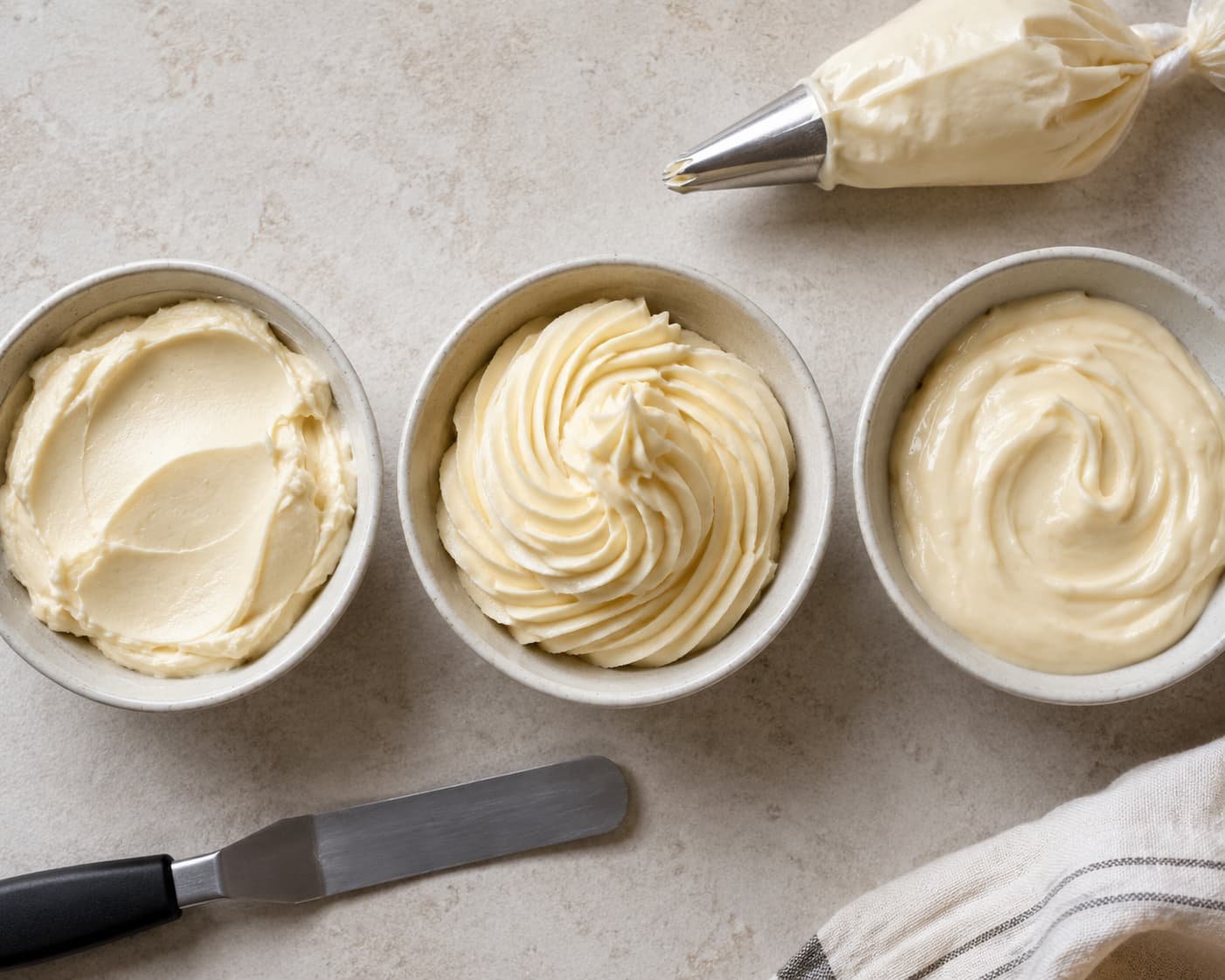
Buttercream adds sweetness, flavor, and decoration to a giant sugar cookie. Its texture depends on the balance of fat, powdered sugar, optional liquid, and temperature.
On a large cookie, buttercream may be spread across the surface, piped around the edge, or used only for small decorative details. The consistency needed for each use can be different.
Common Buttercream Ingredient Categories
A basic buttercream commonly contains butter, powdered sugar, and a flavoring such as vanilla.
Some formulas also use a small amount of milk, cream, or another suitable liquid to adjust consistency. Salt may be included in small amounts to balance sweetness.
The exact proportions vary by recipe. A buttercream made for spreading can be softer than one intended for detailed piping, so there is no single ingredient ratio that works for every decorating purpose.
What Affects Buttercream Consistency
Buttercream consistency is influenced by ingredient balance and temperature.
Butter provides much of the fat structure. As butter becomes warmer, the frosting can soften and may hold piped details less effectively. Temperature is therefore an important factor when the frosting needs to maintain a defined shape.
Powdered sugar contributes sweetness and thickens the mixture. Liquid can loosen the frosting and make it easier to spread.
These are general effects rather than exact adjustment rules. How much the consistency changes depends on the starting formula, ingredient temperatures, room conditions, and intended use.
A buttercream that works well for spreading does not necessarily need the same firmness as one used for borders, lettering, or other detailed piping.
Why the Cookie Should Cool Before Frosting
Buttercream is generally easier to control on a cooled cookie.
A warm surface transfers heat to the frosting. Because butter softens as its temperature rises, buttercream placed on a warm cookie may become looser and less able to hold a defined shape.
Cooling also allows the cookie to become more stable before frosting is spread or piped across the surface.
This is especially relevant for borders, lettering, or other decorations that depend on the frosting maintaining its shape.
Decorating Ideas for a Giant Sugar Cookie
A giant cookie provides enough surface area for simple decoration without requiring an elaborate design.
The decoration can be matched to the occasion while keeping the cookie itself as the main focus.
Sprinkles and Decorative Sugar
Sprinkles can be scattered over freshly applied buttercream so they adhere to the surface.
Decorative sugar can provide color and texture without requiring detailed piping.
Sprinkles may also be added to some cookie doughs, although the visual result can vary. Certain types may release color into dough or frosting, depending on their coating and composition.
Colored or Piped Buttercream
Food coloring can be used when a themed frosting color is wanted.
Buttercream may also be piped around the edge or used for simple shapes and lettering. More detailed piping generally works better with frosting that has enough structure to hold its form.
This is mainly a presentation choice rather than a change to the underlying cookie.
Birthday and Celebration Decorating
A frosted giant sugar cookie can be decorated in a similar way to a small cookie cake.
Simple options include colored buttercream, sprinkles, a piped border, or a short written message.
The design does not need to be elaborate. A few decorative elements can be enough for a birthday or other celebration.
Common Giant Sugar Cookie Problems
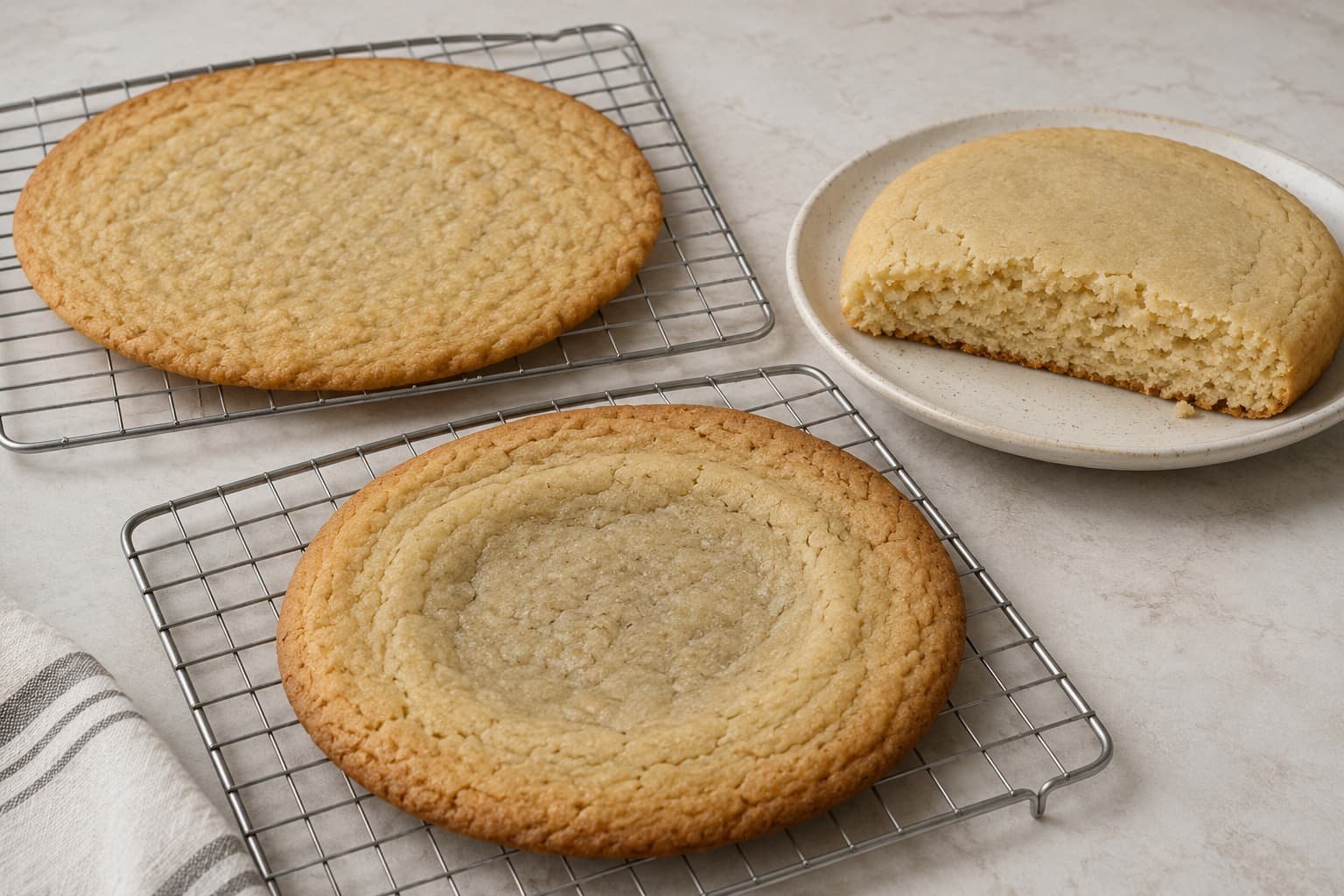
Problems with a large sugar cookie can have more than one cause. Ingredient balance, dough temperature, measurements, cookie size, baking conditions, and the original formula can all influence the result.
It is usually more useful to consider several possible causes than to assume one ingredient is responsible.
Why Did the Cookie Spread Too Much?
Excessive spreading can happen for several reasons.
Butter that is too warm may melt before enough structure develops in some cookie formulas. Too little flour can also reduce the dough’s ability to hold its intended shape.
Other possible factors include ingredient ratios, dough temperature, leavening, oven temperature, and the baking surface.
Because several variables affect spreading, adding extra flour should not be treated as a universal correction. That change can reduce spreading, but it can also alter texture.
A better approach is to compare the measurements, ingredient temperatures, and preparation method with the specific formula being followed.
Why Can a Giant Sugar Cookie Become Dry?
A dry texture can result when too much moisture is lost during baking or when the ingredient balance produces a relatively firm cookie.
Using more flour than intended may contribute to dryness or density. Additional time in the oven can also remove more moisture.
Thickness can affect the result as well. A thinner cookie exposes more of its mass close to the surface, while a thicker cookie may develop a greater difference between the outer area and center.
The exact cause cannot be identified from dryness alone. Flour measurement, dough composition, cookie dimensions, and baking conditions should all be considered.
Why Can the Center and Edges Have Different Textures?
A large cookie can develop a noticeable difference between the center and edges because those areas do not heat in the same way.
The outer portion is closer to the hot air and baking surface, so it generally develops structure and loses moisture sooner.
The center is farther from the exposed edge, especially in a wide or thick cookie, and may therefore remain softer for longer.
The amount of contrast depends on the diameter, thickness, ingredient formula, baking surface, and oven conditions.
A difference in texture does not automatically mean the cookie has failed. Some formulas may intentionally produce more contrast between the center and edge, while others may produce a more even result.
Why Is the Buttercream Too Soft or Too Firm?
Buttercream can become too soft or too firm because of temperature or ingredient balance.
Warm butter can soften the frosting and reduce its ability to hold shape. A higher amount of liquid relative to the rest of the formula can also make the mixture looser.
A firmer buttercream may result from cooler ingredients, a higher proportion of powdered sugar, or less liquid.
These are general causes, not fixed adjustment rules. The correct change depends on the specific frosting formula and how the buttercream will be used.
A softer consistency may be suitable for spreading, while borders and lettering usually need more structure.
What Should You Consider Before Changing a Giant Sugar Cookie Formula?
Changing one ingredient can affect several parts of a cookie at the same time. Moisture, fat, sugar, flour, and leavening work together, so substitutions may change spread, thickness, structure, browning, or baking behavior.
For that reason, two ingredients should not be treated as equivalent simply because they seem to serve a similar purpose.
Whole Egg Versus Egg Yolk
A whole egg and an egg yolk do not provide the same balance of water, protein, and fat.
Egg white contains more water and protein, while yolk contains more fat and emulsifying compounds. Changing from one to the other may therefore affect moisture, structure, and how the dough behaves during baking.
The size of that change depends on the complete formula. If a recipe specifically calls for a whole egg or yolk, replacing it should not be assumed to produce the same result unless the substitution has been verified for that formula.
Changing the Type of Flour
Different flours can vary in protein content and in how they interact with liquid.
Because wheat flour contributes structure through starch and gluten-forming proteins, changing flour type may affect spread, firmness, tenderness, and dough consistency.
A flour that behaves very differently from all-purpose wheat flour should not automatically be substituted at the same quantity. The effect depends on both the replacement flour and the rest of the recipe.
Reducing the Sugar
Reducing sugar changes more than sweetness.
In cookie dough, sugar can influence spreading, browning, moisture retention, and texture. It also interacts with fat during creaming in formulas that use that method.
A substantial reduction may therefore change how the cookie behaves in the oven as well as how sweet it tastes.
There is no universal amount of sugar that can be removed from every giant sugar cookie formula without changing other characteristics. The effect needs to be considered within the specific recipe.
Replacing the Butter
Butter contributes fat, water, flavor, and physical structure during mixing.
Other fats may contain different amounts of water and may soften or melt differently. Because of these differences, replacing butter can change spread and texture even if the replacement is measured in a similar amount.
Salted and unsalted butter can also change the overall salt level of the formula.
A butter replacement should therefore be treated as a recipe modification rather than a guaranteed one-to-one substitution.
Changing the Leavening
Baking soda and baking powder are chemically different and should not be treated as direct equivalents.
Baking soda requires enough acid in the formula to react effectively. Baking powder already contains both alkaline and acidic components and can produce leavening when it is hydrated and heated.
Changing the type or amount of leavening can affect rise, spread, browning, and flavor. The result also depends on the acidity and other ingredients in the dough.
For that reason, replacing one leavener with another should follow a verified substitution rather than an assumed equal swap.
Increasing or Decreasing the Dough Size
Changing the amount of dough can change baking behavior as well as portion size.
A larger piece of dough may become wider, thicker, or both. This increases the distance between the surface and the center. A smaller portion generally has less distance for heat to travel.
Because of this, baking instructions developed for one size may not apply reliably to a much larger or smaller cookie.
Changing the size may require reconsidering diameter, thickness, baking time, and the doneness cues used in the specific recipe. Without verified testing, those adjustments should not be guessed.
Storage and Make-Ahead Considerations
Storage depends on the ingredients in both the cookie and the frosting.
There is no single storage rule for every frosted giant sugar cookie. A plain cookie and a cookie topped with a perishable dairy-based frosting may have different food-safety requirements.
Unfrosted Versus Frosted Cookies
An unfrosted cookie generally has fewer storage variables than a frosted one.
Frosting may add dairy, fat, sugar, fresh fruit, cream cheese, or other ingredients that affect both food safety and texture.
For that reason, storage should be based on the most perishable component of the finished dessert rather than on the cookie alone.
Why Frosting Ingredients Matter
The word “buttercream” can describe formulas with different ingredient combinations.
A simple butter-and-sugar frosting is not the same as a topping containing cream cheese, whipped cream, custard, fresh fruit, or other ingredients that require refrigeration.
If a frosting contains perishable dairy or other ingredients that need cold storage, the finished cookie should be handled according to appropriate refrigeration guidance for those ingredients.
The specific frosting formula matters more than the general frosting name.
Airtight Storage
Keeping a cookie covered can help protect it from air exposure, surrounding odors, and contamination.
A closed container may also slow moisture loss, although the exact texture change depends on the cookie and frosting.
Packaging can preserve quality, but it does not replace refrigeration when the finished dessert contains ingredients that require cold storage.
Freezing as a Possible Option
Freezing may be suitable for some giant sugar cookies, but the result depends on the cookie and frosting formula.
An unfrosted cookie may respond differently from one with piped buttercream, fresh fruit, or another decorative topping.
Freezing can also affect appearance and texture. Frosting may soften, condensation can form during thawing, and decorative details may lose definition.
For that reason, freezing should be described as a possible storage method rather than a guarantee that the dessert will return to exactly the same condition after thawing.
How Quality Can Change During Storage
Food safety and food quality are not the same thing.
Even when a cookie is stored safely, its texture and appearance can change. Moisture may move between the cookie and frosting, the cookie may become firmer or softer, and decorations may lose some of their original definition.
Temperature, packaging, humidity, and frosting type can all affect these changes.
Because homemade formulas vary, it is more accurate to explain these factors than to promise that every giant sugar cookie will remain unchanged for a specific number of days.
Frequently Asked Questions
Can a Giant Sugar Cookie Be Made Without Frosting?
Yes. Frosting is optional.
A giant sugar cookie can be served plain or finished with other toppings, depending on the style and intended presentation. Buttercream adds sweetness, flavor, and decoration, but it is not required for the dessert to be considered a giant sugar cookie.
Can Sprinkles Be Added to the Dough?
Yes, some cookie formulas include sprinkles directly in the dough.
The appearance can vary depending on the type of sprinkle used. Some may keep their color and shape more clearly, while others can release color into the surrounding dough during mixing or baking.
If a specific formula calls for sprinkles in the dough, following that guidance is more reliable than assuming every type will behave the same way.
Can Giant Sugar Cookie Dough Be Divided Into Smaller Cookies?
It may be possible, but changing the portion size can change the baking behavior.
Smaller cookies have less distance between the surface and center. Portion size can affect thickness, texture, appearance, and the time needed for the dough to bake. Larger cookies can behave differently from smaller portions even when the dough itself is unchanged.
For that reason, baking directions written for one giant cookie should not automatically be applied to several smaller cookies. A formula developed for the smaller size provides more reliable guidance.
Can a Giant Sugar Cookie Be Prepared Ahead of Time?
Some parts may be prepared ahead, but the appropriate method depends on the specific formula.
Cookie dough may be refrigerated when the recipe is designed for chilled storage. A baked cookie may also be stored before decorating, depending on its ingredients and the storage instructions being followed.
Buttercream can sometimes be prepared separately, but its storage requirements depend on what it contains.
Raw cookie dough containing untreated flour or raw eggs should not be eaten. Flour is a raw food and can contain harmful bacteria, while raw eggs can also present a food-safety risk. Dough should be handled and stored according to reliable recipe or product guidance.
Is a Giant Sugar Cookie Suitable for a Birthday Instead of a Cake?
Yes, it can be used as a celebration dessert.
A large cookie can be decorated with buttercream, sprinkles, a piped border, or a short message and then sliced for serving.
Whether it is used instead of a traditional cake is mainly a matter of preference, serving style, and the number of people being served.
Final Takeaway
A giant sugar cookie uses many of the same basic ingredients and baking principles as smaller sugar cookies, but its larger size makes portion size, dough thickness, spreading, and heat distribution especially important.
Butter temperature, flour measurement, mixing, and cookie dimensions can all influence how the dough behaves. Larger portions may also develop a different balance between the outer area and center than smaller cookies because portion size affects the way a cookie bakes.
Buttercream adds another variable because its consistency depends on ingredient balance, temperature, and intended use.
There is no universal diameter, baking time, texture, or storage method for every giant sugar cookie. The more reliable approach is to understand these variables and follow guidance developed for the specific formula and cookie size being used.