bbq sauce recipe​

Easy Jerk BBQ Sauce Recipe for Grilling

Facebook
LinkedIn
Pinterest
WhatsApp

Table of Contents

This jerk BBQ sauce is for anyone who wants a grilling sauce that tastes sweet, spicy, smoky, and tangy without being complicated. It combines the warm spice of Jamaican-style jerk seasoning with the sticky, brushable body of barbecue sauce. That makes it easy to use as a marinade before cooking, a glaze during the final minutes of grilling, a dip on the side, or a finishing sauce after the food comes off the heat.

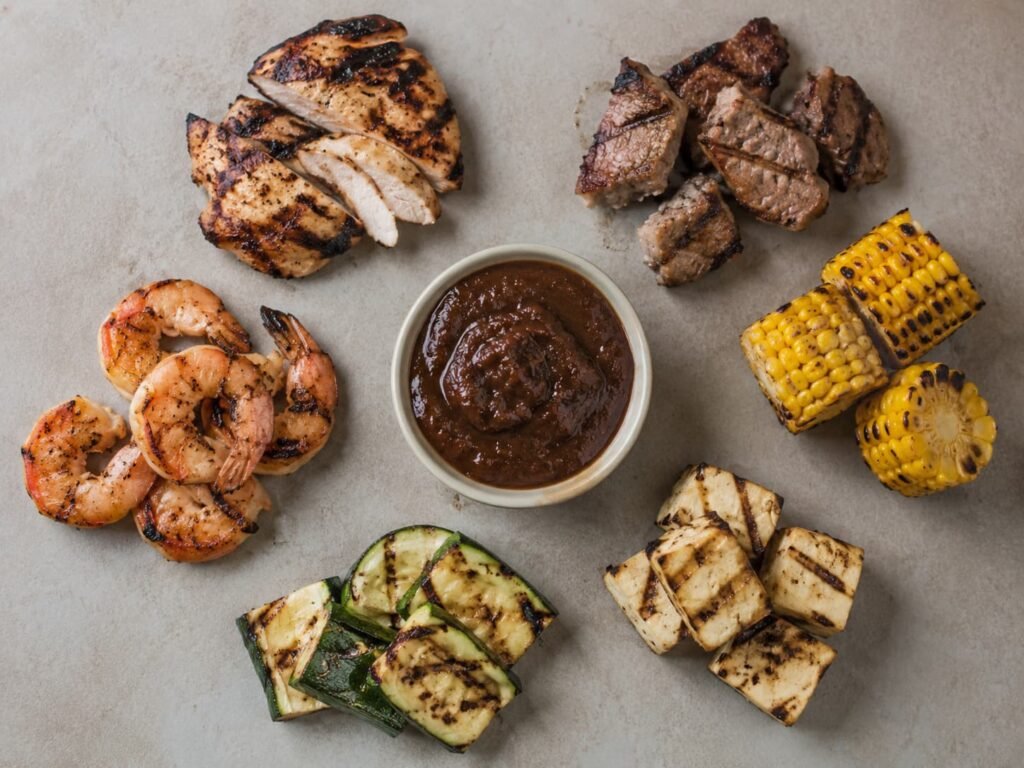
Brush it over chicken, wings, ribs, pork, burgers, shrimp, tofu, or grilled vegetables. The flavor is bolder than regular BBQ sauce because it gets heat from hot pepper, warmth from allspice and thyme, and freshness from garlic, ginger, and lime. If you enjoy classic BBQ recipes like honey BBQ chicken bites, this homemade jerk BBQ sauce gives you a spicier Caribbean-style option for cookouts and weeknight grilling.

Quick Recipe Snapshot

This easy jerk BBQ sauce recipe is quick enough for a weeknight meal but flavorful enough for grilled chicken, wings, ribs, burgers, and party platters. The sauce is blended first, then simmered until it becomes smooth, glossy, and thick enough to brush over food without sliding off the grill.

Recipe Detail Information
Prep Time 10 minutes
Cook Time 10 to 15 minutes
Total Time 20 to 25 minutes
Yield About 2 cups
Flavor Sweet, spicy, smoky, tangy
Best For Chicken, wings, ribs, pork, burgers, shrimp, tofu, vegetables
Method Blend and simmer
Skill Level Easy
Make Ahead Yes
Freezer Friendly Yes

What Is Jerk BBQ Sauce?

Jerk BBQ sauce is a sweet, spicy, smoky sauce that combines Jamaican-style jerk flavor with a tomato-based barbecue sauce. It usually gets its heat from Scotch bonnet peppers, its warm spice from allspice and thyme, and its balance from garlic, ginger, brown sugar, vinegar, lime juice, and ketchup or tomato sauce.

A good Caribbean jerk BBQ sauce should taste layered, not like hot sauce mixed into ketchup. The first bite should feel slightly sweet and tangy, then the pepper heat should build slowly. After that, you get the deeper flavor from allspice, thyme, garlic, and ginger. This balance is what makes spicy jerk BBQ sauce so useful for grilled chicken, wings, ribs, pork, burgers, shrimp, tofu, and vegetables.

This recipe is inspired by Jamaican jerk flavor, but it is made in a BBQ sauce style. That means it is smooth enough to brush on the grill, thick enough to use as a glaze, and flavorful enough to serve as a dip or finishing sauce.

Jerk Sauce vs BBQ Sauce vs Jerk Marinade

Jerk sauce, BBQ sauce, jerk marinade, and jerk seasoning all bring flavor, but they are used in different ways. Jerk seasoning is usually a dry spice mix. Jerk marinade is a wet mixture used before cooking. BBQ sauce is usually brushed on near the end of grilling. Jerk BBQ sauce brings the bold spice of jerk flavor into a smooth barbecue-style sauce.

Type Main Purpose Texture Best Use
Jerk seasoning Adds dry jerk spice flavor Dry Rubbing onto chicken, pork, seafood, tofu, or vegetables
Jerk marinade Seasons food before cooking Loose or thick paste Marinating chicken, pork, shrimp, or tofu before grilling
BBQ sauce Adds sweet, tangy barbecue flavor Smooth and pourable Brushing, glazing, dipping, or finishing
Jerk BBQ sauce Combines jerk flavor with a BBQ base Smooth, thick, and brushable Grilling, dipping, glazing, and serving on the side

When comparing jerk sauce vs BBQ sauce, the biggest difference is the flavor base. Jerk sauce usually has hot pepper, allspice, thyme, garlic, ginger, and citrus. BBQ sauce is usually sweeter, smoother, and more tomato-based, often with vinegar, sugar, molasses, or smoky flavor.

The difference between jerk marinade vs BBQ sauce is mostly about timing. A jerk marinade goes on before cooking so the flavor can soak into the meat, seafood, tofu, or vegetables. BBQ sauce is usually added during the last few minutes of grilling because the sugar can burn if it sits over direct heat for too long.

Jamaican jerk vs barbecue sauce is not a competition. They simply do different jobs. Jerk brings heat, herbs, citrus, and warm spice. Barbecue sauce brings sweetness, tang, body, and shine. Jerk BBQ sauce works because it keeps the bold jerk-style flavor but gives it the smooth texture of a grilling sauce.

Jerk seasoning vs jerk sauce is also easy to understand. Jerk seasoning is dry and works like a rub. Jerk sauce or jerk marinade is wet and often includes fresh ingredients like peppers, garlic, ginger, lime juice, vinegar, and sometimes soy sauce. In this recipe, those jerk-inspired flavors are blended into a BBQ-style sauce that is easy to brush over grilled food.

Ingredients You’ll Need

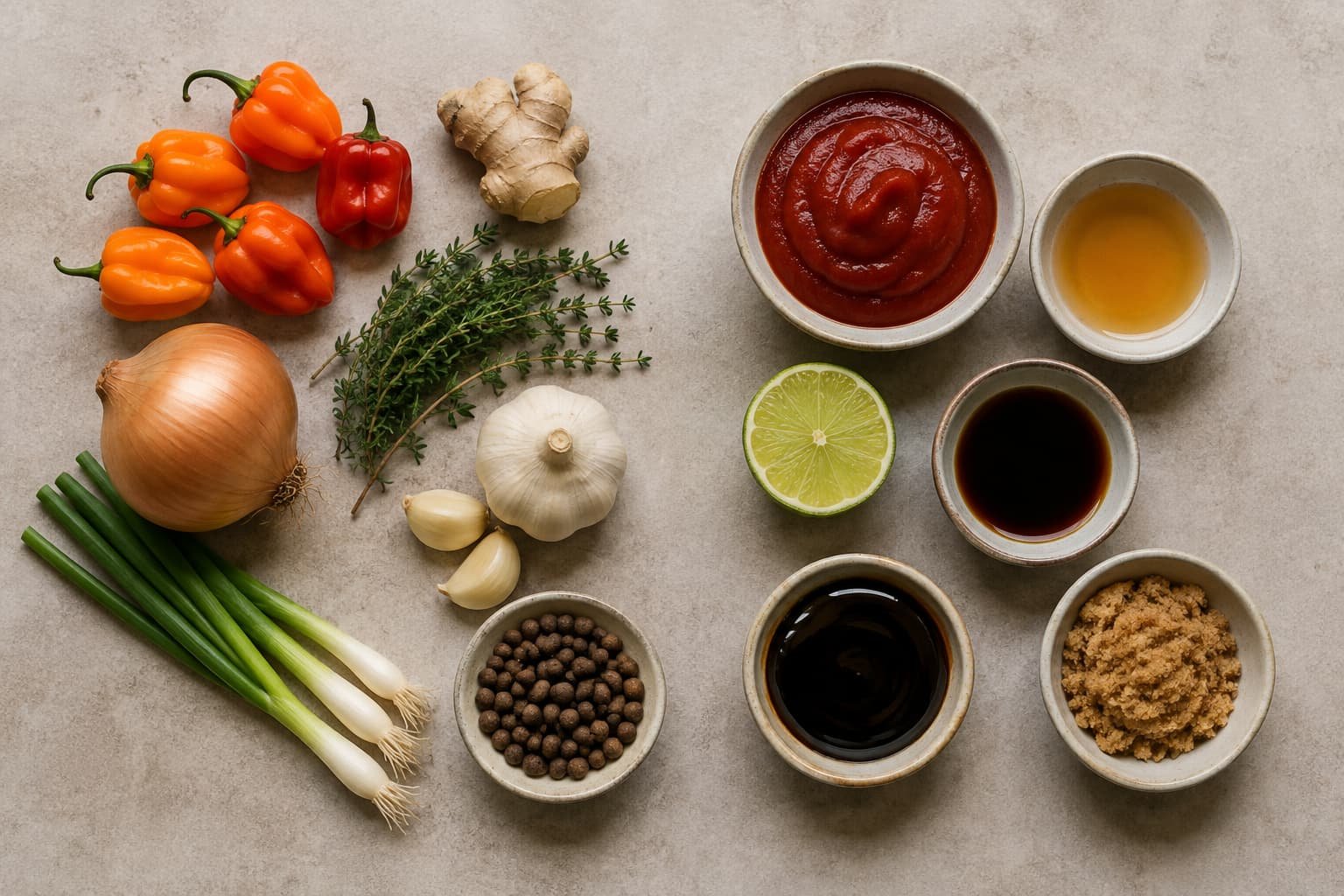
The best jerk BBQ sauce starts with a simple barbecue base, then builds flavor with pepper heat, warm spices, herbs, and a little acidity. Each ingredient has a purpose. The goal is not just to make the sauce hot. It should taste sweet, tangy, smoky, spicy, and balanced enough to brush over grilled food.

BBQ Base

Ketchup gives this sauce body and helps it turn smooth, thick, and glossy after simmering. It also gives the sauce a tomato base, which makes it easy to use like a regular barbecue sauce.

Apple cider vinegar adds tang and keeps the sauce from tasting too heavy. Brown sugar balances the heat from the pepper and helps create a sticky glaze on chicken, wings, ribs, pork, burgers, shrimp, tofu, and vegetables. Lime juice brightens the sauce and gives it a fresh finish.

Soy sauce adds savory depth, which works especially well with grilled meats and tofu. Worcestershire sauce is optional, but a small splash can make the sauce taste deeper and slightly richer. If you need the sauce to be gluten free, use gluten-free tamari instead of soy sauce and check the label on the Worcestershire sauce before adding it.

For a balanced BBQ base, use ketchup, apple cider vinegar, brown sugar, lime juice, soy sauce, and a small amount of Worcestershire sauce if you want a richer flavor.

Jerk Flavor

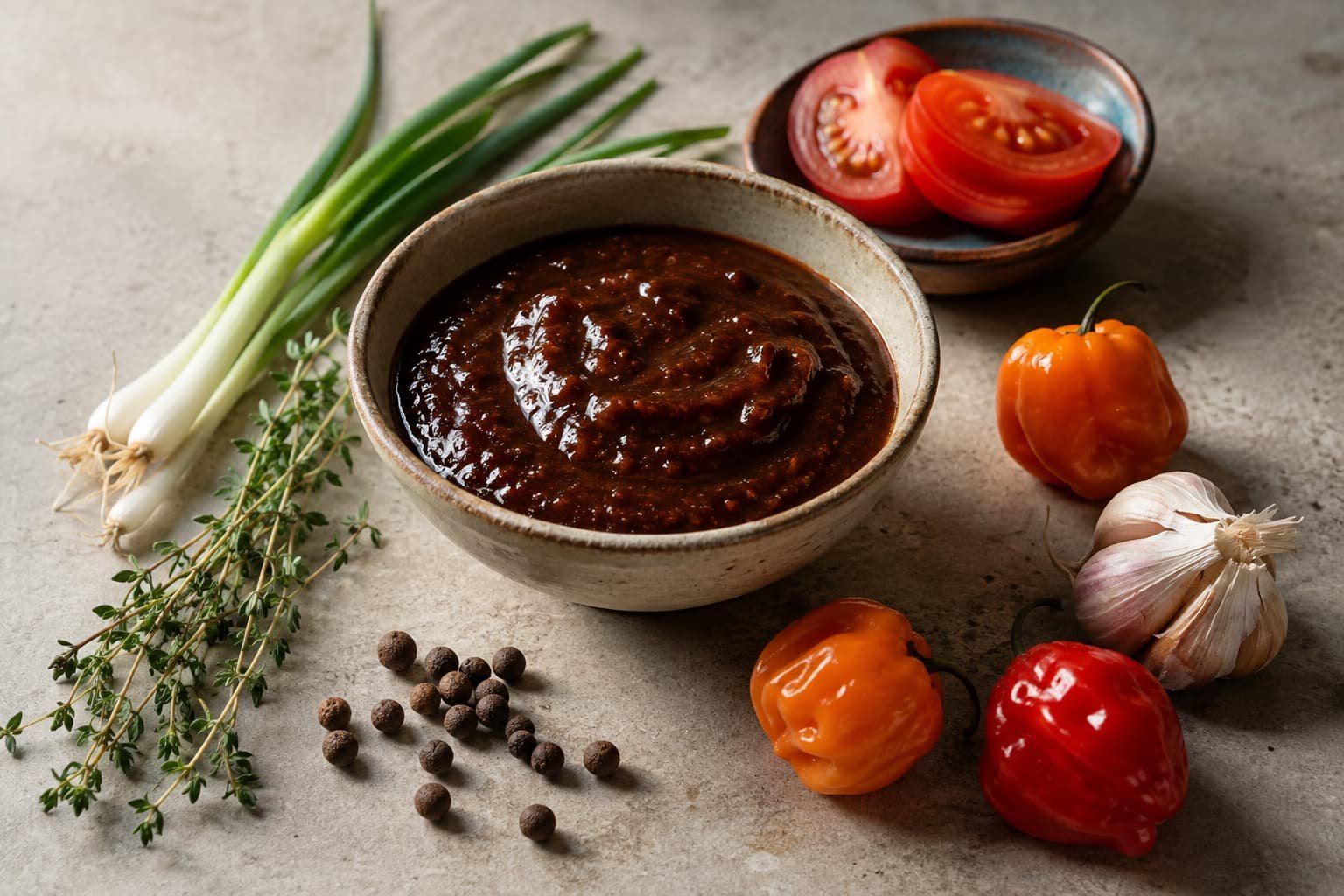
The jerk flavor comes from heat, herbs, and warm spices. Scotch bonnet peppers bring the classic peppery heat and fruity flavor. Allspice gives the sauce its deep warmth, while thyme adds an earthy herbal note that makes jerk-style seasoning stand out.

Garlic and ginger make the sauce bold and fresh. Cinnamon and nutmeg add gentle warmth in the background without making the sauce taste like dessert. Black pepper sharpens the heat, onion powder adds savory flavor, and smoked paprika gives the sauce a mild smoky note that works well for grilling.

The three most important flavor builders are Scotch bonnet peppers, allspice, and thyme. If these are balanced well, the homemade jerk BBQ sauce will taste spicy, warm, and full instead of flat or one-dimensional.

Optional Flavor Boosters

After the main sauce is balanced, you can adjust the flavor depending on how you plan to use it. Pineapple juice adds fruity sweetness and works well if you want a pineapple jerk BBQ sauce for chicken, shrimp, ribs, or burgers. Honey gives the sauce a smoother sweetness and helps it glaze nicely on grilled wings or pork.

Molasses makes the sauce darker and richer. Use only a small amount because it can quickly become strong. Liquid smoke can add a grilled flavor if you are cooking indoors, but a little goes a long way. Green onions add freshness, while orange juice gives the sauce a softer citrus note than lime.

These extras are not required, but they are useful when you want the sauce sweeter, smokier, fruitier, or more cookout-style.

Best Pepper for Jerk BBQ Sauce

The best pepper for jerk BBQ sauce is Scotch bonnet. It gives the sauce the classic heat and fruity flavor often used in Jamaican-style jerk cooking. Scotch bonnet is hot, but it also has a bright, slightly sweet taste that works well with allspice, thyme, garlic, ginger, vinegar, and lime.

If you cannot find Scotch bonnet, habanero is the closest common substitute. A habanero jerk BBQ sauce will still taste hot and fruity, although the flavor is not exactly the same. Start with one small pepper, simmer the sauce, then taste it before adding more.

You can make jerk BBQ sauce without Scotch bonnet by using habanero, jalapeño, or a small amount of hot sauce. Jalapeño is the mildest option, so it is better for family dinners or anyone who wants jerk-style flavor without too much heat.

For a mild sauce, use jalapeño or half a habanero. For medium heat, use one small habanero or half a Scotch bonnet. For a hotter sauce, use one full Scotch bonnet. For extra heat, use two Scotch bonnet peppers, but only if you already enjoy very spicy food.

To reduce the heat, remove the seeds and inner ribs from the pepper before blending. A lot of the heat sits in those pale inner parts, so removing them gives you more control. Always wear gloves when handling Scotch bonnet or habanero peppers, and avoid touching your eyes or face until your hands, knife, and cutting board are washed well.

How to Make Jerk BBQ Sauce

If you are wondering how to make jerk BBQ sauce at home, the process is simple. This quick jerk BBQ sauce recipe starts in a blender, then finishes on the stove so the pepper, garlic, ginger, spices, and BBQ base can come together into one smooth, brushable sauce.

Step 1: Blend the Ingredients

homemade bbq sauce​

Add the ketchup, apple cider vinegar, lime juice, soy sauce, brown sugar, Scotch bonnet pepper, garlic, ginger, thyme, allspice, cinnamon, nutmeg, smoked paprika, and black pepper to a blender.

Blend until the sauce looks smooth and the pepper, garlic, and ginger are fully broken down. At this stage, the sauce may smell sharp and spicy because the ingredients are still raw. That is normal. The flavor will mellow once the sauce simmers.

Step 2: Simmer the Sauce

bbq sauce​

Pour the blended sauce into a small saucepan and place it over medium-low heat. Let it simmer for 10 to 15 minutes, stirring often so it does not stick to the bottom.

This simmering step is what turns the blended mixture into a proper homemade jerk BBQ sauce. It softens the raw bite of the garlic, ginger, and Scotch bonnet pepper, while the ketchup, apple cider vinegar, brown sugar, and spices thicken into a glossy sauce.

The sauce is ready when it lightly coats the back of a spoon. It should be thick enough to brush over grilled food, but not so thick that it clumps or drags.

Step 3: Taste and Adjust

Once the sauce has simmered, taste it carefully and adjust the balance. If it tastes too sweet, add a little more apple cider vinegar or lime juice. If it tastes too sharp, stir in a small amount of brown sugar or honey.

For more heat, add a little extra chopped pepper or hot sauce, then simmer again for a few minutes. If the sauce becomes too thick, loosen it with a splash of water or pineapple juice. Pineapple juice works especially well if you want a fruitier sauce for chicken, shrimp, ribs, or burgers.

Step 4: Cool and Store

Remove the sauce from the heat and let it cool before using or storing. Cooling helps the texture settle and gives the flavor time to round out.

Transfer the sauce to a clean jar or airtight container. You can use it right away for grilling, or keep it in the fridge for later. This easy jerk BBQ sauce recipe is also good for making ahead because the flavor gets deeper after resting.

How to Use Jerk BBQ Sauce for Grilling

BBQ Sauces

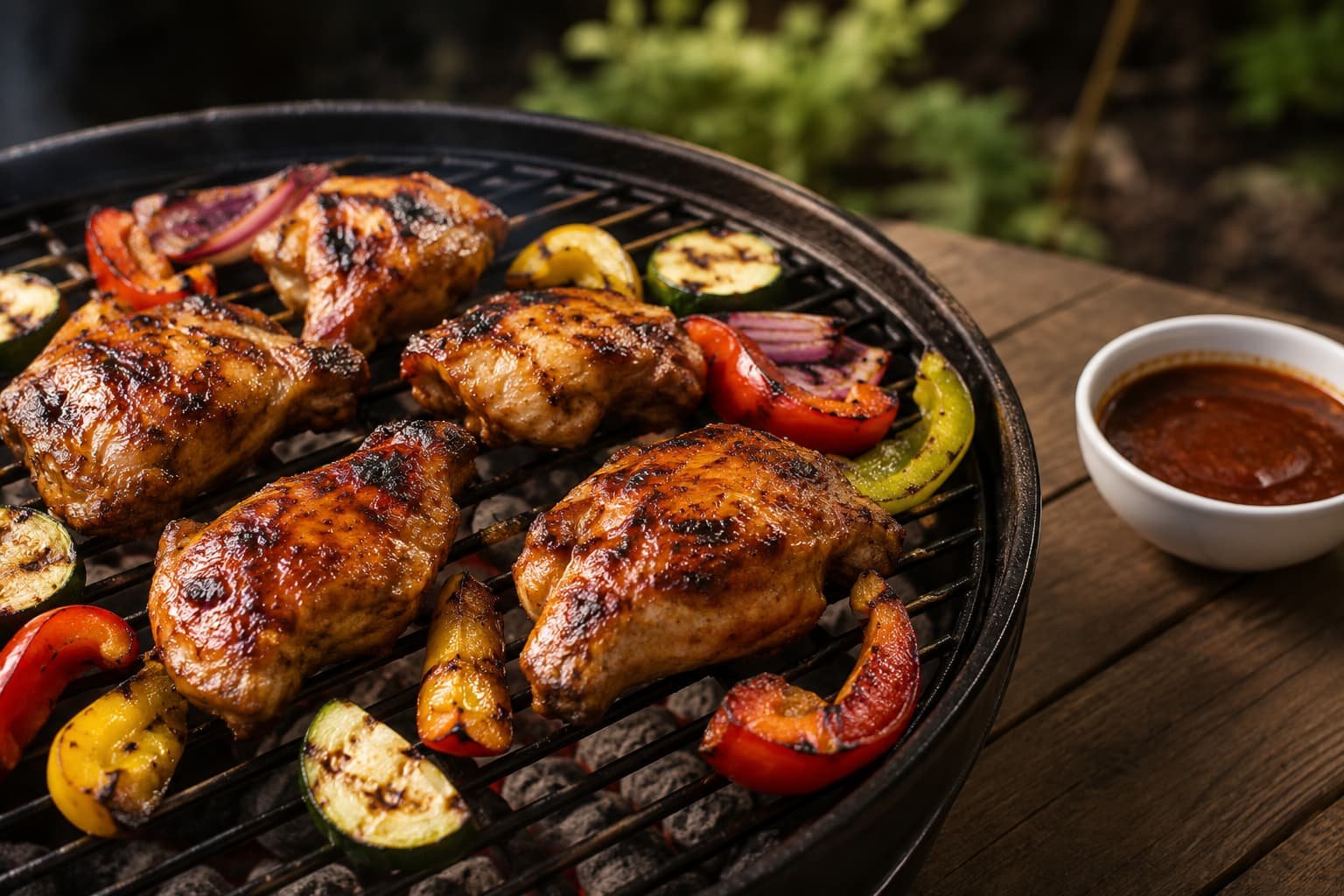
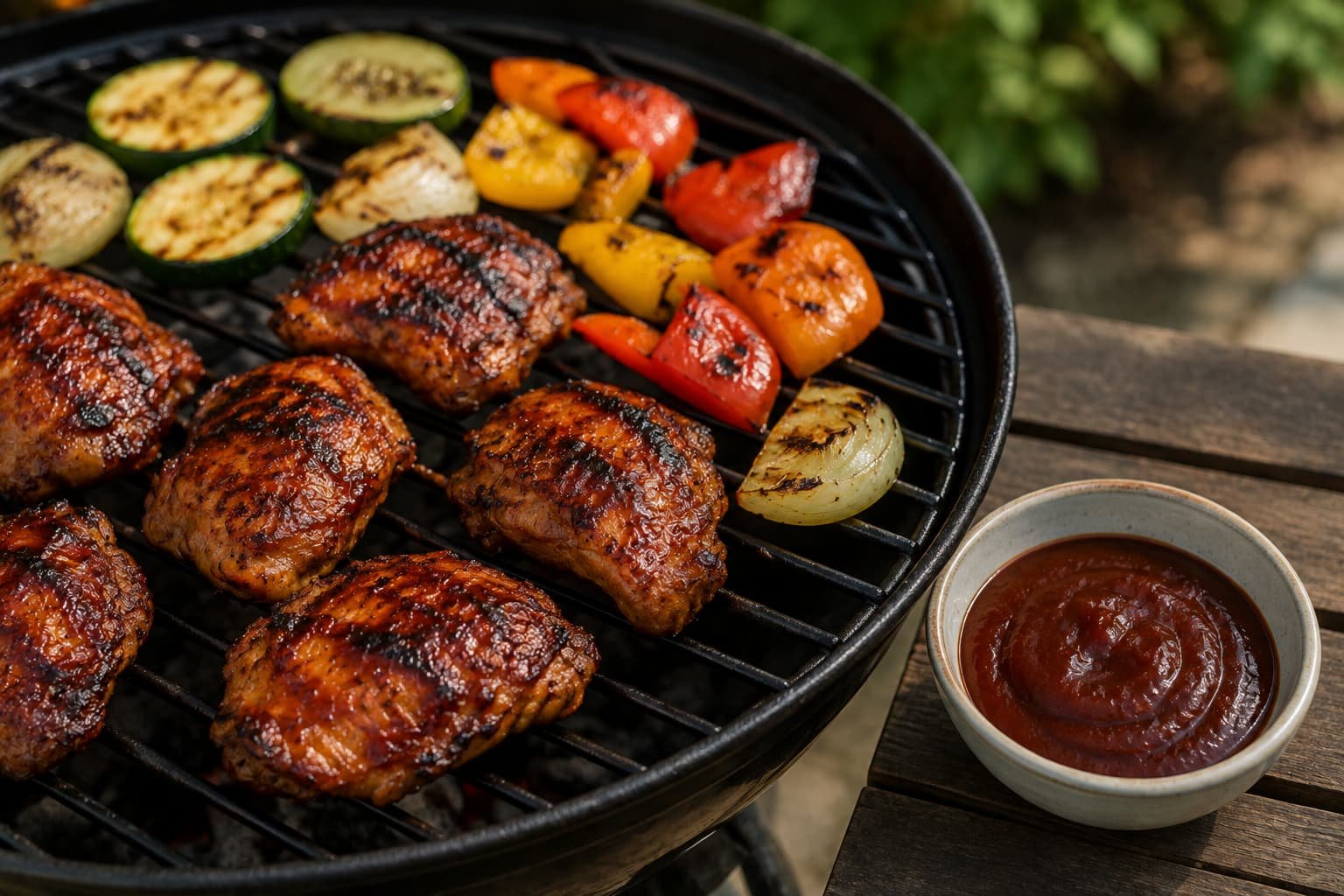
Jerk BBQ sauce works best when it is used at the right time. Because it contains ketchup and brown sugar, it can burn if you brush it over high heat too early. For most grilled foods, add the sauce during the final few minutes of cooking, then brush on a little more after the food comes off the grill.

If you are making grilled chicken, this sauce works especially well as a finishing glaze. You can also use it with rice bowls, wraps, salads, and low-carb sides, similar to the serving ideas in these healthy grilled chicken bites.

Food Best Way to Use the Sauce Tip
Chicken Brush during the final 5 to 10 minutes of grilling This helps prevent the sugar from burning
Wings Toss after grilling or air frying This keeps the skin crisp and the sauce glossy
Ribs Brush near the end of cooking Add thin layers to build a sticky glaze
Pork chops Use as a finishing glaze Let the pork rest before serving
Burgers Spread on buns or brush lightly over patties Add pineapple slaw for a sweet-spicy finish
Shrimp Brush lightly near the end Shrimp cooks fast, so do not sauce too early
Tofu Marinate first, then glaze near the end Press the tofu first so it holds more flavor
Vegetables Brush after roasting or grilling Works well with peppers, zucchini, mushrooms, and onions

For deeper flavor, you can use part of the sauce as a marinade before cooking. Always keep a fresh portion separate for brushing, dipping, or serving after cooking. Do not reuse sauce that has touched raw chicken, pork, seafood, or meat unless you boil it first.

Jerk BBQ Sauce for Chicken, Wings, Ribs, Pork, and Burgers

One of the best things about jerk BBQ sauce is how well it works with different grilled foods. It has enough heat for bold meats, enough sweetness for sticky glazes, and enough tang to brighten rich dishes like ribs, pork chops, and burgers.

Jerk BBQ Sauce for Chicken

This sauce is especially good with grilled chicken because it adds heat, sweetness, and color without needing a long marinade. Brush it over chicken thighs, drumsticks, or chicken skewers during the final 5 to 10 minutes of grilling so the sauce can set without burning.

It also works well with chicken bites and chicken sandwiches. For chicken bites, toss the cooked pieces in warm sauce right before serving. For sandwiches, spread a little sauce on the bun and add slaw, pickles, or grilled pineapple for a fresh contrast.

Jerk BBQ Sauce for Chicken Wings

bbq sauce for chicken wings

For wings, use jerk BBQ sauce as a finishing sauce instead of brushing it on too early. Grilled wings, baked wings, and air fryer wings taste better when the skin stays crisp and the sauce goes on at the end.

Toss hot wings in the sauce right before serving, or brush on a thin layer and cook for one more minute to help it cling. This makes the wings glossy, spicy, and perfect for game day snacks or party trays. For more air fryer meal ideas, these keto air fryer recipes include chicken, pork chops, shrimp, salmon, and helpful sauce timing tips.

Jerk BBQ Sauce for Ribs

BBQ Sauce for Ribs

This sauce works well on pork ribs and baby back ribs because it creates a sticky glaze with a little heat behind it. The best time to add it is near the end of cooking, after the ribs are already tender.

Brush on a thin layer, let it set, then add another light layer for more shine and flavor. This gives the ribs a sweet, spicy, smoky finish without making the sauce taste burnt or bitter.

Jerk BBQ Sauce for Pork

Pork takes bold sauce well, especially when the sauce has both sweetness and acidity. Use it on pork chops as a finishing glaze, spoon it over pulled pork, or brush it onto pork tenderloin during the last few minutes of cooking.

It also works with pork belly bites when you want something sticky and spicy. Since pork can be rich, the lime juice and vinegar in the sauce help keep the flavor from feeling too heavy.

Jerk BBQ Sauce for Burgers

burger sauce

Jerk BBQ sauce can make simple burgers taste more exciting without adding much work. Spread it on beef burgers, chicken burgers, or turkey burgers the same way you would use regular barbecue sauce.

For the best balance, pair it with something fresh or creamy. Pineapple slaw, cabbage slaw, sliced avocado, or a simple yogurt sauce can cool the heat and make the burger taste more complete. Avoid mixing too much sauce directly into the patties, since extra moisture can make burgers softer and harder to shape.

Mild, Spicy, Sweet, and Low-Sugar Variations

This sauce is easy to adjust, which is helpful because everyone has a different comfort level with heat and sweetness. Start with the base recipe, then adjust the pepper, sugar, acid, or fruit depending on how you plan to serve it.

Mild Jerk BBQ Sauce

For a mild jerk BBQ sauce, use one jalapeño or half a habanero instead of Scotch bonnet. Remove the seeds and inner ribs before blending if you want even less heat.

This version is better for family dinners, chicken sandwiches, burgers, and anyone who wants jerk-style flavor without a strong pepper burn.

Extra Spicy Jerk BBQ Sauce

For a hotter spicy jerk BBQ sauce, use one full Scotch bonnet for strong heat or two Scotch bonnet peppers for an extra hot version. You can also add a small amount of your favorite hot sauce.

Add the heat slowly, especially when serving guests. Extra spicy sauce works best with grilled chicken, ribs, pork, and wings because those foods can handle a stronger flavor.

Sweet and Spicy Jerk BBQ Sauce

For a sweet and spicy jerk BBQ sauce, add pineapple juice, honey, or a little extra brown sugar. Pineapple juice gives the sauce a fruity taste, honey makes it smoother, and brown sugar helps create a stickier glaze.

This version is great for grilled shrimp, chicken thighs, ribs, burgers, and pork chops.

Low Sugar Jerk BBQ Sauce

For a low sugar jerk BBQ sauce, use no-sugar ketchup and reduce the brown sugar. Add extra lime juice or apple cider vinegar to keep the sauce bright and tangy.

This version will not glaze as deeply as the regular sauce because sugar helps create that sticky finish. It still works well as a brushing sauce or dipping sauce when you want a lighter BBQ sauce style.

Lower Sodium Jerk BBQ Sauce

For a lower sodium jerk BBQ sauce, use low-sodium soy sauce and skip any extra salt. If using Worcestershire sauce, choose a lower sodium version when available.

Check labels because ketchup, soy sauce, Worcestershire sauce, and hot sauce can vary a lot by brand. To keep the sauce flavorful with less sodium, lean on lime juice, vinegar, garlic, ginger, thyme, allspice, and smoked paprika.

What to Serve with Jerk BBQ Sauce

Jerk BBQ sauce works best with foods that can handle heat, sweetness, and tang. It is bold enough for grilled meats, but it also tastes good with simple sides that cool the spice and make the meal feel balanced.

For a full dinner, brush it over grilled chicken and serve it with rice bowls, roasted vegetables, or corn on the cob. The sauce also works well with burgers, shrimp skewers, tacos, wraps, and sweet potato fries.

BBQ Sauce

For snacks or party food, serve it with wings, chicken bites, sliders, grilled shrimp, or crispy tofu. If the sauce is on the hotter side, add something fresh beside it, like cabbage slaw, cucumber salad, pineapple salsa, or a creamy yogurt dip.

For a sweet and spicy plate, pair the sauce with fruit-based toppings. Pineapple salsa is a classic match, but peach salsa also works well because the sweetness balances the pepper heat. This homemade peach salsa is a good side for grilled chicken, pork, shrimp, tacos, rice bowls, and party snacks.

If you are serving jerk BBQ sauce at a cookout, keep the meal simple. Grilled chicken, ribs, burgers, wings, slaw, corn, and roasted vegetables give guests enough variety without making the plate feel too heavy.

How to Store and Freeze Homemade Jerk BBQ Sauce

If you are wondering how long jerk BBQ sauce lasts, the safest answer depends on how it was stored and whether it touched raw meat. For this homemade jerk BBQ sauce, let it cool first, then store it in a clean airtight jar or container in the refrigerator.

If the sauce was stored cleanly and never touched raw chicken, pork, seafood, or meat, use it within 5 to 7 days for the best flavor and texture. If the sauce was used around cooked food, opened often, or handled during serving, use it sooner.

You can freeze homemade jerk BBQ sauce in small portions for up to 3 months. Spoon it into small freezer-safe containers or an ice cube tray, freeze until solid, then move the cubes to a freezer bag. Label the container with the date so you know when it was frozen.

To thaw, place the sauce in the refrigerator overnight. Stir it well after thawing because the texture may separate slightly. Warm it gently in a small saucepan if you want it smooth and glossy again.

Always keep sauce for dipping separate from sauce used on raw meat. Do not reuse jerk BBQ sauce that touched raw chicken, pork, seafood, or meat unless you boil it first. If the sauce smells off, looks moldy, or has been left at room temperature for more than 2 hours, throw it away.

Common Mistakes to Avoid

Even a simple jerk BBQ sauce can taste flat, too hot, too sweet, or burnt if the balance is off. These are the mistakes that usually make the biggest difference when making it at home.

Adding the Sauce Too Early on High Heat

Jerk BBQ sauce has ketchup and brown sugar, so it can burn if it sits over direct high heat for too long. Brush it on during the final 5 to 10 minutes of grilling, then add a little more after cooking if you want a glossier finish.

Using Too Much Scotch Bonnet Without Tasting

Scotch bonnet peppers are hot, and the heat can build as the sauce simmers. Start with one small pepper, or use half if you are sensitive to spice. You can always add more heat, but it is hard to fix a sauce that is already too fiery.

Skipping the Acid

Apple cider vinegar and lime juice are not just for tang. They keep the sauce bright and help balance the sweetness, heat, and smoky spices. Without enough acid, the sauce can taste heavy or overly sweet.

Not Simmering the Sauce

Blending the ingredients is only the first step. Simmering helps the garlic, ginger, pepper, ketchup, vinegar, sugar, and spices come together. It also softens the raw bite from the fresh ingredients and gives the sauce a smoother flavor.

Making the Sauce Too Thin

A thin sauce will slide off chicken, ribs, wings, burgers, tofu, and vegetables instead of coating them. Simmer it until it lightly coats the back of a spoon. If you thin it too much with water or pineapple juice, let it simmer a few more minutes.

Using Sauce That Touched Raw Meat as a Dip

If you use jerk BBQ sauce as a marinade for raw chicken, pork, seafood, or meat, do not serve that same sauce as a dip unless you boil it first. The safest habit is to keep one clean portion for brushing and dipping, and another portion for marinating.

Over-Sweetening the Sauce

A sweet and spicy jerk BBQ sauce should still taste balanced. Too much brown sugar, honey, molasses, or pineapple juice can hide the allspice, thyme, garlic, ginger, and pepper. If the sauce tastes too sweet, add a little more lime juice or apple cider vinegar.

Forgetting to Balance Heat, Sweetness, and Tang

The best jerk BBQ sauce is not just hot. It should have pepper heat, warm spice, sweetness, acidity, and a little smokiness. If the flavor feels flat, adjust it slowly with lime juice, vinegar, brown sugar, honey, or a small pinch of spice until it tastes balanced.

Recipe Card

Easy Jerk BBQ Sauce Recipe

This easy jerk BBQ sauce is sweet, spicy, smoky, and tangy with Caribbean-inspired flavor from Scotch bonnet, allspice, thyme, garlic, ginger, lime, vinegar, and brown sugar. Use it as a grilling glaze, marinade, dipping sauce, or finishing sauce for chicken, wings, ribs, pork, burgers, shrimp, tofu, and vegetables.

Recipe Detail Amount
Prep Time 10 minutes
Cook Time 10 to 15 minutes
Total Time 20 to 25 minutes
Yield About 2 cups
Servings About 16
Serving Size About 2 tablespoons

Ingredients

BBQ Base

1 cup ketchup
1/4 cup apple cider vinegar
2 tablespoons lime juice
2 tablespoons soy sauce or tamari
3 tablespoons brown sugar
1 tablespoon Worcestershire sauce, optional

Jerk Flavor

1 small Scotch bonnet pepper, seeds removed for less heat if preferred
2 garlic cloves
1 tablespoon fresh ginger
1 teaspoon dried thyme
1 teaspoon ground allspice
1/2 teaspoon smoked paprika
1/2 teaspoon onion powder
1/2 teaspoon black pepper
1/4 teaspoon cinnamon
1/8 teaspoon nutmeg

Optional Flavor Add-Ins

2 to 4 tablespoons pineapple juice for a fruitier sauce
1 tablespoon honey for a smoother glaze
1 teaspoon molasses for a deeper BBQ flavor

Instructions

Add the ketchup, apple cider vinegar, lime juice, soy sauce, brown sugar, Scotch bonnet pepper, garlic, ginger, thyme, allspice, smoked paprika, onion powder, black pepper, cinnamon, and nutmeg to a blender.

Blend until smooth. If the mixture is too thick to blend, add a small splash of water or pineapple juice.

Pour the blended sauce into a small saucepan. Simmer over medium-low heat for 10 to 15 minutes, stirring often. The sauce is ready when it looks glossy and lightly coats the back of a spoon.

Taste and adjust. Add more lime juice or apple cider vinegar if it tastes too sweet, more brown sugar or honey if it tastes too sharp, or a little more pepper if you want more heat.

Let the sauce cool before using or storing. Use it right away for grilling, or transfer it to a clean airtight jar and refrigerate.

Notes

For a milder sauce, use one jalapeño or half a habanero instead of Scotch bonnet. For extra heat, use one full Scotch bonnet, or two if you enjoy very spicy sauce.

For a gluten-free version, use gluten-free tamari instead of soy sauce and check the Worcestershire sauce label before adding it.

Brush this sauce on grilled foods near the end of cooking because the sugar can burn over high heat.

Storage

Store homemade jerk BBQ sauce in a clean airtight jar in the refrigerator. Use within 5 to 7 days if it has been stored cleanly and has not touched raw meat.

Freeze small portions for up to 3 months. Thaw overnight in the refrigerator and stir well before using.

Do not reuse sauce that touched raw chicken, pork, seafood, or meat as a dip unless it has been boiled first.

Nutrition Estimate

Nutrition will vary depending on the ketchup, soy sauce, sugar, and optional ingredients used. Per 2-tablespoon serving, this sauce is approximately 35 calories, 8 grams carbohydrates, 6 grams sugar, 0 grams fat, 0 grams protein, and 180 to 250 milligrams sodium.

FAQs

What is jerk BBQ sauce?

Jerk BBQ sauce is a sweet, spicy, smoky, and tangy sauce that blends Jamaican-style jerk flavor with a tomato-based barbecue sauce. It usually includes hot peppers, allspice, thyme, garlic, ginger, vinegar, lime juice, and brown sugar.

Is jerk BBQ sauce spicy?

Yes, it is usually spicy because classic jerk flavor often uses Scotch bonnet peppers. You can make it milder by using less pepper, removing the seeds and inner ribs, or using jalapeño instead.

Can I make jerk BBQ sauce without Scotch bonnet?

Yes, you can make it without Scotch bonnet. Habanero is the closest substitute because it has similar heat and fruity flavor, while jalapeño makes a milder sauce.

Can I use habanero instead of Scotch bonnet?

Yes, habanero works well instead of Scotch bonnet in homemade jerk BBQ sauce. The flavor is not exactly the same, but it still gives the sauce strong heat and a fruity pepper taste.

Can I use jerk BBQ sauce as a marinade?

Yes, jerk BBQ sauce can be used as a marinade for chicken, pork, shrimp, tofu, and vegetables. Keep a fresh portion separate for dipping or brushing after cooking, and do not serve sauce that touched raw meat unless it has been boiled first.

How long does homemade jerk BBQ sauce last?

Homemade jerk BBQ sauce lasts about 5 to 7 days in the refrigerator if it is stored in a clean airtight jar and has not touched raw meat. Let the sauce cool completely before storing it.

Can I freeze homemade jerk BBQ 5auce?

Yes, you can freeze homemade jerk BBQ sauce in small portions for up to 3 months. Thaw it overnight in the refrigerator, then stir or warm it gently because the texture may separate slightly.

Is jerk BBQ sauce gluten free?

It can be gluten free if you use gluten-free tamari instead of regular soy sauce. Also check the labels on ketchup, Worcestershire sauce, hot sauce, and seasoning blends.

What is the best meat for jerk BBQ sauce?

The best meats for jerk BBQ sauce are chicken, wings, ribs, pork chops, pork tenderloin, burgers, shrimp, and grilled fish. It also works well with tofu, roasted vegetables, and grilled mushrooms.

What does jerk BBQ sauce taste like?

Jerk BBQ sauce tastes sweet, spicy, smoky, tangy, and warm. The main flavor comes from hot peppers, allspice, thyme, garlic, ginger, lime juice, vinegar, and brown sugar.

Related Blogs

Scroll to Top