pancake recipe for one

Healthy Pancakes for One with Oats and Greek Yogurt

Facebook
LinkedIn
Pinterest
WhatsApp

Table of Contents

Some mornings, you want pancakes without making a full bowl of batter or cleaning up more than you need to. These healthy pancakes for one are made for exactly that kind of morning. The recipe gives you a small, fresh breakfast with enough batter for 2 to 3 soft pancakes, so you can enjoy a warm stack without leftovers sitting in the fridge.

This pancake recipe for one uses oats, Greek yogurt, one egg, and a little milk to create a batter that feels simple but still satisfying. The oats make the pancakes more filling, while Greek yogurt adds a creamy texture and a gentle boost of protein. They are lighter than many classic pancakes, but still soft, warm, and easy to enjoy with fruit, nut butter, or a small drizzle of maple syrup.

Because this is a single-serving recipe, the measurements matter. A little too much liquid can make the batter thin, while too much oat flour can make the pancakes heavy. This version keeps the balance practical for one person, making it a helpful option when you want a quick weekday breakfast, a post-workout meal, or a small homemade treat.

If you are looking for a bigger weekend stack with a more classic diner-style texture, you can also try these restaurant-style pancakes. But for a smaller, more filling breakfast, these oat and Greek yogurt pancakes are a better fit.

Quick Answer

To make healthy pancakes for one, mix oats or oat flour with Greek yogurt, one egg, a little milk, baking powder, vanilla, and a small amount of sweetener. Let the batter rest for a few minutes, then cook 2 to 3 small pancakes over medium-low heat until golden on both sides.

What Are Healthy Pancakes for One?

Healthy pancakes for one are a small batch pancake recipe made to serve one person instead of a full family-size breakfast. This recipe usually makes 2 to 3 small pancakes, depending on how much batter you use for each pancake. That makes it ideal when you want a warm breakfast but do not want extra batter, extra dishes, or leftover pancakes.

A good one serving of pancakes recipe is not just a large recipe cut down without care. Small recipes need the right balance because every spoonful changes the texture. In this version, oats create the base, Greek yogurt adds softness, the egg helps the pancakes hold together, and baking powder gives them a little lift. The batter should be thick enough to spoon into the pan, but not so thick that it sits like dough.

This is also different from a basic pancake recipe for one person because it uses oats and Greek yogurt instead of relying only on all-purpose flour and sugar. The oats add a more wholesome texture, and the Greek yogurt helps make the pancakes tender without needing a large amount of butter or oil. The result is a simple one serve pancakes recipe that feels homemade, filling, and realistic for a busy morning.

These pancakes are best cooked small rather than oversized. Smaller pancakes are easier to flip, cook more evenly, and stay softer in the center. For one small pancake, about 2 tablespoons of batter is usually enough. If you prefer one larger pancake, use about 1/4 cup of batter and cook it slowly so the middle has time to set.

Why You’ll Love This Recipe

This recipe is made for the mornings when you want something warm and homemade, but you do not want to make a full stack of pancakes. It gives you enough batter for one person, so the portion feels right, the cleanup stays easy, and you are not left with extra batter in the fridge.

It is also quick enough for a weekday breakfast. From mixing the batter to cooking the pancakes, the recipe takes about 15 minutes. That makes it an easy pancake recipe for 1 person when you want more than toast or cereal, but do not want a long cooking project before the day starts.

The ingredients are simple, but they still make the breakfast feel more balanced. Oats make the pancakes more filling, while Greek yogurt adds softness and more protein than many basic flour-based pancakes. You do not need boxed pancake mix either. If you have rolled oats, you can blend them into oat flour in a few seconds.

This recipe is flexible too. You can keep it as a simple pancake recipe for one, or double the ingredients when you want pancakes for two. The most important part is keeping the batter thick but spoonable and cooking the pancakes over medium-low heat so they stay soft inside.

If you like planning simple morning meals ahead of time, you can also pair this recipe with other meal prep breakfasts for busy weeks.

Ingredients You Need

A good small pancake recipe depends on balance. Since this batter is made for one serving, even small changes can affect the texture. Too much milk can make the pancakes spread too thin, while too much oat flour can make them dense. The goal is a batter that looks thick, soft, and easy to spoon into the pan.

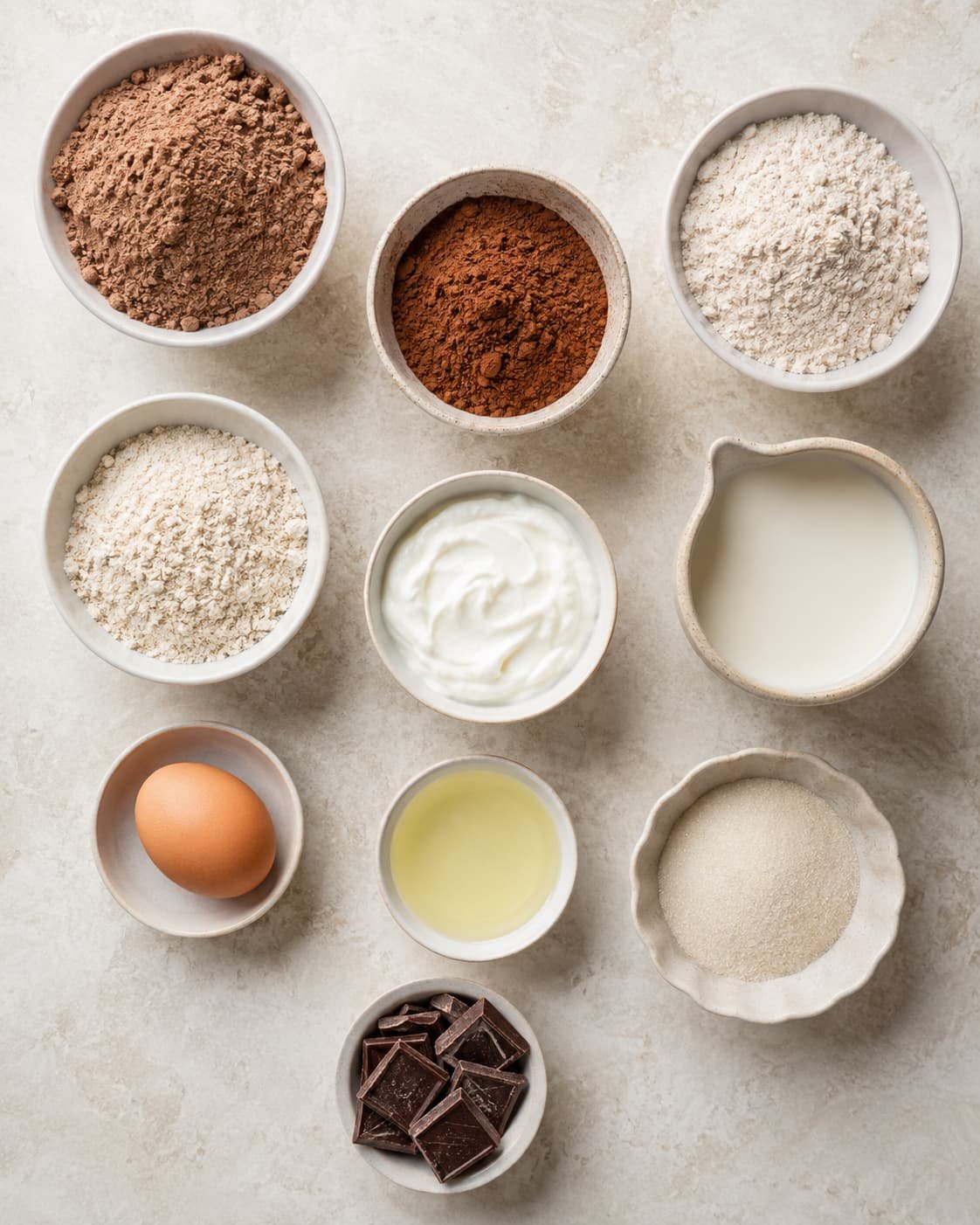
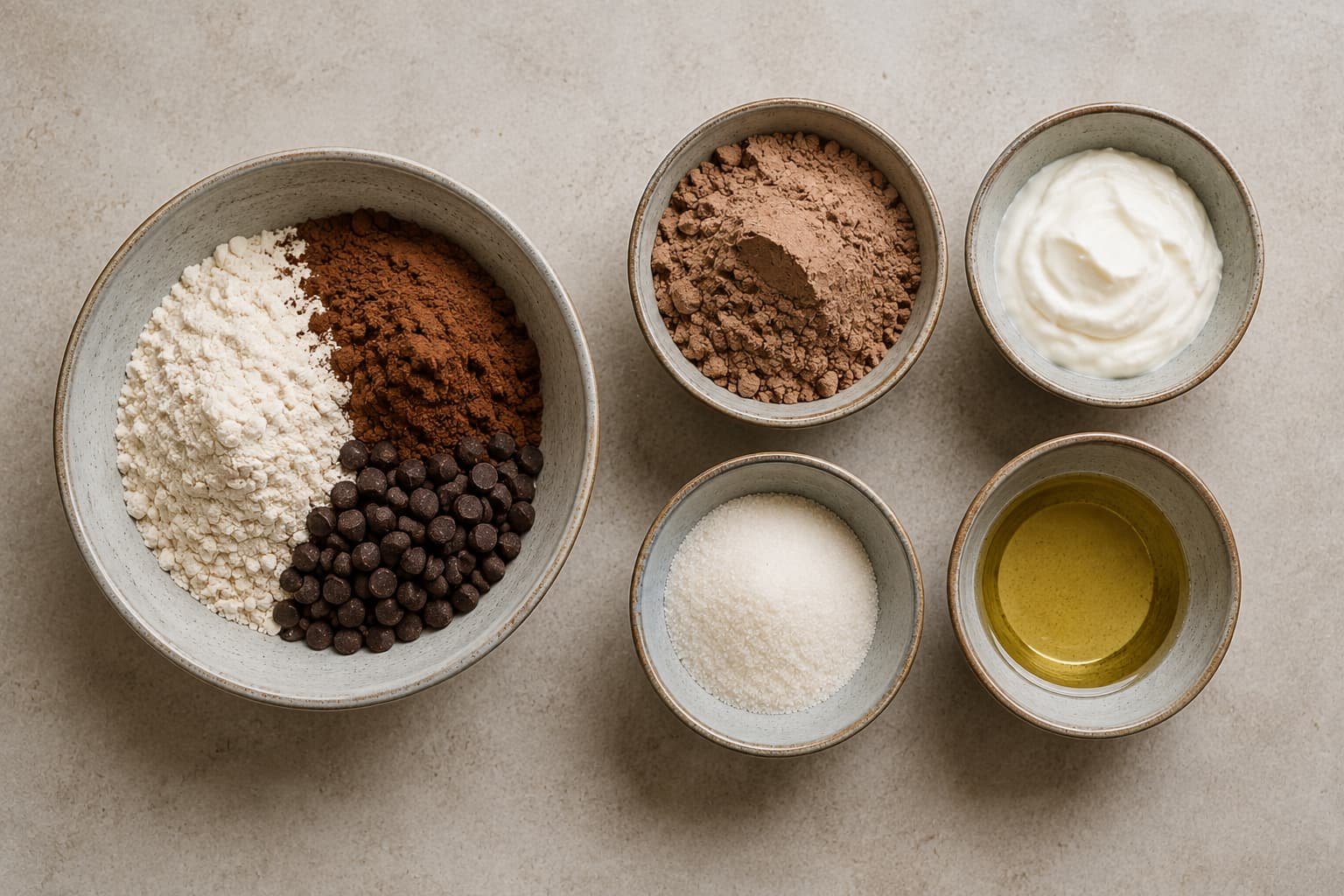
For one serving, you will need about 1/3 cup rolled oats or oat flour, 1/4 cup plain Greek yogurt, 1 egg, 2 to 3 tablespoons milk, 1/2 teaspoon baking powder, and a little sweetener and flavor. These amounts usually make 2 to 3 small pancakes, depending on how much batter you use for each one.

Rolled Oats or Oat Flour

Rolled oats are the base of this healthy pancake recipe for one. You can blend them into oat flour for a smoother batter, or leave them slightly more textured if you like a heartier pancake. For the softest result, blended oats usually work best because they mix evenly with the yogurt, egg, and milk.

If you already have oat flour, you can use it directly and skip the blending step. It gives the pancakes a smoother finish and helps the batter come together faster. Whole rolled oats can still work, but the pancakes may taste more rustic and feel slightly chewy.

For a gluten-free version, use certified gluten-free oats. Regular oats are naturally gluten-free, but they can be processed in places that also handle wheat, so certified oats are the safer choice if gluten matters for your diet.

Greek Yogurt

Plain Greek yogurt works best in this pancake batter because it adds creaminess without making the pancakes too sweet. It also gives the batter thickness, which helps the pancakes hold their shape in the pan.

Greek yogurt can vary from brand to brand. Some are very thick, while others are softer and easier to stir. If your batter looks too thick after mixing, add milk slowly, one tablespoon at a time. The batter should not run across the pan like crepe batter. It should be thick enough to spoon out, but soft enough to spread slightly.

Flavored yogurt can work, but plain yogurt gives you better control over sweetness. Some sweetened yogurts can make the pancakes taste too sugary, especially if you plan to add banana, berries, honey, or maple syrup on top.

Egg

The egg helps bind the batter and gives the pancakes structure. This matters even more in a pancake batter recipe for one because the batch is small and needs enough support to hold together when flipped.

It also helps the pancakes stay soft in the center instead of crumbling apart. For the best result, keep the pancakes small and wait until the edges look set before flipping. A small pancake is much easier to turn than one large pancake made from the whole batter.

Milk

Milk loosens the batter and helps it cook evenly. Dairy milk, almond milk, oat milk, soy milk, or any milk you normally use can work in this recipe.

The key is to add it slowly. Start with 2 tablespoons, mix the batter, then check the texture. If it feels too thick, add one more tablespoon. A good batter should be thick but spoonable. If it becomes too thin, the pancakes may spread too much and lose their soft middle.

Baking Powder

Baking powder gives the pancakes lift. Oat-based pancakes can become heavy if there is nothing to help them rise, so this small amount makes a real difference.

Do not skip it unless you are using another leavening method. Even 1/2 teaspoon helps the pancakes cook lighter and makes them feel closer to classic pancakes without using boxed pancake mix.

Sweetener and Flavor

A small amount of maple syrup or honey is enough for the batter. The pancakes do not need to be very sweet because toppings usually add more flavor.

Vanilla gives the batter a warmer taste, cinnamon works well with oats, and a small pinch of salt keeps the pancakes from tasting flat. If you plan to serve them with fruit, nut butter, or maple syrup, keep the batter lightly sweet so the final plate tastes balanced.

How to Make Pancakes for One

Pancake for One

Once the ingredients are measured, this recipe comes together quickly. The most important thing is to keep the batter thick, let the oats rest for a few minutes, and cook the pancakes over gentle heat. Oat pancakes need a little patience because the outside can brown before the middle is fully set if the pan is too hot.

This method works well when you want to know how to make pancakes for one without guessing the batter amount or ending up with a large batch.

Step 1: Blend the Oats

If you are using rolled oats, add them to a blender and blend until they turn into a fine oat flour. This gives the pancakes a smoother texture and helps the batter cook more evenly.

You can skip this step if you already have oat flour. If you like a slightly heartier pancake, you can leave the oats a little coarse, but fully blended oats usually give the softest result.

Step 2: Mix the Batter

In a small bowl, whisk together the Greek yogurt, egg, 2 tablespoons of milk, vanilla, and maple syrup or honey. Once the wet ingredients look smooth, add the oat flour, baking powder, cinnamon, and a small pinch of salt.

Mix just until the batter comes together. It should look thick, soft, and spoonable. Try not to overmix it. A few tiny oat specks are fine, but too much mixing can make the pancakes feel heavier.

Step 3: Let the Batter Rest

Let the batter sit for 3 to 5 minutes before cooking. This short rest helps the oats absorb moisture, so the batter thickens slightly and becomes easier to handle in the pan.

After resting, check the texture. If it looks too thick, add 1 teaspoon of milk at a time, up to 1 tablespoon if needed. If it looks too thin, stir in a small spoonful of oat flour and let it sit for another minute. This small adjustment helps the pancakes hold their shape.

Step 4: Cook on Medium-Low Heat

Place a nonstick skillet over medium-low heat and lightly grease it with a small amount of butter, oil, or cooking spray. Avoid high heat because oat and Greek yogurt pancakes can brown quickly while the center is still soft.

Spoon about 2 tablespoons of batter into the pan for each pancake. Small pancakes are easier to flip and cook more evenly than one large pancake. Cook for about 2 to 3 minutes on the first side, or until the edges look set and a few small bubbles appear on top.

Flip gently with a thin spatula, then cook the second side for another 1 to 2 minutes until golden and set in the middle. If the pancakes are getting dark too fast, lower the heat and give them a little more time.

Step 5: Serve Warm

Serve the pancakes while they are still warm and soft. They taste good with sliced banana, berries, Greek yogurt, almond butter, peanut butter, or a light drizzle of maple syrup.

For a more filling breakfast, add extra Greek yogurt on top or serve them with one of these high-protein smoothie recipes. The pancakes already have a mild sweetness, so simple toppings usually work best.

How Much Pancake Mix for 1 Pancake?

For one small pancake, you usually need about 2 to 3 tablespoons of prepared batter. This amount gives you a pancake that is easy to flip and cooks evenly in the middle.

If you are using dry pancake mix, start with about 1/4 cup dry mix and add liquid slowly until the batter is thick but pourable. Different pancake mixes absorb liquid differently, so it is better to start with less liquid and add more only if needed.

For this homemade oat and Greek yogurt recipe, the full batter makes about 2 to 3 small pancakes. If you only want one pancake, use about one-third to half of the batter and cook it slowly over medium-low heat. A single larger pancake can work, but smaller pancakes are easier to control and usually turn out softer.

If you are making just one pancake, keep the batter slightly thick so it holds its shape in the pan. A thin batter spreads too quickly and can make the pancake flat, while a thicker batter gives you a softer center and better texture.

How Many Pancakes Does This Recipe Make?

This recipe makes 2 to 3 small pancakes, depending on how much batter you spoon into the pan. For pancakes for 1 person, that is usually enough for a warm, filling breakfast, especially when you serve them with fruit, Greek yogurt, or a little nut butter.

You can cook the full batter as 1 large pancake, but smaller pancakes are easier to handle. Oat and Greek yogurt batter is thicker than regular pancake batter, so a large pancake needs lower heat and a little more time. If the pan is too hot, the outside can brown before the middle has fully set.

For the best texture, use about 2 tablespoons of batter for each pancake. This size flips easily, cooks evenly, and keeps the centers soft without making the pancakes too thick. Most small pancakes need about 2 to 3 minutes on the first side and 1 to 2 minutes after flipping.

This is why a one serving of pancakes recipe works best when cooked in smaller rounds. You still get the feel of a small pancake stack, but each pancake is easier to turn and less likely to break. If you prefer one larger pancake, keep the heat low, spread the batter gently, and give the center enough time to cook through.

Tips for Soft and Fluffy Healthy Pancakes

Soft pancakes start with the right batter texture. The batter should be thick, but still easy to spoon into the pan. If it runs like a thin liquid, the pancakes may spread too much and turn flat. If it feels too stiff, add milk slowly and mix gently until it softens.

Baking powder is important because oats are heavier than all-purpose flour. Even a small amount helps the pancakes rise slightly and keeps them from turning dense. Letting the batter rest for 3 to 5 minutes also helps because the oats absorb moisture and the batter becomes easier to cook.

Heat control matters just as much as the batter. Keep the pan on medium-low heat so the pancakes cook slowly and evenly. A hot pan can make the outside brown too fast while the inside stays undercooked. A non-stick pan also makes flipping easier and helps you use less butter or oil.

Flip each pancake only once if you can. Wait until the edges look set and a few small bubbles appear on top, then slide a thin spatula underneath and turn it gently. Flipping too early can tear the pancake, while flipping too many times can make it lose its soft texture.

For an easy fluffy pancake recipe for one, add the milk slowly, keep the batter slightly thick, rest it before cooking, and avoid overmixing. These small details make a real difference with small batch pancakes because every ingredient affects the final texture.

If you want another filling breakfast option with a lighter feel, this healthy egg white omelette pairs well with fruit, coffee, or a small side of pancakes.

Oats vs Oat Flour: Which Works Better?

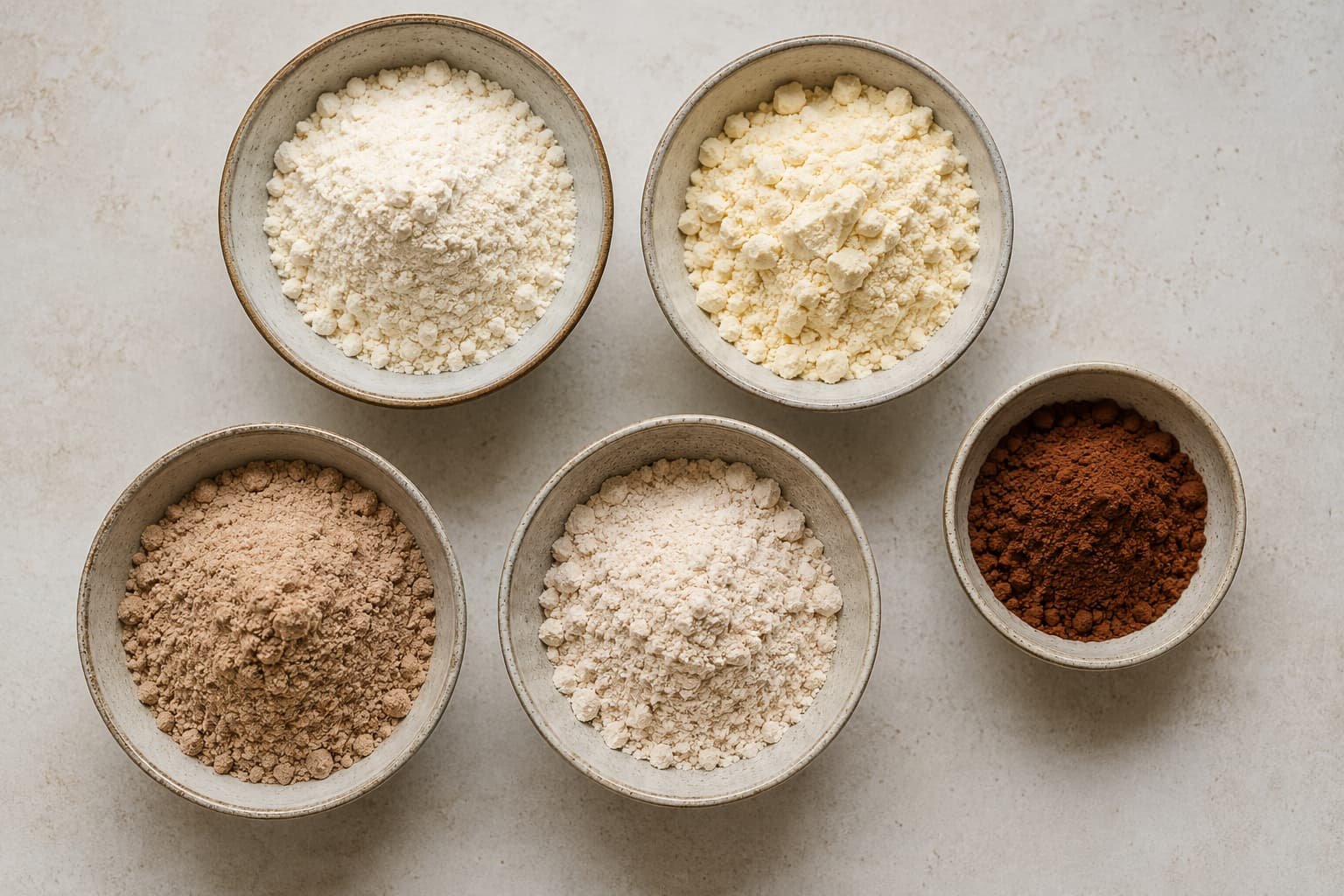
Oat flour works best if you want smoother oat pancakes for one. It blends into the batter more evenly and gives the pancakes a softer bite. You can buy oat flour, but it is also easy to make at home by blending rolled oats until they look fine and powdery.

Rolled oats give the pancakes more texture. Some people like that heartier feel, but the pancakes may not be as smooth. If you use rolled oats without blending them fully, let the batter rest a little longer so the oats have time to soften.

Quick oats can also work, especially if you blend them first. They are smaller and softer than rolled oats, so they mix into the batter more easily. Steel-cut oats are not ideal unless they are finely ground first because they stay firm and can make the pancakes gritty.

For the best small batch pancake recipe, blend rolled oats into oat flour before mixing the batter. This gives you a good balance: the pancakes still taste wholesome, but they cook soft enough to feel close to a classic breakfast pancake.

If you like oatmeal pancakes for one with more texture, you can leave the oats slightly coarse. Just remember that the batter may need a few extra minutes to rest before cooking, and the final pancakes will feel more rustic than fluffy.

Greek Yogurt Pancake Batter Texture

The batter for Greek yogurt pancakes should be thick, soft, and easy to spoon into the pan. It should not pour quickly like a thin crepe batter. A good test is to lift a spoonful of batter and let it fall back into the bowl. It should slowly slide off the spoon, not drip like liquid.

Pancake Batter

Greek yogurt can change the texture depending on the brand you use. Some Greek yogurts are very thick and almost scoopable, while others are smoother and looser. That is why it is better to add milk slowly instead of pouring it all in at once.

After mixing, let the batter rest for a few minutes, then check it again. If it looks too thick to spread at all, stir in 1 tablespoon of milk. If it looks too thin and runs quickly off the spoon, add 1 tablespoon of oat flour and let the batter sit for another minute.

For healthy pancakes for one, this small adjustment matters because the batch is small. A little too much liquid can make the pancakes flat, while too much oat flour can make them heavy. The best texture is thick enough to hold its shape in the skillet but soft enough to spread slightly when spooned down.

A thicker batter also helps create softer pancake centers. When the pancakes cook slowly over medium-low heat, the outside turns golden while the inside stays tender instead of dry.

Healthy Topping Ideas

pancakes

The best toppings for these pancakes are simple, fresh, and balanced. Since the batter already has oats and Greek yogurt, you do not need heavy toppings to make the plate feel complete. Fruit, nuts, seeds, and a small amount of natural sweetness work especially well.

Blueberries are one of the easiest choices because they add sweetness and a little tartness. You can use them fresh, or warm them in a small pan for a minute until they soften. Strawberries also work well, especially when sliced thin and served with a spoonful of Greek yogurt.

Banana slices are a good option when you want the pancakes to taste naturally sweeter. They pair nicely with peanut butter or almond butter, especially when you want a more filling breakfast. Since nut butters are rich, a small spoonful is usually enough.

For extra texture, add chia seeds or chopped walnuts. Chia seeds work well with yogurt and berries, while walnuts add a mild crunch that fits nicely with the oat flavor. If you want a warmer topping, cinnamon apples are a good weekend-style option. Cook thin apple slices with cinnamon and a splash of water until they soften, then spoon them over the pancakes.

For sweetness, keep it light. A small drizzle of honey or maple syrup is usually enough, especially if you are already using fruit. Too much syrup can cover the mild oat and Greek yogurt flavor, so start with a little and add more only if needed.

Topping Best For
Blueberries Light sweetness and color
Strawberries Fresh, bright flavor
Banana slices Natural sweetness
Greek yogurt Creamy topping
Peanut butter More filling breakfast
Almond butter Mild nutty flavor
Chia seeds Extra texture
Walnuts Crunchy topping
Honey Gentle sweetness
Maple syrup Classic pancake flavor
Cinnamon apples Warm weekend topping

For a fuller breakfast, you can serve these pancakes with one of these high-protein smoothie recipes. A smoothie can add more protein, depending on the ingredients you use, and it pairs well with a small serving of oat pancakes.

Healthy Pancake Variations for One

pancake recipe

Once you have the basic recipe, you can change the flavor without making the batter complicated. Since this is a small batch, keep add-ins light. Too much fruit, chocolate, or extra yogurt can make the batter loose and the pancakes harder to flip.

Banana Oat Pancakes for One

For a naturally sweeter version, mash a small piece of ripe banana and stir it into the batter before cooking. About 2 tablespoons of mashed banana is enough for one serving. It adds moisture, gentle sweetness, and a soft banana flavor without needing much extra syrup.

If the banana makes the batter too loose, add a small spoonful of oat flour and let the batter rest for another minute. Banana works well with cinnamon, walnuts, Greek yogurt, or a light drizzle of honey. If you enjoy fruit-based breakfast ideas, this healthy banana breakfast recipe is another simple option to try.

Blueberry Greek Yogurt Pancakes

Blueberries are one of the easiest add-ins for Greek yogurt pancakes. Fresh blueberries work well, and frozen blueberries can also be used if you add them straight from the freezer. Letting frozen berries thaw first can release too much juice into the batter.

Fold a small handful of blueberries into the batter right before cooking. Mix gently so the berries stay whole. If the blueberries are large, use fewer so the pancakes stay easy to flip. These taste especially good with extra Greek yogurt on top and a small drizzle of maple syrup.

Chocolate Chip Pancakes for One

Chocolate chip pancakes can be a nice sweeter version when you want something a little more treat-like. Since this is still a small breakfast, keep the portion light so the pancakes do not become too sweet or heavy.

Mini chocolate chips work best because they spread more evenly through the batter. A teaspoon or two is usually enough for one serving. Serve them warm so the chocolate softens slightly inside the pancakes.

High Protein Pancakes for One

For a more filling version, add extra Greek yogurt on top instead of changing the whole batter. This keeps the pancakes soft while making the plate feel more complete. You can also serve them with berries, chia seeds, walnuts, or a small spoonful of peanut butter.

The protein amount will depend on the Greek yogurt and toppings you use. For the best texture, it is better to build protein through toppings and sides instead of adding too many dry ingredients to the batter. Too much dry mix can make a small batch of pancakes dense. For more simple ideas, these high protein snacks can pair well with breakfast or a post-workout meal.

No Milk Pancakes for One

If you do not have milk, you can still make this recipe. Use water in the same small amount, or thin a little extra Greek yogurt with water before adding it to the batter. Milk gives a softer, richer taste, while water gives a lighter result.

Start with less liquid and add more only if needed. This matters when making pancakes for one because even a small amount of extra liquid can make the batter too thin. The batter should stay thick enough to spoon into the pan.

Gluten-Free Pancakes for One

For gluten-free pancakes, use certified gluten-free oats or certified gluten-free oat flour. Oats are naturally gluten-free, but certified oats are the safer choice if you need the recipe to be gluten-free.

The cooking method stays the same. Let the batter rest for a few minutes, keep the pancakes small, and cook them slowly over medium-low heat. This helps the pancakes hold together and keeps the centers soft.

Can You Make These Pancakes for Two?

Yes, you can turn this into a pancake recipe for 2 by doubling the ingredients. The batter still works well, but you may need a little extra milk depending on how thick your Greek yogurt and oat flour are.

This is a good option when you want pancakes for two without making a full family-size batch. The doubled recipe should make about 4 to 6 small pancakes, depending on how much batter you use for each one.

Ingredient For One For Two
Rolled oats or oat flour 1/3 cup 2/3 cup
Greek yogurt 1/4 cup 1/2 cup
Egg 1 2
Milk 2 to 3 tbsp About 1/4 cup
Baking powder 1/2 tsp 1 tsp
Maple syrup or honey 1 tsp 2 tsp

When making pancakes for 2, mix the batter the same way and let it rest for 3 to 5 minutes before cooking. If the batter thickens too much, add milk slowly, 1 tablespoon at a time. The texture should still be thick, soft, and easy to spoon into the pan.

For small batch pancakes for two, avoid making the pancakes too large. Smaller pancakes cook more evenly and are easier to flip. Use about 2 tablespoons of batter per pancake, or slightly more if you want a thicker stack.

Can You Meal Prep Pancakes for One?

These pancakes taste best fresh from the pan, but you can still store them if you want to make breakfast easier later. Since this is a small batch, you may not have many leftovers, but the pancakes can be saved for the next morning or frozen if you double the recipe.

To refrigerate them, let the pancakes cool completely first. Place them in an airtight container and keep them in the fridge for 1 to 2 days. If you stack them while they are still warm, steam can make them soft or slightly soggy, so cooling them first helps protect the texture.

pancake

For freezing, place a small piece of parchment paper between each pancake so they do not stick together. Then store them in a freezer-safe bag or container. For the best texture, freeze them for up to 1 month. This works especially well if you make the recipe for two and want to save a few pancakes for another morning.

When reheating, keep the heat gentle. A toaster works well if the pancakes are not too thick. A skillet over low heat gives the best texture because it warms the pancakes without making them rubbery. You can also use the microwave, but heat them in 10 to 15 second intervals so they warm through without overcooking.

Store the pancakes plain whenever possible. Wet toppings like yogurt, warm fruit, honey, or syrup can make them soggy if added before storing. It is better to add toppings after reheating.

If you are learning how to make a small batch of pancakes for busy mornings, this recipe is a good place to start. It gives you a fresh breakfast without making a full batch, but it can still fit into a simple breakfast plan. For more make-ahead ideas, you can also check these meal prep breakfasts.

Common Mistakes to Avoid

The most common problem with small batch pancakes is making the batter too thin. Oat and Greek yogurt batter should be thick enough to spoon into the pan. If it spreads too quickly, the pancakes can turn flat, cook unevenly, and become harder to flip.

Another mistake is using heat that is too high. Oat pancakes need time for the center to set. If the pan is too hot, the outside browns before the inside is ready. Medium-low heat works better, even if it takes a little longer.

Do not skip the baking powder. Oats are heavier than all-purpose flour, so the batter needs a little lift. Without baking powder, the pancakes can turn dense and feel heavier than expected.

Resting the batter also matters. Oats absorb moisture as they sit, and this helps the batter thicken before cooking. Even 3 to 5 minutes can make the pancakes easier to shape and flip.

Flipping too early can break the pancakes. Wait until the edges look set and a few small bubbles appear on top. A thin spatula helps because it slides under the pancake without pushing too hard.

Too much oil or butter can also affect the texture. A lightly greased pan is enough. If there is too much fat in the skillet, the edges may fry instead of cooking softly.

One large pancake may sound easier, but it is often harder to cook well. For small batch pancakes, 2 to 3 smaller rounds are usually better. They cook more evenly, flip more cleanly, and stay softer in the center.

What to Serve with Healthy Pancakes for One

These pancakes are filling on their own, but the right side can make the meal feel more balanced. Greek yogurt is one of the easiest choices because it matches the batter and adds a creamy topping without needing much syrup.

A smoothie also works well, especially if you want something quick with fruit. A small smoothie with berries, banana, or yogurt can make the breakfast feel complete without adding a heavy side.

If you want something savory with your pancakes, an egg white omelette is a good match. It adds a light savory side with extra protein and balances the natural sweetness of the pancakes. You can try this healthy egg white omelette if you want another simple breakfast idea.

A fresh fruit bowl is another easy option. Berries, banana slices, apples, or oranges can add color and freshness to the plate. Nuts and seeds also work well when you want extra crunch. Chia seeds, walnuts, almonds, or pumpkin seeds can be sprinkled on top or served on the side.

For a simple morning drink, coffee or tea pairs well with these pancakes. Since the pancakes have a mild oat and Greek yogurt flavor, they work with both a warm drink and fresh fruit without feeling too heavy.

FAQs

Can I make pancakes for one person?

Yes, you can make pancakes for one person with a small batch recipe using oats, Greek yogurt, one egg, and a small amount of milk. This recipe makes about 2 to 3 small pancakes, so you get a fresh breakfast without leftover batter.

How much batter do I need for one pancake?

For one small pancake, use about 2 to 3 tablespoons of batter. This size is easy to flip and cooks evenly. If you want one larger pancake, use about 1/4 cup batter and cook it slowly over medium-low heat so the center has time to set.

Can I make these pancakes without banana?

Yes, this recipe does not need banana. Greek yogurt, egg, oats, and baking powder help create structure and softness without it. Banana can be added for extra sweetness, but it is optional.

Can I use pancake mix instead?

Yes, you can use pancake mix, but this recipe is not based on boxed mix. Pancake mix may give a softer and sweeter result, while this oat and Greek yogurt version has more texture and a more filling bite. For one pancake, start with about 1/4 cup dry pancake mix and add liquid slowly until the batter is thick but pourable.

Are oat Greek yogurt pancakes healthy?

Oat Greek yogurt pancakes can be a healthy breakfast, depending on your toppings and portion needs. They use oats, Greek yogurt, and egg, which makes them more filling than many basic flour-based pancakes, especially when served with fruit, nuts, seeds, or extra yogurt instead of too much syrup.

Can I make this recipe without Greek yogurt?

Yes, but the pancakes may be less thick and slightly lower in protein. You can use regular yogurt, blended cottage cheese, or mashed banana as an alternative. If the batter becomes too thin, add a little oat flour to help it hold together.

Can I make small batch pancakes for two?

Yes, you can double the ingredients to make small batch pancakes for two. The doubled recipe should make about 4 to 6 small pancakes, depending on how much batter you use for each one.

How do I store leftover pancakes?

Let the pancakes cool completely before storing them. Keep them in an airtight container in the fridge for 1 to 2 days, or freeze them with parchment paper between each pancake for up to 1 month. Reheat gently in a toaster, skillet, or microwave.

Why are my oat pancakes falling apart?

Oat pancakes can fall apart if the batter is too wet, the pan is not warm enough, or the pancakes are flipped too early. Let the batter rest for 3 to 5 minutes, keep the pancakes small, and wait until the edges look set before flipping.

Conclusion

Healthy pancakes for one are a simple way to enjoy a warm homemade breakfast without making a large batch. With oats, Greek yogurt, one egg, and a few pantry ingredients, you can make a small stack that feels easy enough for weekdays and satisfying enough for a slow morning.

This recipe works well because it keeps the portion practical and the method easy to follow. The oats make the pancakes more filling, the Greek yogurt helps keep the texture soft, and the small batch size means you can enjoy fresh pancakes without waste.

Once you understand the batter texture, you can adjust the flavor in simple ways. Add blueberries, banana, cinnamon apples, or a spoonful of nut butter when you want something different. Keep the pancakes small, cook them gently, and serve them warm for the best result.

Related Blogs

Scroll to Top