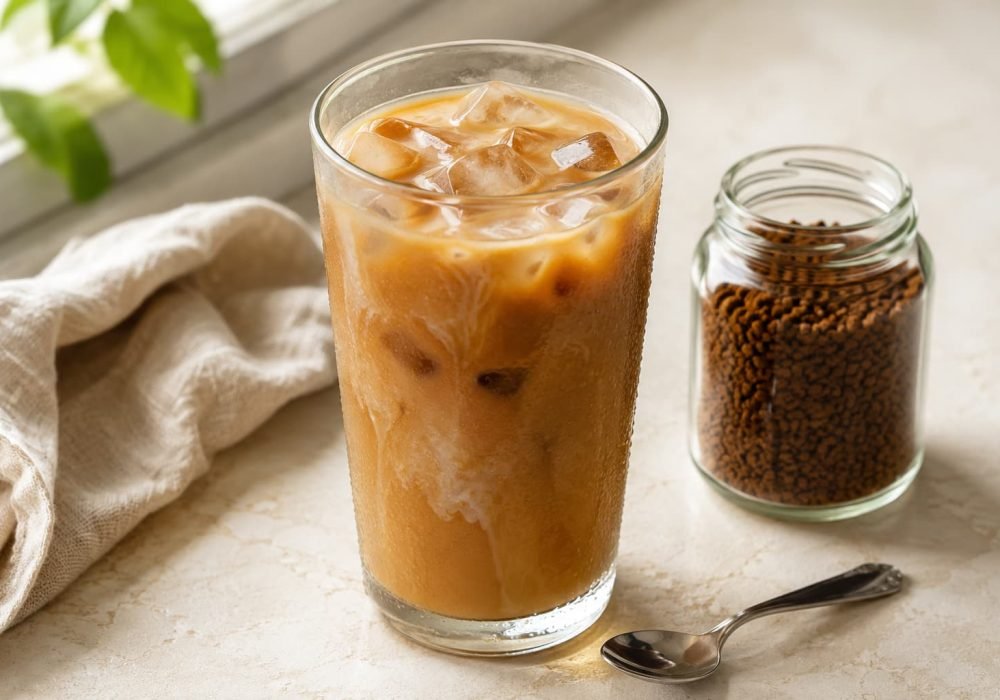
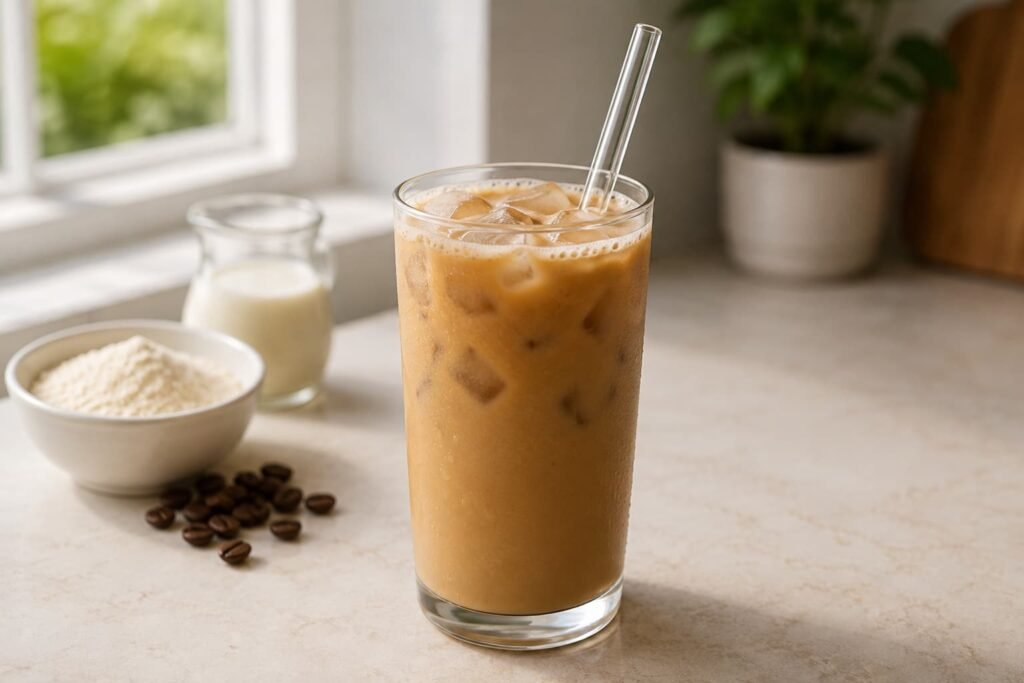
This easy protein iced coffee recipe combines chilled strong coffee, vanilla protein powder, and cold milk in one smooth, refreshing drink. Each serving provides approximately 25 grams of protein when made with protein powder containing 23 grams per serving and milk that adds about 2 grams.
The recipe takes only five minutes and keeps a noticeable coffee flavor without becoming overly thick or chalky. For the smoothest texture, mix the protein powder with the cold milk before adding the coffee and ice. This creates an even protein base and prevents dry powder from forming clumps. You can make the drink in a shaker bottle, mix it with a handheld milk frother, or blend it briefly. Serve it immediately for the best consistency and least separation.
Quick Answer: How Do You Make Protein Iced Coffee?
Mix one serving of protein powder containing about 23 grams of protein with 1/4 cup cold milk until smooth. Add 3/4 cup chilled strong coffee, then shake, froth, or blend briefly. Pour the mixture over one cup of ice and serve immediately. It takes about five minutes and provides approximately 25 grams of protein in one serving.
Protein Iced Coffee at a Glance
This high-protein iced coffee makes one light, creamy drink with a strong coffee flavor. It takes about five minutes to prepare and delivers approximately 25 grams of protein when made with the ingredient quantities listed below.
| Detail | Recipe Information |
| Preparation time | About 5 minutes |
| Yield | 1 serving |
| Protein | Approximately 25 grams |
| Coffee base | 3/4 cup chilled strong coffee |
| Protein source | 30 grams vanilla protein powder and 1/4 cup 2% milk |
| Mixing tools | Shaker bottle, handheld frother, or blender |
| Best texture | Smooth and lightly creamy when freshly mixed |
| Main flavor | Bold coffee with mild vanilla creaminess |
For the smoothest result, mix 30 grams of vanilla protein powder with 1/4 cup of cold milk before adding the coffee. Continue mixing until no dry pockets remain, then gradually add 3/4 cup of fully chilled strong coffee.
Shake the mixture in a sealed shaker bottle, froth it in a tall glass, or blend it briefly until smooth. Pour it over fresh ice and serve immediately. Mixing the protein powder with milk first helps prevent clumps and keeps the finished drink from becoming chalky or overly thick.
Protein and Nutrition Note
The estimated 25-gram protein total assumes that the protein powder provides about 23 grams of protein per 30-gram serving and that 1/4 cup of 2% dairy milk contributes about 2 additional grams.
Protein powders and milk products vary by brand. Check both nutrition labels and adjust the protein powder quantity when necessary. Any change to the powder, milk, serving size, or optional sweetener will also affect the estimated calories, carbohydrates, sugar, and fat.
What Is Protein Iced Coffee?
Protein iced coffee is chilled coffee combined with a protein source, usually protein powder or a prepared protein shake. It is served over ice and has a thinner, more drinkable consistency than a blended coffee smoothie.
Ordinary iced coffee contains brewed coffee, ice, and optional milk or sweetener. Adding protein powder changes the drink’s texture, sweetness, and nutritional value. It can also weaken the coffee flavor if the brew is too mild, which is why this recipe uses fully chilled, strong coffee.
The finished drink should remain smooth and pourable, with the coffee flavor still noticeable. It should not feel as thick as a traditional protein shake or leave dry powder at the bottom of the glass.
What Is Proffee?
“Proffee” is an informal term created by combining the words protein and coffee. A basic proffee recipe may use protein powder, a bottled protein shake, or another protein-rich liquid mixed with hot or cold coffee.
This proffee recipe is served cold and is designed to taste primarily like iced coffee. The vanilla protein powder adds mild sweetness and creaminess without turning the drink into a thick smoothie.
Protein Iced Coffee vs. a Coffee Protein Shake
Although both drinks combine coffee and protein, their texture, ingredients, and preparation methods are different.
| Protein Iced Coffee | Coffee Protein Shake |
| Light, smooth, and pourable | Thick, blended consistency |
| Coffee remains the main flavor | Fruit or protein powder may be more noticeable |
| Mixed first, then poured over ice | Commonly blended directly with ice |
| Usually made with coffee, protein powder, and milk | May include banana, yogurt, oats, or nut butter |
| Quick to prepare with a shaker, frother, or blender | Usually requires a full-size or personal blender |
Choose protein iced coffee when you want a refreshing drink with a clear coffee flavor. A coffee protein shake is a better fit when you want a thicker blended drink containing additional ingredients.
Why This Protein Coffee Recipe Works
This protein coffee recipe uses measured ingredients and a deliberate mixing order to create a smooth drink with a strong coffee flavor. It also provides several preparation options, so a blender is not required.
It Provides About 25 Grams of Protein
One serving is designed to provide approximately 25 grams of protein. The calculation assumes that 30 grams of vanilla protein powder supplies about 23 grams of protein and that 1/4 cup of 2% milk adds close to 2 grams.
Protein content varies by brand, so check both nutrition labels before calculating the final total. Using a different powder, milk, or serving size may change the amount of protein in the finished drink.
Strong Chilled Coffee Prevents a Weak Flavor
The recipe uses 3/4 cup of fully chilled strong coffee. A bold coffee base helps the flavor remain noticeable after the milk, protein powder, and melting ice are added.
Allow the coffee to cool completely before mixing. Some protein powders can become foamy, uneven, or difficult to mix when combined with warm liquid.
Mixing the Protein Base First Reduces Clumps
Dry protein powder does not always dissolve evenly when added directly to a glass filled with coffee and ice. It may float on top, stick to the sides, or collect at the bottom.
To avoid this problem, mix 30 grams of vanilla protein powder with 1/4 cup of cold milk until no visible dry pockets remain. Gradually adding the chilled coffee to this smooth base produces a more even consistency and reduces chalkiness.
It Can Be Mixed Three Different Ways
A sealed shaker bottle provides the quickest no-blender method. A handheld milk frother works well in a tall glass or measuring cup, while a blender is useful for protein powders that produce a thicker mixture.
Mix only until the drink becomes smooth. Blending for too long can introduce excessive air and create a large layer of foam instead of a lightly creamy iced coffee.
How This Recipe Reaches 25g of Protein
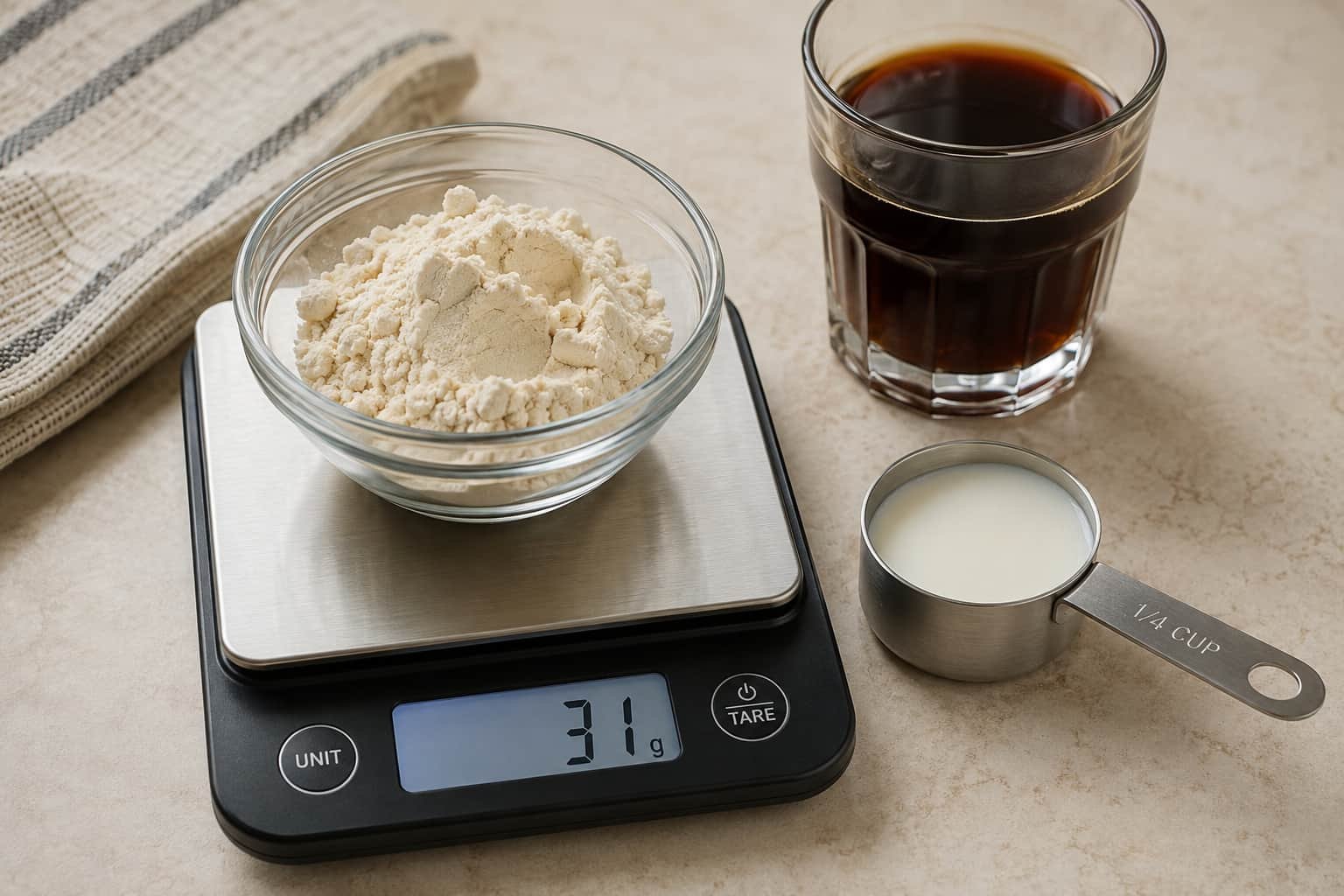
Most of the protein in this iced coffee comes from the vanilla protein powder. A small amount comes from the 2% milk, allowing the drink to reach approximately 25 grams of protein without using an excessive amount of powder.
The calculation below assumes that a 30-gram serving of protein powder provides about 23 grams of protein. The exact value must be confirmed on the product label.
| Ingredient | Amount Used | Estimated Protein |
| Vanilla protein powder | 30 grams | About 23 grams |
| 2% dairy milk | 1/4 cup | About 2 grams |
| Chilled strong coffee | 3/4 cup | Negligible |
| Estimated total | 1 serving | Approximately 25 grams |
Protein powders are not identical. One 30-gram serving may provide 20 grams of protein, while another may provide 24 grams or more. Milk also varies, although 1/4 cup of dairy milk generally contributes only a small part of the final total.
Use the serving weight and protein value printed on your protein powder label when calculating the recipe nutrition. If the powder provides less than 23 grams per 30-gram serving, the finished drink may contain less than 25 grams unless the quantity is adjusted.
The nutrition figure should be presented as an estimate. Product labels, measuring differences, and ingredient substitutions can slightly change the result, so “approximately 25 grams of protein” is more accurate than claiming an exact laboratory-tested value.
Ingredients You Will Need
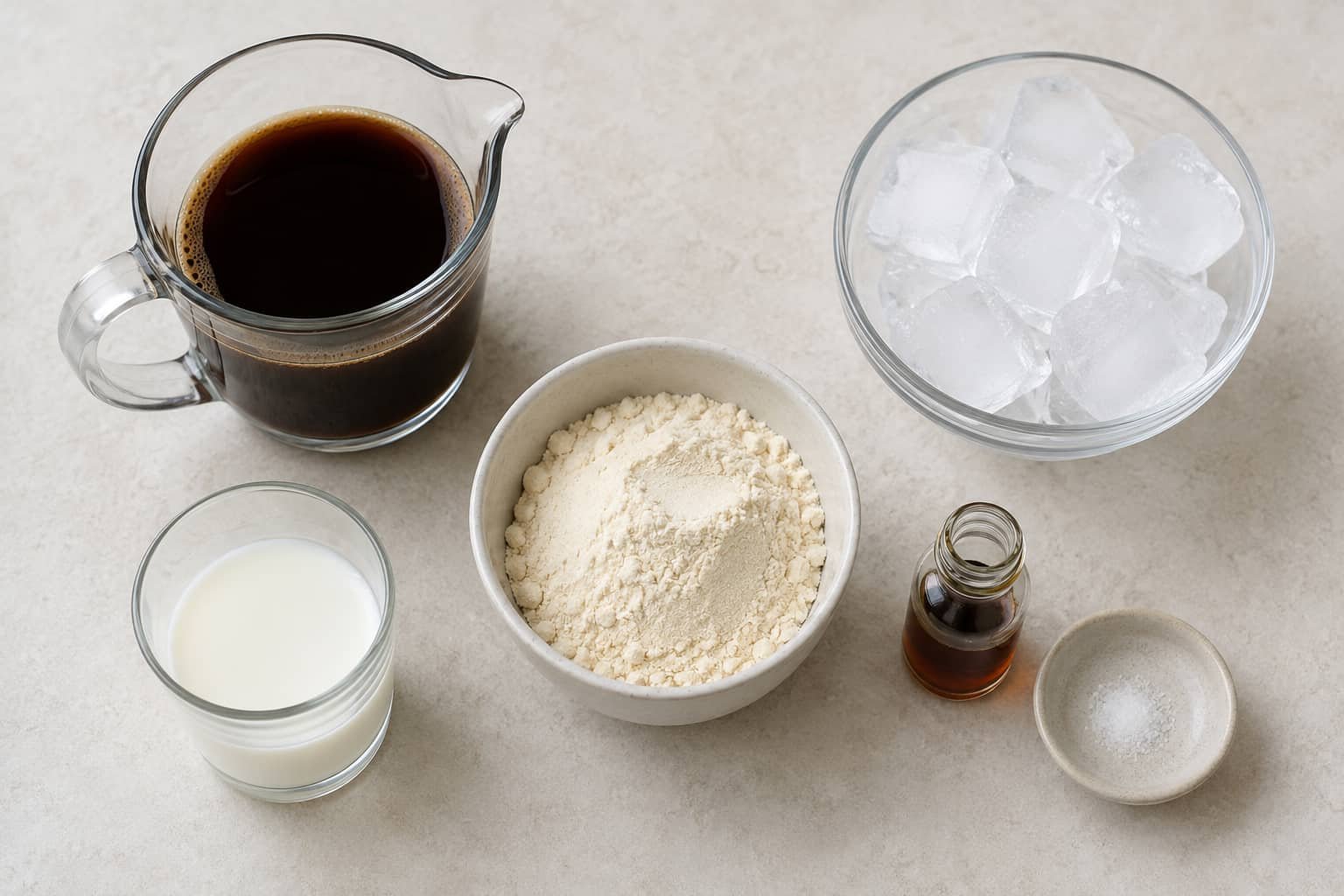
This protein iced coffee recipe uses only a few ingredients, but their temperature, quantity, and type affect the final flavor and texture. Measure each ingredient rather than adding it directly to the glass by eye.
Chilled Strong Coffee
Use 3/4 cup of fully chilled strong coffee. It should taste slightly bolder than the coffee you normally drink because the milk, protein powder, and melting ice will soften its flavor.
Cool the coffee completely before mixing. Adding warm coffee to certain protein powders can create excessive foam, small clumps, or an uneven texture.
Regular or decaffeinated coffee can be used without changing the recipe method. The caffeine level will depend on the coffee beans, brewing method, and serving strength.
Vanilla Protein Powder
Use 30 grams of vanilla protein powder that provides about 23 grams of protein according to its label. Vanilla is a reliable starting flavor because it adds light sweetness and creaminess while allowing the coffee to remain noticeable.
Unflavored protein powder can also be used, although the drink may need additional vanilla or sweetener. Chocolate protein powder works better for a mocha protein coffee variation.
For the most consistent result, weigh the powder in grams. Protein scoops differ in size, and the amount inside a loosely or tightly filled scoop may vary.
Cold Milk
Use 1/4 cup of cold 2% dairy milk for the main recipe. It adds light creaminess and contributes approximately 2 grams of protein, depending on the product.
Cold water can be used for a lighter variation, but it will not add meaningful protein. When water replaces the milk, the drink may provide closer to 23 grams unless the protein powder amount is adjusted.
Plant-based milks also work, but they can change the texture and nutrition. Soy milk usually contains more protein than almond, oat, or coconut milk. Sweetened varieties may also increase the sugar and sweetness of the finished drink, so check the label before calculating the final nutrition.
Ice
Use about 1 cup of large fresh ice cubes. Measuring the ice helps control dilution, especially because this recipe contains only 1 cup of liquid before the ice is added.
Both the coffee and milk should already be cold. The ice should keep the drink chilled rather than cool down warm ingredients, which would cause it to melt more quickly.
Large cubes generally dilute the coffee more slowly than crushed ice. Pour the drink over the ice immediately before serving for the strongest coffee flavor and smoothest consistency.
Optional Vanilla, Sweetener, and Salt
Vanilla extract, sweetener, and salt are optional because many vanilla protein powders are already flavored and sweetened. Taste the fully mixed drink before adding them.
For a stronger vanilla flavor, add up to 1/4 teaspoon of vanilla extract. If the coffee still tastes too bitter, add a small measured amount of maple syrup, simple syrup, or your preferred sweetener.
A tiny pinch of salt can soften harsh bitterness and balance the vanilla and coffee flavors. Add it carefully because the finished drink should not taste salty.
Which Protein Powder Is Best for Iced Coffee?
No single protein powder is best for every iced coffee recipe. The right choice depends on the texture you prefer, the flavor of the powder, and whether you need a dairy-free option.
For this recipe, vanilla whey isolate is a practical starting point because it usually creates a lighter, more coffee-forward drink. However, ingredients such as gums, sweeteners, flavorings, and protein blends vary by brand, so two powders of the same type may mix differently.
| Protein Type | Typical Texture | Common Mixing Behavior | Best Use |
| Whey isolate | Light and smooth | Often mixes easily in cold liquid | Coffee-forward iced coffee |
| Whey concentrate | Creamier and fuller | May create extra foam when shaken | Latte-style protein coffee |
| Casein blend | Thick and creamy | May continue thickening after mixing | Drink with slightly more cold liquid |
| Pea-based blend | Thick with an earthy flavor | May require stronger mixing | Dairy-free coffee made with a blender |
| Mixed plant protein | Varies by brand | Texture and solubility differ widely | Dairy-free protein iced coffee |
These are general tendencies rather than fixed rules. Some whey powders foam heavily, while certain plant-based products remain smooth in a shaker bottle.
Choose a powder that tastes pleasant before it is added to coffee. Strong coffee can balance sweetness or mild earthy notes, but it will not completely hide an unpleasant aftertaste.
When using a casein or thick plant-based blend, begin with the recipe quantities and add cold water one tablespoon at a time only if the drink becomes too thick. Adding water preserves the protein calculation better than adding extra milk, which would change the nutrition values.
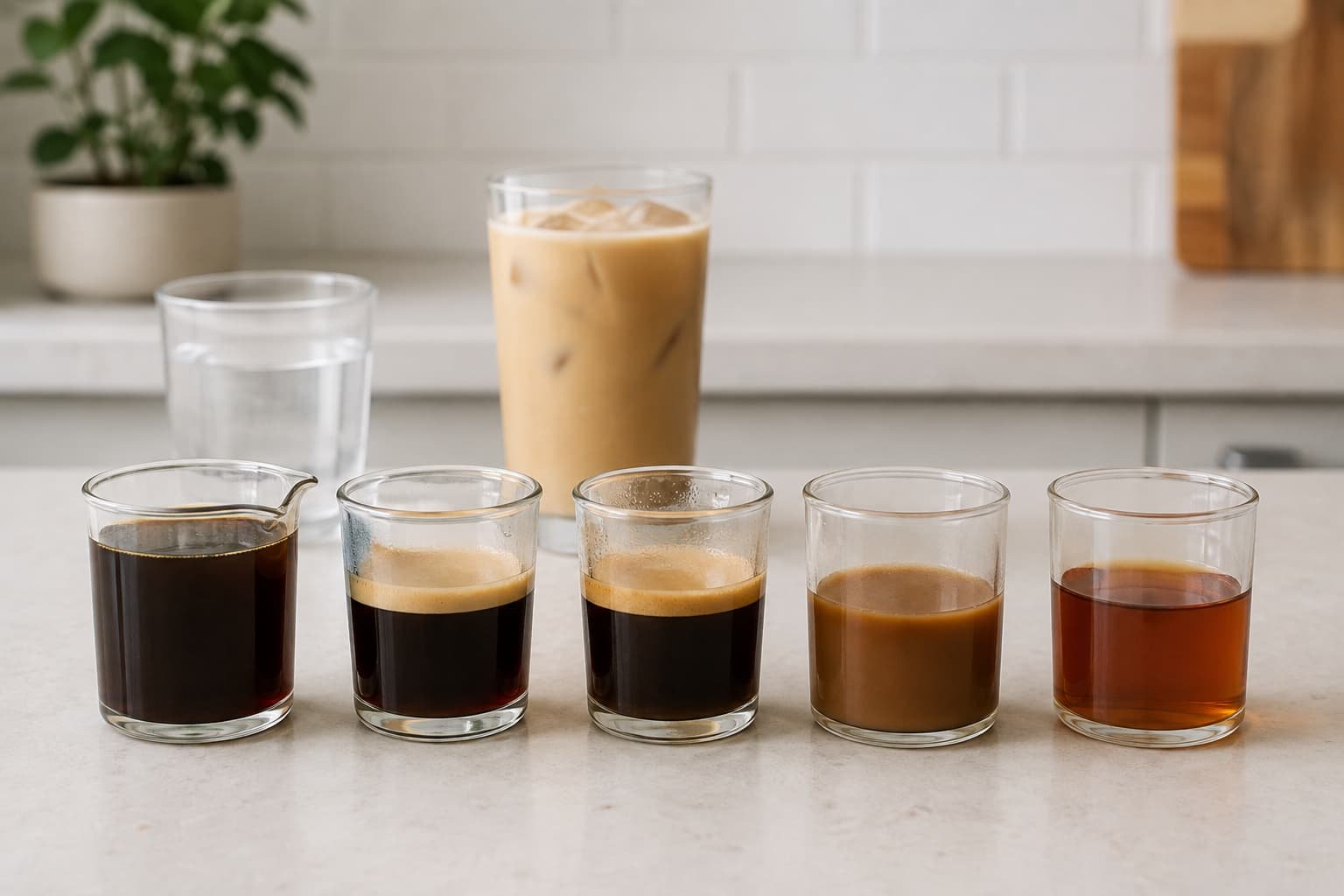
Best Coffee Base for Protein Iced Coffee
Chilled brewed coffee is the simplest and most balanced base for the main recipe. It provides enough volume for a smooth, pourable drink while keeping the coffee flavor noticeable after the milk, protein powder, and ice are added.
Espresso, cold brew, instant coffee, and decaf also work, but each option should provide approximately 3/4 cup of prepared coffee liquid before it is combined with the protein base.
| Coffee Base | Flavor | Preparation | Amount for This Recipe |
| Chilled brewed coffee | Balanced and familiar | Brew slightly stronger than usual and cool completely | 3/4 cup |
| Espresso | Bold and café-style | Cool 2 espresso shots, then add cold water | 3/4 cup total |
| Diluted cold brew | Smooth and concentrated | Dilute the concentrate to drinking strength | 3/4 cup |
| Instant coffee | Fast and adjustable | Dissolve in water and chill completely | 3/4 cup |
| Decaf coffee | Familiar flavor with less caffeine | Brew and cool using the same method | 3/4 cup |
For the main version, use 3/4 cup of fully chilled brewed coffee that tastes slightly stronger than you would normally drink. The protein powder, milk, and melting ice will soften the flavor.
For an espresso variation, use two cooled espresso shots and add enough cold water to reach 3/4 cup. Water is preferable to extra milk here because it maintains the intended liquid volume without changing the protein and calorie calculation.
Prepared cold brew should be diluted to normal drinking strength before measuring. Undiluted concentrate may make the finished drink overly intense. For the complete brewing and dilution method, see the cold brew concentrate recipe.
Instant coffee is useful when brewed coffee is not ready. Prepare it slightly stronger than usual, chill it fully, and measure 3/4 cup. Detailed coffee ratios are available in the iced coffee with instant coffee guide.
Decaffeinated coffee follows the same method as regular coffee. It provides a similar coffee flavor with less caffeine, although the exact caffeine amount still varies by product and brewing method.
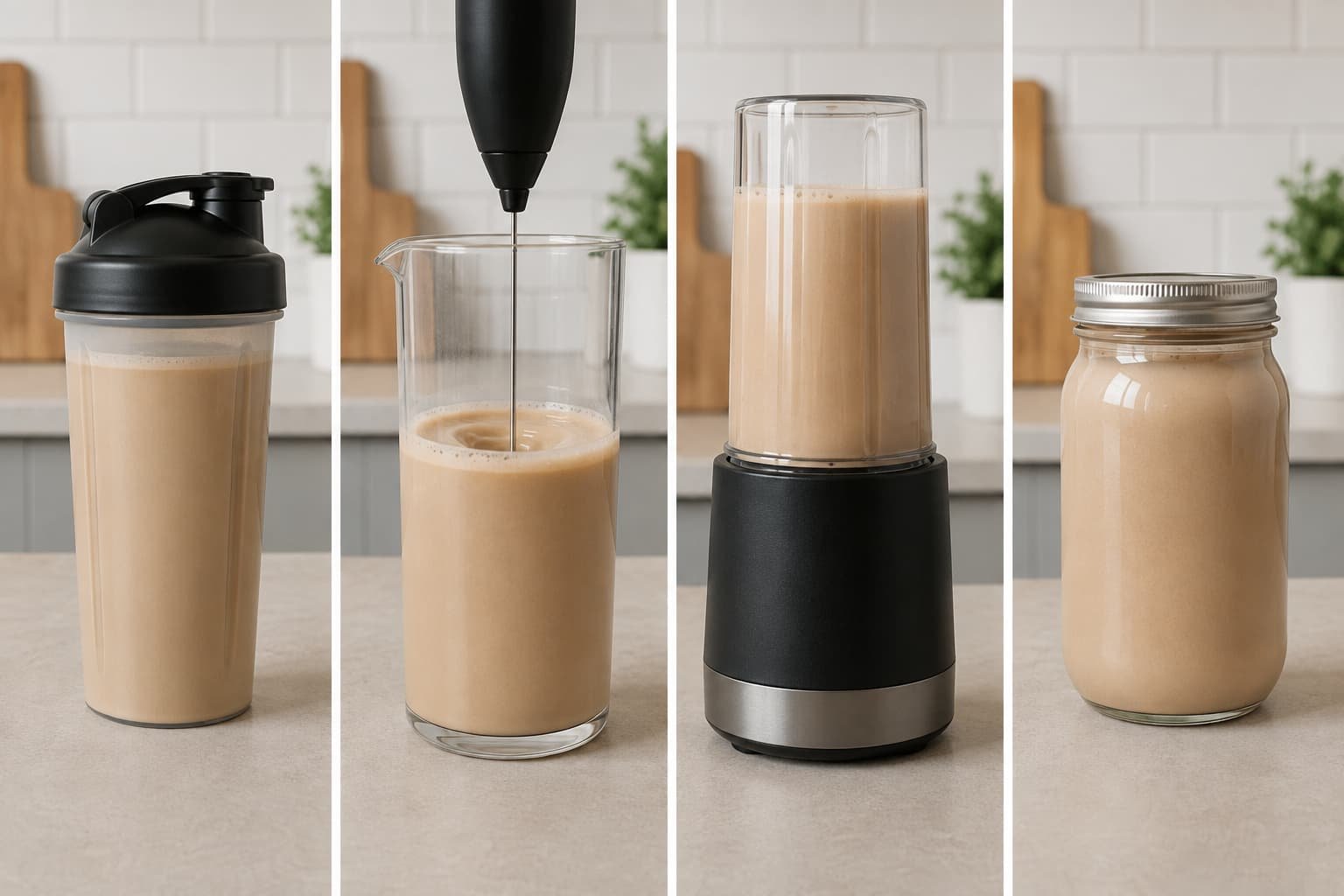
Equipment Options for Making Protein Iced Coffee
You do not need an espresso machine or other special coffee equipment for this protein iced coffee recipe. Choose a shaker bottle for speed, a handheld frother for light foam, a blender for thicker powders, or a mason jar when no shaker is available.
| Equipment | Best For | Expected Texture |
| Shaker bottle | Quick, no-blender preparation | Smooth and lightly foamy |
| Handheld milk frother | One serving with controlled foam | Light and creamy |
| Blender | Thick or difficult-to-mix powders | Very smooth and frothier |
| Sealed mason jar | Simple shaker-bottle alternative | Smooth with moderate foam |
Shaker Bottle
A shaker bottle is a convenient choice when you want to make protein iced coffee without a blender. Bottles with a wire ball or internal screen may help break apart dry powder, but an ordinary leakproof shaker can also work.
Add the cold milk and protein powder, leaving enough empty space for the mixture to move. Seal the bottle and shake until no dry pockets remain. Add the chilled coffee and shake briefly again, stopping once the drink is smooth.
This method produces a pourable drink with a small amount of foam. Check that both the lid and drinking cap are securely closed before shaking.
Handheld Milk Frother
A handheld milk frother is useful for preparing one serving with a light, creamy finish. Use a tall glass or measuring jug with enough empty space to prevent the liquid from splashing over the sides.
Combine the cold milk with the protein powder, adding the powder gradually if necessary. Keep the frother head below the liquid surface and mix until smooth. Pour in the chilled coffee and froth briefly to combine.
Stop mixing once the drink is even. Holding the frother near the surface for too long can create more foam than the recipe needs.
Blender
A blender works well for casein blends, plant-based powders, or products that remain grainy after shaking. It is also the best option when you prefer a smoother, more café-style layer of foam.
Add the cold milk, protein powder, and chilled coffee without the serving ice. Blend for about five seconds, check the texture, and blend again only if dry powder remains.
Pour the finished mixture over fresh ice. Blending the ice with the other ingredients will produce a thicker coffee protein shake instead of a light, pourable iced coffee.
Sealed Mason Jar
A mason jar with a secure lid is a practical backup when you do not have a shaker bottle. Use a jar larger than the finished drink so at least one-third of it remains empty.
Shake the cold milk and protein powder first, then add the chilled coffee and shake briefly again. The result may contain slightly more foam than a gently mixed drink, but it should remain smooth and pourable.
Inspect the jar for cracks and make sure the lid seals properly. Only use cold ingredients when shaking coffee in a closed bottle or glass jar.
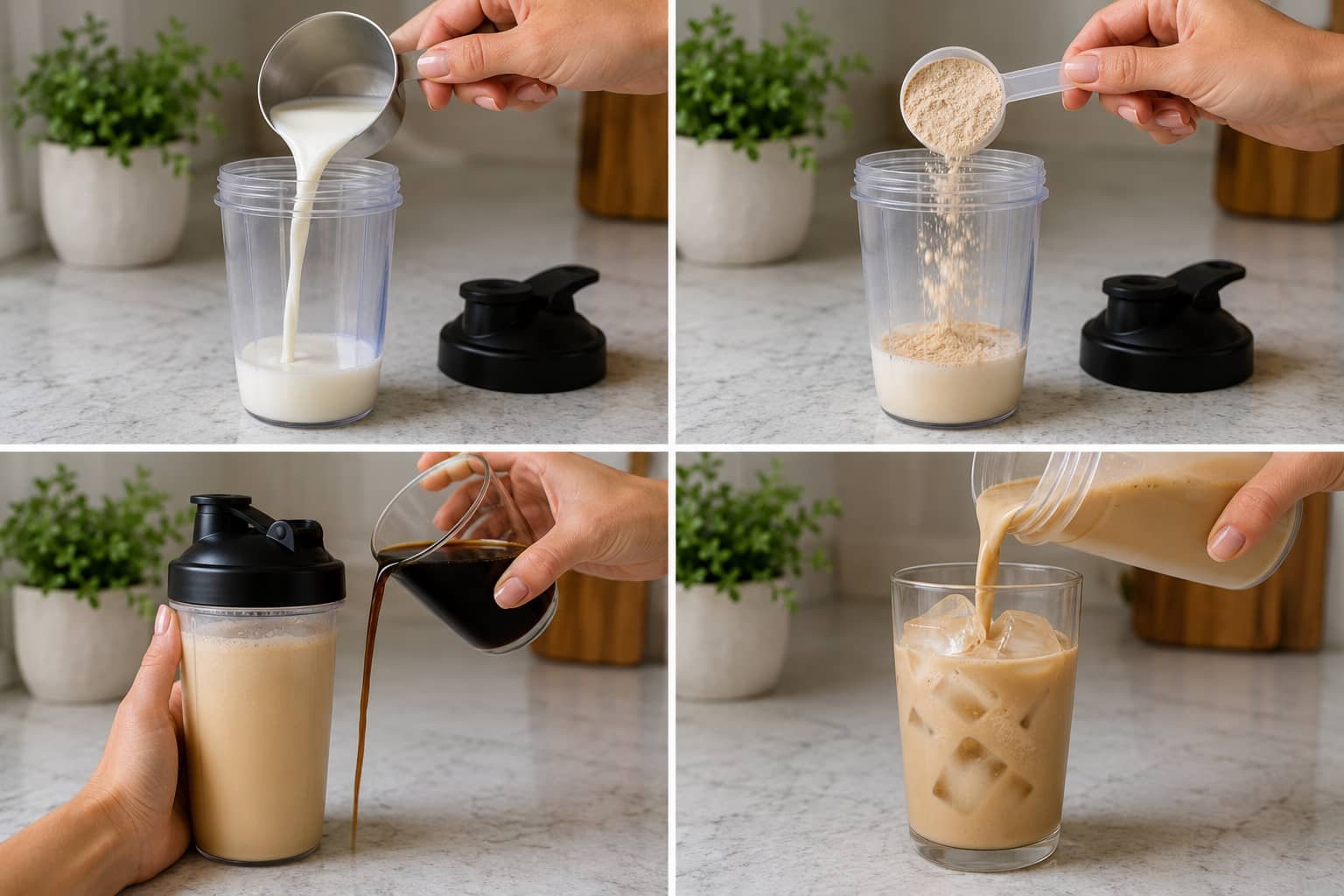
How to Make Protein Iced Coffee
This protein iced coffee takes about five minutes of active preparation once the coffee is fully chilled. For the smoothest result, mix the protein powder with the milk first, then add the coffee. This simple order prevents dry clumps and keeps the finished drink light and pourable.
Step 1. Prepare and Chill the Coffee
Measure 3/4 cup of strong brewed coffee and chill it completely before making the drink. It should taste slightly stronger than you would normally drink because the milk, protein powder, and melting ice will soften the flavor.
For faster preparation in the morning, brew the coffee in advance and refrigerate it in a covered container. Do not pour warm coffee over the ice, as it will melt the cubes quickly and dilute the drink.
Step 2. Mix the Protein Base
Add 1/4 cup of cold 2% milk and 30 grams of vanilla protein powder to a shaker bottle. Seal the bottle and shake for about 10 seconds, or until the mixture is smooth and no visible dry powder remains.
The protein base will look thicker than the finished coffee. This is normal. Do not add dry protein powder directly to a glass filled with coffee and ice because it can stick to the cubes and form stubborn clumps.
Step 3. Add the Chilled Coffee
Pour the chilled coffee into the shaker bottle. Seal it again and shake briefly, just until the milk, coffee, and protein mixture are evenly combined.
When using a handheld frother, add the coffee gradually while mixing in a tall container. When using a blender, blend the mixture for about five seconds and stop as soon as it becomes smooth. Mixing for too long can create an unnecessarily thick layer of foam.
Step 4. Pour Over Fresh Ice
Place about 1 cup of large ice cubes in a serving glass, then pour the mixed protein coffee over the top. Large cubes melt more slowly than crushed ice and help preserve the coffee flavor.
Serve the drink immediately for the smoothest consistency. If it stands for several minutes, stir it briefly before drinking.
Step 5. Taste and Adjust
Taste the finished drink before adding vanilla, syrup, or another sweetener.
If it tastes too sweet, mix in 1 tablespoon of chilled strong coffee. Add a second tablespoon only if needed.
If the coffee flavor is too weak, add 1 tablespoon of chilled espresso or extra-strong coffee. Use a stronger coffee base the next time instead of adding more protein powder.
If the drink is too thick, stir in 1 tablespoon of cold water or chilled coffee. Continue with small additions until the consistency is smooth and easy to pour.
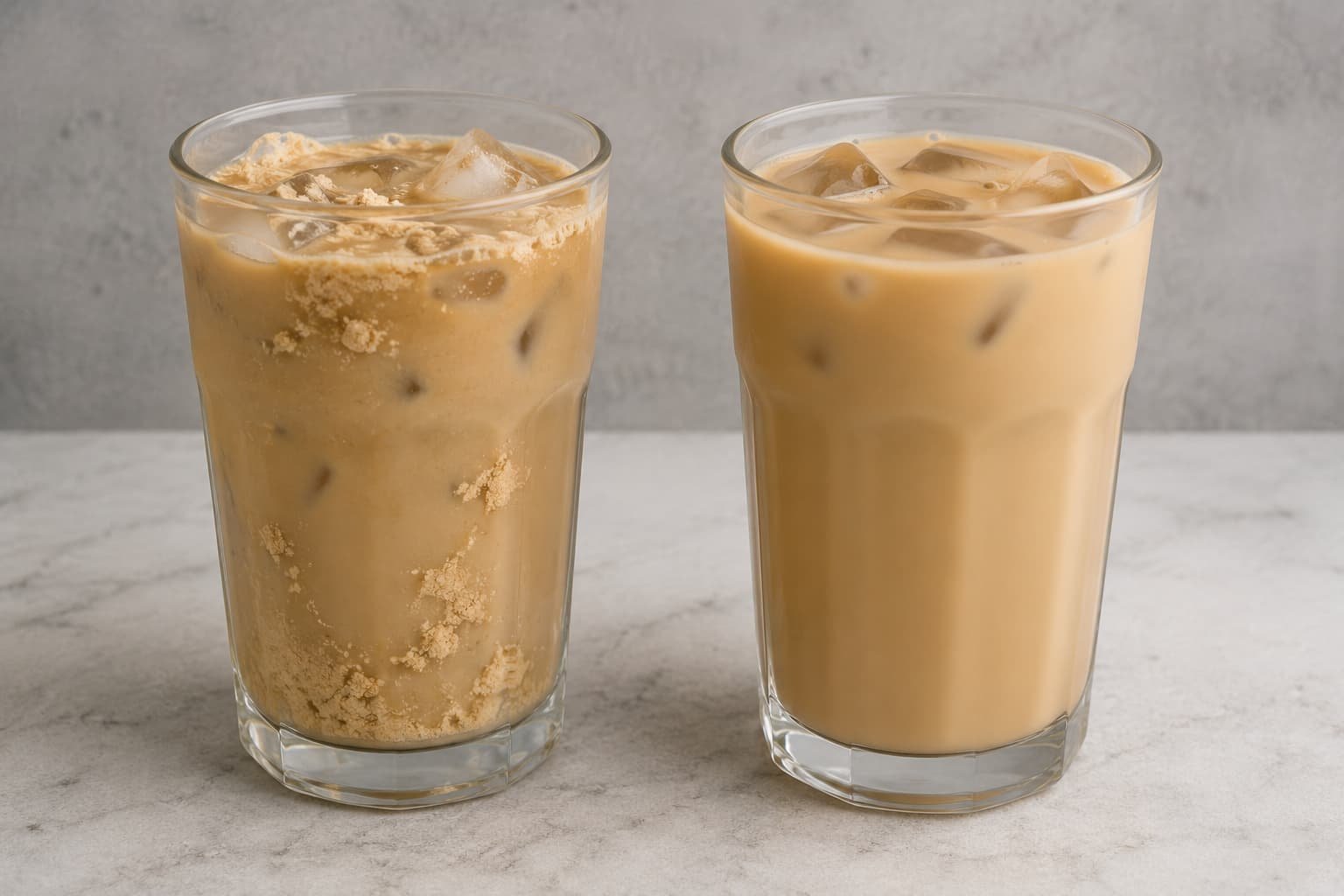
How to Prevent Protein Powder from Clumping in Coffee
Protein powder often clumps when it is added too quickly or poured directly onto coffee and ice. The outside of the powder becomes wet while dry particles remain trapped inside, leaving small lumps that are difficult to remove. The powder type, liquid temperature, and mixing method can also affect the final texture.
For this recipe, the most reliable approach is to make a smooth protein base before adding the chilled coffee.
Start With a Smooth Protein Base
Pour 1/4 cup of cold 2% milk into a shaker bottle, blender, or tall mixing glass. Add 30 grams of vanilla protein powder and mix until no visible dry pockets remain.
Adding the liquid first helps prevent powder from sticking to the bottom and corners of the container. The mixture will be thicker than the finished drink, but it should look smooth rather than dry or grainy.
Cold milk works well because it keeps the mixture easy to control. Some powders can become excessively foamy or uneven when mixed directly with warm coffee.
Add the Chilled Coffee Before the Ice
Once the protein base is smooth, add 3/4 cup of chilled strong coffee. Shake, froth, or blend only until the mixture is evenly combined.
A handheld frother works best when the coffee is added gradually. With a shaker bottle or blender, the full coffee portion can be added before a final brief mix.
Do not add dry protein powder to a glass already filled with coffee and ice. It can stick to the wet cubes, float on the surface, or collect at the bottom in chalky clumps. Mix the drink completely first, then pour it over about 1 cup of fresh ice.
Adjust the Consistency for Your Protein Powder
Protein powders vary widely by brand and formulation. Whey isolate often produces a lighter drink, while casein and some plant-based blends may absorb more liquid and continue thickening after mixing.
If the coffee is too thick, add 1 tablespoon of cold water or chilled coffee. Mix again and add another tablespoon only when necessary. Small adjustments make it easier to correct the texture without weakening the coffee flavor too much.
Avoid adding extra dry powder to the finished drink. It is unlikely to dissolve evenly once the coffee and ice are already combined.
Serve the protein iced coffee soon after mixing. If it begins to separate or thicken while standing, stir or shake it briefly before drinking.
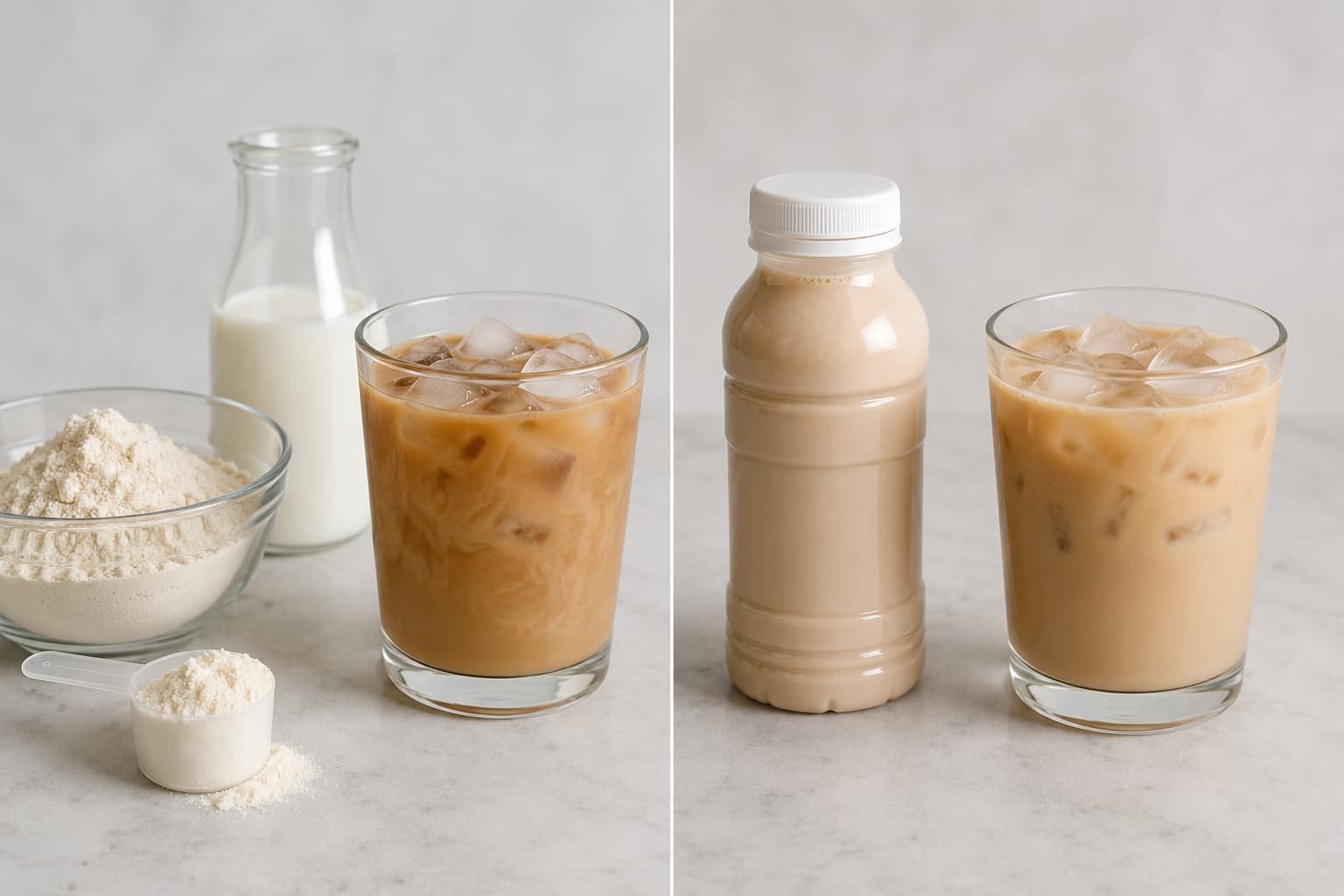
Protein Powder vs. a Ready-to-CC
Both protein powder and bottled protein shakes can be combined with coffee, but they produce different results. Protein powder offers greater control over the liquid, sweetness, coffee strength, and final protein total. A prepared shake is more convenient, but its volume and flavor are already fixed.
| Factor | Protein Powder | Ready-to-Drink Protein Shake |
| Protein control | Can be measured using the serving weight and label | Fixed by the amount listed on the bottle |
| Sweetness | Easier to adjust after mixing | Often already flavored and sweetened |
| Coffee strength | Easier to balance with measured coffee and milk | A large shake portion may weaken the coffee flavor |
| Convenience | Requires measuring and mixing | Requires little preparation |
| Texture | Depends on the powder and mixing method | Commonly smooth and consistent |
| Cost per drink | Often lower, depending on the product | May cost more because each serving is packaged separately |
Why This Recipe Uses Protein Powder
Protein powder is the main method used throughout this recipe because it allows the ingredients to remain consistent. The powder can be weighed in grams, the milk and coffee can be measured separately, and the protein calculation can be shown clearly.
Using 30 grams of vanilla protein powder that supplies about 23 grams of protein, along with 1/4 cup of 2% milk, brings the finished drink close to the target of approximately 25 grams of protein.
The exact result still depends on the nutrition labels of the products used.
Using a Prepared Protein Shake as a Variation
A ready-to-drink protein shake is useful when convenience matters more than precise control. It is already mixed and usually has a smooth texture, but it may be sweeter and more strongly flavored than the powder-based version.
Because shake bottles vary in size, sweetness, and protein content, they should not be substituted directly for both the powder and milk while keeping the rest of the recipe unchanged. Doing so may produce a larger drink with weaker coffee flavor and different nutrition.
When testing this variation, use the bottle label to calculate the protein, calories, sugar, and serving size. Add the chilled coffee gradually until the drink reaches a balanced coffee flavor and a smooth, pourable consistency.
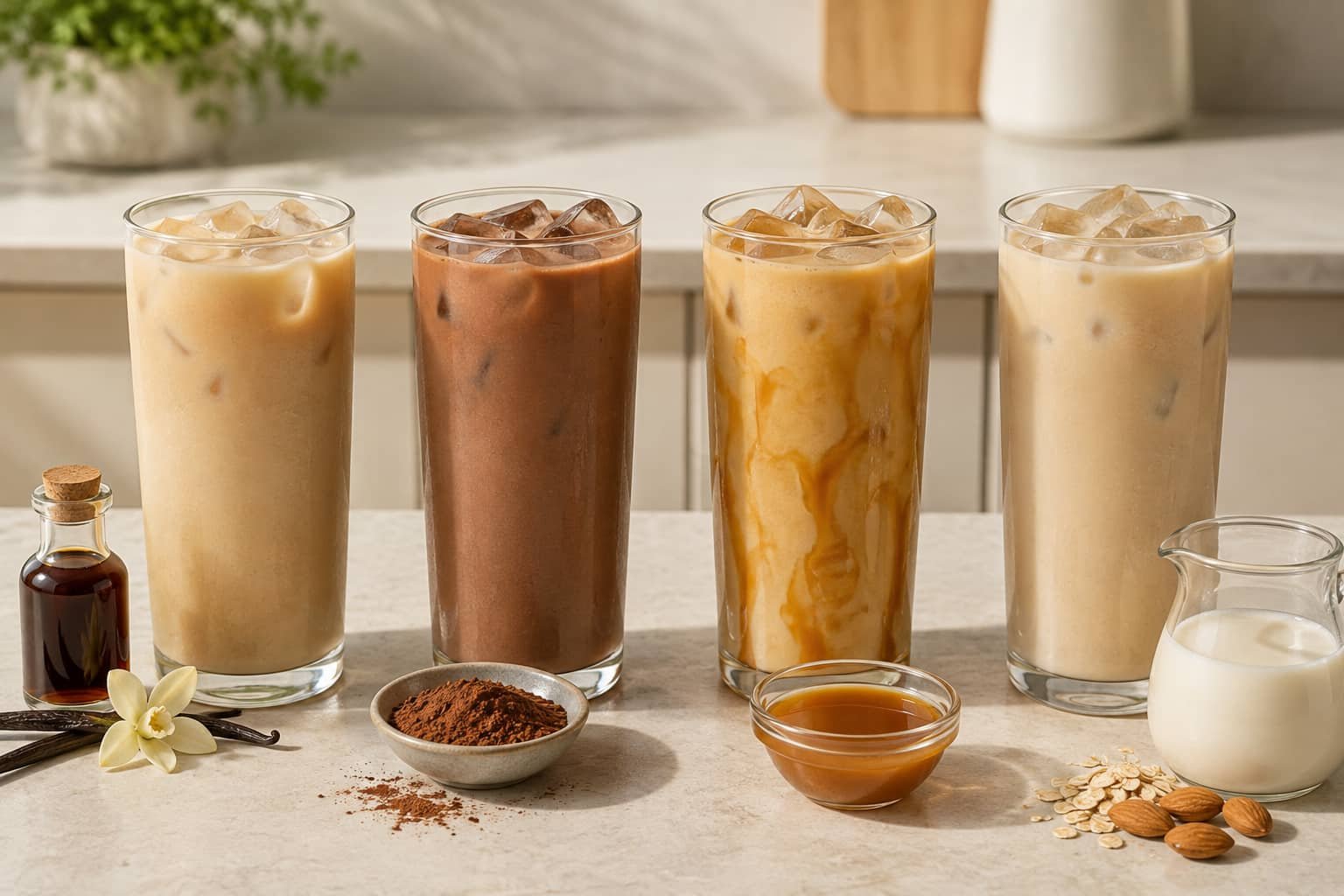
Protein Iced Coffee Variations
The base recipe uses 30 grams of vanilla protein powder, 1/4 cup of cold 2% milk, and 3/4 cup of chilled strong coffee. These variations change the flavor or coffee base while keeping the finished drink light, smooth, and pourable.
Add flavorings in small amounts and taste before adding more. Cocoa, syrup, and flavored protein powders can quickly overpower the coffee or make the drink too sweet.
Extra Vanilla Protein Coffee
The base recipe already has a mild vanilla flavor from the protein powder. For a stronger vanilla aroma, add up to 1/4 teaspoon of vanilla extract to the cold milk before mixing in the powder.
Taste the finished drink before adding sweetener. Many vanilla protein powders are already sweetened, so extra syrup may not be necessary.
Mocha Protein Coffee
For a simple mocha protein coffee recipe, mix 1 teaspoon of unsweetened cocoa powder with the cold milk and vanilla protein powder. Continue mixing until both powders are fully combined before adding the chilled coffee.
One teaspoon gives the drink a noticeable chocolate flavor without making it overly dry or bitter. If the mocha tastes too intense, add 1 tablespoon of chilled coffee or cold water and mix again.
Chocolate protein powder can replace vanilla powder, but its sweetness and cocoa strength will vary by brand. Avoid adding extra cocoa until you have tasted the completed drink.
Caramel Protein Iced Coffee
Add 1 teaspoon of caramel syrup to the smooth protein base before adding the coffee. This amount provides a light caramel flavor while allowing the coffee to remain noticeable.
A sugar-free caramel syrup can be used in the same quantity, although sweetness and aftertaste differ between products. Taste the drink before adding more because both the syrup and protein powder may already contain sweeteners.
Dairy-Free Protein Coffee
Replace the dairy milk with 1/4 cup of cold plant-based milk and use a dairy-free protein powder. Choose products that taste pleasant on their own because coffee will not completely hide a strong earthy flavor or artificial aftertaste.
The final texture will depend on the specific powder and milk. Some plant-based combinations remain smooth, while others become thicker or slightly grainy. If needed, add chilled coffee or cold water 1 tablespoon at a time until the drink becomes pourable.
Protein and calorie values may differ from the dairy version. Calculate the nutrition from the exact powder and plant-based milk used.
Decaf Protein Coffee
Replace the regular coffee with 3/4 cup of fully chilled decaffeinated coffee. Use the same protein powder, milk, mixing order, and ice quantity as the main recipe.
Decaf provides a similar coffee flavor with less caffeine, but it is not always completely caffeine-free. The amount will vary according to the coffee product and preparation method.
Protein Coffee with Instant Coffee
Prepare 3/4 cup of slightly strong instant coffee, then chill it completely before adding it to the smooth protein base. Pour the finished drink over fresh ice.
For detailed ratios and preparation guidance, see this iced coffee with instant coffee recipe.
Cold Brew Protein Coffee
Use 3/4 cup of prepared cold brew that has already been diluted to normal drinking strength. Measure the diluted coffee, not the undiluted concentrate.
Mix it with the protein base and pour it over fresh ice. For the complete steeping, filtering, and dilution method, see this cold brew concentrate recipe.
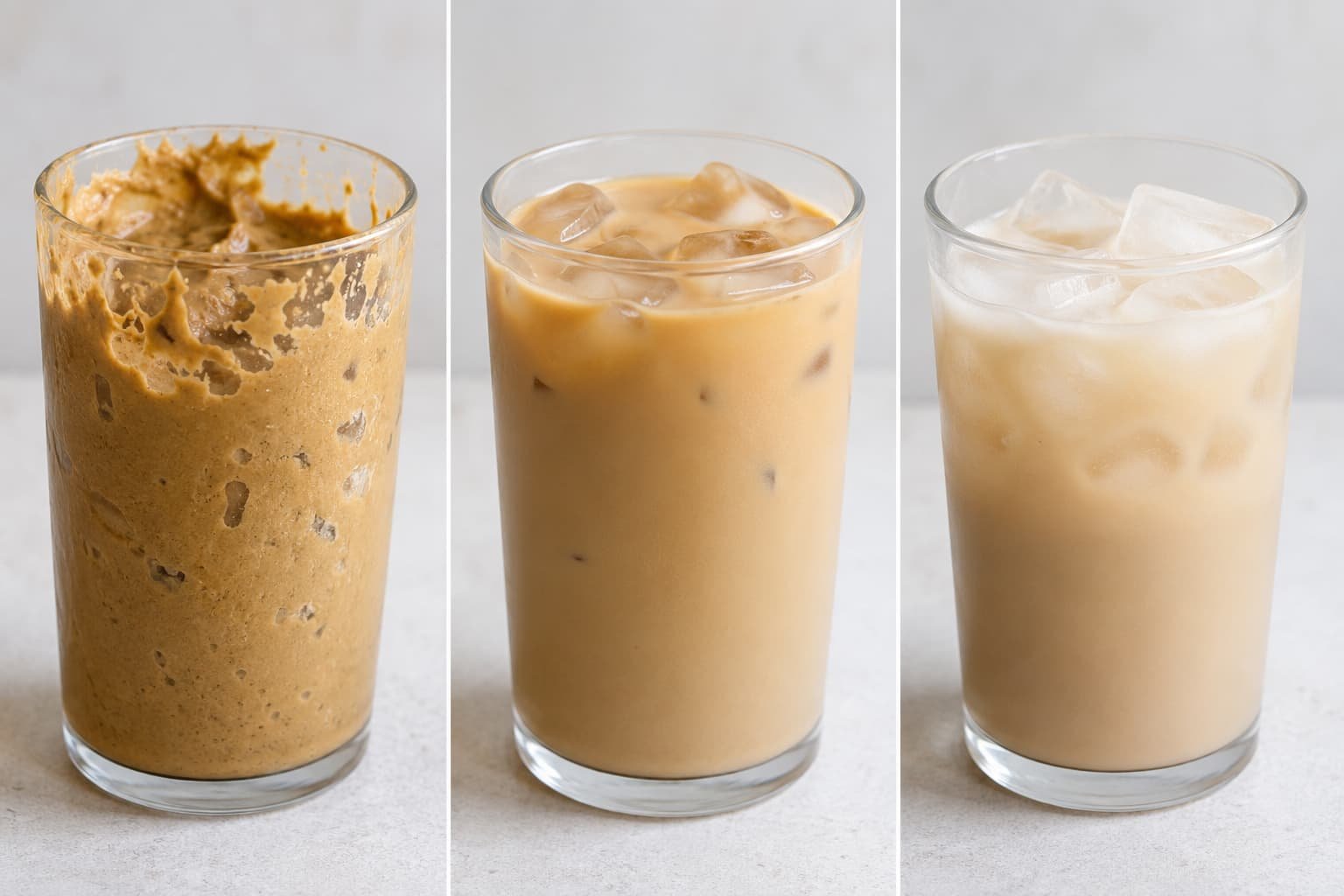
Troubleshooting Protein Iced Coffee
Protein powders vary in sweetness, thickness, foam, and mixing behavior. Use the table below to correct one problem at a time rather than adding several ingredients at once.
| Problem | Likely Cause | Practical Fix |
| Powder forms clumps | Powder was added too quickly, added directly to ice, or not mixed with enough cold liquid | Make a smooth protein base with the milk before adding the coffee |
| Texture tastes chalky | The powder needs more liquid or has a naturally dry texture | Add 1 tablespoon of chilled coffee or cold water and mix again |
| Drink is too thick | The powder absorbs more liquid, which is common with some casein and plant-based blends | Add chilled coffee or cold water 1 tablespoon at a time |
| Drink is too thin | Too much liquid was added or the ice melted quickly | Add 1 tablespoon of extra-strong chilled coffee and use colder ingredients next time |
| Coffee flavor is weak | The coffee base was too mild | Add 1 tablespoon of cooled espresso or use stronger coffee in the next batch |
| Drink is too sweet | The protein powder and flavoring both contain sweetener | Add 1 tablespoon of chilled strong coffee and leave out optional syrup next time |
| Too much foam forms | The mixture was overblended or the powder naturally foams | Let the drink stand briefly, then stir gently rather than blending again |
| Drink separates while standing | The powder naturally settles or the drink has been standing too long | Stir or shake briefly before drinking |
| Flavor is too bitter | The coffee, cocoa, or unsweetened powder is too intense | Add 1 tablespoon of milk or 1/2 teaspoon of sweetener, then taste again |
Make small adjustments and taste after each one. Large changes can weaken the coffee flavor, alter the nutrition, or turn the drink into a thicker protein shake.
Nutrition and Caffeine Notes
One serving of this protein iced coffee provides approximately 25 grams of protein when made with 30 grams of vanilla protein powder containing about 23 grams of protein and 1/4 cup of 2% milk contributing close to 2 grams.
The exact calories, carbohydrates, fat, and sugar depend on the protein powder and milk selected. These values should be calculated from the nutrition labels of the products used rather than estimated from a different brand.
| Nutrition Detail | Amount per Serving |
| Protein | Approximately 25 grams |
| Calories | Calculate from the exact protein powder and milk |
| Carbohydrates | Varies by powder, milk, and optional flavorings |
| Fat | Varies by protein powder and milk |
| Sugar | Varies by sweeteners, milk, and flavored powder |
| Caffeine | Varies according to the coffee base and preparation method |
This nutrition information assumes that no caramel syrup, maple syrup, or other sweetener has been added. Flavored protein powders and sweetened milk can also increase the calorie, carbohydrate, and sugar totals.
The caffeine amount cannot be represented by one number for every version of the recipe. Brewed coffee, espresso, instant coffee, cold brew, and decaffeinated coffee may contain different amounts depending on the beans, concentration, serving size, and preparation method.
Use the caffeine information provided by the coffee manufacturer when available. The final recipe card should calculate nutrition from the exact coffee, protein powder, milk, and optional flavorings used.
Make-Ahead and Storage
Protein iced coffee has the smoothest texture and strongest coffee flavor when it is served immediately after mixing. To reduce morning preparation time, brew the strong coffee ahead and refrigerate it in a clean, covered container.
Do not add ice until you are ready to serve the drink. Ice will melt during storage, dilute the coffee, and weaken its flavor.
The coffee, milk, and protein powder can be mixed in advance and kept covered in the refrigerator for a short period before serving. Some protein powders may thicken, settle, or separate while standing, so shake or stir the mixture thoroughly before pouring it over fresh ice.
Keep the drink refrigerated and follow the storage guidance for the milk or other perishable liquid used. For the best quality, prepare only the amount you expect to drink soon rather than storing a large batch.
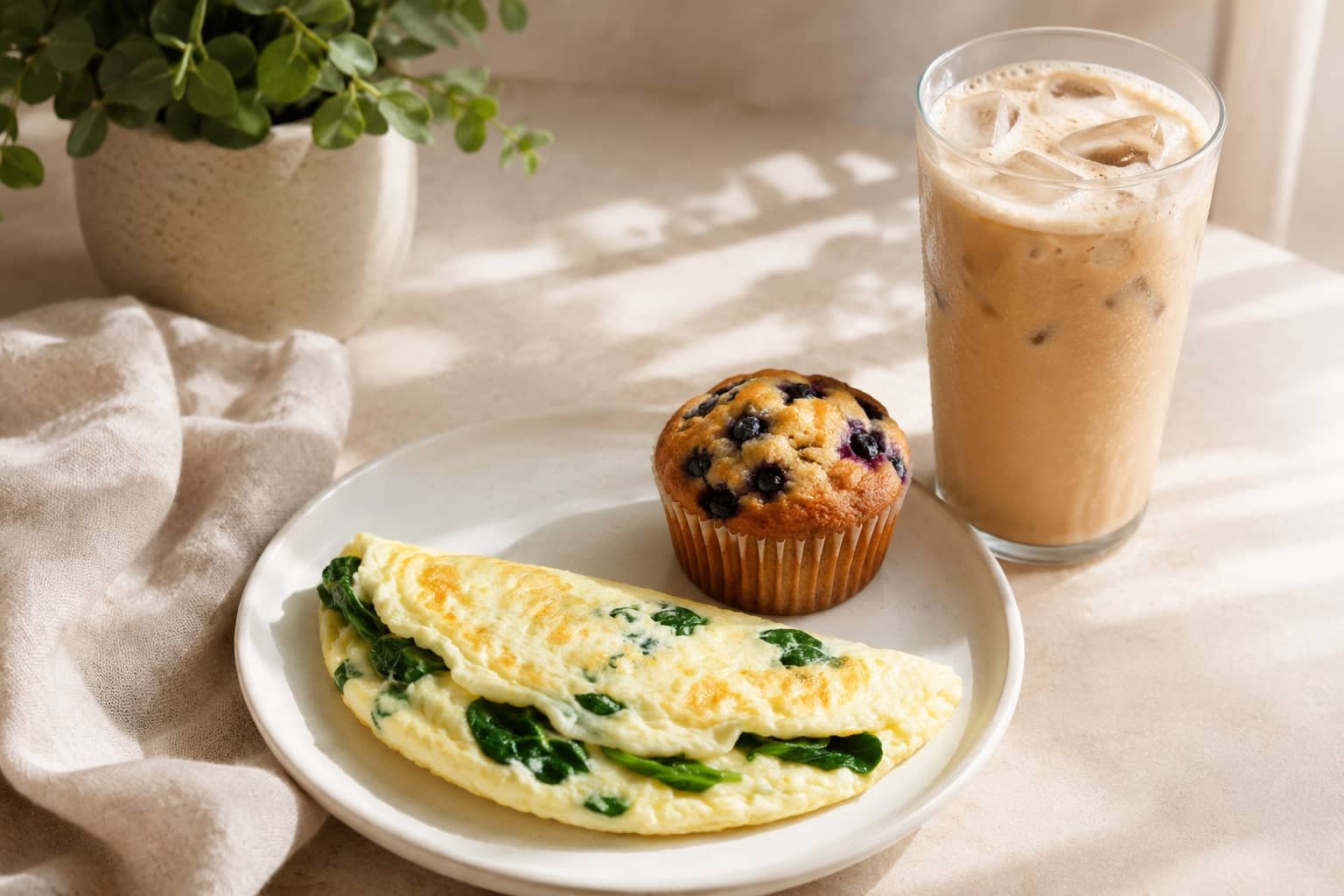
What to Serve with Protein Iced Coffee
Pair protein iced coffee with a simple food that makes breakfast more complete without covering its coffee flavor. A fluffy egg-white omelette or high-protein spinach egg bake works well for a savory meal. For a make-ahead option, explore these meal-prep breakfast recipes, or serve the drink with healthy banana blueberry muffins for a lightly sweet pairing.
Frequently Asked Questions
Can You Put Protein Powder in Iced Coffee?
Yes. For a smooth texture, mix the protein powder with a small amount of cold milk or water before adding the coffee. Once no dry pockets remain, mix in the chilled coffee and pour the finished drink over ice.
Adding dry powder directly to coffee and ice can leave clumps around the cubes or at the bottom of the glass.
Can I Make Protein Coffee Without a Blender?
Yes. A shaker bottle is a convenient no-blender option. Mix the cold milk and protein powder first, then add the chilled coffee and shake briefly again.
A sealed mason jar works in a similar way. You can also use a handheld milk frother in a tall container, keeping the frother below the surface to reduce splashing and excess foam.
Can I Use a Bottled Protein Shake?
Yes, but a bottled shake is a variation rather than a direct replacement for the protein powder and milk in the main recipe. Ready-to-drink shakes vary in volume, sweetness, flavor, and protein content.
Combine a measured amount with chilled coffee and adjust the balance to taste. Use the bottle label when calculating protein, calories, sugar, and serving size.
Can I Make Protein Iced Coffee with Instant Coffee?
Yes. Prepare 3/4 cup of slightly strong instant coffee and chill it completely before mixing it with the smooth protein base.
For detailed coffee-to-water ratios, follow this iced coffee with instant coffee recipe.
Can I Use Cold Brew?
Yes. Use 3/4 cup of prepared cold brew that has already been diluted according to the concentrate recipe. Measure the ready-to-drink coffee rather than undiluted concentrate.
For the complete steeping and dilution method, see this cold brew concentrate recipe.
Can I Make This Protein Coffee Dairy-Free?
Yes. Use both a dairy-free protein powder and plant-based milk. Check the protein powder label carefully because whey and casein are dairy-derived ingredients.
The texture and protein total may differ from the original recipe. If the mixture is too thick, add chilled coffee or cold water 1 tablespoon at a time until it becomes smooth and pourable.
Can Protein Coffee Replace Breakfast?
Protein coffee can be part of breakfast, but it is not automatically a complete meal. This recipe provides approximately 25 grams of protein, while the amounts of calories, fiber, carbohydrates, and fat depend on the products used.
Whether it is enough on its own depends on individual needs and appetite. Many readers may prefer to serve it with eggs, oats, fruit, or a muffin for a more substantial breakfast.