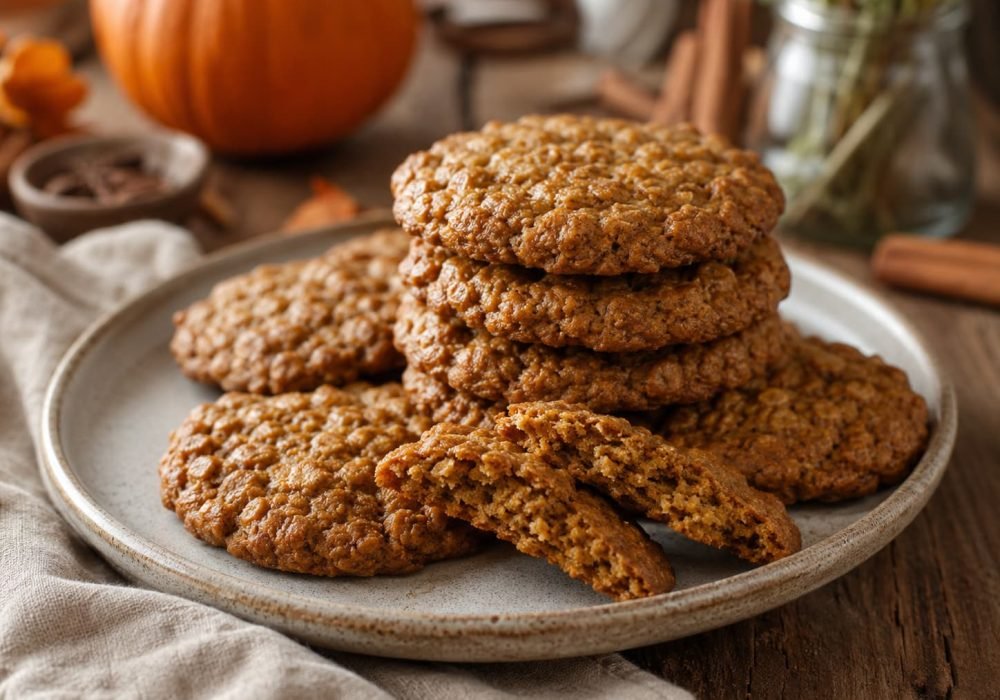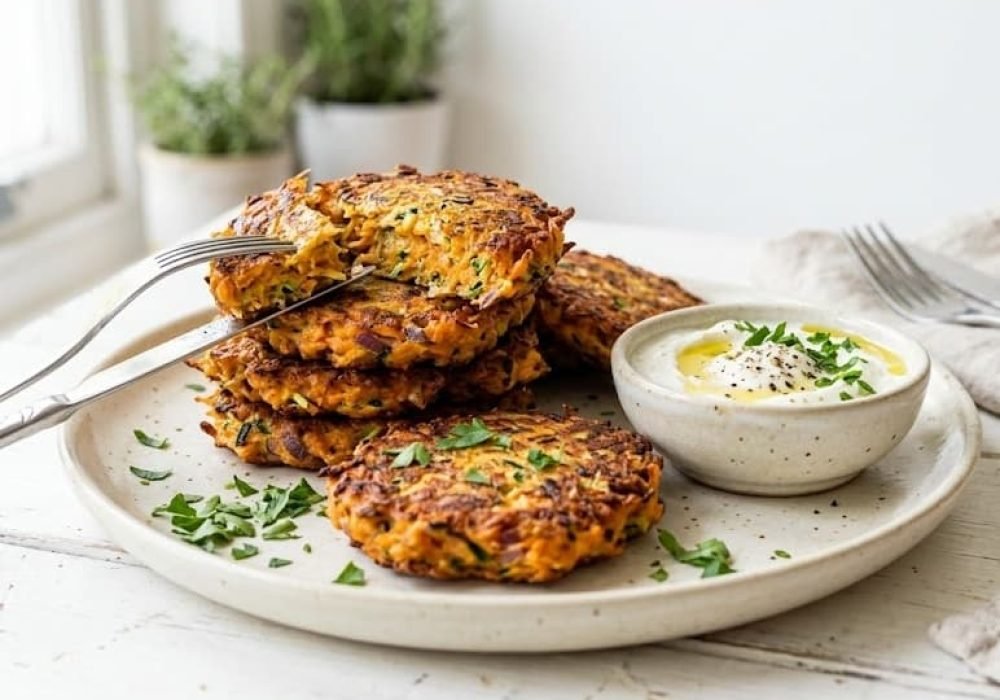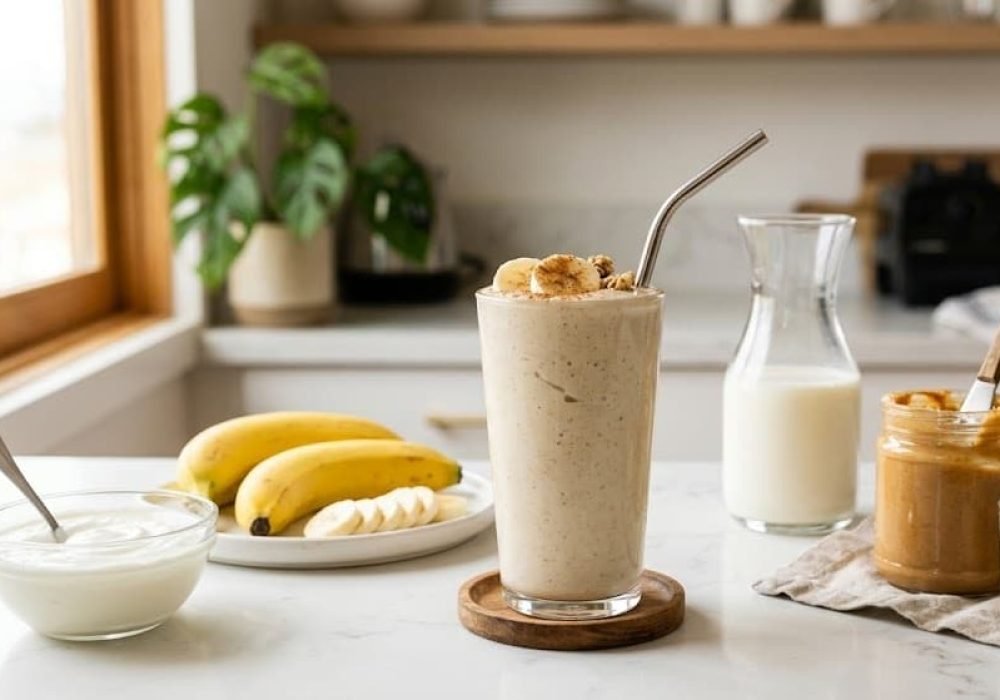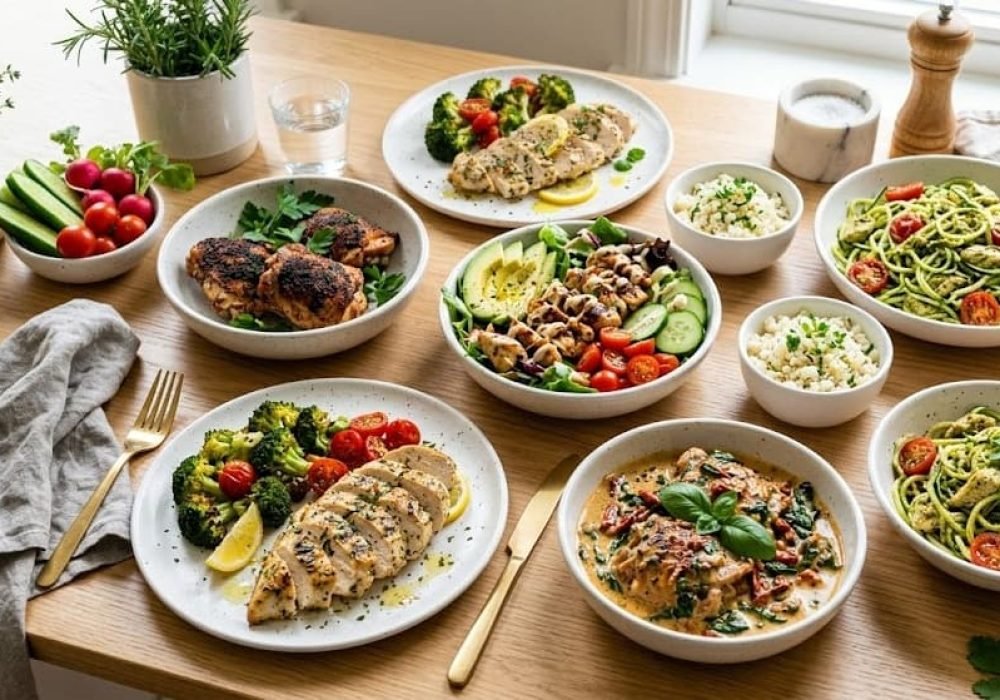
Most busy weeks do not fall apart at dinner. They usually start with a rushed breakfast, a packed workday, and the familiar question of what to eat when there is no time to cook. Quick meals can help in the moment, but many of them are either low in protein, low in fiber, or not filling enough to carry you through the day.
These high protein high fiber meal prep ideas are made for real weekdays, not perfect kitchen routines. They use simple ingredients like chicken, eggs, Greek yogurt, beans, lentils, oats, quinoa, vegetables, and seeds. The goal is to help you prepare meals that are easy to pack, reheat, or grab from the fridge when life gets busy.
You will find ideas for breakfast, lunch, dinner, and snacks, with a focus on meals that feel balanced, satisfying, and realistic for the week ahead. For more make-ahead morning options, you can also explore these meal prep breakfasts.
Quick Answer
The best high protein high fiber meal prep ideas combine a protein source, a fiber-rich carb, vegetables or fruit, and a simple sauce or healthy fat. Good options include chicken quinoa bowls, lentil soup, tuna chickpea salad, Greek yogurt oats, tofu stir fry bowls, turkey taco bowls, and black bean burrito bowls.
What Makes a Meal High in Protein and Fiber?
A good high protein high fiber meal does not need special ingredients or complicated cooking. It usually works best when it has four simple parts: protein, fiber-rich carbs, vegetables or fruit, and something flavorful to bring the meal together.
Protein can come from chicken, turkey, eggs, tuna, salmon, Greek yogurt, cottage cheese, tofu, lentils, beans, or edamame. For most meal prep portions, around 20 to 35 grams of protein per serving is a helpful target. This does not mean every meal needs protein powder. Whole foods can give you plenty of protein when the meal is planned properly.
Fiber usually comes from plant-based foods. Beans, lentils, chickpeas, oats, quinoa, brown rice, berries, vegetables, chia seeds, flaxseed, sweet potatoes, and whole grain wraps are all useful choices. A meal with 6 grams or more fiber per serving is a strong starting point for a filling meal prep recipe.
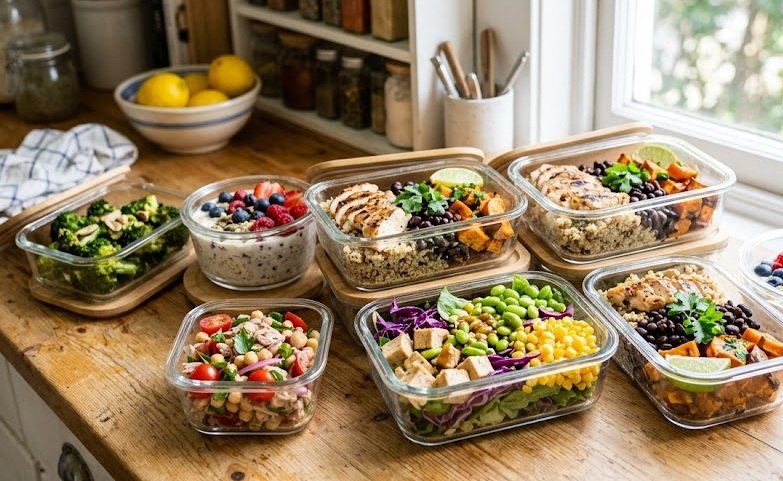
The easiest way to build a balanced meal prep box is to start with one protein, add one fiber-rich base, include two colorful vegetables, and finish with a sauce or healthy fat. For example, a chicken quinoa bowl with black beans, roasted vegetables, and yogurt dressing gives you protein, fiber, flavor, and texture in one container.
This balance matters because protein alone can feel plain, while fiber-rich foods alone may not always keep the meal satisfying. A bowl of chicken without vegetables, grains, beans, or sauce can get boring quickly. A rice and vegetable bowl may taste good, but it often needs more protein to feel complete. When both protein and fiber are included, the meal becomes more practical for lunches, dinners, and busy weekday eating.
For snacks, the same idea works in a smaller portion. Cottage cheese with berries, roasted chickpeas, Greek yogurt with chia seeds, or boiled eggs with fruit can help fill the gap between meals. You can also use these high protein snacks when you want easy options that do not require much prep.
For meal prep safety, keep cooked meals in airtight containers and use most fridge meals within 3 to 4 days. Sauces and dressings are usually better stored separately, especially for salads, wraps, and grain bowls. If you are prepping for the full week, freeze soups, chili, meatballs, cooked grains, or burrito bowl ingredients for the later days.
Best Ingredients for High Protein High Fiber Meal Prep
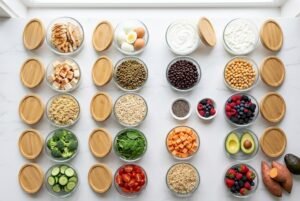
The best high protein high fiber meal prep starts with ingredients that are easy to cook, easy to store, and simple to use in more than one meal. This matters because weekday meal prep should save time, not leave you eating the same dry lunch box every day.
A smart way to plan is to choose two protein ingredients, two fiber-rich bases, and a few vegetables or fruits before the week begins. For example, grilled chicken, Greek yogurt, quinoa, black beans, roasted vegetables, and berries can turn into breakfast bowls, lunch boxes, quick snacks, and simple dinners with very little extra work.
These ingredients are practical for busy weekdays because they hold up well in the fridge and can be mixed into bowls, wraps, salads, soups, pasta, and snack boxes.
| Ingredient | Best Use | Meal Prep Tip |
| Chicken breast | Bowls, wraps, salads, pasta | Cook with simple seasoning so it works in different meals |
| Greek yogurt | Oats, dips, sauces, smoothie packs | Use it for creamy sauces instead of heavy dressings |
| Eggs | Breakfast boxes, snacks, egg muffins | Boil or bake ahead for quick grab-and-go meals |
| Lentils | Soups, bowls, pasta sauces | Batch cook and freeze extra portions |
| Black beans | Taco bowls, burrito bowls, wraps | Rinse canned beans to save time |
| Quinoa | Lunch bowls, grain salads | Cook plain, then season differently through the week |
| Oats | Breakfast meal prep | Pair with Greek yogurt, berries, or chia seeds |
| Sweet potatoes | Lunch boxes, dinner bowls | Roast in cubes so they reheat quickly |
Protein Ingredients
Protein helps make a meal feel complete. It turns a basic bowl, salad, wrap, or snack into something more satisfying. For meal prep, the best protein ingredients are the ones that can be cooked in batches and still taste good after a day or two in the fridge.
Chicken breast is one of the easiest choices for high protein meal prep. It works with almost any flavor, from taco seasoning to lemon herbs. You can use it in quinoa bowls, wraps, pasta salads, burrito bowls, or simple lunch containers with vegetables and rice.
Turkey is another useful option, especially ground turkey. It cooks quickly and works well in taco bowls, chili, meatballs, lettuce cups, and rice bowls. If you want a meal that feels hearty without being too heavy, turkey is a good protein to keep in rotation.
Eggs are helpful for breakfast meal prep, snack boxes, and quick lunches. Boiled eggs, egg muffins, and egg-based breakfast cups can be made ahead and paired with fruit, beans, whole grain toast, or vegetables. For a lighter breakfast idea, an egg white omelette can also fit into a high protein routine.
Greek yogurt works well in both sweet and savory meal prep. You can use it in overnight oats, smoothie packs, yogurt bowls, dips, dressings, and high protein sauces. It is especially useful when you want a creamy texture without making the meal feel too heavy.
Cottage cheese is a quick high protein ingredient for breakfast bowls and snacks. It pairs well with berries, chia seeds, apples, cucumber, tomatoes, nuts, or whole grain toast. It is also a good option for days when you do not want to cook anything.
Tuna and salmon are practical for quick lunches and lighter dinners. Tuna works well in chickpea salad boxes, wraps, and no-reheat meal prep. Salmon can be used in quinoa bowls, rice bowls, or salad jars, but it is better to eat it earlier in the week for freshness.
Tofu, tempeh, and edamame are strong plant-based protein choices. They work well in stir fry bowls, grain bowls, noodle boxes, and vegetarian lunches. If you want more plant-based ideas, these high protein vegetarian meals can help you build balanced bowls with tofu, vegetables, and filling sides.
Lentils, beans, and chickpeas are some of the most useful meal prep ingredients because they bring both protein and fiber. They are affordable, easy to batch cook, and work in soups, salads, chili, wraps, pasta, and rice bowls.
Fiber Ingredients
Fiber usually comes from plant-based foods, and it is one of the easiest ways to make meal prep more filling. The best fiber-rich ingredients are simple foods that keep their texture after storage and can be used in different meals throughout the week.
Oats are ideal for breakfast meal prep. They work in overnight oats, baked oatmeal cups, protein breakfast bowls, and smoothie packs. When paired with Greek yogurt, chia seeds, berries, or nut butter, oats become a simple high protein high fiber breakfast.
Quinoa is one of the most flexible meal prep bases. It works with chicken, salmon, tofu, lentils, chickpeas, roasted vegetables, and yogurt-based sauces. It also holds up well in the fridge, which makes it a strong choice for lunch bowls.
Brown rice and farro are useful when you want a heartier base. Brown rice works well in burrito bowls, chicken meal prep boxes, and slow-cooked rice dishes. Farro has a chewy texture that fits well in salads, grain bowls, and Mediterranean-style lunches.
Whole wheat wraps are helpful for quick weekday meals. You can fill them with eggs, tuna, chickpeas, turkey, tofu, vegetables, or Greek yogurt dressing. For best results, keep wet fillings separate and assemble wraps close to eating time so they do not become soggy.
Lentils, black beans, and chickpeas are some of the best high fiber meal prep ingredients because they are filling, affordable, and easy to use. Lentils work well in soups, bowls, and pasta sauces. Black beans are great for taco bowls and burrito bowls. Chickpeas can be used in salads, wraps, snack boxes, and roasted toppings.
Vegetables add volume, color, flavor, and fiber to meal prep. Broccoli, spinach, peppers, carrots, zucchini, cabbage, cucumber, tomatoes, and leafy greens can all work well, depending on the meal. Roasted vegetables are better for reheated meals, while fresh vegetables are better for salad jars, wraps, and cold lunch boxes.
Berries and apples are useful for breakfast and snacks. Berries work well with Greek yogurt, oats, chia pudding, and cottage cheese. Apples are easy to pack with peanut butter, yogurt dip, boiled eggs, or cheese for a simple snack box.
Chia seeds and flaxseed are small ingredients, but they can add extra fiber to oats, smoothies, yogurt bowls, and breakfast cups. If you are making smoothie packs for the week, these high protein smoothie recipes can give you more ways to combine fruit, protein, and fiber.
Sweet potatoes are a strong choice for meal prep because they are filling, naturally sweet, and easy to pair with chicken, turkey, black beans, eggs, or tofu. They work well roasted, mashed, or cubed into lunch bowls.
Avocado adds healthy fat and makes meals taste more satisfying. It works best when added fresh before eating, especially in salads, wraps, burrito bowls, and snack plates. If you are prepping meals ahead, store avocado separately or add it the same day.
The easiest formula is simple: choose one protein, one fiber-rich base, one or two vegetables, and one sauce or healthy fat. Chicken with quinoa and broccoli, Greek yogurt with oats and berries, tuna with chickpeas and cucumber, or tofu with edamame and brown rice can all become quick high protein high fiber meals for the week.
Ingredients That Give Both Protein and Fiber
Some ingredients make high protein high fiber meal prep much easier because they help with both goals in one meal. These are the foods that save time during the week. Instead of cooking a separate protein, grain, and side every time, you can use ingredients that already bring a mix of protein, fiber, texture, and flavor.
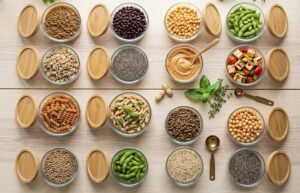
Lentils are one of the most useful choices. They are affordable, filling, and easy to cook in a large batch. A pot of lentils can become soup for dinner, a grain bowl for lunch, or a quick wrap filling the next day. They also work well with vegetables, rice, pasta sauces, and simple herbs.
Black beans are perfect for meal prep because they can turn a plain rice bowl into a proper lunch. They pair well with turkey, chicken, quinoa, brown rice, sweet potatoes, corn, salsa, and avocado. Use them in taco bowls, burrito bowls, chili, wraps, or loaded sweet potatoes when you want a meal that feels hearty without much extra work.
Chickpeas are flexible enough for both cold and warm meals. You can add them to tuna salad boxes, roasted vegetable bowls, wraps, snack plates, or grain salads. Roasted chickpeas also make a crunchy topping for bowls and salads when you want something different from croutons.
Edamame is a quick plant-based option for bowls, rice boxes, and snack containers. It works especially well with tofu, quinoa, cabbage, carrots, cucumber, and light sesame-style sauces. Since it cooks quickly, it is helpful for weeks when you want vegetarian meal prep without spending too much time in the kitchen.
Quinoa is a useful meal prep base because it fits with almost any protein or vegetable. It can be paired with chicken, salmon, tofu, lentils, chickpeas, roasted vegetables, or yogurt-based sauces. It also holds up well in the fridge, which makes it a good choice for lunch bowls.
Peanut butter is best used as a support ingredient rather than the main protein source. A small spoonful can add richness to oats, apples, Greek yogurt, chia pudding, smoothies, or whole grain toast. It works well when you want a breakfast or snack to feel more satisfying without adding too many extra ingredients.
Chia seeds are small but useful for make-ahead breakfasts. They can be stirred into oats, yogurt bowls, smoothies, and breakfast cups. They also help thicken overnight oats and chia pudding, which makes them helpful for quick mornings. For more make-ahead morning ideas, these meal prep breakfasts can fit well into the same weekly plan.
Tofu with vegetables is a simple combination for plant-based lunches and dinners. Tofu gives the meal a protein base, while vegetables add fiber, color, and volume. It works well in stir fry bowls, rice bowls, noodle boxes, and quick vegetarian lunches.
Bean-based pasta is useful when you want a higher protein, higher fiber version of a familiar comfort meal. It can be paired with turkey meatballs, chicken, tofu, spinach, roasted vegetables, or a simple tomato sauce. If pasta is already part of your weeknight routine, these healthy pasta recipes can give you more easy dinner ideas.
The simple rule is to choose ingredients that can do more than one job. Lentils, beans, chickpeas, edamame, quinoa, chia seeds, and bean-based pasta can help you build filling meals without making weekday cooking feel complicated.
Quick Comparison Table: Easy High Protein High Fiber Meal Prep Ideas
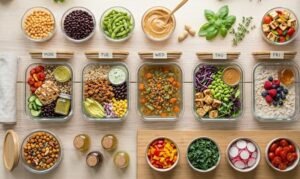
Before choosing your weekly meals, it helps to compare which options are best for breakfast, lunch, dinner, snacks, or vegetarian meal prep. Fridge life depends on ingredient freshness, storage temperature, and whether sauces or dressings are stored separately. As a general rule, most cooked meal prep boxes are best used within 3 to 4 days.
| Meal Prep Idea | Best For | Protein Source | Fiber Source | Prep Time | Fridge Life |
| Chicken quinoa bowls | Lunch | Chicken breast | Quinoa and vegetables | 30 minutes | Up to 4 days |
| Greek yogurt oats | Breakfast | Greek yogurt | Oats and chia seeds | 10 minutes | 3 to 4 days |
| Lentil soup | Dinner | Lentils | Lentils and vegetables | 35 minutes | Up to 4 days |
| Turkey taco bowls | Lunch | Ground turkey | Black beans and brown rice | 30 minutes | Up to 4 days |
| Tofu edamame bowls | Vegetarian meal prep | Tofu and edamame | Vegetables and rice | 25 minutes | 3 to 4 days |
| Tuna chickpea salad boxes | No-reheat lunch | Tuna | Chickpeas and cucumber | 15 minutes | 2 to 3 days |
| Black bean burrito bowls | Budget meal prep | Turkey, tofu, or beans | Black beans and rice | 25 minutes | Up to 4 days |
| Cottage cheese berry bowls | Snack or breakfast | Cottage cheese | Berries and chia seeds | 5 minutes | 2 to 3 days |
| Turkey meatballs with lentil pasta | Dinner | Ground turkey | Lentil pasta and spinach | 35 minutes | Up to 4 days |
| Roasted chickpea snack boxes | Snacks | Chickpeas, cheese, or Greek yogurt dip | Chickpeas, fruit, and vegetables | 20 minutes | 3 to 4 days |
This table is a starting point, not a strict plan. If you are new to meal prep, choose one breakfast, two lunch ideas, one dinner, and one snack option for the week. That gives you enough variety without filling the fridge with too many containers at once. Once you know which meals you actually enjoy, repeat those combinations and change the sauce, grain, or vegetables the next week.
25 High Protein High Fiber Meal Prep Ideas
The best meal prep ideas are the ones you can repeat without getting bored by Wednesday. These high protein high fiber meal prep ideas use everyday ingredients, simple prep methods, and flexible combinations that work for breakfast, lunch, dinner, and snacks.
Before you start, keep one simple rule in mind: most cooked meal prep meals are best used within 3 to 4 days when stored in airtight containers. Seafood meals are usually better earlier in the week, and sauces, dressings, avocado, and crunchy toppings should be stored separately when possible.
1. Chicken Quinoa Meal Prep Bowls
Chicken quinoa bowls are a reliable lunch option when you want something fresh, filling, and easy to pack. Use grilled or baked chicken, cooked quinoa, cucumber, tomatoes, leafy greens, and a simple yogurt dressing. Quinoa gives the bowl a light but steady base, while the vegetables add freshness and texture.
This meal works well for work lunches because it does not feel too heavy. Keep the yogurt dressing in a small container and add it right before eating so the greens stay crisp.
2. Turkey Taco Rice Bowls
Turkey taco rice bowls are warm, budget-friendly, and easy to batch cook. Start with lean ground turkey, black beans, brown rice, corn, salsa, lettuce, and avocado. The black beans and brown rice make the bowl more filling, while turkey keeps it hearty enough for lunch.
This is a good choice when you want several meals from one pan of cooked turkey. Store the lettuce and avocado separately, then add them after reheating so the bowl tastes fresher.
3. Tuna and Chickpea Salad Boxes
Tuna and chickpea salad boxes are perfect for no-reheat lunches. Mix tuna with chickpeas, cucumber, celery, lemon juice, herbs, and a little olive oil. It gives you a fresh, crunchy lunch that works well with whole grain crackers, lettuce cups, or sliced vegetables.
This is also a smart option for busy workdays because you can prepare it quickly without turning on the stove. If you enjoy fresh lunch bowls, these high protein salad recipes can give you more ideas for weekday meals.
4. Greek Yogurt Overnight Oats
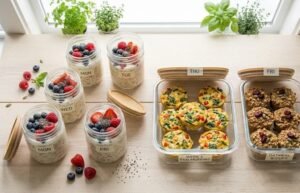
Greek yogurt overnight oats are one of the easiest high protein high fiber breakfasts to prepare ahead. Combine Greek yogurt, oats, chia seeds, berries, cinnamon, and a splash of milk. By morning, the oats soften and the chia seeds help create a thick, creamy texture.
This breakfast is useful when mornings are rushed because it is ready straight from the fridge. Make two or three jars at a time and change the fruit, nuts, or spices so each jar tastes slightly different. For more make-ahead morning ideas, these meal prep breakfasts can fit into the same weekly plan.
5. Egg Muffins with Black Beans and Vegetables
Egg muffins are a simple breakfast or snack option when you want something ready before the day starts. Whisk eggs with black beans, peppers, spinach, onion, and seasoning, then bake the mixture in a muffin tray. The beans and vegetables make each muffin more filling than plain eggs alone.
They can be eaten warm or cold, which makes them useful for busy mornings. Keep a few in the fridge and freeze extra portions for later in the week.
6. Lentil Soup Meal Prep
Lentil soup is one of the easiest one-pot meal prep ideas for lunch or dinner. Use lentils, carrots, celery, tomatoes, spinach, herbs, and broth. Lentils make the soup naturally filling, while the vegetables give it more flavor and body.
This is a strong budget meal because one pot can make several servings. It also freezes well, so you can save a few portions for days when you need a quick dinner without cooking from scratch.
7. Chicken Sweet Potato Meal Prep Boxes
Chicken sweet potato boxes are simple, colorful, and satisfying. Use baked or grilled chicken, roasted sweet potatoes, broccoli, and a yogurt-based sauce. The sweet potatoes add natural sweetness, while broccoli and sauce keep the meal from feeling dry.
This meal reheats well and works for both lunch and dinner. Cut the sweet potatoes into small cubes so they cook faster and warm evenly in the microwave.
8. Tofu and Edamame Stir Fry Bowls
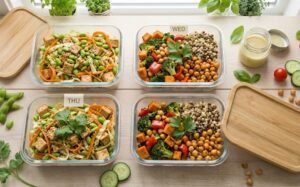
Tofu and edamame stir fry bowls are a strong vegetarian meal prep choice. Use tofu, edamame, cabbage, carrots, rice, and a light sesame ginger sauce. The edamame gives the bowl extra bite, while cabbage and carrots hold their texture well after cooking.
This meal is easy to adjust with whatever vegetables you already have. For more plant-based ideas, these high protein vegetarian meals can help you build balanced bowls with tofu and vegetables.
9. High Protein Pasta Salad
High protein pasta salad is useful when you want a cold lunch that still feels like a full meal. Use lentil pasta or chickpea pasta with chicken or tofu, chopped vegetables, herbs, and Greek yogurt dressing. The pasta gives the salad more substance, while the vegetables keep it fresh.
This is a good option for work lunches because it does not need reheating. If pasta is already part of your weeknight routine, these healthy pasta recipes can give you more simple dinner ideas.
10. Black Bean Burrito Bowls
Black bean burrito bowls are easy to prepare in large portions and work well for family meal prep. Start with black beans, brown rice, turkey or tofu, salsa, lettuce, and avocado. The bowl can be kept mild for kids or made spicier with jalapeños, hot sauce, or chili seasoning.
This is also a flexible budget meal. Store the warm ingredients together, but keep lettuce, salsa, and avocado separate until serving so the bowl does not turn soggy.
11. Salmon Quinoa Bowls
Salmon quinoa bowls are a lighter dinner meal prep option that still feels satisfying. Use cooked salmon, quinoa, greens, cucumber, and roasted vegetables. A lemon herb dressing or yogurt sauce works well here because it keeps the bowl fresh without making it heavy.
For best quality, eat salmon bowls earlier in the week. If you are prepping several meals at once, store the salmon separately and add fresh cucumber or greens after reheating the warm ingredients.
12. Cottage Cheese Snack Bowls
Cottage cheese snack bowls are quick, flexible, and useful between meals. For a sweet version, pair cottage cheese with berries, chia seeds, walnuts, and cinnamon. For a savory version, use cucumber, tomatoes, black pepper, herbs, and whole grain toast.
This is a good snack or light breakfast because it takes only a few minutes to prepare. Keep the toppings separate if you want berries, nuts, or toast to hold their texture.
13. Lentil and Chickpea Power Salad
Lentil and chickpea power salad is a good vegetarian work lunch because it stays fresh longer than delicate leafy salads. Mix lentils, chickpeas, cucumber, tomato, feta, herbs, and lemon dressing. It tastes even better after the flavors sit for a few hours.
This salad works well cold, so it is useful for office lunches, school lunches, or days when reheating is not possible. Add the dressing right before eating if you want the vegetables to stay crisp.
14. Beef and Bean Chili
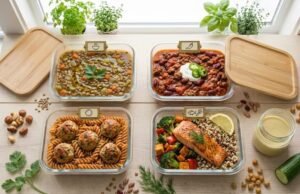
Beef and bean chili is a freezer-friendly dinner that is easy to make in a large pot. Use lean beef or ground turkey, beans, tomatoes, peppers, onion, and simple spices. The beans make the chili thicker and more filling without needing complicated ingredients.
This is a helpful meal for colder days or busy evenings because it reheats well. Keep a few servings in the fridge and freeze the rest for another week.
15. High Protein Smoothie Packs
High protein smoothie packs save time on busy mornings. Add berries, spinach, chia seeds, oats, and freezer-friendly fruit to small bags or containers. When ready to blend, add Greek yogurt, protein milk, or your preferred protein base.
This is a quick way to prepare breakfast without cooking. Smoothie packs also help reduce waste because fruit can be frozen before it gets too soft. For more combinations, these high protein smoothie recipes can give you more ideas.
16. Egg White Omelette Meal Prep Plate
An egg white omelette plate is better as a quick-prep breakfast than a full five-day storage meal. Chop spinach, mushrooms, peppers, and other vegetables ahead of time, then cook them with egg whites when needed. Add beans and whole grain toast on the side for more fiber.
This gives you a fresh breakfast in just a few minutes. For a full method, this egg white omelette is a useful starting point.
17. Chicken Caesar Salad Jars
Chicken Caesar salad jars are a smart way to prep salads without making them soggy. Add Greek yogurt Caesar dressing at the bottom, then chickpeas, chicken, cucumber, romaine, and whole grain croutons near the top. The chickpeas make the salad more filling, while the chicken gives it a stronger protein base.
The layering matters. Keep the lettuce away from the dressing until you are ready to eat, then shake the jar or pour everything into a bowl.
18. Turkey Meatballs with Lentil Pasta
Turkey meatballs with lentil pasta are a good high protein dinner that still feels like comfort food. Use ground turkey meatballs, lentil pasta, marinara sauce, and spinach. The lentil pasta makes the meal more filling than regular pasta, while spinach adds color and freshness.
This meal reheats well for lunch or dinner. Store the sauce with the pasta if you like a softer texture, or keep it separate if you want the pasta to hold its shape better.
19. Vegetarian Quinoa Lentil Bowls
Vegetarian quinoa lentil bowls are filling without needing meat. Use quinoa, lentils, roasted vegetables, and tahini lemon sauce. The sauce is important because it brings the bowl together and keeps the grains from tasting plain.
This is a good option for anyone adding more plant-based meals to the week. If weight-loss-friendly vegetarian meals are part of your plan, these vegetarian meals for weight loss can give you more simple ideas.
20. Greek Chicken and White Bean Bowls
Greek chicken and white bean bowls are fresh, filling, and easy to pack for lunch. Use chicken, white beans, cucumber, tomato, olives, herbs, and yogurt sauce. The white beans make the bowl more satisfying, while cucumber and tomato keep it light.
This bowl works well cold or slightly warm. Keep the cucumber and yogurt sauce separate if you are preparing it more than a day ahead.
21. Chickpea Cucumber Wraps
Chickpea cucumber wraps are a simple no-cook meal prep idea. Mash chickpeas lightly with Greek yogurt, cucumber, herbs, lemon juice, and black pepper, then spoon the mixture into a whole wheat wrap. It is creamy, fresh, and easy to pack.
For best results, store the filling separately and assemble the wrap close to eating time. This keeps the wrap from becoming too soft in the fridge.
22. Oatmeal Protein Breakfast Cups
Oatmeal protein breakfast cups are useful when you want a baked breakfast that can be made ahead. Use oats, Greek yogurt, eggs or protein milk, chia seeds, berries, and cinnamon. Bake them in a muffin tray so they are easy to portion and store.
They work well with fruit, yogurt, or a small spoonful of nut butter. Keep them in the fridge for quick mornings, or freeze extra cups for another week.
23. Shrimp Brown Rice Veggie Bowls
Shrimp brown rice veggie bowls are quick enough for dinner and practical enough for lunch. Use shrimp, brown rice, edamame, broccoli, carrots, and a light sauce. Shrimp cooks fast, so this is a good option when you do not want long prep.
For freshness, eat shrimp bowls earlier in the week and store the sauce separately until serving. A lemon garlic or ginger-style sauce works well without overpowering the meal.
24. Roasted Chickpea Snack Boxes
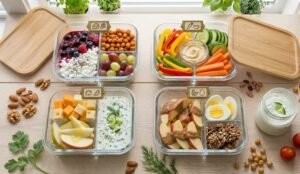
Roasted chickpea snack boxes are useful when you want something crunchy, filling, and easy to pack. Pair roasted chickpeas with cheese, fruit, vegetables, and hummus or Greek yogurt dip. The mix of crunchy, creamy, and fresh foods makes the snack box feel more complete.
These boxes work well for busy afternoons, school lunches, or office snacks. For more simple snack ideas, these high protein snacks can help you plan options beyond full meals.
25. Slow-Cooked Rice and Bean Bowls
Slow-cooked rice and bean bowls are helpful when you want batch cooking to do most of the work. Use brown rice, beans, vegetables, chicken or tofu, and salsa or yogurt sauce. The base can be cooked once and used in different ways during the week.
This is a good family meal prep idea because it makes several servings without much hands-on time. For more ideas, these slow-cooked rice dishes can help you build easy lunches and dinners from one base.
How to Meal Prep These Ideas for the Week
The easiest way to meal prep high protein high fiber meals is to keep the plan simple. You do not need to cook 25 different recipes in one day. A better approach is to choose a few flexible ingredients that can be used in different ways across breakfast, lunch, dinner, and snacks.
Start with two protein options for the week. For example, you might cook chicken breast for bowls and keep Greek yogurt ready for breakfasts, sauces, and snacks. Another week, you could use ground turkey and tofu. Choosing only two main proteins keeps grocery shopping easier and helps you avoid an overcrowded fridge.
Next, choose two fiber-rich carbs or bases. Quinoa, brown rice, oats, lentils, black beans, sweet potatoes, and whole wheat wraps all work well. These ingredients make meals more filling and help you build bowls, wraps, soups, and breakfast jars without starting from scratch every day.
Sauces are what keep meal prep from tasting plain. Prep two simple sauces at the start of the week, such as a yogurt herb dressing and a salsa-style sauce, or a tahini lemon sauce and a light sesame ginger sauce. Keep sauces in small containers so salads, wraps, and grain bowls stay fresh longer.
Vegetables should be washed and chopped before the week begins. Roast sturdy vegetables like broccoli, carrots, peppers, zucchini, or sweet potatoes for meals you plan to reheat. Keep fresh vegetables like cucumber, tomatoes, lettuce, and herbs separate for cold bowls, wraps, and salad jars.
If you are new to weekly meal prep, start with 3 to 4 prepared meals or containers if you are cooking for one person. This gives you enough food for busy days without making the week feel repetitive. If you are cooking for a family, double the meals that reheat well, such as lentil soup, turkey taco bowls, chili, or slow-cooked rice bowls.
Crunchy toppings should stay separate until serving. Roasted chickpeas, nuts, seeds, croutons, fresh greens, and sliced avocado can lose their texture when stored too early with sauces or warm ingredients. Keeping them separate makes the same meal taste fresher the next day.
Freezer meals are useful for the end of the week. Lentil soup, beef and bean chili, turkey meatballs, cooked rice, and bean bowls usually freeze better than fresh salads or seafood meals. If Friday is usually busy, freeze one dinner portion earlier in the week and reheat it when needed. For batch-style lunch and dinner ideas, these slow-cooked rice dishes can also fit into the same plan.
A simple Sunday prep could look like this: cook chicken and quinoa first, start a pot of lentil soup while they cool, then prepare Greek yogurt oats and cottage cheese snack bowls. That gives you breakfast, lunch, dinner, and snacks without spending the whole day in the kitchen. If you want more make-ahead morning options, these meal prep breakfasts can help you add more variety.
Simple 5-Day Meal Prep Plan
This 5-day meal prep plan shows how you can use high protein high fiber meal prep ideas without eating the same meal every day. You can switch meals based on your schedule, ingredients, or family preferences. If you are meal prepping for one person, make smaller portions. If you are cooking for a family, double the lunch or dinner ideas that reheat well.
| Day | Breakfast | Lunch | Dinner | Snack |
| Monday | Greek yogurt oats | Chicken quinoa bowl | Lentil soup | Cottage cheese with berries |
| Tuesday | Egg muffins | Turkey taco bowl | Salmon quinoa bowl | Roasted chickpeas |
| Wednesday | Smoothie pack | Tuna chickpea salad | Tofu edamame bowl | Greek yogurt with chia seeds |
| Thursday | Oatmeal breakfast cup | Black bean burrito bowl | Turkey meatballs with lentil pasta | Veggie hummus box |
| Friday | Cottage cheese bowl | Lentil chickpea salad | Beef and bean chili | Apple with peanut butter |
This plan works because it mixes cooked meals with no-reheat lunches, fresh snacks, and freezer-friendly dinners. It also keeps fiber steady through oats, beans, lentils, quinoa, fruit, vegetables, and chia seeds. The goal is not to follow the table perfectly. The goal is to make the week easier by having a few reliable meals ready before hunger turns into last-minute takeout.
For the freshest results, seafood meals are usually better earlier in the week. Keep dressings separate, add avocado the same day, and save freezer-friendly meals like chili, soup, or meatballs for the later days. Once you know which meals you enjoy most, repeat those combinations and change the sauce, grain, or vegetables the next week.
Weekends can stay flexible. You can use leftover freezer meals, make a fresh family dinner, or prep one protein and one grain for the next week so Monday feels easier.
Storage and Food Safety Tips for Meal Prep
Good meal prep is not only about choosing the right ingredients. It is also about storing meals in a way that keeps them fresh, safe, and pleasant to eat later in the week. Most cooked chicken, grains, beans, and vegetables are best used within 3 to 4 days when stored properly in the fridge.
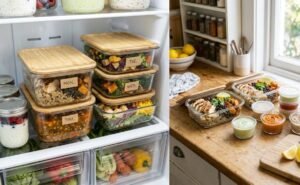
After cooking, let hot food cool briefly, then move it into shallow airtight containers and refrigerate it promptly. Avoid leaving cooked food on the counter until it becomes fully cold. Shallow containers help food cool more evenly and make it easier to portion meals for the week.
Sauces and dressings are usually better stored separately. This is especially important for salads, wraps, grain bowls, and anything with lettuce, cucumber, fresh herbs, avocado, or crunchy toppings. A small container of yogurt dressing, salsa, tahini sauce, hummus, or vinaigrette can keep the meal fresh until you are ready to eat.
Some meals are better for the freezer than others. Lentil soup, beef and bean chili, turkey meatballs, cooked rice, beans, and burrito bowl fillings usually freeze well. Fresh salads, seafood bowls, avocado, and dressed wraps are better kept in the fridge and eaten earlier.
Seafood meal prep needs a little extra care. Salmon, shrimp, and tuna bowls are usually best earlier in the week for taste and freshness. If you are making seafood meals, store sauces separately and add fresh vegetables after reheating the warm ingredients.
Dressed salads should not be stored too long because lettuce and fresh vegetables can become soft quickly. If you want salad jars to last longer, place dressing at the bottom, heavier ingredients like chickpeas or chicken in the middle, and greens at the top. Shake or mix the salad only when you are ready to eat.
When reheating cooked meal prep, make sure the food is hot all the way through before eating. Soups, chili, meatballs, rice bowls, and pasta dishes usually reheat better than fresh salad jars or wraps. If something smells off, looks unusual, or has been sitting too long, it is safer to throw it away.
Common Mistakes to Avoid
Even healthy meal prep can become boring or hard to follow if the meals are not planned well. These common mistakes are easy to fix and can make your high protein high fiber meal prep ideas more realistic for busy weekdays.
Making Every Meal Too Dry
Dry meal prep is one of the biggest reasons people stop eating what they prepared. Chicken, rice, quinoa, roasted vegetables, and lentils all need something flavorful to bring them together.
A simple sauce can change the whole meal. Yogurt dressing, salsa, hummus, tahini lemon sauce, pesto, or a light vinaigrette can make bowls, wraps, salads, and snack boxes taste fresh instead of plain. Keep sauces separate until serving so the meal does not become soggy.
Forgetting Fiber
A meal can be high in protein but still feel incomplete if it does not include enough fiber-rich foods. Protein alone may not keep a meal satisfying for long, especially if the portion is just chicken, eggs, fish, or turkey without any beans, grains, vegetables, fruit, or seeds.
Add fiber with simple ingredients like lentils, black beans, chickpeas, oats, quinoa, brown rice, berries, sweet potatoes, chia seeds, flaxseed, or vegetables. This small change can make lunch bowls, breakfast jars, soups, and wraps feel more balanced.
Using Only Salads
Salads are useful, but they should not be the only type of meal prep. Eating cold salad every day can get boring quickly, especially if the weather is cold or your schedule is long.
Mix in warm meals like soups, bowls, wraps, pasta salads, chili, oats, smoothie packs, snack boxes, and freezer-friendly dinners. This gives you more texture and variety while still keeping the meals healthy and practical.
Prepping Too Many Meals at Once
Trying to prepare every meal for the full week can feel overwhelming. It can also lead to wasted food if your schedule changes or you get tired of eating the same thing.
If you are a beginner, start with 2 to 3 days of meals. Prepare one breakfast, one lunch, one dinner, and one snack option. Once you know what you actually enjoy, you can repeat the meals that work and slowly add more variety.
Not Planning Snacks
Snacks are easy to forget, but they can make a big difference during busy weekdays. Without a planned snack, it is easier to grab whatever is nearby, even if it does not fit your meal plan.
Good high protein high fiber snacks include cottage cheese with berries, Greek yogurt with chia seeds, roasted chickpeas, apples with peanut butter, boiled eggs with fruit, hummus with vegetables, or a small snack box with cheese, fruit, and nuts. For more simple ideas, these high protein snacks can help you plan easy options beyond full meals.
Adding Too Many Heavy Sauces
Sauces make meal prep taste better, but too much heavy dressing can make a balanced meal richer than planned. The goal is flavor, not covering the whole meal.
Use sauces in small portions and choose options that match the meal. Yogurt dressing works well with chicken bowls, salsa fits burrito bowls, tahini sauce pairs nicely with lentils and quinoa, and hummus works well in wraps or snack boxes.
Best High Protein High Fiber Meal Prep Formula
A simple formula makes meal prep easier:
Protein + fiber-rich carb + vegetables + sauce = balanced meal prep box.
For a balanced high protein high fiber meal prep box, combine one protein source, one fiber-rich carb, two vegetables, and one flavorful sauce. Good examples include chicken with quinoa and broccoli, tofu with edamame and brown rice, Greek yogurt with oats and chia seeds, or turkey with black beans and salsa.
This formula works because you can change one part each week without starting over. Keep the protein familiar, change the grain, add different vegetables, and switch the sauce. That small rotation can make the same basic meal feel fresh again.
FAQs About High Protein High Fiber Meal Prep
What meals are high in both protein and fiber?
Meals high in both protein and fiber usually combine a protein source with beans, lentils, whole grains, vegetables, fruit, or seeds. Good examples include chicken quinoa bowls, turkey taco bowls, lentil soup, tuna chickpea salad, tofu edamame bowls, black bean burrito bowls, Greek yogurt overnight oats, and cottage cheese bowls with berries and chia seeds.
The easiest way to build this kind of meal is to pair one protein with one fiber-rich base. For example, chicken with quinoa, tuna with chickpeas, tofu with edamame, or Greek yogurt with oats can all work well for meal prep.
What is the best high protein high fiber meal prep for weight loss?
The best high protein high fiber meal prep for weight loss is usually a meal that feels filling, balanced, and easy to portion. Chicken quinoa bowls, turkey taco bowls, lentil soup, tuna chickpea salad boxes, tofu edamame bowls, and Greek yogurt overnight oats are all practical options.
The right choice depends on your full day of eating, portion size, activity level, routine, and food preferences. A simple approach is to include one protein, one fiber-rich carb, vegetables, and a light sauce or healthy fat so the meal feels satisfying without becoming too heavy.
Can I meal prep high protein high fiber meals for 5 days?
You can plan high protein high fiber meals for 5 days, but it is better to mix fresh meals with freezer-friendly options. Many cooked meals, such as chicken, grains, beans, and vegetables, are best used within 3 to 4 days when stored properly in the fridge.
For the later part of the week, use meals that freeze well, such as lentil soup, chili, turkey meatballs, cooked rice, or burrito bowl fillings. Seafood meals are usually better earlier in the week for taste and freshness. When reheating cooked meals, make sure they are hot all the way through before eating.
What breakfast is high in protein and fiber?
A good high protein high fiber breakfast can include Greek yogurt overnight oats, egg muffins with vegetables and black beans, cottage cheese bowls with berries and chia seeds, baked oatmeal cups, or smoothie packs with oats and flaxseed.
For busy mornings, choose breakfasts that can be made ahead and stored in the fridge. Greek yogurt, oats, eggs, chia seeds, berries, cottage cheese, and whole grain toast are simple ingredients that work well together. You can also use these meal prep breakfasts for more make-ahead ideas.
What vegetarian foods are high in protein and fiber?
Vegetarian foods that are high in protein and fiber include lentils, black beans, chickpeas, edamame, tofu, tempeh, quinoa, chia seeds, oats, nut butters, and bean-based pasta. These ingredients work well in bowls, wraps, soups, salads, breakfast jars, and snack boxes.
For a balanced vegetarian meal prep bowl, try tofu with edamame and brown rice, lentils with quinoa and roasted vegetables, or chickpeas with cucumber, herbs, and Greek yogurt dressing. If you want more plant-based meal ideas, these high protein vegetarian meals can help you build more filling bowls.
Are high protein high fiber meals good for busy weekdays?
Yes, high protein high fiber meals are practical for busy weekdays because they can be prepared ahead, stored in containers, and used for quick breakfasts, work lunches, easy dinners, or snacks. They also help make meals feel more complete when your schedule is full.
The easiest way to keep them realistic is to prep a few flexible ingredients, such as chicken, Greek yogurt, quinoa, beans, lentils, oats, and chopped vegetables, then mix them into different meals during the week.
How do I add more fiber to high protein meals?
To add more fiber to high protein meals, include beans, lentils, chickpeas, vegetables, berries, oats, quinoa, chia seeds, flaxseed, whole grain wraps, brown rice, or sweet potatoes. These ingredients can make simple protein meals more balanced and more satisfying.
For example, add black beans to turkey taco bowls, chickpeas to tuna salad, chia seeds to Greek yogurt oats, or roasted vegetables to chicken and quinoa bowls. If you like fresh lunch options, these high protein salad recipes can also help you add more vegetables, beans, and fiber-rich toppings.
How do I add more protein to high fiber meals?
To add more protein to high fiber meals, use chicken, turkey, tuna, salmon, eggs, Greek yogurt, cottage cheese, tofu, tempeh, edamame, lentils, beans, or protein-rich pasta. These ingredients can turn a basic grain bowl, salad, wrap, or breakfast jar into a more complete meal.
For example, add Greek yogurt to oats, tofu to rice bowls, tuna to chickpea salad, eggs to breakfast wraps, or chicken to quinoa and vegetable bowls. For snack-sized options, these high protein snacks can help you keep protein ready between meals.
Once you know your favorite combinations, keep the same protein and fiber base for the week and change the sauce, vegetables, or toppings. This keeps meal prep simple without making every meal taste the same.