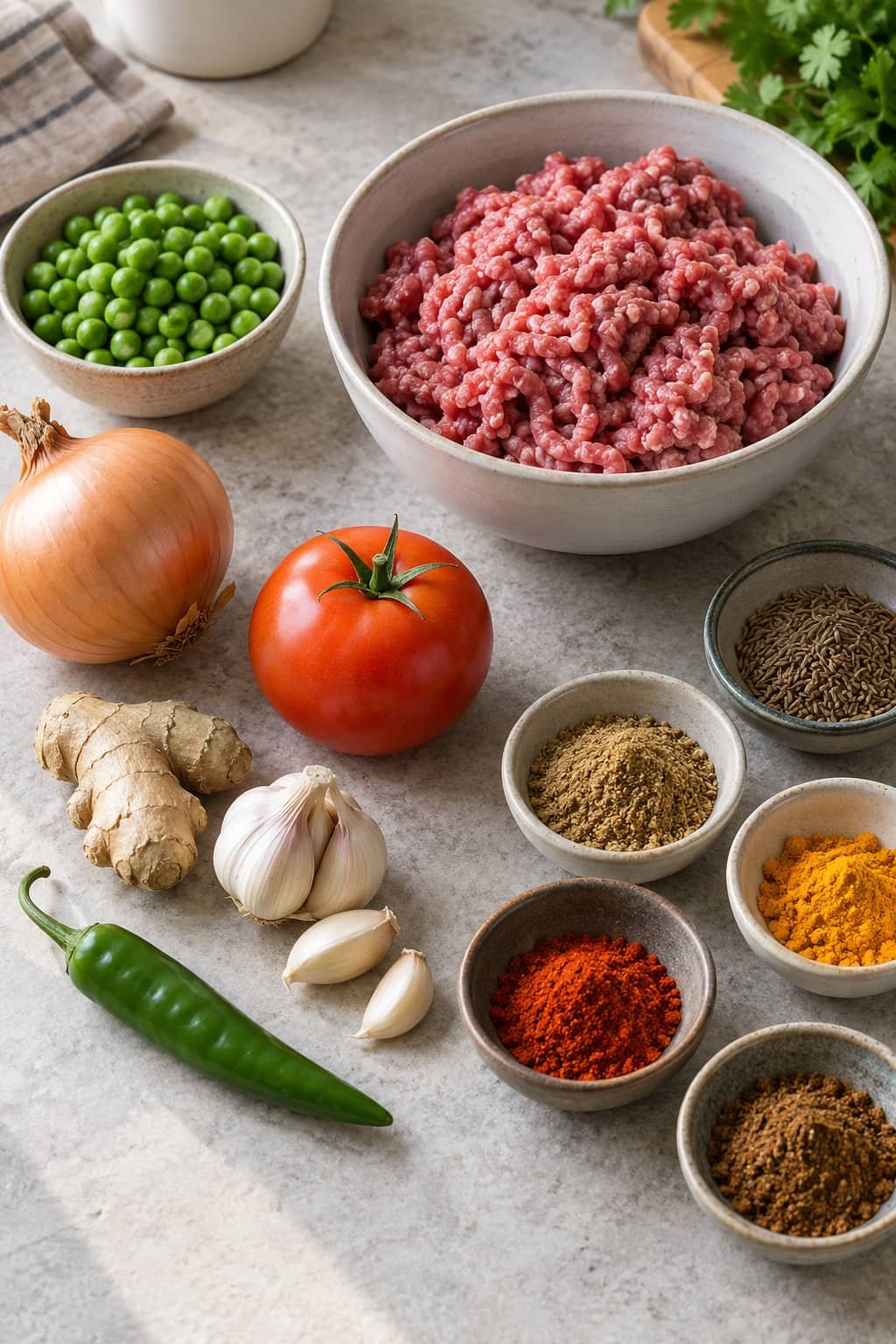
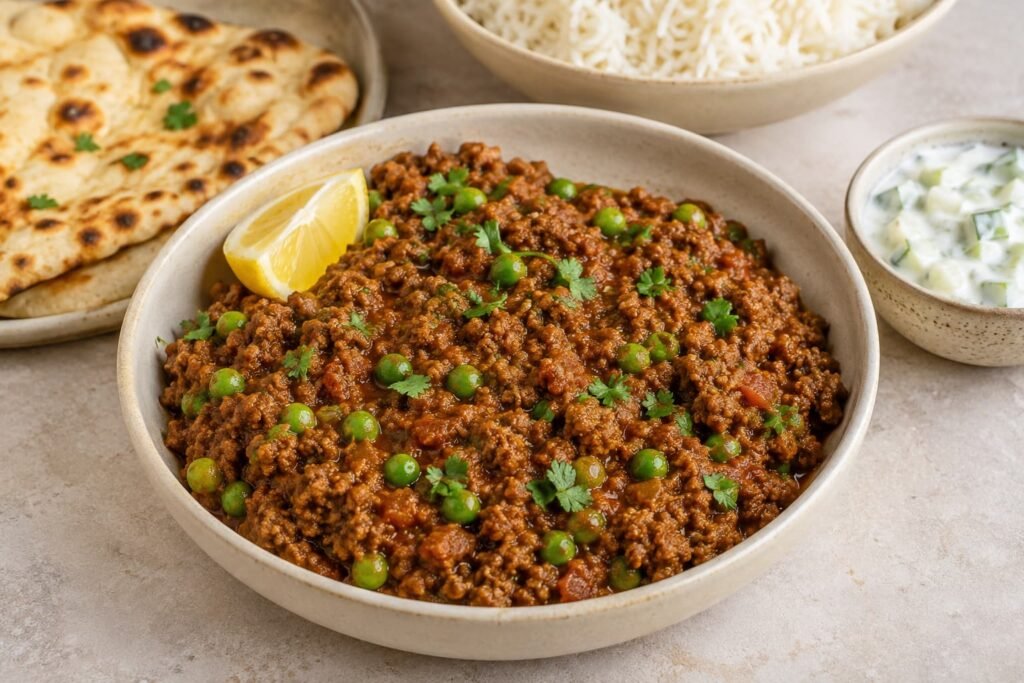
This easy lamb keema recipe starts by browning ground lamb until it develops a deep, savory flavor. The meat is then cooked with softened onion, fresh ginger, garlic, tomatoes and a balanced mixture of warm spices. Green peas are added near the end so they remain bright and tender instead of becoming overly soft.
Prepared in one skillet without commercial curry paste, this ground lamb curry is practical enough for a weeknight family dinner. Cumin, coriander, turmeric, chili powder and garam masala create a rich, aromatic base. The finished keema is thick but moist, making it easy to spoon over rice or serve with naan or roti.
Quick Answer
Lamb keema is a South Asian-style dish of ground meat cooked with onions, tomatoes, ginger, garlic and aromatic spices. When green peas are included, it is commonly called keema matar because “matar” means peas. The finished curry can be served with basmati rice, naan, roti or cucumber salad.
Recipe at a Glance
This lamb keema comes together in one deep skillet with about 10 minutes of preparation and 25 minutes of cooking. The ground lamb is browned first, followed by the onions, tomatoes and spices. Green peas are added near the end so they stay tender and retain their color.
| Recipe detail | Information |
| Preparation time | 10 minutes |
| Cooking time | 25 minutes |
| Total time | 35 minutes |
| Servings | 4 |
| Cooking method | Stovetop |
| Main pan | Large deep skillet |
| Difficulty | Easy |
| Heat level | Mild to medium, adjustable |
| Safe temperature | 160°F (71°C) |
Adjust the heat by changing the amount of chili powder or fresh green chili while keeping the remaining spice blend unchanged. The lamb keema is ready when the meat is fully cooked and the curry is thick but moist, with no watery liquid collecting at the bottom of the skillet.
Why This Lamb Keema Recipe Works
Ground lamb gives this keema a rich, distinctive flavor that is noticeably different from beef, chicken or turkey. Browning the lamb over medium-high heat before adding tomatoes allows excess moisture to evaporate and creates a deeper savory flavor. A wide, properly heated skillet also prevents the meat from crowding and steaming.
After the lamb has browned, the onions, ginger and garlic build the aromatic base. Cumin, coriander, turmeric and chili powder are briefly warmed in the remaining fat until fragrant. This helps distribute their flavor throughout the curry, but they should be stirred carefully because ground spices can burn quickly.
Tomatoes add moisture, mild acidity and a base that brings the lamb and spices together. Cooking them until they lose their raw smell and become thick prevents the finished keema from turning watery. Green peas are added during the last few minutes so they retain their color, gentle sweetness and tender bite.
The heat can be adjusted without changing the main character of the dish. Reduce the chili powder or omit the fresh green chili for a milder curry while keeping the cumin, coriander and turmeric unchanged. Garam masala is stirred in near the end to preserve its aroma. No commercial curry paste is needed.
Ingredients You’ll Need
This lamb keema recipe uses ground lamb, green peas, onions, tomatoes, fresh aromatics and individual spices. The following notes explain how to choose and use its two main ingredients.
Ground Lamb
Ground lamb that is approximately 85 percent lean works particularly well for keema. It contains enough fat to keep the meat flavorful without making the finished curry excessively oily. Blends ranging from 80 to 90 percent lean can also be used, but the amount of rendered fat will vary.
If the package does not show a lean-to-fat ratio, brown the lamb and judge the amount of fat in the skillet. Spoon off the excess before cooking the onions and spices, leaving roughly one tablespoon behind. This is enough to cook the aromatics and distribute the spices without leaving a heavy layer of oil on the finished curry.

A 90 percent lean blend releases less fat and may require a small amount of neutral oil if the skillet becomes dry. Avoid cooking lean ground lamb longer than necessary because it can lose moisture more quickly.
“Ground lamb” is the common American term, while “lamb mince” is widely used in the United Kingdom and other countries. Both names refer to the same ingredient and require the same cooking method.
Ground beef can replace ground lamb in the same quantity, but it will produce beef keema. The flavor will be different, and the amount of fat released will depend on the beef blend. It is a practical variation, not an identical substitute for lamb.
Green Peas
Frozen green peas are the most convenient option because they require no preparation and are available throughout the year. They do not need to be thawed. Stir them directly into the keema during the final three to five minutes and cook just until hot and tender.
Fresh peas can also be used. Young peas may cook in roughly the same time as frozen peas, while larger or more mature peas can take several minutes longer. Taste one before removing the skillet from the heat to confirm that it is tender.
Canned peas are already cooked and have a much softer texture. Drain them thoroughly, then fold them into the keema during the final one or two minutes. Adding them earlier can make them mushy and cause some of the peas to break apart.
Onion, Tomatoes, Garlic and Ginger
After the ground lamb has browned and any excessive fat has been removed, finely chopped onion is cooked in the same skillet. It softens in the remaining fat and develops mild sweetness that balances the lamb and spices. For this quicker version, cook the onion until soft and lightly golden. Deeper browning creates a sweeter, darker curry but takes additional time.
Fresh garlic and ginger build the aromatic base. Garlic contributes savory sharpness, while ginger adds warmth and a subtle citrus-like freshness. Add both after the onion has softened and cook just until fragrant. Stir continuously because garlic can become bitter if it browns too far.
Fresh tomatoes provide moisture and mild acidity, while a small amount of tomato paste adds concentrated flavor, color and body. Cook the tomato paste briefly after the ground spices to remove its raw, concentrated taste. Then add finely chopped tomatoes and simmer until they soften, lose their raw smell and form a thick coating around the lamb.
Roma or plum tomatoes work particularly well because they are fleshy and generally less watery than large slicing tomatoes. Canned crushed tomatoes are a dependable substitute, but they can produce a looser base. Simmer the keema uncovered until the excess liquid evaporates rather than adding an entire can automatically.
Tomato terminology differs between countries. In this recipe, “tomato paste” means the thick, concentrated American product, commonly sold as concentrated tomato purée in the United Kingdom. American tomato purée is thinner and cannot replace tomato paste in the same quantity.
Spices
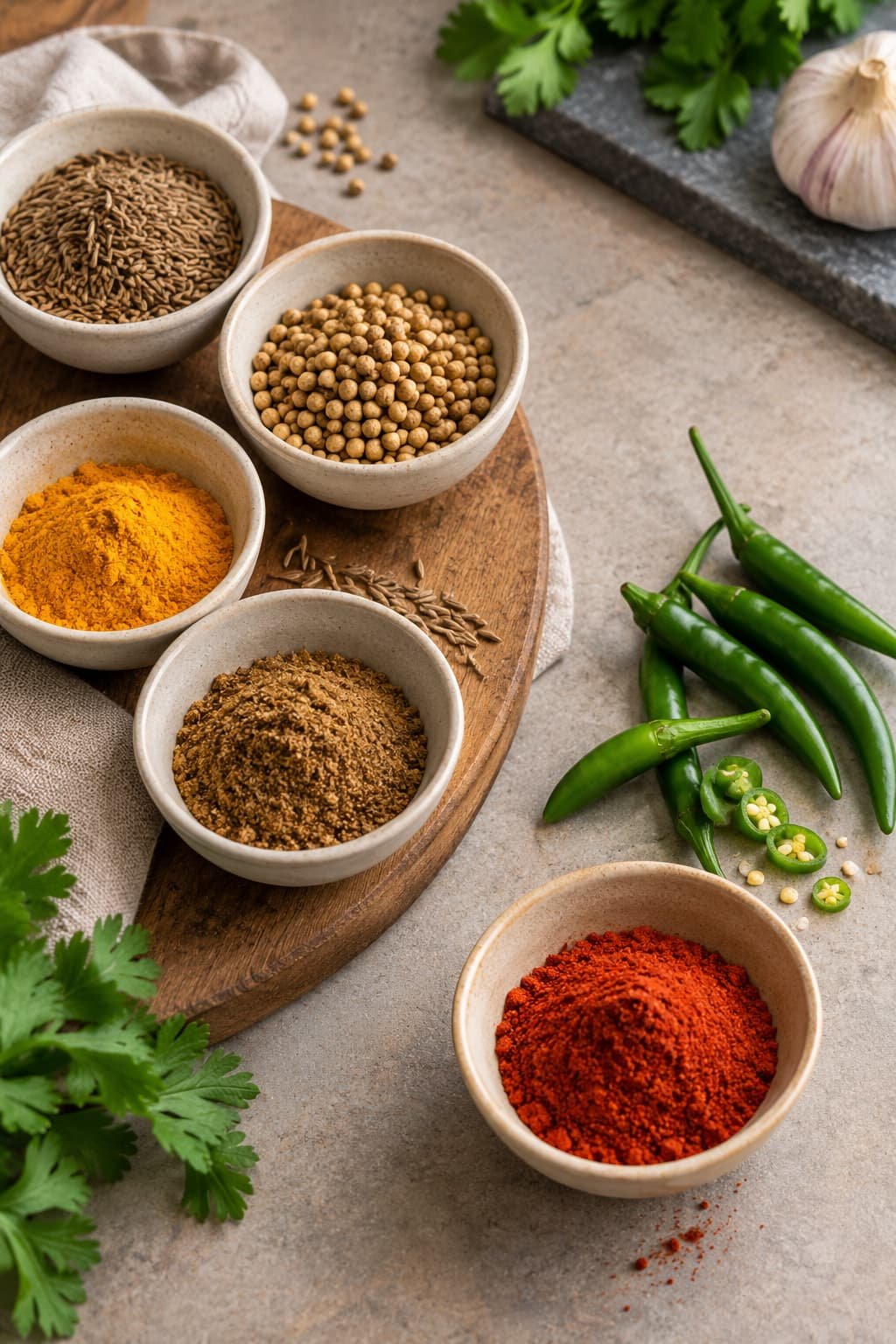
Cumin, coriander, turmeric and pure ground red chili create the main spice base for this ground lamb curry. After the onion, garlic and ginger have cooked, allow excess moisture to evaporate. Stir the spices into the remaining fat for about 30 seconds, just until fragrant. Keep them moving because ground spices can scorch quickly.
Ground cumin adds earthy warmth without increasing the heat level. Ground coriander seed has a milder, slightly citrusy flavor that balances the richness of the lamb. It is different from fresh coriander leaves, called cilantro in the United States, which can be added as a finishing herb.
Turmeric contributes a golden color and a subtle earthy flavor. Only a modest amount is needed. Too much can overpower the tomatoes and leave the curry tasting bitter, dusty or medicinal.
For controlled heat, use pure ground red chili, such as Kashmiri chili powder. Kashmiri chili adds a deep red color with mild to moderate heat, while cayenne is considerably hotter. American-style chili powder is usually a seasoning blend containing ingredients such as cumin, garlic and oregano, so it is not a direct substitute.
Garam masala is used as a finishing spice rather than the main source of heat. Blends vary, but they often include cardamom, cinnamon, cloves, cumin and black pepper. Stir it into the lamb keema near the end of cooking so its warm aroma remains noticeable.
Optional Finishing Ingredients
Fresh cilantro, also called fresh coriander, adds a clean herbal flavor that balances the richness of lamb keema. Stir some into the curry after removing the skillet from the heat, then reserve the rest for serving. Adding it at the end helps preserve its color and fresh aroma.
A small amount of lemon juice brightens the lamb, tomatoes and spices. Add it just before serving, taste the keema, and use more only if needed. Fresh tomatoes vary in acidity, so adding the lemon gradually provides better control over the final flavor.
Fresh green chili creates a sharper heat than ground chili powder. For a noticeable fresh bite, stir finely chopped chili into the keema after cooking or scatter thin slices over each serving. For less heat, remove the pale inner ribs and any attached seeds before chopping.
Plain yogurt or cucumber raita provides a cool, creamy contrast to the warm spices. It pairs particularly well with spicy ground lamb curry served alongside basmati rice, naan or roti.
Equipment Needed
For approximately one pound of ground lamb, use a deep 12-inch skillet or a 3- to 4-quart sauté pan. A wide cooking surface helps the lamb brown instead of steam, while high sides contain the tomato mixture, reduce splatter and leave enough room for stirring.
Use a wooden spoon or sturdy spatula to break the lamb into small pieces and scrape browned bits from the pan. A cutting board, sharp knife and measuring spoons are needed for the onions, aromatics and spices.
An instant-read thermometer provides the most reliable check for doneness. Take readings in several of the thickest areas of the meat mixture without touching the bottom of the skillet. The ground lamb should reach at least 160°F (71°C).
How to Make Lamb Keema with Peas
This lamb keema is cooked in one deep skillet, but the browned meat is moved briefly to a plate while the onion and tomato base develops. This prevents the lamb from overcooking and gives the aromatics enough contact with the hot pan. Measure the ingredients before starting because the spices and tomato paste cook quickly.
Step 1: Brown the Ground Lamb
Heat a deep 12-inch skillet over medium-high heat until hot but not smoking. Add the ground lamb and spread it into an even layer. If the lamb is very lean or the skillet is not nonstick, add one teaspoon of neutral oil first.

Leave the lamb undisturbed for about two minutes so the underside can brown. Break it into crumbles approximately ½ inch wide, then cook for another three to five minutes, stirring only occasionally. Constant stirring prevents browning and can produce a finer, drier texture.
The lamb should develop browned areas, but it does not need to reach its final temperature yet because it will finish cooking later. If liquid collects in the skillet, continue cooking until most of it evaporates.
Step 2: Control the Excess Fat
Transfer the browned lamb to a clean plate using a slotted spoon. Carefully spoon the excessive rendered fat into a heatproof container, leaving approximately one tablespoon in the skillet for cooking the onion and spices.

Never pour lamb fat down the sink because it can cool, harden and block the drain. Allow the removed fat to cool completely, then seal it in a disposable container or absorb the cooled fat with paper towels before placing it in the trash.
Step 3: Cook the Onion, Garlic and Ginger
Reduce the heat to medium and add the finely chopped onion to the skillet. Cook for four to five minutes, stirring occasionally, until soft and lightly golden. Scrape the bottom of the pan as the onion cooks to loosen the browned residue left by the lamb.

Add the minced garlic and ginger and cook for 30 to 60 seconds, stirring continuously. They should smell fragrant but should not become dark. If the mixture begins to stick, lower the heat rather than adding water immediately.
Step 4: Bloom the Spices
Allow any visible moisture from the onion to evaporate. Add the ground cumin, coriander, turmeric and pure ground red chili. Stir continuously for about 30 seconds, just until the spices become fragrant.

The spices should remain bright and aromatic. If they begin to darken or stick, remove the skillet from the heat briefly and add a teaspoon of neutral oil. Ground spices burn quickly, so do not leave them unattended.
Step 5: Cook Down the Tomatoes
Add the tomato paste and cook for about one minute, stirring it through the onion and spices. It should darken slightly and lose its raw, concentrated smell without burning.
Stir in the finely chopped fresh tomatoes. Cook uncovered for four to five minutes, stirring occasionally, until they soften and form a thick base. The mixture should no longer smell like raw tomato, and little free liquid should remain in the skillet.
If using canned crushed tomatoes, simmer them until the excess moisture evaporates. Do not continue until the tomato mixture is thick enough to coat the spoon.

Step 6: Return and Simmer the Lamb
Return the browned lamb and any juices from the plate to the skillet. Add ¼ cup (60 ml) of water and stir until the meat is evenly coated with the tomato and spice mixture.
Reduce the heat to medium-low and simmer uncovered for four to six minutes, stirring occasionally. Leaving the skillet uncovered allows excess moisture to evaporate and keeps the keema from becoming soupy.
The ground lamb curry should be thick but moist. If it begins to dry out before the lamb is fully cooked, add water one tablespoon at a time. Avoid adding a large amount at once because the peas will release a little moisture during the final step.

Step 7: Add the Peas and Finish
Stir the frozen peas directly into the skillet without thawing. Cook for three to five minutes, until the peas are hot and tender.
Check the lamb in several of the thickest areas of the mixture with an instant-read thermometer, avoiding contact with the skillet. Each area should reach at least 160°F (71°C).
Remove the skillet from the heat. Stir in the garam masala, most of the chopped cilantro and a small amount of lemon juice. Taste before adding more lemon or salt, since the acidity and seasoning will depend on the tomatoes and spice blend.

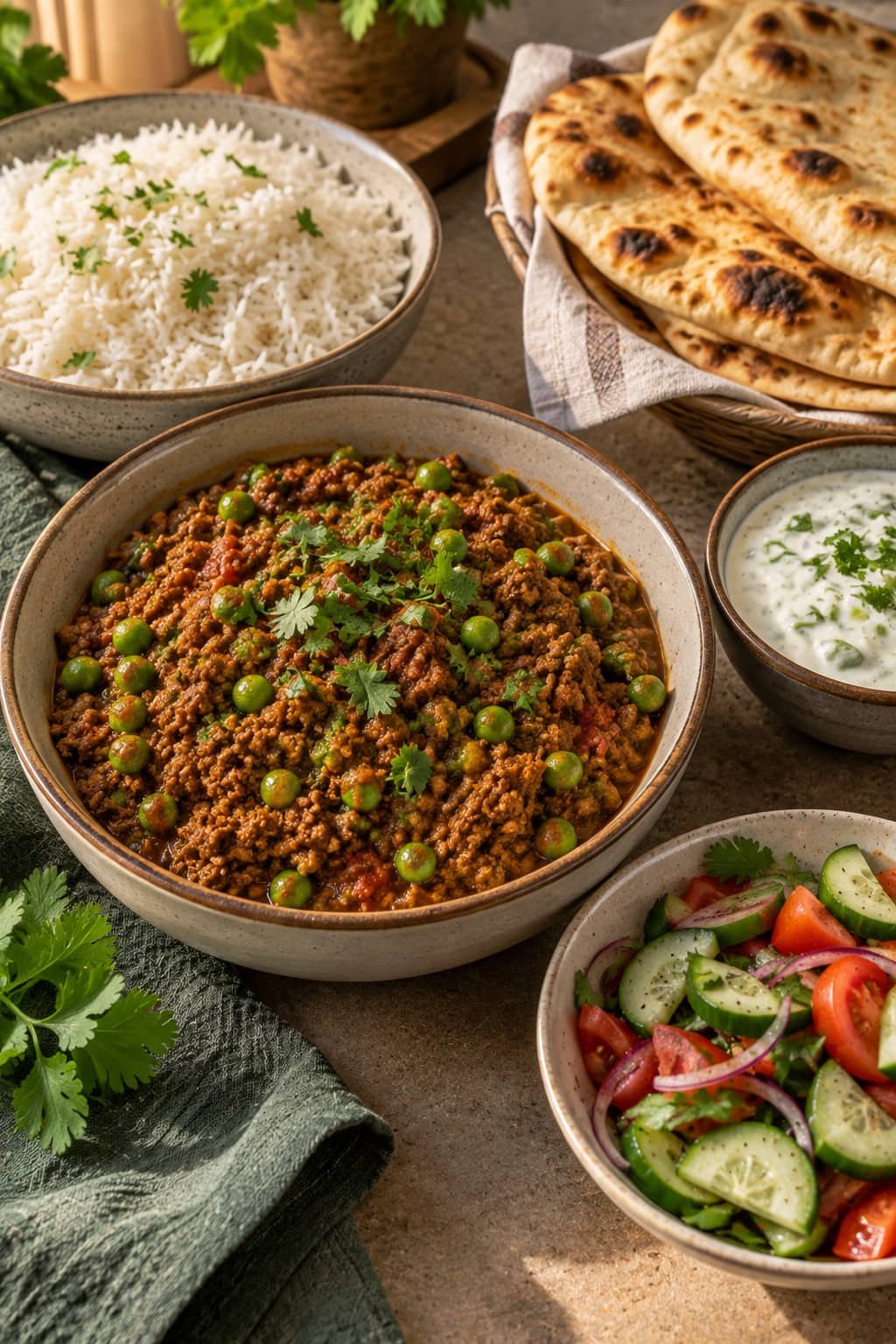
Finish with the reserved cilantro. Serve the lamb keema with basmati rice, naan, roti or cucumber raita. It can stand for two or three minutes while the sides are arranged, but an extended resting period is unnecessary.
How to Tell When Lamb Keema Is Done
Properly cooked lamb keema should have no glossy, raw-looking areas of meat. The crumbles should be evenly cooked and coated with the tomato-spice mixture. Some cooked ground lamb may retain a slightly pink color, so appearance alone cannot confirm doneness.
Use an instant-read thermometer for the final safety check. Gather several spoonfuls of lamb into thicker portions and insert the thermometer into their centers without touching the skillet. Each area should reach at least 160°F (71°C). Continue cooking if any reading remains below that temperature.

Once the lamb has reached a safe temperature, taste the sauce. The tomatoes should no longer have a sharp, raw flavor. They should be fully softened and form a thick base that clings to the meat rather than sitting separately in the skillet.
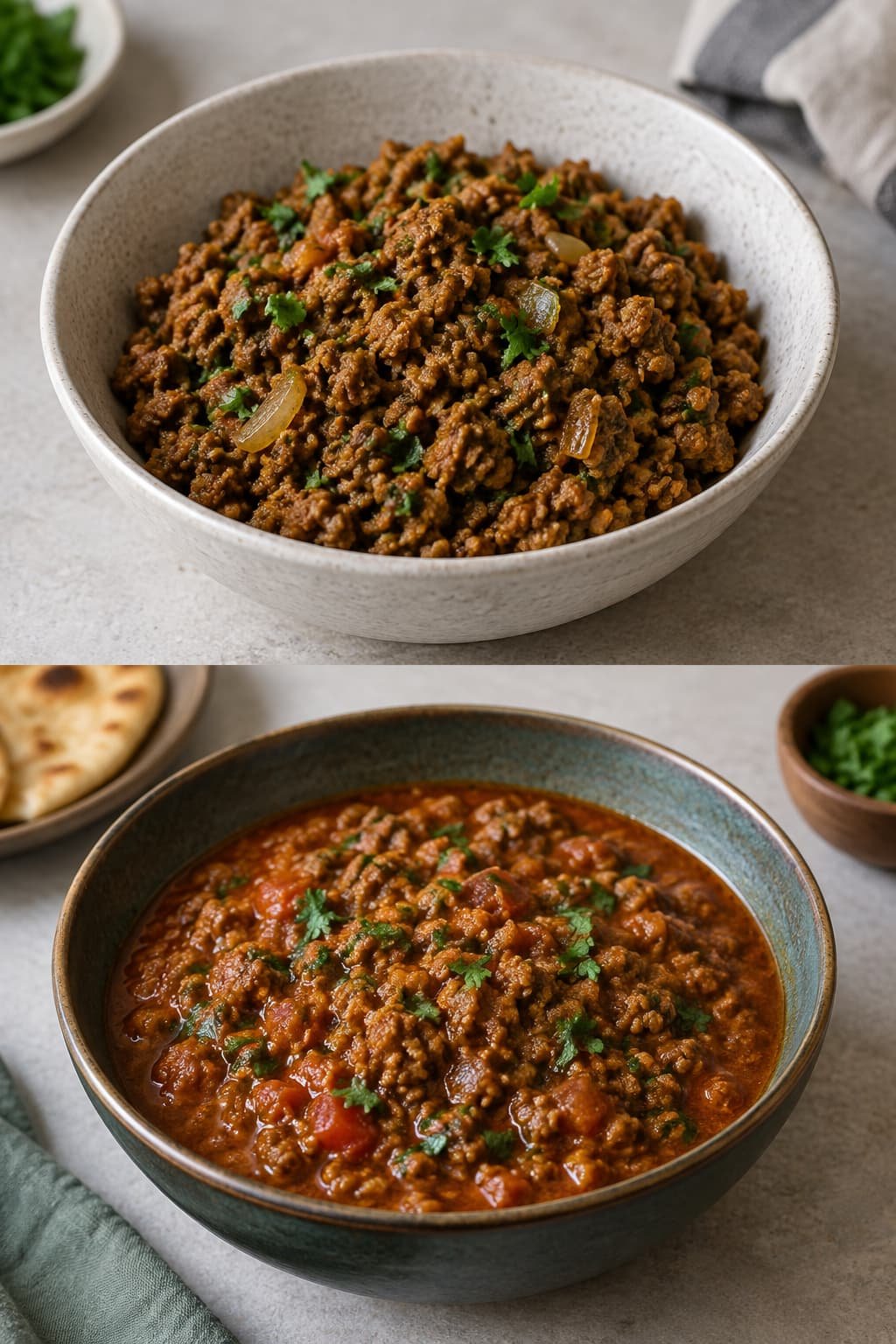
The finished ground lamb curry should be thick but moist. Drag a spoon across the bottom of the skillet. The keema should hold the trail briefly before slowly settling back into place. Watery liquid should not pool around the edges, but the meat should still look tender and glossy.
If the keema remains watery, simmer it uncovered for a few additional minutes. Stir occasionally to prevent sticking and remove it from the heat as soon as the excess liquid has evaporated.
How to Prevent Greasy Lamb Keema
Choose reasonably lean ground lamb when possible. A blend around 85 percent lean provides enough fat for flavor without releasing as much oil as a fattier blend. If the package does not show a ratio, assess the amount of rendered fat after browning.
Brown the lamb before adding tomatoes or water. This allows moisture to evaporate, develops deeper flavor and makes the released fat easier to see. Spoon off only the excess, leaving approximately one tablespoon in the skillet for cooking the onion and spices.
Do not add flour to correct greasy keema. Flour thickens the water-based portion of the sauce but does not remove fat. It can make the tomato base pasty while leaving the same amount of oil in the finished dish.
After managing the rendered fat, cook the tomatoes until they form a thick base and simmer the keema uncovered. Reduction removes water and improves consistency, but it does not remove oil. If excessive fat remains, reducing the sauce can make the greasy texture more noticeable.
A light sheen on the finished lamb keema is normal and carries flavor. Only large, separate pools of oil need to be removed. Take the skillet off the heat, tilt it slightly and skim the excess with a spoon or small ladle before serving.
Should Lamb Keema Be Dry or Saucy?
Lamb keema can be prepared dry-style with very little gravy or with enough tomato-based sauce to spoon over rice. Neither consistency is automatically more correct. The best choice depends on how the keema will be served.

For basmati rice, leave the ground lamb curry slightly saucy. The liquid should coat the lamb and peas and soak lightly into the rice without resembling soup. If the keema becomes too dry, stir in hot water one tablespoon at a time and simmer briefly. Taste afterward and adjust the salt or garam masala if the added water has weakened the seasoning.
For naan, roti or chapati, reduce the keema until the tomato base clings closely to the meat. A thicker consistency is easier to scoop and less likely to drip from the bread.
Keema used in wraps, stuffed naan or other filled breads should contain very little free liquid. Spread the cooked filling in a shallow dish and allow it to cool until it is no longer steaming before filling the bread. Refrigerate it promptly if it will not be used soon.
Regardless of the serving style, lamb keema should remain moist. Stop cooking when the lamb is fully cooked and the sauce has reached the desired consistency. Reducing it until the meat becomes dry or hard will not improve the flavor.
What to Serve with Lamb Keema
Lamb keema is rich, warmly spiced and filling. The most suitable accompaniments either absorb the tomato-based sauce or provide a crisp, cooling contrast.

Basmati Rice
Steamed basmati rice is a natural choice for slightly saucy lamb keema. Its long, separate grains absorb the sauce while keeping the flavors of the lamb, tomatoes and spices prominent. Plain rice works particularly well because the keema already provides plenty of seasoning.
Naan, Roti or Chapati
Warm naan is soft and slightly rich, making it useful for scooping up thick lamb keema. Roti and chapati are closely related unleavened flatbreads, and the names are often used interchangeably depending on the region. Both provide a lighter option than naan.
Raita or Plain Yogurt
Cucumber raita or plain yogurt provides a cool, creamy contrast to the ground lamb curry. Serve it on the side so each person can add as much as needed. It is particularly helpful when the keema contains fresh green chili or a generous amount of red chili powder.
Cucumber Salad
For a fresh side, prepare a simple kachumber-style salad with cucumber, tomato, red onion, lemon juice, salt and fresh cilantro. Its crisp texture and acidity balance the rich lamb without competing with the spices.
If raita is already being served, keep the cucumber salad light and lemon-based rather than adding another creamy dressing. This gives the plate more contrast.
Simple Vegetable Sides
Roasted cauliflower, sautéed spinach or lightly cooked green beans can complete the meal without overpowering the keema. Season the vegetables simply with salt, lemon juice and a small amount of oil. One vegetable side is generally sufficient when rice or bread is also being served.
Lamb Keema Recipe Variations
These variations are based on a lamb keema recipe made with approximately 1 pound (450 g) of ground lamb. You can adjust the heat, change the meat or add vegetables while keeping the onion, tomato and spice base balanced.

Mild Lamb Keema
For mild lamb keema, omit the fresh green chili and reduce the ground red chili to a small pinch. Do not remove the cumin, coriander, turmeric or garam masala. These aromatic spices provide most of the curry’s flavor without making it excessively hot.
Taste the keema after the tomatoes have cooked down before deciding whether it needs more chili. Plain yogurt or cucumber raita can be served alongside for an additional cooling contrast.
Spicy Lamb Keema
Add one finely chopped green chili with the garlic and ginger for heat that spreads throughout the curry. Thinly sliced chili can also be added at the table for a sharper, fresher kick.
For stronger heat, add cayenne in small pinches. Cayenne is considerably hotter than Kashmiri chili powder, so allow the curry to simmer before tasting and adding more. Increasing the heat gradually is easier than trying to correct an overly spicy keema.
Lamb Keema with Potatoes
To make lamb keema with potatoes, cut one medium potato, about 6 ounces (170 g), into ½-inch cubes. Yukon Gold or another waxy potato works well because it holds its shape during simmering.
Add the potato after the tomatoes have formed a thick base. Pour in approximately ½ cup of water, cover and simmer gently until the cubes are nearly fork-tender. Stir occasionally and add another splash of water if the skillet becomes dry. Add the peas only after the potatoes are almost cooked.
This variation is commonly called aloo keema. The potato changes the cooking time and liquid requirements considerably, so a separate aloo keema recipe would be more useful for readers who want the complete traditional variation.
Ground Beef Keema
Replace the lamb with the same weight of ground beef to make ground beef keema. An 85% to 90% lean blend provides enough fat for flavor without making the finished curry excessively greasy.
Beef has a milder flavor than lamb and may release a different amount of fat depending on the blend. Brown it thoroughly, spoon off only the excess fat and leave a small amount in the skillet for cooking the aromatics and spices. The result is beef keema, not lamb keema, although the remaining method stays largely the same.
Lamb Keema with Spinach
For lamb keema with spinach, add about 3 packed cups (approximately 90 g) of chopped fresh baby spinach near the end of cooking. Stir it into the curry and cook uncovered until the leaves have wilted and the released moisture has evaporated.
If using frozen spinach, thaw it completely and squeeze out as much water as possible before adding it. Begin with approximately 5 ounces (140 g) because too much can dilute the tomato-spice base. Stir in the garam masala only after the spinach has cooked down so its finishing aroma remains noticeable.
How to Make Lamb Keema Ahead
Lamb keema can be made one or two days before serving. For the best texture, prepare the lamb, onion, tomato and spice base as directed, but leave out the frozen peas, cilantro, lemon juice and finishing garam masala.
Transfer the cooked keema to a shallow food-storage container and refrigerate it promptly. It does not need to sit at room temperature until completely cold. Cover it loosely while the initial heat escapes in the refrigerator, then seal the container securely once the keema has chilled. Do not leave cooked keema at room temperature for longer than two hours.
Properly refrigerated lamb keema can generally be stored for three to four days. If it will not be eaten during that period, freeze it instead of extending its refrigerator storage.
How to Reheat Lamb Keema
Place the chilled keema in a deep skillet and reheat it over medium-low heat, stirring occasionally. Add one or two tablespoons of water if the tomato mixture has become too thick during storage.
Once the curry is steaming, stir in the frozen peas without thawing them. Continue cooking for three to five minutes, or until the peas are tender and the keema reaches 165°F (74°C) throughout.
Remove the skillet from the heat before adding the garam masala, chopped cilantro and lemon juice. Finishing with these ingredients after reheating keeps their flavor brighter. Peas added during the original cooking are still safe to reheat, but they will usually be softer and less vibrant.
How to Store, Freeze and Reheat Lamb Keema
Leftover lamb keema should be cooled quickly rather than left on the counter until it reaches room temperature. Shallow containers help the curry cool evenly and reduce the time it spends at an unsafe temperature.

Refrigerating Lamb Keema
Divide the cooked lamb keema among shallow airtight containers and refrigerate it promptly. Warm leftovers can go into the refrigerator when divided into small portions, so there is no need to wait until the curry becomes completely cold.
Refrigerate the keema within two hours of cooking. If the surrounding temperature is above 90°F (32°C), refrigerate it within one hour. Properly stored lamb keema should be eaten within three to four days of the day it was cooked.
Freezing Lamb Keema
To freeze lamb keema, cool it promptly in shallow containers in the refrigerator. Once chilled, divide it into individual portions and transfer them to airtight, freezer-safe containers. Leave a little room for expansion, seal the containers securely and label them with the freezing date.
For the best texture, freeze the lamb and tomato base without the peas. Frozen peas can then be added during reheating. Fully prepared keema matar can also be frozen safely, but its peas may become softer and less vibrant after thawing.
Food kept continuously frozen at 0°F (-18°C) remains safe beyond a fixed storage period, but its quality gradually declines. USDA guidance recommends using frozen leftovers within approximately two to six months for the best flavor and texture.
Thaw frozen lamb keema in the refrigerator until completely defrosted. Do not thaw it on the kitchen counter. Reheat only the amount you intend to serve.
How to Reheat Lamb Keema on the Stovetop
Place the refrigerated or thawed keema in a deep skillet over medium-low heat. Stir occasionally to break up any areas that have become firm during storage.
If the curry looks dry, add one or two tablespoons of water. Do not add liquid automatically because the tomatoes and frozen peas may release moisture as they heat.
Continue reheating until the keema is steaming throughout and reaches 165°F (74°C). Check the center with an instant-read thermometer. After reheating, add fresh cilantro, a pinch of garam masala or a small squeeze of lemon juice to brighten the flavor.
How to Reheat Lamb Keema in the Microwave
Place one portion in a microwave-safe container and cover it with a vented microwave-safe lid. Heat it in 60-second intervals, stirring thoroughly after each interval so the center and edges warm evenly.
Add a small splash of water only if the keema has become dry. Let it stand briefly after heating, then check several areas with an instant-read thermometer.
Frequently Asked Questions
What Is Lamb Keema Made From?
Lamb keema is made by cooking ground lamb with onions, tomatoes, ginger, garlic and spices such as cumin, coriander, turmeric, chili powder and garam masala. Adding green peas creates the variation known as keema matar. The finished ground lamb curry should be thick, moist and aromatic.
Is Keema Always Made with Lamb?
No. Keema refers to minced meat and to dishes prepared with it. Depending on the recipe and region, it may be made with lamb, goat, beef, chicken or another type of minced meat. Each choice produces a different flavor and fat level.
What Is the Difference Between Keema and Keema Matar?
Keema is a seasoned minced-meat dish. Keema matar is the variation made with green peas because “matar” means peas. Lamb keema matar is therefore ground lamb curry with peas, although other minced meats can also be used.
Can I Use Frozen Peas Without Thawing Them?
Yes. Stir frozen peas directly into the lamb keema during the final three to five minutes of cooking. They will heat through without thawing first and retain better color and texture when added near the end.
Can I Substitute Ground Beef for Ground Lamb?
Yes. Replace the lamb with the same weight of ground beef. An 85% to 90% lean blend works well, although the amount of rendered fat may differ. The finished dish will be ground beef keema and will have a milder flavor than lamb keema.
Do I Need Curry Paste to Make Lamb Keema?
No. This lamb keema recipe develops its flavor with cumin, coriander, turmeric, pure ground chili and garam masala. Individual spices provide better control over the flavor and heat, so commercial curry paste is unnecessary.
How Can I Make Lamb Keema Less Greasy?
Use reasonably lean ground lamb and brown it before adding tomatoes or water. Spoon off excessive rendered fat, leaving only a small amount for the onions and spices. Simmer the curry uncovered and skim off any separate pools of oil before serving. Do not use flour to absorb grease.
Can Lamb Keema Be Frozen?
Yes. Refrigerate the keema promptly, then freeze individual portions in airtight containers once chilled. Thaw it in the refrigerator and reheat it to 165°F (74°C). For better texture, freeze the lamb and tomato base without the peas and add frozen peas while reheating.
What Can I Serve with Lamb Keema?
Serve lamb keema with basmati rice, naan, roti or chapati. Plain yogurt and cucumber raita provide a cooling contrast, while a lightly dressed cucumber salad adds freshness and crunch.
Final Tips for the Best Lamb Keema
Brown the ground lamb in a wide skillet over medium-high heat. Spread it into an even layer and leave it undisturbed for about two minutes before breaking it into small crumbles. If moisture collects in the skillet, let it evaporate so the meat browns instead of steaming.
Give the tomatoes enough time to cook. They are ready when their raw smell has disappeared, most of their liquid has reduced and the mixture forms a thick coating around the lamb. If the tomato base still tastes sharp or looks watery, continue cooking it uncovered.
Judge the ground lamb curry by its consistency rather than relying only on the clock. Drawing a spoon across the skillet should leave a trail that fills slowly. Simmer watery keema uncovered, or add hot water one tablespoon at a time if it becomes too dry.
Add frozen peas during the final three to five minutes so they remain tender and bright. Remove the skillet from the heat before adding garam masala, cilantro and lemon juice. Taste once more for salt, heat and acidity before serving.
Add peas near the end.
Adjust the final moisture for rice or bread.
Then place the full printable recipe card.