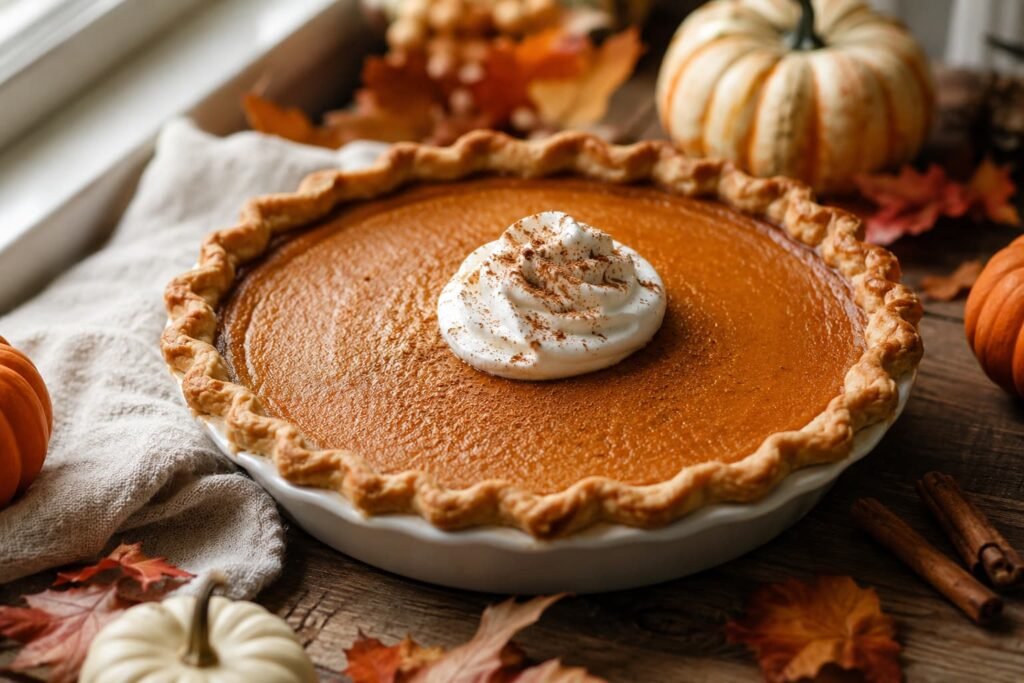
A great homemade pumpkin pie should have three things: a flaky, buttery crust, a smooth and creamy filling, and warm spices that complement the pumpkin without overpowering it. This recipe is designed to deliver that balance every time, whether you’re baking your first pie or continuing a family holiday tradition. With a few simple techniques and quality ingredients, you can create a classic dessert that’s rich in flavor, slices cleanly, and looks just as impressive as it tastes.
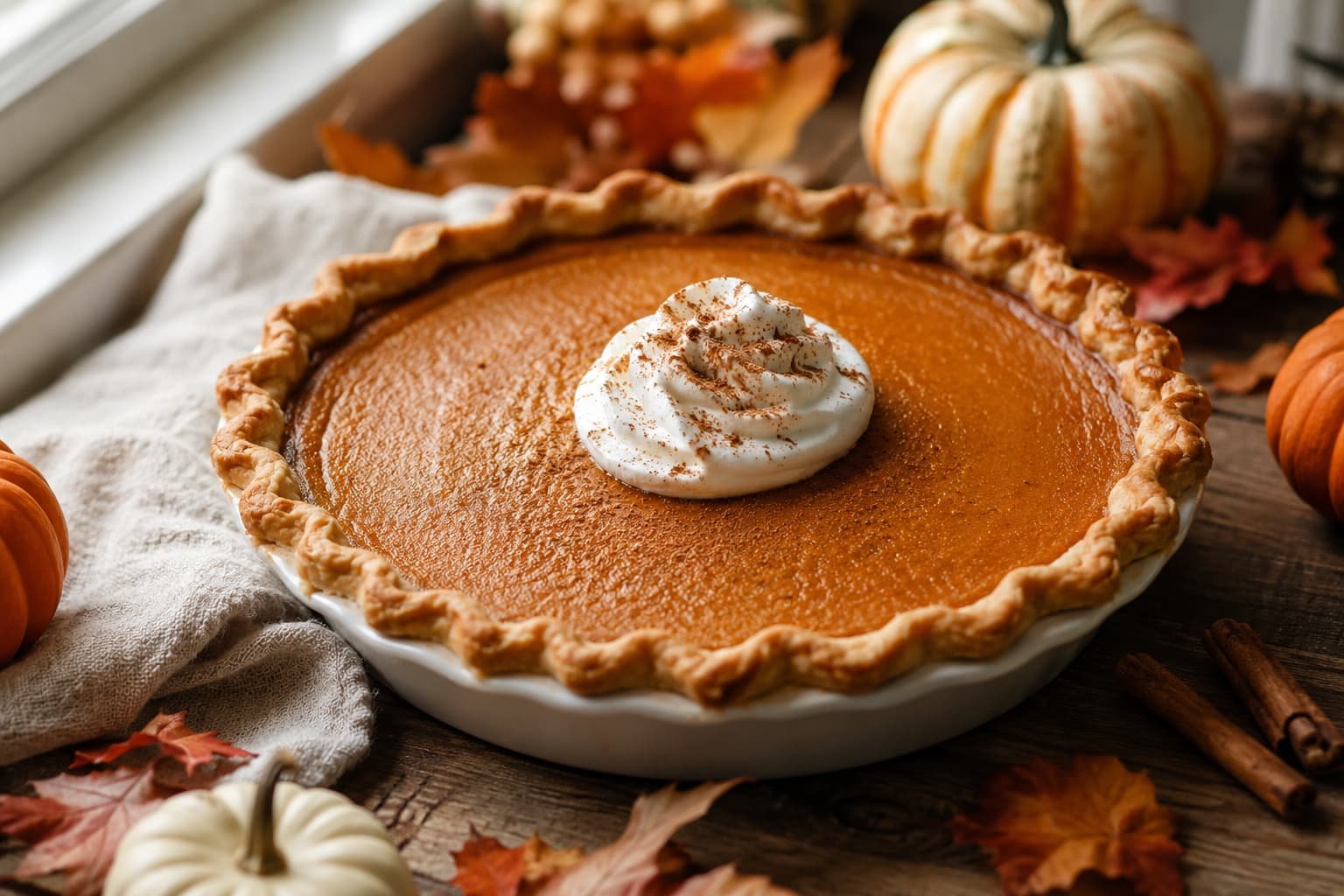
Whether you’re planning a Thanksgiving dinner, a fall gathering, or simply craving a comforting homemade dessert, this best homemade pumpkin pie recipe is easy to follow and dependable. Instead of relying on guesswork, you’ll learn exactly how to choose the right pumpkin puree, build a flavorful spice blend, prepare a flaky pie crust, and bake the filling until it’s perfectly set without becoming dry or developing cracks.
This guide also covers the details that many recipes overlook. You’ll discover how to tell when your pumpkin pie is done, common baking mistakes to avoid, ingredient substitutions that actually work, and the best ways to store, freeze, and serve your pie. By the end, you’ll have the confidence to make a creamy pumpkin pie that’s ideal for Thanksgiving, holiday celebrations, or any occasion when you want a classic fall dessert that everyone will remember.
Quick Answer
The best homemade pumpkin pie recipe combines pumpkin puree, eggs, brown sugar, warm spices, and cream to create a smooth, creamy custard baked inside a flaky, buttery pie crust. The key to perfect results is using balanced spices, mixing the filling gently, and removing the pie from the oven when the center is slightly set but still has a gentle wobble. After cooling completely, the filling becomes rich, silky, and easy to slice, making this easy pumpkin pie recipe a reliable choice for Thanksgiving, holiday gatherings, and fall baking.
Why You’ll Love This Homemade Pumpkin Pie

Not every homemade pumpkin pie delivers the same results. Some have a soggy crust, others turn out overly sweet, and many develop cracks after baking. This recipe is designed to avoid those common problems by focusing on simple techniques, balanced ingredients, and reliable baking methods. The result is a creamy pumpkin pie with a flaky crust, rich pumpkin flavor, and a smooth custard filling that’s easy to make and dependable every time.
Rich Pumpkin Flavor That Stands Out
The best pumpkin pie recipe starts with quality pumpkin puree and a balanced blend of warm spices. Instead of overwhelming the filling with cinnamon or sugar, this recipe lets the natural pumpkin flavor shine while adding just enough ginger, nutmeg, and cloves for warmth. Every bite tastes rich, well-balanced, and unmistakably homemade.
Creamy Filling That Slices Beautifully
A smooth filling doesn’t happen by chance. Gently whisking the ingredients prevents excess air from becoming trapped in the custard, which helps reduce the risk of cracks as the pie bakes. Removing the pie from the oven when the center still has a slight wobble allows the filling to finish setting as it cools, creating clean slices with a silky texture.
Flaky, Golden Pie Crust
A good pie crust should stay crisp enough to support the filling without becoming dry or soggy. Chilling the dough before baking and protecting the crust edges if they brown too quickly helps create an even, golden finish. The contrast between the flaky crust and creamy pumpkin filling gives every slice the texture people expect from a classic homemade pumpkin pie.
Simple Instructions for Every Skill Level
Whether you’re making your first pumpkin pie from scratch or you’ve baked holiday desserts for years, this recipe keeps the process straightforward. Each step explains not only what to do but also why it matters, helping you avoid common mistakes such as overmixing the filling, underbaking the center, or overbrowning the crust.
Perfect for Thanksgiving and Fall Celebrations
A traditional pumpkin pie recipe is one of the most anticipated desserts during the holiday season. Its warm spices, creamy filling, and buttery crust make it a natural centerpiece for Thanksgiving dinners, Friendsgiving celebrations, family gatherings, and other fall occasions. It’s a dessert that’s familiar, comforting, and easy to prepare ahead of time.
Ideal for Make-Ahead Baking
One of the biggest advantages of this easy pumpkin pie recipe is that it can be prepared a day before serving. As the pie chills, the custard becomes firmer and the spices blend together more evenly, creating a richer flavor and cleaner slices. Making it ahead also reduces stress on busy holidays, leaving more time to enjoy your guests instead of rushing dessert preparations.
What Is Pumpkin Pie?
Pumpkin pie is a traditional American dessert made with a flaky pastry crust and a smooth custard filling prepared from pumpkin puree, eggs, cream, sugar, and a blend of warm spices. During baking, the eggs gently set the filling while the cream creates its rich, velvety texture, resulting in a pie that’s creamy, easy to slice, and full of balanced fall flavors. Its simple ingredients and comforting taste have made it one of the most recognizable desserts of the autumn season.
The History Behind Homemade Pumpkin Pie
The story of homemade pumpkin pie dates back to the early days of North America, when pumpkins became an important seasonal crop for settlers. While early pumpkin dishes looked very different from the pies we know today, European custard pie traditions gradually blended with locally available pumpkins to create the classic dessert enjoyed today. Over the years, improvements in baking techniques and the widespread use of pumpkin puree helped shape the traditional pumpkin pie recipe that appears on countless holiday tables every fall.
Why Pumpkin Pie Is a Classic Fall Dessert
Few desserts represent autumn as well as pumpkin pie. Pumpkins are harvested during the fall, making them a natural choice for seasonal baking, while spices like cinnamon, ginger, nutmeg, and cloves add the warm aroma many people associate with cooler weather. That’s why pumpkin pie has become a centerpiece of Thanksgiving dinners, Friendsgiving celebrations, and family gatherings. Beyond tradition, it’s a practical dessert that can be prepared ahead of time, making holiday entertaining much easier.
What Makes Pumpkin Pie a Custard Pie?
Unlike apple pie or berry pie, pumpkin pie is classified as a custard pie because its filling relies on eggs and dairy to set during baking. Eggs provide the structure that allows the filling to firm up, while cream contributes richness and a silky texture. Baking the pie until the center has a slight wobble not a liquid movement helps the custard finish setting as it cools, reducing the risk of cracks and preventing an overbaked, dry texture.
This custard-based method is what gives a creamy pumpkin pie its signature smooth consistency. When prepared correctly, the filling slices cleanly, holds its shape, and delivers a rich pumpkin flavor balanced with warm spices rather than excessive sweetness. Understanding how the custard works makes it much easier to achieve bakery-quality results at home, even if it’s your first time baking a homemade pumpkin pie.
Ingredients You’ll Need
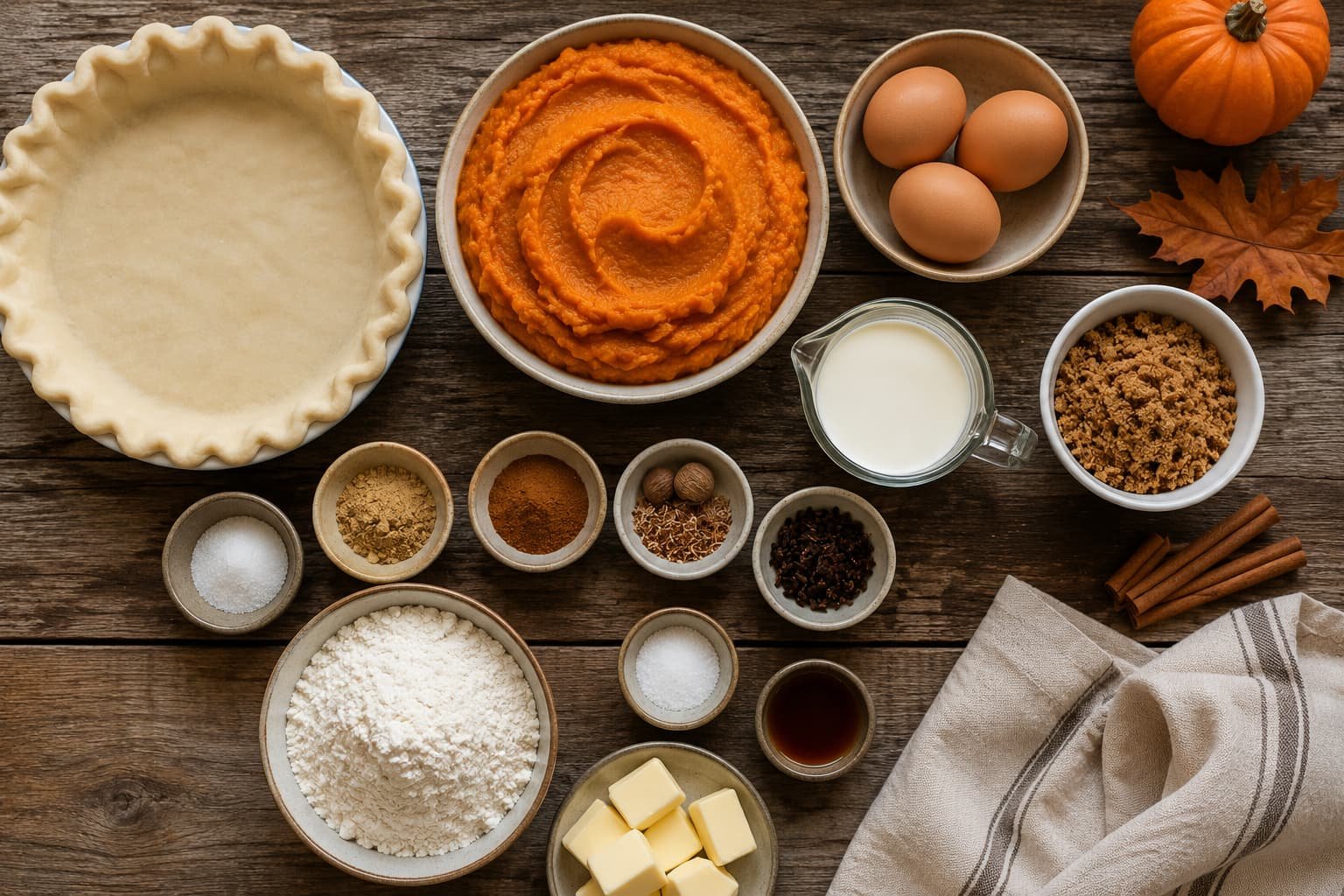
The secret to the best homemade pumpkin pie recipe isn’t a long list of ingredients it’s choosing quality ingredients and understanding how each one contributes to the final result. Every ingredient in this recipe has a specific purpose, from creating a smooth custard filling to building a flaky, golden crust. Knowing why each ingredient matters will help you bake a creamy pumpkin pie with balanced flavor, consistent texture, and bakery-quality results.
Pumpkin Puree: The Foundation of the Filling
Pumpkin puree is the star ingredient, providing the pie’s natural sweetness, vibrant color, and signature pumpkin flavor. For the most reliable results, use 100% pure pumpkin puree rather than pumpkin pie filling, which already contains added sugar and spices.
Both canned and homemade pumpkin puree can produce an excellent pumpkin pie recipe, but consistency matters. If you’re using homemade puree, drain any excess moisture through a fine-mesh sieve before mixing it into the filling. Removing excess liquid helps the custard bake evenly and prevents a watery or soft center.
Eggs: The Key to a Smooth Custard
Eggs give pumpkin pie filling its structure. As the pie bakes, the proteins in the eggs gently set, transforming the liquid mixture into a smooth, sliceable custard.
For the best texture, use room-temperature eggs. They blend more easily with the pumpkin mixture, creating a more uniform filling and reducing the chance of overmixing, which can introduce excess air and increase the risk of surface cracks.
Brown Sugar: Adds Depth of Flavor
Brown sugar does more than sweeten the pie. Its natural molasses adds subtle caramel notes that complement pumpkin without overpowering it. It also contributes to the filling’s warm color and richer flavor.
Light brown sugar is ideal for a classic homemade pumpkin pie, while dark brown sugar creates a slightly deeper, more robust flavor. Either option works well, depending on your personal preference.
Cinnamon: The Classic Pumpkin Pie Spice
Cinnamon provides the warm, familiar aroma that many people associate with fall baking. It enhances the pumpkin’s natural flavor instead of masking it, creating the comforting taste expected from a traditional pumpkin pie.
For the freshest flavor, replace ground cinnamon that’s been stored for several years. Fresh spices make a noticeable difference in both aroma and overall taste.
Nutmeg: Small Amount, Big Impact
Nutmeg adds gentle sweetness and earthy warmth that balances the cinnamon and pumpkin beautifully. Because it’s naturally concentrated, only a small amount is needed.
Freshly grated nutmeg offers a brighter aroma, but quality ground nutmeg is a practical choice that still produces excellent results.
Ginger: Brightens the Flavor
Ground ginger adds a subtle warmth with a light peppery finish that keeps the filling from tasting overly sweet. Instead of dominating the spice blend, it brings freshness and balance to every bite.
Cloves: Use with Care
Cloves are one of the most powerful spices in pumpkin pie. A small pinch is enough to deepen the overall flavor profile. Adding too much can easily overpower the pumpkin, so measuring carefully helps maintain a balanced spice blend.
Vanilla Extract: Enhances Every Flavor
Pure vanilla extract doesn’t make the pie taste like vanilla. Instead, it softens the sharper spice notes while enhancing the pumpkin’s natural sweetness. Although it’s used in a small amount, it helps create a smoother, more rounded flavor throughout the filling.
Evaporated Milk or Heavy Cream: Creates a Rich Custard
The dairy component determines much of the pie’s final texture. Evaporated milk is the traditional choice because it produces a creamy, stable custard with a classic flavor. Heavy cream creates an even richer, silkier filling with a more luxurious texture.
Whichever you choose, use full-fat dairy for the smoothest consistency and the best baking results.
Pie Crust: A Flaky Base for Every Slice
A flaky pie crust provides the structure that supports the creamy filling while adding a satisfying contrast in texture. Homemade crust delivers the freshest flavor, but a quality store-bought crust is a convenient alternative.
If you’re making your own crust, chilling the dough before baking helps prevent shrinking and encourages distinct flaky layers. If using a store-bought crust, allow it to thaw according to the package instructions before filling it.
Salt: The Ingredient That Brings Everything Together
Although used in a small amount, salt is essential for balancing sweetness and highlighting the natural flavors of the pumpkin and spices. Without it, the filling can taste flat or overly sweet.
A simple pinch of salt enhances every ingredient in the recipe, creating a more balanced, flavorful homemade pumpkin pie that’s rich without being overwhelming.
Fresh Pumpkin vs. Canned Pumpkin
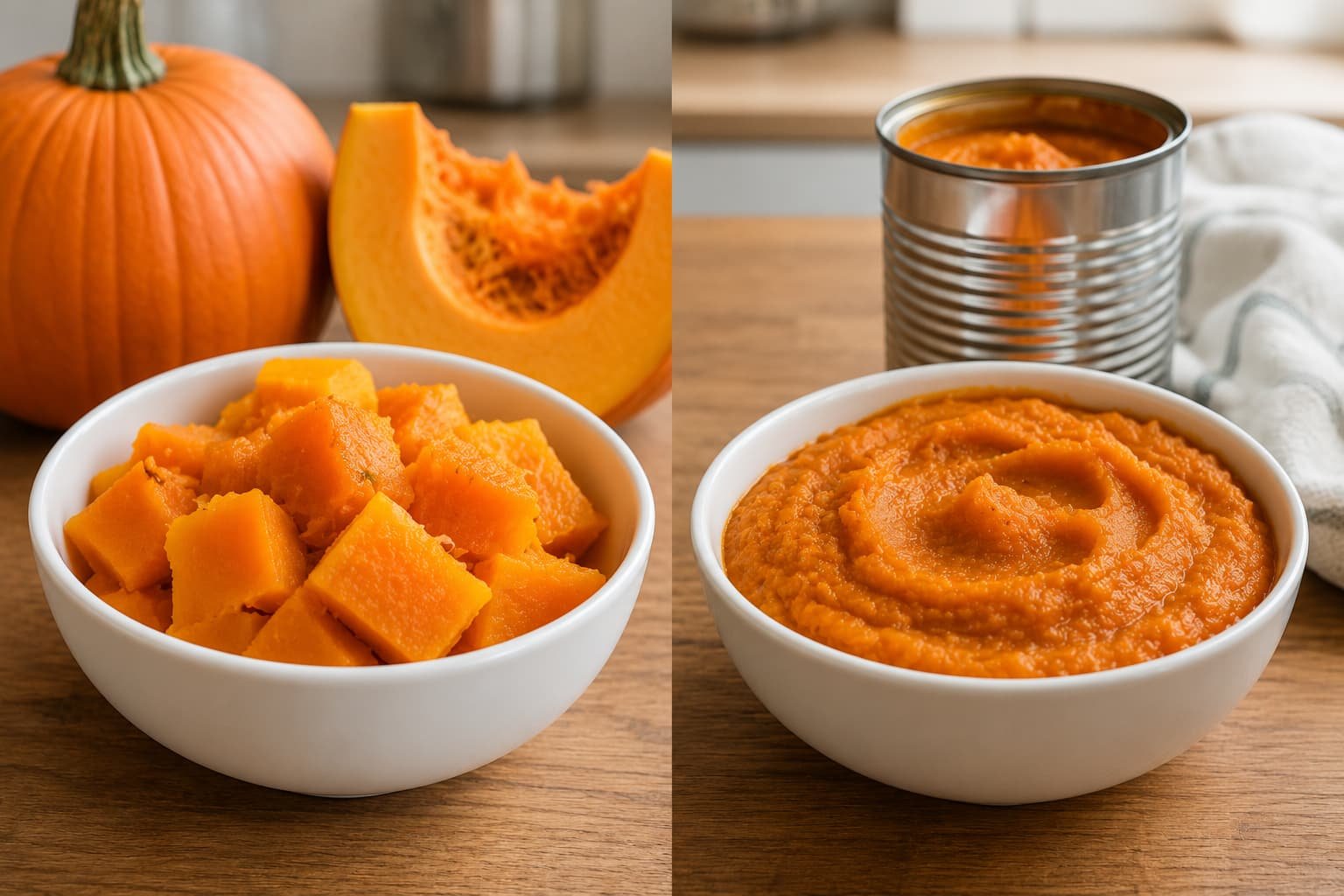
Choosing between fresh pumpkin and canned pumpkin puree is one of the first decisions you’ll make when preparing a homemade pumpkin pie. Both can produce a delicious dessert, but they differ in flavor, texture, preparation time, and baking consistency.
For most bakers, 100% canned pumpkin puree is the most dependable choice because it delivers a smooth texture and consistent moisture level. Fresh pumpkin offers a lighter, more delicate flavor, but it requires extra preparation to achieve the same creamy consistency. The right option depends on whether you value convenience or enjoy making every component from scratch.
| Feature | Fresh Pumpkin | Canned Pumpkin Puree |
| Flavor | Mild, fresh, and slightly earthy with a delicate pumpkin taste. | Rich, concentrated pumpkin flavor that stays consistent from can to can. |
| Texture | May be fibrous or watery unless well drained and blended. | Smooth, thick, and ideal for creating a silky custard filling. |
| Convenience | Requires peeling, cooking, pureeing, and draining before use. | Ready to use immediately, making preparation faster and easier. |
| Baking Results | Moisture content varies, which can affect baking time and the final texture. | Produces reliable baking results with a creamy, evenly set filling. |
| Best Use | Perfect for bakers who enjoy preparing recipes completely from scratch. | Ideal for anyone looking for a consistent and foolproof pumpkin pie recipe. |
If you choose fresh pumpkin, look for sugar pumpkins (also called pie pumpkins) instead of large carving pumpkins. Their flesh is naturally sweeter, smoother, and less watery, making them better suited for baking. After cooking and pureeing the pumpkin, drain it in a fine-mesh sieve or cheesecloth for 20 to 30 minutes. Removing excess moisture helps prevent a runny pumpkin pie filling, encourages even baking, and creates a creamier custard.
How to Make Homemade Pumpkin Pie
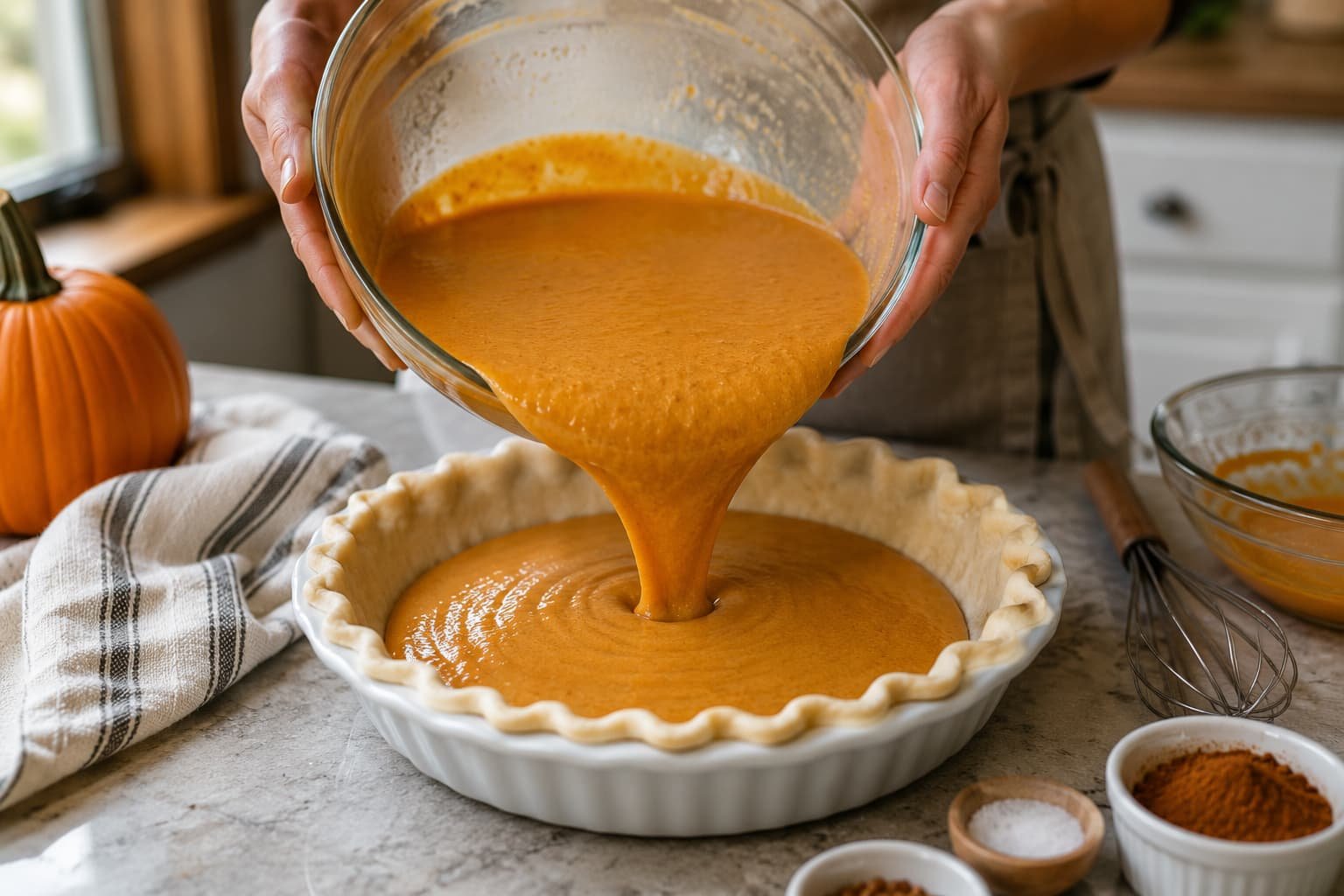
Making a homemade pumpkin pie is surprisingly straightforward when each step is done with care. Paying attention to the small details like chilling the crust, mixing gently, and avoiding overbaking can make the difference between a good pie and one with a smooth filling, crisp crust, and beautifully clean slices.
Step 1: Prepare the Pie Crust
Roll your homemade pie crust into a 9-inch pie dish, gently pressing it into the bottom and sides without stretching the dough. Trim any excess, then crimp the edges if desired.
Place the prepared crust in the refrigerator for at least 20 minutes before filling it. Keeping the butter cold helps reduce shrinkage during baking and creates distinct flaky layers. If you’re using a store-bought crust, let it thaw according to the package instructions before filling.
Step 2: Mix the Dry Ingredients
In a large bowl, whisk together the brown sugar, cinnamon, ginger, nutmeg, cloves, and salt until the spices are evenly combined.
Mixing the dry ingredients first distributes the spices evenly throughout the filling, preventing concentrated pockets of flavor and ensuring every slice tastes balanced.
Step 3: Whisk the Wet Ingredients
In a separate bowl, lightly whisk the eggs until smooth. Add the pumpkin puree, vanilla extract, and evaporated milk or heavy cream, then whisk just until fully combined.
Avoid whipping too much air into the mixture. Excess air can cause the filling to rise during baking and collapse later, increasing the chance of cracks on the surface.
Step 4: Combine the Filling
Gradually stir the dry ingredients into the wet mixture until no streaks remain and the filling is smooth and creamy.
Before pouring the filling into the crust, scrape down the sides and bottom of the bowl to make sure the spices and sugar are fully incorporated. Gentle mixing helps preserve the silky texture that makes a creamy pumpkin pie so enjoyable.
Step 5: Fill the Pie Crust
Pour the filling into the chilled pie crust, leaving a small gap below the rim to prevent spills as the pie bakes.
For easier handling, place the pie dish on a baking sheet before transferring it to the oven. This catches any drips and makes moving the pie much safer.
Step 6: Bake Until the Center Is Just Set
Bake the pie according to the recipe’s recommended temperature and time, but rely on visual cues for the best results. The edges should look set while the center should still have a slight wobble when the pie is gently shaken.
The filling continues to cook from residual heat after it leaves the oven. Removing the pie at the right moment helps prevent cracks, keeps the custard smooth, and avoids an overbaked texture.
Step 7: Cool Completely Before Serving
Place the baked pie on a wire rack and allow it to cool completely at room temperature before transferring it to the refrigerator.
Resist the temptation to slice the pie while it’s still warm. The custard needs time to finish setting, and cutting too early can cause the filling to lose its shape. Chilling the pie for at least four hours or overnight for the best results creates cleaner slices and allows the pumpkin and spices to develop an even richer flavor.
How to Tell When Pumpkin Pie Is Done
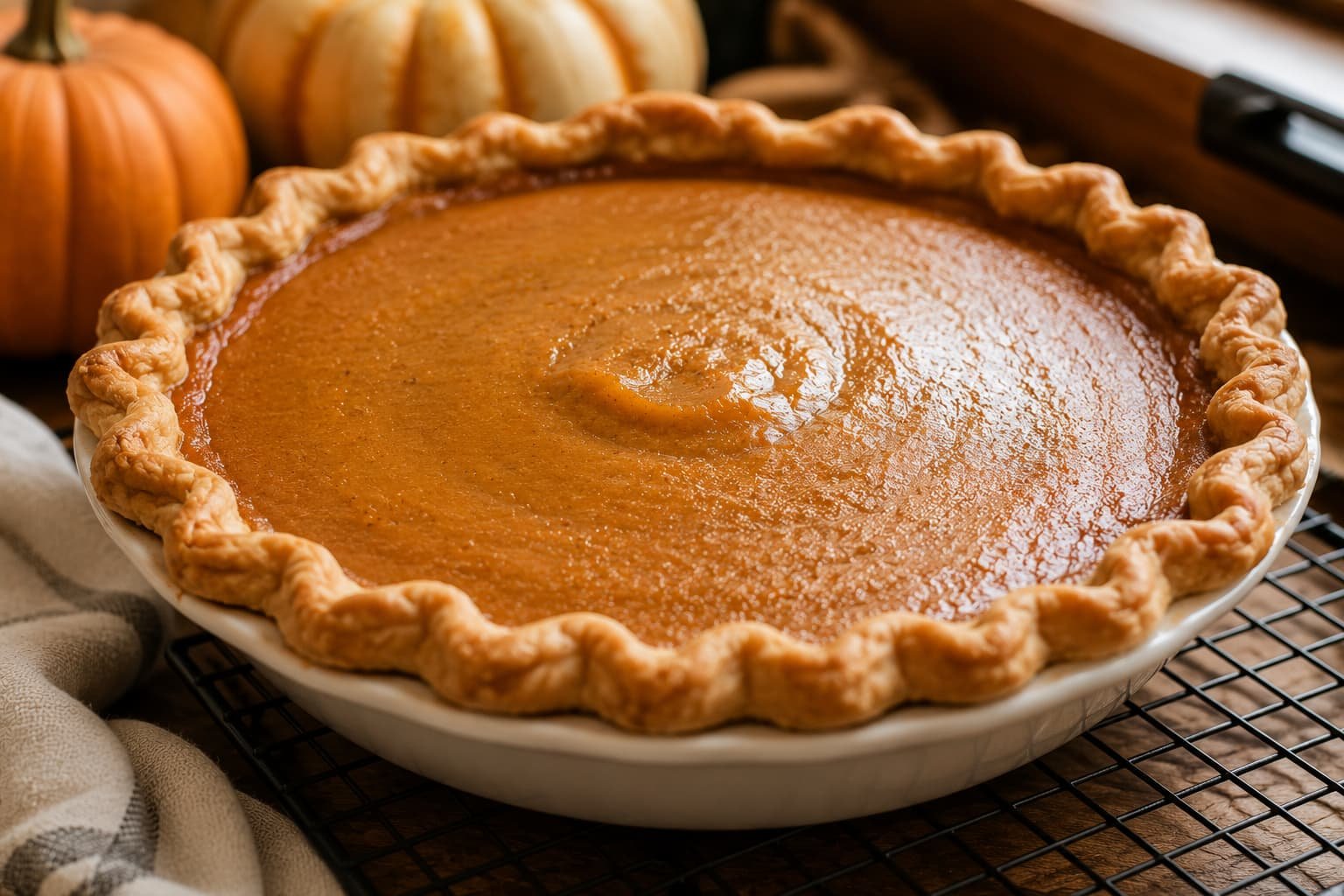
One of the most common questions when baking a homemade pumpkin pie is knowing the exact moment to take it out of the oven. Remove it too soon, and the filling may remain soft and difficult to slice. Leave it in too long, and the custard can become dry or develop cracks across the surface. Instead of relying only on the timer, use the following methods together for the most reliable results.
The Jiggle Test: Your Best Indicator
The jiggle test is the easiest and most dependable way to check whether a pumpkin pie is fully baked. Carefully move the pie dish or gently tap one side of the pan. The outer edge about 2 to 3 inches from the crust should look completely set, while the very center should have a slight wobble.
The movement should resemble soft gelatin rather than a liquid wave. If the filling ripples from edge to edge, the pie needs more baking time. If the center doesn’t move at all, the custard may already be slightly overbaked. Because every oven heats a little differently, the jiggle test is often more dependable than relying on the baking time alone.
Check the Internal Temperature
If you want the most accurate confirmation, use an instant-read thermometer. Insert it into the center of the filling, avoiding the crust.
A properly baked pumpkin pie filling should register 175–180°F (79–82°C). This method removes much of the guesswork and is especially useful if you’re making pumpkin pie for the first time or your oven tends to bake unevenly.
Use the Knife Test as a Secondary Check
Many home bakers use the knife test, but it’s best treated as a backup rather than the primary indicator.
Insert a thin knife about an inch from the center of the pie. It should come out mostly clean with a few moist custard streaks. Unlike cakes, pumpkin pie shouldn’t be baked until the knife comes out completely dry because the filling continues to set from residual heat after it leaves the oven.
Cool the Pie Properly Before Serving
Cooling is part of the baking process, not just the finishing step. Place the pie on a wire rack and allow it to cool at room temperature for about two hours. During this time, the residual heat gently finishes setting the custard.
Once cooled, refrigerate the pie for at least four hours before slicing. Waiting may require patience, but it rewards you with cleaner slices, a firmer texture, and a richer flavor as the pumpkin and spices have time to fully develop. Avoid covering the pie until it has cooled completely, as trapped steam can create condensation and soften the surface.
Common Mistakes to Avoid
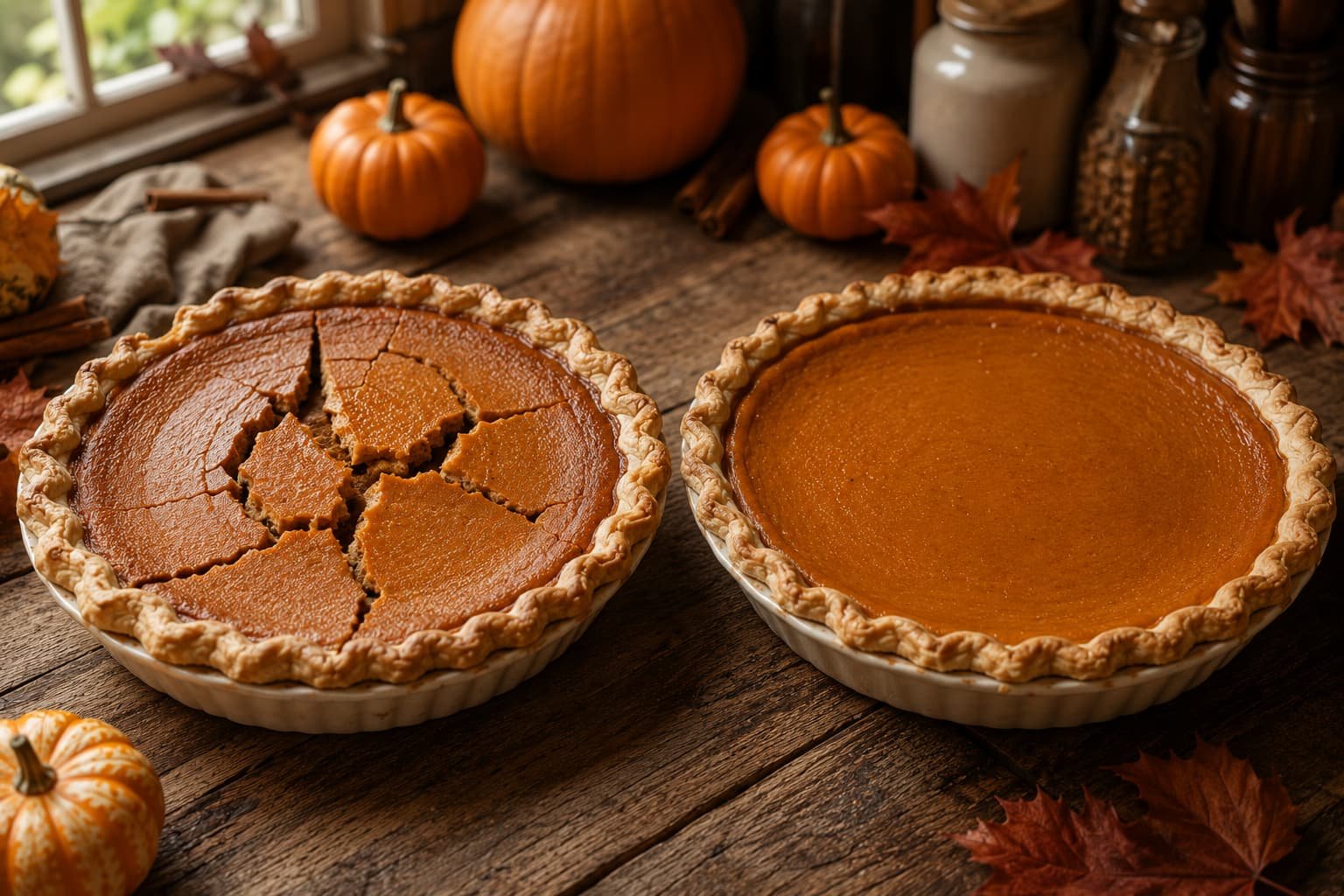
Even the best homemade pumpkin pie recipe can fall short if a few important details are overlooked. Most pumpkin pie problems from cracks to a soggy filling are easy to prevent once you understand what causes them. Paying attention to these common mistakes will help you bake a pie with a smooth custard, flaky crust, and consistent results every time.
Overmixing the Filling
Whisking the filling too aggressively introduces excess air into the custard. As the pie bakes, those air bubbles expand, causing the filling to rise before sinking as it cools. This often leaves cracks across the surface.
Mix only until the ingredients are fully combined. A smooth filling doesn’t require vigorous whisking, and gentle mixing produces a creamier texture.
Overbaking the Pie
Overbaking is one of the main reasons a pumpkin pie becomes dry or develops deep cracks.
Instead of waiting for the center to become completely firm, remove the pie when the edges are set and the middle still has a slight wobble. Carryover heat continues cooking the custard after the pie leaves the oven, allowing it to finish setting naturally without drying out.
Underbaking the Filling
Taking the pie out too early leaves the center loose and difficult to slice. If the filling still looks liquid instead of gently wobbling, it needs more time in the oven.
For the most reliable results, combine the jiggle test with an internal temperature reading rather than depending on baking time alone.
Incorrect Pie Crust Preparation
A flaky crust begins long before the pie goes into the oven. If the dough becomes too warm while you’re shaping it, the butter softens prematurely, reducing the flaky layers and increasing the chance of shrinkage.
Keep the prepared crust chilled until you’re ready to fill it. Cold butter creates steam as it bakes, which helps form the crisp, flaky layers that pair perfectly with a creamy custard filling.
Skipping the Cooling Time
Cutting into a warm pie is one of the easiest ways to ruin an otherwise perfect dessert. Although the crust may look fully baked, the custard continues to firm up as it cools.
Allow the pie to cool completely at room temperature before refrigerating it. Chilling for several hours helps the filling hold its shape, making each slice cleaner while giving the spices time to blend into a deeper, more balanced flavor.
Using Watery Pumpkin Puree
Whether you use homemade or canned pumpkin, consistency matters. Homemade puree sometimes contains more moisture than canned varieties, which can produce a soft filling and increase baking time.
If your puree appears watery, transfer it to a fine-mesh sieve or cheesecloth and let it drain for 20 to 30 minutes before mixing the filling. Removing excess moisture creates a thicker pumpkin pie filling, improves baking consistency, and reduces the chance of a soggy center.
Expert Tips for the Best Pumpkin Pie
Baking a delicious homemade pumpkin pie doesn’t require complicated techniques, but a few small details can make a noticeable difference. Professional bakers pay close attention to ingredient temperature, mixing methods, and baking conditions because those factors directly affect the texture of the custard and the crispness of the crust. These simple tips will help you create a creamy pumpkin pie with a smooth filling, flaky crust, and rich, balanced flavor.
Use Room-Temperature Eggs
Room-temperature eggs blend more easily with the pumpkin puree and dairy, creating a smoother filling with a more even texture. Cold eggs can make the mixture harder to combine, which may encourage overmixing.
If you forgot to take the eggs out in advance, place them in a bowl of warm not hot water for about 10 minutes. This quick trick brings them close to room temperature without affecting their quality.
Don’t Overwhisk the Filling
Once the ingredients are combined, stop mixing. Whisking too long traps extra air inside the custard, causing the filling to puff while baking before settling as it cools. That’s one of the most common reasons pumpkin pie develops cracks across the surface.
Gentle mixing produces a smoother pumpkin pie filling and a creamier finished texture.
Chill the Pie Dough Before Baking
Whether you’re making a homemade pie crust or using a store-bought one, chilling the dough before filling is worth the extra time.
Cold butter stays solid until the crust enters the hot oven, where it creates steam that forms flaky layers. Chilling also helps the crust hold its shape and reduces shrinking during baking. If your kitchen is especially warm and the dough becomes soft while rolling it out, refrigerate it again for 10 to 15 minutes before continuing.
Use Fresh, High-Quality Spices
Pumpkin pie depends on warm spices for much of its flavor, so freshness matters. Ground cinnamon, ginger, nutmeg, and cloves gradually lose their aroma as they sit in the pantry.
If your spices are several years old, replacing them with fresh ones can noticeably improve the flavor of your pie. For an even richer aroma, grate whole nutmeg just before mixing the filling.
Let the Pie Rest Before Serving
A freshly baked pie may smell irresistible, but slicing it too soon can cause the custard to lose its shape.
Allow the pie to cool completely at room temperature before refrigerating it. Chilling for at least four hours gives the filling time to fully set, making each slice cleaner and allowing the pumpkin and spices to develop a deeper, more balanced flavor. Many bakers find that homemade pumpkin pie tastes even better the next day.
Protect the Crust from Overbrowning
If the crust edges begin browning before the filling is fully baked, loosely cover them with strips of aluminum foil or a pie shield.
This simple adjustment protects the crust from burning while allowing the center of the pie to finish baking at the proper pace. Keeping an eye on the crust during the final stage of baking helps achieve an evenly baked pie with an attractive golden finish.
These small techniques may only take a few extra minutes, but together they can significantly improve the texture, flavor, and appearance of your finished pumpkin pie.
Pumpkin Pie Variations
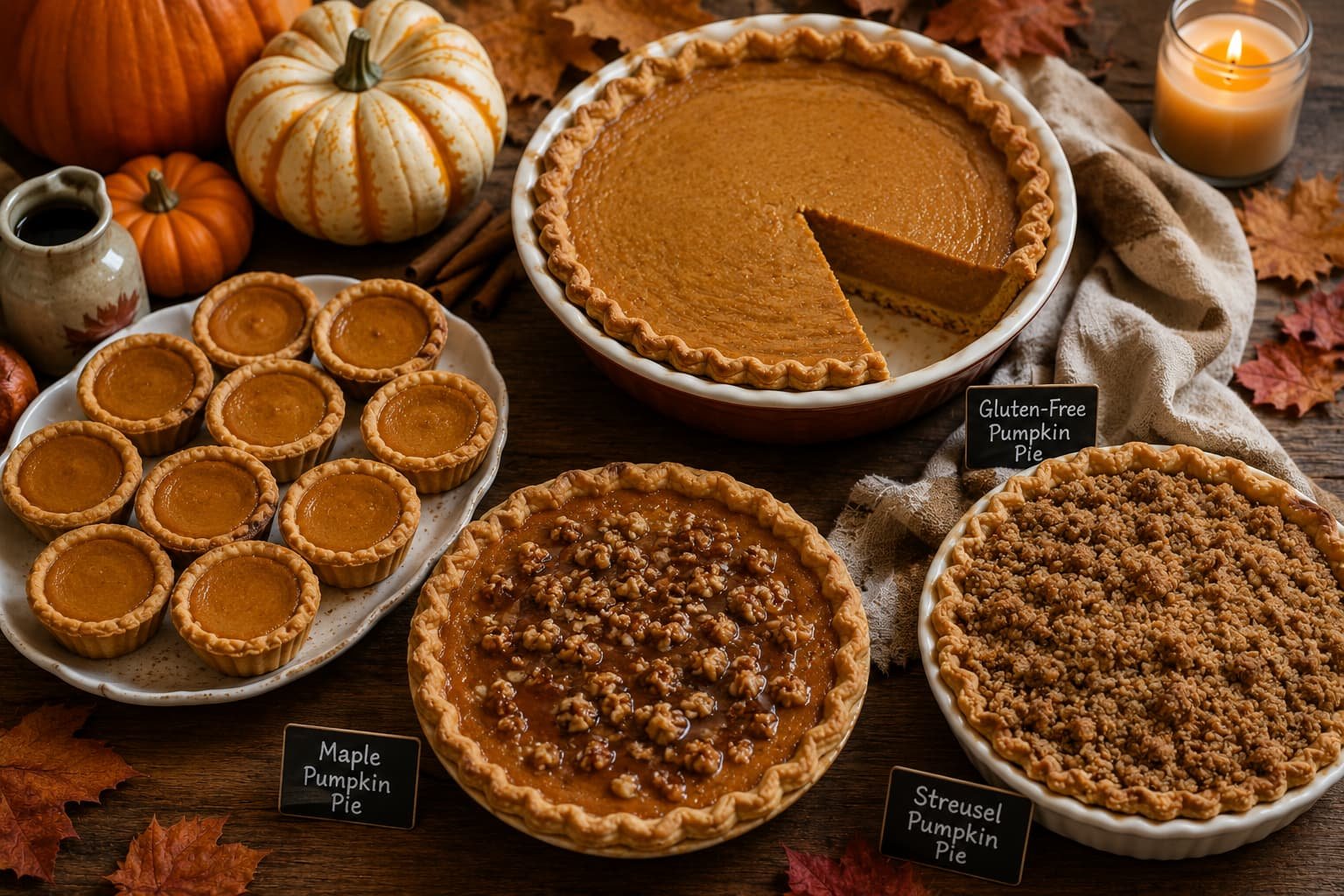
One of the best things about a classic pumpkin pie recipe is how easily it can be adapted to suit different tastes and dietary preferences. Whether you’re baking for guests with food allergies or simply want to try a new flavor, these variations let you customize the recipe while preserving the smooth custard filling that makes pumpkin pie so popular.
Gluten Free Pumpkin Pie
A gluten free version is easy to make by using a certified gluten free pie crust. Since the filling is naturally free of gluten, you’ll only need to confirm that ingredients like vanilla extract and spice blends don’t contain added gluten.
Some gluten free crusts brown a little faster than traditional pastry, so check the edges during baking and cover them if necessary.
Dairy-Free Pumpkin Pie
To make a dairy-free pumpkin pie, replace the evaporated milk or heavy cream with full-fat canned coconut milk or another unsweetened dairy-free baking alternative.
Coconut milk creates a rich, creamy texture and adds only a mild flavor that blends naturally with pumpkin and warm spices.
Maple Pumpkin Pie
Replace part of the brown sugar with pure maple syrup to give the filling a deeper caramel-like sweetness and a subtle maple flavor.
Because maple syrup adds extra moisture, reduce the amount of evaporated milk or cream slightly to maintain a smooth custard consistency. This variation is especially popular during fall and Thanksgiving celebrations.
Bourbon Pumpkin Pie
Adding one or two tablespoons of bourbon introduces gentle notes of vanilla, caramel, and oak that complement the pumpkin without overpowering it.
Most of the alcohol evaporates during baking, leaving behind a richer flavor. If you prefer an alcohol-free dessert, simply omit the bourbon the texture and baking process remain the same.
Mini Pumpkin Pies
Instead of baking one large pie, divide the filling between muffin tins or individual tart shells to create mini pumpkin pies.
These individual desserts are ideal for parties, holiday buffets, or portion-controlled servings. Since they bake more quickly than a full-sized pie, begin checking for doneness several minutes earlier.
Streusel Pumpkin Pie
For extra texture, top the filling with a buttery streusel made from flour, brown sugar, butter, and cinnamon before baking.
The crisp topping contrasts beautifully with the creamy custard beneath it, creating a bakery-style dessert that’s perfect for autumn gatherings and Thanksgiving dinners.
What to Serve with Pumpkin Pie
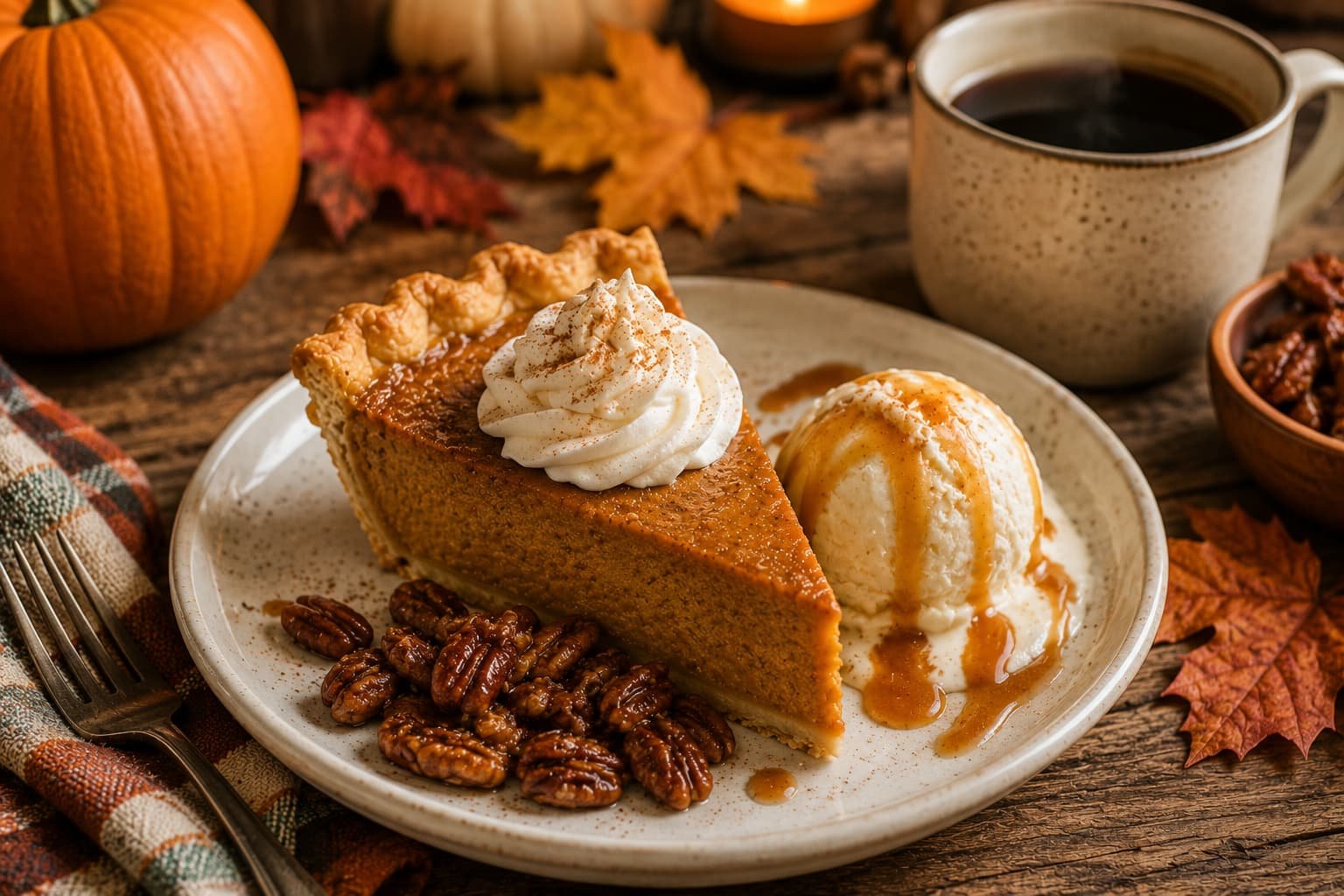
A slice of homemade pumpkin pie is satisfying on its own, but the right accompaniment can elevate it from a simple dessert to a memorable finish for any meal. The pie’s silky custard, warm spices, and flaky crust pair best with toppings and drinks that enhance its flavor rather than overpower it. Whether you’re serving it at Thanksgiving or enjoying leftovers the next day, these pairings bring out the best in every slice.
Fresh Whipped Cream
Fresh whipped cream is the classic topping for pumpkin pie, and for good reason. Its light, airy texture balances the rich custard filling while adding just enough sweetness without masking the pumpkin flavor.
For the best results, whip cold heavy cream with a small amount of powdered sugar and pure vanilla extract until soft peaks form. Homemade whipped cream tastes fresher than most store-bought versions and can be prepared just a few minutes before serving.
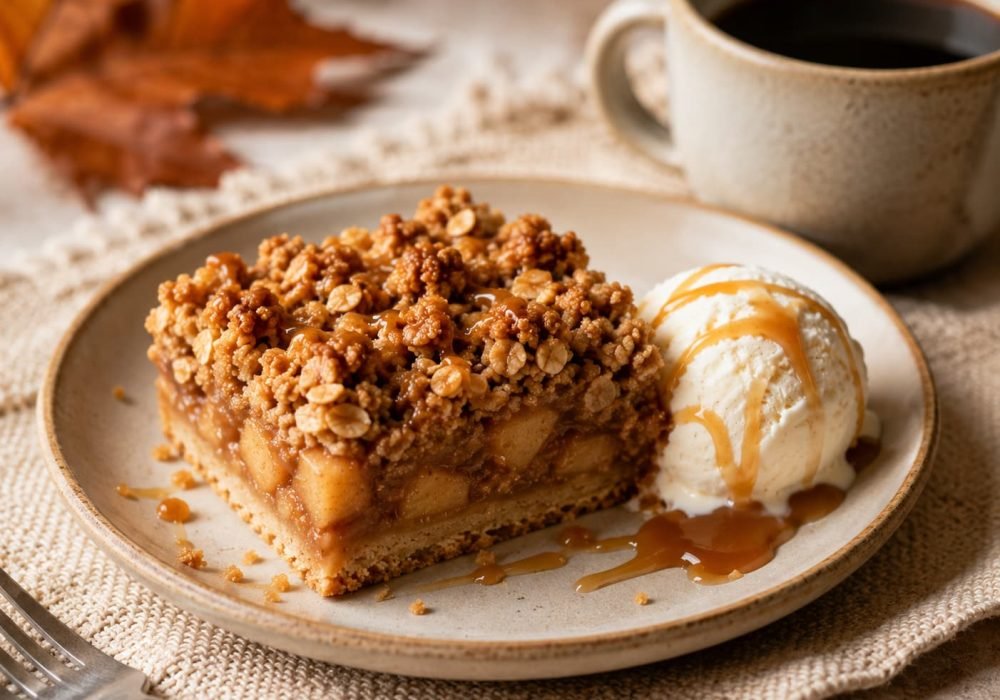
Vanilla Ice Cream
Few desserts pair as naturally with pumpkin pie as a scoop of creamy vanilla ice cream. The contrast between cool ice cream and a slightly warm slice of pie creates a comforting combination that’s especially popular during the holiday season.
Choose an ice cream made with real vanilla beans or pure vanilla extract for the richest flavor. As it melts, it blends gently with the custard, making every bite extra creamy.
Warm Caramel Sauce
A light drizzle of warm caramel sauce adds buttery sweetness that complements the pie’s cinnamon, ginger, nutmeg, and brown sugar without overpowering them.
Use caramel sparingly a little goes a long way. For an even more balanced flavor, try a lightly salted caramel sauce, which adds a subtle contrast to the pie’s natural sweetness.
Maple-Glazed Pecans
Toasted maple-glazed pecans add a satisfying crunch that contrasts beautifully with the smooth pumpkin pie filling.
Sprinkle a handful over each slice just before serving to keep the nuts crisp. Their combination of maple, roasted pecans, and warm spices creates a classic autumn flavor that’s perfect for Thanksgiving and other fall celebrations.
Freshly Brewed Coffee
A hot cup of coffee is one of the simplest and most satisfying drinks to serve with homemade pumpkin pie. The roasted notes help balance the pie’s sweetness while refreshing the palate between bites.
Medium and dark roast coffees with chocolate, caramel, or nutty flavor notes pair especially well with pumpkin pie because they naturally complement its warm spice profile.
Chai Latte
For tea lovers, a creamy chai latte is an equally comforting choice. Cinnamon, ginger, cloves, and cardamom mirror many of the same spices found in pumpkin pie, creating a naturally harmonious pairing.
Serve the pie slightly chilled alongside a warm chai latte for a cozy autumn dessert that’s perfect on cool evenings.
Storage & Freezing
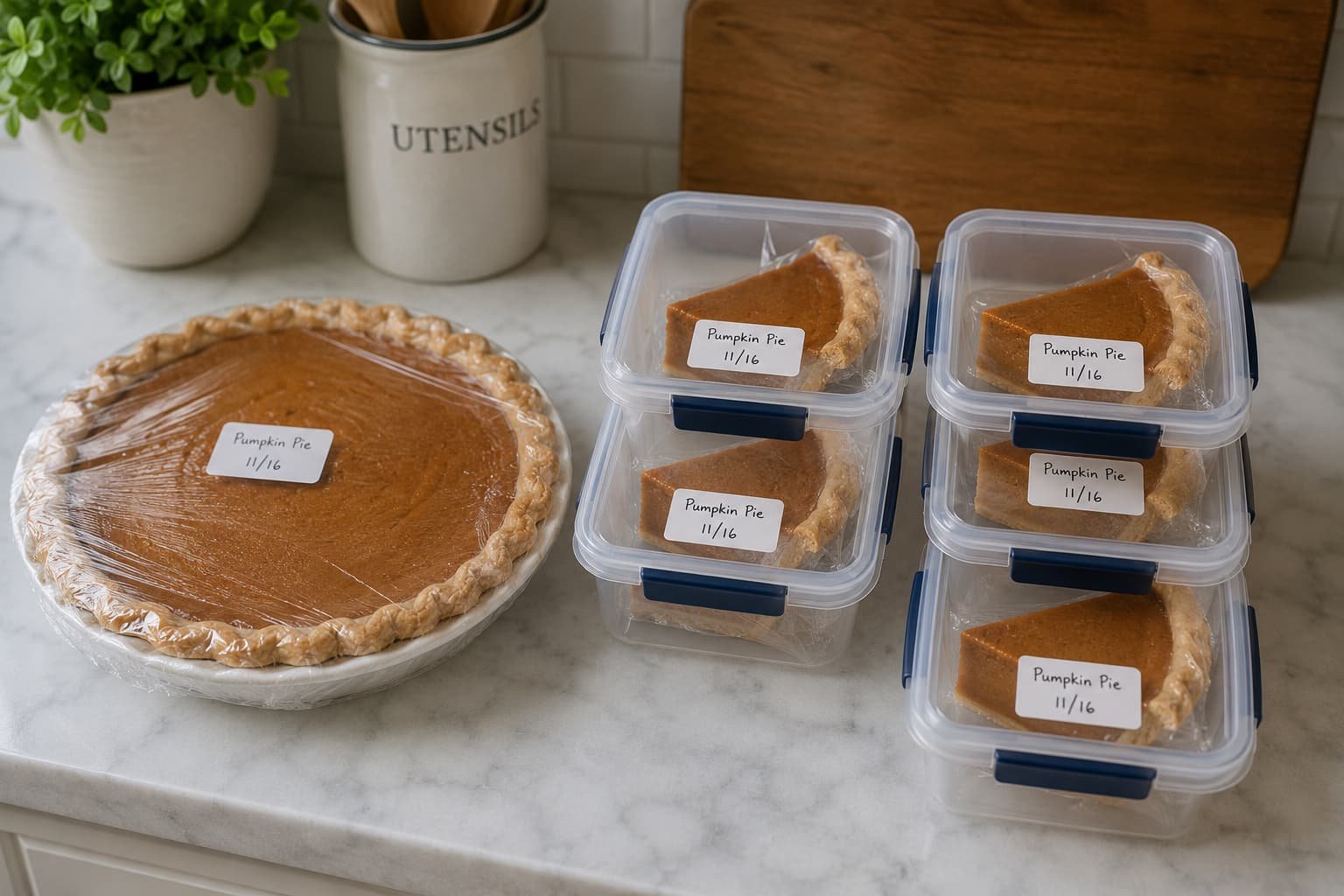
Proper storage helps your homemade pumpkin pie stay fresh, flavorful, and safe to eat after baking. Because the filling contains eggs and dairy, pumpkin pie should be treated like any other custard dessert and refrigerated once it has cooled.
How to Store Pumpkin Pie in the Refrigerator
Allow the pie to cool completely at room temperature before covering it loosely with plastic wrap, aluminum foil, or placing it in an airtight container.
Stored correctly, pumpkin pie stays fresh in the refrigerator for up to 4 days. Refrigeration also helps the custard remain firm, making leftover slices easier to cut and serve.
How to Freeze Pumpkin Pie
Pumpkin pie freezes remarkably well, making it a convenient make-ahead dessert for the holidays.
Once the pie has cooled completely, wrap it tightly in plastic wrap followed by aluminum foil to protect it from freezer burn. If you prefer, freeze individual slices separated with parchment paper so you can thaw only what you need.
For the best flavor and texture, enjoy frozen pie within 1 month. When you’re ready to serve it, thaw the pie overnight in the refrigerator.
The Best Way to Reheat Pumpkin Pie
Many people enjoy pumpkin pie straight from the refrigerator, but if you prefer it warm, reheat individual slices in a 300°F (150°C) oven for 10 to 15 minutes.
Avoid microwaving for extended periods or using a very hot oven, as excessive heat can dry out the custard and soften the crust. A gently warmed slice served with vanilla ice cream creates a delicious contrast of temperatures.
Pumpkin Pie Shelf Life and Food Safety
Because homemade pumpkin pie contains eggs and dairy, it should never remain at room temperature for longer than 2 hours. After serving, refrigerate any leftovers promptly to maintain both freshness and food safety.
For the best quality, avoid refreezing a pie that has already been thawed. If the pie develops an unusual odor, visible mold, or noticeable changes in texture, it’s safest to discard it. Proper storage helps preserve the pie’s creamy filling, flaky crust, and rich pumpkin flavor for several days after baking.
Frequently Asked Questions
Can I Make Pumpkin Pie Ahead of Time?
Yes. Homemade pumpkin pie is actually one of the best desserts to make ahead because the filling continues to firm up and the flavors become more balanced after several hours in the refrigerator. Many bakers find that a pie made one day in advance slices more neatly and tastes even better the next day.
After the pie has cooled completely, cover it loosely and refrigerate until you’re ready to serve. For the freshest texture, add whipped cream just before serving instead of storing it on top of the pie.
Can I Freeze Pumpkin Pie?
Yes. Pumpkin pie freezes very well, making it a convenient dessert to prepare ahead for Thanksgiving or other holiday gatherings.
Allow the pie to cool completely, then wrap it tightly in plastic wrap followed by a layer of aluminum foil to protect it from freezer burn. For the best flavor and texture, enjoy it within one month. Thaw the pie overnight in the refrigerator, and avoid refreezing it once it has fully thawed.
Why Did My Pumpkin Pie Crack?
Cracks usually appear because the pie was overbaked or the filling was mixed too vigorously. Overwhisking traps air inside the custard, causing it to rise in the oven before collapsing as it cools.
To help prevent cracks, mix the filling only until the ingredients are combined and remove the pie from the oven when the edges are set but the center still has a gentle wobble. Remember that residual heat continues cooking the filling after it leaves the oven, so a slight jiggle is exactly what you want.
Can I Use Fresh Pumpkin Instead of Canned Pumpkin?
Yes. Fresh pumpkin works well, especially if you use a sugar pumpkin or another variety intended for baking rather than large carving pumpkins.
Keep in mind that homemade pumpkin puree often contains more moisture than canned pumpkin. If it seems watery, let it drain through a fine-mesh sieve or cheesecloth before preparing the filling. While fresh pumpkin offers a homemade touch, canned pumpkin puree usually provides more consistent texture and flavor from one pie to the next.
Should Pumpkin Pie Be Refrigerated?
Yes. Because pumpkin pie contains eggs and dairy, it should be refrigerated after it has cooled completely.
Do not leave the pie at room temperature for more than two hours. Store it covered in the refrigerator, where it will stay fresh for up to four days while maintaining its creamy texture and rich pumpkin flavor.
Can I Use Homemade Pie Crust?
Absolutely. A homemade pie crust is an excellent choice if you enjoy making pastry from scratch. A buttery homemade crust often provides a flakier texture and richer flavor than many ready-made alternatives.
For the best results, chill the prepared dough before filling it. Keeping the butter cold helps create tender, flaky layers as the crust bakes.
What’s the Best Pumpkin Puree?
Pure canned pumpkin puree is the easiest and most reliable option because it has a smooth consistency and balanced moisture level. Be sure to choose 100% pumpkin puree, not pumpkin pie filling, which already contains sugar and spices.
If you prefer homemade puree, drain any excess liquid before using it to help create a thick, creamy pumpkin pie filling.
How Long Does Pumpkin Pie Last?
When stored properly in the refrigerator, homemade pumpkin pie stays fresh for up to 4 days.
If you need to keep it longer, freeze the pie for up to one month for the best quality. Before serving leftovers, check for any unusual odor, mold, or changes in texture. If anything seems off, it’s safest to discard the pie.
Recipe Card
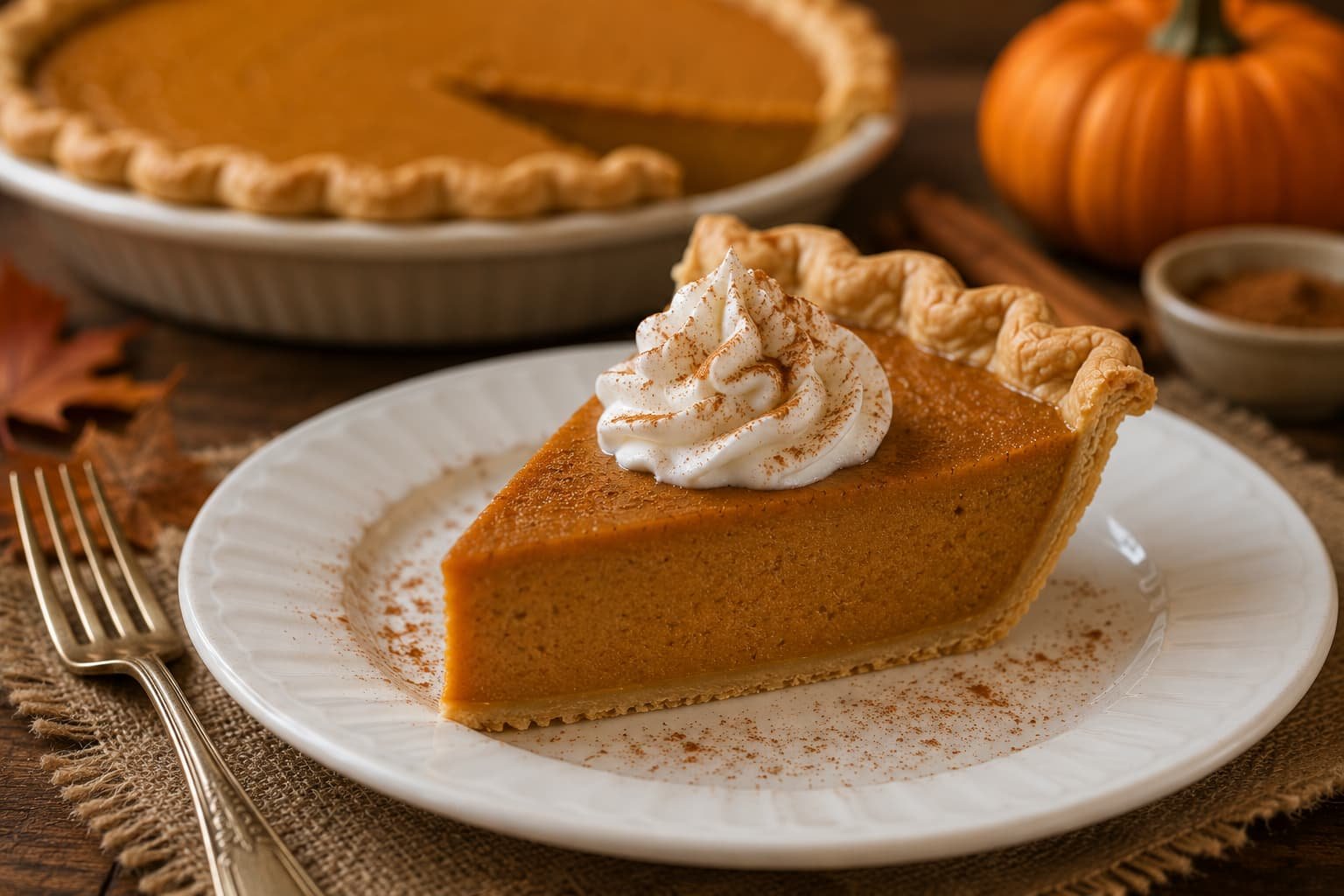
This Best Homemade Pumpkin Pie Recipe features a flaky, buttery crust filled with a silky pumpkin custard infused with cinnamon, ginger, nutmeg, and cloves. It’s an easy make-ahead dessert that’s perfect for Thanksgiving, holiday gatherings, or whenever you’re craving a classic slice of homemade comfort.
Recipe Details
Prep Time: 20 minutes
Cook Time: 50–60 minutes
Total Time: About 1 hour 20 minutes (plus cooling and chilling time)
Servings: 8 slices
Difficulty: Easy (Beginner-Friendly)
Equipment
- 9-inch pie dish
- Mixing bowls
- Whisk
- Measuring cups and spoons
- Rubber spatula
- Wire cooling rack
Ingredients
For the Pumpkin Filling
- 1 (15-ounce) can 100% pumpkin puree
- 2 large eggs, at room temperature
- ¾ cup packed brown sugar
- 1 teaspoon ground cinnamon
- ½ teaspoon ground ginger
- ¼ teaspoon ground nutmeg
- ⅛ teaspoon ground cloves
- 1 teaspoon pure vanilla extract
- 1 cup evaporated milk or heavy cream
- ¼ teaspoon fine salt
For the Pie Crust
- 1 unbaked 9-inch pie crust (homemade or high-quality store-bought)
Instructions
- Preheat the oven. Heat the oven to 425°F (220°C). Fit the pie crust into a 9-inch pie dish and crimp the edges if desired. If the dough has become soft, chill it for 15 minutes before filling.
- Combine the spices. In a small bowl, stir together the cinnamon, ginger, nutmeg, cloves, and salt to distribute the spices evenly.
- Prepare the filling. In a large bowl, whisk the pumpkin puree, brown sugar, eggs, vanilla extract, and spice mixture until everything is just combined.
- Add the dairy. Slowly whisk in the evaporated milk or heavy cream until the filling is smooth. Avoid overmixing, as excess air can cause the custard to crack during baking.
- Fill the crust. Pour the filling into the prepared pie crust and gently tap the pie dish on the counter once or twice to release any large air bubbles.
- Bake the pie. Bake for 15 minutes at 425°F (220°C). Without opening the oven door, reduce the temperature to 350°F (175°C) and continue baking for 35–45 minutes, or until the edges are set and the center still has a slight wobble.
- Cool and chill. Transfer the pie to a wire rack and cool for about 2 hours. Refrigerate for at least 4 hours before slicing. For the cleanest slices and the richest flavor, chilling overnight is even better.
Nutrition (Approximate Per Serving)
Nutrition values are estimates and may vary depending on the pie crust, dairy, and ingredient brands used.
- Calories: 320
- Carbohydrates: 35 g
- Protein: 5 g
- Fat: 18 g
- Saturated Fat: 8 g
- Cholesterol: 70 mg
- Sodium: 230 mg
- Fiber: 2 g
- Sugar: 20 g
Recipe Notes
For the smoothest pumpkin pie filling, use room-temperature eggs so they blend evenly with the pumpkin puree. If you’re using homemade pumpkin puree, drain excess moisture before mixing to prevent a loose custard. Watch the pie closely during the final stage of baking and remove it when the center still jiggles slightly, as residual heat will finish setting the filling. If the crust edges brown too quickly, loosely cover them with foil or a pie shield. This pie is an excellent make-ahead dessert and often tastes even better after chilling overnight, when the spices have had time to fully develop.
Final Thoughts
This Best Homemade Pumpkin Pie Recipe proves that a classic dessert doesn’t need complicated ingredients to deliver outstanding results. With a creamy custard filling, flaky crust, and balanced blend of warm spices, it’s a recipe you can rely on for both holiday celebrations and everyday baking.
Once you’ve mastered the classic version, don’t hesitate to make it your own. Add a dollop of fresh whipped cream ,a drizzle of salted caramel, or a sprinkle of toasted maple pecans for extra flavor and texture. You can also experiment with a homemade butter crust, a gluten-free crust, or your favorite seasonal spices to create a pie that’s uniquely yours.
Whether you’re baking for Thanksgiving, a festive family dinner, or simply because pumpkin season has arrived, this recipe is designed to deliver consistent, dependable results every time. If you give it a try, make note of your favorite topping or variation you may discover a new family tradition that’s requested year after year.