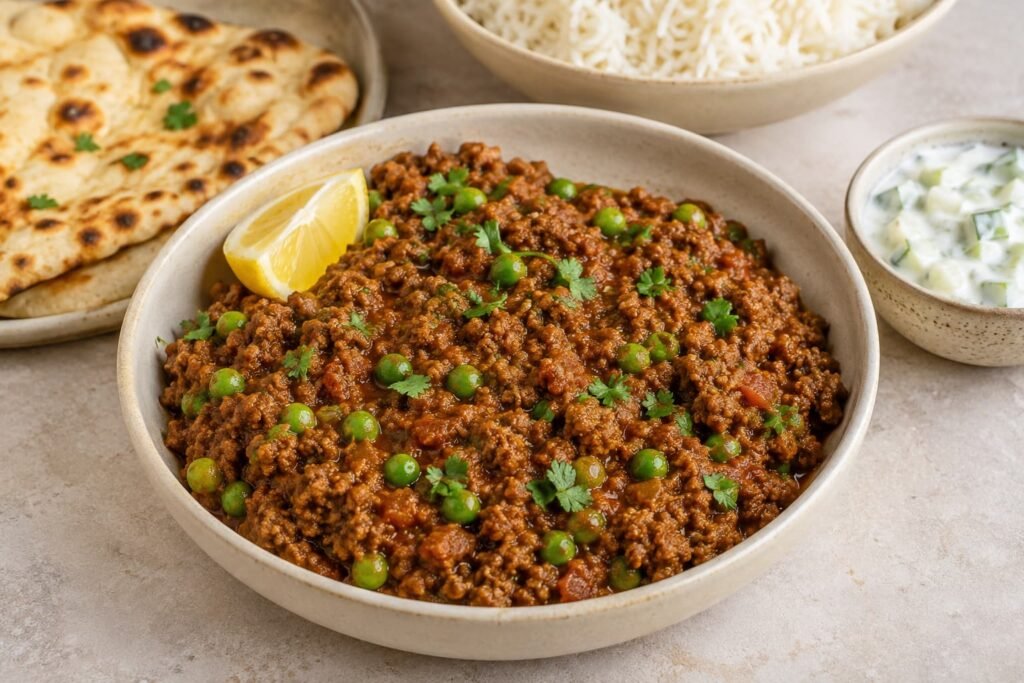
Lamb keema is a minced or ground lamb dish commonly cooked with onion, ginger, garlic, tomato, spices, and sometimes green peas. When peas are included, the dish is often called keema matar.
Ingredients and cooking methods vary between recipes, so lamb keema does not follow one universal formula. Understanding the main ingredients and their roles makes it easier to see how different versions of the dish are prepared.
What Is Lamb Keema?
Lamb keema is a South Asian minced-meat preparation made with ground or minced lamb and a seasoned aromatic base. Onion, ginger, garlic, tomato, chili, and spices are commonly used, although the exact combination varies.
The word keema, also spelled kheema or qeema, refers broadly to minced-meat preparations rather than one fixed recipe. Lamb is one common choice, but keema can also be prepared with other types of minced meat.
Consistency can vary as well. Some versions are relatively thick and meat-focused, while others contain more tomato or cooking liquid and have a looser texture.
What Does Keema Matar Mean?
Keema matar is a minced-meat dish prepared with peas. The word matar refers to peas, while keema refers to the minced-meat preparation.
Lamb and green peas are a common combination, but peas are not required in every lamb keema. A lamb keema made without peas is still keema, while a version containing peas may more specifically be described as lamb keema matar.
This distinction can be useful when comparing recipes because the terms are related but not identical.
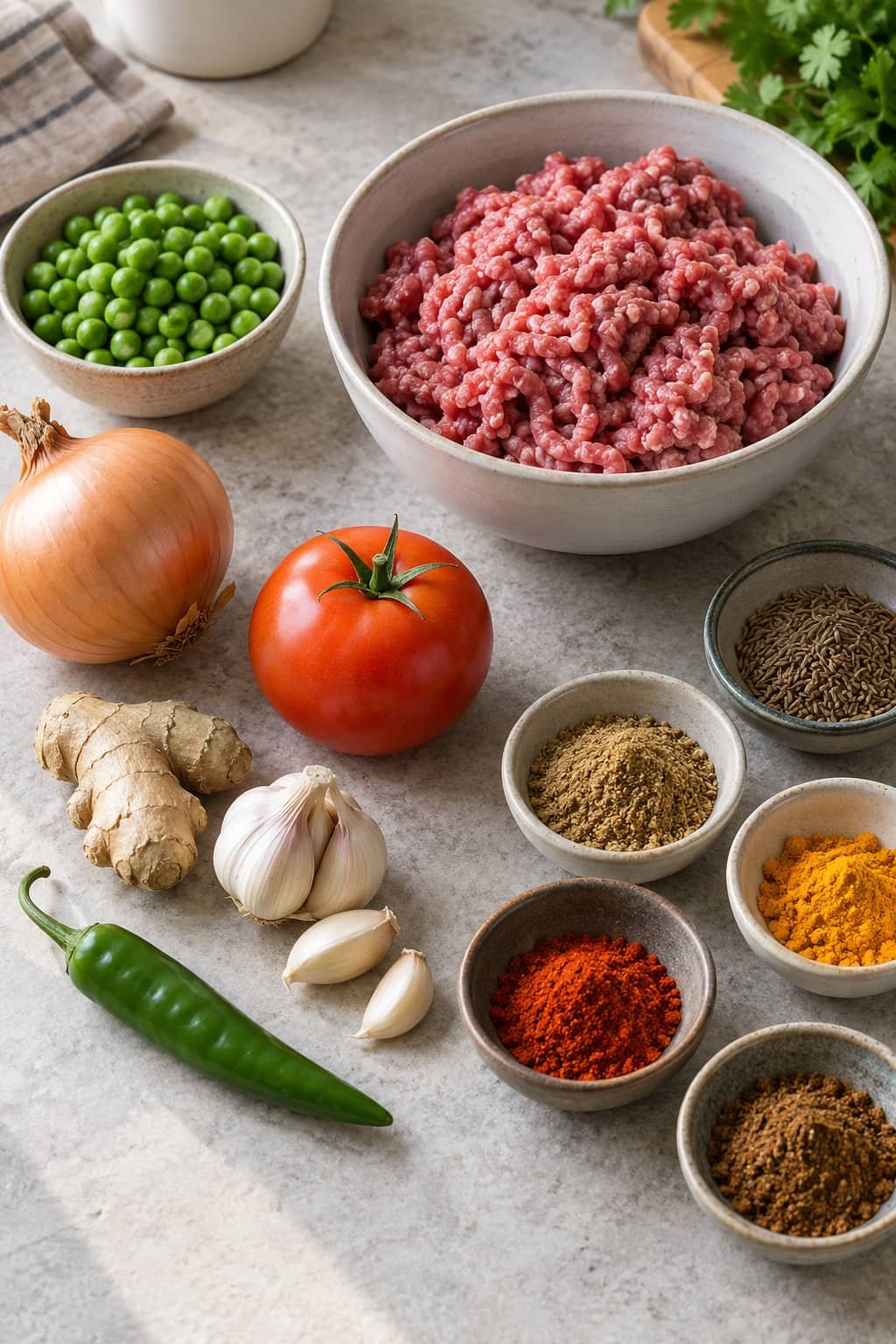
What Ingredients Are Commonly Used in Lamb Keema?
Lamb keema commonly combines minced lamb with aromatics, tomato, and spices. Green peas are often added when preparing keema matar.
There is no single required ingredient list. Recipes may use fresh tomatoes, tomato puree, or passata. Some rely mainly on ground spices, while others also include whole spices. The amount and type of chili can also differ.
The main ingredients can be grouped by the role they play in the dish.
Ground Lamb and Peas
Ground or minced lamb forms the main meat component. Its fat content can vary, which may affect how much fat is released during cooking and the overall richness of the dish.
During cooking, the mince is commonly broken into smaller pieces rather than kept in large clumps. This helps the meat combine more evenly with the aromatic base and spices.
Green peas add a contrasting texture and mild sweetness. They may be added at different stages depending on the recipe and the type of peas being used.
Both fresh and frozen peas can appear in keema matar preparations. Their cooking behavior can differ, so the most suitable timing depends on the particular method rather than one universal rule.
Onion, Tomato, Ginger, and Garlic
Onion, tomato, ginger, and garlic commonly form the aromatic and moisture-containing base of lamb keema.
Onion is often cooked early in the preparation and contributes to the base in which the spices and meat are combined.
Ginger and garlic provide aromatic flavor. Depending on the recipe, they may be finely chopped, minced, grated, or used as a paste.
Tomato contributes moisture, acidity, color, and body. Lamb keema preparations may use fresh tomato, tomato puree, passata, or another tomato-based ingredient.
These ingredients can also affect consistency. Tomatoes and ground meat both release or contribute moisture, while evaporation during cooking influences how thick or loose the finished keema becomes.
Spices Commonly Used in Keema
There is no single spice mixture that defines every lamb keema recipe. However, several spices are commonly associated with the dish.
These may include:
- cumin
- coriander
- turmeric
- chili powder or fresh chili
- garam masala
The proportions and cooking sequence vary between recipes. Some preparations also include whole spices such as cardamom, cloves, cinnamon, bay leaves, or peppercorns, but these are optional variations rather than universal requirements.
Garam masala is commonly used as part of the overall spice profile, while cumin, coriander, turmeric, and chili may be introduced at different stages depending on the method.
It is also useful to distinguish spice from chili heat. Ingredients such as cumin, coriander, turmeric, and garam masala add aromatic flavor without automatically making the dish intensely hot. The type and amount of chili used has a greater effect on the level of heat.
How Is Lamb Keema Commonly Prepared?
Lamb keema is commonly prepared by cooking an aromatic base, adding minced lamb, and then incorporating tomato, peas, and other ingredients according to the recipe.
The order is not identical in every version. Some methods add spices before the meat, while others introduce tomato or certain seasonings later. The exact sequence depends on the style of keema being prepared.
Building the Aromatic and Spice Base
Many lamb keema preparations begin with onion cooked in oil or another cooking fat. Ginger, garlic, chili, and spices are then commonly added to develop the aromatic base.
Spices such as cumin, coriander, turmeric, and chili may be added at this stage, but recipes vary. Some also use whole spices, while garam masala may be added later in the cooking process.
A fixed cooking time is not useful for every preparation because factors such as ingredient size, cookware, and heat level can affect how quickly the aromatics cook.
Cooking Ground Lamb
Ground lamb is usually added to the aromatic mixture and broken into smaller pieces as it cooks. This helps distribute the meat through the onions, spices, and other ingredients.
Minced lamb can release both moisture and fat during cooking. How much is released depends partly on the meat itself and the other ingredients in the pan.
As moisture evaporates, the mixture generally becomes less wet. Rendered fat may remain visible, particularly when the ground lamb contains more fat. Some preparations remove part of the excess fat, while others leave it in the dish.
Exact cooking times and appearance-based doneness claims should not be treated as universal. Pan size, heat level, meat quantity, and fat content can all affect how the lamb cooks.
Adding Tomatoes and Peas
Tomatoes contribute moisture, acidity, and body to lamb keema. Depending on the recipe, fresh tomatoes, tomato puree, passata, or another tomato-based ingredient may be used.
When the tomato is added also varies. Some methods cook it with the aromatic base, while others add it after the lamb. These differences can affect how much liquid remains in the finished dish.
Peas may also be added at different stages. Some keema matar preparations add them later, while others cook them with the lamb and sauce for longer.
Fresh and frozen peas can behave differently during cooking, so the timing may depend on the type of peas used and the desired texture.
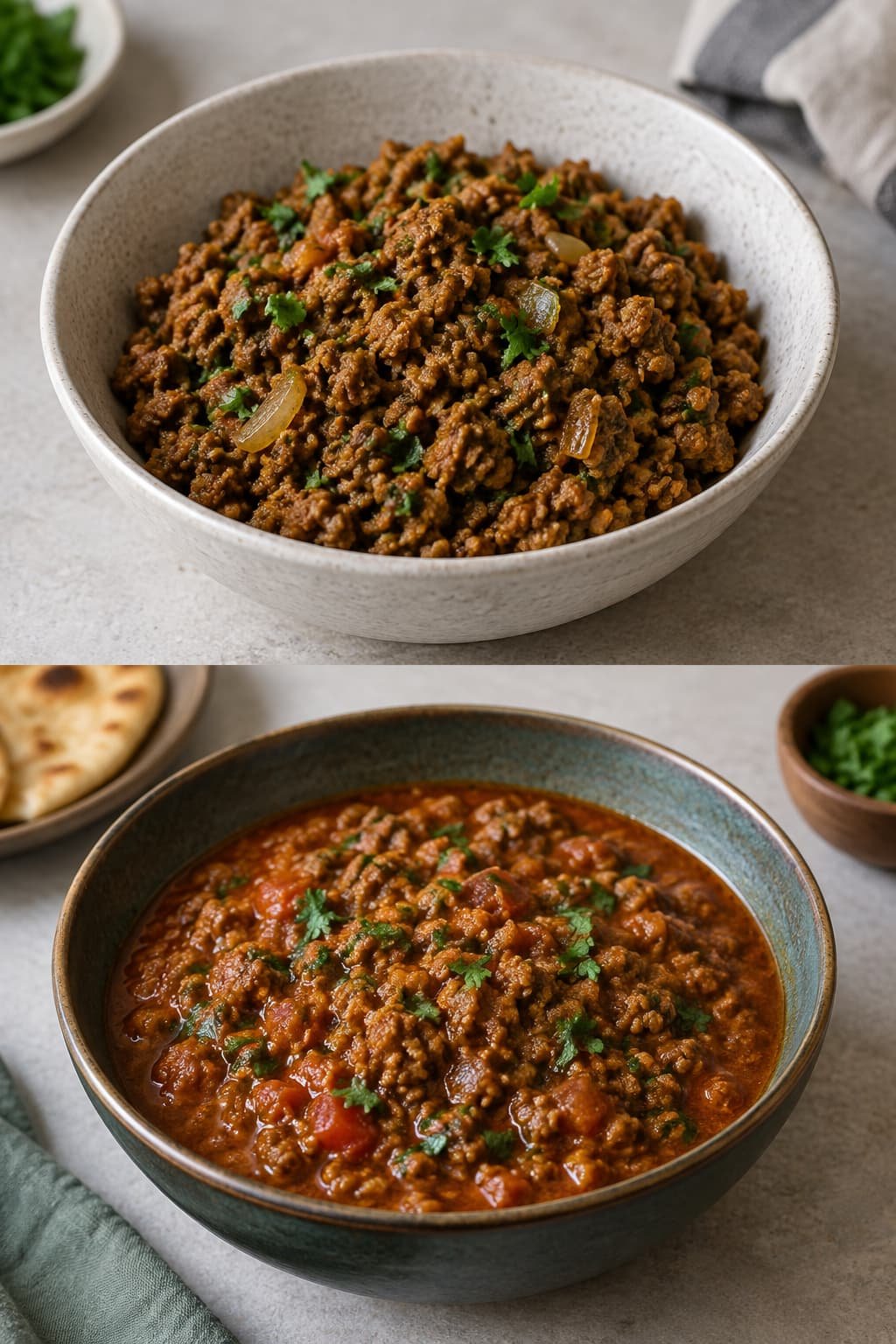
What Consistency Should Lamb Keema Have?
Lamb keema is often thick or semi-dry, with the minced meat coated in the seasoned mixture rather than sitting in a large amount of thin sauce. However, some versions are intentionally more saucy.
There is therefore no single correct consistency. The amount of tomato, added liquid, meat moisture, and evaporation can all influence the final texture.
Why Can Lamb Keema Become Watery?
Lamb keema can become watery when the ingredients release or contain more liquid than evaporates during cooking.
Possible causes include:
- moisture released by ground lamb
- liquid from fresh tomatoes
- moisture from peas or other vegetables
- added water or stock
- limited evaporation during cooking
Allowing excess liquid to evaporate can help create a thicker consistency. However, the rate of evaporation depends on factors such as cookware, heat, food quantity, and the amount of liquid present.
A wetter consistency is not automatically a problem if the particular style of keema is intended to contain more sauce.
Why Can Lamb Keema Become Oily?
Lamb keema can appear oily when fat renders from the ground lamb, when cooking oil has been added, or when both contribute to the dish.
Ground lamb varies in fat content, so some batches may release more fat than others. As water evaporates, this rendered fat can also become more visible around the surface or edges of the pan.
If more fat is present than desired, removing some of the excess is one possible approach. There is no universal amount that should be removed because the appropriate level depends on the meat and the particular preparation.
An oily appearance does not necessarily mean the keema was prepared incorrectly. The starting meat, added cooking fat, and final moisture level can all affect how much fat is visible.
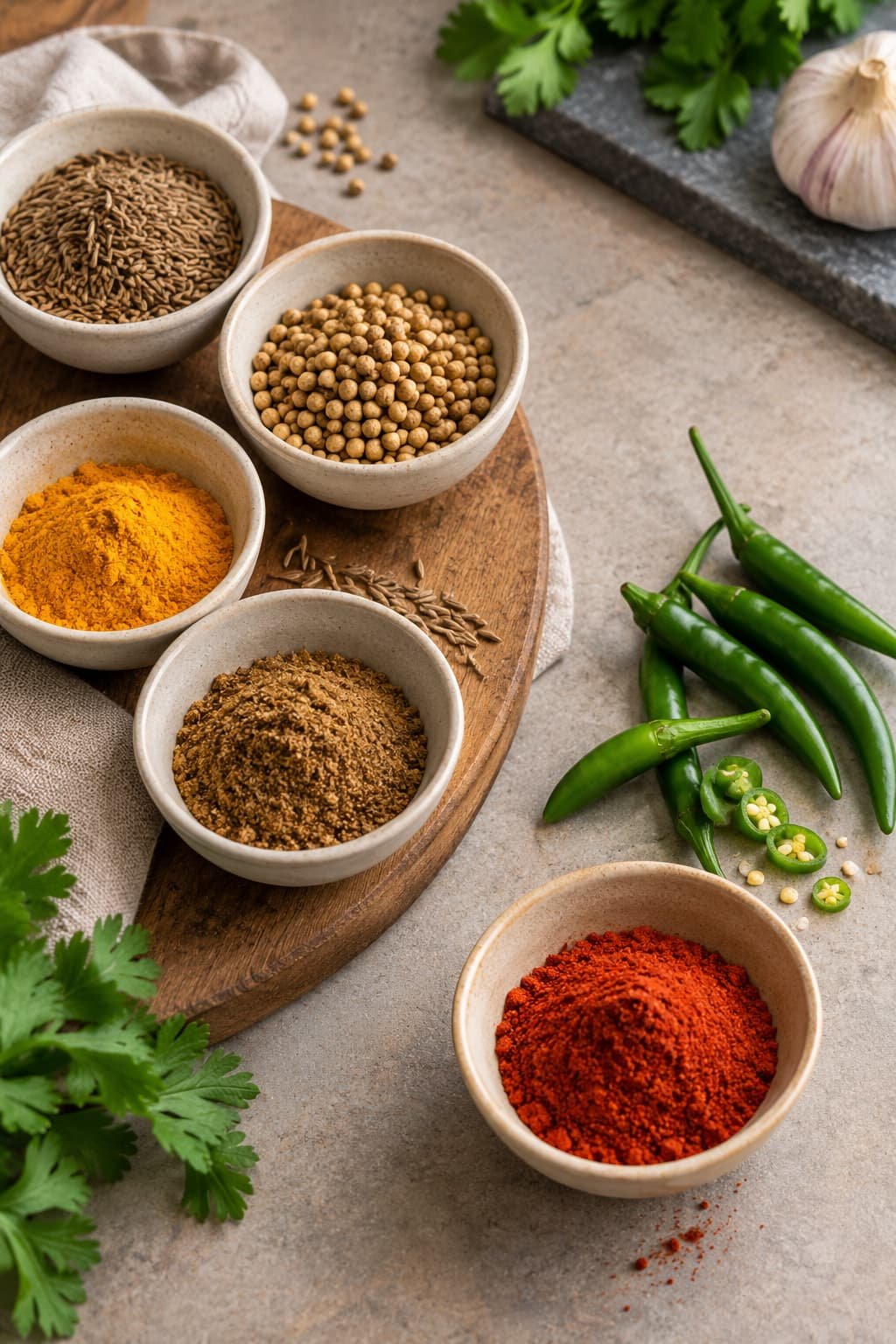
How Can the Flavor and Heat Be Adjusted?
The flavor of lamb keema comes from both aromatic spices and chili, but they do different jobs. Spices such as cumin, coriander, turmeric, and garam masala contribute aroma and depth, while chili has a greater effect on how hot the dish tastes.
This means the heat level can be adjusted without removing the other spices that shape the overall flavor.
Making the Curry Milder or Hotter
To make lamb keema milder, one possible approach is to reduce the amount of fresh or dried chili used. For more heat, additional chili may be added according to the recipe and personal preference.
Fresh green chilies, chili powders, and other chili products can vary widely in strength. For that reason, a fixed substitution ratio should not be assumed unless the specific ingredients are known.
Reducing chili does not require removing cumin, coriander, turmeric, or garam masala. These ingredients contribute flavor but do not all create the same type of heat.
Fresh vs. Frozen Peas
Both fresh and frozen peas can be used in keema matar, but they may not need the same cooking time.
Frozen peas are processed before freezing, while fresh peas can vary in tenderness depending on their maturity. This can affect when they are added to the dish.
Some preparations add peas later in the cooking process, while others cook them for longer with the meat and sauce. The most suitable timing depends on the type of peas and the texture being sought.
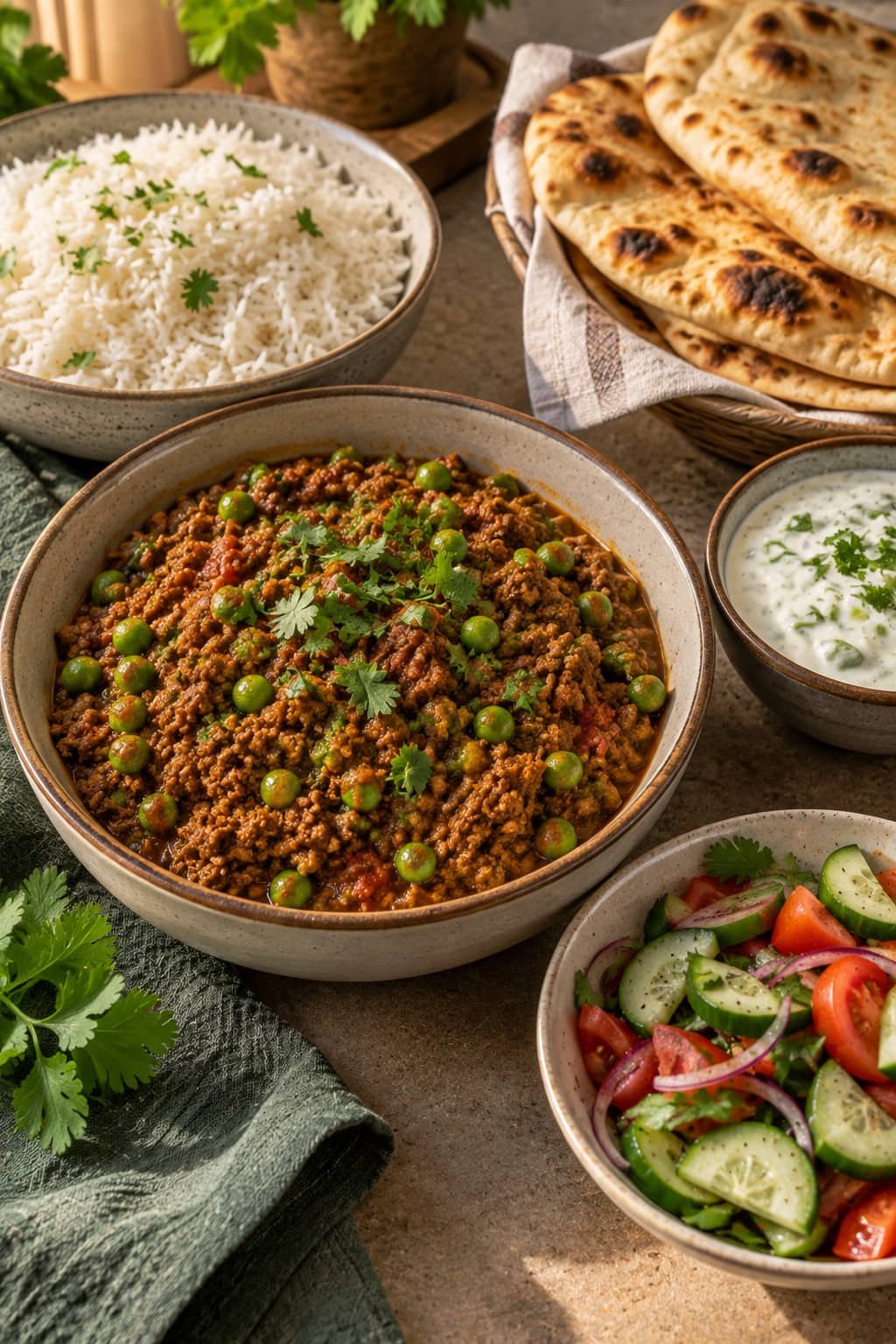
What Can You Serve With Lamb Keema?
Lamb keema is commonly served with rice, flatbreads, yogurt-based sides, or fresh vegetables. The best pairing depends on the consistency of the dish and the type of meal being prepared.
Common options include:
- basmati or other cooked rice
- naan
- roti or chapati
- raita or plain yogurt
- cucumber, tomato, or simple leafy salads
Rice works particularly well with versions that contain more tomato or sauce because it can absorb some of the seasoned liquid. For another rice side, see this Easy Garlic Butter Rice Recipe.
Naan, roti, and chapati can be used to scoop up the minced lamb mixture. Yogurt-based sides and fresh vegetables offer a cooler or lighter contrast to the warm, spiced dish.
For a less traditional flatbread-style side, this zucchini flatbread with cheese is another option that can be served as part of the meal.
Common Lamb Keema Variations
Lamb keema can vary in vegetables, spices, meat choice, and consistency. These changes may alter the finished dish while keeping the basic idea of seasoned minced meat.
For this guide, the most useful variations are those that remain close to the main preparation rather than turning into separate dishes.
Lamb Keema Without Peas
Lamb keema can be made without peas. Peas are characteristic of keema matar, but they are not required in every keema preparation.
A version without peas may still contain minced lamb, onion, ginger, garlic, tomato, chili, and spices. The absence of peas changes the variation, not the basic minced-meat concept.
This is the main distinction between lamb keema and lamb keema matar: the latter specifically includes peas.
Using Another Ground Meat
Keema can also be prepared with other types of minced or ground meat. Changing the meat may affect flavor, fat content, moisture release, and cooking behavior.
A leaner meat may release less fat, while another type of ground meat may behave differently as it cooks. Because of these differences, seasoning and cooking details may need to be adjusted for the meat being used.
Another ground meat should therefore not automatically be treated as an exact one-to-one replacement unless the specific recipe has been verified. For this article, lamb remains the main focus because it best matches the reader intent behind the dish.
Frequently Asked Questions
Is Lamb Keema Spicy?
Lamb keema can be mild or hot depending mainly on the type and amount of chili used.
Spices such as cumin, coriander, turmeric, and garam masala add aroma and flavor, but they do not all create the same kind of heat as fresh chilies or chili powder. Reducing the chili is one way to make the dish milder while keeping the broader spice profile.
Because chili products vary in strength, the heat level can differ between recipes.
Can Lamb Keema Be Made Without Peas?
Yes. Peas are not required in every lamb keema preparation.
When peas are included, the dish may be called keema matar. A version without peas can still contain minced lamb, onion, ginger, garlic, tomato, chili, and spices.
In simple terms, lamb keema is the broader preparation, while lamb keema matar specifically includes peas.
Can Frozen Peas Be Used Instead of Fresh Peas?
Yes, frozen peas can be used in many keema matar preparations.
Fresh and frozen peas may cook differently, so they do not always need to be added at the same stage. Frozen peas have already been processed before freezing, while fresh peas can vary in tenderness depending on their maturity.
The most suitable addition point depends on the recipe and the texture being sought rather than one fixed cooking time.
What Is the Difference Between Ground Lamb Curry and Lamb Keema?
Ground lamb curry is a broad English description for a curry made with minced or ground lamb. Lamb keema refers more specifically to a South Asian minced-meat preparation.
The terms can overlap when a dish combines ground lamb with aromatics, spices, and a curry-style base. However, keema can vary widely in ingredients and consistency, so not every ground lamb curry is necessarily described as keema.
For readers unfamiliar with the term, “ground lamb curry” is a useful plain-English description, while lamb keema is the more specific culinary term.