Vegetarian meals are a popular choice for people who want to eat lighter, add more whole foods to their routine, and build simple meals around vegetables, beans, lentils, grains, tofu, yogurt, and other filling ingredients. They can work well for busy days because they are easy to turn into bowls, wraps, soups, salads, breakfast plates, and meal prep recipes.
Still, removing meat does not automatically lead to weight loss. A vegetarian meal can still be high in calories if it depends mostly on white bread, large pasta portions, fried foods, creamy sauces, sweets, or too much cheese. The better approach is to build balanced vegetarian meals with enough protein, fiber-rich foods, vegetables, and sensible portions.
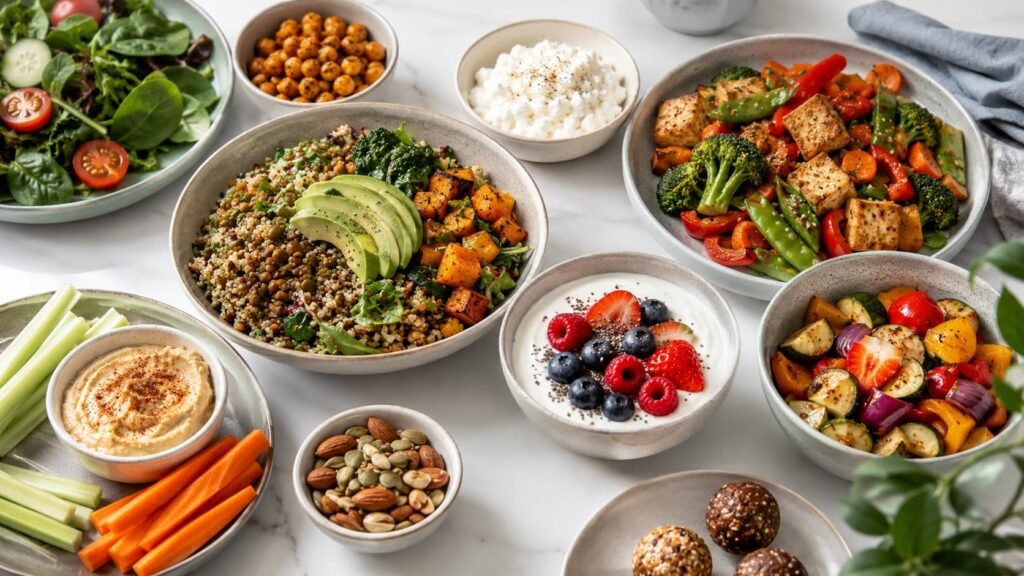
A filling vegetarian plate might look like lentils with roasted vegetables, quinoa, and a yogurt-based sauce. Another simple option is a chickpea wrap with crunchy vegetables and a small amount of hummus. These meals are not about eating less food. They are about choosing ingredients that help you feel satisfied for longer.
The goal is not just to eat “meat-free.” The real goal is to create meals that support steady energy, reduce random snacking, and fit into a routine you can follow. That usually means adding protein from lentils, chickpeas, tofu, Greek yogurt, cottage cheese, beans, eggs, paneer, or edamame, then pairing it with vegetables, whole grains, and a small amount of healthy fat.
In this guide, you’ll learn how vegetarian meals can support weight loss, what kind of results are realistic, which foods are most helpful, and which common mistakes can slow progress. You’ll also find practical meal ideas that are simple, flexible, and easy to use in everyday eating.
Quick Answer: Can Vegetarian Meals Help with Weight Loss?
Yes, vegetarian meals can support weight loss when they include enough protein, fiber-rich vegetables, whole grains, and balanced portions. Meals made with beans, lentils, tofu, Greek yogurt, cottage cheese, oats, quinoa, chia seeds, and vegetables can help you feel fuller and make portion control easier.
The best results usually come from simple meals, consistent planning, fewer ultra-processed foods, and a balanced routine. Vegetarian eating works best when it is planned well. If most meals are based on refined carbs, fried snacks, sweets, cheese-heavy dishes, or processed meat substitutes, weight loss may become harder.
Are Vegetarian Meals Good for Weight Loss?
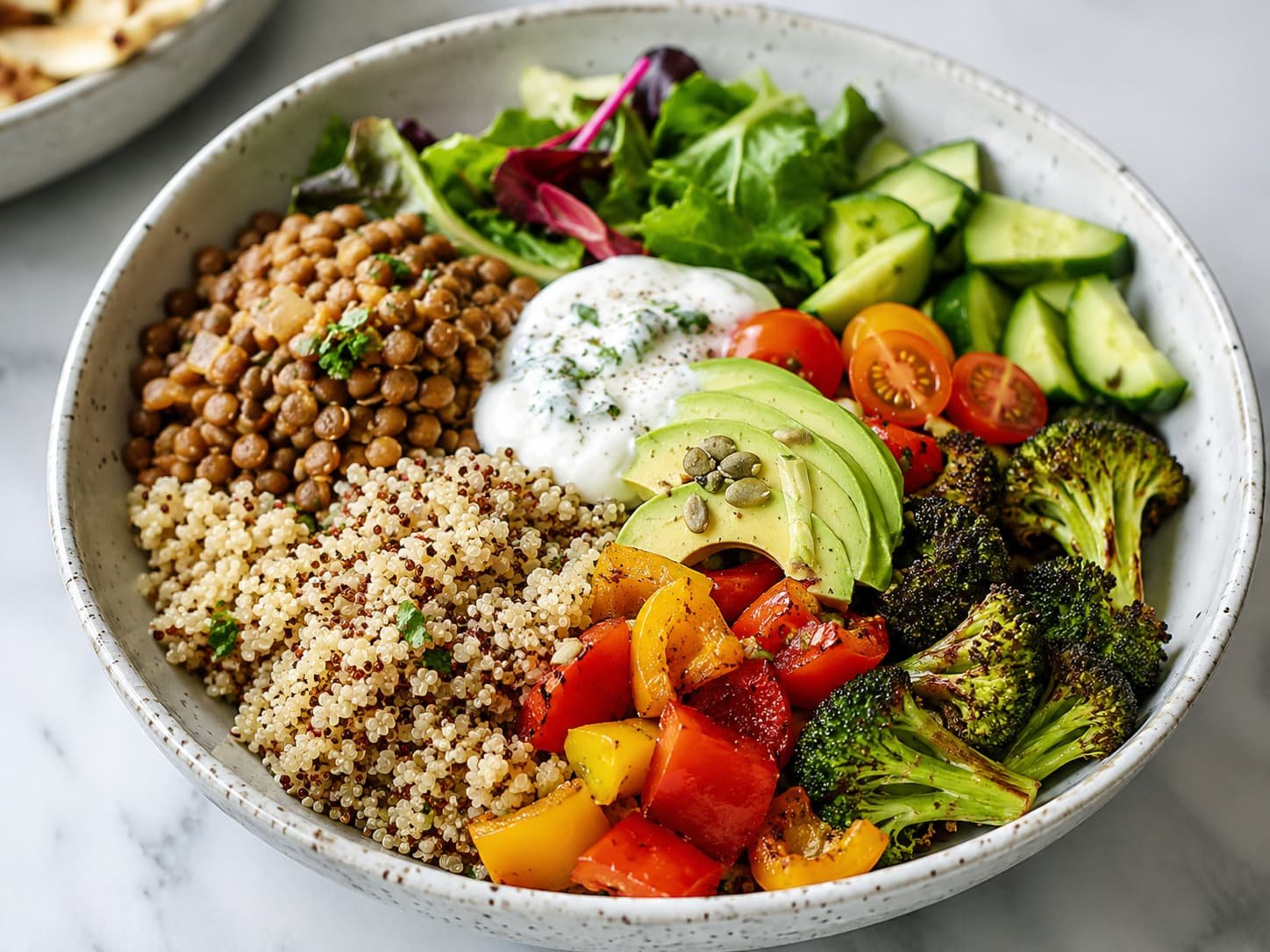
Yes, vegetarian meals can support weight loss when they are balanced with protein, fiber-rich foods, vegetables, and sensible portions. A meal built with lentils, beans, tofu, Greek yogurt, cottage cheese, whole grains, and plenty of vegetables can be filling without feeling heavy.
One reason vegetarian meals can work well is that many plant-based foods naturally add volume to the plate. Vegetables, fruits, beans, lentils, oats, and whole grains contain fiber and water, which can help meals feel more satisfying. When a meal keeps you full for longer, it becomes easier to manage cravings and avoid extra snacking later in the day.
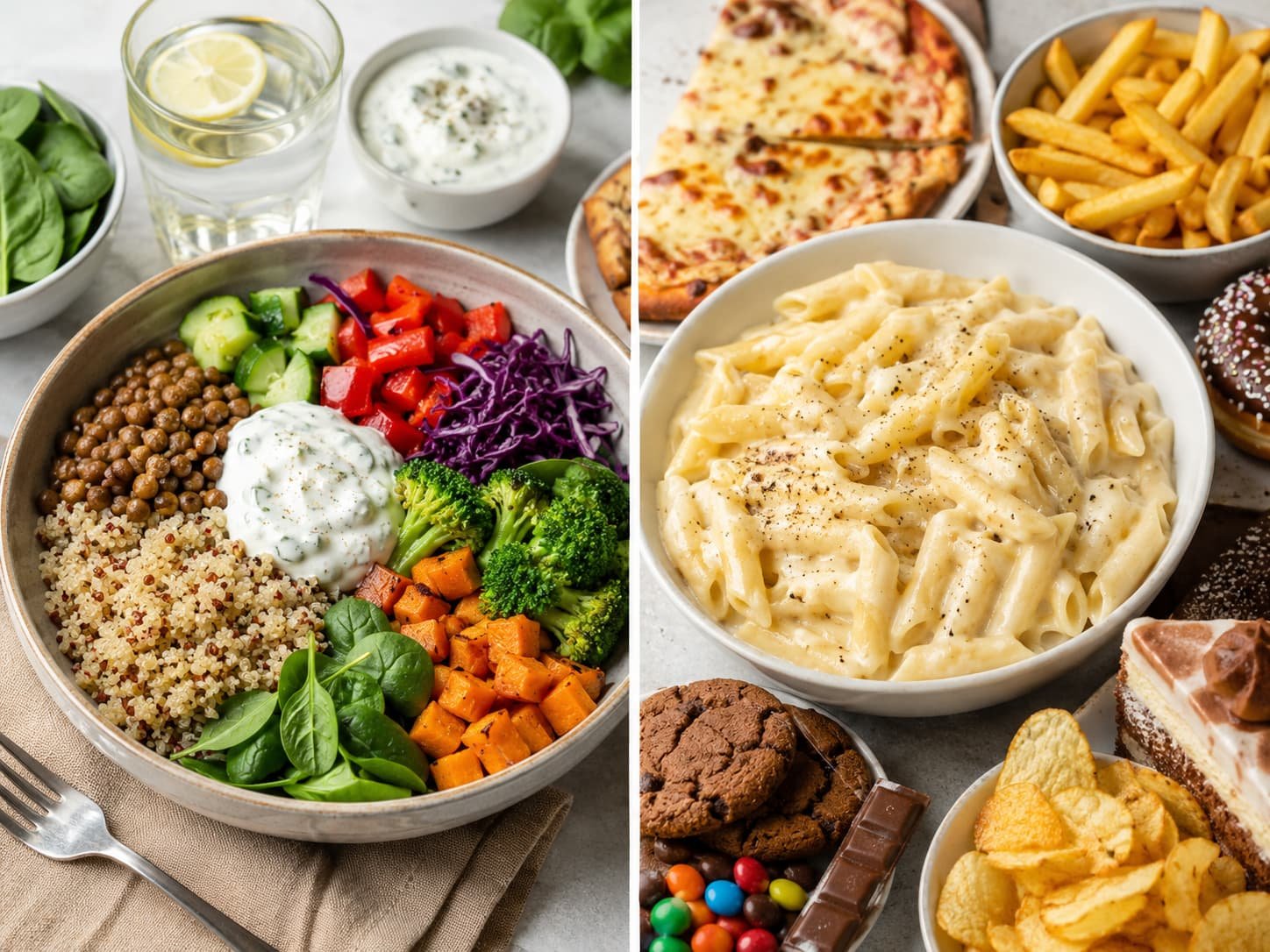
Still, vegetarian eating is not automatically the same as eating low calorie. Weight loss depends on the overall balance of your meals, snacks, drinks, and portions. A large bowl of creamy pasta, fried snacks, cheese-heavy pizza, sweet drinks, or oversized desserts can still make progress harder, even if they are completely meat-free.
A better vegetarian weight-loss meal usually includes three key parts: protein, fiber, and portion control. Protein helps make the meal more satisfying, while fiber-rich foods help slow digestion and add fullness. Together, they can make a meal feel more complete and easier to fit into a steady eating routine.
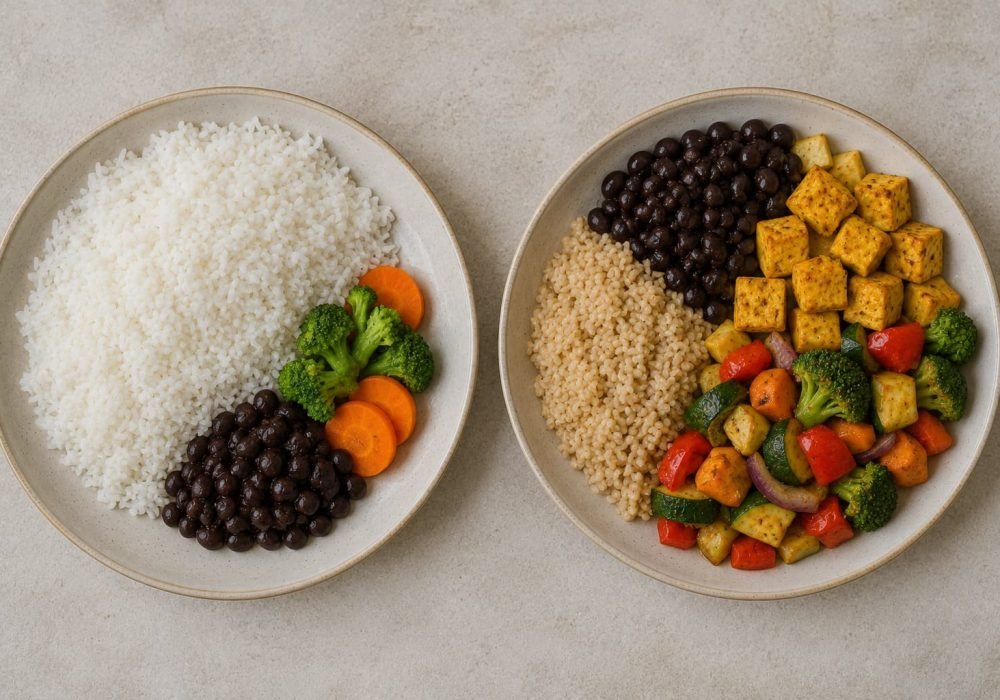
For example, a bowl with lentils, roasted vegetables, quinoa, and a light yogurt sauce is usually more balanced than a plain plate of white pasta with cream sauce. Both meals are vegetarian, but they do not offer the same level of protein, fiber, or long-lasting fullness.
So, vegetarian meals can be a helpful part of a healthy weight-loss plan when they are built around whole foods, enough protein, high-fiber carbs, and realistic portions. The key is not just removing meat. The key is choosing meals that keep you satisfied, support steady energy, and fit your daily routine.
Why Vegetarian Meals Can Help with Weight Loss
Vegetarian meals can help with weight loss when they are built around foods that are filling, colorful, and easy to portion. Meals made with vegetables, beans, lentils, whole grains, tofu, fruits, and simple homemade sauces can feel satisfying without being too heavy.
The key is balance. A good vegetarian meal should give your body protein, fiber, steady energy, and enough food to feel satisfied. It should not feel like a tiny plate of plain vegetables or a strict diet meal. The meals that usually work best are the ones you can enjoy, repeat, and adjust to your daily routine.
They Can Be Naturally Higher in Fiber
One reason vegetarian meals can support weight loss is that many plant-based foods are naturally rich in fiber. Vegetables, beans, lentils, fruits, oats, chia seeds, and whole grains all add texture and volume to a meal, which can make the plate feel more complete.
Fiber-rich meals are often more satisfying because they take longer to digest. For example, a bowl made with lentils, vegetables, and brown rice will usually keep you full longer than a small snack or a meal made mostly from refined carbs. This can be helpful if you often feel hungry again soon after eating.
When your meals are more filling, it becomes easier to reduce frequent snacking. You can still enjoy snacks when you need them, but you may be less likely to keep reaching for sweets, chips, or quick bites because your main meals are not satisfying enough.
They Can Replace Heavier High-Calorie Meals
Vegetarian meals can also be useful when they replace heavier meals with lighter, more balanced options. For example, swapping fried chicken, processed meats, or creamy meat-based dishes for lentils, beans, tofu, chickpeas, or vegetable-based meals can reduce the calorie load of the plate while still keeping the meal filling.
The point is not that meat must be avoided or that vegetarian food is always better. The real goal is to choose meals that feel lighter, provide enough nutrition, and still taste good. A vegetarian meal should feel like a practical choice, not an extreme rule.
A tofu stir fry with vegetables and rice, a lentil soup with whole grain bread, or a chickpea bowl with yogurt sauce can be a useful swap for heavier meals. These options still feel like real food, but they often bring more fiber, more volume, and fewer unnecessary extras.
They Support Better Meal Volume
Many people find vegetarian meals easier to follow because they can eat a generous-looking plate without making the meal too heavy. Vegetables, beans, grains, and yogurt-based sauces can create big bowls that feel fresh, filling, and balanced.
For example, a bowl with roasted vegetables, black beans, quinoa, salsa, and a spoon of Greek yogurt can look and feel like a complete meal. It gives you warm and cool ingredients, different textures, protein, fiber, and flavor. That kind of meal is often more satisfying than a small portion that leaves you hungry an hour later.
Meal volume works best when vegetables make up a large part of the bowl and calorie-dense toppings are kept moderate. Ingredients like oils, nuts, cheese, creamy dressings, and heavy sauces can still add calories quickly, so they are best used in small amounts.
They Encourage More Whole Foods
A well-planned vegetarian eating routine often brings more whole foods into the day. Instead of building every meal around one main protein, the plate starts to include more beans, lentils, chickpeas, tofu, vegetables, fruits, oats, brown rice, quinoa, and other whole grains.
These foods do more than fill space on the plate. Beans, lentils, and chickpeas add protein and fiber. Tofu works well in stir fries, bowls, wraps, and air fryer meals. Fruits and vegetables add freshness, color, and natural sweetness. Whole grains help the meal feel steady and complete.
It is also important to remember that not every vegetarian product is automatically healthy. Packaged vegetarian burgers, frozen snacks, and processed meat substitutes can still be high in sodium, oil, or calories. They can be used sometimes, but whole foods should stay the base of most vegetarian meals.
The best part is that vegetarian meals can be flexible. You can make them warm and comforting, like lentil curry or vegetable chili, or light and fresh, like a chickpea salad bowl. When meals are built around whole foods, enough protein, high-fiber carbs, and realistic portions, they become easier to use in a healthy weight-loss routine.
What Results Can You Expect from Vegetarian Meals for Weight Loss?
Vegetarian meals can support weight loss, but the results are usually gradual. They depend on calorie balance, protein intake, fiber, portion sizes, and how consistent your routine is. When your meals include enough vegetables, beans, lentils, tofu, Greek yogurt, cottage cheese, whole grains, and sensible portions, they can feel more satisfying and easier to manage.
One of the first changes you may notice is better fullness. A bowl with lentils, roasted vegetables, quinoa, and a light yogurt sauce can keep you satisfied longer than a meal made mostly from refined carbs or sugary snacks. When your meals keep you full for longer, it becomes easier to avoid random snacking later in the day.
Vegetarian meals can also help you build a more regular eating routine. Simple options like lentil soup, chickpea wraps, tofu bowls, overnight oats, and cottage cheese breakfast bowlswhole grain pasta whole grain pasta make it easier to plan ahead. When these meals are ready or easy to prepare, you are less likely to depend on last-minute choices that are too heavy or highly processed.
Another helpful result is less reliance on processed foods. This works best when most meals are based on whole foods like beans, lentils, chickpeas, vegetables, fruits, oats, brown rice, quinoa, and tofu. Packaged vegetarian snacks and frozen meat substitutes can still fit sometimes, but they should not become the base of every meal. It also helps to check labels for calories, sodium, added oils, and protein content.
Weight loss may happen if your vegetarian meals help you stay within your daily calorie needs. This is why portion control still matters. A vegetarian meal can be healthy, but large amounts of oil, cheese, nuts, creamy sauces, desserts, or oversized grain portions can add up quickly.
You may also feel steadier energy when your meals include both protein and high-fiber carbohydrates. For example, tofu with brown rice and vegetables, Greek yogurt with oats and berries, or lentils with quinoa can feel more balanced than a plate made only from salad leaves or plain pasta.
Results will vary from person to person. Your age, activity level, sleep, stress, health conditions, portion sizes, and overall routine all play a role. The best approach is to focus on meals you can repeat consistently. Small changes repeated daily usually matter more than one perfect meal.
Best Vegetarian Foods for Weight Loss
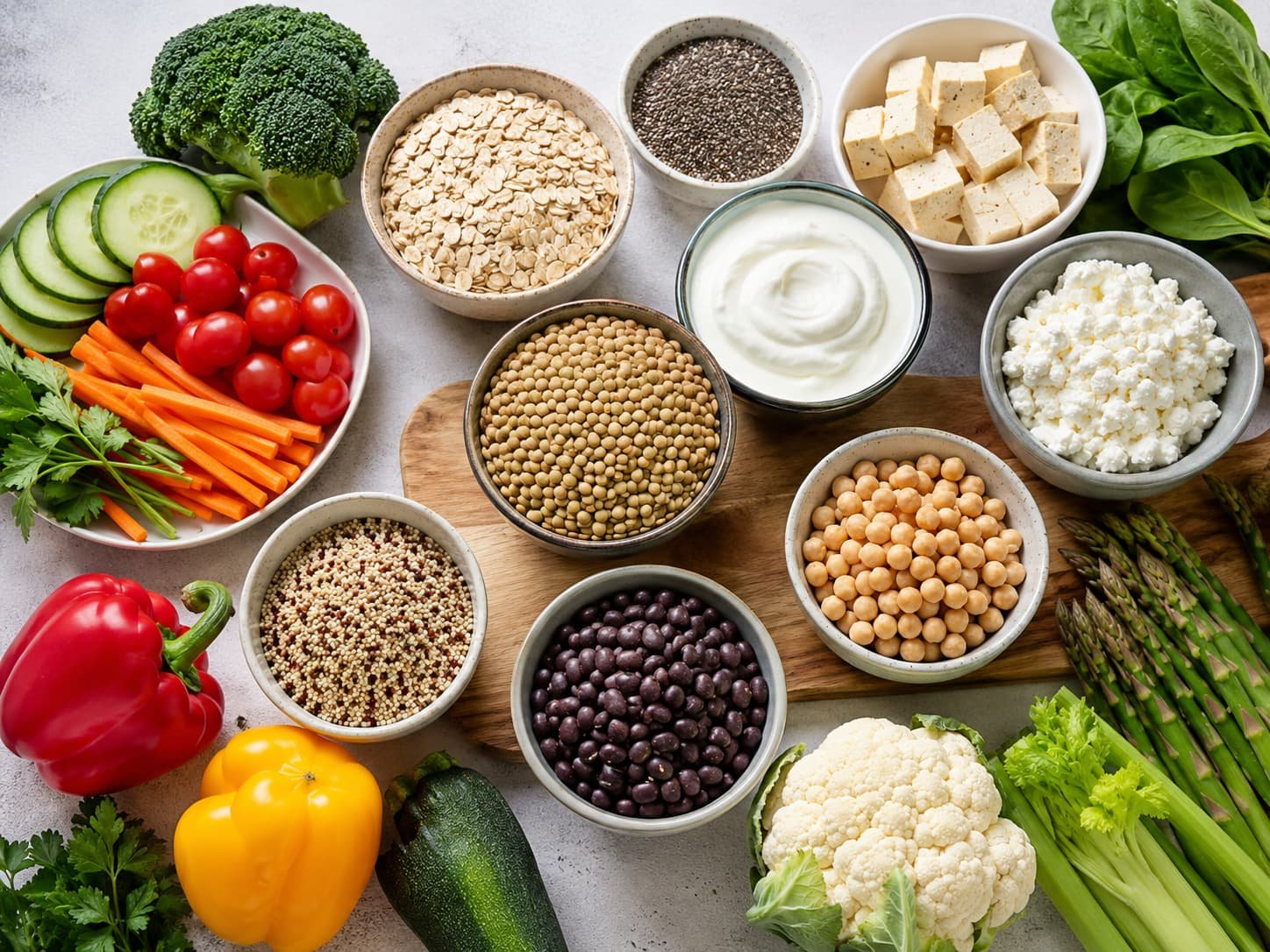
The vegetarian foods for weight loss are the ones that help you build meals with protein, fiber, volume, and steady energy. A good meal should feel satisfying, not leave you hungry after an hour, and not depend only on bread, pasta, cheese, or processed vegetarian products.
Foods like lentils, chickpeas, tofu, Greek yogurt, cottage cheese, oats, chia seeds, quinoa, beans, and vegetables are useful because they fit into many simple meals. You can use them in breakfast bowls, wraps, soups, salads, stir fries, snacks, and meal prep bowls without making the food feel boring or restrictive.
| Food | Why It Helps | Best Use |
| Lentils | Protein and fiber make them filling | Soups, bowls, salads |
| Chickpeas | Filling, affordable, and versatile | Wraps, bowls, hummus |
| Black beans | Protein with slow-digesting carbs | Burrito bowls, chili |
| Tofu | High-protein vegetarian option | Stir fry, air fryer meals |
| Greek yogurt | Protein-rich and easy to use | Breakfast, dips, sauces |
| Cottage cheese | Filling protein with a creamy texture | Bowls, toast, snacks |
| Oats | Fiber-rich carbs for steady fullness | Breakfast, overnight oats |
| Chia seeds | Fiber and healthy fats | Pudding, smoothies |
| Quinoa | Protein and high-fiber carbs | Meal prep bowls |
| Vegetables | Low-calorie volume, nutrients, and freshness | Bowls, wraps, soups, and every main meal |
These foods work best when they are combined instead of eaten alone. Oats become more filling with Greek yogurt and chia seeds. A quinoa bowl works better with tofu, vegetables, and a light sauce. Chickpeas can become a full meal when paired with crunchy vegetables and a whole wheat wrap.
The goal is to build meals that feel complete. A vegetarian meal for weight loss should include enough food to satisfy you, but it should also support portion control, protein intake, and long-lasting fullness.
How to Build a Vegetarian Weight Loss Meal
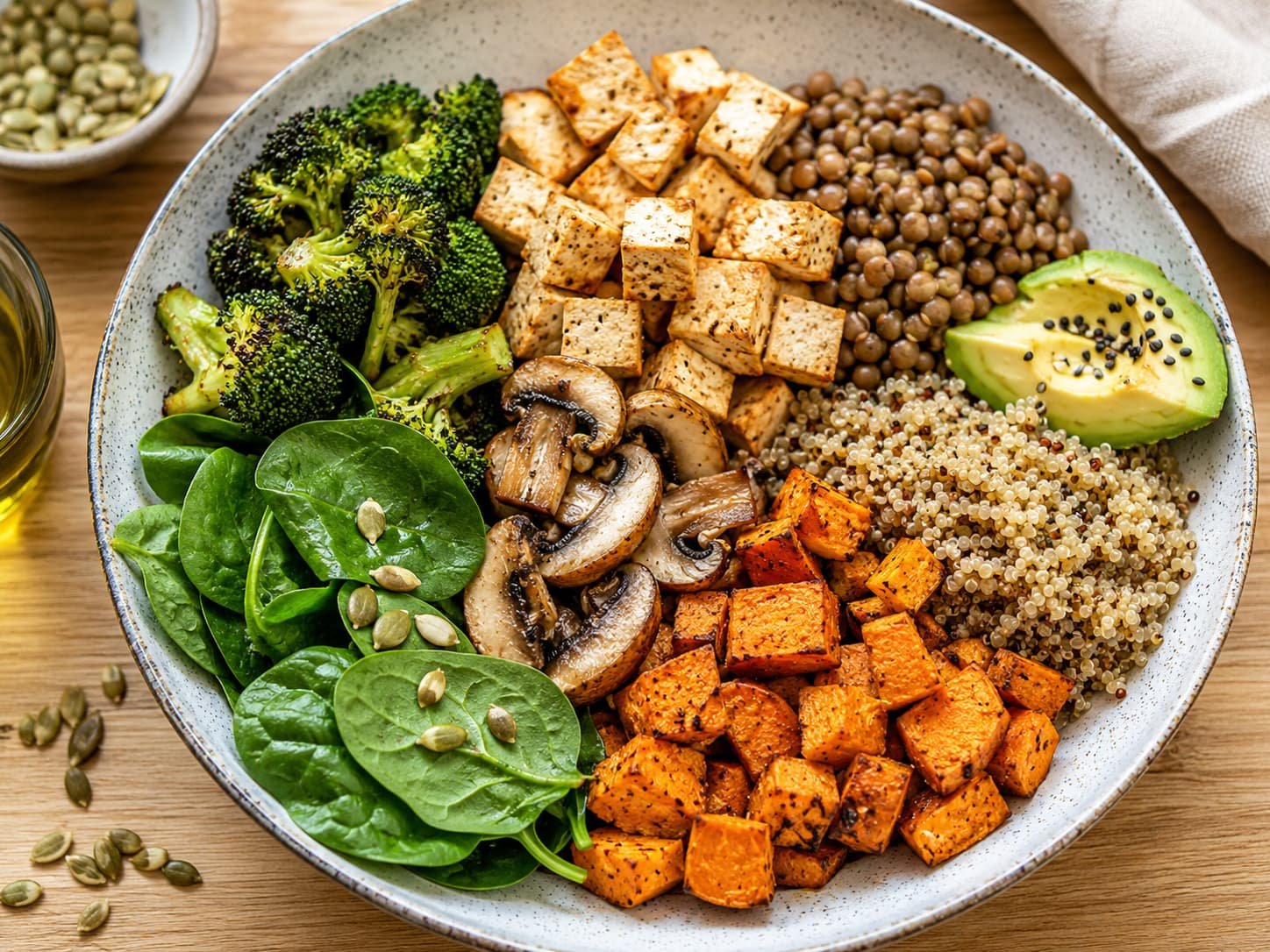
A balanced vegetarian weight loss meal is easier to make when you follow a simple formula: start with vegetables, add protein, choose high-fiber carbs, and use healthy fats carefully. This keeps the meal filling without making it too heavy.
This method works for bowls, wraps, soups, breakfast plates, salads, and meal prep containers. It also helps you avoid the common mistake of eating vegetarian meals that are mostly carbs with very little protein.
A simple plate can look like this: vegetables as the base, one protein source, a moderate serving of high-fiber carbs, and a small amount of healthy fat for flavor.
Step 1: Start with Vegetables
Vegetables should take up a good part of the plate because they add volume, color, texture, and nutrients. They make the meal look fuller and help you eat a satisfying portion without depending on heavy ingredients.
Good options include spinach, broccoli, cabbage, zucchini, cucumbers, bell peppers, cauliflower, and mushrooms. You can use raw vegetables in wraps and salads, roasted vegetables in bowls, or cooked vegetables in soups, stir fries, and curries.
For example, a meal prep bowl with roasted broccoli, mushrooms, bell peppers, and cauliflower already feels more complete before you add protein or grains. This makes healthy eating easier because the plate does not feel small or boring.
Step 2: Add a Protein Source
Protein is one of the most important parts of a vegetarian meal for weight loss. Without enough protein, a meal may feel light at first but leave you hungry soon after. Adding protein helps the meal feel more satisfying and supports a steadier eating routine.
Good vegetarian protein sources include lentils, chickpeas, black beans, tofu, tempeh, edamame, Greek yogurt, cottage cheese, paneer, and eggs if the recipe is not vegan. You do not need to use all of them in one meal. One strong protein source is usually enough, but you can also combine smaller protein sources, such as beans with Greek yogurt sauce or oats with chia seeds.
A simple example is tofu with vegetables and brown rice, chickpeas in a whole wheat wrap, or lentils with quinoa and roasted vegetables. For breakfast, Greek yogurt with oats and berries or cottage cheese with fruit can also work well.
Step 3: Add High-Fiber Carbs
Carbs do not need to be removed from a vegetarian weight loss meal. The type and portion matter more. High-fiber carbs can help the meal feel steady, satisfying, and easier to use for meal prep.
Good choices include brown rice, quinoa, oats, sweet potato, whole wheat wraps, beans, and whole grain pasta. These options are usually more filling than refined carbs because they bring more fiber and texture to the meal.
For example, a small serving of quinoa with lentils and vegetables can feel more balanced than a large plate of plain white pasta. Overnight oats with chia seeds and Greek yogurt can also be more satisfying than a sugary breakfast pastry.
Step 4: Add Healthy Fats Carefully
Healthy fats can make vegetarian meals taste better and feel more satisfying, but portion size matters. Foods like avocado, olive oil, nuts, seeds, and tahini are nutritious, but they are also calorie-dense.
This does not mean you need to avoid them. A small amount can improve flavor and help the meal feel complete. The key is to use them as a finishing touch, not the main part of the meal.
For example, add a spoon of tahini sauce to a chickpea bowl, a small handful of seeds to oatmeal, or a light drizzle of olive oil over roasted vegetables. Measure oils, nuts, seeds, and tahini instead of pouring or sprinkling freely. These small habits can make the meal more enjoyable without turning it into a high-calorie plate.
Easy Vegetarian Meal Ideas for Weight Loss
Vegetarian meals for weight loss do not need to be complicated or bland. The best meals are usually the ones you can repeat during the week without feeling bored. A good vegetarian meal should include protein, fiber, vegetables, and enough flavor to make it satisfying.
These ideas can work for breakfast, lunch, dinner, or snacks. You can adjust the portions based on your hunger, activity level, and personal goals.
| Meal Type | Easy Ideas |
| Breakfast | Greek yogurt bowl, overnight oats, cottage cheese bowl, tofu scramble |
| Lunch | Chickpea salad wrap, lentil soup, black bean burrito bowl, quinoa tofu bowl |
| Dinner | Lentil curry, tofu stir fry, chickpea stew, vegetarian chili |
| Snacks | Greek yogurt, roasted chickpeas, hummus with vegetables, chia pudding |
Vegetarian Breakfast Ideas
A Greek yogurt bowl with berries and chia seeds is one of the easiest vegetarian breakfast ideas for weight loss. Greek yogurt adds protein, berries bring natural sweetness, and chia seeds add fiber and healthy fats. This kind of breakfast feels fresh, quick, and filling.
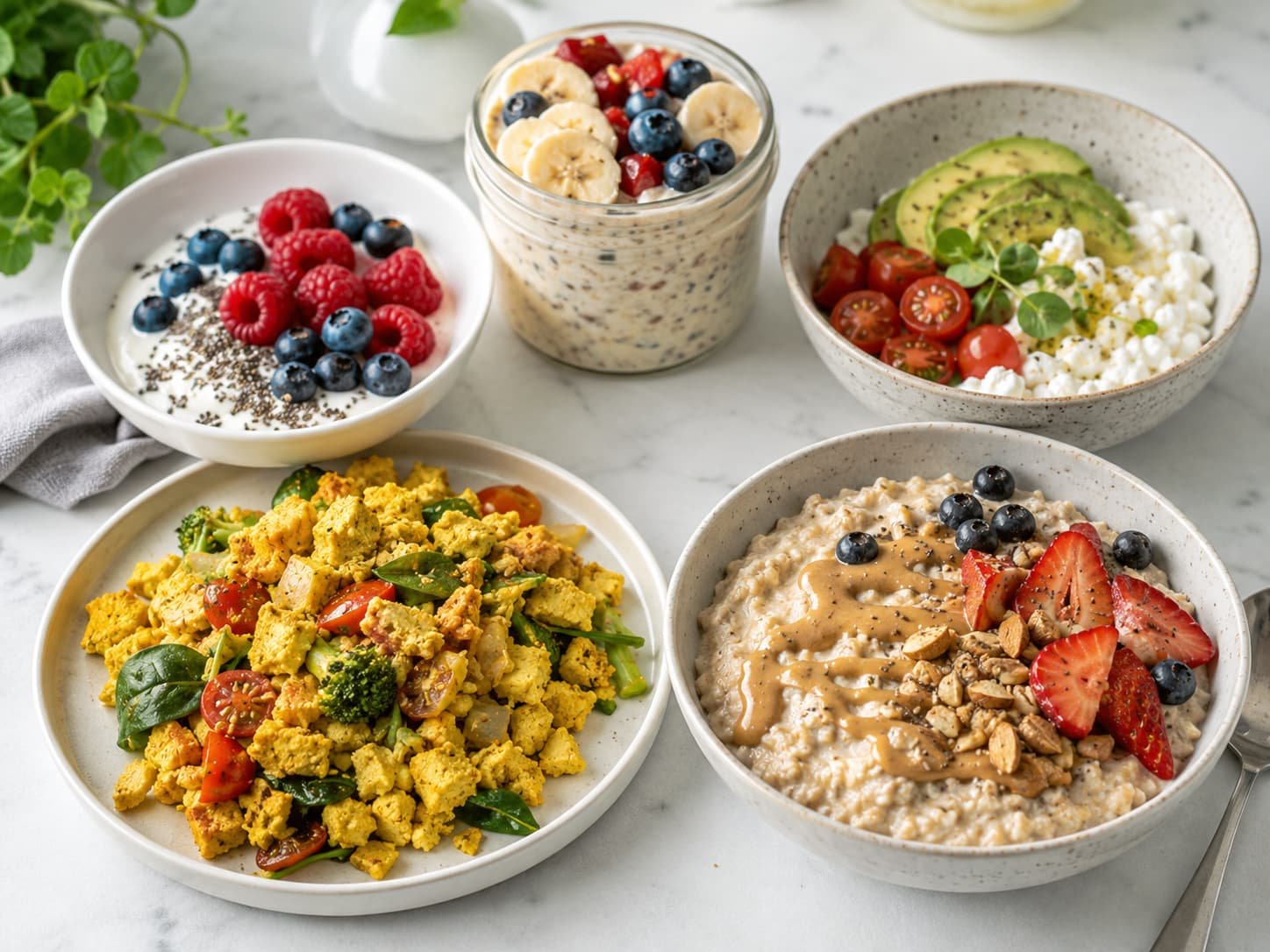
Overnight oats with chia seeds are another practical choice, especially for busy mornings. Oats provide high-fiber carbs, while chia seeds help thicken the texture and make the meal more satisfying. You can add berries, cinnamon, or a small spoon of peanut butter for extra flavor.
A cottage cheese breakfast bowl also works well when you want something creamy and filling. Cottage cheese pairs nicely with fruit, nuts, seeds, or even cucumber and black pepper if you prefer a savory breakfast. It is quick to prepare and easy to adjust.
For a warm breakfast, tofu scramble with vegetables is a strong option. Crumbled tofu can be cooked with spinach, mushrooms, bell peppers, onions, and simple spices. It gives you protein and vegetables in one meal without feeling too heavy.
Oatmeal with peanut butter and berries can also fit into a weight-loss routine when the portion is balanced. The oats add fiber, the berries add freshness, and a small amount of peanut butter adds flavor and healthy fats.
Vegetarian Lunch Ideas
A chickpea salad wrap is simple, filling, and easy to prepare ahead. Mashed chickpeas with chopped cucumber, celery, herbs, and a light yogurt or hummus-style dressing can make a satisfying lunch inside a whole wheat wrap.
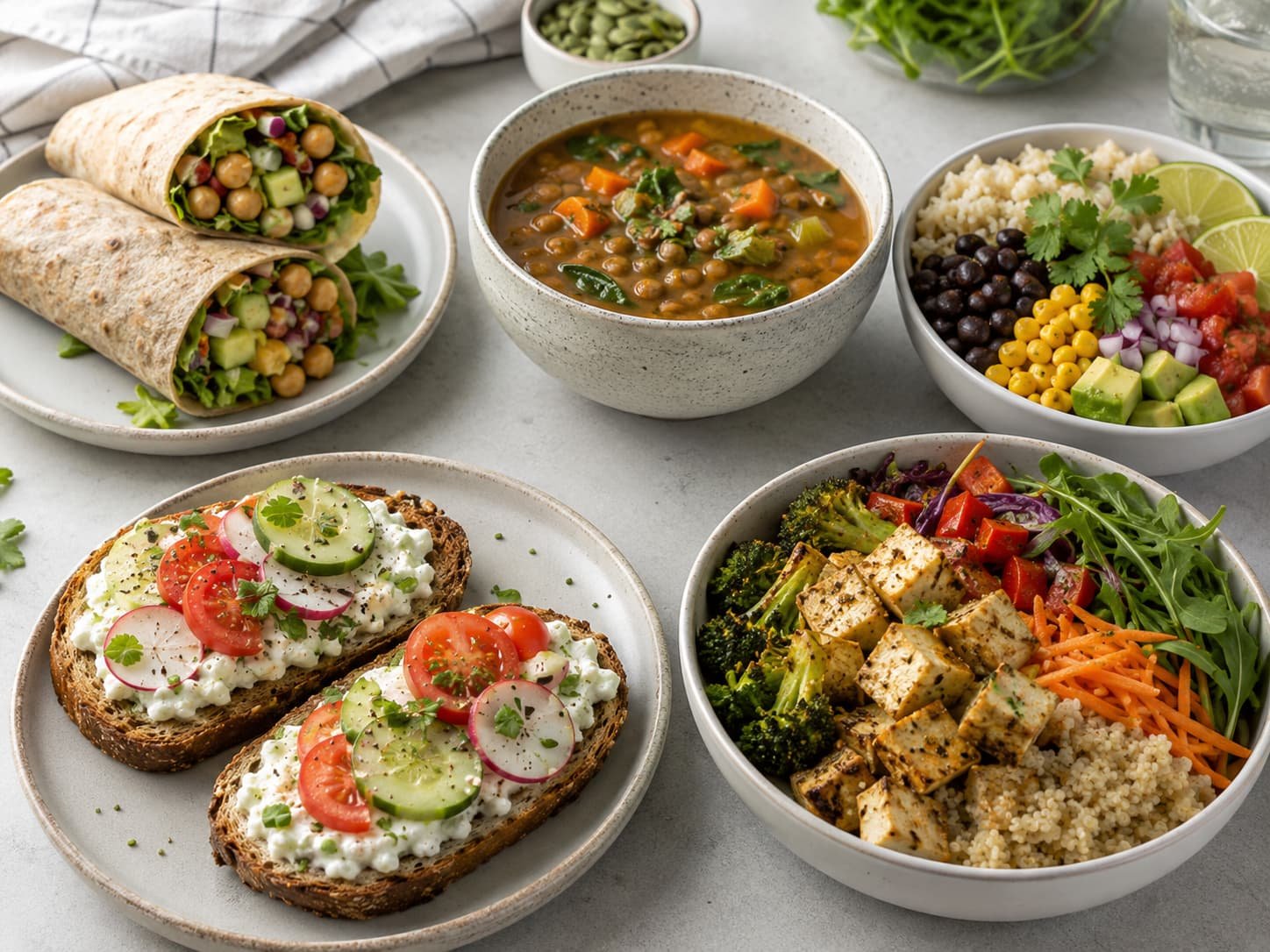
Lentil soup with vegetables is another useful lunch because it is warm, comforting, and meal-prep friendly. Lentils bring protein and fiber, while vegetables add volume and nutrients. A bowl of lentil soup can feel filling without being too heavy.
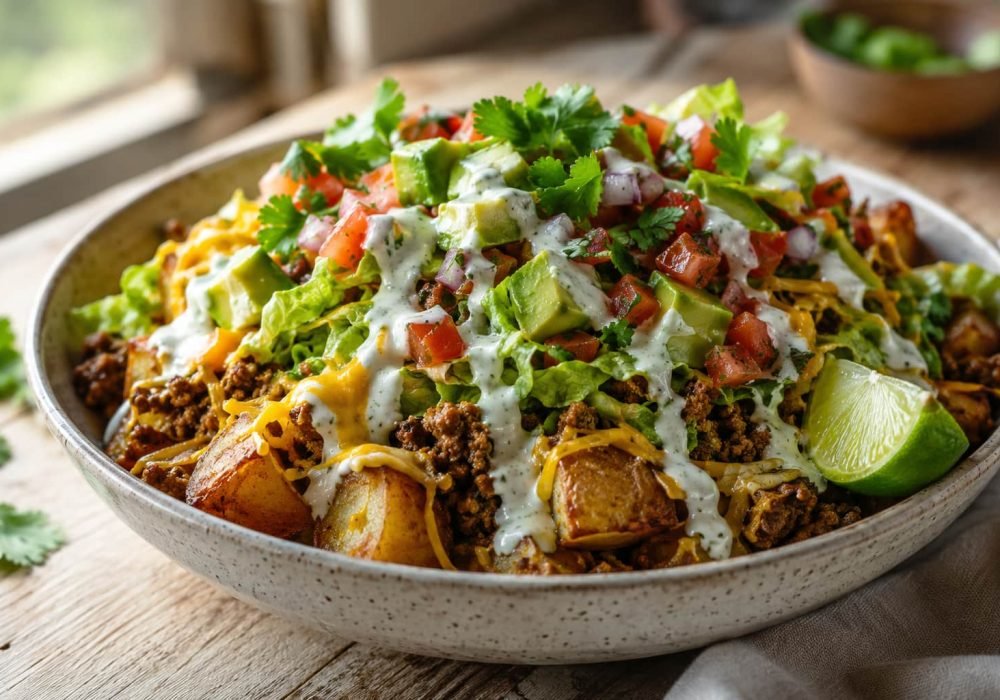
A black bean burrito bowl is a good option when you want something more complete. Black beans, lettuce, salsa, roasted vegetables, a moderate serving of brown rice, and a spoon of Greek yogurt can create a balanced vegetarian lunch with protein, fiber, and flavor.
Cottage cheese veggie toast is quick when you do not have time to cook. Use whole grain toast, spread cottage cheese on top, and add sliced cucumber, tomato, spinach, or bell pepper. It is light, simple, and easy to make in minutes.
A quinoa tofu bowl works well for days when you want a full meal. Quinoa gives high-fiber carbs, tofu adds protein, and vegetables bring texture and freshness. A light sauce made with yogurt, lemon, herbs, or tahini can bring everything together.
Vegetarian Dinner Ideas
Lentil curry with cauliflower rice is a good dinner when you want something warm and filling. Lentils add protein and fiber, while cauliflower rice keeps the meal lighter than a large serving of regular rice. You can still add a small portion of brown rice if you need more energy.
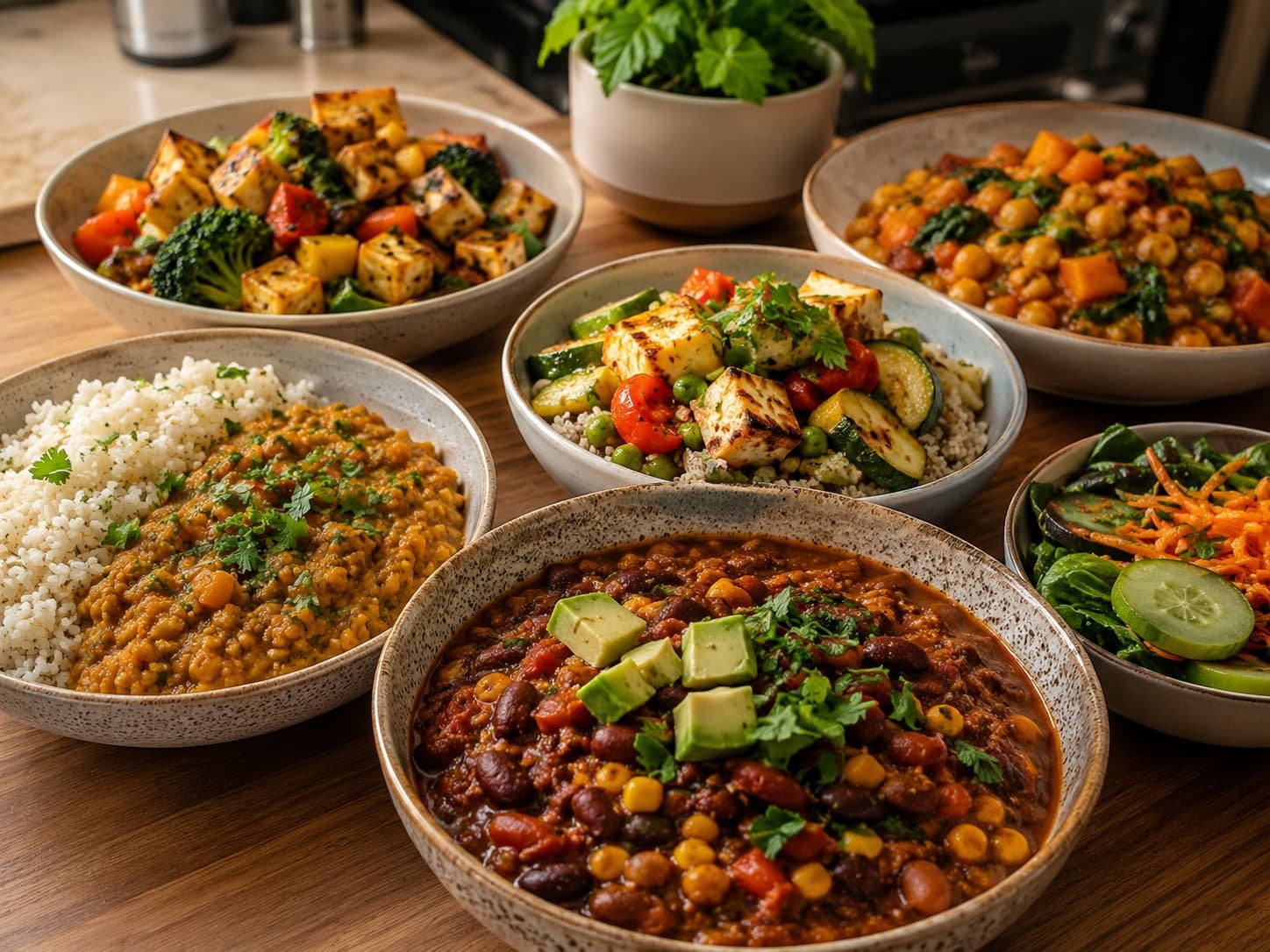
Tofu stir fry with vegetables is another easy vegetarian dinner for weight loss. Tofu works well with broccoli, bell peppers, mushrooms, zucchini, cabbage, or carrots. A simple sauce with garlic, ginger, soy sauce, or lemon can add flavor without making the meal too heavy.
Chickpea vegetable stew is useful for meal prep because it reheats well and can be served in different ways. You can eat it on its own, pair it with quinoa, or serve it with a small piece of whole grain bread.
Paneer and vegetable bowls can also fit into a vegetarian weight-loss meal when the portion is controlled. Paneer adds protein and richness, while vegetables help balance the plate. Grilled or lightly cooked paneer is usually a better choice than heavy creamy paneer dishes.
High-protein vegetarian chili is a filling dinner option made with beans, lentils, tomatoes, peppers, onions, and spices. It is warm, budget-friendly, and easy to store for the next day.
Vegetarian Snack Ideas
Snacks can be helpful when they stop you from getting too hungry between meals. The best vegetarian snacks for weight loss usually include protein, fiber, or both.
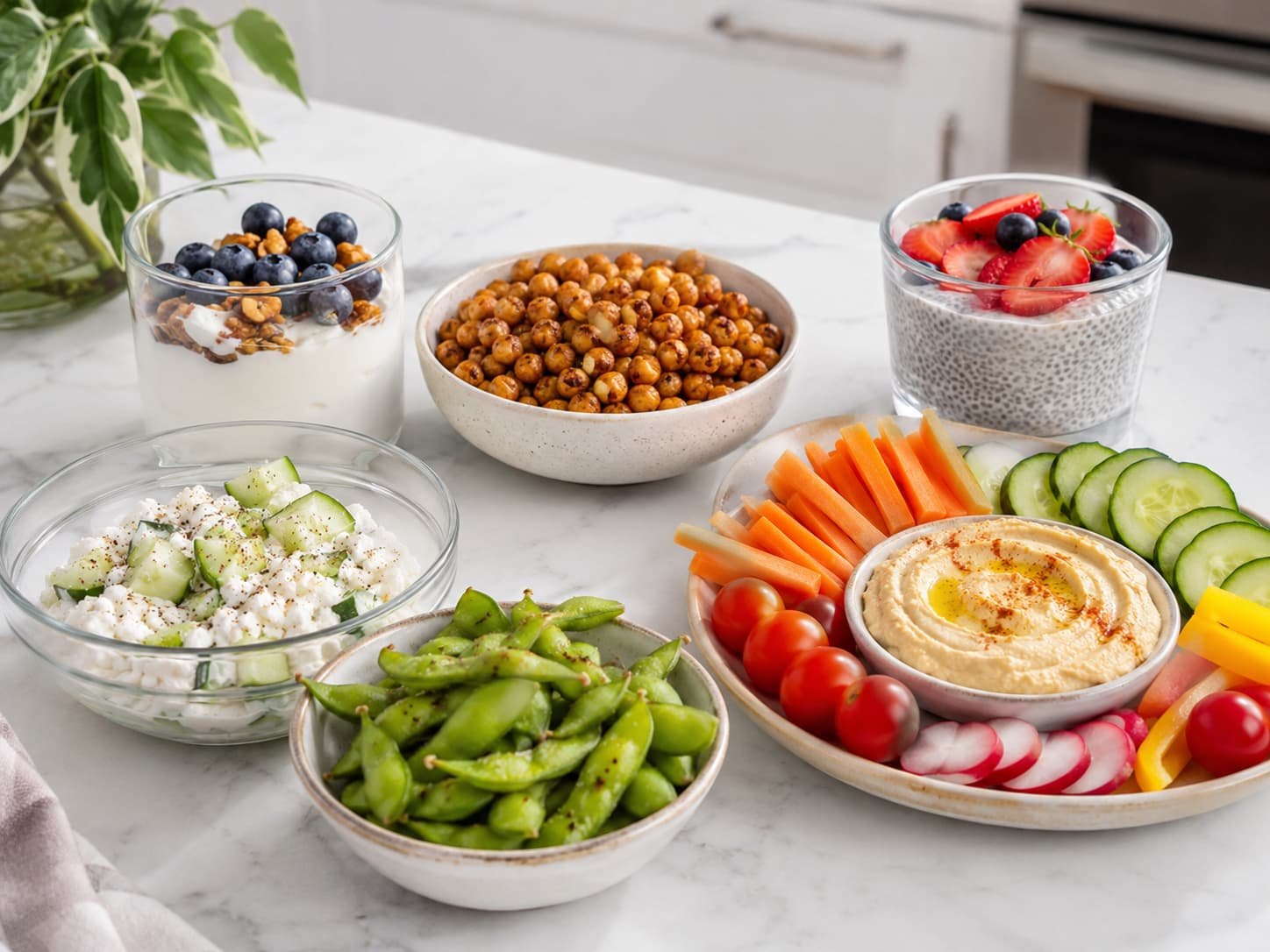
Greek yogurt is a quick option because it is high in protein and easy to pair with fruit or cinnamon. Roasted chickpeas are crunchy and filling, making them a useful swap for chips. Cottage cheese with cucumber is simple, fresh, and works well when you want something savory.
Hummus with vegetables is another balanced snack because it gives you fiber, flavor, and crunch. Chia pudding can work as a sweet snack when made with milk, yogurt, or a lower-sugar base. Edamame is also a strong choice because it is naturally rich in plant-based protein and easy to prepare.
Vegetarian Meal Prep Tips for Weight Loss
Vegetarian meal prep can make weight loss easier because it removes some of the guesswork from busy days. When you already have cooked protein, chopped vegetables, and simple sauces ready, it becomes easier to build a balanced meal instead of reaching for whatever is fastest.
Start by cooking one or two vegetarian protein sources in advance. Lentils, black beans, chickpeas, tofu, and tempeh can all be prepared ahead and used in different meals during the week. Cooked lentils can go into soup one day and a grain bowl the next.
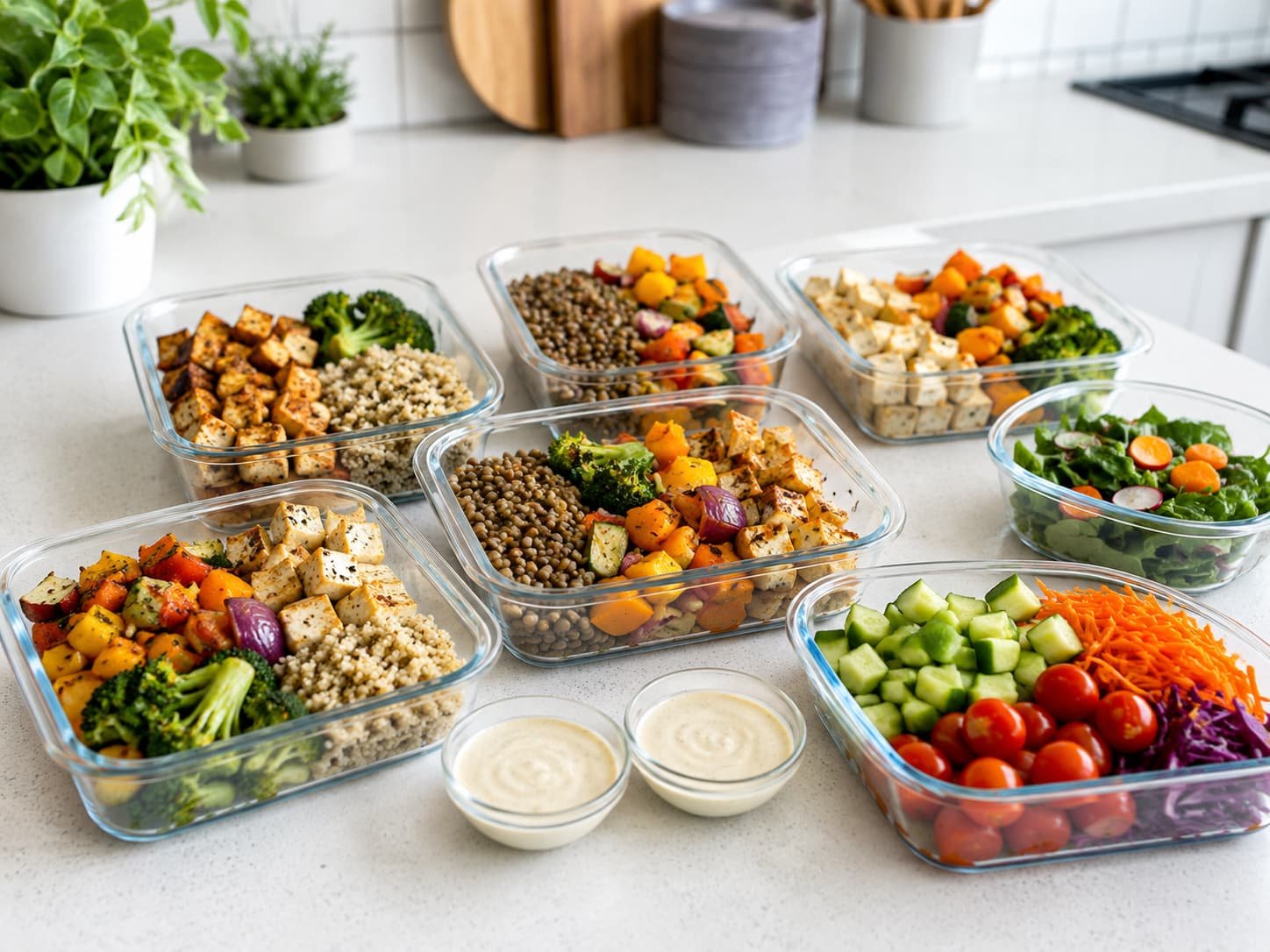
Vegetables are also easier to use when they are washed, chopped, or roasted ahead of time. Keep raw vegetables ready for wraps and snacks, and roast a tray of broccoli, cauliflower, zucchini, mushrooms, or bell peppers for bowls and dinners.
Sauces are best prepared separately so your meals do not get soggy. A simple yogurt sauce, tahini lemon sauce, salsa, hummus dressing, or herb dressing can make the same ingredients taste different during the week.
It also helps to keep simple vegetarian snacks ready. Greek yogurt, roasted chickpeas, cottage cheese, hummus with vegetables, chia pudding, or edamame can help you avoid getting overly hungry between meals.
For an easy weekly plan, prep two protein sources, two vegetables, one grain, and one sauce. For example, you could prepare lentils and tofu, roasted broccoli and bell peppers, quinoa, and a yogurt herb sauce. With those basics ready, you can build bowls, wraps, salads, and quick dinners without starting from zero every time.
Portion containers can also help if you often over-serve grains, sauces, nuts, or cheese. You do not need to measure everything forever, but using containers for a while can help you understand what a balanced vegetarian weight-loss meal looks like.
When planning vegetarian meal prep ideas, keep sauces, nuts, cheese, oils, and creamy toppings in small portions because they can add calories quickly, even in healthy vegetarian meals. The goal is not to make meals plain. The goal is to keep them flavorful, balanced, and easy to repeat.
Common Vegetarian Weight Loss Mistakes to Avoid
Vegetarian meals can support weight loss, but small mistakes can make progress harder. If you are eating vegetarian and not seeing the results you expected, the issue may not be vegetarian eating itself. It may be that your meals are too low in protein, too high in refined carbs, or too dependent on cheese, sauces, snacks, and processed foods. Even healthy vegetarian meal prep recipes work best when they include enough protein, fiber, whole foods, and balanced portions.
A better approach is to keep meals simple and balanced. Add protein to each meal, choose fiber-rich carbs, use fats in controlled amounts, and make sure your vegetarian diet still provides important nutrients.
Mistake 1: Eating Too Little Protein
One common mistake is building vegetarian meals mostly around carbs and vegetables, with very little protein. A plate of pasta, rice, bread, or potatoes may feel filling at first, but it may not keep you satisfied for long if there is no steady protein source.
Protein helps vegetarian meals feel more complete. It can come from lentils, chickpeas, black beans, tofu, tempeh, edamame, Greek yogurt, cottage cheese, paneer, or eggs if your diet includes them. You do not need to make every meal extremely high in protein, but adding a reliable source to breakfast, lunch, and dinner can make meals easier to manage.
For example, oatmeal becomes more balanced with Greek yogurt or chia seeds. A salad becomes more filling with lentils, chickpeas, tofu, or cottage cheese. A wrap works better when it includes beans, hummus, paneer, or tofu instead of only vegetables.
Mistake 2: Depending on Cheese and Creamy Sauces
Cheese can fit into a vegetarian weight-loss meal, but it is easy to overuse. The same is true for creamy sauces, heavy dressings, butter, and large amounts of oil. These foods add flavor, but they can also increase calories quickly.
A small amount of cheese can make a bowl, toast, wrap, or salad more enjoyable. The issue starts when cheese or creamy sauce becomes the main part of the meal instead of vegetables, protein, and fiber-rich carbs.
A better option is to use lighter sauces more often. Greek yogurt with lemon and herbs, salsa, hummus thinned with water, or a small spoon of tahini can add flavor without making the meal too heavy. You can still enjoy cheese, but it works best as a topping, not the base of the plate.
Mistake 3: Eating Too Many Refined Carbs
Vegetarian meals can become carb-heavy if they depend too much on white bread, sugary cereal, large pasta portions, sweet snacks, pastries, or refined crackers. These foods may be easy and quick, but they often do not provide enough protein or fiber to keep you full.
Carbs do not need to be removed from a vegetarian meal. The better choice is to use high-fiber carbs in sensible portions. Oats, quinoa, brown rice, sweet potatoes, beans, lentils, whole wheat wraps, and whole grain pasta can make meals feel more balanced.
For example, a smaller portion of whole grain pasta with vegetables and tofu is usually more useful than a large bowl of plain pasta with creamy sauce. Overnight oats with chia seeds and Greek yogurt can also be more satisfying than a sugary breakfast cereal.
Mistake 4: Thinking Vegetarian Means Automatically Healthy
A food can be vegetarian and still not be very helpful for weight loss. Fries, desserts, pizza, sweet drinks, creamy pasta, packaged snacks, and ultra-processed vegetarian products can all be meat-free, but that does not automatically make them balanced.
This is why food quality matters. A vegetarian meal based on beans, lentils, tofu, vegetables, whole grains, and simple sauces will usually support fullness better than a meal built mostly around fried foods or processed snacks.
You do not need to avoid every packaged food forever. The goal is to make whole foods the base of most meals and keep ultra-processed options as occasional choices. This keeps the diet more practical and easier to follow.
Mistake 5: Not Planning Key Nutrients
A vegetarian diet can be healthy, but it still needs planning. When meat or fish is removed, it becomes more important to pay attention to nutrients such as vitamin B12, iron, calcium, omega-3, and vitamin D.
Vitamin B12 is often found in animal-based foods, so vegetarians may need to include dairy, eggs, fortified foods, or speak with a health professional about supplements if needed. Iron can come from lentils, beans, chickpeas, tofu, spinach, seeds, and fortified foods. Pairing iron-rich foods with vitamin C foods like citrus, peppers, or berries can help support absorption.
Calcium can come from dairy foods, fortified plant milks, calcium-set tofu, yogurt, leafy greens, and sesame-based foods like tahini. Omega-3 can come from chia seeds, flaxseed, walnuts, and some fortified foods. Vitamin D may come from sunlight, fortified foods, or supplements depending on the person, location, and season.
The main point is simple: vegetarian meals should not only be low in calories. They should also be nourishing enough to support your energy, routine, and overall health. If you have a medical condition, are pregnant, or follow a strict vegetarian or vegan diet, it is best to speak with a qualified health professional about your nutrient needs.
Mistake 6: Skipping Meals and Then Overeating Later
Skipping meals may seem like an easy way to reduce calories, but it can backfire for many people. If breakfast and lunch are too small or missing completely, hunger can build up later in the day. This often leads to larger portions, more snacking, or choosing quick foods that are not very balanced.
A steady breakfast and lunch can make evenings easier. For breakfast, Greek yogurt with oats and berries, a cottage cheese bowl, or tofu scramble with vegetables can help you start the day with protein and fiber. For lunch, lentil soup, a chickpea wrap, or a quinoa tofu bowl can keep you more satisfied until dinner.
You do not need a perfect meal schedule. The goal is to avoid getting so hungry that it becomes hard to make a thoughtful choice. Balanced meals earlier in the day can support better portion control and a more consistent vegetarian weight-loss routine.
Sample One-Day Vegetarian Weight Loss Meal Plan
A simple vegetarian meal plan can make the day feel easier, especially when you are trying to eat lighter without feeling hungry all the time. The goal is not to follow one perfect menu. The goal is to understand how protein, fiber, vegetables, and balanced portions can work together across the day.
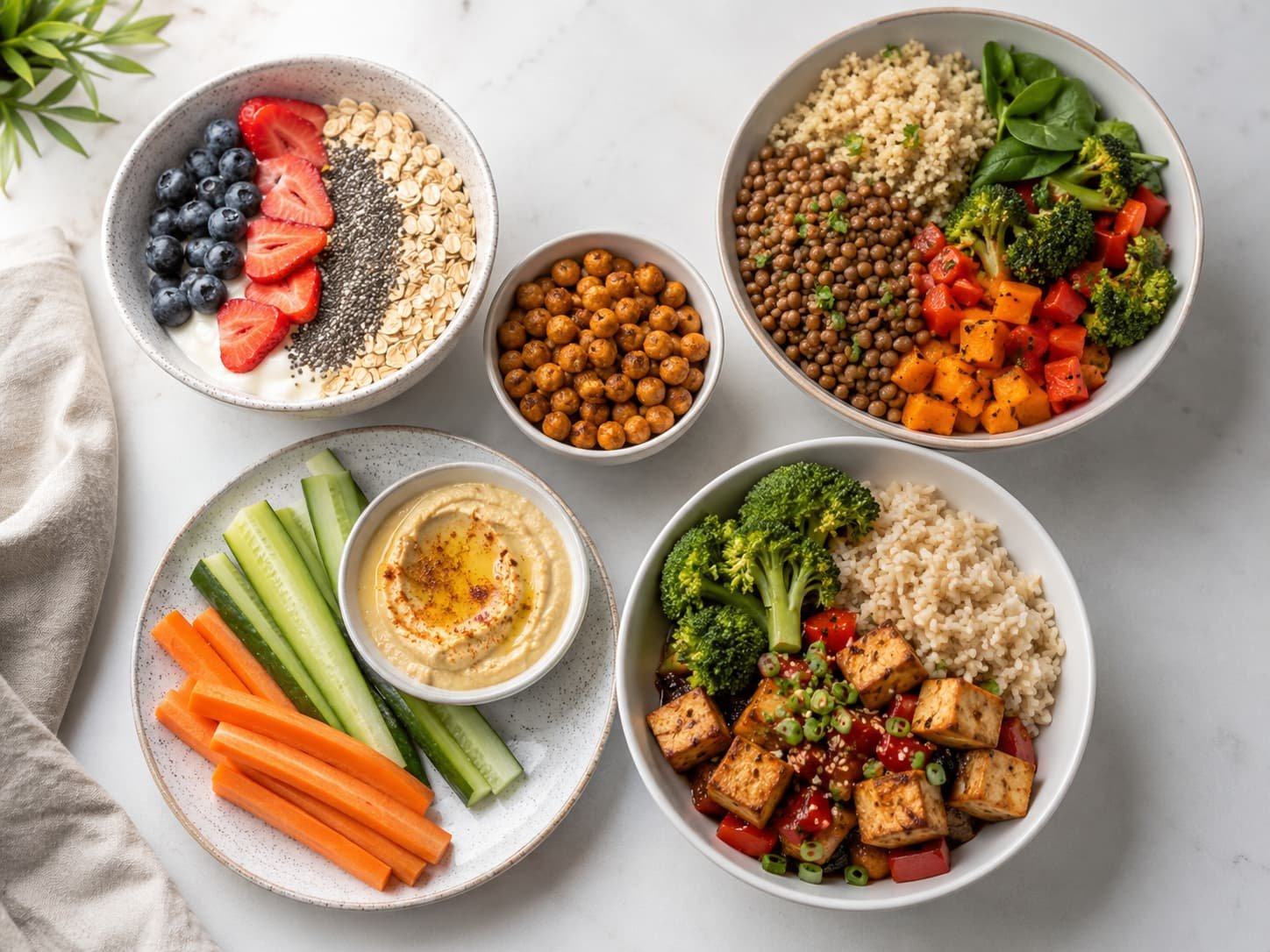
This sample high-protein vegetarian meal plan uses everyday foods like Greek yogurt, chia seeds, lentils, quinoa, hummus, tofu, broccoli, and brown rice. It gives a mix of protein, high-fiber carbs, vegetables, and healthy fats without making the meals feel too strict.
| Meal | Example | Why It Works |
| Breakfast | Greek yogurt with berries, chia seeds, and oats | Protein, fiber, and slow-digesting carbs |
| Snack | Roasted chickpeas or cottage cheese | Filling, simple, and easy to prepare |
| Lunch | Lentil quinoa bowl with vegetables | Protein, high-fiber carbs, and meal volume |
| Snack | Hummus with cucumber and carrots | Fiber, crunch, and steady fullness |
| Dinner | Tofu stir fry with broccoli and brown rice | Protein, vegetables, and balanced carbs |
For breakfast, Greek yogurt with berries, chia seeds, and oats gives you protein, fiber, and slow-digesting carbs in one bowl. It is also easy to prepare ahead if mornings are busy.
For lunch, a lentil quinoa bowl with vegetables can be filling without feeling too heavy. Lentils add protein and fiber, quinoa adds steady carbs, and vegetables bring volume, color, and freshness. For better balance, keep vegetables as a large part of the bowl and use grains in a moderate portion.
For dinner, tofu stir fry with broccoli and brown rice is a balanced vegetarian meal that feels warm and satisfying. Tofu gives protein, broccoli adds fiber and nutrients, and brown rice helps the meal feel complete.
The snacks in this plan are simple on purpose. Roasted chickpeas add crunch and fiber, cottage cheese adds protein, and hummus with cucumber or carrots gives you a fresh snack without feeling too heavy. These choices can help you avoid getting overly hungry between meals, which may make portion control easier later in the day.
This is only a sample vegetarian weight loss meal plan. Portion sizes should change based on your age, activity level, hunger, health needs, and personal goals. If you have a medical condition or need a specific nutrition plan, it is best to speak with a qualified health professional.
Who Should Be Careful with Vegetarian Weight Loss Diets?
Vegetarian meals can be a healthy choice for many people, but a weight-loss diet is not right for everyone in the same way. Some people need extra care before changing their eating pattern, especially if they have higher nutrient needs, a medical condition, or a history of difficult eating habits.
Pregnant women should be careful with any weight-loss diet because the body needs enough energy and nutrients during pregnancy. A vegetarian diet can still be balanced, but it should provide enough protein, iron, calcium, vitamin B12, vitamin D, omega-3, and overall calories to support both mother and baby.
People with medical conditions should also avoid making major diet changes without guidance. This includes people with diabetes, kidney disease, digestive conditions, heart-related concerns, or anyone who has been told to follow a specific eating plan. For example, someone with diabetes may need to watch meal timing and carbohydrate portions, while someone with kidney disease may need to manage nutrients like protein, sodium, potassium, or phosphorus depending on their condition.
Anyone with a history of eating disorders should be especially careful with weight-loss content. A vegetarian meal plan should not become a way to overly restrict food, skip meals, or create fear around normal eating. In this case, support from a qualified health professional is very important.
People taking medication should also be cautious. Food choices, weight changes, supplements, and meal timing can sometimes affect how certain medicines work. This is why personal medical advice matters when changing your diet in a big way.
People with medical conditions should speak with a qualified health professional before making major diet changes. A vegetarian weight-loss plan should feel balanced, nourishing, and realistic, not extreme or stressful.
Final Thoughts
Vegetarian meals can support weight loss when they are built with enough protein, fiber, whole foods, and sensible portions. The most helpful meals are often simple ones, such as lentil bowls, chickpea wraps, tofu stir fries, Greek yogurt breakfasts, cottage cheese bowls, vegetable soups, and high-fiber meal prep plates.
The key is not just removing meat. A vegetarian meal can still be too high in calories if it depends mostly on pasta, white bread, cheese, creamy sauces, fried foods, sweets, or processed vegetarian products. For better balance, build meals around vegetables, beans, lentils, tofu, whole grains, Greek yogurt, cottage cheese, and small amounts of healthy fats.
Consistency matters more than perfection. You do not need a strict meal plan or complicated recipes to start. Choose a few meals you enjoy, prepare simple ingredients ahead of time, and keep your portions realistic. Start with one or two easy meals, then build from there as your routine becomes easier.
When vegetarian meals are filling, balanced, and easy to repeat, they can become a practical part of a healthy weight-loss routine.
Frequently Asked Questions
Are vegetarian meals good for weight loss?
Yes, vegetarian meals can support weight loss when they include protein, fiber, vegetables, and controlled portions. Simply removing meat is not enough if the diet still includes too many refined carbs, fried foods, sweets, creamy sauces, or high-calorie snacks.
What is the best vegetarian meal for weight loss?
A balanced vegetarian meal for weight loss includes vegetables, a protein source, a high-fiber carb, and a small amount of healthy fat. A lentil quinoa bowl with roasted vegetables and a light yogurt sauce is a good example because it provides protein, fiber, volume, and flavor in one meal.
Can I lose weight without eating meat?
Yes, you can lose weight without eating meat if your meals support a calorie deficit and still provide enough protein, fiber, and nutrients. Vegetarian meals can be filling and nutritious when they include foods like beans, lentils, tofu, Greek yogurt, cottage cheese, vegetables, and whole grains.
Why am I not losing weight on a vegetarian diet?
Common reasons include eating too many refined carbs, large portions of cheese or nuts, sugary snacks, low protein intake, frequent liquid calories, oversized portions, and lack of meal planning. A vegetarian diet works best for weight loss when meals are balanced and portions are realistic.
Are vegetarian meals always low calorie?
No, vegetarian meals are not always low calorie. Fried foods, creamy pasta, cheese-heavy meals, desserts, oils, nuts, and processed vegetarian products can still be high in calories. A better approach is to focus on whole foods, protein, fiber, vegetables, and controlled portions.
What vegetarian foods are high in protein?
High-protein vegetarian foods include lentils, chickpeas, black beans, tofu, tempeh, edamame, Greek yogurt, cottage cheese, paneer, eggs, quinoa, nuts, seeds, and chia seeds. For weight loss, it is helpful to include a protein source in each main meal.
What should I eat for vegetarian dinner to lose weight?
A good vegetarian dinner for weight loss should include vegetables, protein, and high-fiber carbs. Simple examples include tofu stir fry with broccoli and brown rice, lentil curry with cauliflower rice, chickpea vegetable stew, or high-protein vegetarian chili with beans and vegetables.